

CrosswindUnited States
 Traffic rules
 United States
1. Crosswind
Crosswind is wind blowing across the direction of travel and can push a vehicle sideways or affect its stability. Strong or sudden gusts are especially dangerous for motorcycles, bicycles, travel trailers, other trailers and high-profile vehicles. Drivers should reduce speed, keep a firm but relaxed grip on the steering wheel and allow extra space from other road users. Particular care is needed on bridges, exposed roads and when passing large vehicles or leaving sheltered areas, where a sudden change in wind force can move the vehicle unexpectedly.
Where can crosswinds be especially hazardous in the United States?
Watch for sudden gusts on long bridges, open plains and mountain passes. Winds can be stronger as you leave a sheltered section or pass a large vehicle, so make allowance for changes in steering force. Local wind and road warnings can change along a long route.
Does a crosswind warning automatically impose a speed limit in the United States?
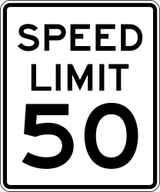
A wind warning or advisory does not itself establish a numerical speed limit. Obey separately posted speed limits and any road closure or vehicle-specific restrictions, and slow down when gusts threaten stability.
How should you drive a motorcycle, van or vehicle towing a caravan in strong winds in the United States?
These vehicles may react sharply to gusts. Reduce speed smoothly, leave more room from traffic, hold the controls steadily and take extra care when passing a lorry or emerging from shelter. Follow any temporary restriction for high-sided vehicles.

