

Señales de tráficoEstados Unidos
 Normas de tráfico
 Estados Unidos
251. Guantera
La guantera es un compartimento de almacenamiento integrado en el salpicadero delante del asiento del acompañante. Se utiliza habitualmente para guardar documentos del vehículo, el manual del propietario y otros objetos pequeños al alcance de la mano. Debe mantenerse cerrada durante la conducción para que no moleste a los pasajeros ni permita que objetos sueltos caigan al interior del vehículo. Conviene evitar guardar objetos de valor o elementos que puedan dañarse por las altas temperaturas que pueden alcanzarse dentro de un vehículo estacionado.
What is a glovebox?
A glovebox is a storage compartment in the dashboard, usually located in front of the passenger seat. It is also called a glove compartment.
Why is it called a glovebox?
The name comes from the early use of the compartment for storing driving gloves. Today it is commonly used for vehicle documents and other small items.
What can you keep in a glovebox?
A glovebox is commonly used for vehicle documents, the owner’s manual and small useful items. What should be kept in the vehicle depends on local legal requirements and personal preference.
Should the glovebox be closed while driving?
Yes. Keeping the glovebox properly closed while driving prevents it from obstructing the passenger area and helps stop loose objects from falling out.
Should valuables be kept in the glovebox?
It is generally better not to leave valuable or sensitive items in an unattended vehicle, as a glovebox does not provide strong protection against theft.
Can a glovebox become hot?
Yes. The interior of a parked vehicle can become very hot, and the glovebox can also heat up. Avoid storing heat-sensitive or potentially dangerous items there.

252. Visibilidad
La visibilidad es la capacidad del conductor para ver con claridad la carretera, otros usuarios y posibles peligros, al tiempo que hace visible el vehículo para los demás. Puede reducirse por oscuridad, niebla, lluvia, nieve, cristales sucios o empañados, deslumbramiento y objetos que obstruyan el campo de visión. El conductor debe mantener limpios los cristales, espejos y luces, retirar cualquier elemento que limite su visión y utilizar el alumbrado adecuado cuando la visibilidad disminuya.
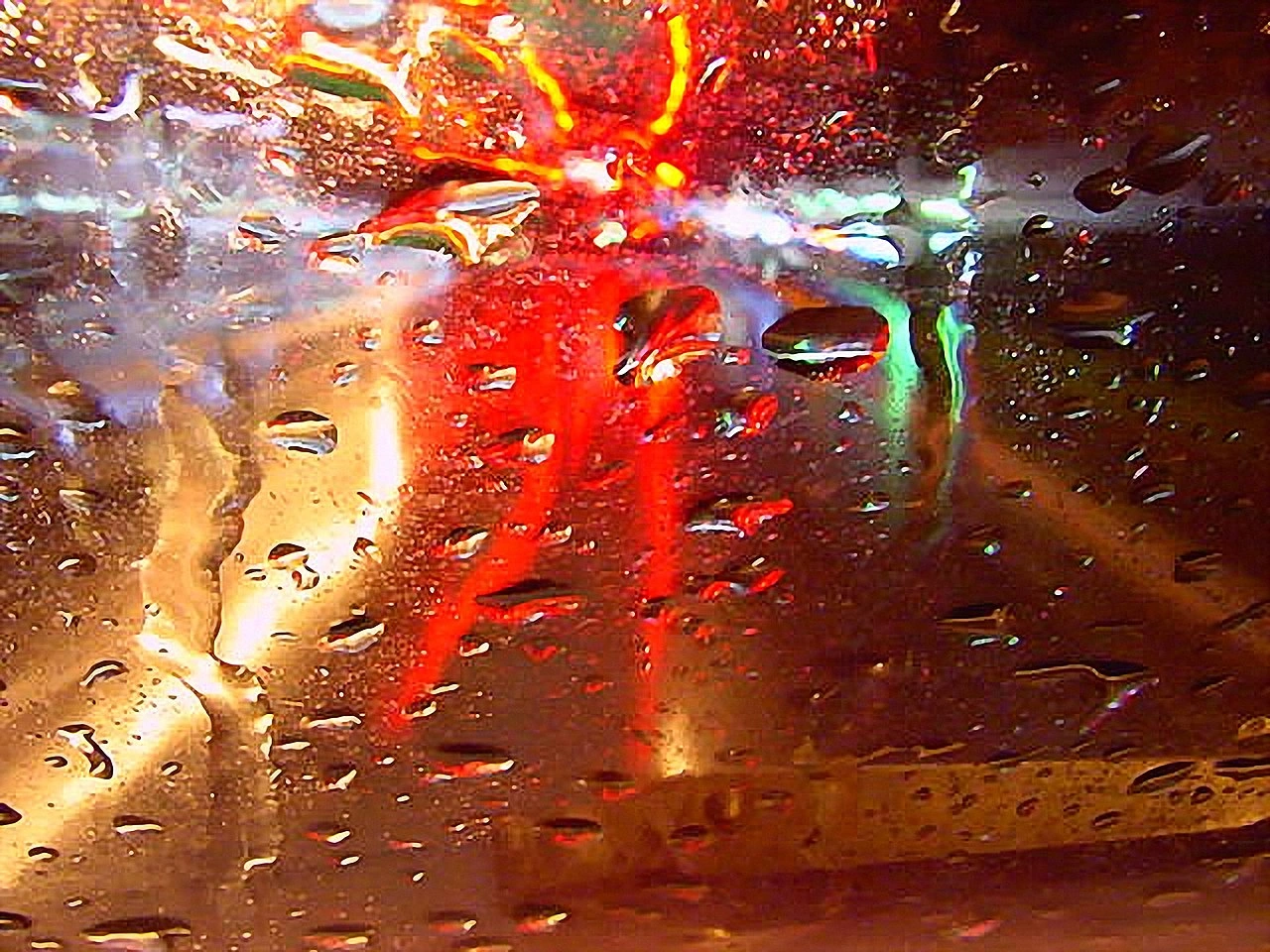
What does visibility mean when driving?
Visibility describes how clearly a driver can see the road, traffic and hazards and how easily other road users can see the vehicle.
What can reduce visibility while driving?
Visibility can be reduced by darkness, fog, rain, snow, glare, dirty or misted windows and objects that obstruct the driver’s view.
How can you improve visibility while driving?
Keep the windscreen, windows, mirrors and lights clean, remove condensation or ice before driving and use the appropriate lights when conditions require them.
Can objects inside a vehicle obstruct visibility?
Yes. Objects placed on the dashboard, windscreen or elsewhere around the driver can block part of the field of vision and make it harder to detect road users or hazards.
What should you do when visibility is poor?
Reduce your speed, increase your following distance and use the appropriate lights. Make sure you can see far enough ahead to react safely to traffic and obstacles.
Why are mirrors important for visibility?
Mirrors extend the driver’s view to the rear and sides of the vehicle. They should be clean and correctly adjusted, although drivers must still check blind spots where necessary.
253. Nieve
La nieve puede hacer que la carretera sea resbaladiza, reducir la visibilidad y aumentar considerablemente la distancia de frenado. El conductor debe reducir la velocidad, aumentar la distancia de seguimiento y acelerar, girar y frenar suavemente para evitar perder el control. Antes de iniciar la marcha debe retirarse la nieve o el hielo de ventanas, espejos y luces, y según el país y las condiciones pueden ser necesarios neumáticos adecuados u otros equipos de invierno.
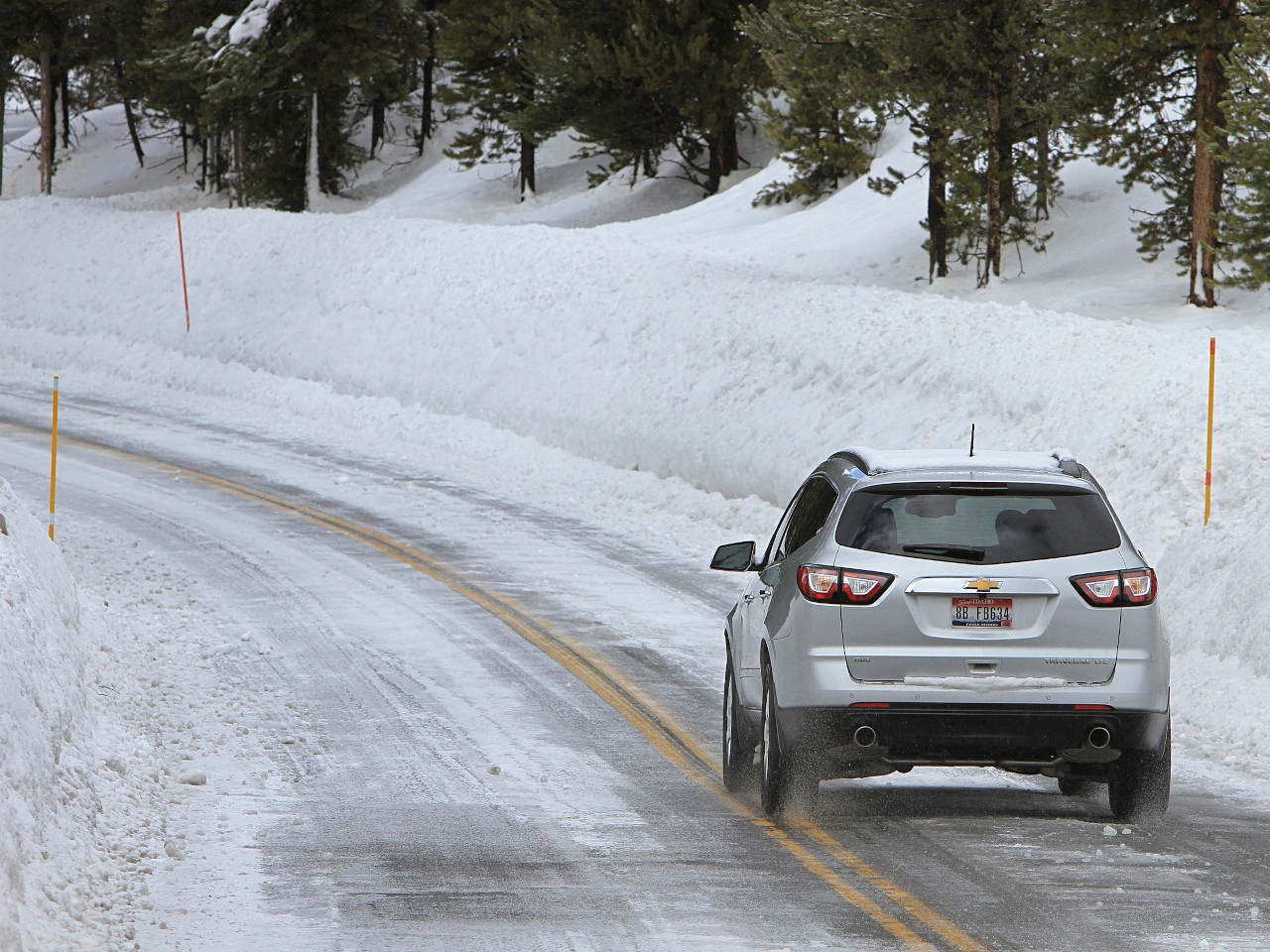
How does snow affect driving?
Snow can reduce tyre grip, visibility and vehicle control and increase the distance needed to slow down or stop.
How should you drive on snow?
Drive more slowly, increase your following distance and use smooth acceleration, steering and braking. Sudden movements can cause the tyres to lose grip.
Should snow be removed from a vehicle before driving?
Yes. Remove snow and ice that obstruct the windscreen, windows, mirrors and lights. Snow should also be removed where it could fall from the vehicle and create a hazard for other road users.
Are winter tyres required when it snows?
This depends on the country. Some countries require winter tyres during certain periods or winter conditions, while others only recommend them.
When are snow chains used?
Snow chains can provide additional grip on roads covered with snow or ice. Rules for their use vary between countries, and some roads may require them when indicated by a traffic sign.
Should you use fog lights during snowfall?
Fog-light rules vary by country. They are generally intended for conditions where snow, fog or other weather significantly reduces visibility, so drivers should follow the applicable local rules.
254. Hielo
El hielo puede hacer que una carretera sea extremadamente resbaladiza y reducir notablemente la adherencia, el control de la dirección y la eficacia de los frenos. Puede ser difícil de ver, especialmente cuando forma una fina capa transparente conocida como hielo negro. El conductor debe reducir la velocidad, aumentar la distancia de seguimiento y acelerar, girar y frenar suavemente. Se requiere especial precaución en puentes, tramos sombríos y otros lugares donde el hielo puede permanecer incluso cuando el resto de la carretera parece despejado.
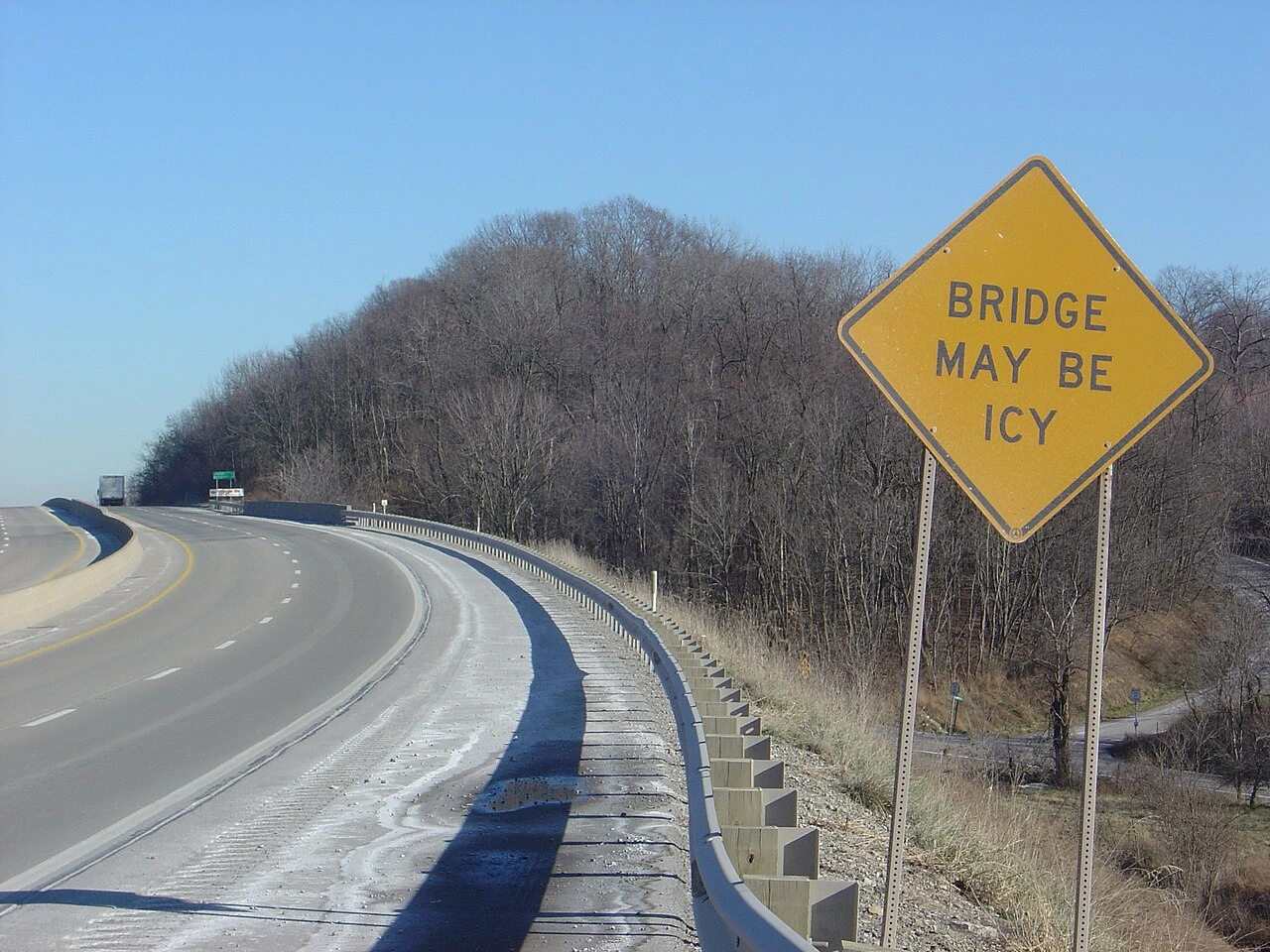
Why is ice dangerous when driving?
Ice can cause a major loss of tyre grip, making it harder to steer, brake or accelerate without skidding.
What is black ice?
Black ice is a thin, transparent layer of ice that can be difficult to distinguish from the road surface. It is particularly dangerous because drivers may not notice it until the vehicle begins to lose grip.
How should you drive on an icy road?
Reduce speed, increase your following distance and use smooth steering, acceleration and braking. Avoid sudden movements that could cause the tyres to lose grip.
Where is ice most likely to form on a road?
Ice can form anywhere temperatures are sufficiently low, but drivers should be particularly careful on bridges, shaded sections, exposed roads and areas where water collects.
What should you do if the vehicle starts to skid on ice?
Remain calm, avoid sudden braking or steering and make smooth corrections while reducing the forces that caused the loss of grip. The correct response can depend on the vehicle and its safety systems.
Do winter tyres improve grip on ice?
Winter tyres can provide better grip in cold and winter conditions than summer tyres, although no tyre can eliminate the risk of skidding on ice. Requirements for winter tyres vary between countries.
255. Lluvia
La lluvia puede reducir la visibilidad, la adherencia y el control del vehículo, además de aumentar la distancia de frenado. El agua sobre la carretera también puede provocar aquaplaning, cuando los neumáticos pierden contacto con el pavimento. El conductor debe reducir la velocidad, aumentar la distancia de seguimiento, evitar maniobras o frenadas bruscas y utilizar las luces adecuadas cuando disminuya la visibilidad. Se necesita especial precaución durante lluvias intensas y cuando se acumula agua en las rodadas o en carreteras con mal drenaje.
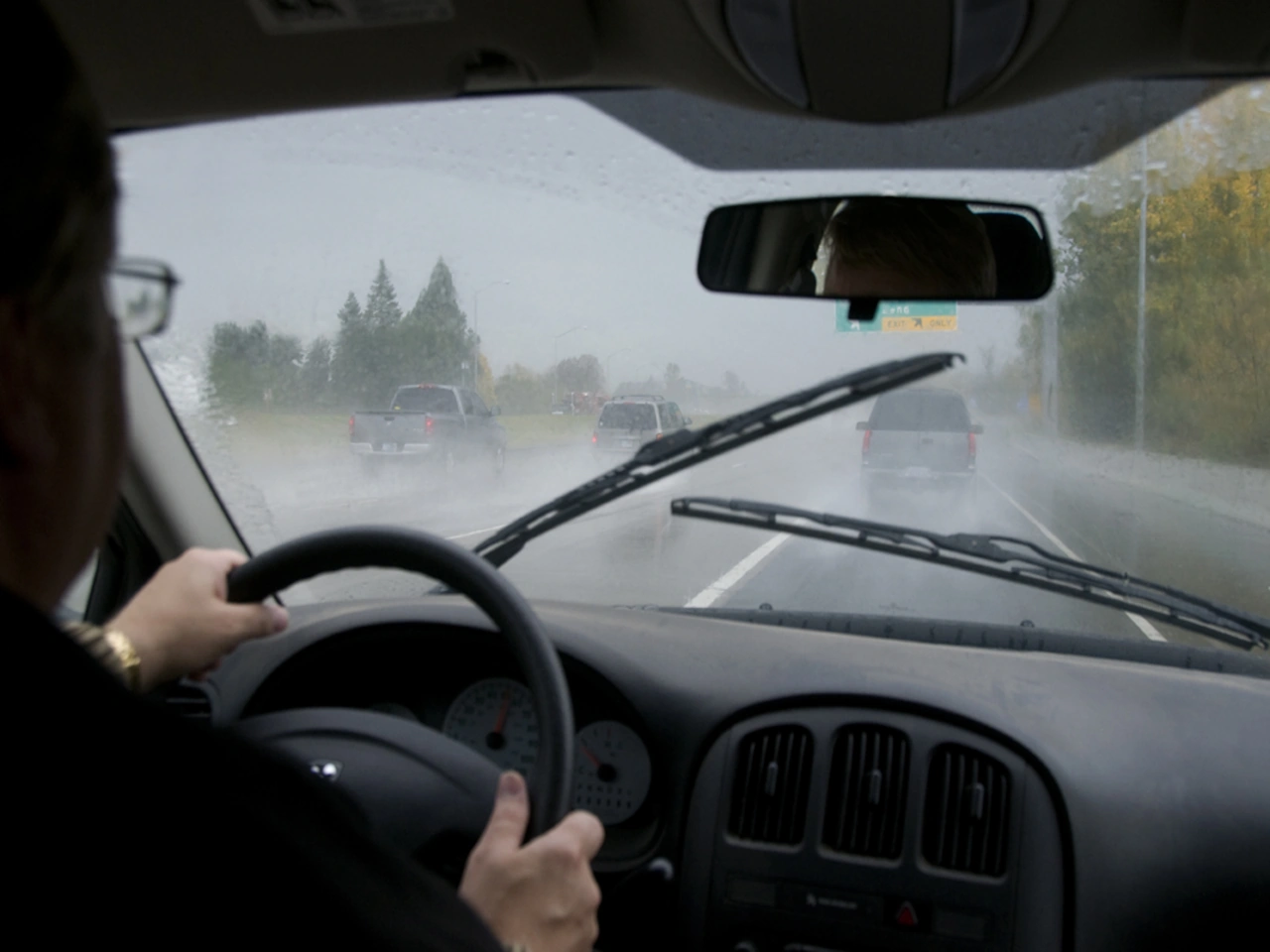
How does rain affect driving?
Rain can reduce visibility and tyre grip, increase stopping distances and make it more difficult to control the vehicle safely.
What is aquaplaning?
Aquaplaning occurs when a layer of water builds up between the tyres and the road, causing the tyres to lose contact with the road surface and reducing steering and braking control.
How should you drive in heavy rain?
Reduce speed, increase your following distance and use smooth steering, acceleration and braking. Use the appropriate lights and be prepared for reduced visibility and standing water.
Why should you increase the following distance in rain?
Wet roads can increase the distance needed to stop. A larger following distance gives you more time and space to react safely.
What should you do if the vehicle starts aquaplaning?
Remain calm, ease off the accelerator and avoid sudden braking or steering. Make smooth corrections until the tyres regain contact with the road.
Should you use headlights in rain?
Lighting requirements vary between countries. Drivers should use the lights required by local traffic rules whenever rain or other conditions reduce visibility.
256. Lluvia engelante
La lluvia engelante se produce cuando gotas de lluvia subenfriadas se congelan al entrar en contacto con carreteras, vehículos y otras superficies frías, creando una fina capa de hielo. Esto puede hacer que la carretera sea extremadamente resbaladiza aunque parezca simplemente mojada. El conductor debe reducir la velocidad, aumentar la distancia de seguimiento y evitar aceleraciones, giros o frenadas bruscas. Puentes, zonas sombrías y carreteras sin tratar pueden volverse especialmente peligrosos, y las condiciones pueden cambiar rápidamente mientras continúa la lluvia engelante.
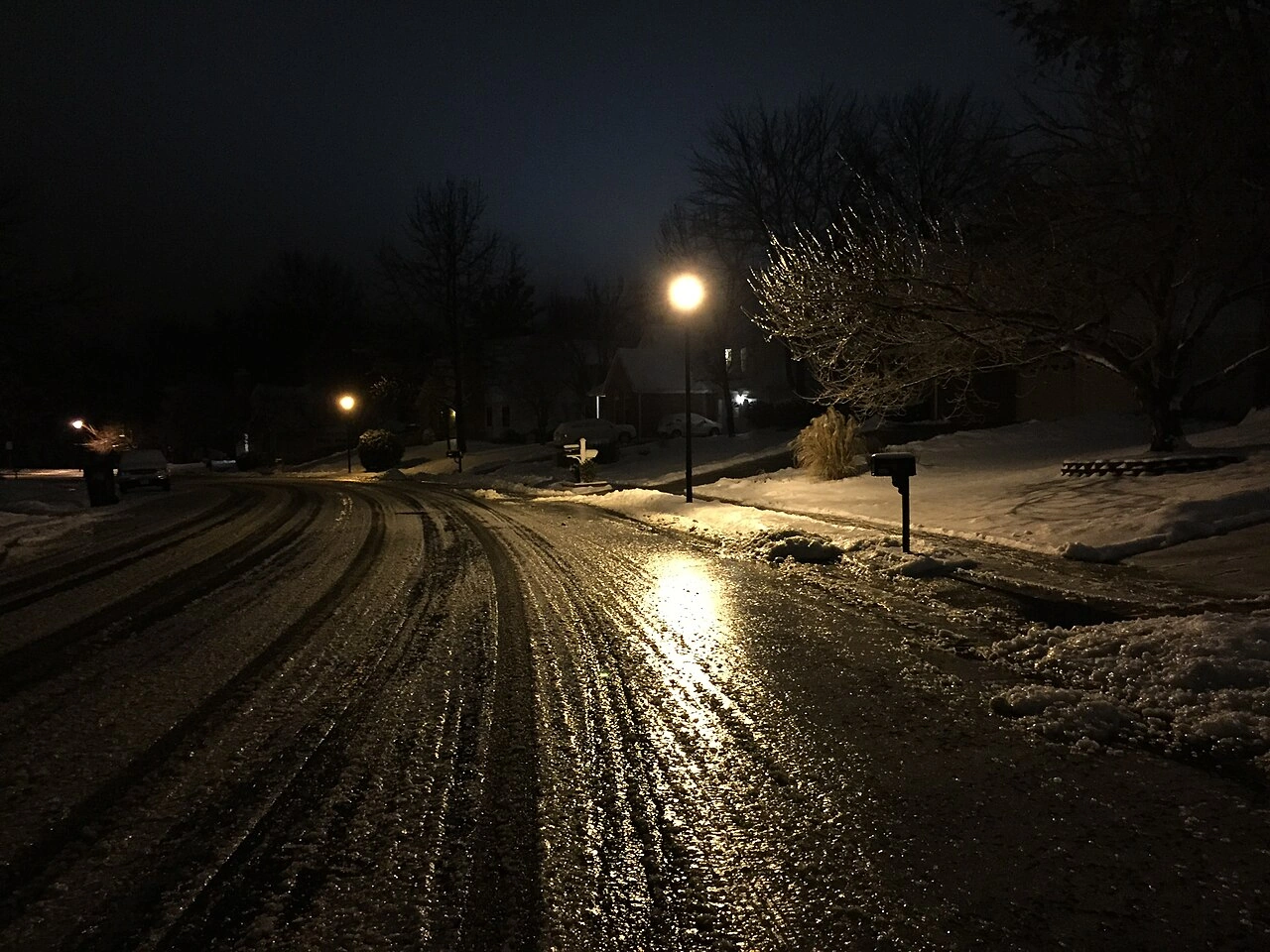
What is freezing rain?
Freezing rain is rain that freezes when it reaches a sufficiently cold surface, forming a layer of ice on roads, vehicles and other objects.
Why is freezing rain dangerous for drivers?
Freezing rain can create very slippery and difficult-to-see ice, greatly reducing tyre grip and making steering and braking more difficult.
Is freezing rain the same as snow?
No. Snow falls as frozen crystals, while freezing rain falls as liquid droplets that freeze when they reach a cold surface.
Can freezing rain cause black ice?
Yes. Freezing rain can create a thin, transparent layer of ice that is difficult to distinguish from a wet road and is often described as black ice.
How should you drive in freezing rain?
Reduce speed, increase your following distance and use smooth acceleration, steering and braking. Avoid unnecessary driving if conditions become extremely slippery.
Where is freezing rain most dangerous?
Extra caution is needed on bridges, exposed roads, shaded areas and untreated surfaces, where ice may form quickly or remain longer.
257. Niebla
La niebla puede reducir enormemente la visibilidad y dificultar la estimación de la velocidad, distancia y posición de otros usuarios. El conductor debe reducir la velocidad, aumentar la distancia de seguimiento y utilizar las luces adecuadas sin deslumbrar a los demás. No conviene depender únicamente del vehículo que circula delante como referencia, y hay que estar preparado para cambios repentinos de visibilidad. Cuando la niebla es muy densa, detenerse en un lugar seguro puede ser la mejor opción.
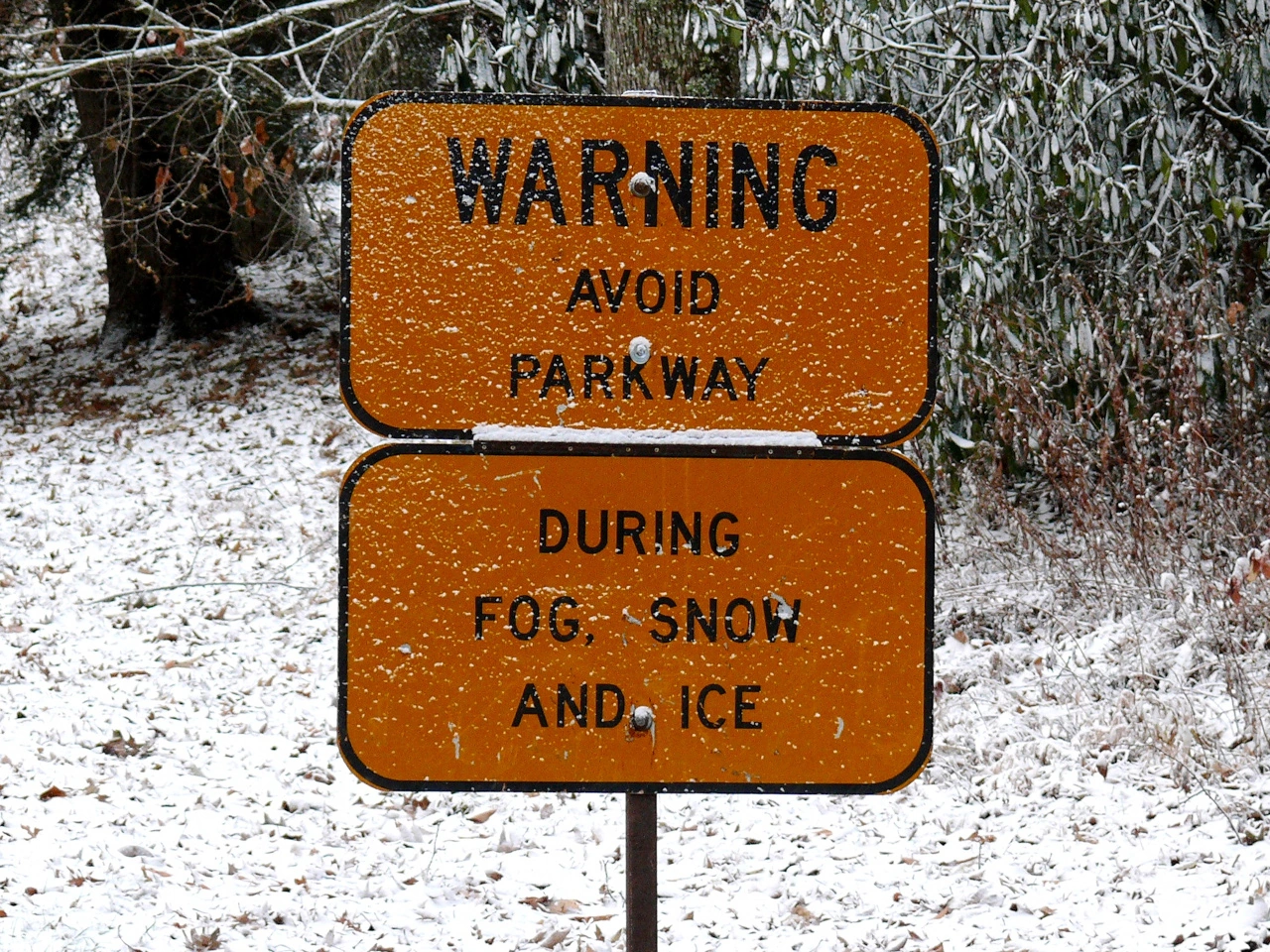
Why is fog dangerous when driving?
Fog can greatly reduce visibility and make it harder to judge speed, distance and the movement of other road users.
How should you drive in fog?
Reduce speed, increase your following distance and use the appropriate lights. Drive so that you can stop safely within the distance you can clearly see.
Should you use high-beam headlights in fog?
Usually not. High beams can reflect from the water droplets in fog and make visibility worse. Use the lighting permitted and recommended under local traffic rules.
When should fog lights be used?
Fog lights are intended for conditions where fog or similar weather significantly reduces visibility. The exact rules for front and rear fog lights vary between countries.
Should you follow the lights of the vehicle ahead in fog?
No. You should maintain your own safe speed and following distance. Following another vehicle too closely can be dangerous because visibility and stopping distance remain limited.
What should you do if fog becomes extremely dense?
If visibility becomes too poor to continue safely, slow down and consider stopping at a safe place away from moving traffic until conditions improve.
258. Granizo
El granizo puede reducir la visibilidad, hacer que la carretera sea resbaladiza y crear condiciones peligrosas de forma repentina. Los granizos pueden acumularse sobre el pavimento y reducir la adherencia de forma similar al hielo o material suelto, mientras que los de mayor tamaño también pueden dañar el parabrisas y la carrocería. El conductor debe reducir la velocidad, aumentar la distancia de seguimiento, evitar maniobras o frenadas bruscas y, si las condiciones se vuelven severas, considerar detenerse en un lugar seguro hasta que pase la granizada.
Why is hail dangerous when driving?
Hail can reduce visibility and tyre grip, make the road slippery and distract drivers because of the sudden noise and impact of hailstones.
How should you drive during a hailstorm?
Reduce speed, increase your following distance and use smooth steering and braking. If the hail becomes severe or visibility is very poor, consider stopping at a safe place away from moving traffic.
Can hail make a road slippery?
Yes. Hailstones can collect on the road and create a slippery surface with reduced tyre grip, particularly when mixed with rain or melting ice.
Can hail damage a vehicle?
Yes. Large hailstones can damage windscreens, windows, mirrors and vehicle bodywork. Severe hail can also reduce visibility if glass becomes cracked or damaged.
Should you use headlights during hail?
Use the lights required by local traffic rules when hail or other weather reduces visibility. Lighting requirements vary between countries.
Is it safer to stop during severe hail?
If visibility or road conditions become too dangerous, it may be safer to stop at a suitable place away from moving traffic and continue when conditions improve.
259. Luz solar
La luz solar puede reducir la visibilidad cuando el sol está bajo o cuando una luz intensa se refleja en carreteras mojadas, nieve, edificios u otros vehículos. El deslumbramiento puede dificultar ver semáforos, señales, peatones y otros usuarios. El conductor debe reducir la velocidad cuando sea necesario, mantener limpio el parabrisas, utilizar el parasol o gafas de sol adecuadas y dejar más espacio para reaccionar ante peligros que puedan quedar temporalmente ocultos por el resplandor.

Why can sunlight be dangerous when driving?
Bright or low sunlight can cause glare and temporarily reduce visibility, making traffic lights, signs, pedestrians and other road users more difficult to see.
When is sun glare most likely to cause problems?
Glare is often strongest when the sun is low in the sky, particularly around sunrise and sunset, and when sunlight reflects from wet roads, snow, glass or other bright surfaces.
What should you do when sunlight makes it difficult to see?
Reduce speed and increase your following distance so you have more time to react. Use the sun visor where helpful and avoid continuing at a speed that is too high for the available visibility.
Can a dirty windscreen make sun glare worse?
Yes. Dirt, grease, dust and streaks on the glass can scatter bright sunlight and make glare much worse. Keep the windscreen clean inside and outside.
Can sunglasses help while driving in bright sunlight?
Suitable sunglasses can reduce glare and improve visual comfort in bright conditions. They should not be so dark that they significantly reduce visibility, especially when entering tunnels or shaded areas.
Does a sun visor improve visibility?
Yes. A correctly positioned sun visor can block direct sunlight without unnecessarily obstructing the driver’s view of the road.
260. Gafas de sol
Las gafas de sol pueden reducir el deslumbramiento y mejorar el confort visual al conducir con mucha luz, especialmente cuando el sol está bajo o se refleja en carreteras mojadas, nieve u otras superficies. Deben elegirse lentes que permitan seguir viendo claramente semáforos, señales y otros usuarios. Las lentes muy oscuras pueden reducir la visibilidad en túneles, de noche o con cambios de iluminación, por lo que deben retirarse cuando dificulten ver la carretera con seguridad.

Can sunglasses help when driving?
Yes. Sunglasses can reduce glare and improve visual comfort in bright sunlight, making it easier to see the road and surrounding traffic.
When are sunglasses most useful while driving?
They are particularly useful when the sun is low in the sky or when bright light reflects from wet roads, snow, glass or other surfaces.
Are very dark sunglasses suitable for driving?
Very dark lenses can reduce the amount of light reaching the eyes and may make it difficult to see in tunnels, shade, poor weather or at night. Sunglasses should not interfere with safe visibility.
Can you wear sunglasses at night?
Sunglasses generally reduce available light and can therefore make it harder to see at night. They should not be worn when they significantly reduce visibility.
Are polarised sunglasses useful for driving?
Polarised lenses can reduce reflections from roads and other flat surfaces, but they may make some digital displays or screens harder to read. Drivers should make sure all essential instruments remain clearly visible.
Should sunglasses be removed when entering a tunnel?
If the lenses make the darker environment difficult to see, remove the sunglasses when it is safe to do so. Drivers should always maintain adequate visibility as lighting conditions change.
261. Sal
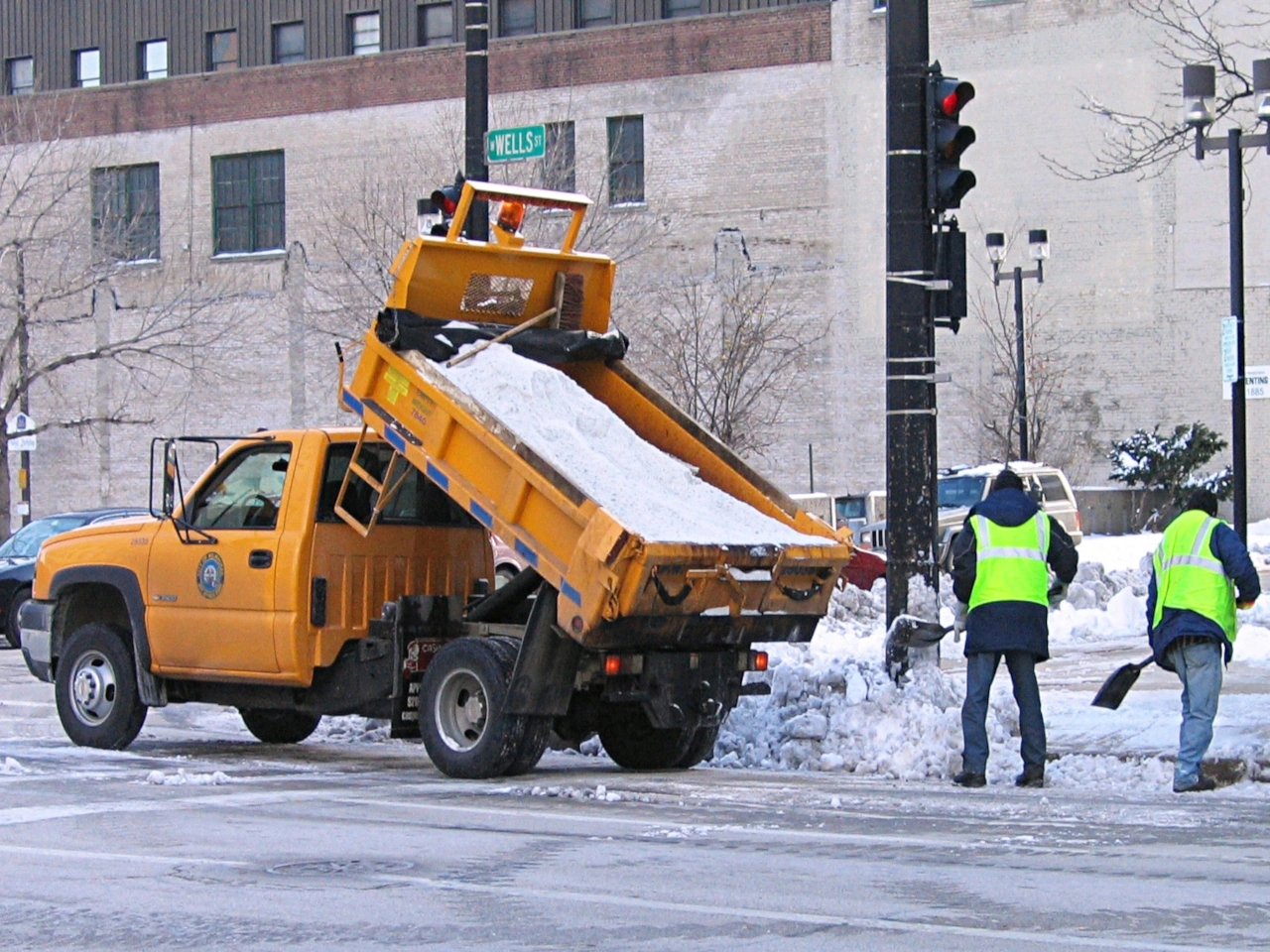
La sal se utiliza habitualmente para deshelar y prevenir la formación de hielo en las carreteras durante el invierno. Reduce el punto de congelación del agua, ayudando a impedir que se forme hielo o a derretir nieve y hielo existentes. Las autoridades pueden esparcir sal seca, sal húmeda o salmuera antes o durante condiciones de congelación. Mejora la seguridad, pero el conductor debe seguir reduciendo la velocidad y adaptándose a superficies resbaladizas, ya que las carreteras tratadas pueden seguir siendo peligrosas durante nevadas intensas, lluvia engelante o temperaturas muy bajas.
Why is salt used on roads in winter?
Salt helps lower the freezing point of water, making it harder for ice to form and helping existing snow or ice melt.
What is the difference between deicing and anti-icing?
Anti-icing means treating the road before ice forms, while deicing means applying salt or another treatment after snow or ice is already present.
What is road brine?
Brine is a solution of salt and water that can be sprayed onto roads before freezing conditions occur. It helps the salt begin working quickly and can reduce ice formation.
Does salt make an icy road completely safe?
No. Salt can improve grip by reducing snow and ice, but treated roads can still be slippery. Drivers should continue to reduce speed and increase their following distance.
Does road salt work in every temperature?
No. The effectiveness of salt decreases as temperatures become very low. Road authorities may use different treatments or methods depending on the weather and road conditions.
Can road salt damage a vehicle?
Repeated exposure to road salt can contribute to corrosion of metal parts, particularly underneath the vehicle. Washing accumulated salt from the vehicle can help reduce this effect.
262. Aire acondicionado
El aire acondicionado ayuda a controlar la temperatura y humedad dentro del vehículo y puede mejorar el confort y la visibilidad. En tiempo caluroso enfría el habitáculo, mientras que en condiciones húmedas ayuda a eliminar humedad del aire y desempañar los cristales con mayor rapidez. Debe utilizarse de forma que mantenga una temperatura confortable sin crear diferencias excesivas, y el sistema debe recibir mantenimiento para que siga funcionando eficazmente.
What does air conditioning do in a car?
Air conditioning cools and dehumidifies the air inside the vehicle, helping improve comfort and reduce moisture on the windows.
Can air conditioning help demist the windscreen?
Yes. Because air conditioning removes moisture from the air, it can help clear condensation from the windscreen and windows more quickly.
Should air conditioning be used in winter?
Yes. Air conditioning can still be useful in winter because it reduces humidity inside the vehicle and can help demist the windows.
Does air conditioning increase fuel or energy consumption?
Yes. Operating the air-conditioning system requires energy and can increase fuel or electricity consumption, although the effect depends on the vehicle, system and conditions.
Should a car's air conditioning be maintained?
Yes. Regular use and maintenance can help keep the system effective. A poorly functioning system may cool less efficiently or fail to remove moisture properly.
Can you drive without air conditioning?
Yes, in many vehicles and countries air conditioning itself is not required. However, the driver must still maintain adequate visibility and safe conditions inside the vehicle.
263. Aquaplaning
El aquaplaning se produce cuando se forma una capa de agua entre los neumáticos y la superficie de la carretera, haciendo que los neumáticos pierdan contacto con el pavimento. La dirección, frenado y aceleración pueden volverse entonces mucho menos eficaces. El riesgo aumenta con la velocidad, el agua acumulada y los neumáticos desgastados. El conductor debe reducir la velocidad con lluvia intensa, evitar giros o frenadas bruscas y asegurarse de que los neumáticos estén en buen estado y tengan suficiente profundidad de dibujo.
What is hydroplaning?
Hydroplaning occurs when water separates the tyres from the road surface, reducing or temporarily removing normal tyre grip.
What causes hydroplaning?
The risk increases with higher speed, standing water, worn tyres and insufficient tyre tread. Tyre pressure and road conditions can also affect the risk.
How can you reduce the risk of hydroplaning?
Reduce speed in heavy rain, avoid driving through deep standing water where possible and keep your tyres properly maintained with sufficient tread depth.
What should you do if your vehicle starts hydroplaning?
Remain calm, ease off the accelerator and avoid sudden braking or steering. Keep the steering movements smooth and controlled until the tyres regain contact with the road.
Can worn tyres increase the risk of hydroplaning?
Yes. Tyre grooves help move water away from the contact area. Worn tyres can remove less water, increasing the risk of losing grip on a wet road.
At what speed does hydroplaning occur?
There is no single speed at which hydroplaning always begins. The risk depends on speed, water depth, tyre condition, tyre pressure and the road surface.
264. Gravilla suelta
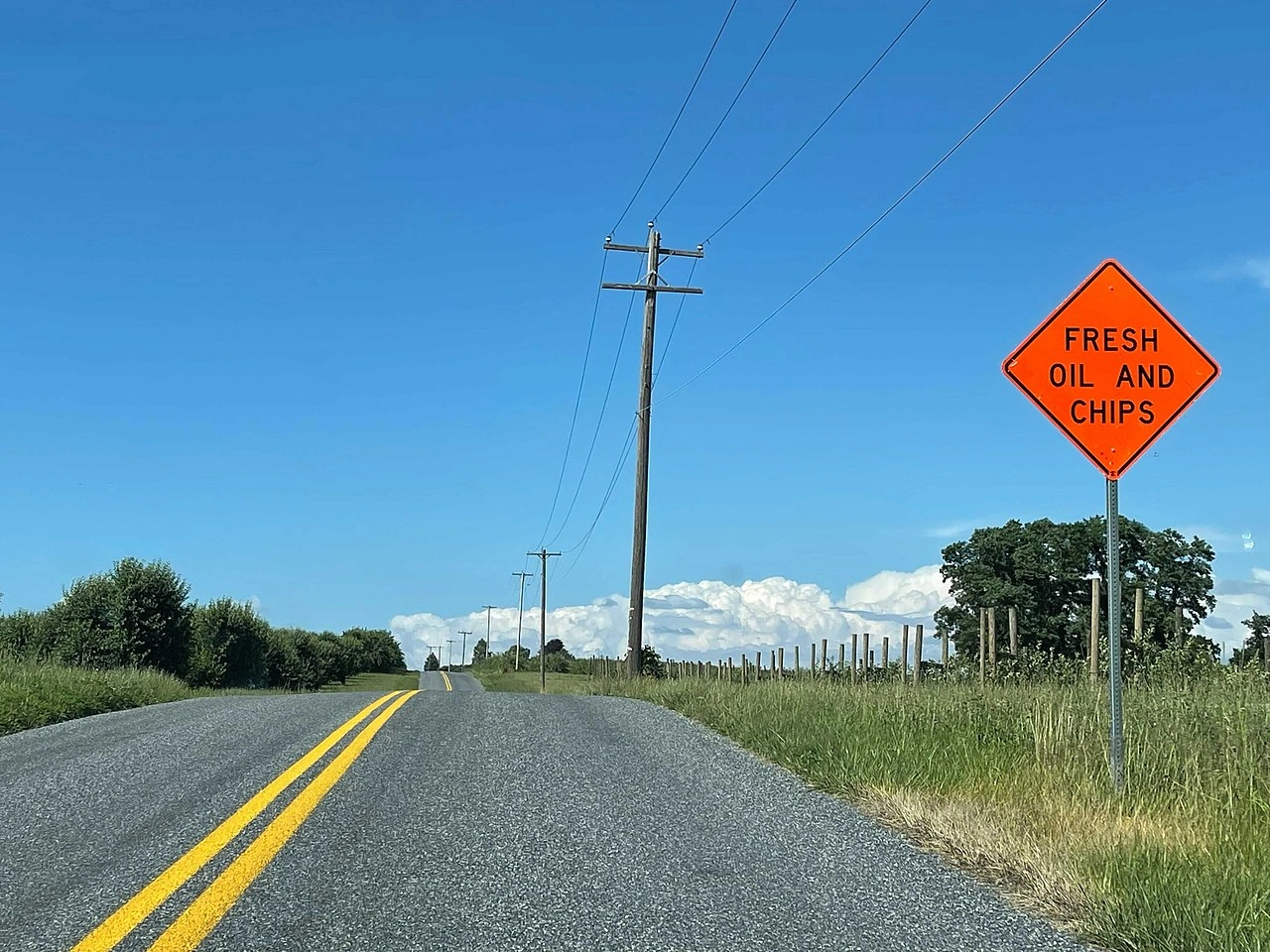
La gravilla suelta consiste en pequeñas piedras o áridos que quedan sobre la superficie de la carretera, a menudo después de obras o tratamientos del pavimento. Puede reducir la adherencia, aumentar la distancia de frenado y ser proyectada por otros vehículos, causando posibles daños en parabrisas u otros vehículos. El conductor debe reducir la velocidad, aumentar la distancia de seguimiento y evitar aceleraciones, frenadas o giros bruscos. También conviene dejar más espacio respecto a otros vehículos cuando sus neumáticos puedan lanzar piedras.
What are loose chippings?
Loose chippings are small stones or pieces of gravel lying loose on the road surface, often after resurfacing or road maintenance.
Why are loose chippings dangerous?
Loose stones can reduce tyre grip and vehicle control and may be thrown into the air by tyres, potentially damaging windscreens or other vehicles.
How should you drive on loose chippings?
Reduce speed, increase your following distance and avoid sudden acceleration, braking or steering. Keep additional space from other vehicles where stones may be thrown up by their tyres.
Can loose chippings increase stopping distance?
Yes. Loose material between the tyres and road can reduce available grip, making braking and steering less effective.
Why are loose chippings common after roadworks?
Some road-surfacing methods use a layer of small stone aggregate. Until the material settles or excess stones are removed, loose chippings may remain on the surface.
Can loose chippings damage a vehicle?
Yes. Stones thrown up by tyres can cause chips or cracks in windscreens, headlights and vehicle paintwork.
265. Ángulo muerto
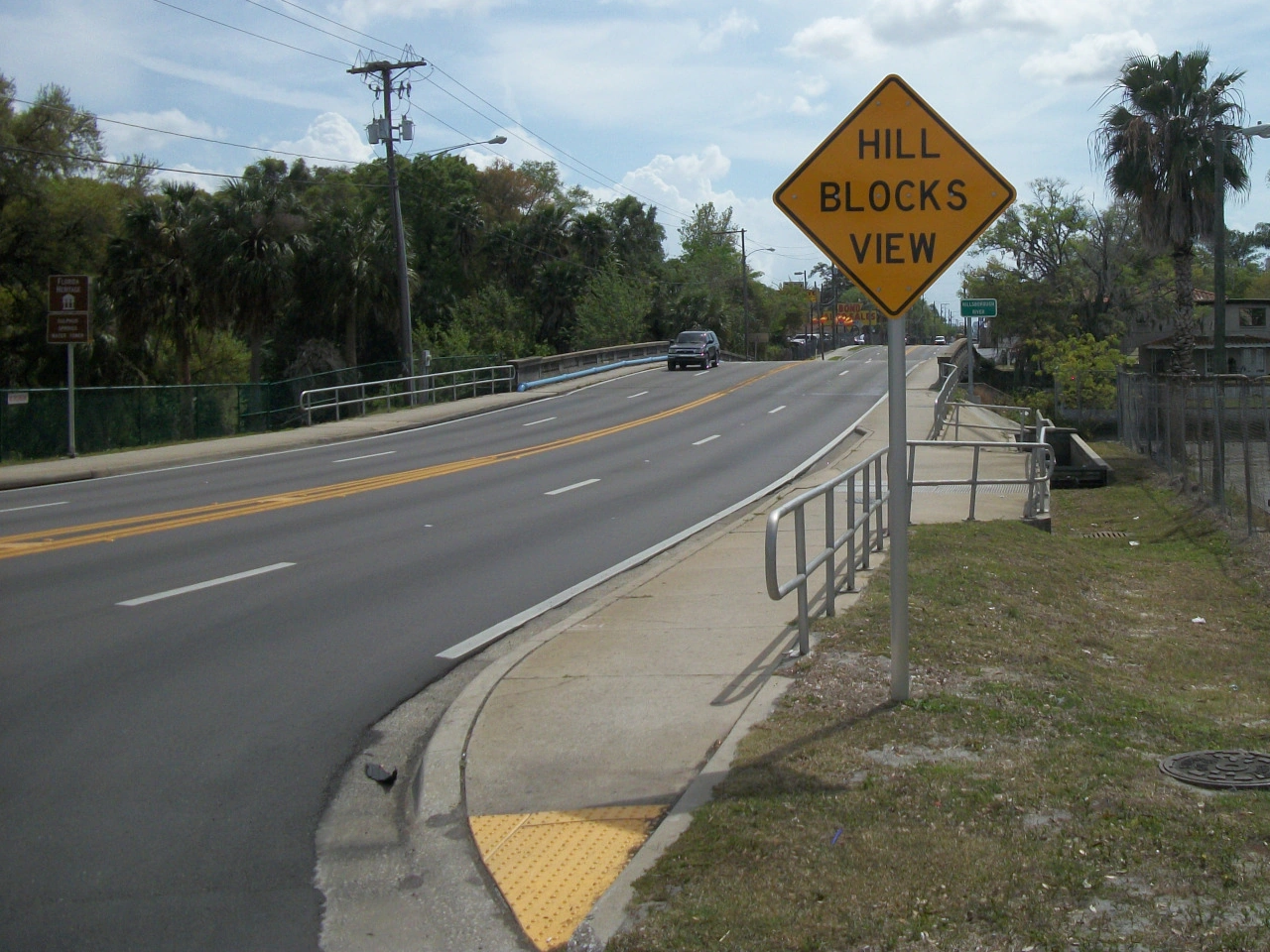
Un ángulo muerto es una zona alrededor del vehículo que el conductor no puede ver directamente ni mediante los espejos. Su tamaño varía según el vehículo y puede ser especialmente grande en camiones, autobuses y otros vehículos altos. El conductor debe ajustar correctamente los espejos y comprobar los laterales antes de cambiar de carril, girar o iniciar la marcha. Ciclistas, peatones y motociclistas también deben evitar permanecer junto a vehículos grandes donde el conductor podría no verlos.
What is a blind spot?
A blind spot is an area around a vehicle that cannot be seen directly by the driver or adequately through the mirrors.
Do all vehicles have blind spots?
Yes. The size and position of blind spots depend on the vehicle design, mirrors and driver position. Large vehicles generally have larger blind spots than passenger cars.
How should you check a blind spot?
Adjust the mirrors correctly and, where necessary, make a brief direct check beside the vehicle before changing lanes, turning or moving away. The exact technique depends on the vehicle.
Why are truck blind spots dangerous?
Trucks can have large areas around the front, sides and rear that are difficult or impossible for the driver to see. Cyclists and pedestrians can therefore disappear from view even when they are close to the vehicle.
Can mirrors eliminate every blind spot?
No. Correctly adjusted mirrors can greatly improve visibility, but some areas may still remain difficult to see. Drivers should use all available mirrors and direct observation where appropriate.
Where should cyclists avoid riding near a truck?
Cyclists should avoid remaining directly beside, immediately in front of or close behind a large vehicle, particularly near intersections where the vehicle may turn.
266. Distracción
La distracción es cualquier elemento que desvía la atención del conductor de controlar el vehículo con seguridad y observar la carretera. Entre las distracciones habituales están el teléfono móvil, sistemas de navegación, pasajeros, comer, ajustar controles o apartar la mirada del tráfico. Puede ser visual, manual o mental y aumentar considerablemente el tiempo de reacción. El conductor debe mantener la atención en la vía, preparar navegación y otros ajustes antes de iniciar la marcha y evitar actividades que interfieran con una conducción segura.

What is distracted driving?
Distracted driving occurs when a driver's visual, manual or mental attention is diverted from driving and the surrounding traffic.
What are common driving distractions?
Common distractions include mobile phones, navigation systems, passengers, eating, adjusting vehicle controls and looking away from the road.
Why is using a phone while driving dangerous?
Using a phone can combine visual, manual and mental distraction, reducing the driver's ability to notice hazards and react quickly.
Can hands-free phone use still be distracting?
Yes. Even when the driver's hands remain on the wheel, a conversation can create mental distraction and reduce attention to traffic.
Can a navigation system distract a driver?
Yes. Entering destinations or repeatedly looking at a screen can divert attention from the road. Set the route before driving whenever possible and use voice guidance where helpful.
How can you reduce distractions while driving?
Prepare navigation and vehicle settings before moving, secure loose objects, keep your phone away from unnecessary use and focus continuously on the road and traffic.
267. Emociones
Las emociones pueden influir en la atención, juicio y comportamiento al volante. La ira, estrés, miedo, tristeza o excitación pueden hacer que el conductor se distraiga, pierda paciencia o asuma más riesgos. Las emociones intensas también pueden afectar a la concentración y al tiempo de reacción. El conductor debe reconocer cuándo su estado emocional está interfiriendo con una conducción segura y, si es necesario, reducir la velocidad, hacer una pausa o detenerse en un lugar seguro hasta sentirse capaz de continuar con calma y atención.

Can emotions affect driving?
Yes. Strong emotions can affect attention, judgement, reaction time and decision-making, which can make safe driving more difficult.
Why is anger dangerous when driving?
Anger can lead to impatience, aggressive manoeuvres, speeding or reduced attention. Drivers should avoid reacting emotionally to other road users.
Can stress affect concentration while driving?
Yes. Stress can make it harder to focus on traffic and process information calmly, especially in complex or busy situations.
What should you do if you are too emotional to drive safely?
If your emotional state is affecting concentration or judgement, stop or delay the journey when possible and continue only when you feel able to drive safely.
Can excitement also be a distraction?
Yes. Positive emotions such as excitement can still reduce concentration or encourage impulsive behaviour if they take attention away from driving.
How can you stay calm while driving?
Allow enough travel time, avoid reacting to aggressive drivers, keep a safe distance and take a break when stress or frustration becomes difficult to manage.
268. Agresividad al volante
La agresividad al volante es un comportamiento agresivo, hostil o intimidatorio de un usuario hacia otros en el tráfico. Puede incluir tocar el claxon en exceso, circular demasiado cerca, gritar, hacer gestos amenazantes, bloquear a otro vehículo o realizar maniobras deliberadamente agresivas. La ira puede reducir el juicio y aumentar la asunción de riesgos, convirtiendo un pequeño conflicto en una situación peligrosa. El conductor debe evitar la confrontación, mantener la calma, dejar una distancia segura y nunca responder con conductas agresivas.

What is road rage?
Road rage is aggressive, hostile or intimidating behaviour directed at other road users, often caused by anger or frustration in traffic.
What are examples of road rage?
Examples can include tailgating, excessive honking, shouting, threatening gestures, deliberately blocking another vehicle or aggressive overtaking and lane changes.
Why is road rage dangerous?
Anger can reduce judgement and encourage impulsive or risky driving, increasing the chance of collisions and escalating conflicts between road users.
What should you do if another driver becomes aggressive?
Stay calm, avoid confrontation, maintain a safe distance and do not retaliate or copy the other driver's behaviour. If necessary, move away from the situation when it is safe to do so.
Should you stop to confront an aggressive driver?
Generally, no. Confrontation can make the situation more dangerous. It is usually safer to remain in your vehicle and create distance from the aggressive road user.
How can you avoid road rage?
Allow enough travel time, accept that other road users make mistakes, avoid competing for road space and focus on reaching your destination safely rather than reacting emotionally.
269. Salud
La salud puede afectar a la capacidad de una persona para conducir con seguridad. Enfermedades, lesiones, mala visión, movilidad reducida, fatiga, determinadas afecciones médicas y algunos medicamentos pueden interferir con la concentración, tiempo de reacción, juicio o control del vehículo. Los conductores deben reconocer cuándo su estado físico o mental puede hacer insegura la conducción y buscar consejo médico cuando sea necesario. En algunos países determinadas enfermedades deben declararse y pueden requerir un reconocimiento médico o restricciones en el permiso de conducir.

How can health affect driving?
Health problems can affect vision, concentration, reaction time, judgement, coordination and vehicle control, making safe driving more difficult.
Should you drive when you are ill?
Not if the illness makes it difficult to concentrate, react quickly or control the vehicle safely. Drivers should delay the journey or seek medical advice when necessary.
Can medication affect driving?
Yes. Some medicines can cause drowsiness, dizziness, blurred vision or slower reactions. Always follow the instructions provided with the medicine and advice from a healthcare professional.
Can poor eyesight affect driving?
Yes. Good vision is essential for recognising traffic signs, road users, hazards and changes in traffic conditions. Many countries set minimum eyesight requirements for drivers.
Can a medical condition affect a driving licence?
Yes. Depending on the country and condition, a driver may need a medical assessment, licence restriction or adapted vehicle before being permitted to drive.
Who is responsible for deciding whether someone is fit to drive?
This depends on local law. The driver usually has a responsibility to ensure they are fit to drive, while doctors or specialised assessment centres may evaluate driving fitness when required.
270. Epilepsia
La epilepsia es una afección neurológica que puede causar crisis recurrentes, con posibles cambios en la conciencia, movimiento, sensaciones o estado de alerta. Como una crisis puede impedir temporalmente controlar un vehículo con seguridad, la epilepsia puede afectar a la aptitud para conducir y a los requisitos del permiso. Las normas varían entre países y suelen depender del tipo de crisis, tiempo sin episodios, tratamiento y valoración médica. Cualquier persona que sufra una crisis debe seguir las normas aplicables y solicitar asesoramiento médico antes de volver a conducir.

Can epilepsy affect your ability to drive?
Yes. A seizure can cause loss of awareness, consciousness or vehicle control, so epilepsy can affect whether a person is medically fit to drive.
Can a person with epilepsy have a driving licence?
In many countries, yes, provided specific medical and seizure-free requirements are met. The exact conditions depend on the country, licence category and individual medical situation.
What should you do after having a seizure?
Do not assume it is safe to continue driving. Seek medical advice and check the applicable driving-licence rules, because a temporary period without driving may be required.
Why is a seizure-free period required for driving?
A seizure-free period helps assess the risk of another seizure occurring while driving. The required period varies depending on the type and cause of the seizure and local regulations.
Can epilepsy medication affect driving?
Yes. Anti-seizure medicines can sometimes cause effects such as drowsiness, dizziness or reduced concentration. Changes in treatment can also affect seizure control, so medical advice should be followed.
Are driving rules stricter for professional drivers with epilepsy?
Usually, yes. Drivers of trucks, buses and vehicles used for certain professional transport generally face stricter medical fitness requirements because of the greater potential consequences of a seizure while driving.
271. Ceguera nocturna
La ceguera nocturna, también llamada nictalopía, es una capacidad reducida para ver en oscuridad o con poca luz. Puede dificultar reconocer peatones, ciclistas, marcas viales, curvas u obstáculos de noche y durante el crepúsculo. Puede tener distintas causas, incluidas algunas enfermedades oculares, deficiencias vitamínicas o problemas de retina. Los conductores que tengan dificultades para ver con poca luz deben evitar conducir cuando su visión sea insuficiente y solicitar atención profesional de la vista.

What is night blindness?
Night blindness is difficulty seeing in darkness or low-light conditions, even when daytime vision may be relatively good.
Why is night blindness dangerous when driving?
It can make pedestrians, cyclists, road edges, signs and obstacles harder to detect, reducing the time available to react safely.
Is night blindness the same as being completely blind at night?
No. Night blindness usually means reduced vision in dim conditions, not a complete loss of sight.
What can cause night blindness?
Possible causes include retinal disorders, cataracts, certain inherited eye conditions and some nutritional deficiencies. An eye-care professional can determine the underlying cause.
Can glasses correct night blindness?
Glasses may help when poor low-light vision is partly caused by an uncorrected refractive error, but not every cause of night blindness can be corrected with glasses.
Should you drive at night if you have night blindness?
If your low-light vision is not sufficient for safe driving, you should avoid driving at night or in other dark conditions and seek medical advice.
272. Discapacidad visual
La discapacidad visual es una reducción de la visión que puede afectar a la capacidad de ver con claridad, calcular distancias, detectar movimiento o reconocer peligros. Puede incluir menor agudeza visual, campo visual restringido, baja sensibilidad al contraste, visión doble o dificultad para ver con poca luz. Como la conducción segura depende en gran medida de la visión, los conductores deben cumplir los requisitos mínimos de vista exigidos en su país y utilizar gafas, lentes de contacto u otras ayudas visuales autorizadas cuando sea necesario.

How can visual impairment affect driving?
Visual impairment can make it harder to recognise signs, detect pedestrians and vehicles, judge distance and speed or see hazards in time.
What aspects of vision are important for driving?
Important visual functions include visual acuity, field of vision, contrast sensitivity, depth perception and the ability to see in changing light conditions.
Can you drive if you need glasses or contact lenses?
Yes, provided your corrected vision meets the applicable legal standards. If your licence requires glasses or contact lenses, they must be used while driving.
Can someone with vision in only one eye drive?
In some countries, yes, provided the person meets specific visual-acuity, visual-field and adaptation requirements. The exact rules vary between countries.
Can visual impairment lead to restrictions on a driving licence?
Yes. Depending on the impairment, a licence may include conditions such as mandatory glasses, daytime-only driving, geographic restrictions or other limitations.
What should you do if your eyesight becomes worse?
If your vision changes significantly or may no longer meet the required standards, seek an eye examination and medical advice before continuing to drive.
273. Fatiga
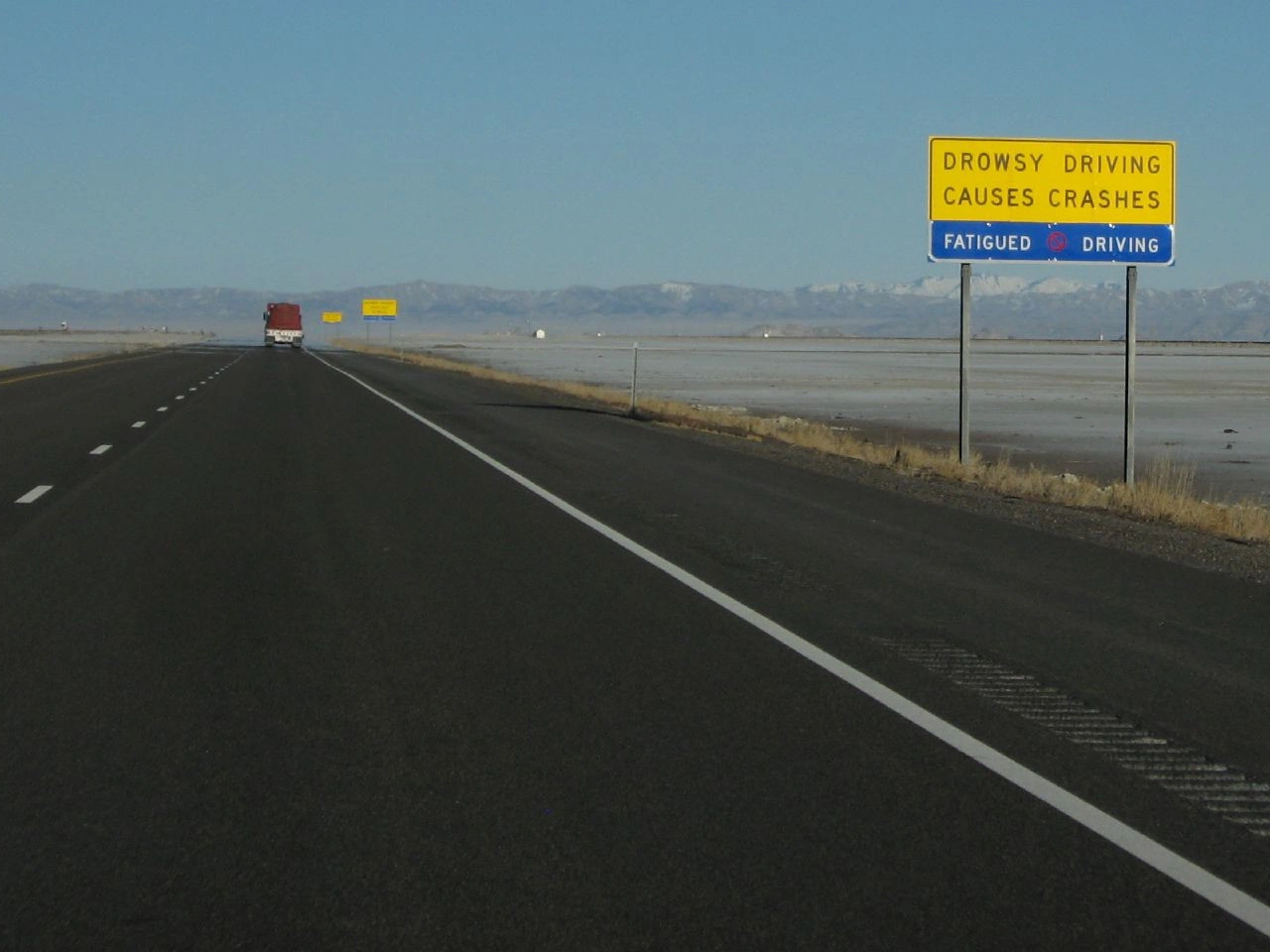
La fatiga reduce la concentración, el tiempo de reacción, el juicio y la capacidad de mantenerse alerta mientras se conduce. Puede aparecer después de mucho tiempo al volante, falta de sueño, enfermedad, horarios irregulares o conducción en momentos en los que el cuerpo espera descansar. Entre las señales de advertencia están bostezos frecuentes, párpados pesados, dificultad para mantener velocidad o posición en el carril y olvidar partes del trayecto. El conductor debe detenerse y descansar en cuanto note cansancio y no debe confiar en cafeína, aire fresco o música alta como sustitutos del sueño.
Why is fatigue dangerous when driving?
Fatigue can slow reaction time, reduce concentration and impair judgement, increasing the risk of missing hazards or losing control of the vehicle.
What are common signs of driver fatigue?
Warning signs include frequent yawning, heavy eyelids, difficulty concentrating, drifting within the lane and forgetting parts of the journey.
What is a microsleep?
A microsleep is a very brief episode of sleep that can last only a few seconds. During that time, the driver may be completely unaware of the road and unable to react.
What should you do if you feel tired while driving?
Stop at a safe place and rest before continuing. If possible, take a short nap or end the journey until you are sufficiently rested.
Does coffee remove driver fatigue?
Caffeine may temporarily improve alertness, but it does not replace adequate sleep. A tired driver should still stop and rest.
When is fatigue most likely to affect drivers?
Fatigue is more likely after long periods of driving, insufficient sleep, night driving or driving during normal sleeping hours.
274. Defectos
Los defectos son fallos, daños o desgaste que pueden afectar a la seguridad, aptitud para circular o cumplimiento de los requisitos técnicos de un vehículo. Pueden afectar a neumáticos, frenos, luces, dirección, suspensión, cristales, carrocería, sistemas eléctricos u otros componentes. Algunos son menores y deben repararse pronto, mientras que defectos graves o peligrosos pueden hacer que el vehículo no sea seguro para circular. El conductor debe comprobar periódicamente el vehículo y reparar los problemas antes de que se conviertan en un riesgo.

What is a vehicle defect?
A vehicle defect is a fault, damage or excessive wear that affects the condition, operation, safety or legal compliance of a vehicle.
What are common vehicle defects?
Common defects include worn tyres, faulty lights, damaged brakes, steering problems, cracked windows, suspension faults and damaged electrical components.
Are all vehicle defects dangerous?
No. Some defects are minor, while others can seriously affect braking, steering, visibility or vehicle control. The severity depends on the component and type of fault.
What should you do if you discover a vehicle defect?
Assess whether the vehicle can still be driven safely and have the defect repaired as soon as possible. Do not continue driving if the defect creates a serious safety risk.
Can a warning light indicate a vehicle defect?
Yes. Dashboard warning lights can indicate faults involving systems such as the engine, brakes, airbags, tyre pressure or electrical system. The vehicle manual explains the meaning of each warning.
Are defects checked during vehicle inspection?
Yes. Periodic vehicle inspections are designed to identify technical and safety defects. The consequences depend on the type and severity of the defect and the applicable inspection rules.
275. Infracción de tráfico
Una infracción de tráfico es una acción que incumple una ley o norma vial, como superar la velocidad permitida, ignorar una señal, utilizar un dispositivo prohibido al conducir o no ceder el paso. Las infracciones varían en gravedad y pueden dar lugar a advertencias, multas, pérdida de puntos, suspensión del permiso u otras sanciones según el país. Los comportamientos más graves que crean un alto riesgo para otros usuarios pueden conllevar sanciones mayores o procedimientos penales.
What is a traffic violation?
A traffic violation occurs when a road user fails to follow an applicable traffic law, regulation, sign, signal or instruction.
What are common traffic violations?
Common violations include speeding, failing to stop, ignoring traffic lights, illegal parking, unsafe overtaking, using a phone while driving and failing to wear a seat belt.
Are all traffic violations equally serious?
No. Traffic offences are often divided into different levels of seriousness, with higher penalties for behaviour that creates a greater risk to road safety.
What penalties can apply to traffic violations?
Depending on the country and offence, penalties can include fines, penalty points, driving bans, licence suspension, vehicle restrictions or court proceedings.
Can the same traffic violation have different penalties in different countries?
Yes. Traffic laws and penalties vary between countries, even when the underlying behaviour, such as speeding or using a mobile phone, is similar.
Can a serious traffic violation lead to losing your driving licence?
Yes. Serious or repeated offences can lead to a temporary or longer driving ban, depending on the applicable law and circumstances.