

道路標識アメリカ合衆国
 交通ルール
交通ルール
 アメリカ合衆国
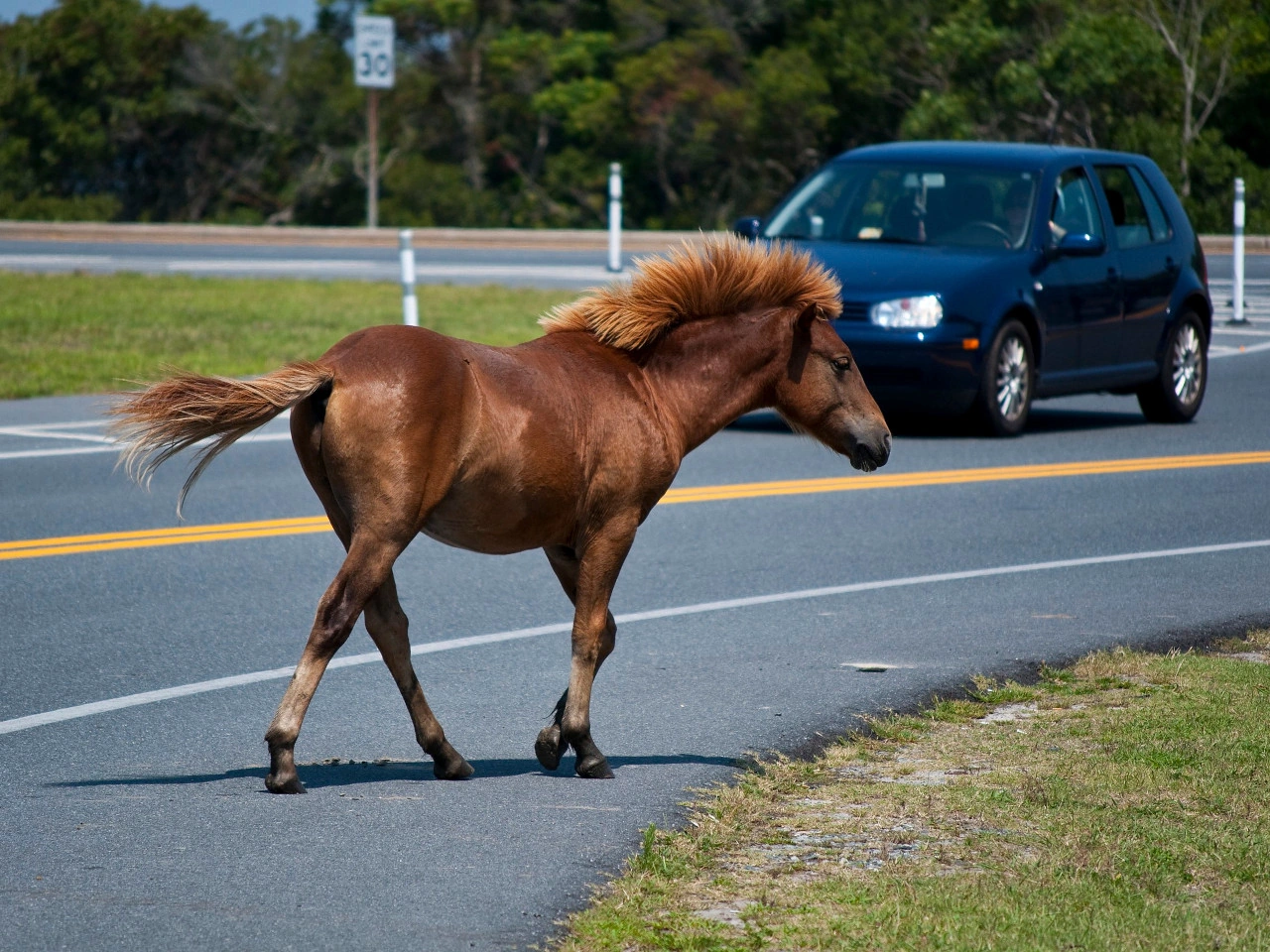
76. 馬
馬は、人が乗る、引く、馬車などを引かせることがある大型家畜です。公道、乗馬道、地方道路、横断場所で騎手や馬車が他交通と接することがあります。
運転者は馬へ近づく際、減速し、十分な間隔を取り、急な音や動きを避ける必要があります。騎手や馬を扱う人も適用交通規則に従います。
Can horses use public roads?
Yes, where local traffic rules permit. Horses may be ridden, led or used with animal-drawn vehicles on public roads and designated routes.
How should drivers behave near a horse?
Drivers should slow down, leave plenty of space and pass calmly, avoiding unnecessary horn use, sudden acceleration or other actions that could frighten the horse.
Are horse riders considered road users?
Yes. Horse riders using a road are road users and must follow the traffic rules that apply to riders and animals in that country.

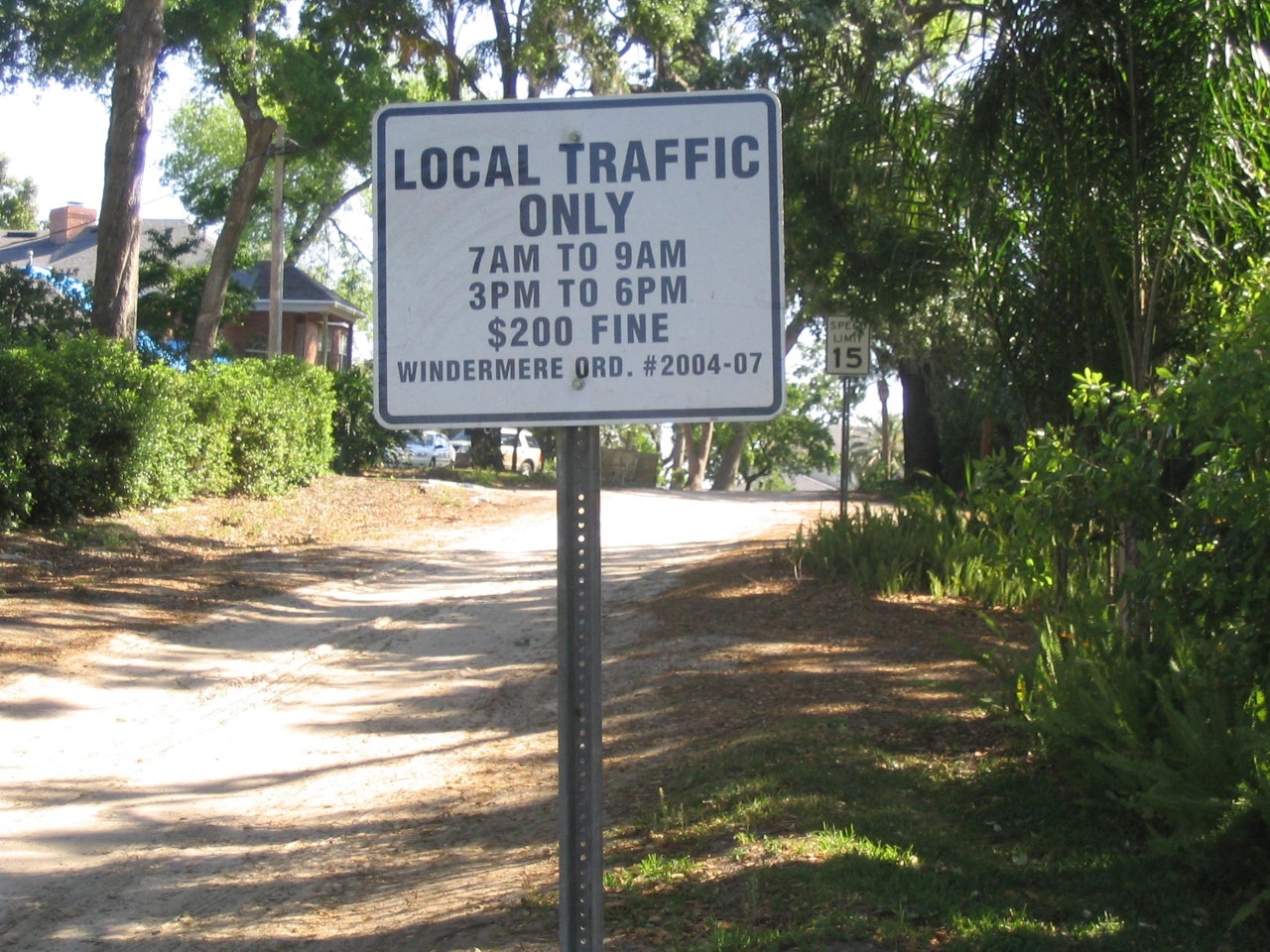
77. 地域交通
地域交通は、単に通過するのではなく、旅程の開始・終了や区域内での立寄りのため特定道路・区域へ進入する必要がある交通です。不要な通過交通を減らすため「地域交通のみ」と制限される道路があります。
正確な意味は国の交通規則によりますが、通常、居住者、訪問者、配送、区域内サービス車両などを含みます。
What does local traffic mean?
Local traffic generally means vehicles that have a legitimate reason to enter a particular street or area, such as reaching a home, business, delivery address or other destination located there.
Is local traffic the same as through traffic?
No. Through traffic passes through an area without having a destination or other necessary stop there. A restriction allowing only local traffic is normally intended to prevent this type of unnecessary through traffic.
Who may enter a road restricted to local traffic?
This depends on national rules and the signs in place. Residents, visitors, deliveries, emergency services and certain service vehicles are commonly permitted, but the precise categories vary between countries.
78. 歩行者
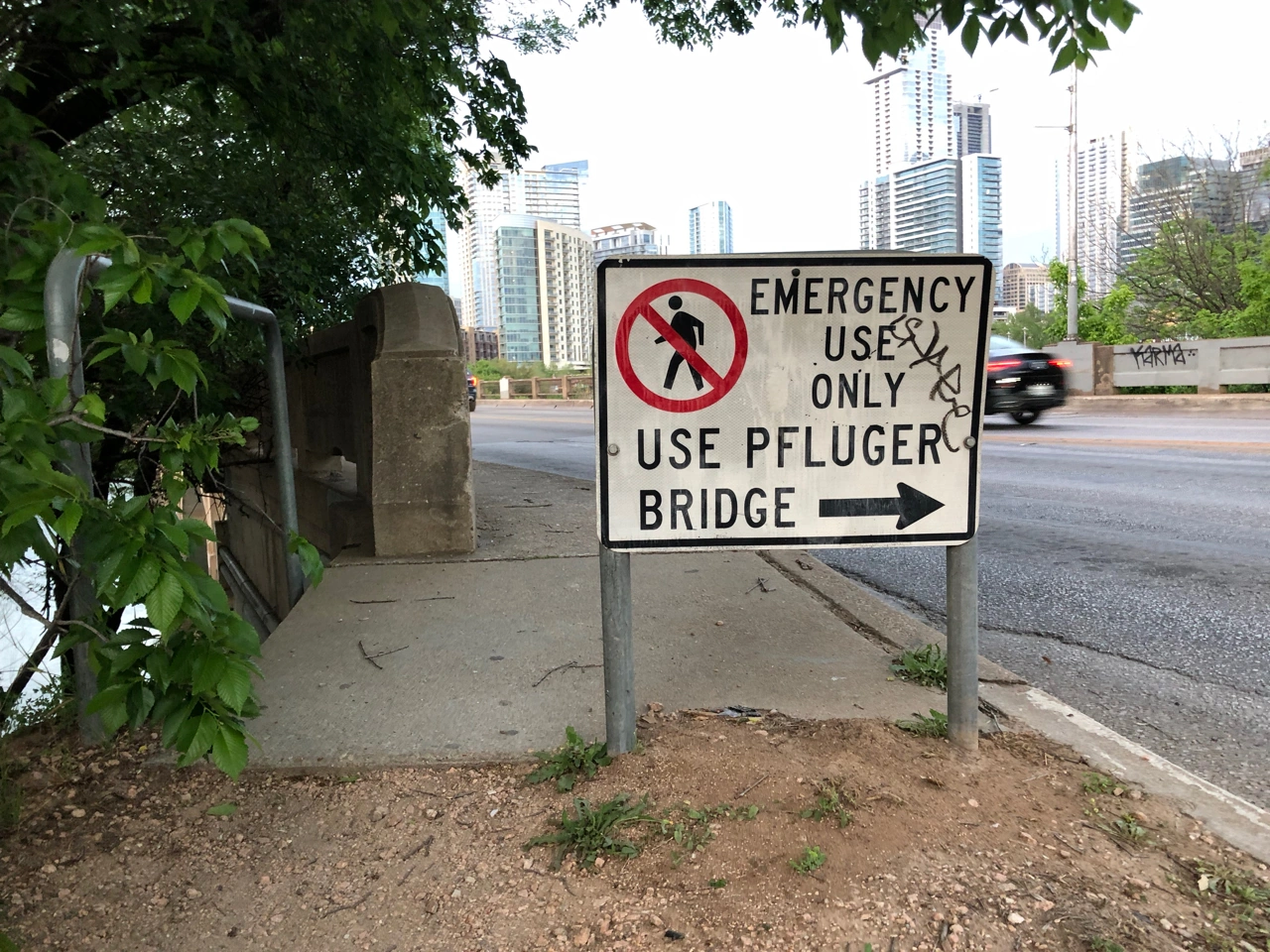
歩行者は、道路、街路、通路、公共空間を徒歩で移動する人です。現地法により、自転車、車いす、ベビーカーなどの小型器具を押している人も歩行者として扱われる場合があります。
通常、利用可能な歩道、歩行者通路、歩行者区域を使用します。適切な施設がない場所で道路を横断・歩行する場合は、横断規則、信号、その他の現地交通規則に従います。
What is a pedestrian?
A pedestrian is primarily a person travelling on foot. Local traffic laws may also treat people pushing bicycles, wheelchairs, prams or certain other devices as pedestrians.
Where should pedestrians normally walk?
Pedestrians should normally use pavements, sidewalks, footpaths or other areas provided for pedestrians. Where these are unavailable, local rules determine where pedestrians may walk on or beside the road.
Which side of the road should pedestrians walk on when there is no pavement?
This depends on the country's traffic rules. Many countries require or recommend pedestrians to face approaching traffic, but the exact rule varies.
Where should pedestrians cross a road?
Use a pedestrian crossing, traffic-light-controlled crossing or other designated crossing where required or reasonably available. Where crossing elsewhere is permitted, choose a location with good visibility and cross carefully.
Do pedestrians always have priority at a pedestrian crossing?
The exact priority rule varies between countries. Drivers are commonly required to give way to pedestrians using or entering designated crossings, but pedestrians must still obey traffic lights and avoid entering the road dangerously.
Must pedestrians obey traffic lights?
Yes. Where pedestrian signals are provided, pedestrians must follow their indications and should not enter the roadway while the signal prohibits crossing.
Is someone pushing a bicycle a pedestrian?
In many traffic systems, a person who dismounts and walks beside a bicycle is treated as a pedestrian. The precise legal classification depends on local law.
Can pedestrians use a cycle path?
This depends on the road layout and local rules. Pedestrians may sometimes use a cycle path when no suitable pedestrian facility is available, but they must not unnecessarily obstruct cyclists or other authorised users.
Do turning vehicles have to watch for pedestrians?
Yes. Drivers turning into another road must watch carefully for pedestrians crossing the road they are entering and give way where required by local traffic law.
What should pedestrians do before crossing a road?
Check carefully for approaching traffic from all relevant directions, make sure there is sufficient time and distance to cross safely, and continue to observe traffic while crossing.
79. 自転車利用者
自転車利用者は、自転車に乗り操作する人です。多くの国で自転車は法律上車両として扱われるため、自転車利用者は一般運転者と共通する多くの交通規則に加え、自転車専用規則にも従います。
必要な場合は指定自転車施設を利用し、標識・信号に従い、予測可能で安全な走行を心掛けます。道路上の位置、優先、装備、通行可能区域などは国によって異なります。
What is a cyclist?
A cyclist is a person who rides and controls a bicycle.
Is a cyclist considered a road user?
Yes. Cyclists are road users and must follow the traffic rules, signs and signals that apply to them.
Where should cyclists ride?
This depends on local rules. Cyclists may be required to use a cycle path or designated cycling facility, while in other situations they may ride on the carriageway.
80. オートバイ
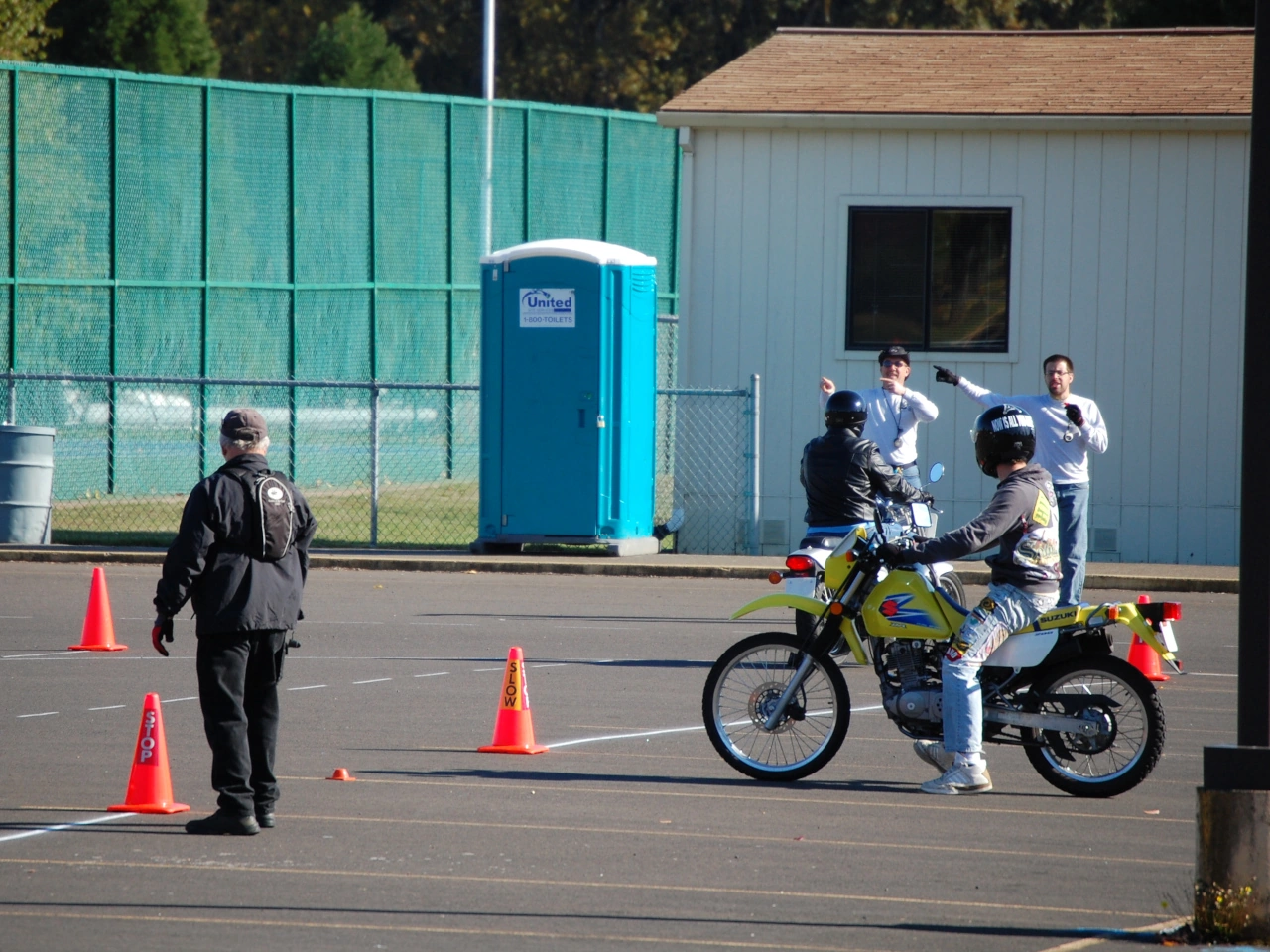
オートバイは、側車の有無にかかわらず2輪の動力車です。道路走行、レクリエーション、ツーリングなどのため多様な種類・大きさがあります。
運転者は車両を完全に制御し、交通規則に従い、適切な保護装備を使用する必要があります。免許、ヘルメット、装備、道路利用要件は国によって異なります。
What is a motorcycle?
A motorcycle is a powered two-wheeled vehicle, which may also be equipped with a sidecar.
Is a motorcycle the same as a moped?
No. Traffic laws generally distinguish motorcycles from mopeds according to technical characteristics such as power, engine capacity or maximum speed.
What protective equipment should a motorcyclist use?
Motorcyclists should use an approved helmet and suitable protective clothing. The exact mandatory equipment depends on the country's traffic laws.
81. トラック
トラックは主に貨物輸送用に設計された自動車です。小型配送車から長距離輸送用の大型貨物車・連結車まであります。
一般に乗用車より大きく重く、取り回しが遅いため、旋回・制動により大きな空間が必要で、死角も広くなります。重量や国に応じて速度、車線利用、追い越し、進入に特別規則が適用されます。
What is a truck?
A truck is a motor vehicle designed primarily for transporting goods.
Are all trucks considered heavy goods vehicles?
No. Trucks can include lighter goods vehicles as well as heavy trucks. Traffic laws often apply different rules according to the vehicle's maximum authorised mass.
Why should other road users take extra care around trucks?
Trucks may have larger blind spots, longer stopping distances and wider turning paths than smaller vehicles, so other road users should avoid remaining unnecessarily close beside or in front of them.
82. バス
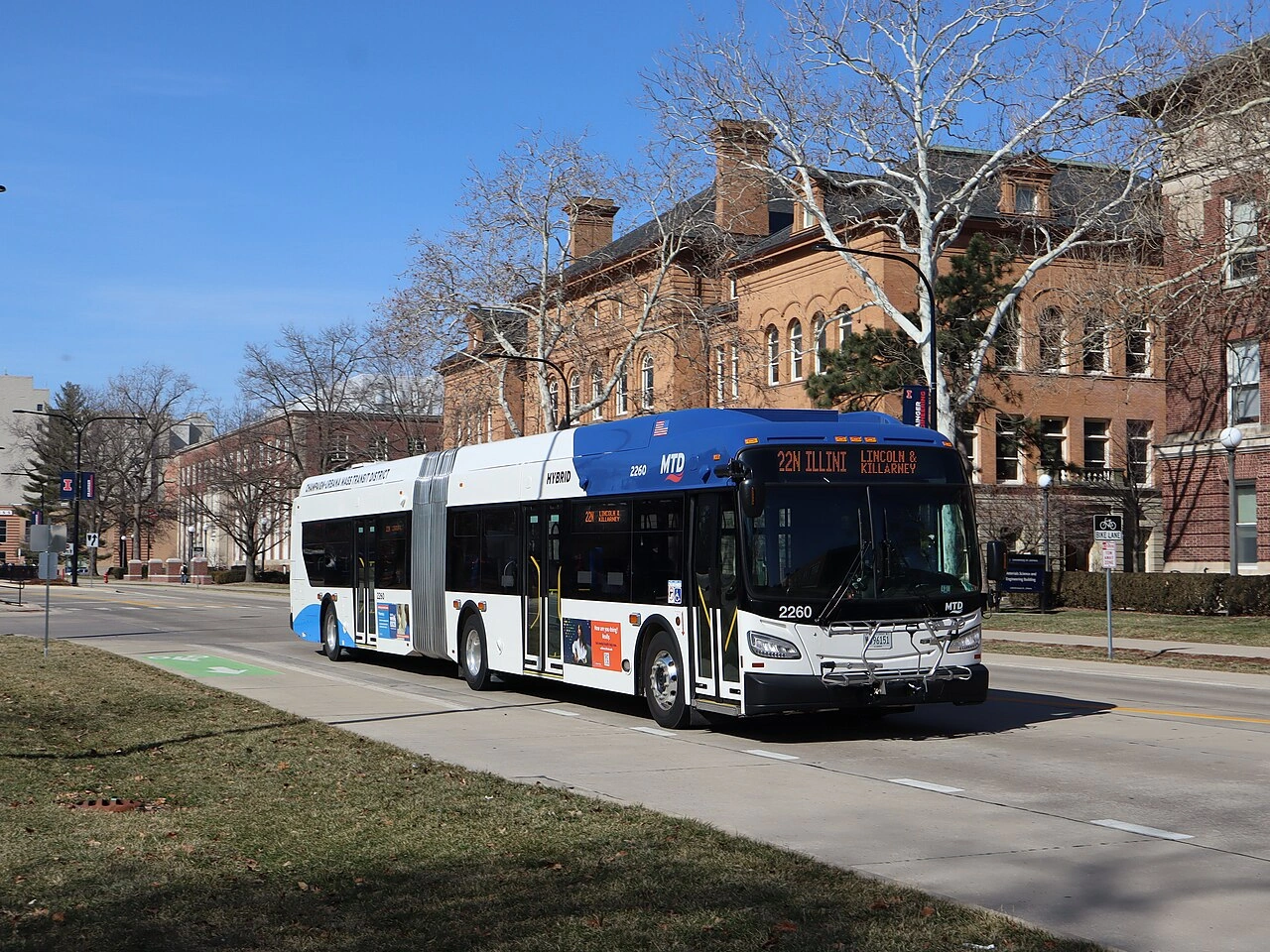
バスは、公共交通、スクール輸送、私的輸送などで多数の乗客を道路上で運ぶための自動車です。乗用車より乗車定員が多く、座席のみ、立席を含む、または両方の形式があります。
運転免許、乗車定員、速度、シートベルト、バスレーン、停留所、乗降などに特別規則が適用される場合があります。分類や規則は国によって異なるため、現地交通規則に従います。
What is a bus?
A bus is a motor vehicle designed to transport a relatively large number of passengers. It may be used for public transport, school transport, private services or other passenger transport.
What is the difference between a bus and a coach?
A bus is commonly designed for frequent passenger boarding and may allow standing passengers, while a coach is generally designed for longer journeys with passengers seated. Exact legal definitions vary between countries.
Do you need a special driving licence to drive a bus?
Yes. Driving a vehicle designed to carry more than a specified number of passengers normally requires a dedicated bus or passenger-vehicle driving licence.
Can passengers stand on a bus?
Only when the vehicle is designed and approved to carry standing passengers. Coaches and other vehicles designed exclusively for seated passengers must not be used beyond their approved passenger configuration.
Must bus passengers wear seat belts?
Where seat belts are provided and local law requires their use, passengers must wear them correctly. Urban buses designed for standing passengers may have seating positions or operating conditions that differ from coaches.
Can buses use bus lanes?
Yes, where permitted. Bus lanes are commonly reserved for public transport buses, although local signs may also allow taxis, bicycles or other specified vehicles to use them.
Do buses always have priority when leaving a bus stop?
No. Some countries require other drivers to give way to buses leaving designated stops, particularly in urban areas, while others apply the normal merging rules.
Should you take extra care near a stopped bus?
Yes. Passengers may be boarding, leaving or crossing the road near the bus. Reduce speed where necessary and watch carefully for pedestrians emerging from behind or in front of the vehicle.
Do buses have special speed limits?
They can. Some countries impose lower maximum speeds on buses than on passenger cars, particularly on high-speed roads. Different limits may apply to buses and coaches.
Can a bus use a motorway?
Yes, normally. Buses that satisfy the applicable construction and access requirements may use motorways, but they must obey any vehicle-specific speed limits, lane restrictions and other local rules.
83. 警察
警察は、法律の執行、公共安全、道路交通へ影響する状況の管理を担う公的機関です。交通では車両検査、交通取締、事故調査、交通整理、緊急対応などを行います。
道路利用者は警察官など権限を持つ交通整理員の適法な指示に従います。現地法により、警察の指示は一時的に信号、道路標識、通常の交通配置より優先する場合があります。
What is the role of police in road traffic?
Police help enforce traffic laws, manage traffic, investigate collisions and respond to dangerous situations. They may also carry out roadside checks and direct road users.
Must you obey a police officer directing traffic?
Yes. Lawful directions given by an authorised police officer must be followed. In many countries, those directions take precedence over traffic lights, road signs and normal priority rules.
What should you do if police signal you to stop?
Slow down, follow the officer's directions and stop at a safe location as instructed. Do not make sudden movements or continue driving unless directed to do so.
Can police direct you through a red traffic light?
Yes, where authorised by local law. A police officer controlling traffic may instruct road users to proceed even when a traffic light or sign would normally require them to stop.
Can police check your driving documents?
Yes. Police may require drivers to provide documents such as a driving licence, vehicle registration, identification or proof of insurance according to local law.
Can police carry out alcohol or drug checks?
Yes. Traffic police may conduct legally authorised alcohol and drug checks using procedures such as breath, saliva or other approved tests.
Can police temporarily close a road?
Yes. Roads or lanes may be temporarily closed or traffic diverted because of collisions, emergencies, investigations, public events or other safety concerns.
What should you do near police controlling an accident scene?
Reduce speed, remain alert and follow all directions. Do not enter a closed area or interfere with emergency personnel, and leave sufficient space for emergency vehicles.
What should you do when a police vehicle approaches with emergency signals?
Follow the local rules for priority vehicles. Drivers generally have to make sufficient space, give way and stop where necessary so that the emergency vehicle can pass safely.
Can police order a parked vehicle to be moved?
Yes, where local law permits it. Police or another authorised authority may require a vehicle to be moved when it obstructs traffic, creates danger or must be removed for operational reasons.
84. 救急車
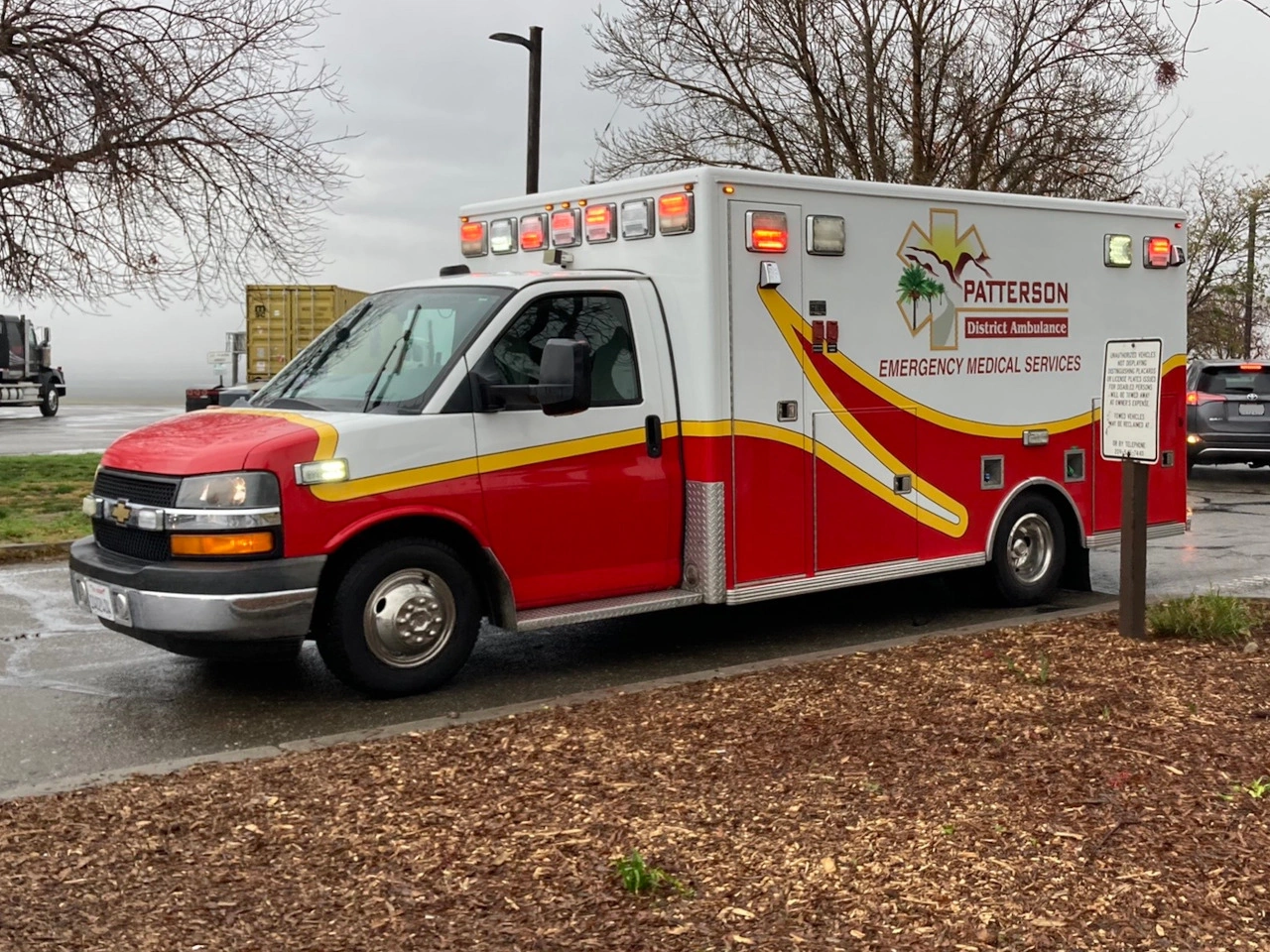
救急車は、緊急医療の提供や患者輸送のため装備・使用される車両です。医療機器と訓練された職員を乗せ、搬送中に治療する場合があります。
緊急出動中は警光灯とサイレンを使用し、特別な優先権や一部交通規則の例外が認められる場合があります。他の道路利用者は現地規則に従い、十分な通路を空け、進行を妨げない必要があります。
What is an ambulance?
An ambulance is a specially equipped vehicle used to provide emergency medical assistance and transport sick or injured people.
When does an ambulance have priority?
This depends on the local traffic rules and warning signals being used. Ambulances responding to emergencies commonly use flashing lights and a siren to indicate that other road users must make way.
What should you do when an ambulance approaches?
Remain calm and make sufficient space for it to pass. Slow down or stop where necessary, but avoid sudden or dangerous manoeuvres.
Should you stop immediately when you hear an ambulance siren?
Not necessarily in your exact position. Move or stop in a way that creates a safe passage without blocking an intersection, pedestrian crossing or another part of the road needed by the ambulance.
Can an ambulance pass a red traffic light?
Emergency vehicles may be allowed to pass a red light during an urgent response under special legal conditions. The precise rules differ between countries, and the ambulance driver must still take appropriate precautions.
Can an ambulance exceed the speed limit?
Many countries permit emergency vehicles to depart from certain normal speed rules during an urgent mission, subject to safety requirements and national legislation.
Can an ambulance drive through a traffic queue?
Yes, when responding to an emergency and legally permitted to do so. Other road users should create space and keep emergency corridors or access routes clear where required.
Can you follow an ambulance through traffic?
You should not use the passage created for an ambulance as a way to bypass congestion. Maintain a safe distance and continue to obey the normal traffic rules.
Do ambulances always use their sirens?
No. The use of warning lights and sirens depends on the urgency of the mission and local regulations. An ambulance transporting a patient does not necessarily need to use emergency signals throughout the journey.
What should you do near a stationary ambulance?
Reduce speed and remain alert. Medical personnel, patients or other emergency workers may be entering the road, and the ambulance may need to move unexpectedly.
85. 警察官の交通合図
警察官の交通合図は、警察官など権限を持つ者が交通を制御するために用いる手信号、姿勢、灯火などです。停止、進行、方向変更、臨時の交通配置への従事を指示します。
通常の標識や信号と異なる場合でも、道路利用者は警察官の合図を確認して従う必要があります。合図の形や意味は国によって異なります。
What are police traffic signals?
Police traffic signals are gestures, positions or other signals used by authorised officers to regulate or direct traffic.
Do police signals override traffic lights?
In many countries, yes. Directions given by an authorised traffic officer normally take precedence over traffic lights, signs and ordinary traffic rules.
What should you do if a police officer gives a signal you do not expect?
Slow down, pay close attention and follow the officer's instruction. Do not continue simply because a traffic light or road sign would normally allow you to proceed.
86. 砂利道
砂利道は、アスファルトやコンクリートではなく砂利、砕石などの粒状材料で舗装された未舗装道路です。地方、森林、工事区域などに多くあります。
必要に応じて減速し、車間距離を増やし、急な制動や操舵を避ける必要があります。飛び石、ほこり、穴、低いグリップにより操作が難しくなります。
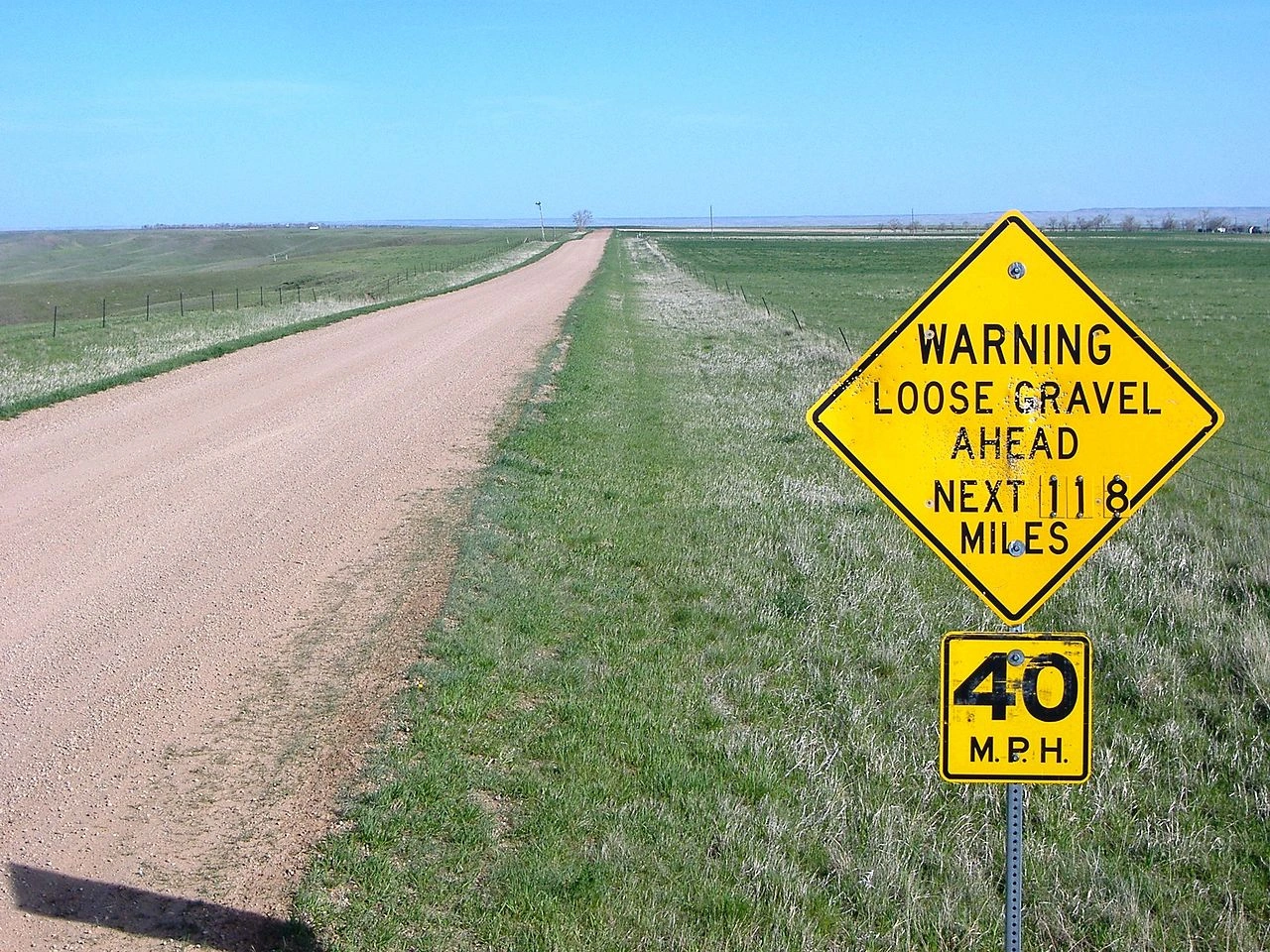
What is a gravel road?
A gravel road is an unpaved road covered with gravel, crushed stone or another loose aggregate surface.
Why can gravel roads be more difficult to drive on?
Loose material can reduce tyre grip, increase stopping distance and cause stones or dust to be thrown into the air. Potholes and uneven surfaces may also be present.
How should you drive on a gravel road?
Use a suitable speed, maintain extra distance from other vehicles and accelerate, brake and steer smoothly to reduce the risk of losing traction.
87. ポットホール
ポットホールは、摩耗、天候、水、反復荷重、舗装劣化などにより路面に生じる穴・窪みです。大きさ・深さはさまざまで、凍結、豪雨、反復交通で悪化することがあります。
操舵、制動、車両安定性へ影響し、タイヤ、ホイール、サスペンションを損傷することがあります。前方路面を確認し、速度を調整し、危険な急操作を避けます。

What is a pothole?
A pothole is a hole or depression that develops in a road surface when the pavement becomes damaged or deteriorates.
How do potholes form?
Potholes can develop through a combination of water, temperature changes, traffic loads and deterioration of the road material. Cracks can gradually expand until pieces of the surface break away.
Why are potholes dangerous?
A pothole can cause a vehicle to change direction suddenly, lose stability or suffer tyre, wheel or suspension damage. Deep potholes can present a particularly serious hazard at higher speeds.
What should you do when you see a pothole?
Reduce speed when necessary, maintain control of the vehicle and avoid abrupt steering or braking. Only move around the pothole when this can be done safely without endangering other road users.
Should you brake while driving through a pothole?
If possible, reduce your speed before reaching the pothole. Sudden heavy braking or steering while passing over a damaged surface can make the vehicle less stable.
Are potholes particularly dangerous for motorcycles?
Yes. A pothole can disturb the steering or balance of a motorcycle and may cause the rider to lose control.
Are potholes dangerous for cyclists?
Yes. Bicycle wheels can be strongly affected by deep holes or sharp edges, particularly when the cyclist has little time or space to avoid the hazard.
Can a pothole damage a car?
Yes. Severe impacts can damage tyres, wheel rims, suspension components, steering parts or wheel alignment.
Should you swerve suddenly to avoid a pothole?
No. A sudden evasive movement may create a greater danger by bringing the vehicle into conflict with cyclists, pedestrians, oncoming traffic or vehicles in another lane.
Can a warning sign indicate potholes ahead?
Yes. Depending on the country's traffic-sign system, an uneven-road or general-danger warning sign may be used where poor road conditions create a significant hazard.
88. 中央分離帯
中央分離帯(central reservation / median)は、通常、反対方向の交通を分けるため別々の車道間に長手方向へ設けられる区域です。芝生、舗装、バリア、植栽などで構成されます。
対向交通流を分離し、対向車線への逸脱リスクを減らします。右左折、交差点、緊急アクセスなどのため一部に開口部が設けられる場合があります。
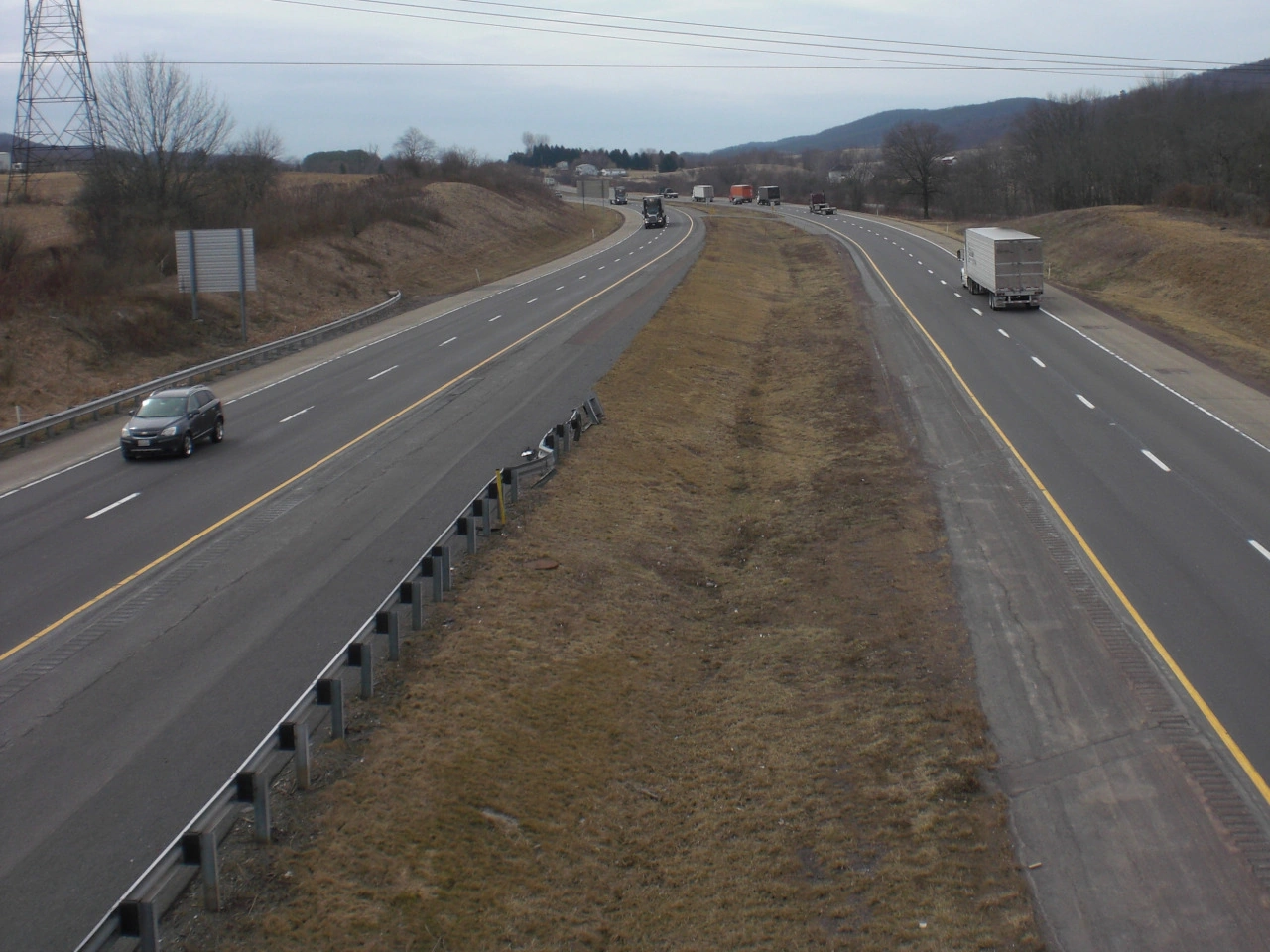
What is a median strip?
A median strip is a longitudinal area that separates two roadways, usually carrying traffic in opposite directions.
Is a median strip the same as a road marking?
Not necessarily. A median is normally a physically distinguishable area or structure, while painted centre lines simply separate traffic using road markings.
What can a median strip be made of?
A median may consist of grass, paving, kerbs, safety barriers, vegetation or another physical separation between roadways.
Why are median strips used?
They help separate opposing traffic flows, reduce conflicts between vehicles travelling in opposite directions and provide space for barriers, signs, lighting or other road infrastructure.
Can you drive across a median strip?
Only where a legal crossing or opening is provided and the applicable traffic rules permit the movement. Drivers should never cross a physical median simply to change direction or take a shortcut.
Can a median strip have openings?
Yes. Openings may be provided for intersections, turning movements, emergency services, maintenance or other authorised traffic.
Can you park on a median strip?
This depends on local law, but parking on a median is commonly prohibited or restricted because it may create danger or obstruct visibility and traffic.
Can pedestrians stand on a median strip?
Some medians contain a pedestrian refuge specifically designed to allow people to cross a road in stages. Other medians may not be intended for pedestrian use.
Is a central safety barrier part of the median?
It can be. A median may contain a safety barrier designed to reduce the risk of vehicles crossing into opposing traffic.
Can a divided road have more than one roadway?
Yes. A road with a median commonly has two separate roadways, one for each direction of traffic.
Does a median strip determine the direction of traffic?
The road layout normally separates the traffic directions, but drivers must still follow the traffic signs, lane markings and directional rules applying to each roadway.
Is a median strip the same as an emergency lane?
No. An emergency lane or shoulder runs alongside a roadway, while a median strip separates roadways from each other.
89. 公共財産
公共財産は、政府や公的機関が所有・管理する土地、建物、インフラなどです。道路、公園、公共広場、政府庁舎、鉄道設備などが含まれます。
公共財産だから誰でも自由に入れるとは限りません。一般利用に開放される場所もあれば、進入制限または特定サービス専用の場所もあります。交通規則は、公道の一部か、交通法が適用される別の場所かによって決まります。
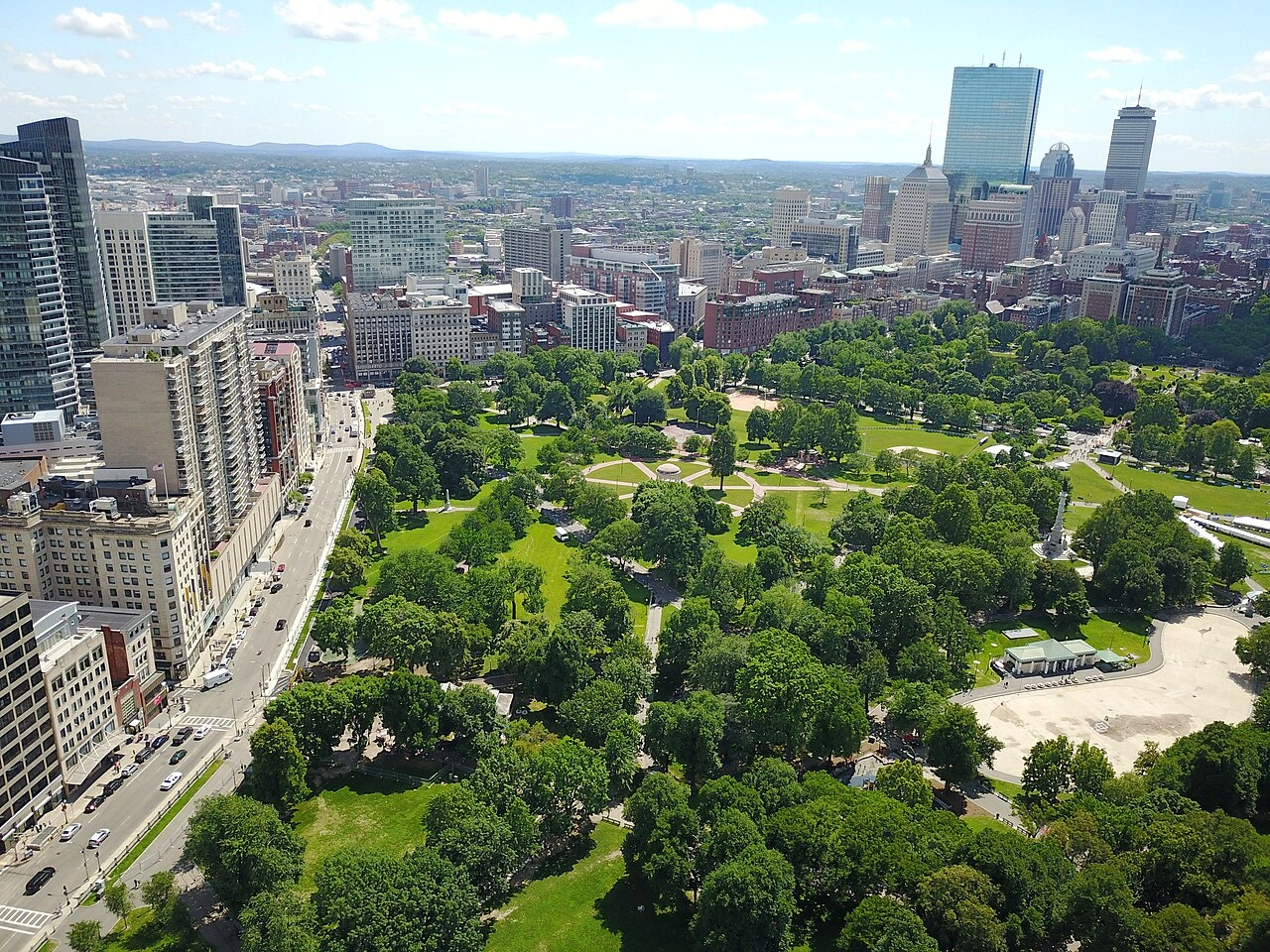
What is public property?
Public property is property owned or controlled by a government, municipality or another public authority.
What are examples of public property?
Examples can include roads, parks, public squares, government buildings, transport infrastructure and other public facilities.
Is all public property open to everyone?
No. Some public property is freely accessible, while access to government offices, maintenance facilities, railway infrastructure or other areas may be limited or prohibited.
Is public property the same as a public road?
No. Public property concerns ownership or control, while a public road concerns an area that is legally or actually open to public traffic. A public road can therefore be only one type of public property.
Can privately owned land be open to the public?
Yes. A privately owned car park, road or other area may be accessible to the public even though the government does not own it.
Can publicly owned land be closed to the public?
Yes. Public authorities can own areas that are restricted to authorised personnel, maintenance services or other specified users.
Do traffic rules automatically apply to all public property?
No. Whether ordinary road-traffic rules apply depends on the legal status and use of the area rather than simply on who owns it.
Can public property contain roads and parking areas?
Yes. Public property can include streets, car parks, access roads and other traffic areas, each of which may have its own traffic and access rules.
Can access to public property be restricted by signs?
Yes. Signs, barriers, opening hours, permits or other regulations may restrict access to particular public areas.
Can vehicles be prohibited from public property?
Yes. A publicly accessible park, square or pedestrian area may prohibit motor vehicles or permit only specific categories such as emergency, maintenance or delivery vehicles.
Is public property the same as public space?
Not necessarily. Public space generally describes an area available for public use, while public property primarily describes ownership or control. A publicly used space can sometimes be privately owned.
Why is the distinction important for traffic rules?
Traffic regulations frequently depend on whether an area is a public road, publicly accessible place or restricted private area, rather than solely on ownership.
90. 通路
通路は、主に歩行者向けの比較的狭い経路で、許可されている場合はその他の道路利用者や小型車両も利用できます。市街地、農村、公園、森林、道路間などに設けられ、舗装されている場合と未舗装の場合があります。
通路は必ずしも歩道や自転車道と同じではありません。利用できる道路利用者は、その法的区分、幅、交通標識、地域規則によって決まります。

What is a path?
A path is a relatively narrow route intended primarily for pedestrians and, where permitted, other road users or small vehicles.
Is a path the same as a footpath?
Not necessarily. A footpath is specifically intended for pedestrians, while a path may also permit cyclists or other users according to local rules.
Is a path the same as a cycle path?
No. A cycle path is specifically designated for bicycles and other permitted users. An ordinary path does not automatically have that legal status.
Can cyclists use a path?
This depends on the legal status, width and signs applying to the path. Some paths permit cyclists, while others are reserved for pedestrians or particular users.
Can motor vehicles use a path?
This depends on local law. Some paths prohibit motor vehicles entirely, while narrow vehicles may be permitted on other paths unless traffic signs restrict access.
Can a path be part of the public-road network?
Yes. A narrow path can legally form part of the public-road network even when it is unsuitable for ordinary cars.
Does a path need to be paved?
No. Paths can be paved, gravelled, compacted or unsurfaced depending on their location and purpose.
Can traffic signs restrict access to a path?
Yes. Signs can reserve a path for particular road users or prohibit certain vehicles, regardless of whether they could physically fit on it.
Who has priority when a path joins a larger road?
The applicable local priority rules determine who must give way. Special rules often apply when a minor path joins an ordinary road.
Can pedestrians and cyclists share a path?
Yes, where both are permitted. Faster users should adapt their speed and avoid endangering or unnecessarily obstructing pedestrians.
Can a path cross another road?
Yes. At the crossing, users must follow the applicable priority signs, traffic lights, road markings and general right-of-way rules.
Is every narrow route legally a path?
No. Its legal classification depends on the definitions and regulations of the country concerned. A narrow route might instead be a footpath, cycle path, private access road or another type of facility.
91. 粒子状物質
粒子状物質(particulate matter、PM)は、空気中に浮遊する微小な固体粒子または液滴です。道路交通では、排気ガス、ブレーキ摩耗、タイヤ摩耗、路面摩耗のほか、通過車両が巻き上げるほこりからも発生します。
粒子状物質は一般に粒径で分類されます。PM10は直径およそ10マイクロメートル以下、PM2.5はおよそ2.5マイクロメートル以下のより細かい粒子を指します。車両排出ガス基準、粒子フィルター、大気質対策などにより、これらの汚染物質への曝露低減が図られます。

What are particulates?
Particulates, or particulate matter, are very small solid particles or liquid droplets suspended in the air.
What are PM10 and PM2.5?
PM10 refers to particles with a diameter of up to approximately 10 micrometres. PM2.5 refers to finer particles with a diameter of up to approximately 2.5 micrometres.
Where do traffic particulates come from?
Road traffic can produce particles through engine exhaust, brake wear, tyre wear and road-surface wear. Passing traffic can also resuspend dust already present on the road.
Are diesel vehicles a source of particulates?
Yes. Combustion in diesel engines can produce very small soot particles. Modern diesel vehicles commonly use particulate filters to capture a large proportion of these exhaust particles.
What is a particulate filter?
A particulate filter is an exhaust-treatment device designed to trap particulate matter produced by an engine. Diesel particulate filters are commonly known as DPFs.
Do petrol engines produce particulates?
Yes. Petrol engines can also produce particulate emissions, particularly certain direct-injection engines. Appropriate emission-control systems may therefore include particulate filters.
Do electric vehicles produce particulates?
Fully electric vehicles produce no exhaust particulates from a combustion engine, but particles can still result from tyre wear, road wear and braking.
Are brake and tyre particles regulated?
Vehicle-emission regulation is increasingly addressing non-exhaust emissions. The European Euro 7 framework includes requirements concerning brake-particle emissions and tyre abrasion.
Is particulate matter the same as CO2?
No. Particulate matter consists of tiny airborne particles, while carbon dioxide is a gas. They are different types of vehicle emissions and are regulated for different environmental reasons.
How can vehicle particulate emissions be reduced?
Measures include effective particulate filters, cleaner vehicle technologies, correctly maintained emission-control systems and reductions in brake, tyre and road-wear emissions.
92. 大気汚染
大気汚染は、人の健康、環境、生態系へ悪影響を与える濃度で、気体、粒子、その他の物質が空気中に存在する状態です。道路交通は排気ガスに加え、ブレーキ摩耗、タイヤ摩耗、道路粉じんなど非排気由来の排出によっても大気汚染へ寄与します。
交通に関連する主な汚染物質には、窒素酸化物、粒子状物質、一酸化炭素、揮発性有機化合物があります。車両から直接排出されるものもあれば、大気中の化学反応で生成されるものもあります。車両排出ガス基準、よりクリーンな技術、交通管理対策などが排出削減に使われます。

What is air pollution?
Air pollution is contamination of the air by gases, particles or other substances that can adversely affect human health, the environment or ecosystems.
How does road traffic cause air pollution?
Vehicles produce pollutants through fuel combustion, exhaust systems, brake wear, tyre wear and road-surface interaction. Moving traffic can also resuspend dust already present on the road.
Which air pollutants are associated with road traffic?
Important traffic-related pollutants include nitrogen oxides, particulate matter, carbon monoxide and volatile organic compounds. Their relative importance depends on the vehicle, fuel and driving conditions.
What is nitrogen dioxide?
Nitrogen dioxide (NO2) is an air pollutant associated particularly with combustion processes and road traffic. High concentrations are commonly found near busy roads and densely trafficked urban areas.
What is particulate matter?
Particulate matter consists of tiny solid particles or liquid droplets suspended in the air. Road traffic can produce particles from exhaust, brakes, tyres and road surfaces.
Is CO2 the same as ordinary air pollution?
No. Carbon dioxide is primarily regulated as a greenhouse gas because of its contribution to climate change. Local air-quality pollution generally focuses on substances such as nitrogen dioxide, particulate matter, ozone and other pollutants that directly affect air quality and health.
Do electric vehicles cause air pollution?
Fully electric vehicles produce no combustion-engine exhaust emissions while driving, but they can still contribute to non-exhaust particulate emissions through tyres, brakes and road wear.
Can air pollution be worse near busy roads?
Yes. Concentrations of traffic-related pollutants can be higher close to heavily trafficked roads because many emissions occur close to ground level and near where people live and travel.
What is a low-emission zone?
A low-emission zone is an area where access by more polluting vehicles is restricted in order to reduce traffic-related air pollution. Access criteria may depend on factors such as fuel type, vehicle category and emission standard.
How can traffic-related air pollution be reduced?
Measures include cleaner vehicles, stricter emission standards, effective emission-control equipment, low-emission zones, public transport, cycling and walking, as well as traffic-management measures that reduce unnecessary congestion and emissions.
93. インターチェンジ
インターチェンジは、2本以上の主要道路間で交通が移動できるよう設計された道路接続部で、通常はランプ、橋、トンネルを使い、交差する交通流が同一平面で交差しないようにします。高速道路、自動車専用道路、その他の大容量道路で一般的です。
運転者は早めに方面案内標識、車線矢印、道路番号を確認し、目的の出口や接続ランプへ入る前に正しい車線を選びます。速度制限、合流規則、車線配置は国やインターチェンジごとに異なります。
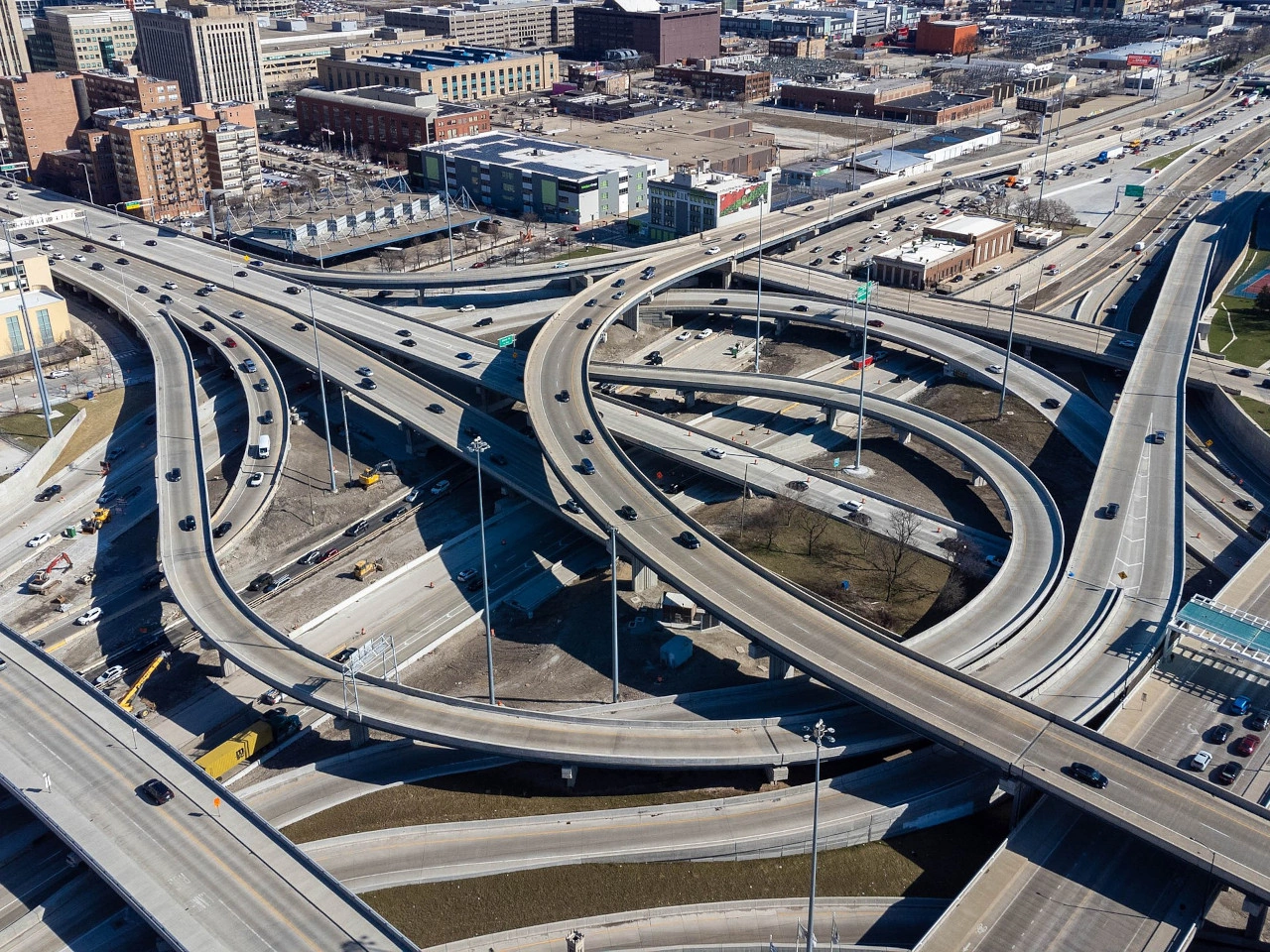
What is an interchange?
An interchange is a junction that allows traffic to transfer between major roads, commonly using ramps and grade-separated bridges or tunnels.
What is the difference between an interchange and an ordinary intersection?
At an ordinary intersection, traffic streams normally meet or cross at the same level. An interchange usually separates major traffic movements vertically and connects them using ramps.
Where are interchanges commonly found?
They are most common on motorways, expressways, ring roads and other high-capacity roads where stopping at ordinary intersections would disrupt traffic flow.
What is an interchange ramp?
A ramp is a connecting road that allows vehicles to enter, leave or transfer between the roads forming the interchange.
How should you approach an interchange?
Read the advance-direction signs early, identify your route or destination and move into the appropriate lane in sufficient time.
Should you make sudden lane changes at an interchange?
No. Interchanges can contain several exits and merging traffic streams. Signal in good time and change lane only when there is sufficient space to do so safely.
Who has priority when entering another road at an interchange?
This depends on the local signs, markings and merging rules. Drivers joining a motorway commonly have to give way to traffic already travelling on it, but local regulations must always be followed.
Can speed limits change on interchange ramps?
Yes. Ramps may have lower speed limits or require a lower safe speed because of bends, merging traffic or limited visibility.
What should you do if you miss your exit at an interchange?
Continue to the next suitable exit or interchange. Never reverse, stop unexpectedly or cross prohibited areas to return to a missed exit.
Are all interchanges designed the same way?
No. Common layouts include cloverleaf, diamond, trumpet and directional interchanges. Their design depends on traffic volumes, available space and the roads being connected.
94. ラッシュアワー
ラッシュアワーは、多くの人が通勤、通学、その他の定期的な移動を行うため、道路や公共交通網の需要が特に高くなる時間帯です。通常、平日の朝と夕方から夜にかけて発生します。
ラッシュ時には渋滞、低速走行、移動時間の増加、頻繁な停止が生じます。運転者は安全な車間距離を保ち、焦らず、交通状況の変化を予測し、臨時または動的な交通管理措置に従います。

What is rush hour?
Rush hour is a period when unusually large numbers of people travel at the same time, resulting in increased traffic and often congestion.
When does rush hour occur?
Rush hour commonly occurs during the morning and late afternoon or evening on working days, but the exact times vary according to the city, road and local travel patterns.
Does rush hour always last one hour?
No. The term does not mean that congestion lasts exactly one hour. In busy urban areas, peak traffic conditions may continue for several hours.
Why does traffic become congested during rush hour?
Congestion develops when traffic demand approaches or exceeds the available road capacity. Intersections, merging traffic, collisions, roadworks and weather can make the congestion worse.
Should you increase your following distance in rush-hour traffic?
Yes. Leave sufficient distance to react to sudden braking and frequent changes in traffic speed. Avoid following another vehicle too closely even when traffic is moving slowly.
Should you frequently change lanes during congestion?
Unnecessary lane changes can create additional conflicts and may not significantly reduce journey time. Choose an appropriate lane, observe surrounding traffic and change lane only when it can be done safely.
Can speed limits change during rush hour?
Yes. Roads equipped with variable traffic management may display lower speed limits during congestion. Drivers must follow the speed limit currently indicated.
What is a rush-hour lane?
A rush-hour lane is an additional traffic lane that can be opened during busy periods to increase road capacity. It may use a lane or shoulder that is closed to normal traffic at other times.
Can you use a rush-hour lane whenever traffic is congested?
No. Such a lane may only be used when traffic signals or signs indicate that it is open. Never assume that congestion alone permits its use.
How can you prepare for a journey during rush hour?
Check current traffic conditions and expected journey times, allow additional travel time and consider an alternative route, departure time or mode of transport where appropriate.
95. 給油所
給油所は、自動車へガソリン、ディーゼル、その他の燃料を供給できる施設です。多くの給油所では、電気自動車の充電、タイヤ空気圧設備、自動車用品、トイレ、飲食物、コンビニエンスストアなどの追加サービスも提供します。
主要道路や高速道路沿いの給油所は案内標識またはサービス標識で示されることがあります。進入前に減速し、指定された出入口を利用し、施設内では車両と歩行者の動きに特に注意します。
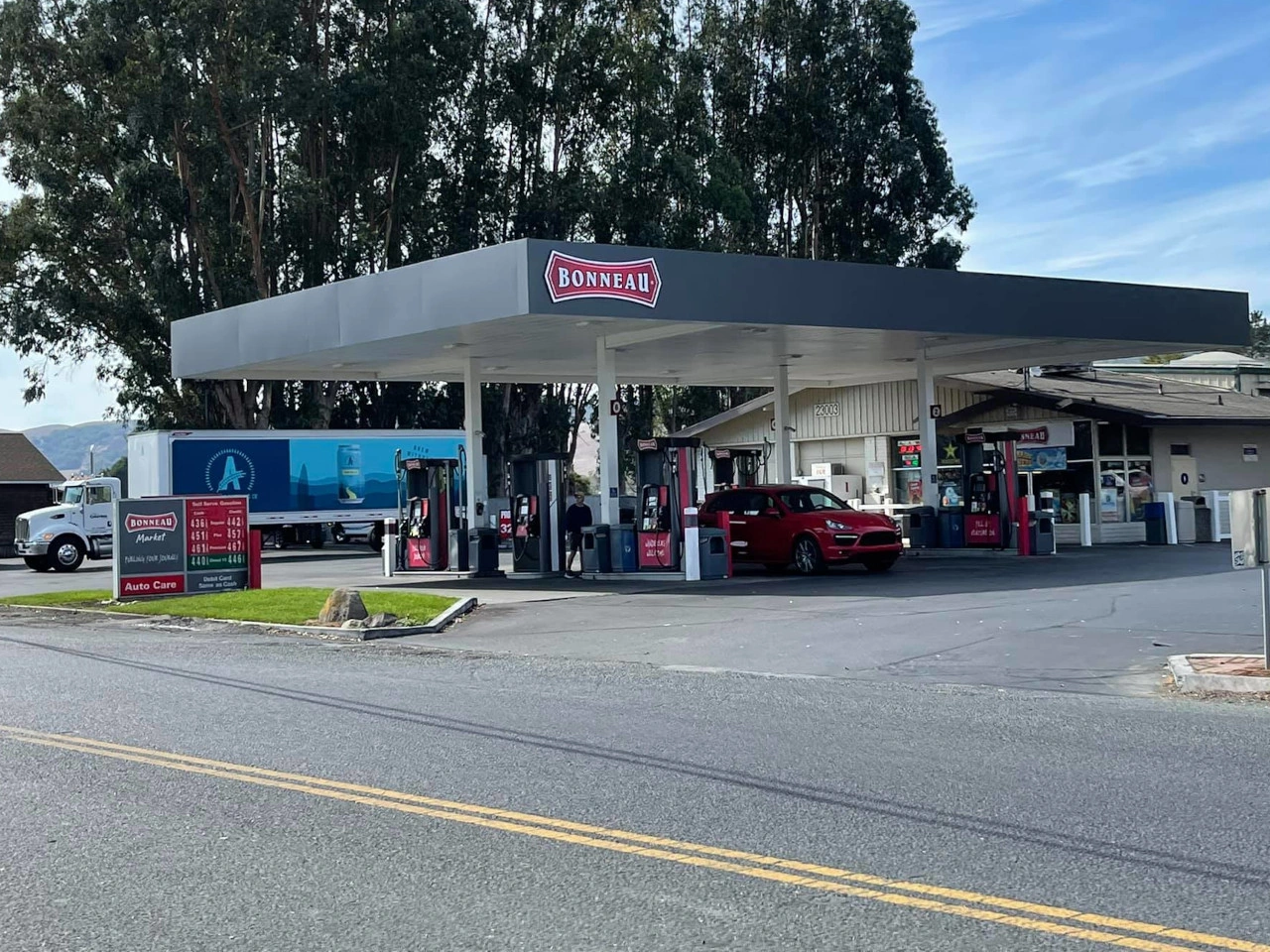
What is a filling station?
A filling station is a facility where vehicles can obtain petrol, diesel or other fuels and may also offer additional services for drivers and passengers.
How is a filling station indicated on the road?
Many countries use a service or information sign with a fuel-pump symbol to indicate a filling station. The exact design and meaning of the sign vary between countries.
What should you watch for when entering a filling station?
Reduce your speed, follow the designated entrance and traffic direction and watch carefully for vehicles, pedestrians and people moving around the fuel pumps.
96. 交通法規
交通法規は、人々が公道をどのように利用するかを定める法律や交通規則の体系です。運転者、自転車利用者、歩行者、その他の道路利用者に適用され、優先、速度、追い越し、駐車、信号機、道路標識、路面標示などを扱います。
交通法規は国によって、場合によっては地域によって異なります。道路利用者は、母国の規則と異なる場合でも移動先で適用される規則を知り、従うことが求められます。
What is a road code?
A road code is the body of traffic rules and regulations governing how road users must behave on public roads.
What does a road code regulate?
A road code can regulate subjects such as priority, speed, overtaking, turning, parking, traffic signals, road signs and road markings, as well as the responsibilities of different road users.
Are road codes the same in every country?
No. Although many traffic rules and signs are similar internationally, each country establishes its own traffic legislation and may apply different rules, signs, speed limits and requirements.
97. 双方向交通
双方向交通は、同じ道路または車道で車両が反対方向へ走行できる状態です。対向交通は路面標示、中央分離帯で分けられる場合も、狭い道路では物理的な分離がない場合もあります。
双方向道路では、運転者は現地交通規則で定められた側を走行し、対向車に注意し、追い越し、右左折、狭い区間の通過時に特に注意します。
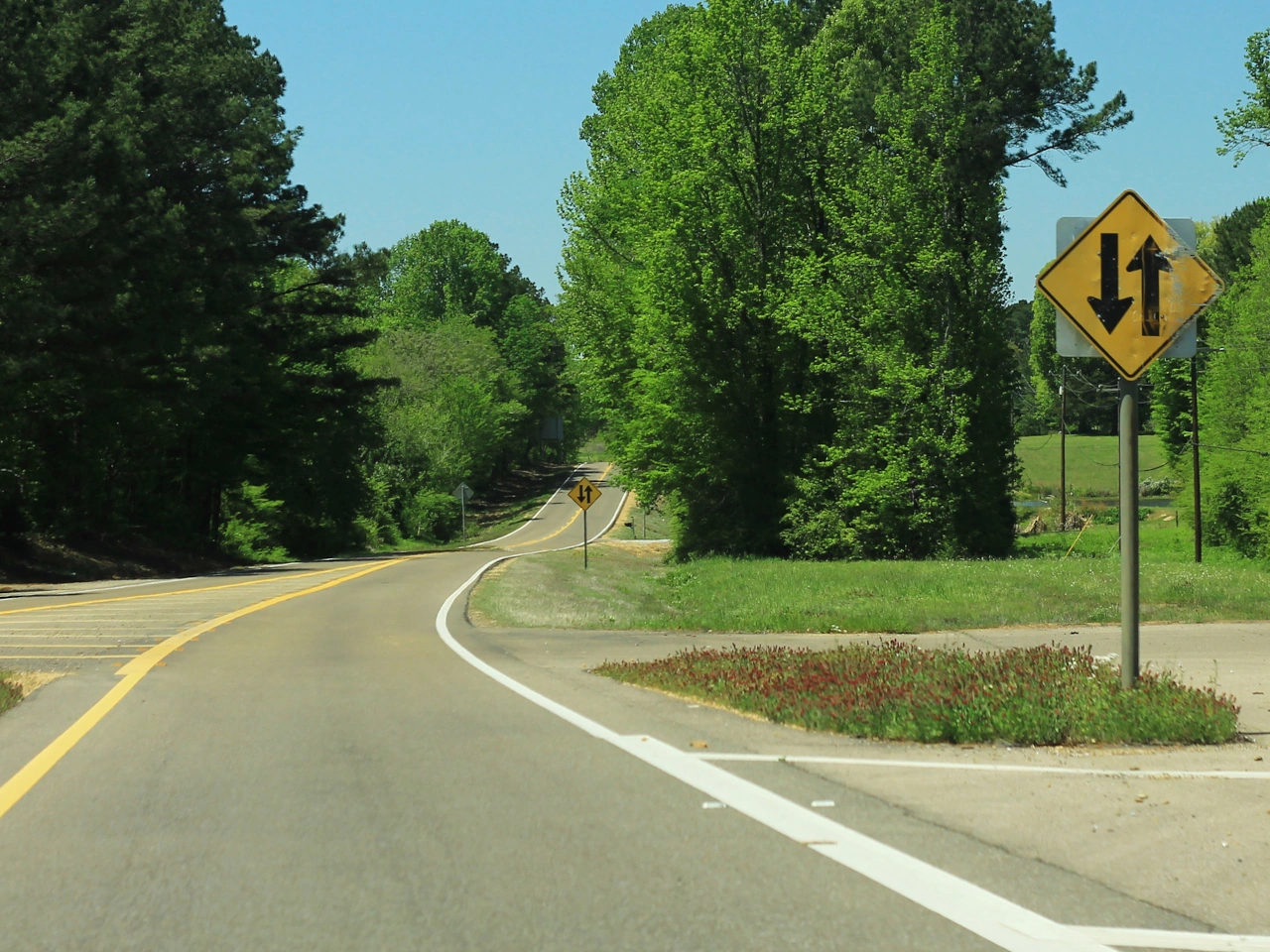
What is two-way traffic?
Two-way traffic means that vehicles may travel in both directions along the same road or carriageway.
How are opposing traffic directions separated?
They may be separated by centre lines, traffic lanes, a median or another physical divider. On some roads, opposing traffic may share an undivided carriageway.
Why should you take extra care on a two-way road?
Vehicles may approach from the opposite direction, so drivers should maintain a safe position and take particular care when overtaking, turning or passing through narrow sections.
98. 追い越し車線
追い越し車線は、同じ方向へ走る遅い車両を追い越すため主に使われる車線です。各方向に複数車線がある道路では、通常走行に使う側から離れた車線になります。
右側通行の国では一般に左側、左側通行の国では一般に右側が追い越し車線です。現地交通規則で求められる場合、追い越し後は通常走行車線へ戻ります。
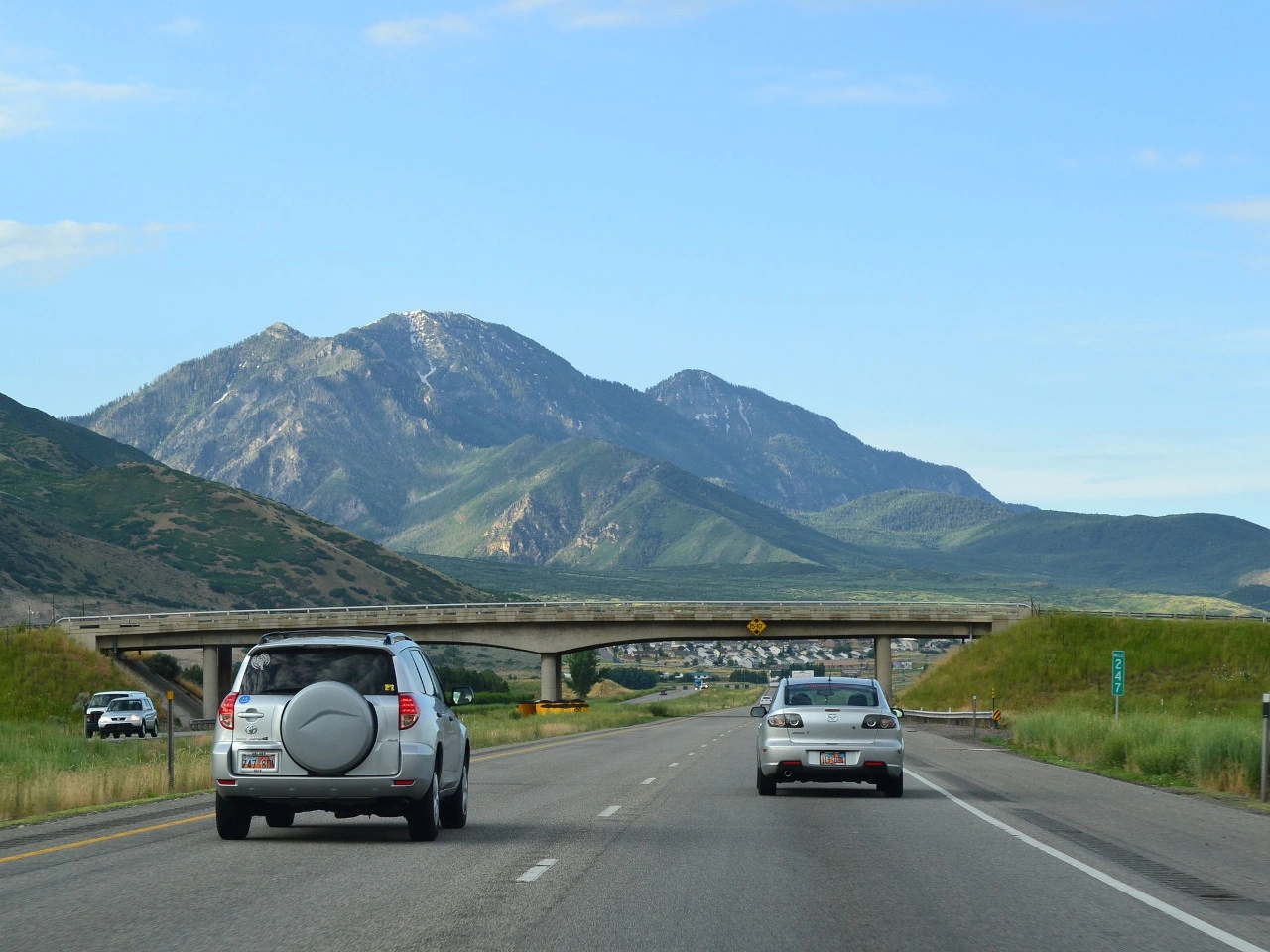
What is a passing lane?
A passing lane is a lane used primarily to overtake slower vehicles travelling in the same direction.
Which side is the passing lane on?
It depends on the country's driving side. In countries with right-hand traffic it is generally the left lane, while in countries with left-hand traffic it is generally the right lane.
Can you remain in the passing lane after overtaking?
The exact rules vary between countries, but drivers are commonly expected to return to the normal travel lane after completing an overtake when it is safe and required.
99. 道路側溝
道路側溝は、道路や街路の端に沿って設けられ、雨水を集めて排水口などへ流す細い水路です。通常、車道と縁石の間にあり、コンクリート、舗石、路面の一部などで形成されます。
道路側溝は主に排水設備であり、交通車線ではありません。水、破片、排水口、凹凸などがある場合があるため、道路利用者は側溝付近で注意します。

What is a street gutter?
A street gutter is a drainage channel along the edge of a road that collects rainwater and directs it toward drains or another drainage system.
Is a street gutter a traffic lane?
Normally, no. A gutter is primarily part of the road's drainage system and is not intended to function as a normal traffic lane.
Why should cyclists take care near street gutters?
Gutters may contain water, leaves, debris, drain covers or uneven surfaces, which can reduce grip or make cycling less stable.
100. 道路上の障害物・落下物
道路上の障害物・落下物は、道路上にある、または落下して交通を妨げる可能性がある物体、材料、物質です。車両部品、落下した積荷、石、枝、割れたガラス、ごみ、車両からこぼれた物質などが含まれます。
道路上の異物は運転者、自転車利用者、その他の道路利用者に重大な危険となります。前方路面を確認し、必要に応じて減速し、安全に回避できる場合も急な操作を避けます。
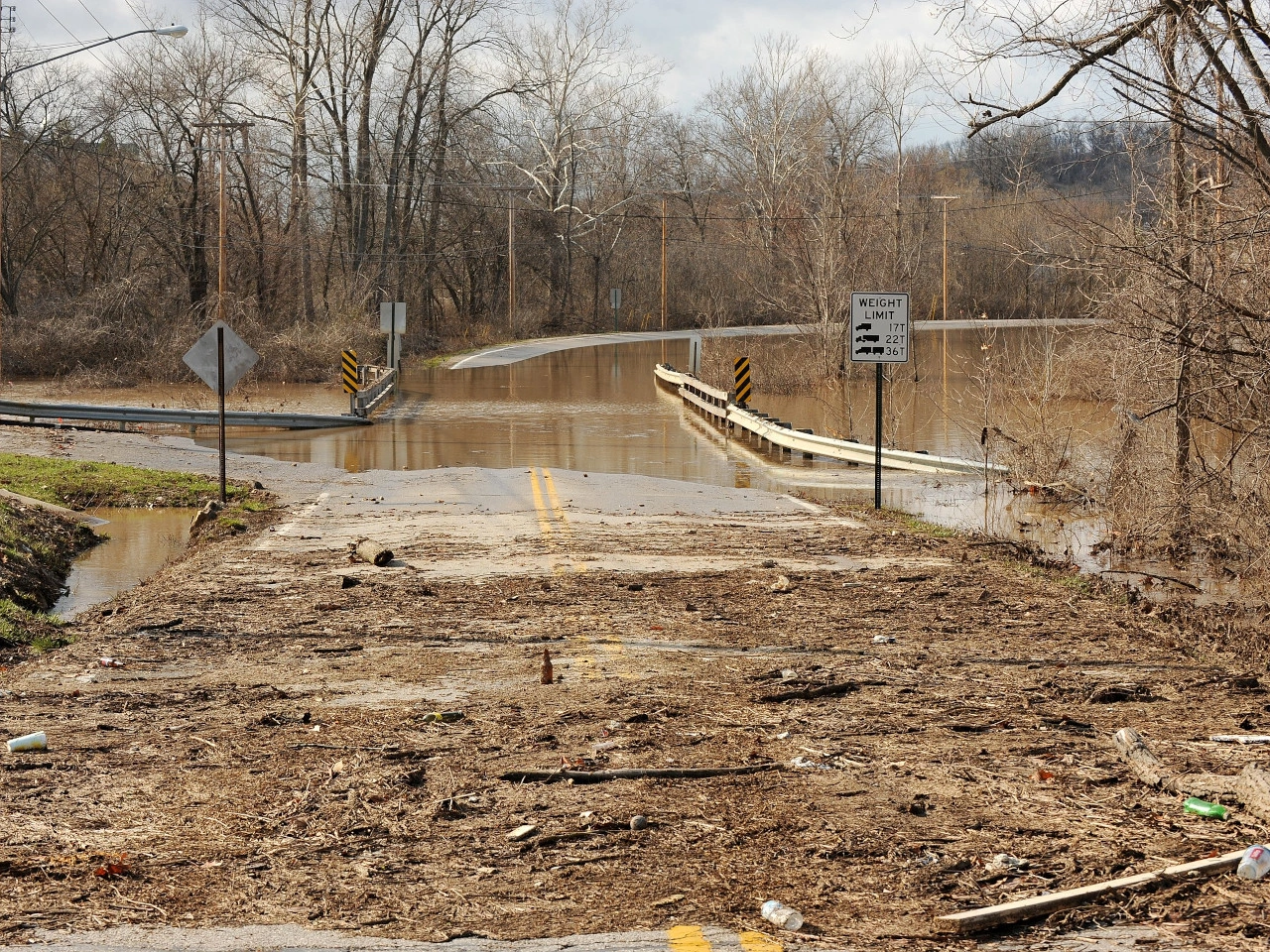
What is road debris?
Road debris is any object, material or substance lying on the road that may obstruct traffic or create a hazard.
What are common examples of road debris?
Examples include lost cargo, vehicle parts, stones, branches, litter, broken glass and spilled materials.
What should you do when you see debris on the road?
Reduce speed when necessary, maintain control of your vehicle and avoid the debris only when you can do so safely. Avoid sudden braking or steering that could endanger other road users.