


VerkehrsregelnBosnien und Herzegowina
 Verkehrsregeln
 Bosnien und Herzegowina
1. Bosnien und Herzegowina
Bosnien und Herzegowina ist ein gebirgiges Land in Südosteuropa, im westlichen Balkan zwischen Kroatien, Serbien und Montenegro, mit einem kurzen Adriaküstenabschnitt bei Neum. Es gilt Rechtsverkehr, und Fahrten außerhalb der größeren Städte führen häufig über kurvenreiche Straßen, steiles Gelände und durch wechselnde Wetterbedingungen. Dem Fahren im Winter ist besondere Aufmerksamkeit zu widmen: Die meisten Fahrzeuge müssen unabhängig vom Wetter die vorgeschriebene Winterausrüstung vom 1. November bis 1. April mitführen.
In Bosnien und Herzegowina werden Bosnisch, Kroatisch und Serbisch verwendet; außerdem kommen sowohl die lateinische als auch die kyrillische Schrift zum Einsatz. Beschriftungen auf Verkehrszeichen können daher in beiden Schriften erscheinen, wobei sich ihre Reihenfolge zwischen der Föderation Bosnien und Herzegowina und der Republika Srpska unterscheidet. Die grundlegenden Verkehrsregeln werden auf staatlicher Ebene festgelegt, während Autobahnnetze und Mauterhebung in den Entitäten des Landes getrennt verwaltet werden.
Auf welcher Straßenseite fährt man in Bosnien und Herzegowina?
Fahren Sie rechts und überholen Sie normalerweise links.
Welche Notrufnummern sollten Sie in Bosnien und Herzegowina wählen?
Wählen Sie 122 für die Polizei, 123 für die Feuerwehr und 124 für medizinische Notfallhilfe.
Wie hoch ist die gesetzliche Alkoholgrenze für Fahrer in Bosnien und Herzegowina?
Für die meisten Fahrer beträgt die zulässige Blutalkoholkonzentration höchstens 0,3 g/kg (0,3‰). Für mehrere Gruppen gilt eine Null-Alkohol-Grenze, darunter Fahrer unter 21 Jahren, Fahrer mit weniger als drei Jahren Fahrerfahrung, Fahrschüler und bestimmte Berufskraftfahrer.
Wie hoch ist die allgemeine Geschwindigkeitsbegrenzung innerhalb geschlossener Ortschaften in Bosnien und Herzegowina?
Die allgemeine Höchstgeschwindigkeit beträgt 50 km/h, sofern Verkehrszeichen keine andere Begrenzung anzeigen.
Wie hoch ist die allgemeine Geschwindigkeitsbegrenzung außerhalb geschlossener Ortschaften in Bosnien und Herzegowina?
Auf gewöhnlichen Straßen außerhalb geschlossener Ortschaften beträgt die allgemeine Höchstgeschwindigkeit für Pkw 80 km/h, sofern Verkehrszeichen keine andere Begrenzung anzeigen.
Wie hoch ist die Geschwindigkeitsbegrenzung auf Straßen, die Kraftfahrzeugen vorbehalten sind, in Bosnien und Herzegowina?
Die allgemeine Höchstgeschwindigkeit beträgt 100 km/h, sofern Verkehrszeichen keine andere Begrenzung anzeigen.
Wie hoch ist die Höchstgeschwindigkeit auf Autobahnen in Bosnien und Herzegowina?
Für Pkw beträgt die allgemeine Höchstgeschwindigkeit auf Autobahnen 130 km/h, sofern keine niedrigere Begrenzung angezeigt ist.
Benötigen Sie für Autobahnen in Bosnien und Herzegowina eine Vignette?
Es gibt keine landesweite Autobahnvignette. Auf mautpflichtigen Autobahnabschnitten werden Gebühren erhoben; in der Föderation Bosnien und Herzegowina und in der Republika Srpska bestehen getrennte Mautsysteme.
Müssen Sie in Bosnien und Herzegowina tagsüber Licht verwenden?
Ja. Kraftfahrzeuge müssen während der Fahrt am Tag Abblendlicht oder Tagfahrlicht verwenden.
Wann ist Winterausrüstung in Bosnien und Herzegowina vorgeschrieben?
Für die meisten Fahrzeuge ist die vorgeschriebene Winterausrüstung vom 1. November bis 1. April verpflichtend, unabhängig vom Wetter. Zulässig sind unter anderem Winterreifen an allen Rädern oder bestimmte Kombinationen aus Reifen und Schneeketten.
Sind Sicherheitsgurte in Bosnien und Herzegowina vorgeschrieben?
Sicherheitsgurte sind vorgeschrieben für Fahrer und Mitfahrer während der Fahrt in einem damit ausgestatteten Fahrzeug.
Welche Regeln für Kinderrückhaltesysteme gelten in Bosnien und Herzegowina?
Kinder unter fünf Jahren, die auf einem Rücksitz mitfahren, müssen grundsätzlich ein geeignetes Kinderrückhaltesystem verwenden. Kinder im Alter von fünf bis unter 12 Jahren müssen ein geeignetes Rückhaltesystem oder eine Sitzerhöhung verwenden, damit der Sicherheitsgurt korrekt angelegt werden kann.
Darf ein Kind in Bosnien und Herzegowina auf dem Vordersitz sitzen?
Kinder unter 12 Jahren dürfen grundsätzlich nicht auf dem Beifahrersitz mitfahren. Ein Kind unter zwei Jahren darf dort in einem rückwärtsgerichteten Kindersitz befördert werden, wenn der Beifahrerairbag nicht vorhanden oder deaktiviert ist.
Wer muss in Bosnien und Herzegowina einen Helm tragen?
Fahrer und Mitfahrer von Mopeds, Motorrädern, Leichtkrafträdern, Dreirädern und vierrädrigen Kraftfahrzeugen müssen einen ordnungsgemäß befestigten Schutzhelm tragen. Für gewöhnliche Radfahrer besteht keine allgemeine Helmpflicht; ein auf einem Fahrrad mitfahrendes Kind bis acht Jahre muss jedoch einen Helm tragen.
Darf man in Bosnien und Herzegowina während der Fahrt ein Mobiltelefon benutzen?
Ein Fahrer darf während der Fahrt kein handgehaltenes Mobiltelefon oder anderes Kommunikationsgerät benutzen. Freisprechnutzung ist mit geeigneter Ausrüstung erlaubt. Das Verbot gilt auch bei vorübergehendem verkehrsbedingtem Stillstand, etwa an einer Ampel.
Wann müssen Sie Verkehr von rechts vorlassen?
An einer Kreuzung, an der die Vorfahrt nicht anders geregelt ist, müssen Fahrer grundsätzlich einem von rechts kommenden Fahrzeug Vorfahrt gewähren. Verkehrszeichen, Ampeln und andere Vorfahrtsregeln können diese Regel aufheben.
Haben Straßenbahnen und andere Schienenfahrzeuge an Kreuzungen Vorfahrt?
Sofern Verkehrszeichen nichts anderes bestimmen, müssen Fahrer grundsätzlich Schienenfahrzeugen Vorfahrt gewähren, unabhängig davon, von welcher Seite sie kommen.
Was müssen Fahrer an Fußgängerüberwegen tun?
An einem ungeregelten Fußgängerüberweg müssen Fahrer anhalten und Fußgängern das Überqueren ermöglichen, wenn diese bereits queren, den Überweg betreten oder eindeutig erkennen lassen, dass sie ihn benutzen wollen.
Was bedeuten Rot und Gelb an Ampeln in Bosnien und Herzegowina?
Rot bedeutet Halt. Gelb bedeutet ebenfalls Halt, außer das Fahrzeug ist bereits so nah am Signal, dass es nicht mehr sicher angehalten werden kann.
Was müssen Fahrer im Bereich von Bussen und Haltestellen des öffentlichen Verkehrs tun?
Fahrer, die an einem haltenden öffentlichen Verkehrsmittel vorbeifahren, müssen die Geschwindigkeit verringern und eine Gefährdung von Fahrgästen vermeiden. Müssen Fahrgäste zum Ein- oder Aussteigen einen Fahrstreifen überqueren, müssen Fahrer anhalten. Innerhalb geschlossener Ortschaften müssen Fahrer außerdem bestimmten Fahrzeugen des öffentlichen Verkehrs das Wiedereinfädeln von Haltestellen ermöglichen.
Welche Ausrüstung sollte in einem Pkw in Bosnien und Herzegowina mitgeführt werden?
Pkw müssen grundsätzlich eine Warnweste, ein Warndreieck, einen Erste-Hilfe-Kasten, ein Reserverad, einen Wagenheber, ein Abschleppseil und Ersatzglühlampen mitführen, vorbehaltlich fahrzeugspezifischer Anforderungen und Ausnahmen.
Benötigen Radfahrer in Bosnien und Herzegowina reflektierende Ausrüstung?
Von der Dämmerung bis zum Morgengrauen sowie bei eingeschränkter Sicht am Tag müssen Radfahrer eine Warnweste oder andere geeignete reflektierende Ausrüstung tragen, die sie deutlich sichtbar macht.

2. Autobahn
Eine Autobahn ist eine Straße, die speziell für den motorisierten Verkehr gebaut und entsprechend ausgeschildert ist. Autobahnen haben normalerweise getrennte Richtungsfahrbahnen, kontrollierte Zu- und Abfahrten, keine direkten Zufahrten zu angrenzenden Grundstücken und keine höhengleichen Kreuzungen mit anderen Straßen, Eisenbahnen oder Wegen.
Auf Autobahnen gelten besondere Verkehrsregeln. Welche Verkehrsteilnehmer zugelassen sind, welche Geschwindigkeitsbegrenzungen und Fahrstreifenregeln gelten sowie Maut- und Notfallvorschriften unterscheiden sich je nach Land. Fahrer müssen daher die örtlichen Verkehrszeichen und Vorschriften beachten.
How can you recognise a motorway?
A motorway is normally identified by a special motorway sign at its entrance. It commonly has separate carriageways, controlled entrances and exits, and no ordinary intersections or direct access to neighbouring properties.
Who may use a motorway?
Motorways are primarily intended for motor vehicles capable of travelling safely at motorway speeds. Pedestrians, cyclists, animals and certain slow vehicles are generally prohibited, but the exact access requirements differ between countries.
What is the speed limit on a motorway?
There is no universal motorway speed limit. The applicable limit depends on the country, road section, vehicle category and driving conditions. Posted or variable speed-limit signs may replace the general national limit.
How should you enter a motorway?
Use the entrance or acceleration lane to observe motorway traffic and adjust your speed where possible. Enter only when there is a safe gap and follow the local priority and merging rules.
How should you leave a motorway?
Move into the correct lane in good time and signal when required. Enter the exit or deceleration lane before reducing your speed, unless traffic, signs or road conditions require you to slow down earlier.
Which lane should you use on a motorway?
Follow the local keep-left or keep-right rule and any lane-direction signs. Lanes closer to the centre of the motorway are commonly used for overtaking, but lane-use rules differ between countries and vehicle categories.
Can you stop on a motorway?
Voluntary stopping and parking are normally permitted only in designated parking or service areas. Drivers may still have to stop because of congestion, an emergency or another unavoidable situation.
Can you reverse or make a U-turn on a motorway?
Reversing, making a U-turn and driving against the direction of traffic are generally prohibited. If you miss an exit, continue to the next suitable exit.
What should you do if your vehicle breaks down?
Move the vehicle out of the traffic lanes when this can be done safely, activate the hazard warning lights and follow the local breakdown procedures. Leave the vehicle safely, keep away from moving traffic and use a warning triangle or safety vest where required by local law.
What is the difference between a motorway and an expressway?
A motorway normally has the highest level of access control and is governed by specific motorway rules. An expressway may have similar characteristics but may permit different road users or contain lower-standard junctions. The legal distinction varies between countries.
3. Kaianlage
Eine Kaianlage ist ein befestigter Bereich an einem Fluss, Kanal, Hafen oder anderen Gewässer, der typischerweise zum Be- und Entladen, Festmachen von Schiffen oder als Zugang zum Wasser genutzt wird. Eine Straße kann entlang des Wassers verlaufen oder direkt auf die Kaikante zuführen.
Im Straßenverkehr warnt ein entsprechendes Zeichen davor, dass ein Fahrzeug von der Straße abkommen und ins Wasser geraten könnte. Fahrer sollten die Geschwindigkeit verringern, den Straßenverlauf aufmerksam beobachten und ausreichend Abstand zur Wasserkante halten.

What is a quay?
A quay is a constructed waterside platform or road area beside a river, canal, harbour or other navigable water. It may be used by ships, vehicles, workers, pedestrians and loading equipment.
What does a quay warning sign mean?
It warns that the road approaches or leads onto a quay, riverbank or waterside edge where a vehicle could enter the water.
Does the sign mean that the road ends at the water?
It may. The road may lead directly towards the water, turn sharply near it or continue alongside an insufficiently protected edge. Drivers must observe the actual road layout.
How should you approach a quay?
Reduce speed early, remain in full control and watch for the road edge, barriers, bends, workers, pedestrians and moving equipment. Avoid sudden steering or braking close to the water.
Is there a universal speed limit near a quay?
No. Drivers must follow the posted or general speed limit and reduce their speed further when the road is narrow, wet, poorly lit or close to an unprotected edge.
Does a quay warning sign impose a prohibition?
No. It normally warns of danger rather than prohibiting access. Additional signs, gates or local rules may restrict particular vehicles or activities.
Does the sign change priority?
No. Drivers must continue to follow traffic lights, priority signs and the normal priority rules.
May you stop or park on a quay?
This depends on local signs and regulations. Do not stop or park where the vehicle could create danger, obstruct traffic, interfere with loading operations or block emergency access.
Should you park close to the water’s edge?
Only in a clearly authorised and suitable place. Leave sufficient space from the edge, apply the parking brake securely and follow any wheel-positioning or local parking instructions.
May you overtake near a quay?
Overtaking may be legal, but it should be avoided when the road is narrow, visibility is limited or the manoeuvre would bring the vehicle close to the waterside edge.
Why can quay surfaces be slippery?
Water, algae, mud, ice, fuel, oil or material from loading operations may reduce grip. Painted markings, rails and metal surfaces may also become especially slippery when wet.
What other hazards may be present on a quay?
Drivers may encounter pedestrians, cyclists, dock workers, cranes, forklifts, railway tracks, mooring equipment, reversing trucks and unsecured edges.
Why should large vehicles take extra care?
Large vehicles need more space to turn and may have limited visibility close to the cab or trailer. Soft edges, narrow roads and nearby equipment can make manoeuvring more difficult.
May pedestrians walk on a quay?
Pedestrian access depends on local rules. Where pedestrians are permitted, drivers should expect them to move between vehicles, vessels, buildings and loading areas.
Should you reverse near a quay edge?
Reverse only when necessary and when the route is clearly visible. Use a guide where available and never rely solely on mirrors or cameras when the vehicle could approach the water.
What should you do in darkness or poor visibility?
Reduce speed, use the required lights and look carefully for reflectors, barriers, road edges and people. Water and dark surroundings can make the boundary of the road difficult to recognise.
What should you do if a barrier is open or missing?
Do not assume that the route is safe. Slow down, identify the road boundary and follow signs or instructions from authorised personnel.
What should you do if a vehicle enters the water?
Leave the vehicle as quickly and safely as possible, help passengers where possible and contact the emergency services. Do not re-enter the water or vehicle to recover belongings.
4. Vorfahrt gewähren
Ein Vorfahrt-gewähren-Zeichen verpflichtet Fahrer, bevor sie in eine Straße einfahren, sie überqueren oder sich in sie einfädeln, bevorrechtigten Verkehr zuerst passieren zu lassen. Fahrer müssen die Geschwindigkeit verringern, den sich nähernden Verkehr beobachten und bei Bedarf anhalten.
Anders als ein Stoppschild verlangt dieses Zeichen nicht immer ein vollständiges Anhalten. Ohne anzuhalten darf nur weitergefahren werden, wenn die Strecke eindeutig frei ist und kein bevorrechtigter Verkehrsteilnehmer gezwungen wird, Geschwindigkeit oder Richtung zu ändern.

What does a give-way sign mean?
A give-way sign requires drivers to allow traffic with priority to proceed first. The driver must slow down and stop when necessary.
How can you recognise a give-way sign?
It is commonly an inverted triangular sign with a red border and a light-coloured centre. In some countries, it is called a yield sign.
Must you always stop at a give-way sign?
No. You must stop only when necessary to give way or obtain a sufficiently clear view. You may continue slowly when the road is clearly free.
What does giving way mean?
Giving way means allowing another road user to continue without being forced to brake, accelerate, stop or change direction because of your movement.
Where should you stop when necessary?
Stop before the give-way line where one is provided. Without a line, stop before entering the intersection or priority road at a position where you can observe traffic safely.
May you cross the give-way line before stopping?
You may move beyond the line only when this does not interfere with traffic that has priority. Where visibility is limited, first slow or stop at the line and then move forward cautiously.
What is the difference between give way and stop?
A stop sign always requires a complete stop. A give-way sign permits the driver to continue without stopping when the road is clearly free and it is safe to proceed.
Does slowing down satisfy the give-way requirement?
Only when slowing down is sufficient to let all priority traffic proceed safely. If another road user would be hindered, the driver must slow further or stop.
Who must you give way to?
Give way to traffic travelling on the road being entered or crossed and to any pedestrians, cyclists or other road users who have priority under the applicable rules.
Does giving way apply only to vehicles approaching from one direction?
No. Check every direction from which lawful traffic may approach, including cycle paths, one-way roads with authorised contraflow traffic and separate carriageways.
Does a give-way sign give the other road permanent priority?
The sign determines priority at the particular location. The priority arrangement at later intersections may be different unless the road is separately identified as a priority road.
Does giving way give you priority afterwards?
No. You may proceed only when it is safe. Another driver’s hesitation or courtesy does not remove your responsibility to avoid danger.
Must every vehicle in a queue give way separately?
Yes. Each driver must observe the road and make an individual decision. You may not follow another vehicle through without checking that the way remains clear.
Does a give-way sign apply to cyclists?
Normally, yes. Cyclists are generally treated as drivers and must obey the sign unless a supplementary sign or local rule provides otherwise.
Can a give-way sign apply only to cyclists?
Yes. Some countries use supplementary signs or path-specific signs to require cyclists to give way while other traffic follows a different priority arrangement.
Does a give-way sign change the speed limit?
No. It regulates priority rather than speed. Drivers must still approach slowly enough to observe traffic and stop when necessary.
Does a give-way sign change turning rules?
No. Drivers must still obey traffic lights, lane arrows, mandatory-direction signs and turning prohibitions.
How does give way work at a roundabout?
Many roundabout entrances have give-way signs requiring entering traffic to yield to vehicles already circulating. Drivers must follow the actual signs because roundabout priority rules differ between countries.
Do traffic lights override a give-way sign?
Functioning traffic lights commonly take precedence over priority signs controlling the same movement. The give-way sign may apply again when the lights are switched off or flashing, depending on local law.
Do police instructions override a give-way sign?
Yes. Instructions from an authorised traffic officer normally take precedence over traffic signs and ordinary priority rules.
What should you do when visibility is limited?
Reduce speed substantially and stop when necessary. Move forward cautiously only after giving way and checking that the road can be entered without danger.
5. Kreisverkehr
Ein Kreisverkehr ist ein Knotenpunkt, an dem der Verkehr um eine Mittelinsel in einer festgelegten Richtung geführt wird. Einfahrten werden normalerweise durch Verkehrszeichen und Fahrbahnmarkierungen geregelt; je nach Land müssen einfahrende Fahrzeuge dem bereits im Kreisverkehr fahrenden Verkehr Vorfahrt gewähren oder es gelten andere Prioritätsregeln.
Fahrer sollten sich rechtzeitig einordnen, alle Verkehrsteilnehmer beobachten und beim Verlassen entsprechend blinken. Fahrtrichtung, Einfahrtsvorfahrt, Fahrstreifennutzung sowie Regeln für Radfahrer und Fußgänger richten sich nach den örtlichen Verkehrszeichen und Vorschriften.
What is a roundabout?
A roundabout is a circular road arrangement where traffic travels in one direction around a central island before leaving through the chosen exit.
How can you recognise a roundabout?
A roundabout is normally identified by a circular-direction sign, a central island and entry roads controlled by signs, markings or local priority rules.
Which direction does traffic travel around a roundabout?
The direction depends on the country’s driving side. Traffic normally travels anticlockwise in right-hand-traffic countries and clockwise in left-hand-traffic countries.
Who has priority at a roundabout?
Priority differs between countries and roundabout designs. Entering traffic commonly gives way to traffic already circulating, but drivers must always follow the actual priority signs and signals.
Must you stop before entering a roundabout?
Not always. Stop when required by a stop sign, traffic light or approaching priority traffic. Otherwise, reduce speed and enter only when there is a safe gap.
Does a roundabout always have a give-way sign?
No. The sign arrangement depends on local law. Some circular intersections use ordinary priority rules or traffic lights instead.
How should you approach a roundabout?
Reduce speed, observe the signs and markings, choose the appropriate lane and check for pedestrians, cyclists and circulating traffic.
Which lane should you choose?
Follow the lane arrows and destination signs. As a general guide, use the lane appropriate for your exit, but exact lane-selection rules differ between countries and roundabout layouts.
May you use an inner lane?
Yes, where the road layout and local rules permit it. Before leaving, change lanes safely and give way to road users already travelling in the lane you wish to enter.
Do you need to signal when entering?
This depends on local law. Some countries require a signal for particular exits, while others require no signal when entering.
Do you need to signal when leaving?
Usually, yes. Signal in the direction of the exit early enough to inform other road users, but not so early that your intention becomes misleading.
Does signalling give you priority?
No. A direction indicator communicates your intention but does not permit you to force another road user to brake or change direction.
May you change lanes on a roundabout?
Only when the lane markings permit it and the manoeuvre can be completed safely. Check mirrors and blind spots, signal where required and give way to traffic already in the target lane.
What should you do if you miss your exit?
Continue around the roundabout and approach the exit again. Do not stop, reverse or cut suddenly across another lane.
May you drive over the central island?
Normally not. Some small roundabouts have a mountable central section intended only for vehicles that cannot otherwise negotiate the road safely.
Do cyclists have priority at a roundabout?
Priority depends on whether cyclists use the carriageway, a continuing bike path or a separate cycle crossing. Drivers and cyclists must follow the signs, markings and local priority rules.
What should drivers check before leaving?
Check mirrors and blind spots for cyclists, mopeds, motorcycles and vehicles beside you. Also check for pedestrians crossing the exit road.
Do pedestrians have priority at roundabout exits?
Pedestrian priority depends on crossings and local law. Drivers should approach exits slowly and be prepared to yield to pedestrians crossing or about to cross.
Does a roundabout have a special speed limit?
Not universally. The posted or general road limit applies, but drivers must travel slowly enough to negotiate the roundabout safely.
May you overtake on a roundabout?
Passing another vehicle may be permitted on a multilane roundabout, but drivers must remain within their lane and avoid unsafe lane changes. Local overtaking restrictions may apply.
May you stop or park on a roundabout?
Follow local signs and parking rules. Stopping or parking on the circulating roadway is commonly prohibited or unsafe because it obstructs traffic and reduces visibility.
Is every circular intersection a roundabout?
No. A circular junction may be governed by traffic lights, ordinary priority rules or another road design. Its legal status depends on its signs and local definition.
6. Bahnübergang
Ein Bahnübergang ist eine Stelle, an der eine Straße oder ein Weg Bahngleise höhengleich kreuzt. Er kann durch Schranken, Warnlichter, Glocken, Verkehrszeichen oder eine Kombination dieser Einrichtungen gesichert sein.
Verkehrsteilnehmer müssen sich vorsichtig nähern und dürfen niemals einfahren, wenn sich ein Zug nähert, Warnsignale aktiv sind oder die Ausfahrt blockiert ist. Sie sollten die Gleise zügig überqueren und dürfen niemals auf den Gleisen anhalten, warten oder eingeschlossen werden.

What is a railway crossing?
A railway crossing is a place where a road or path crosses railway tracks at the same level.
What is another name for a railway crossing?
It may also be called a level crossing or, particularly in North America, a railroad crossing.
How can you recognise a railway crossing?
It may be indicated by warning signs, crossbuck signs, barriers, flashing lights, bells or road markings. The design differs between countries.
What is the difference between a crossing with and without barriers?
A protected crossing uses full or partial barriers to block road traffic when a train approaches. A crossing without barriers relies on signs, lights, bells or the road user’s own observation.
Must you always stop at a railway crossing?
Not necessarily. You must stop when required by lights, barriers, signs, an approaching train or an authorised person. At an unprotected crossing, slow down and proceed only after checking that no train is approaching.
What do flashing red lights mean?
Flashing red lights mean stop and do not enter the crossing. Remain stopped until the signal permits you to continue.
May you cross while a barrier is moving?
No. Do not enter while a barrier is lowering, rising or closed. Wait until the crossing is fully open and all prohibiting signals have stopped.
May you drive around a closed barrier?
No. Never drive, cycle or walk around or underneath a closed or moving barrier.
What does a warning bell mean?
A warning bell or audible signal normally means that the crossing is closing or that a train is approaching. Do not enter the crossing while it is sounding.
What does a flashing white light mean?
In some countries, a flashing white light indicates that the crossing equipment is operating and road users may pass when the route is clear. Its exact meaning depends on local law.
What should you do at a crossing without lights or barriers?
Reduce speed, look and listen carefully in both directions and cross only after making sure that no train or other rail vehicle is approaching.
May you cross immediately after a train has passed?
Not automatically. Another train may approach on a second track. Wait until all warning signals stop and the crossing is fully open.
What if traffic ahead is blocking the exit?
Do not enter the crossing unless there is enough room beyond the tracks for your entire vehicle. Never rely on traffic moving before a train arrives.
May you wait on the tracks?
No. Railway tracks must always remain clear. Do not stop because of congestion, traffic lights or another obstruction beyond the crossing.
May you overtake at a railway crossing?
Overtaking is often prohibited or restricted because another vehicle can obstruct the view of an approaching train or warning signal. Follow local signs and overtaking rules.
May you stop or park on a railway crossing?
No. Stopping or parking on the tracks creates an immediate and potentially fatal danger.
Do the crossing signals apply to pedestrians and cyclists?
Yes. Pedestrians and cyclists must obey barriers, lights, bells and authorised personnel in the same way as other road users.
Should cyclists ride across the tracks at an angle?
Where possible, cross the rails at an angle close to 90 degrees. Rails can trap a bicycle wheel, especially when they are wet or cross the road diagonally.
What should drivers of long vehicles check?
Make sure the entire vehicle and any trailer can clear the crossing without stopping. Consider the available space, road gradient, turning room and traffic beyond the tracks.
What should drivers of high vehicles check?
Observe all height restrictions and warning signs. Electrified railway lines may have overhead equipment that can be struck by an excessively high vehicle or load.
What should you do if the signals appear defective?
Treat the crossing with extreme caution. Do not assume that no train is approaching merely because the lights or barriers are not operating.
What should you do if your vehicle becomes stuck on the tracks?
Evacuate everyone immediately, move well away from the railway and contact the emergency services or railway operator. Do not remain in the vehicle or return for belongings.
Is a railway crossing the same as tram tracks in the road?
Not always. A railway crossing normally crosses tracks that are separate from the carriageway, while tram or street-running railway tracks may form part of the road itself.
7. Ampeln
Ampeln regeln mit farbigen Lichtzeichen, Pfeilen oder Symbolen, wann Verkehrsteilnehmer fahren dürfen, sich auf das Anhalten vorbereiten müssen oder stehen bleiben müssen. Getrennte Signale können für bestimmte Richtungen, Fahrstreifen, Fußgänger, Radfahrer oder Fahrzeuge des öffentlichen Verkehrs gelten.
Grünes Licht erlaubt die Fahrt nur, wenn der Weg frei und die Bewegung ansonsten zulässig ist. Verkehrsteilnehmer müssen weiterhin Vorfahrtsregeln, Abbiegeverbote, Fahrbahnmarkierungen und Anweisungen befugter Verkehrsregler beachten.

What are traffic lights?
Traffic lights are signals that use coloured lights, arrows or road-user symbols to regulate traffic movements.
What does a red traffic light mean?
A red light requires road users to stop before the stop line or signal and remain stopped until movement is permitted.
What does a steady amber light mean?
A steady amber light normally requires drivers to stop unless they are already too close to stop safely. It warns that the signal is changing to red.
What does a green traffic light mean?
A green light permits road users to pass the signal, but only when the route is clear and the intended movement is otherwise legal.
Does green mean that you have priority over everyone?
No. You may still have to give way to pedestrians, cyclists, oncoming traffic or other road users when turning or following a conditional arrow.
May you enter a blocked intersection on green?
No. Do not enter when congestion is likely to leave you stopped inside the intersection and obstructing crossing traffic.
Where should you stop at a red light?
Stop before the stop line. When no stop line is provided, stop before the traffic light or at another legally prescribed position.
May you cross the stop line and then stop?
No. The required stop must normally be completed before the stop line. Do not stop on a pedestrian or cycle crossing.
What if the light changes to amber while you are approaching?
Stop when this can be done safely. Continue only when you are already too close to stop without creating danger.
Should you accelerate to pass an amber light?
No. Do not accelerate to avoid stopping. Maintain control and stop unless doing so safely is no longer possible.
What do arrow-shaped traffic lights mean?
They have the same general meaning as circular lights, but the prohibition or permission applies only to the direction shown by the arrow.
What does a green arrow displayed with a red light mean?
It may permit travel in the indicated direction while other movements remain prohibited. Drivers may still have to give way to conflicting traffic and pedestrians.
Does a green arrow override a no-turn sign?
Not universally. Drivers must follow the complete local sign arrangement. A traffic signal does not necessarily cancel a separate regulatory prohibition.
May you turn right on red?
Only where local law or a specific sign or signal expressly permits it. There is no universal right to turn on red.
What does a flashing amber light mean?
It warns of a potential hazard and normally allows cautious passage. The ordinary priority arrangement remains applicable.
What should you do when the normal lights are flashing amber?
Reduce speed, observe the intersection carefully and follow the applicable priority signs or default priority rules.
What does a flashing red light mean?
Its meaning depends on local law. At railway crossings and some movable bridges, flashing red lights normally require road users to stop.
What do lane-control signals mean?
A red cross normally closes the lane, a green downward arrow opens it and an amber diagonal arrow instructs drivers to leave the lane in the indicated direction.
May you continue beneath a red lane-control cross?
No. Move out of the lane safely before reaching the red cross unless an authorised person or emergency rule directs otherwise.
What does an amber diagonal lane arrow mean?
It warns that the lane is closing or unavailable ahead. Drivers must move into the adjacent lane indicated by the arrow when safe.
Can separate lights apply to cyclists?
Yes. A signal displaying a bicycle symbol applies to the road users legally covered by that signal rather than to general motor traffic.
Can separate lights apply to pedestrians?
Yes. Pedestrian lights normally use red and green human figures to indicate whether pedestrians may begin crossing.
What does a flashing green pedestrian light mean?
It normally warns that the crossing period is about to end. Pedestrians who have not started should wait for the next green signal.
What if the pedestrian signal changes while someone is crossing?
A person who entered lawfully should continue without unnecessary delay. Turning drivers must allow the crossing to be completed safely.
Can buses and trams have separate traffic lights?
Yes. Public-transport signals may use bars, circles, triangles or other symbols that apply only to authorised service vehicles.
Do functioning traffic lights override priority signs?
They commonly replace the priority arrangement at that location. Priority signs may apply again when the normal signals are inactive or flashing.
Do instructions from a police officer override traffic lights?
Yes. Instructions from an authorised traffic controller normally take precedence over lights, signs, markings and ordinary rules.
What should you do when the lights are not working?
Reduce speed and follow the priority signs, temporary signals, authorised personnel or default priority rules that apply.
May you clear an intersection after the light turns red?
Yes, when you entered lawfully and must leave the intersection. Complete the movement cautiously without endangering other road users.
Does a green light impose a minimum speed?
No. Drivers may proceed but must continue at a safe and legal speed.
May you use a handheld phone while waiting at red?
This depends on local law. In many countries, a driver temporarily stopped in traffic is still considered to be driving and may not use a handheld device.
8. Staatsgrenze
Eine Staatsgrenze ist die rechtliche Grenze zwischen zwei Ländern. Ein Grenzschild kann das Land anzeigen, in das man einfährt, und daran erinnern, dass andere Verkehrsregeln, Geschwindigkeitsbegrenzungen, Verkehrszeichen, Fahrzeuganforderungen und Dokumentvorschriften gelten können.
Das Grenzschild selbst verpflichtet normalerweise nicht zum Anhalten. Pass-, Einreise- oder Zollkontrollen können an einer Kontrollstelle stattfinden; manche internationale Grenzen können aufgrund regionaler Abkommen jedoch ohne routinemäßige Kontrollen überquert werden.

What is an international border?
An international border is the legal boundary between two countries.
How can you recognise an international border?
It may be identified by a country-name sign, national or regional symbols, flags, border posts, customs facilities or passport-control signs.
Does every international border have a road sign?
No. Borders may be marked differently, and some minor roads or open-border areas may have only a small identification sign or boundary marker.
Does a border sign require you to stop?
Not normally. Stop only when required by traffic lights, barriers, officers, customs signs, passport controls or another instruction.
When do the destination country’s traffic rules begin?
The new country’s traffic laws apply from the international boundary, not merely from the next town or major intersection.
Does the border sign itself impose the new rules?
No. The rules change because you have entered another country. The sign identifies that change of jurisdiction.
Can the driving side change at a border?
Yes. Where neighbouring countries use different driving sides, a specially designed road arrangement guides traffic safely from one side to the other.
Can speed limits change at the border?
Yes. The destination country may have different general limits for motorways, built-up areas, rural roads and particular vehicle categories.
Is the border sign a speed-limit sign?
No. Drivers must learn the destination country’s general limits and obey any regulatory signs displayed after crossing.
Can traffic-sign designs change?
Yes. Colours, symbols, shapes and road-marking conventions may differ, even when neighbouring countries follow similar international standards.
Can vehicle-equipment requirements change?
Yes. Requirements concerning safety vests, warning triangles, winter tyres, lights, toll equipment or environmental stickers may differ between countries.
Which documents may be required?
Depending on the journey, drivers may need a passport or identity card, driving licence, vehicle-registration document, insurance evidence, visa or customs documents.
Is a border check the same as customs control?
No. Border or immigration control concerns people and travel documents. Customs control principally concerns goods, cargo, money and applicable duties or restrictions.
Can immigration and customs controls occur together?
Yes. Both may operate at the same border facility even though they perform different legal functions.
Does every border have passport control?
No. Countries participating in an open-border area may normally cross internal borders without routine checks, although temporary controls may still be introduced.
Does every border have customs control?
No. Countries within a customs union may allow goods to move across their internal borders without ordinary customs duties or routine customs formalities.
Is an open border completely uncontrolled?
No. Police, customs and other authorities may still conduct lawful checks, enforce national rules and temporarily control the border where permitted.
May you cross the border anywhere?
Only where local law permits it. External or controlled borders may have to be crossed through an authorised border-crossing point during its operating hours.
Can a border crossing be temporarily closed?
Yes. Closures or restrictions may result from security measures, emergencies, severe weather, roadworks or administrative decisions.
Can certain vehicles be restricted?
Yes. A crossing may restrict heavy vehicles, dangerous goods, agricultural traffic, pedestrians or cyclists because of road design or border-control facilities.
May goods have to be declared?
Yes. Commercial goods, restricted products, goods exceeding personal allowances and certain amounts of cash may require declaration.
Do tolls or road charges change at the border?
They may. The destination country may use toll roads, vignettes, distance-based charges, low-emission zones or other payment systems.
Should you rely only on navigation software?
No. Navigation information may not include current border controls, vehicle restrictions or document requirements. Follow official signs and instructions.
What should you do before an international road journey?
Check the destination and transit countries’ traffic rules, required documents, insurance, vehicle equipment, tolls and border or customs requirements.
Do instructions from border officers override ordinary signs?
Yes. Follow lawful instructions from authorised border, police and customs officers, even when they temporarily differ from the normal traffic arrangement.
9. Rückwärtsfahren
Rückwärtsfahren bedeutet, ein Fahrzeug rückwärts zu bewegen. Es wird häufig beim Parken, beim Verlassen enger Bereiche oder zum Umsetzen eines Fahrzeugs genutzt, wenn Vorwärtsfahren nicht praktisch ist.
Vor dem Rückwärtsfahren sollte der Fahrer Spiegel und tote Winkel prüfen, den Bereich rund um das Fahrzeug sorgfältig beobachten und sicherstellen, dass der Raum hinter dem Fahrzeug frei ist. Rückwärtsfahren sollte langsam und nur so lange wie nötig erfolgen, weil die Sicht nach hinten häufig eingeschränkt ist.

What should you check before reversing?
Check behind and around the vehicle for pedestrians, cyclists, other vehicles and obstacles. Use mirrors and cameras where available, but also look directly because monitoring systems can have blind spots.
Who has priority when a vehicle is reversing?
In many countries, reversing is treated as a manoeuvre and the reversing driver must give way to other road users. The exact legal requirements depend on national traffic rules.
Should you reverse for a long distance?
No. Reversing should normally be limited to the distance necessary to complete the manoeuvre safely. Driving forward generally provides better visibility and vehicle control.
10. Ortsgrenze
Eine Ortsgrenze ist die Grenze, an der für Zwecke des Straßenverkehrs eine geschlossene Ortschaft oder ein städtisches Gebiet beginnt oder endet. Sie wird häufig durch ein Ortsnamens- oder Ortstafelzeichen gekennzeichnet und kann den Punkt markieren, an dem besondere Verkehrsregeln wie innerörtliche Geschwindigkeitsbegrenzungen, Parkregeln oder andere Beschränkungen beginnen oder enden.
Eine verkehrsrechtliche Ortsgrenze entspricht nicht zwingend genau der Verwaltungsgrenze einer Stadt oder Gemeinde. Ihre rechtliche Bedeutung richtet sich nach den im jeweiligen Land verwendeten Verkehrszeichen und Verkehrsregeln.
What is a city limit?
A city limit marks the boundary of a city, town, village, locality or municipality. On roads, it is often indicated by a place-name or boundary sign.
Does a city-limit sign always mark a built-up area?
No. A city-limit or locality sign may simply identify a place or administrative boundary. A legally defined built-up area can use a different sign or definition.
Does passing a city-limit sign always change the speed limit?
No. In some countries a locality or boundary sign has consequences for traffic rules, while in others it mainly identifies the place. Drivers must follow the traffic signs and rules that apply in that country.
Is a city limit the same as a municipal boundary?
Not always. Some signs indicate an administrative municipal boundary, while others identify a city, town, village or locality without exactly following the municipality's legal boundary.
What is the difference between a city limit and a built-up area?
A city limit identifies the boundary of a named place or administrative area. A built-up area is a traffic-law concept that may affect rules such as default speed limits. The two boundaries can coincide, but they do not have to.
11. Sehenswürdigkeit
Eine Sehenswürdigkeit ist ein interessanter Ort, den Besucher aus kulturellen, historischen, freizeitbezogenen, natürlichen oder unterhaltenden Gründen aufsuchen. Beispiele sind Denkmäler, Burgen, Museen, Aussichtspunkte, Freizeitparks und andere bemerkenswerte Ziele.
Sehenswürdigkeiten können durch Tourismus- oder Wegweiserzeichen ausgeschildert sein, die Reisenden den Weg zum Ziel zeigen. Farben, Symbole und dargestellte Arten von Sehenswürdigkeiten unterscheiden sich je nach Land.

What is a tourist attraction?
A tourist attraction is a place that visitors travel to because of its cultural, historical, natural, recreational or entertainment value.
What are examples of tourist attractions?
Examples include monuments, castles, museums, scenic locations, cultural sites, amusement parks and recreational destinations.
Can tourist attractions be indicated by road signs?
Yes. Many countries use tourist or direction signs to guide travellers toward important attractions and places of interest.
12. Bus
Ein Bus ist ein Kraftfahrzeug zur Beförderung von mehreren Fahrgästen, meist im öffentlichen Verkehr, Schülerverkehr, privaten Personenverkehr oder einem anderen Personenbeförderungsdienst. Busse haben in der Regel eine höhere Fahrgastkapazität als Pkw und können für sitzende Fahrgäste, stehende Fahrgäste oder beides ausgelegt sein.
Für Busse können besondere Vorschriften hinsichtlich Führerschein, Fahrgastkapazität, Geschwindigkeitsbegrenzungen, Sicherheitsgurten, Busspuren, Haltestellen und Fahrgastwechsel gelten. Die rechtliche Einordnung von Bussen und Reisebussen sowie die für sie geltenden Regeln unterscheiden sich zwischen den Ländern; Fahrer und Fahrgäste müssen daher die örtlichen Verkehrsvorschriften beachten.
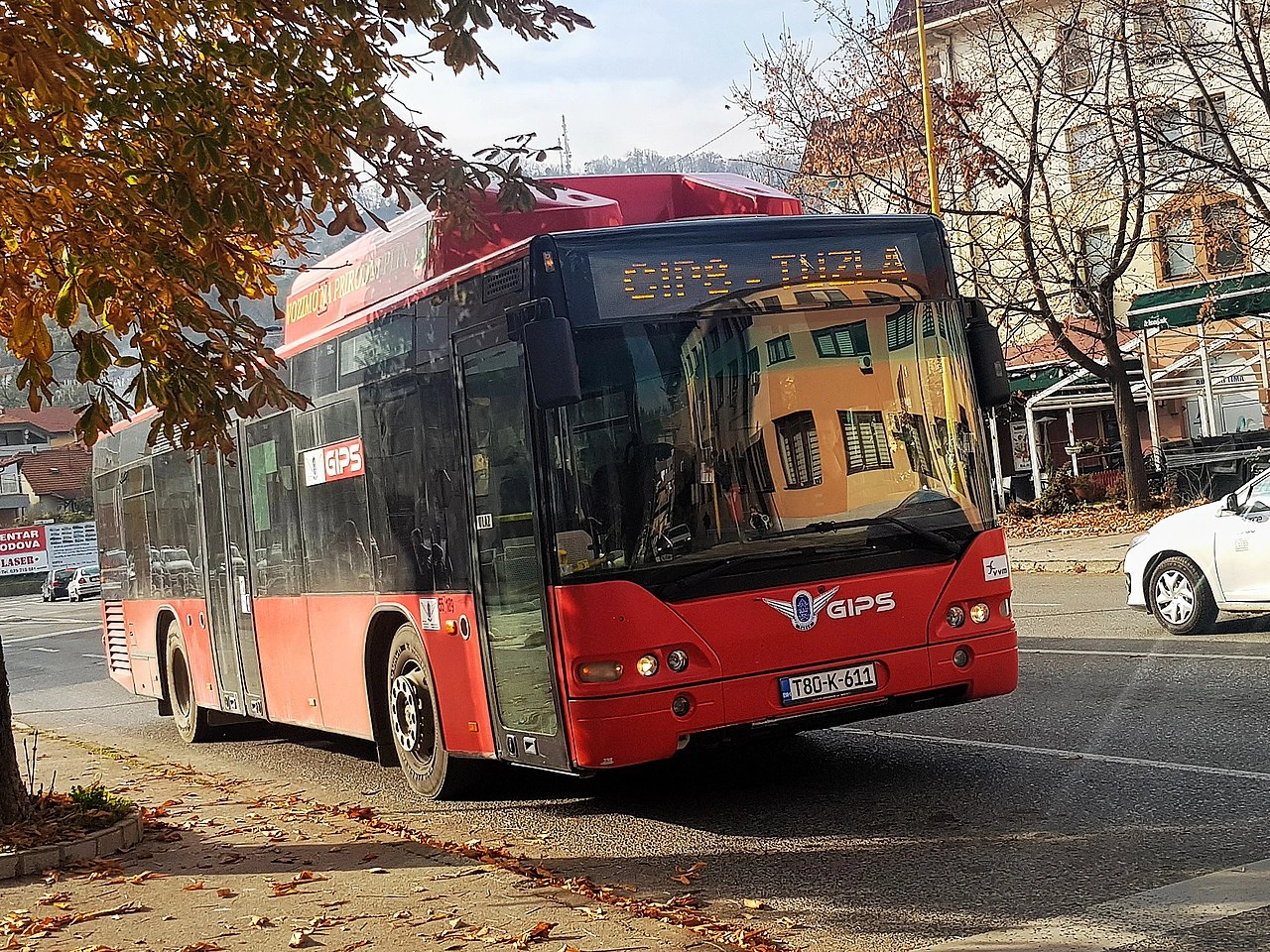
What is a bus?
A bus is a motor vehicle designed to transport a relatively large number of passengers. It may be used for public transport, school transport, private services or other passenger transport.
What is the difference between a bus and a coach?
A bus is commonly designed for frequent passenger boarding and may allow standing passengers, while a coach is generally designed for longer journeys with passengers seated. Exact legal definitions vary between countries.
Do you need a special driving licence to drive a bus?
Yes. Driving a vehicle designed to carry more than a specified number of passengers normally requires a dedicated bus or passenger-vehicle driving licence.
Can passengers stand on a bus?
Only when the vehicle is designed and approved to carry standing passengers. Coaches and other vehicles designed exclusively for seated passengers must not be used beyond their approved passenger configuration.
Must bus passengers wear seat belts?
Where seat belts are provided and local law requires their use, passengers must wear them correctly. Urban buses designed for standing passengers may have seating positions or operating conditions that differ from coaches.
Can buses use bus lanes?
Yes, where permitted. Bus lanes are commonly reserved for public transport buses, although local signs may also allow taxis, bicycles or other specified vehicles to use them.
Do buses always have priority when leaving a bus stop?
No. Some countries require other drivers to give way to buses leaving designated stops, particularly in urban areas, while others apply the normal merging rules.
Should you take extra care near a stopped bus?
Yes. Passengers may be boarding, leaving or crossing the road near the bus. Reduce speed where necessary and watch carefully for pedestrians emerging from behind or in front of the vehicle.
Do buses have special speed limits?
They can. Some countries impose lower maximum speeds on buses than on passenger cars, particularly on high-speed roads. Different limits may apply to buses and coaches.
Can a bus use a motorway?
Yes, normally. Buses that satisfy the applicable construction and access requirements may use motorways, but they must obey any vehicle-specific speed limits, lane restrictions and other local rules.
13. Polizei
Die Polizei ist eine öffentliche Behörde, die für die Durchsetzung von Gesetzen, die Aufrechterhaltung der öffentlichen Sicherheit und die Bewältigung von Situationen zuständig ist, die den Straßenverkehr beeinträchtigen können. Im Verkehr können Polizeibeamte Fahrzeuge kontrollieren, Verkehrsregeln durchsetzen, Unfälle untersuchen, den Verkehr regeln und auf Notfälle reagieren.
Verkehrsteilnehmer müssen rechtmäßige Anweisungen von Polizeibeamten oder anderem befugtem Verkehrspersonal befolgen. Polizeiliche Weisungen können je nach örtlichem Recht vorübergehend Ampeln, Verkehrszeichen oder die normale Verkehrsführung außer Kraft setzen.

What is the role of police in road traffic?
Police help enforce traffic laws, manage traffic, investigate collisions and respond to dangerous situations. They may also carry out roadside checks and direct road users.
Must you obey a police officer directing traffic?
Yes. Lawful directions given by an authorised police officer must be followed. In many countries, those directions take precedence over traffic lights, road signs and normal priority rules.
What should you do if police signal you to stop?
Slow down, follow the officer's directions and stop at a safe location as instructed. Do not make sudden movements or continue driving unless directed to do so.
Can police direct you through a red traffic light?
Yes, where authorised by local law. A police officer controlling traffic may instruct road users to proceed even when a traffic light or sign would normally require them to stop.
Can police check your driving documents?
Yes. Police may require drivers to provide documents such as a driving licence, vehicle registration, identification or proof of insurance according to local law.
Can police carry out alcohol or drug checks?
Yes. Traffic police may conduct legally authorised alcohol and drug checks using procedures such as breath, saliva or other approved tests.
Can police temporarily close a road?
Yes. Roads or lanes may be temporarily closed or traffic diverted because of collisions, emergencies, investigations, public events or other safety concerns.
What should you do near police controlling an accident scene?
Reduce speed, remain alert and follow all directions. Do not enter a closed area or interfere with emergency personnel, and leave sufficient space for emergency vehicles.
What should you do when a police vehicle approaches with emergency signals?
Follow the local rules for priority vehicles. Drivers generally have to make sufficient space, give way and stop where necessary so that the emergency vehicle can pass safely.
Can police order a parked vehicle to be moved?
Yes, where local law permits it. Police or another authorised authority may require a vehicle to be moved when it obstructs traffic, creates danger or must be removed for operational reasons.
14. Krankenwagen
Ein Krankenwagen ist ein Fahrzeug, das für medizinische Notfallhilfe oder den Transport von Patienten zu oder zwischen medizinischen Einrichtungen ausgerüstet und eingesetzt wird. Krankenwagen können medizinische Geräte und geschultes Personal mitführen, das während des Transports eine Behandlung durchführen kann.
Bei einem Notfalleinsatz kann ein Krankenwagen Warnleuchten und eine Sirene verwenden und besondere Vorrechte oder Ausnahmen von bestimmten Verkehrsregeln haben. Andere Verkehrsteilnehmer müssen die örtlichen Regeln für Einsatzfahrzeuge befolgen, ausreichend Platz schaffen und ihre Durchfahrt nicht behindern.

What is an ambulance?
An ambulance is a specially equipped vehicle used to provide emergency medical assistance and transport sick or injured people.
When does an ambulance have priority?
This depends on the local traffic rules and warning signals being used. Ambulances responding to emergencies commonly use flashing lights and a siren to indicate that other road users must make way.
What should you do when an ambulance approaches?
Remain calm and make sufficient space for it to pass. Slow down or stop where necessary, but avoid sudden or dangerous manoeuvres.
Should you stop immediately when you hear an ambulance siren?
Not necessarily in your exact position. Move or stop in a way that creates a safe passage without blocking an intersection, pedestrian crossing or another part of the road needed by the ambulance.
Can an ambulance pass a red traffic light?
Emergency vehicles may be allowed to pass a red light during an urgent response under special legal conditions. The precise rules differ between countries, and the ambulance driver must still take appropriate precautions.
Can an ambulance exceed the speed limit?
Many countries permit emergency vehicles to depart from certain normal speed rules during an urgent mission, subject to safety requirements and national legislation.
Can an ambulance drive through a traffic queue?
Yes, when responding to an emergency and legally permitted to do so. Other road users should create space and keep emergency corridors or access routes clear where required.
Can you follow an ambulance through traffic?
You should not use the passage created for an ambulance as a way to bypass congestion. Maintain a safe distance and continue to obey the normal traffic rules.
Do ambulances always use their sirens?
No. The use of warning lights and sirens depends on the urgency of the mission and local regulations. An ambulance transporting a patient does not necessarily need to use emergency signals throughout the journey.
What should you do near a stationary ambulance?
Reduce speed and remain alert. Medical personnel, patients or other emergency workers may be entering the road, and the ambulance may need to move unexpectedly.
15. Taxi
Ein Taxi ist ein Fahrzeug, das Fahrgäste gegen Bezahlung befördert und in der Regel Einzelpersonen oder kleine Gruppen zwischen vom Fahrgast gewählten Orten transportiert. Taxidienste können von ausgewiesenen Taxiständen aus arbeiten, Fahrgäste auf der Straße aufnehmen oder telefonisch beziehungsweise über eine digitale Plattform gebucht werden.
Taxis sind häufig durch besondere Kennzeichnungen, Dachschilder, Kennzeichen oder örtliche Taxigenehmigungen erkennbar. Vorschriften zu Zulassung, Tarifen und Betrieb unterscheiden sich zwischen Ländern und Städten.

What is a taxi?
A taxi is a vehicle used to transport passengers for payment, normally providing journeys requested by individual customers.
Where can passengers find a taxi?
Depending on the local system, taxis may be available at taxi stands, airports, railway stations, on the street or through telephone and app-based booking services.
Are taxis regulated?
Yes. Taxi services are generally subject to licensing and operating requirements, although the exact rules concerning vehicles, drivers, fares and permitted operating areas vary between jurisdictions.
16. Europäische Abgasnorm
Eine europäische Abgasnorm, meist als Euro-Norm bezeichnet, ist eine europäische Fahrzeugklassifizierung auf Grundlage von Grenzwerten für Schadstoffe, die von Fahrzeugen und ihren Motoren ausgestoßen werden. Aufeinanderfolgende Normen wie Euro 4, Euro 5 und Euro 6 führten schrittweise strengere Anforderungen für Schadstoffe wie Stickoxide, Feinstaub, Kohlenmonoxid und Kohlenwasserstoffe ein.
Die Euro-Norm eines Fahrzeugs wird im Rahmen seiner Typgenehmigung festgelegt und hängt unter anderem von Fahrzeugkategorie, Kraftstoffart und den zum Zeitpunkt der Genehmigung geltenden Emissionsvorschriften ab. Euro-Normen können von Behörden auch zur Regelung der Zufahrt zu Umweltzonen verwendet werden; die örtlichen Zufahrtsregeln unterscheiden sich jedoch zwischen Ländern und Städten.

What is a European emission standard?
A European emission standard, or Euro standard, classifies vehicles according to the emissions requirements they had to satisfy when approved for use in the European market.
What do Euro 4, Euro 5 and Euro 6 mean?
They are successive generations of European emission requirements. In general, a higher Euro number represents a newer and stricter emissions standard, although the exact limits differ according to vehicle and fuel type.
Which pollutants do Euro standards regulate?
Depending on the vehicle and standard, limits apply to pollutants such as nitrogen oxides, particulate matter, carbon monoxide and hydrocarbons. Newer standards also regulate additional environmental aspects.
Is the Euro standard the same as a vehicle's CO2 emissions?
No. Euro standards primarily regulate harmful air pollutants from vehicles. Carbon-dioxide emissions and fuel or energy consumption are subject to separate measurements and regulatory requirements.
How can you find a vehicle's Euro standard?
The Euro standard may appear on the vehicle registration certificate, certificate of conformity or other official vehicle documentation. Its location and format vary between countries.
Does the year of a vehicle determine its Euro standard?
The date of first registration can provide an indication, but it does not always determine the standard with certainty. The official vehicle documents or type-approval information provide the more reliable classification.
Can petrol and diesel vehicles with the same Euro number have different emission limits?
Yes. The applicable emission limits and testing requirements can differ according to the vehicle category, engine and fuel type even when vehicles belong to the same general Euro generation.
Can the Euro standard affect access to a low-emission zone?
Yes. Many low-emission zones use the vehicle's Euro standard together with factors such as fuel type and vehicle category to determine whether it may enter.
Does installing a particulate filter automatically change the Euro standard?
Not normally. The official Euro standard is linked to the vehicle's approved emissions classification. Retrofitting emission-control equipment does not necessarily result in a different official Euro classification.
What is Euro 7?
Euro 7 is the latest European emissions framework for road vehicles. It builds on earlier Euro standards and also introduces requirements covering areas such as non-exhaust particle emissions and battery durability.
17. Schlagloch
Ein Schlagloch ist ein Loch oder eine Vertiefung in der Fahrbahnoberfläche, verursacht durch Verschleiß, Witterung, Wasser, wiederholte Verkehrsbelastung oder die Alterung des Straßenbelags. Schlaglöcher können stark in Größe und Tiefe variieren und sich allmählich entwickeln oder nach Frost, starkem Regen oder wiederholter Fahrzeugbelastung verschlimmern.
Schlaglöcher können Lenkung, Bremsen und Fahrzeugstabilität beeinträchtigen und Reifen, Räder oder Fahrwerkskomponenten beschädigen. Fahrer und Zweiradfahrer sollten die Fahrbahn voraus beobachten, ihre Geschwindigkeit anpassen und bei beschädigter Fahrbahn plötzliche oder gefährliche Ausweichmanöver vermeiden.

What is a pothole?
A pothole is a hole or depression that develops in a road surface when the pavement becomes damaged or deteriorates.
How do potholes form?
Potholes can develop through a combination of water, temperature changes, traffic loads and deterioration of the road material. Cracks can gradually expand until pieces of the surface break away.
Why are potholes dangerous?
A pothole can cause a vehicle to change direction suddenly, lose stability or suffer tyre, wheel or suspension damage. Deep potholes can present a particularly serious hazard at higher speeds.
What should you do when you see a pothole?
Reduce speed when necessary, maintain control of the vehicle and avoid abrupt steering or braking. Only move around the pothole when this can be done safely without endangering other road users.
Should you brake while driving through a pothole?
If possible, reduce your speed before reaching the pothole. Sudden heavy braking or steering while passing over a damaged surface can make the vehicle less stable.
Are potholes particularly dangerous for motorcycles?
Yes. A pothole can disturb the steering or balance of a motorcycle and may cause the rider to lose control.
Are potholes dangerous for cyclists?
Yes. Bicycle wheels can be strongly affected by deep holes or sharp edges, particularly when the cyclist has little time or space to avoid the hazard.
Can a pothole damage a car?
Yes. Severe impacts can damage tyres, wheel rims, suspension components, steering parts or wheel alignment.
Should you swerve suddenly to avoid a pothole?
No. A sudden evasive movement may create a greater danger by bringing the vehicle into conflict with cyclists, pedestrians, oncoming traffic or vehicles in another lane.
Can a warning sign indicate potholes ahead?
Yes. Depending on the country's traffic-sign system, an uneven-road or general-danger warning sign may be used where poor road conditions create a significant hazard.
18. Weg
Ein Weg ist eine relativ schmale Verkehrsverbindung, die für Fußgänger und, soweit erlaubt, andere Verkehrsteilnehmer oder kleine Fahrzeuge bestimmt ist. Wege können durch bebaute Gebiete, Landschaften, Parks oder Wälder führen oder andere Straßen miteinander verbinden und befestigt oder unbefestigt sein.
Ein Weg ist nicht zwangsläufig dasselbe wie ein Fußweg oder Radweg. Welche Verkehrsteilnehmer ihn benutzen dürfen, hängt von seinem rechtlichen Status, seiner Breite, den Verkehrszeichen und den örtlichen Vorschriften ab.

What is a path?
A path is a relatively narrow route intended primarily for pedestrians and, where permitted, other road users or small vehicles.
Is a path the same as a footpath?
Not necessarily. A footpath is specifically intended for pedestrians, while a path may also permit cyclists or other users according to local rules.
Is a path the same as a cycle path?
No. A cycle path is specifically designated for bicycles and other permitted users. An ordinary path does not automatically have that legal status.
Can cyclists use a path?
This depends on the legal status, width and signs applying to the path. Some paths permit cyclists, while others are reserved for pedestrians or particular users.
Can motor vehicles use a path?
This depends on local law. Some paths prohibit motor vehicles entirely, while narrow vehicles may be permitted on other paths unless traffic signs restrict access.
Can a path be part of the public-road network?
Yes. A narrow path can legally form part of the public-road network even when it is unsuitable for ordinary cars.
Does a path need to be paved?
No. Paths can be paved, gravelled, compacted or unsurfaced depending on their location and purpose.
Can traffic signs restrict access to a path?
Yes. Signs can reserve a path for particular road users or prohibit certain vehicles, regardless of whether they could physically fit on it.
Who has priority when a path joins a larger road?
The applicable local priority rules determine who must give way. Special rules often apply when a minor path joins an ordinary road.
Can pedestrians and cyclists share a path?
Yes, where both are permitted. Faster users should adapt their speed and avoid endangering or unnecessarily obstructing pedestrians.
Can a path cross another road?
Yes. At the crossing, users must follow the applicable priority signs, traffic lights, road markings and general right-of-way rules.
Is every narrow route legally a path?
No. Its legal classification depends on the definitions and regulations of the country concerned. A narrow route might instead be a footpath, cycle path, private access road or another type of facility.
19. Feinstaub
Partikel oder Feinstaub (PM) sind winzige feste Teilchen oder Flüssigkeitströpfchen, die in der Luft schweben. Im Straßenverkehr können Partikelemissionen aus Fahrzeugabgasen, Bremsenabrieb, Reifenabrieb und Straßenabrieb sowie aus Staub entstehen, der durch vorbeifahrende Fahrzeuge aufgewirbelt wird.
Feinstaub wird üblicherweise nach Partikelgröße eingeteilt. PM10 bezeichnet Teilchen mit einem Durchmesser von bis zu ungefähr 10 Mikrometern, während PM2.5 feinere Teilchen bis ungefähr 2,5 Mikrometer bezeichnet. Fahrzeugemissionsnormen, Partikelfilter und Maßnahmen zur Luftreinhaltung dienen dazu, die Belastung durch diese Schadstoffe zu verringern.

What are particulates?
Particulates, or particulate matter, are very small solid particles or liquid droplets suspended in the air.
What are PM10 and PM2.5?
PM10 refers to particles with a diameter of up to approximately 10 micrometres. PM2.5 refers to finer particles with a diameter of up to approximately 2.5 micrometres.
Where do traffic particulates come from?
Road traffic can produce particles through engine exhaust, brake wear, tyre wear and road-surface wear. Passing traffic can also resuspend dust already present on the road.
Are diesel vehicles a source of particulates?
Yes. Combustion in diesel engines can produce very small soot particles. Modern diesel vehicles commonly use particulate filters to capture a large proportion of these exhaust particles.
What is a particulate filter?
A particulate filter is an exhaust-treatment device designed to trap particulate matter produced by an engine. Diesel particulate filters are commonly known as DPFs.
Do petrol engines produce particulates?
Yes. Petrol engines can also produce particulate emissions, particularly certain direct-injection engines. Appropriate emission-control systems may therefore include particulate filters.
Do electric vehicles produce particulates?
Fully electric vehicles produce no exhaust particulates from a combustion engine, but particles can still result from tyre wear, road wear and braking.
Are brake and tyre particles regulated?
Vehicle-emission regulation is increasingly addressing non-exhaust emissions. The European Euro 7 framework includes requirements concerning brake-particle emissions and tyre abrasion.
Is particulate matter the same as CO2?
No. Particulate matter consists of tiny airborne particles, while carbon dioxide is a gas. They are different types of vehicle emissions and are regulated for different environmental reasons.
How can vehicle particulate emissions be reduced?
Measures include effective particulate filters, cleaner vehicle technologies, correctly maintained emission-control systems and reductions in brake, tyre and road-wear emissions.
20. Luftverschmutzung
Luftverschmutzung ist das Vorhandensein von Gasen, Partikeln oder anderen Stoffen in der Luft in Konzentrationen, die die menschliche Gesundheit, die Umwelt oder Ökosysteme schädigen können. Der Straßenverkehr trägt durch Abgasemissionen und nicht abgasbedingte Quellen wie Bremsenabrieb, Reifenabrieb und Straßenstaub zur Luftverschmutzung bei.
Zu wichtigen verkehrsbedingten Schadstoffen gehören Stickoxide, Feinstaub, Kohlenmonoxid und flüchtige organische Verbindungen. Manche Schadstoffe werden direkt von Fahrzeugen ausgestoßen, andere können durch chemische Reaktionen in der Atmosphäre entstehen. Fahrzeugemissionsnormen, sauberere Technologien und Verkehrsmanagementmaßnahmen werden eingesetzt, um diese Emissionen zu verringern.

What is air pollution?
Air pollution is contamination of the air by gases, particles or other substances that can adversely affect human health, the environment or ecosystems.
How does road traffic cause air pollution?
Vehicles produce pollutants through fuel combustion, exhaust systems, brake wear, tyre wear and road-surface interaction. Moving traffic can also resuspend dust already present on the road.
Which air pollutants are associated with road traffic?
Important traffic-related pollutants include nitrogen oxides, particulate matter, carbon monoxide and volatile organic compounds. Their relative importance depends on the vehicle, fuel and driving conditions.
What is nitrogen dioxide?
Nitrogen dioxide (NO2) is an air pollutant associated particularly with combustion processes and road traffic. High concentrations are commonly found near busy roads and densely trafficked urban areas.
What is particulate matter?
Particulate matter consists of tiny solid particles or liquid droplets suspended in the air. Road traffic can produce particles from exhaust, brakes, tyres and road surfaces.
Is CO2 the same as ordinary air pollution?
No. Carbon dioxide is primarily regulated as a greenhouse gas because of its contribution to climate change. Local air-quality pollution generally focuses on substances such as nitrogen dioxide, particulate matter, ozone and other pollutants that directly affect air quality and health.
Do electric vehicles cause air pollution?
Fully electric vehicles produce no combustion-engine exhaust emissions while driving, but they can still contribute to non-exhaust particulate emissions through tyres, brakes and road wear.
Can air pollution be worse near busy roads?
Yes. Concentrations of traffic-related pollutants can be higher close to heavily trafficked roads because many emissions occur close to ground level and near where people live and travel.
What is a low-emission zone?
A low-emission zone is an area where access by more polluting vehicles is restricted in order to reduce traffic-related air pollution. Access criteria may depend on factors such as fuel type, vehicle category and emission standard.
How can traffic-related air pollution be reduced?
Measures include cleaner vehicles, stricter emission standards, effective emission-control equipment, low-emission zones, public transport, cycling and walking, as well as traffic-management measures that reduce unnecessary congestion and emissions.
21. Hauptverkehrszeit
Die Hauptverkehrszeit ist ein Zeitraum, in dem Straßen und öffentliche Verkehrsnetze besonders stark ausgelastet sind, meist weil viele Menschen gleichzeitig zur Arbeit, zur Schule oder zu anderen regelmäßigen Zielen fahren beziehungsweise von dort zurückkehren. Sie tritt an Werktagen gewöhnlich morgens sowie am späten Nachmittag oder Abend auf.
Verkehr in der Hauptverkehrszeit kann zu Stau, geringeren Geschwindigkeiten, längeren Fahrzeiten und häufigem Anhalten führen. Fahrer sollten einen sicheren Abstand halten, geduldig bleiben, wechselnde Verkehrsbedingungen voraussehen und vorübergehende oder dynamische Verkehrsmanagementmaßnahmen beachten.

What is rush hour?
Rush hour is a period when unusually large numbers of people travel at the same time, resulting in increased traffic and often congestion.
When does rush hour occur?
Rush hour commonly occurs during the morning and late afternoon or evening on working days, but the exact times vary according to the city, road and local travel patterns.
Does rush hour always last one hour?
No. The term does not mean that congestion lasts exactly one hour. In busy urban areas, peak traffic conditions may continue for several hours.
Why does traffic become congested during rush hour?
Congestion develops when traffic demand approaches or exceeds the available road capacity. Intersections, merging traffic, collisions, roadworks and weather can make the congestion worse.
Should you increase your following distance in rush-hour traffic?
Yes. Leave sufficient distance to react to sudden braking and frequent changes in traffic speed. Avoid following another vehicle too closely even when traffic is moving slowly.
Should you frequently change lanes during congestion?
Unnecessary lane changes can create additional conflicts and may not significantly reduce journey time. Choose an appropriate lane, observe surrounding traffic and change lane only when it can be done safely.
Can speed limits change during rush hour?
Yes. Roads equipped with variable traffic management may display lower speed limits during congestion. Drivers must follow the speed limit currently indicated.
What is a rush-hour lane?
A rush-hour lane is an additional traffic lane that can be opened during busy periods to increase road capacity. It may use a lane or shoulder that is closed to normal traffic at other times.
Can you use a rush-hour lane whenever traffic is congested?
No. Such a lane may only be used when traffic signals or signs indicate that it is open. Never assume that congestion alone permits its use.
How can you prepare for a journey during rush hour?
Check current traffic conditions and expected journey times, allow additional travel time and consider an alternative route, departure time or mode of transport where appropriate.
22. Straßenverkehrsordnung
Eine Straßenverkehrsordnung ist eine Sammlung von Gesetzen und Verkehrsregeln, die festlegt, wie öffentliche Straßen genutzt werden. Sie enthält Vorschriften für Fahrer, Radfahrer, Fußgänger und andere Verkehrsteilnehmer und behandelt Themen wie Vorfahrt, Geschwindigkeit, Überholen, Parken, Ampeln, Verkehrszeichen und Fahrbahnmarkierungen.
Straßenverkehrsvorschriften unterscheiden sich zwischen Ländern und teilweise auch zwischen Regionen. Von jedem Verkehrsteilnehmer wird erwartet, dass er die Regeln kennt und befolgt, die am jeweiligen Aufenthaltsort gelten, auch wenn diese von den Regeln im Heimatland abweichen.
What is a road code?
A road code is the body of traffic rules and regulations governing how road users must behave on public roads.
What does a road code regulate?
A road code can regulate subjects such as priority, speed, overtaking, turning, parking, traffic signals, road signs and road markings, as well as the responsibilities of different road users.
Are road codes the same in every country?
No. Although many traffic rules and signs are similar internationally, each country establishes its own traffic legislation and may apply different rules, signs, speed limits and requirements.
23. Straßenrinne
Eine Straßenrinne ist eine schmale Rinne am Rand einer Straße, die Regenwasser sammelt und zu Abläufen oder anderen Entwässerungssystemen leitet. Sie liegt häufig zwischen Fahrbahn und Bordstein und kann aus Beton, Pflastersteinen oder einem Teil der Fahrbahnoberfläche bestehen.
Eine Straßenrinne ist in erster Linie eine Entwässerungseinrichtung und kein Fahrstreifen. Verkehrsteilnehmer sollten in ihrer Nähe vorsichtig sein, da sich dort Wasser, Schmutz, Ablauföffnungen oder unebene Oberflächen befinden können.

What is a street gutter?
A street gutter is a drainage channel along the edge of a road that collects rainwater and directs it toward drains or another drainage system.
Is a street gutter a traffic lane?
Normally, no. A gutter is primarily part of the road's drainage system and is not intended to function as a normal traffic lane.
Why should cyclists take care near street gutters?
Gutters may contain water, leaves, debris, drain covers or uneven surfaces, which can reduce grip or make cycling less stable.
24. Lastenfahrrad
Ein Lastenfahrrad ist ein Fahrrad, das für den Transport von Gütern, Kindern oder anderen größeren Lasten ausgelegt ist, als normalerweise mit einem herkömmlichen Fahrrad befördert werden können. Es kann eine Box oder Ladefläche vor oder hinter dem Fahrer, einen verlängerten Gepäckträger oder eine mehrspurige Bauweise haben.
Lastenfahrräder können vollständig durch den Fahrer angetrieben oder mit elektrischer Tretunterstützung ausgestattet sein. Zulässige Abmessungen, Fahrgastkapazität, Nutzung von Radwegen und Grenzen der elektrischen Unterstützung richten sich nach den örtlichen Verkehrs- und Fahrzeugvorschriften.

What is a cargo bike?
A cargo bike is a bicycle designed to carry goods, children or larger loads than a conventional bicycle.
What types of cargo bikes are there?
Common designs include two-wheel box bikes, three-wheel cargo bikes and longtail bicycles with an extended rear carrying area.
Can a cargo bike be electric?
Yes. Many cargo bikes use electric pedal assistance to make it easier to move heavier loads or travel longer distances.
Is an electric cargo bike still a bicycle?
It can be. If the electrical assistance remains within the applicable power and assistance-speed limits, the vehicle may remain legally classified as a bicycle. More powerful or faster models may belong to another category.
Can a cargo bike carry children?
Yes, when it is designed and equipped for passenger transport. Children should use the seats, restraints, foot protection or other safety equipment provided by the manufacturer and required by local law.
Can a cargo bike carry goods?
Yes. Transporting goods is one of its main purposes. Loads must be securely positioned and must not make the bicycle unstable, obstruct the rider's view or exceed applicable dimensional or weight limits.
Can a cargo bike use a cycle path?
This depends on its dimensions and legal classification. Ordinary-sized cargo bicycles generally follow bicycle rules, while unusually wide models may be excluded from certain cycle facilities.
Does a cargo bike need a driving licence?
Normally not when it remains legally classified as an ordinary bicycle or electrically assisted bicycle. Faster or more powerful vehicles may be subject to different licensing requirements.
Is a helmet compulsory on a cargo bike?
This depends on the country's bicycle rules and the vehicle's classification. A model legally classified as a faster motorised vehicle may have different helmet requirements from an ordinary cargo bicycle.
Should you ride differently when a cargo bike is heavily loaded?
Yes. Additional weight can affect acceleration, braking, steering and stability. Reduce speed where necessary, allow greater stopping distance and take particular care when turning.
Can a cargo bike tow a trailer?
Yes, where permitted. The bicycle, trailer and total load must comply with the applicable dimensional, mass, braking and passenger-transport requirements.
Why should drivers take care around cargo bikes?
Cargo bikes can be longer, wider and heavier than ordinary bicycles and may need additional space when turning or stopping. Drivers should leave sufficient passing distance and avoid cutting across their path.
25. Forstfahrzeug
Ein Forstfahrzeug ist ein Fahrzeug, das für Arbeiten im Zusammenhang mit Forstwirtschaft und Waldbewirtschaftung konstruiert, ausgerüstet oder angepasst ist. Es kann zum Ziehen von Maschinen, zum Transport von Holz und Geräten oder für Arbeiten wie Ernte, Rückung und Pflege von Waldflächen eingesetzt werden.
Forstfahrzeuge können Traktoren, spezielle selbstfahrende Maschinen, Anhänger und austauschbare Geräte umfassen. Zulassung, Führerscheinanforderungen, Höchstgeschwindigkeit, Straßenzugang und technische Anforderungen hängen von der rechtlichen Einstufung des Fahrzeugs und den örtlichen Verkehrsvorschriften ab.
What is a forestry vehicle?
A forestry vehicle is a vehicle designed or adapted for forestry work, such as pulling machinery, carrying equipment, transporting timber or working on forest land.
Is a forestry vehicle always a tractor?
No. Forestry vehicles can include tractors, specialised self-propelled machines, trailers and other equipment. Their legal classification depends on their design and use.
What is a forestry tractor?
A forestry tractor is a powered vehicle primarily designed to pull, push, carry or operate equipment or trailers used for forestry work.
Can forestry vehicles travel on public roads?
Yes, when legally permitted and properly equipped. Registration, insurance, lighting, dimensions, speed and driving-licence requirements may apply before a forestry vehicle can use public roads.
Do you need a special driving licence for a forestry vehicle?
This depends on the vehicle classification, mass and country. Some countries have special agricultural or forestry vehicle licence categories, while other machines require ordinary car or heavy-vehicle licences.
Do forestry vehicles have special speed limits?
They may. The permitted speed can depend on the vehicle's construction speed, mass, road type and local traffic rules. Posted speed limits must also be respected.
Can forestry vehicles use motorways?
This depends on the country and vehicle classification. Agricultural and forestry vehicles are often restricted from high-speed roads, particularly when their construction speed is unsuitable for motorway traffic.
Why should drivers take care when passing a forestry vehicle?
Forestry vehicles can be large, slow, wide or equipped with projecting machinery. Reduce speed where necessary and overtake only when there is sufficient visibility and space.
Can a forestry vehicle tow a trailer?
Yes, where the vehicle is designed and approved to do so. Forestry tractors commonly tow trailers carrying timber, machinery or other forestry materials.
Can forestry equipment extend beyond the normal width of the vehicle?
Some machinery or loads may make a forestry vehicle unusually wide or long. Where legal limits are exceeded, special markings, lighting, permits or escort arrangements may be required under local law.