VerkehrszeichenKanada

Lerne Verkehrsregeln mit klaren Erklärungen und visuellen Beispielen in unserem illustrierten Buch – einfach, verständlich und anschaulich.


26. Kurve

Eine Kurve ist ein Straßenabschnitt, der seine Richtung nach links oder rechts ändert. Eine enge, unerwartete oder schlecht einsehbare Kurve kann die Sicht auf Gegenverkehr, stehende Fahrzeuge, Fußgänger und andere Gefahren einschränken.

Fahrer sollten vor dem Einfahren in die Kurve die Geschwindigkeit verringern, im eigenen Fahrstreifen bleiben und gleichmäßig lenken, bremsen und beschleunigen. Warnzeichen können die Richtung der ersten Kurve oder eine Folge mehrerer Kurven anzeigen.
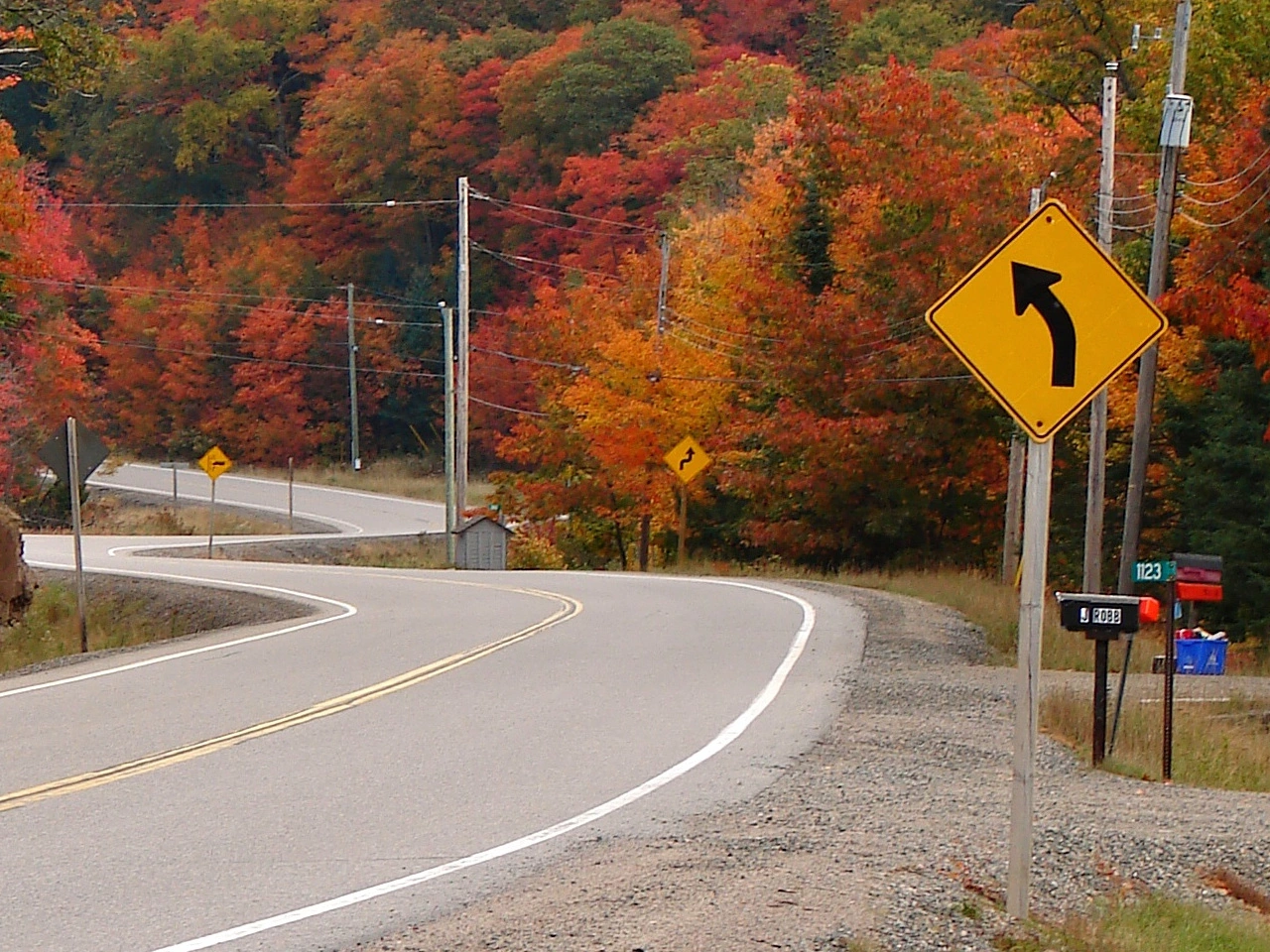
Kurve
What is a road curve?

A road curve is a section where the road changes direction to the left or right.

How can you recognise a dangerous curve?

It may be indicated by a triangular warning sign showing a curved line. The symbol normally indicates whether the first curve turns left or right.

What is a double curve?

A double curve consists of two curves in opposite directions. The warning sign normally shows the direction of the first curve.

Can a sign warn of more than two curves?

Yes. A double-curve symbol may also warn of a longer sequence of successive curves. A supplementary panel may indicate the length of the winding section.

Does a curve-warning sign impose a speed limit?

No. It normally warns of danger rather than setting a numerical limit. Drivers must still reduce speed when the permitted maximum would be unsafe.

When should you reduce speed for a curve?

Reduce speed before entering the curve, while the vehicle is travelling straight and has maximum stability.

Should you brake heavily while cornering?

No. Harsh braking in a curve can reduce stability and grip. Complete most braking beforehand and use smooth adjustments where necessary.

Should you accelerate through a curve?

Maintain a controlled speed through the curve. Accelerate smoothly only when the exit becomes visible and the vehicle is stable.

Where should you look while driving through a curve?

Look towards the path you intend to follow and the visible exit of the curve. Continue checking the road surface, lane position and nearby traffic.

Must you remain in your lane?

Yes. Do not cross the centre line or cut across another lane, even when this would make the curve appear easier to negotiate.

Why is visibility limited in a curve?

Buildings, vegetation, slopes, barriers and the road alignment may hide oncoming traffic, cyclists, pedestrians, stopped vehicles or debris.

How fast should you drive through a curve?

Choose a speed that allows you to remain in your lane and stop within the distance you can see to be clear. The safe speed may be far below the legal maximum.

What is an advisory speed for a curve?

An advisory speed is a recommended safe speed for negotiating the curve under suitable conditions. It is not necessarily the legal maximum speed.

How do rain, snow or ice affect a curve?

They reduce tyre grip and increase the risk of skidding. Reduce speed earlier, use smooth controls and leave additional distance from other vehicles.

What should you do if gravel or debris is present?

Avoid sudden braking or steering. Reduce speed smoothly and follow a clear path without entering another traffic lane.

May you overtake in a curve?

Do not overtake when visibility is insufficient to see approaching traffic and complete the manoeuvre safely. Local law, signs and continuous road markings may also prohibit overtaking.

May you stop or park in a curve?

Only where it is permitted and the vehicle remains clearly visible. Stopping or parking in a poorly visible curve may create a serious hazard and is often prohibited.

Should you follow another vehicle closely through a curve?

No. Leave enough distance to react if the vehicle ahead brakes for a hidden obstruction or a sharper part of the curve.

Why should motorcyclists take extra care?

Motorcycles require grip for both cornering and braking. Riders should reduce speed before the curve, choose a stable line and avoid painted markings, gravel and slippery surfaces.

How can a curve affect a trailer or caravan?

A trailer may sway, track closer to the inside of the curve or become unstable when speed and steering inputs are excessive. Enter slowly and steer smoothly.

Why do large vehicles need more space?

Buses and trucks may move closer to lane boundaries because of their length and width. Other drivers should avoid travelling beside them through a tight curve.

What should you do if an oncoming vehicle crosses the centre line?

Reduce speed, move safely towards your side of the road and avoid a sudden manoeuvre that could cause another collision. Sound a warning only when reasonably necessary.

Does the absence of a warning sign mean every curve is safe at the speed limit?

No. Drivers must assess every curve and adapt their speed even when no warning sign is displayed.

27. Falschfahrt

Eine Falschfahrt liegt vor, wenn ein Fahrer entgegen der gesetzlich zulässigen Verkehrsrichtung fährt. Dies kann auf einer Einbahnstraße, einer baulich getrennten Straße, einer Autobahnauffahrt oder -ausfahrt oder einem anderen nur für eine Fahrtrichtung bestimmten Straßenabschnitt geschehen.

Falschfahren birgt ein extremes Risiko eines Frontalzusammenstoßes. Fahrer müssen Richtungsschilder, Einfahrt-verboten-Zeichen, Fahrstreifenpfeile und Fahrbahnmarkierungen beachten. Wer versehentlich in falscher Richtung auf eine Straße gerät, sollte die Geschwindigkeit verringern, andere Verkehrsteilnehmer warnen, an der sichersten verfügbaren Stelle anhalten und die Rettungsdienste kontaktieren.
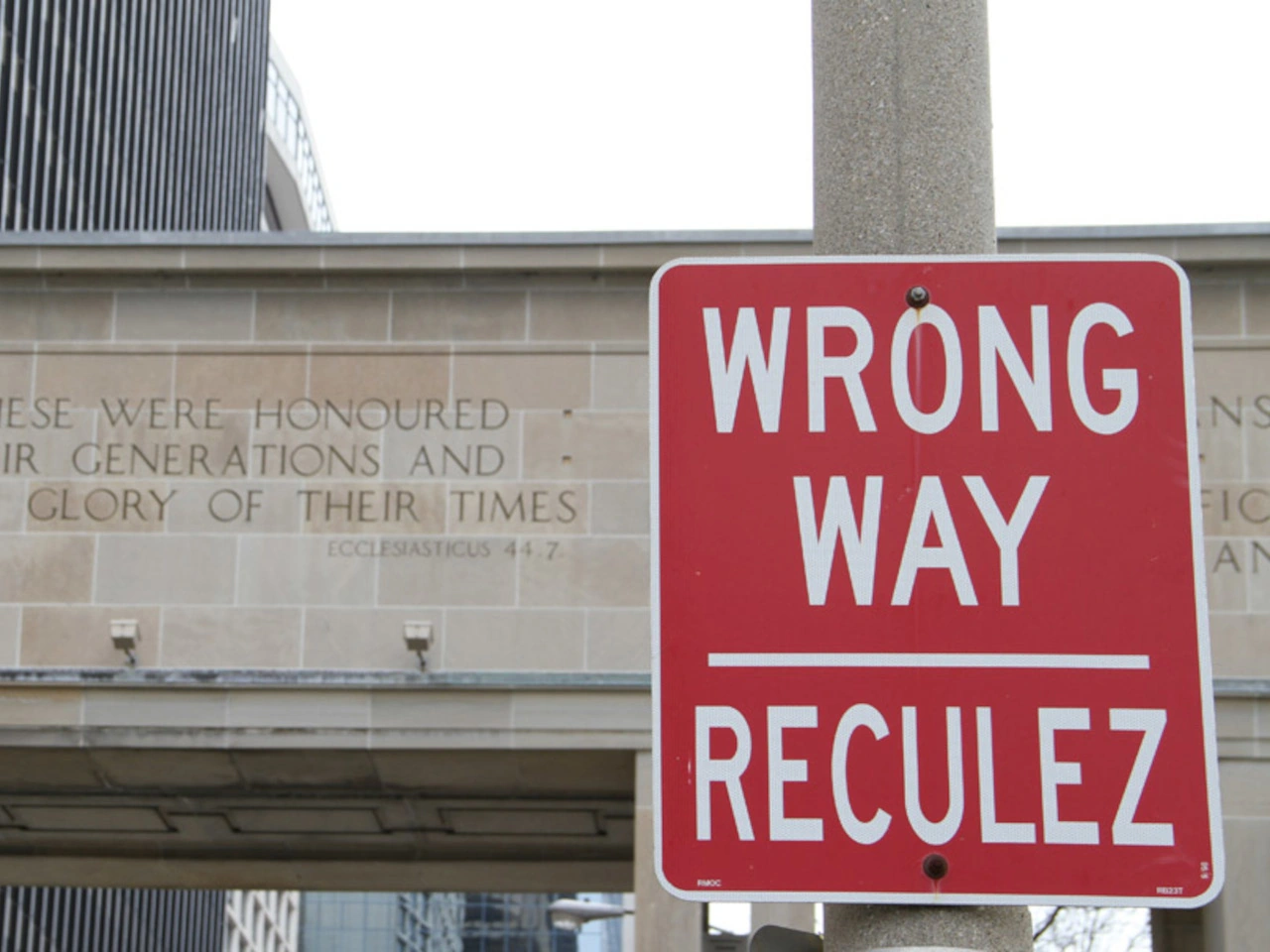
Falschfahrt
What is wrong-way driving?

Wrong-way driving means travelling against the legally permitted direction of traffic.

Where can wrong-way driving occur?

It can occur on one-way streets, divided roads, motorways, slip roads, tunnels, car parks and temporary traffic arrangements.

Why is wrong-way driving especially dangerous?

Other drivers do not expect approaching traffic in their lane, and the combined speeds can make a head-on collision extremely severe.

How can you recognise a prohibited direction?

Look for no-entry signs, one-way signs, mandatory-direction signs, lane arrows and road markings. Motorway exits may also have repeated signs or warning systems facing the wrong direction.

Is wrong-way driving the same as entering a no-entry road?

Entering past a no-entry sign can cause wrong-way driving, but the term also covers turning around on a divided road or using the wrong carriageway without passing such a sign.

Is driving against a one-way street always prohibited?

Normally, yes. However, signs may expressly permit certain road users, such as cyclists or public transport, to travel in the opposite direction.

Is authorised contraflow traffic wrong-way driving?

No. A cyclist, bus or other road user travelling in an expressly authorised contraflow lane or direction is using the road legally.

Can roadworks temporarily change the normal direction?

Yes. Temporary signs, barriers, lane signals and markings may redirect traffic onto another lane or carriageway. Follow the temporary arrangement rather than the usual road layout.

What should you do when you see a wrong-way driver?

Reduce speed immediately, keep as far as safely possible towards the outer edge of your carriageway and avoid sudden lane changes. Warn the police or emergency services as soon as this can be done safely.

Should you attempt to stop the wrong-way driver?

No. Do not block, chase or turn after the vehicle. Protect yourself and allow trained emergency services to intervene.

Should you flash your headlights?

A brief warning may help the driver recognise the error, but avoid prolonged or aggressive signalling that could cause panic or an unpredictable manoeuvre.

Should you sound the horn?

Use the horn only when reasonably necessary to warn of immediate danger. Your first priority is to reduce speed and create as much safe space as possible.

Should you stop in a live traffic lane?

Normally not. Sudden stopping may cause a rear-end collision. Slow down and move towards a safe shoulder, refuge or other protected location where possible.

What should you do after receiving a wrong-way-driver warning?

Reduce speed, stop overtaking, increase your following distance and remain in the lane or position recommended by the local authorities or warning system.

Should you continue using the overtaking lane?

Avoid unnecessary use of lanes nearest opposing or central traffic when a wrong-way driver has been reported. Follow local emergency guidance and electronic signs.

What should you do if you are driving in the wrong direction?

Slow down immediately, activate the hazard warning lights and use dipped headlights where required. Move to the safest available edge or shoulder and stop.

Should you accelerate to reach the next exit?

No. Increasing speed greatly increases the collision risk. Stop safely and wait for instructions from the police.

Should you make a U-turn across traffic?

No. Do not turn across live lanes, cross a central reservation or attempt to correct the mistake through another dangerous manoeuvre.

Should you reverse back to the entrance?

No. Reversing against traffic or along a motorway slip road creates additional danger. Stop safely and contact the emergency services.

Should you leave the vehicle after stopping?

This depends on the location and immediate danger. Remain protected from moving traffic and follow instructions from the emergency services. Do not stand in a live lane.

How should you contact the emergency services?

Stop safely before using a handheld phone. A passenger may call while the vehicle is moving when local law permits and this can be done without distracting the driver.

What information should you report?

Report the road name or number, direction, nearby exit or landmark, vehicle description and the wrong-way driver’s approximate location and direction.

What commonly causes wrong-way driving?

Possible causes include confusion at junctions, poor visibility, unfamiliar roads, impairment, navigation errors, turning around illegally or deliberately ignoring traffic signs.

How can drivers prevent entering the wrong direction?

Slow down at unfamiliar junctions, read signs before turning, verify the road layout and do not rely exclusively on navigation instructions.

Does a navigation system override traffic signs?

No. Traffic signs, signals, markings and instructions from authorised persons always take precedence over navigation guidance.

28. Straßenarbeiten

Straßenarbeiten sind Bau-, Wartungs-, Reparatur- oder Inspektionsarbeiten auf oder neben einer Straße. Sie können vorübergehend Straßenverlauf, Fahrstreifenbreiten, Geschwindigkeitsbegrenzungen, Vorfahrt, zulässige Fahrtrichtungen sowie Einrichtungen für Fußgänger oder Radfahrer verändern.

Fahrer müssen vorübergehende Verkehrszeichen, Ampeln, Absperrungen, Fahrbahnmarkierungen und Anweisungen befugter Personen befolgen. Sie sollten die Geschwindigkeit verringern, den Abstand vergrößern und auf schmale Fahrstreifen, stehenden Verkehr, Arbeiter, Maschinen und plötzliche Änderungen der Streckenführung vorbereitet sein.
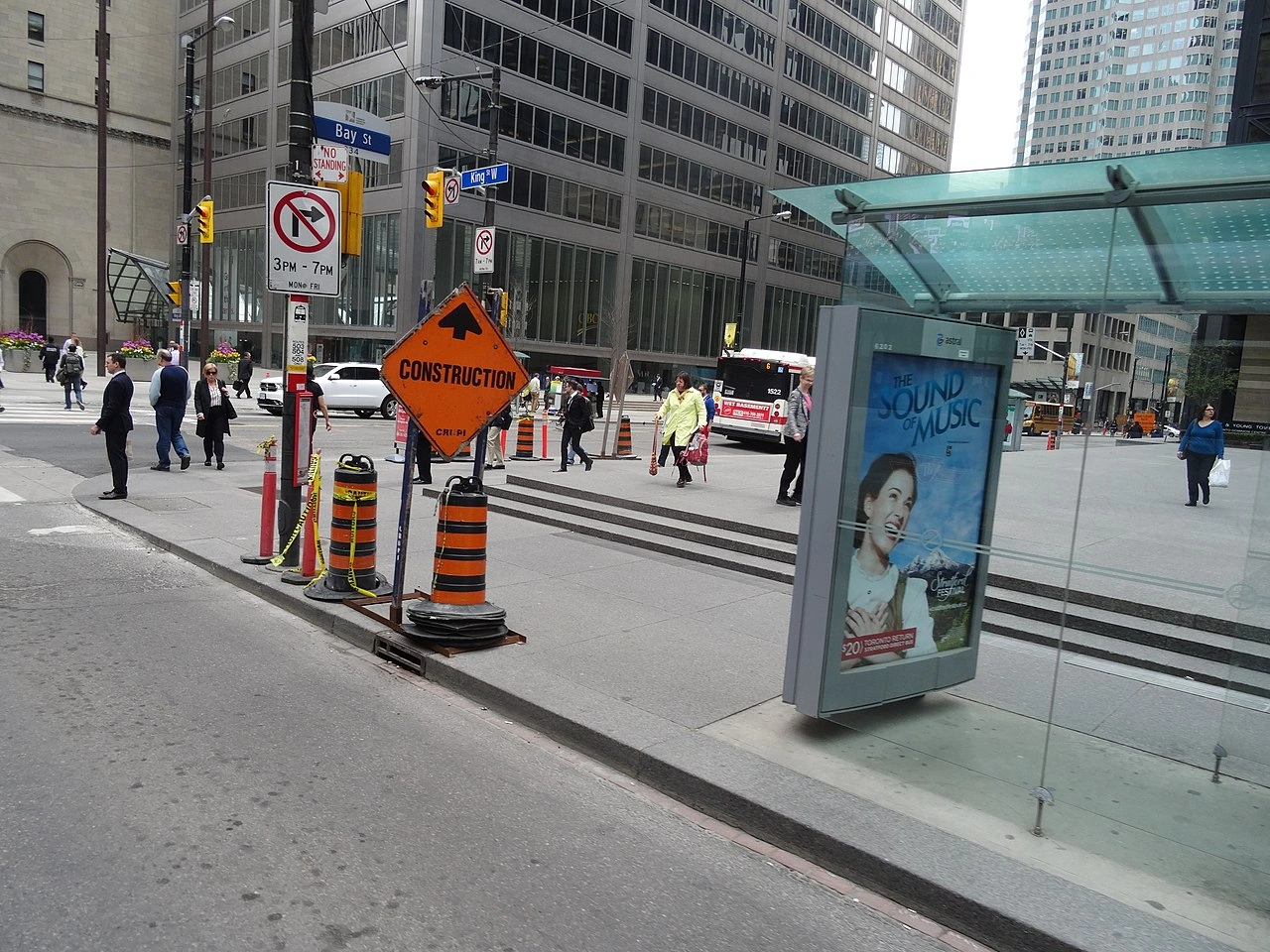
Straßenarbeiten
What are roadworks?

Roadworks are construction, maintenance, repair or inspection activities carried out on or beside a road.

How can you recognise roadworks?

They may be indicated by a roadworks warning sign, cones, barriers, temporary markings, flashing lights, machinery or workers.

Does a roadworks sign impose a speed limit?

No, not by itself. A separate temporary or permanent speed-limit sign establishes the legal maximum speed.

Must you drive below the speed limit?

Yes, when necessary. Narrow lanes, workers, machinery, poor surfaces, congestion or limited visibility may require a substantially lower speed.

Are temporary traffic signs legally binding?

Yes. Correctly installed temporary signs must be obeyed for as long as they are in force.

Which road markings should you follow?

Follow the temporary markings that guide traffic through the works. Local law determines how they take priority over older permanent markings.

Must you obey temporary traffic lights?

Yes. Stop at the line or signal when required and do not proceed until the applicable light permits it.

Must you obey road workers directing traffic?

Obey instructions from workers or controllers who are legally authorised to regulate traffic. Their signals may temporarily replace the ordinary traffic arrangement.

What should you do when a lane closes?

Observe the signs and lane arrows, check mirrors and blind spots and merge safely into the continuing lane.

What is zipper merging?

Zipper merging means that vehicles in an ending or blocked lane merge alternately with vehicles in the continuing lane near the narrowing during congested traffic.

Should you merge early?

This depends on local law and traffic conditions. Where zipper merging applies during congestion, use both lanes and merge near the narrowing. In flowing traffic, change lanes when a safe gap is available.

Who has priority when your lane is obstructed?

Without another traffic control, the driver whose route is obstructed commonly has to yield before moving into the path of approaching or adjacent traffic.

Can temporary lights control alternating traffic?

Yes. Temporary signals may allow only one direction at a time through a narrow section.

May you enter when the exit is blocked?

No. Do not enter a narrow section, intersection or temporary crossing when congestion may leave you stopped inside it.

May you move cones or barriers?

No. Do not move, pass around or ignore traffic-control equipment unless an authorised person instructs you to do so.

May you overtake in roadworks?

Only when signs and markings permit it and sufficient width and visibility remain. Overtaking is often unsafe in narrow or shifted lanes.

May you stop or park in roadworks?

Only where temporary and permanent signs permit it. Do not obstruct workers, machinery, emergency access or temporary pedestrian and cycle routes.

What should you watch for near workers?

Expect workers to enter the road, machinery to move or reverse and vehicles to leave the worksite. Reduce speed and leave generous space.

What should cyclists do at roadworks?

Follow the signed temporary cycle route or lane. Check surrounding traffic carefully before leaving a closed or obstructed bike path.

What should pedestrians do?

Use the designated temporary walkway or crossing and follow barriers, signs, signals and instructions from authorised personnel.

Why should you increase your following distance?

Traffic may brake suddenly because of queues, lane changes, machinery, debris or changing signals. Additional distance provides more time to react.

What should you do if your vehicle breaks down in roadworks?

Move to the safest available location where possible, activate the hazard warning lights and contact assistance. Avoid standing in a live or narrow traffic lane.

Do ordinary traffic rules still apply?

Yes. Rules concerning safe speed, following distance, signalling, priority and vulnerable road users continue to apply unless a lawful temporary arrangement changes them.

29. Höhenbegrenzung

Eine Höhenbegrenzung verbietet Fahrzeugen, deren Gesamthöhe den angegebenen Wert überschreitet, die Einfahrt oder Durchfahrt auf einem Straßenabschnitt, einer Brücke, einem Tunnel, einer Durchfahrt oder einem anderen Bauwerk. Zur Fahrzeughöhe zählen auch Ladung und über dem Fahrzeug angebrachte Ausrüstung.

Fahrer hoher Fahrzeuge müssen die genaue Höhe ihres Fahrzeugs kennen, Vorwarnungen beachten und bei Bedarf eine alternative Route wählen. Sie dürfen sich niemals allein auf eine optische Einschätzung verlassen oder unter einem Bauwerk hindurchfahren, wenn der ausreichende Höhenabstand unsicher ist.

What does a height-limit sign mean?

It prohibits vehicles whose total height exceeds the displayed value from continuing beyond the sign.

How can you recognise a height-limit sign?

It is commonly a circular regulatory sign showing a height in metres, feet or another local unit between vertical arrows.

What is included in the vehicle’s total height?

The height includes the vehicle, its load and any attached equipment, such as roof boxes, bicycles, machinery, antennas or raised loading equipment.

Does the limit apply to trailers?

Yes. Every part of a vehicle combination must fit beneath the restriction, including the towing vehicle, trailer and load.

Does the sign show the exact physical clearance?

Not necessarily. Road authorities may display a lower value than the measured clearance to provide a safety margin.

May a vehicle exactly as high as the displayed value pass?

The legal wording commonly prohibits vehicles higher than the displayed value, but drivers should not attempt to pass without a practical safety margin. Measurement errors, movement and road conditions can reduce the available clearance.

How can a vehicle’s height change?

Loading, tyre pressure, suspension settings, raised equipment, replacement tyres and road movement can alter the vehicle’s total height.

Can air suspension affect the height?

Yes. The vehicle may rise or lower depending on its suspension mode, speed and load. Use the maximum travelling height when planning the route.

Can the clearance vary between lanes?

Yes. An arched bridge, tunnel roof or overhead structure may provide different clearance in each lane. Follow lane-specific signs and markings.

Can the clearance vary across the width of one lane?

Yes. Clearance may be lower near the edge of an arch or where the road slopes sideways. Remain within the authorised marked path.

Can resurfacing reduce the available clearance?

Yes. A new road surface can raise the road level and reduce the space beneath a bridge or structure.

Can snow, water or road debris affect clearance?

Yes. Material on the road can raise the vehicle or restrict the usable route. Flooding may also conceal the road surface or another hazard.

Where are height restrictions commonly found?

They are common at bridges, tunnels, car parks, loading areas, gateways, railway structures and roads with overhead equipment.

Is a height-limit sign a warning or a prohibition?

It is normally a prohibition. A vehicle that exceeds the displayed height may not pass.

Does a height-limit sign impose a speed limit?

No. The applicable road or posted speed limit remains in force, although drivers should approach cautiously.

Does the sign change priority?

No. Traffic lights, priority signs and ordinary priority rules remain applicable.

Can a height restriction be announced in advance?

Yes. An advance sign may show the restriction and the distance to it so that high vehicles can choose another route.

What should you do when your vehicle is too high?

Do not continue. Stop where safe and follow the signed diversion or another suitable route. Do not reverse into traffic without assistance.

Should you rely on a navigation system?

No. Navigation may contain outdated or incomplete vehicle restrictions. Traffic signs and the actual road conditions always take precedence.

Should professional drivers know their vehicle’s height?

Yes. Drivers of trucks, buses, motorhomes and vehicles carrying roof loads should know and, where useful, display the vehicle’s maximum travelling height inside the cab.

What should you do when uncertain about your height?

Stop before the restriction in a safe place and verify the vehicle’s height. Choose another route when safe clearance cannot be confirmed.

May you move into another lane with greater clearance?

Only when signs and markings permit it and the manoeuvre can be completed safely. Do not cross a closed lane, continuous line or opposing traffic merely to gain clearance.

May you lower or remove equipment to pass?

Only in a safe place and when the equipment can be secured correctly afterwards. Never stop beneath the structure or in a live lane to alter the vehicle.

What should you do if your vehicle strikes a bridge?

Stop immediately where safe, activate the hazard warning lights and contact the emergency services or police. Do not continue because the vehicle, load or structure may be unstable.

Should traffic continue beneath a struck bridge?

No, when damage may have occurred. Keep away from the structure and follow instructions from the police, road authority or railway operator.

30. Gewichtsbeschränkung

Eine Gewichtsbeschränkung verbietet Fahrzeugen oder Fahrzeugkombinationen, deren Masse den angegebenen Wert überschreitet, die Einfahrt oder Durchfahrt auf einem Straßenabschnitt, einer Brücke, einem Tunnel oder einem anderen Bauwerk. Je nach örtlichem Recht kann sich die Beschränkung auf die tatsächliche beladene Masse, die zulässige Gesamtmasse oder die Achslast beziehen.

Fahrer müssen wissen, auf welche Masse sich das Zeichen bezieht, und gegebenenfalls Fahrzeug, Insassen, Ladung und Anhänger einbeziehen. Ein Fahrzeug, das den Grenzwert überschreitet, muss eine andere geeignete Route benutzen.
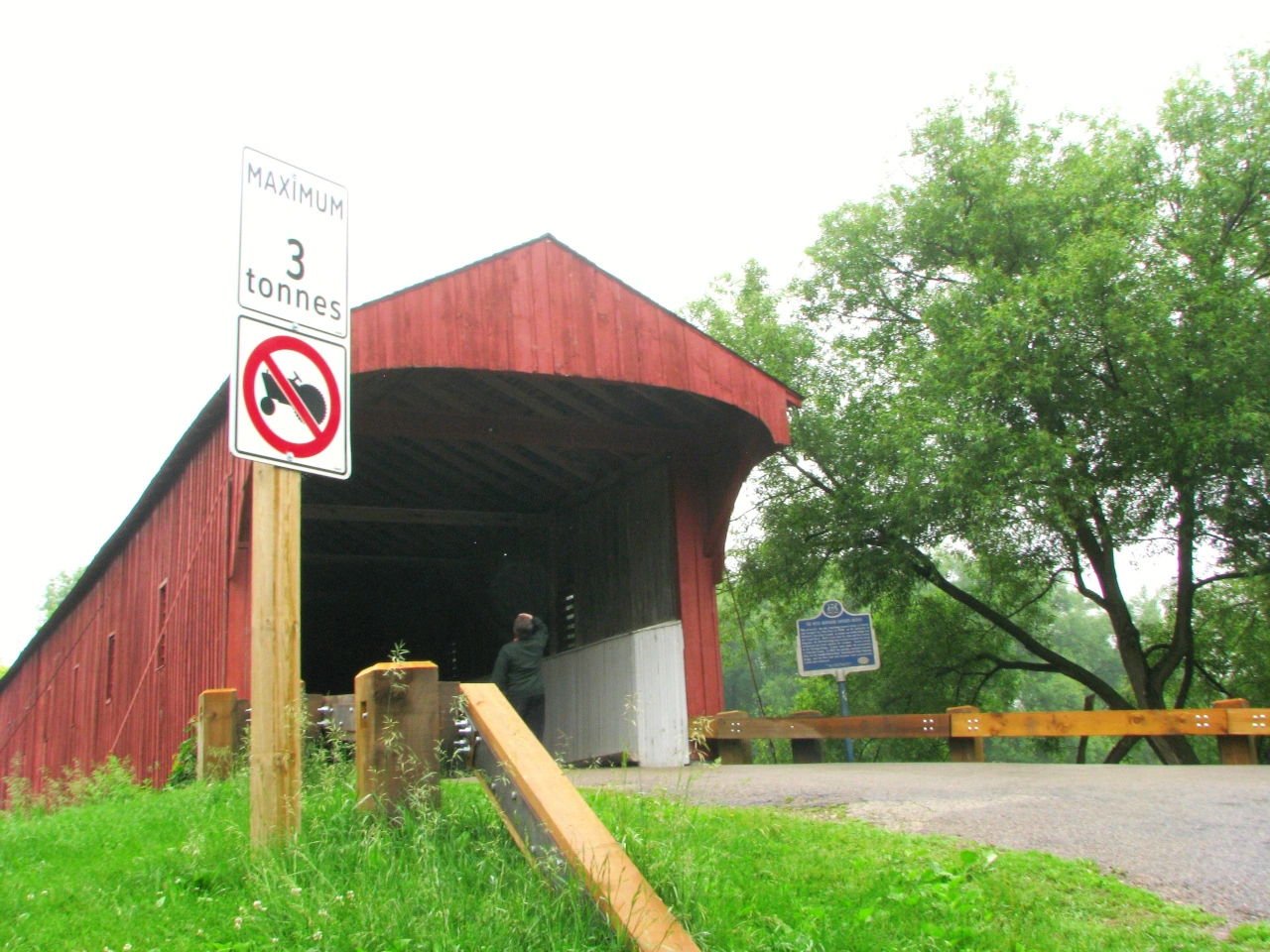
Gewichtsbeschränkung
What does a weight-limit sign mean?

It prohibits vehicles or vehicle combinations whose relevant mass exceeds the value displayed on the sign.

How can you recognise a weight-limit sign?

It is commonly a circular regulatory sign showing a mass in tonnes, kilograms or another local unit.

Is a weight-limit sign a warning or a prohibition?

It is normally a prohibition. A vehicle exceeding the displayed limit may not continue beyond the sign.

What is actual loaded mass?

Actual loaded mass is the weight of the vehicle as it is currently travelling, including the vehicle itself, its load, driver, passengers and other relevant equipment.

What is maximum authorised mass?

Maximum authorised mass is the highest total mass at which the vehicle is legally approved to operate. It is normally recorded in the vehicle documents.

Is actual mass the same as maximum authorised mass?

No. A lightly loaded vehicle may have an actual mass below its maximum authorised mass. A restriction may legally refer to either measurement, depending on the sign and local law.

Does the load count towards the weight limit?

Yes. Cargo, passengers, fuel, equipment and other carried items may all contribute to the vehicle’s actual loaded mass.

Does the driver’s weight count?

Where the restriction concerns actual loaded mass, the driver and other occupants are normally included.

Does a trailer count?

This depends on the wording of the restriction. It may apply to each vehicle separately or to the combined mass of the complete vehicle combination.

What is an axle-weight limit?

An axle-weight limit restricts the amount of mass carried by one axle or axle group rather than the total mass of the vehicle.

Why can axle load matter when total mass is legal?

A vehicle may comply with the total weight limit while too much of its load is concentrated over one axle, creating excessive stress on the road or bridge.

Where are weight limits commonly used?

They are often used at bridges, weak roads, historic centres, tunnels, temporary structures and roads unsuitable for heavy traffic.

Does the sign show the maximum capacity of a bridge?

Not necessarily. The displayed legal limit may include engineering and safety margins and should not be interpreted as the structure’s exact failure point.

May a vehicle exactly equal to the displayed weight pass?

A sign normally prohibits vehicles exceeding the displayed value. The driver must still be certain that the relevant mass does not exceed it.

How can a driver determine the actual mass?

The most reliable method is to use an authorised or suitable weighbridge. Vehicle documents alone normally show approved limits rather than the vehicle’s current loaded mass.

Can the mass be estimated from the cargo weight?

An estimate may help with planning, but it must include the vehicle, fuel, occupants, equipment, load and trailer. A weighbridge is preferable when the remaining margin is small.

Can moving a load change the total mass?

No. Moving cargo within the vehicle does not change its total mass, but it can change the load carried by each axle.

Can unloading part of the cargo make the vehicle legal?

Yes, when done lawfully and safely. The vehicle may continue only after its relevant mass complies and the remaining load is properly secured.

Can a temporary weight limit apply?

Yes. Temporary restrictions may protect a damaged bridge, weakened road, roadworks structure or road affected by flooding or thawing.

Can different lanes have different weight limits?

Yes. Lane-specific signs may direct heavier vehicles towards a lane or structure designed to carry them.

Can a weight restriction be announced in advance?

Yes. Advance signs may give the distance to the restriction or indicate a diversion so affected vehicles can choose another route.

Does a weight-limit sign impose a speed limit?

No. The applicable general, zonal or posted speed limit remains in force.

Does the sign change priority?

No. Traffic lights, priority signs and ordinary priority rules remain applicable.

What should you do when your vehicle exceeds the limit?

Do not continue. Stop where safe and follow a signed diversion or another route suitable for the vehicle’s mass.

Should you rely on a navigation system?

No. Navigation information may be incomplete or outdated. Traffic signs and official restrictions always take precedence.

May you reverse away from a restriction?

Only when reversing is lawful and can be completed safely. Use assistance where necessary, particularly with a long or heavy vehicle combination.

What can happen if an overweight vehicle continues?

The vehicle may damage the road or structure and may be stopped, fined, unloaded or prohibited from continuing under local law.

31. Geschwindigkeitskontrolle

Ein Hinweis auf Geschwindigkeitskontrolle warnt Fahrer, dass Fahrzeuggeschwindigkeiten durch eine stationäre Kamera, mobiles Radar, Lidar oder eine Abschnittskontrolle überwacht werden können. Er erinnert daran, die geltende Geschwindigkeitsbegrenzung zu prüfen und einzuhalten.

Das Zeichen legt normalerweise nicht selbst die Geschwindigkeitsbegrenzung fest. Fahrer müssen die allgemeine, ausgeschilderte oder variable Begrenzung der Straße beachten und dürfen nicht plötzlich bremsen, nur weil eine Geschwindigkeitskontrolle angekündigt wird.

What does a radar speed sign mean?

It warns that vehicle speeds may be measured or enforced on the road ahead or throughout a specified section.

Is a radar speed sign the same as a speed-limit sign?

No. A speed-limit sign establishes the maximum legal speed. A radar sign only warns that compliance with an applicable limit may be monitored.

Where can the applicable speed limit be found?

Check the most recent speed-limit sign, variable sign, speed-zone sign or general limit applying to the road and vehicle category.

Does the radar sign impose a lower speed?

No. It does not normally change the existing limit. Drivers must nevertheless travel more slowly when traffic, visibility, weather or road conditions require it.

Does the sign mean a camera is definitely present?

It may announce a permanent camera, a mobile-control area or a section where enforcement can occur. The exact meaning depends on the country and sign design.

Does the sign guarantee that the camera is active?

No. Drivers should never rely on assumptions about whether equipment is operating and should respect the speed limit at all times.

What is a fixed speed camera?

A fixed speed camera is permanently installed at a particular location and measures the speed of passing vehicles.

What is a mobile speed camera?

A mobile speed camera is temporarily positioned in a police vehicle, trailer, roadside unit or another approved location.

What is lidar speed enforcement?

Lidar uses laser pulses to measure the speed and position of vehicles. It may be used by police officers or in temporary automatic installations.

What is average-speed enforcement?

Average-speed enforcement records a vehicle at two or more points and calculates its average speed across the controlled section.

Can slowing only at the camera avoid an average-speed offence?

No. Average-speed enforcement considers the travel time across the complete measured section rather than speed at only one point.

Can a camera enforce both speed and red lights?

Yes. Some systems monitor vehicle speed and whether a vehicle passes a red traffic signal.

Is a radar warning sign legally required everywhere?

No. Some authorities announce speed cameras, while others permit enforcement without advance warning. The rules differ between countries and regions.

Can speed enforcement occur without a radar sign?

Yes. The absence of a warning sign does not normally prevent police or authorised authorities from carrying out a lawful speed check.

Does the sign give permission to drive at the displayed road limit?

The applicable limit remains a maximum rather than a target. Drivers must reduce speed whenever travelling at that limit would be unsafe.

Should you brake suddenly after seeing the sign?

No. Check your speed and reduce it smoothly when necessary. Sudden braking can cause a rear-end collision.

May you accelerate again after passing the camera?

Only while remaining within the applicable limit and driving safely. The restriction may continue, and another camera or average-speed section may follow.

Does the radar sign end the speed limit?

No. Passing a camera or radar sign does not end the applicable speed restriction.

What is a radar speed display?

A radar speed display measures an approaching vehicle and shows its current speed, sometimes with a colour, message or smiley symbol.

Is a radar speed display an enforcement camera?

Not necessarily. Many displays are preventive devices intended to make drivers aware of their speed and may collect anonymous traffic statistics without issuing penalties.

Is the displayed speed legally authoritative?

No. The roadside display is generally informational. Drivers remain responsible for observing the vehicle’s speedometer and the legal speed limit.

Can radar monitor motorcycles?

Yes. The technical ability to measure a motorcycle and the method used to identify it depend on the enforcement equipment.

Can a camera monitor several lanes?

Yes. Modern systems may measure vehicles in one or more lanes and may distinguish between traffic directions or vehicle categories.

Can different vehicles have different speed limits?

Yes. Heavy vehicles, buses, trailers or other vehicle categories may be subject to lower limits than passenger cars on the same road.

What should you do when you are already exceeding the limit?

Release the accelerator and reduce speed smoothly and safely. Do not brake harshly or make an abrupt lane change.

32. Selektive Sperren

Selektive Sperren sind bauliche Zugangseinrichtungen, die bestimmten Verkehrsteilnehmern oder berechtigten Fahrzeugen die Durchfahrt erlauben und anderen den Zugang verwehren. Dazu können feste, entfernbare, klappbare oder versenkbare Poller, Tore, Schranken und Breitenfilter gehören.

Welche Nutzer zugelassen sind, ergibt sich aus Verkehrszeichen, Zugangsbedingungen und örtlichen Vorschriften und nicht allein aus der Sperre. Fahrer sollten langsam heranfahren, ihre Berechtigung prüfen und warten, bis eine bewegliche Sperre vollständig geöffnet oder abgesenkt ist.
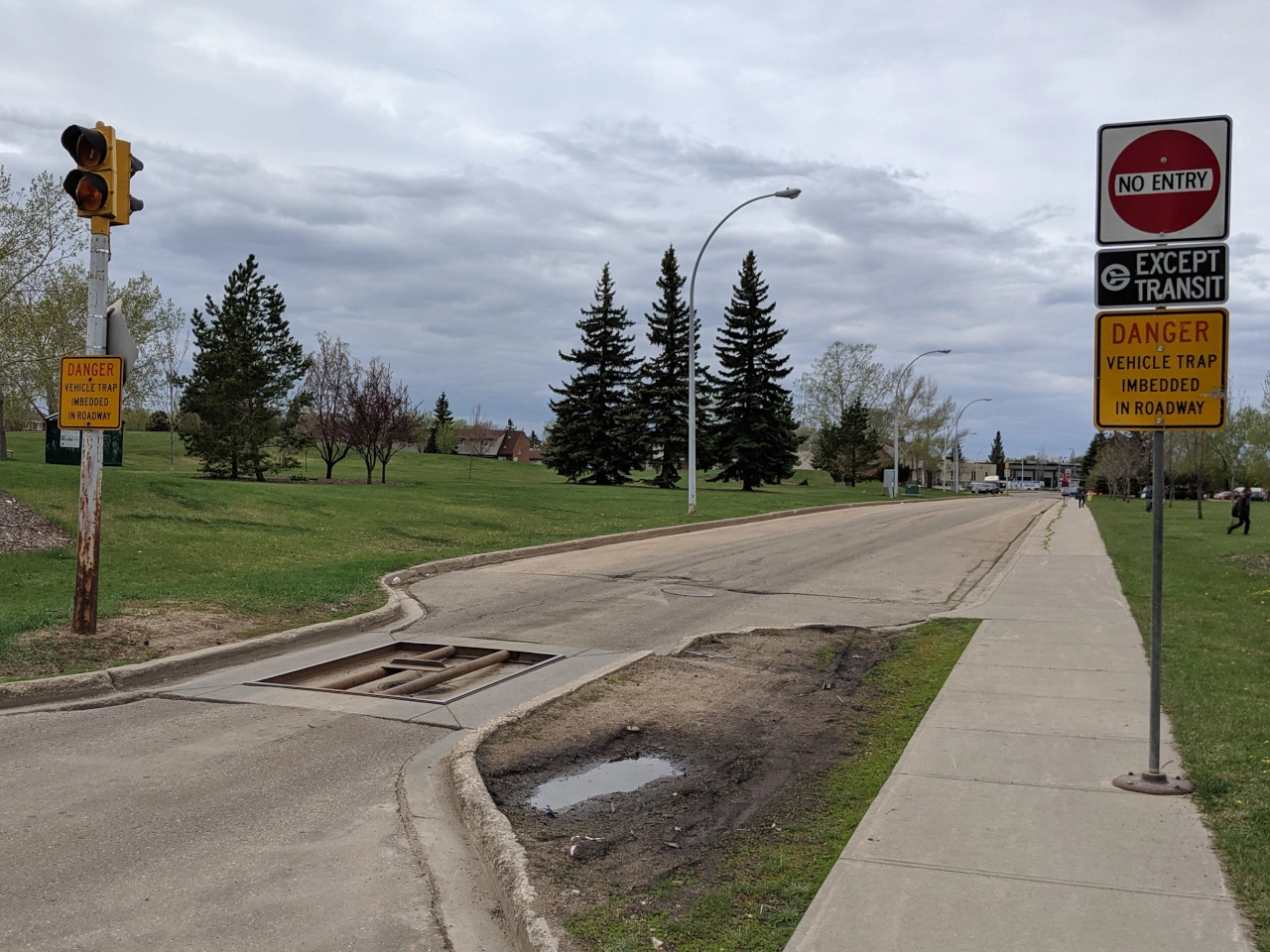
Selektive Sperren
What is a selective barrier?

A selective barrier is a physical access-control device that blocks some traffic while allowing specified road users or authorised vehicles to pass.

What types of selective barriers exist?

Common examples include fixed bollards, removable posts, folding posts, retractable bollards, gates, rising barriers and width-filtering installations.

Why are selective barriers used?

They may prevent through traffic, protect pedestrian or cycling routes, control access to restricted areas or allow only residents, public transport, deliveries or emergency services to enter.

Does the barrier itself determine who may pass?

Not normally. The permitted users are determined by traffic signs, permits, access systems and local regulations.

May cyclists pass through a selective barrier?

Only when cycling is permitted and sufficient safe space is provided. Cyclists must follow the signs applying to the road or path.

May pedestrians pass through?

Pedestrians may pass where pedestrian access is permitted and a safe route is available. They should not walk beneath a moving gate or through a vehicle-only opening.

May motorcycles pass between bollards?

Only when motorcycles are legally permitted beyond the barrier and the opening is intended for them. Being physically able to fit through does not create permission.

May emergency vehicles pass?

Emergency vehicles may have keys, remote controls, automatic recognition or another authorised method of opening the barrier. Other road users must keep the access clear.

May residents or delivery vehicles enter?

They may enter only when local access rules, permits or traffic signs authorise them. Permission may apply only during specified hours.

What is a retractable bollard?

A retractable bollard is a post that can rise from or lower into the road surface to control vehicle access.

How may a retractable bollard be activated?

It may operate through a badge, remote control, access code, number-plate recognition, timer, control centre or automatic detection system.

When may you drive over a retractable bollard?

Only after confirming that you are authorised and the bollard is fully lowered. Do not move merely because another vehicle has activated it.

May you follow another authorised vehicle through?

No, unless your own access is also authorised and the system clearly permits it. The barrier may rise immediately after the first vehicle.

What do warning lights near a barrier mean?

Red lights normally require road users to stop, while another signal may indicate when passage is permitted. Follow the displayed signals and local instructions.

What should you do when the barrier is moving?

Stop at a safe distance and wait until it has completed its movement. Never drive, cycle or walk beneath a moving gate or across a rising bollard.

What if the barrier appears to be stuck?

Do not force, move or drive around it. Use the intercom or contact the operator, road authority or emergency service indicated at the location.

May you move a removable bollard yourself?

No, unless you are specifically authorised. Removing or repositioning access-control equipment may create danger and allow prohibited traffic to enter.

Does a lowered bollard mean everyone may enter?

No. Traffic signs and access restrictions remain applicable even when the physical barrier is temporarily open or lowered.

Does an open gate cancel a no-entry sign?

No. An open physical barrier does not cancel a regulatory traffic sign.

Does a selective barrier impose a speed limit?

Not by itself. Drivers must follow the applicable speed limit and approach slowly enough to stop before the installation.

Does it change priority?

No. Traffic lights, priority signs and ordinary priority rules remain applicable unless another traffic arrangement indicates otherwise.

May you stop or park in front of a selective barrier?

Do not stop or park where the vehicle would block authorised access, emergency services, pedestrians or cyclists.

Why are bollards dangerous for cyclists and motorcyclists?

They may be difficult to see, especially in darkness, congestion or poor weather. A collision can cause a rider to fall into nearby traffic or other obstacles.

How should cyclists approach bollards?

Reduce speed, identify the intended opening and pass through in a straight and controlled line. Avoid overtaking another cyclist at the barrier.

What should drivers do when leaving a restricted area?

Approach slowly, wait for the access system to respond and check for pedestrians and cyclists before crossing their route.

What if your vehicle strikes a barrier?

Stop safely, activate the hazard warning lights where appropriate and report the collision. Do not continue if the vehicle, barrier or access system may be damaged.

33. Vorfahrt an der nächsten Kreuzung

Vorfahrt an der nächsten Kreuzung bedeutet, dass Fahrer auf einer bestimmten Straße gegenüber Verkehr aus kreuzenden oder einmündenden Straßen an der nächsten Kreuzung bevorrechtigt sind. Die Vorfahrtsregelung wird normalerweise durch Zeichen sowohl für den bevorrechtigten Verkehr als auch für den wartepflichtigen Verkehr angezeigt.

Anders als bei einer durchgehenden Vorfahrtstraße gilt dieser Vorrang nur an der angegebenen Kreuzung. Fahrer müssen sich dennoch vorsichtig nähern und Ampeln, Anweisungen befugter Personen, Überwege, Abbiegevorschriften und andere geltende Zeichen beachten.
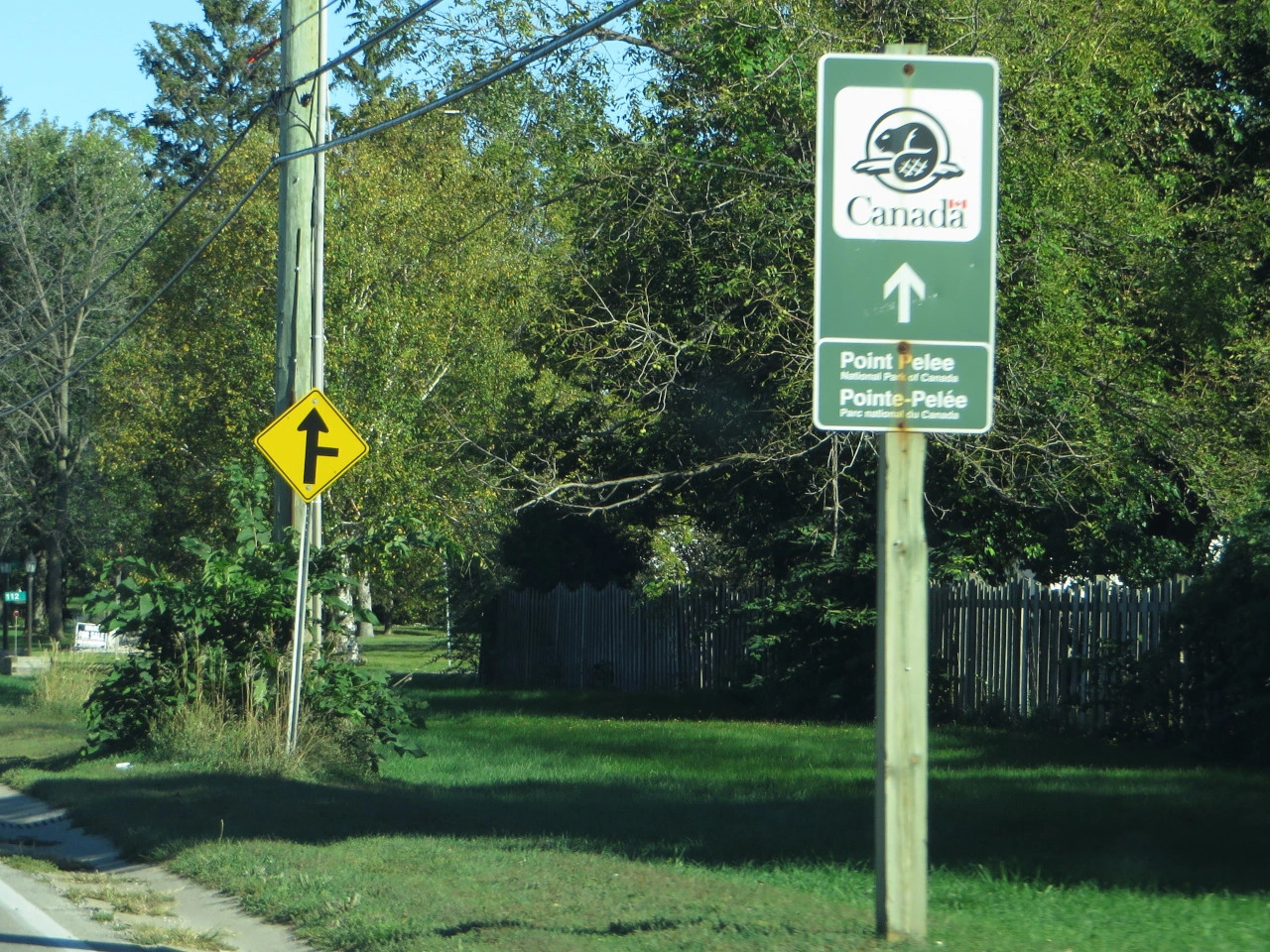
Vorfahrt an der nächsten Kreuzung
What does priority at the next junction mean?

It means that drivers travelling on the indicated road have priority over traffic entering from intersecting roads at the next junction.

Is this the same as a priority road?

No. Priority at the next junction applies to one particular junction. A priority road normally keeps its priority across several junction until its status ends.

Is a main road always a priority road?

No. The term main road may describe a larger, busier or more important road, but legal priority is determined by traffic signs, signals and local rules.

How can you recognise priority at the next junction?

It may be indicated by a priority-junction sign showing a thick line for the priority route and thinner lines for the roads that must give way.

Does the thick line show the priority route?

Yes. On signs using a junction diagram, the thicker line normally represents the road followed by traffic with priority.

Does the priority route always continue straight ahead?

No. The priority route may turn left or right. A diagram or supplementary panel may show which branch retains priority.

What signs do drivers on the side roads normally see?

They commonly face a give-way or stop sign, requiring them to yield to traffic on the priority route.

Does priority from the right still apply?

Not when legally placed signs establish another priority arrangement at that junction. Drivers must follow the actual signs rather than the ordinary default rule.

Does the sign give priority at later junctions?

No. After passing the indicated junction, the priority arrangement at the next junction must be determined separately.

Does having priority mean you may enter without slowing down?

No. Approach at a safe speed and remain prepared for another road user to fail to give way.

Does having priority mean you must proceed first?

No. Priority is not an obligation to continue. Slow down or stop whenever proceeding would create danger.

May you enter a blocked junction?

No. Do not enter when congestion is likely to leave your vehicle stopped inside the junction and obstructing other traffic.

Does the sign impose a speed limit?

No. The applicable general, zonal, posted or vehicle-specific speed limit remains in force.

Does it give priority over pedestrians?

No. Drivers must still yield to pedestrians where crossings, traffic signals or turning rules require it.

Does it give priority over cyclists?

It regulates priority between traffic approaching the junction, but drivers must still respect continuing bike paths, cycle crossings and turning rules.

Must you signal when the priority route turns?

Yes, when following the route involves a change of direction and local law requires signalling. Priority does not remove the obligation to indicate.

Does signalling give you priority?

No. An indicator communicates your intended movement but does not allow you to endanger or obstruct another road user.

Must you yield to oncoming traffic when turning left?

Normally, yes. Priority over side-road traffic does not automatically give a left-turning driver priority over lawful oncoming traffic.

Do functioning traffic lights override the priority signs?

Functioning traffic lights normally control the junction instead of the priority signs. Local rules determine what applies when the lights are switched off or flashing.

Do authorised officers override the signs?

Yes. Instructions from an authorised traffic controller normally take precedence over signs, signals and ordinary priority rules.

Does the sign prohibit overtaking?

No. Overtaking remains subject to the ordinary rules, visibility, road markings and any separate prohibition signs.

Does the sign prohibit stopping or parking?

No. The ordinary stopping and parking rules and any local signs or markings remain applicable.

What applies after you pass the intersection?

The special priority indicated by the sign has been completed. At later junctions, follow the signs, signals or default priority rule applying there.

34. Ampeln

Ampeln regeln mit farbigen Lichtzeichen, Pfeilen oder Symbolen, wann Verkehrsteilnehmer fahren dürfen, sich auf das Anhalten vorbereiten müssen oder stehen bleiben müssen. Getrennte Signale können für bestimmte Richtungen, Fahrstreifen, Fußgänger, Radfahrer oder Fahrzeuge des öffentlichen Verkehrs gelten.

Grünes Licht erlaubt die Fahrt nur, wenn der Weg frei und die Bewegung ansonsten zulässig ist. Verkehrsteilnehmer müssen weiterhin Vorfahrtsregeln, Abbiegeverbote, Fahrbahnmarkierungen und Anweisungen befugter Verkehrsregler beachten.
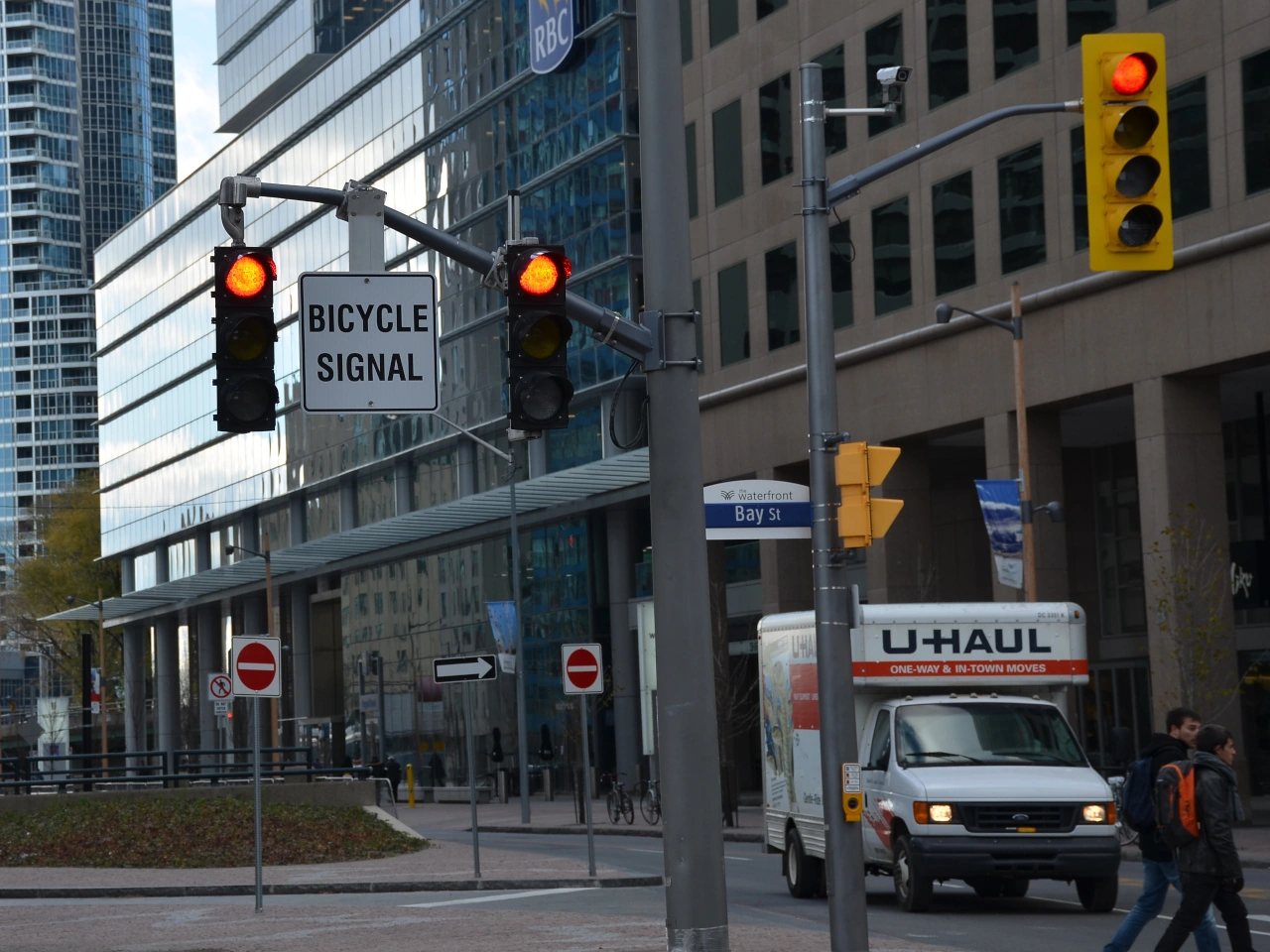
Ampeln
What are traffic lights?

Traffic lights are signals that use coloured lights, arrows or road-user symbols to regulate traffic movements.

What does a red traffic light mean?

A red light requires road users to stop before the stop line or signal and remain stopped until movement is permitted.

What does a steady amber light mean?

A steady amber light normally requires drivers to stop unless they are already too close to stop safely. It warns that the signal is changing to red.

What does a green traffic light mean?

A green light permits road users to pass the signal, but only when the route is clear and the intended movement is otherwise legal.

Does green mean that you have priority over everyone?

No. You may still have to give way to pedestrians, cyclists, oncoming traffic or other road users when turning or following a conditional arrow.

May you enter a blocked intersection on green?

No. Do not enter when congestion is likely to leave you stopped inside the intersection and obstructing crossing traffic.

Where should you stop at a red light?

Stop before the stop line. When no stop line is provided, stop before the traffic light or at another legally prescribed position.

May you cross the stop line and then stop?

No. The required stop must normally be completed before the stop line. Do not stop on a pedestrian or cycle crossing.

What if the light changes to amber while you are approaching?

Stop when this can be done safely. Continue only when you are already too close to stop without creating danger.

Should you accelerate to pass an amber light?

No. Do not accelerate to avoid stopping. Maintain control and stop unless doing so safely is no longer possible.

What do arrow-shaped traffic lights mean?

They have the same general meaning as circular lights, but the prohibition or permission applies only to the direction shown by the arrow.

What does a green arrow displayed with a red light mean?

It may permit travel in the indicated direction while other movements remain prohibited. Drivers may still have to give way to conflicting traffic and pedestrians.

Does a green arrow override a no-turn sign?

Not universally. Drivers must follow the complete local sign arrangement. A traffic signal does not necessarily cancel a separate regulatory prohibition.

May you turn right on red?

Only where local law or a specific sign or signal expressly permits it. There is no universal right to turn on red.

What does a flashing amber light mean?

It warns of a potential hazard and normally allows cautious passage. The ordinary priority arrangement remains applicable.

What should you do when the normal lights are flashing amber?

Reduce speed, observe the intersection carefully and follow the applicable priority signs or default priority rules.

What does a flashing red light mean?

Its meaning depends on local law. At railway crossings and some movable bridges, flashing red lights normally require road users to stop.

What do lane-control signals mean?

A red cross normally closes the lane, a green downward arrow opens it and an amber diagonal arrow instructs drivers to leave the lane in the indicated direction.

May you continue beneath a red lane-control cross?

No. Move out of the lane safely before reaching the red cross unless an authorised person or emergency rule directs otherwise.

What does an amber diagonal lane arrow mean?

It warns that the lane is closing or unavailable ahead. Drivers must move into the adjacent lane indicated by the arrow when safe.

Can separate lights apply to cyclists?

Yes. A signal displaying a bicycle symbol applies to the road users legally covered by that signal rather than to general motor traffic.

Can separate lights apply to pedestrians?

Yes. Pedestrian lights normally use red and green human figures to indicate whether pedestrians may begin crossing.

What does a flashing green pedestrian light mean?

It normally warns that the crossing period is about to end. Pedestrians who have not started should wait for the next green signal.

What if the pedestrian signal changes while someone is crossing?

A person who entered lawfully should continue without unnecessary delay. Turning drivers must allow the crossing to be completed safely.

Can buses and trams have separate traffic lights?

Yes. Public-transport signals may use bars, circles, triangles or other symbols that apply only to authorised service vehicles.

Do functioning traffic lights override priority signs?

They commonly replace the priority arrangement at that location. Priority signs may apply again when the normal signals are inactive or flashing.

Do instructions from a police officer override traffic lights?

Yes. Instructions from an authorised traffic controller normally take precedence over lights, signs, markings and ordinary rules.

What should you do when the lights are not working?

Reduce speed and follow the priority signs, temporary signals, authorised personnel or default priority rules that apply.

May you clear an intersection after the light turns red?

Yes, when you entered lawfully and must leave the intersection. Complete the movement cautiously without endangering other road users.

Does a green light impose a minimum speed?

No. Drivers may proceed but must continue at a safe and legal speed.

May you use a handheld phone while waiting at red?

This depends on local law. In many countries, a driver temporarily stopped in traffic is still considered to be driving and may not use a handheld device.

35. Warnung vor Ampeln

Eine Warnung vor Ampeln weist Fahrer darauf hin, dass sich voraus eine Lichtsignalanlage befindet. Sie wird häufig verwendet, wenn die Ampeln unerwartet kommen, aus der Entfernung schwer zu erkennen sind oder an einer Straße liegen, auf der Fahrer zusätzliche Zeit zum Reagieren und Anhalten benötigen.

Fahrer sollten bei einer solchen Warnung bei Bedarf die Geschwindigkeit verringern, auf die vorausliegenden Signale achten und zum Anhalten bereit sein, wenn sich die Ampel ändert oder Fahrzeuge an der Kreuzung warten.
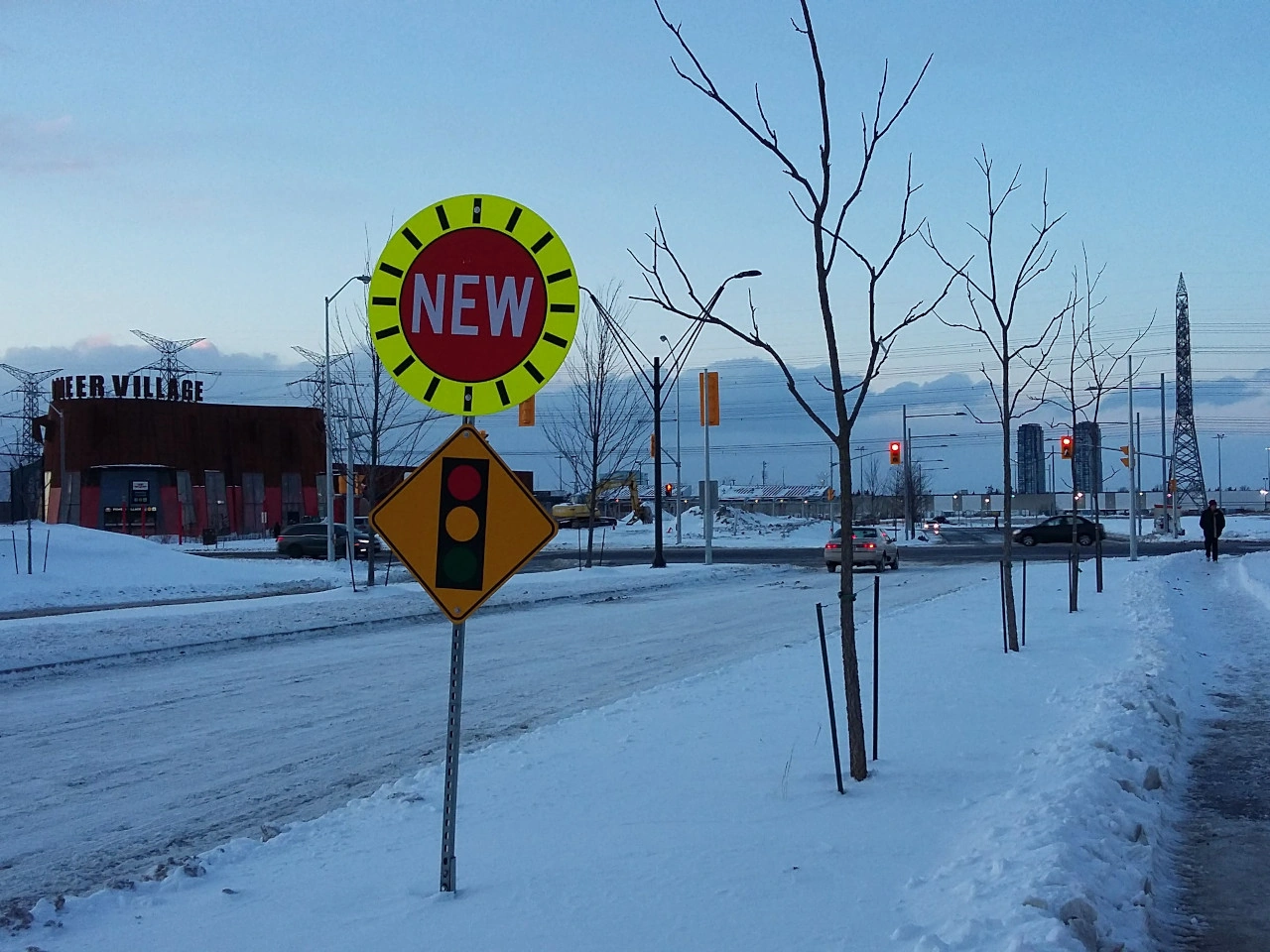
Warnung vor Ampeln
What does a traffic lights warning mean?

A traffic lights warning alerts drivers that traffic signals are located ahead.

Why is a traffic lights warning sign used?

It may be used where traffic lights are unexpected, difficult to see sufficiently early or located on a road where advance warning improves safety.

How should you react to a traffic lights warning?

Remain alert, reduce speed when necessary and be prepared to stop at the traffic lights or behind waiting traffic.

36. Fußgängerampeln

Fußgängerampeln sind Lichtsignale, die regeln, wann Fußgänger mit dem Überqueren einer Straße beginnen dürfen. Normalerweise zeigt eine rote stehende Figur an, dass nicht begonnen werden darf, und eine grüne gehende Figur erlaubt das Überqueren.

Ein Blinksignal oder Countdown kann anzeigen, dass die erlaubte Querungszeit endet. Fußgänger sollten ohne unnötige Verzögerung queren; abbiegende Fahrer müssen aufmerksam bleiben und Fußgängern, die rechtmäßig begonnen haben, ermöglichen, die Straße sicher zu Ende zu überqueren.

What are pedestrian lights?

Pedestrian lights are traffic signals that indicate when pedestrians may begin crossing a road.

How can you recognise pedestrian lights?

They commonly display a red standing person and a green walking person. Their design may vary between countries.

What does the red pedestrian light mean?

It means that pedestrians must not begin crossing.

What does the green pedestrian light mean?

It means that pedestrians may begin crossing, provided they still observe the road and cross without unnecessary delay.

Does green guarantee that no vehicle will cross your path?

No. Turning vehicles, emergency vehicles or traffic following another authorised signal may still cross the pedestrian route. Pedestrians should remain attentive.

What does a flashing green pedestrian light mean?

It normally warns that the permitted crossing period is about to end. Pedestrians who have not started should consider waiting for the next green signal.

What does a flashing red pedestrian light mean?

Its meaning varies between countries. It commonly means that pedestrians must not begin crossing, while those already on the road should finish without delay.

What does a countdown display mean?

A countdown may show approximately how much time remains before the signal changes. It does not remove the duty to cross cautiously.

May you begin crossing when the countdown is nearly finished?

Begin only when there is enough time to cross safely and without stopping unnecessarily on the road. Waiting for the next green phase may be safer.

What if the signal changes to red while you are crossing?

Continue crossing at a normal pace towards the nearest safe side. Do not turn back suddenly, stop unnecessarily or run into another traffic stream.

Must drivers allow pedestrians to finish crossing?

Yes. Drivers should allow pedestrians who entered lawfully to complete the crossing safely, even when vehicle traffic receives permission to proceed.

May turning drivers cross during the pedestrian green phase?

Some signal systems permit turning vehicles and pedestrians at the same time. Turning drivers must give way where required and must not endanger pedestrians.

What is a conflict-free pedestrian phase?

It is a signal phase during which conflicting vehicle movements are stopped so pedestrians can cross without permitted traffic turning across their route.

What is an all-pedestrian phase?

It is a phase in which pedestrians may cross several or all approaches while vehicle traffic is stopped. Diagonal crossing is permitted only when the signals and markings allow it.

What do arrows around a pedestrian symbol mean?

They may indicate that the same pedestrian signal applies simultaneously to several crossing directions. The exact meaning depends on local law.

What should pedestrians do before stepping onto the road?

Check that approaching and turning vehicles are stopping and that the route is clear. A green signal does not make a collision impossible.

Must pedestrians cross without delay?

Yes. They should proceed at a normal pace and should not linger, stop unnecessarily or obstruct traffic on the crossing.

What if there are no pedestrian lights?

Pedestrians may have to follow the traffic lights controlling vehicles, an authorised officer or the ordinary pedestrian-crossing rules.

What is a pedestrian push button?

A push button normally registers a request for a pedestrian crossing phase. Pressing it does not itself permit crossing; pedestrians must wait for the appropriate signal.

Does repeatedly pressing the button make the signal change faster?

Normally not. Once the request has been registered, additional presses usually have no effect.

What are audible pedestrian signals?

Audible signals use sounds to help pedestrians with visual impairments identify when crossing is permitted or when the signal is changing.

What are tactile pedestrian signals?

Tactile signals may use a vibrating button, rotating cone or raised markings to provide crossing information to pedestrians with visual impairments.

Do pedestrian lights apply to cyclists?

Not normally. A cyclist riding a bicycle must follow the applicable cycle or vehicle signal unless a combined pedestrian-and-cycle signal applies.

What if a cyclist walks beside the bicycle?

A person walking beside a bicycle is normally treated as a pedestrian and follows the pedestrian signal.

What are combined pedestrian-and-cycle lights?

They display pedestrian and bicycle symbols and apply to the road users indicated by those symbols.

May pedestrians cross when an authorised officer signals them to wait?

No. Instructions from an authorised traffic controller normally take precedence over pedestrian lights.

What should you do when the pedestrian lights are not working?

Cross only according to the functioning vehicle signals, priority rules and instructions from authorised personnel. Proceed cautiously and take approaching traffic into account.

37. All-way stop

Ein All-way stop ist eine Kreuzung, an der der Verkehr aus jeder Richtung vor dem Einfahren vollständig anhalten muss. Sie wird normalerweise durch ein Stoppschild an jeder Zufahrt gekennzeichnet und häufig dort eingesetzt, wo Verkehr aus kreuzenden Straßen ohne Ampelanlage geregelt werden muss.

Jeder Fahrer muss vollständig anhalten und darf erst weiterfahren, wenn dies sicher und zulässig ist. Die Regeln darüber, welches Fahrzeug zuerst fahren darf, unterscheiden sich zwischen Ländern; Fahrer sollten daher den örtlichen Vorfahrtsregeln folgen und nicht davon ausgehen, dass immer das zuerst eingetroffene Fahrzeug Vorrang hat.
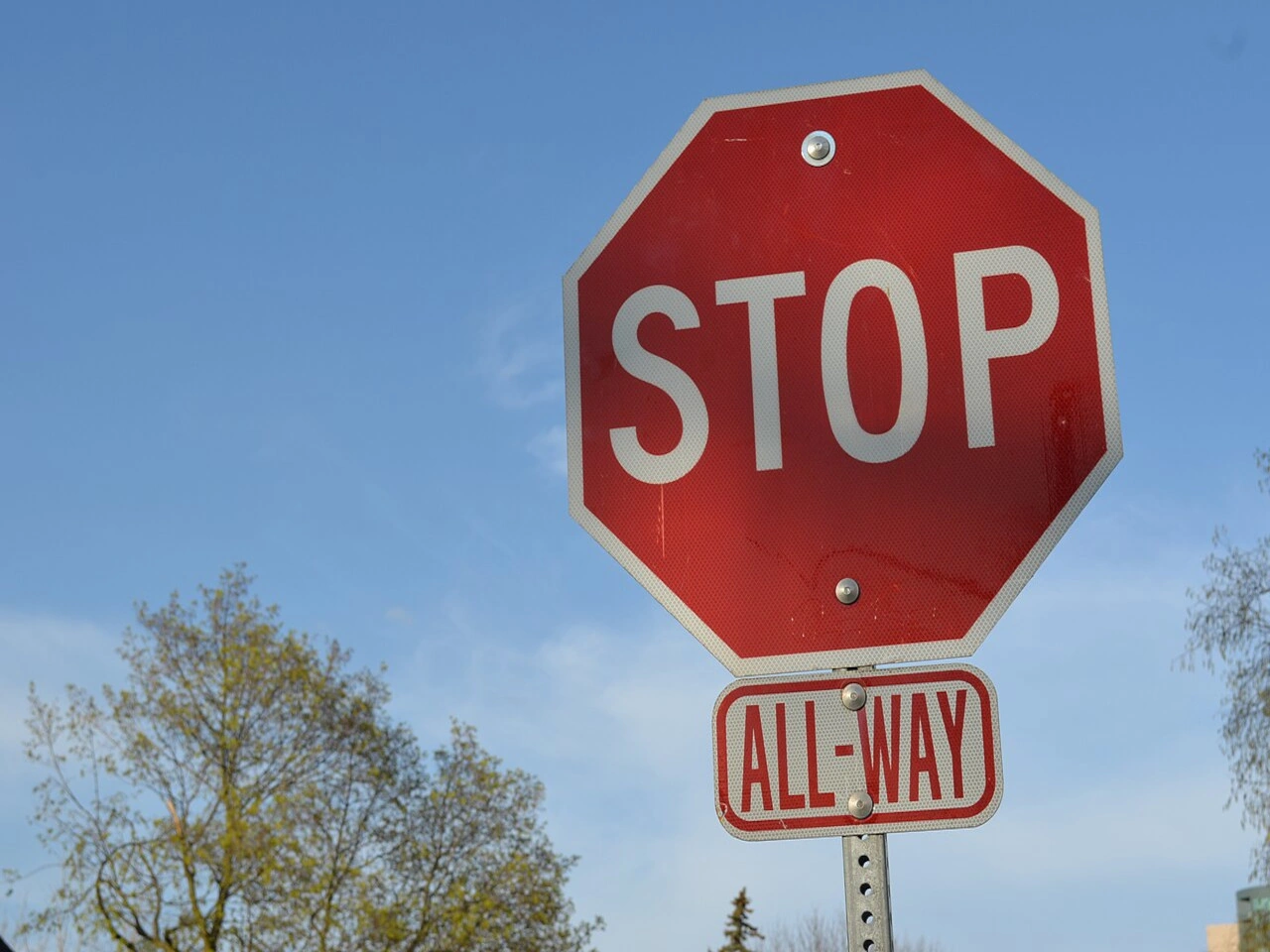
All-way stop
What is an all-way stop?

An all-way stop is an intersection where drivers approaching from every direction are required to stop before entering.

Who goes first at an all-way stop?

The applicable priority rules depend on the country. Some countries use arrival order and additional right-of-way rules, while others apply different rules, so drivers should follow the local traffic regulations.

Do you still have to stop when no other traffic is present?

Yes. Where a stop sign requires a complete stop, the driver must stop even when no other vehicles or road users are visible.

38. Notruftelefon

Ein Notruftelefon ist ein spezielles Telefon am Straßenrand oder in einem Tunnel, das Verkehrsteilnehmer direkt mit einer Notruf-, Verkehrsleit- oder Pannenhilfestelle verbindet. Notruftelefone befinden sich häufig in Tunneln, an Autobahnen oder an anderen Stellen, an denen ein Unfall, eine Panne oder ein Brand schnell gemeldet werden muss. Sie können der Leitstelle nützliche Standortinformationen liefern und auch dort verfügbar sein, wo Mobilfunkempfang schlecht ist.
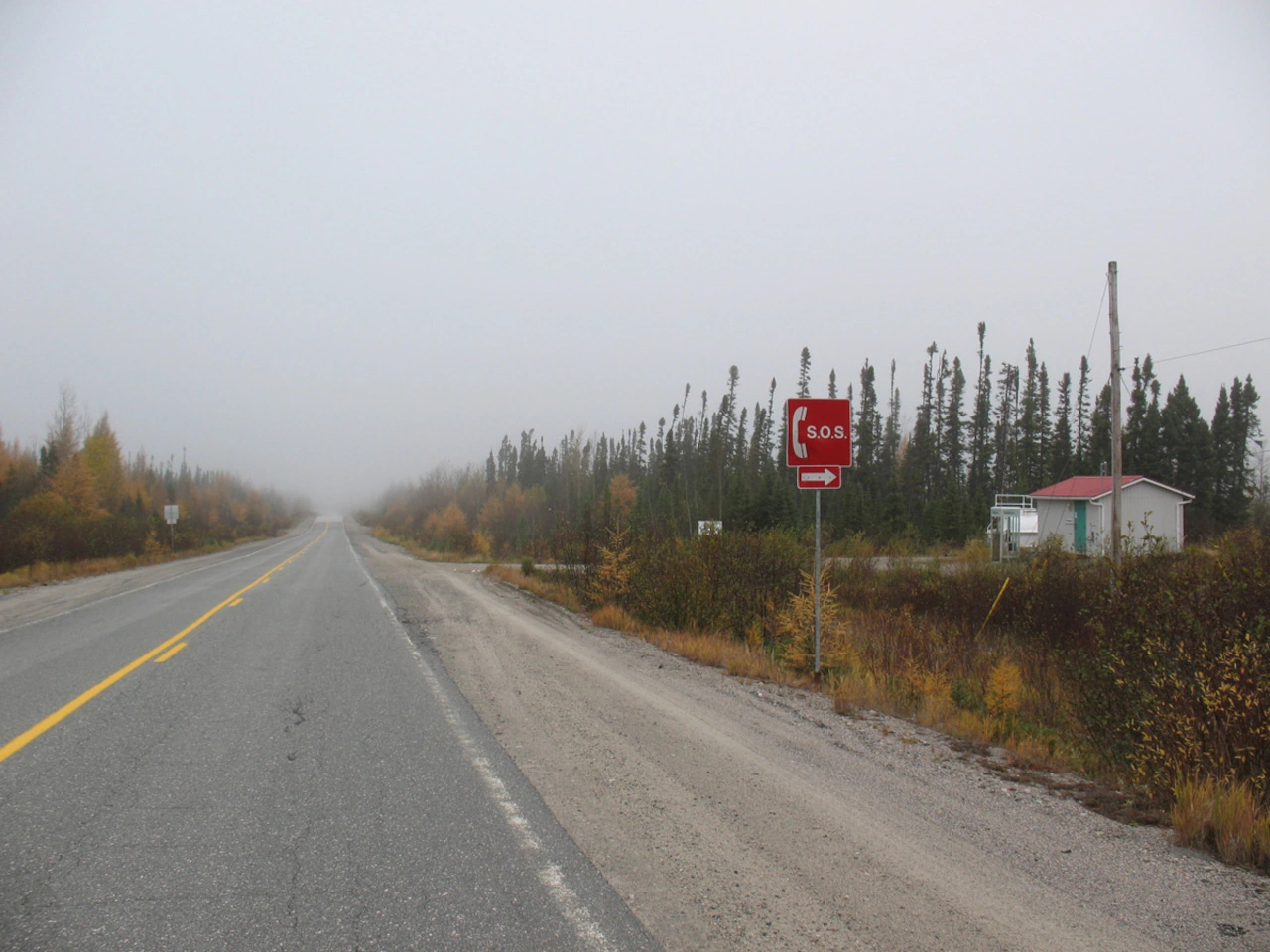
Notruftelefon
What is an emergency telephone?

An emergency telephone is a dedicated telephone used to contact emergency services, a traffic-control centre or roadside assistance from the road.

Where are emergency telephones commonly found?

They are commonly installed in road tunnels, motorway emergency areas and other locations where rapid assistance may be needed.

When should you use an emergency telephone?

Use an emergency telephone to report situations such as a breakdown, accident, fire or other serious road emergency when assistance is required.

Why use an emergency telephone instead of a mobile phone?

An emergency telephone may allow the operator to identify your location immediately and connect you directly with the responsible control centre. It can also be useful where mobile reception is poor.

Are emergency telephones available on every motorway?

No. Their availability varies between countries and road networks. Mobile phones and emergency apps have replaced many traditional roadside call boxes.

Is an emergency telephone free to use?

Dedicated emergency telephones are generally intended for emergency assistance and do not require normal telephone payment, although systems vary between countries.

39. Parkverbot

Parkverbot bedeutet, dass Fahrzeuge an der Stelle oder auf dem von der Regel erfassten Straßenabschnitt nicht geparkt werden dürfen. Je nach örtlichem Recht kann ein Fahrer dennoch kurz zum Ein- oder Aussteigenlassen von Personen oder zum Be- oder Entladen von Gütern anhalten, sofern nicht auch das Halten verboten ist.

Ein Parkverbot kann dauerhaft oder nur zu bestimmten Zeiten, Tagen, für bestimmte Fahrzeugkategorien oder Straßenabschnitte gelten. Genaue Reichweite und Ausnahmen ergeben sich aus Verkehrszeichen, Zusatztafeln, Fahrbahnmarkierungen und örtlichen Verkehrsregeln.
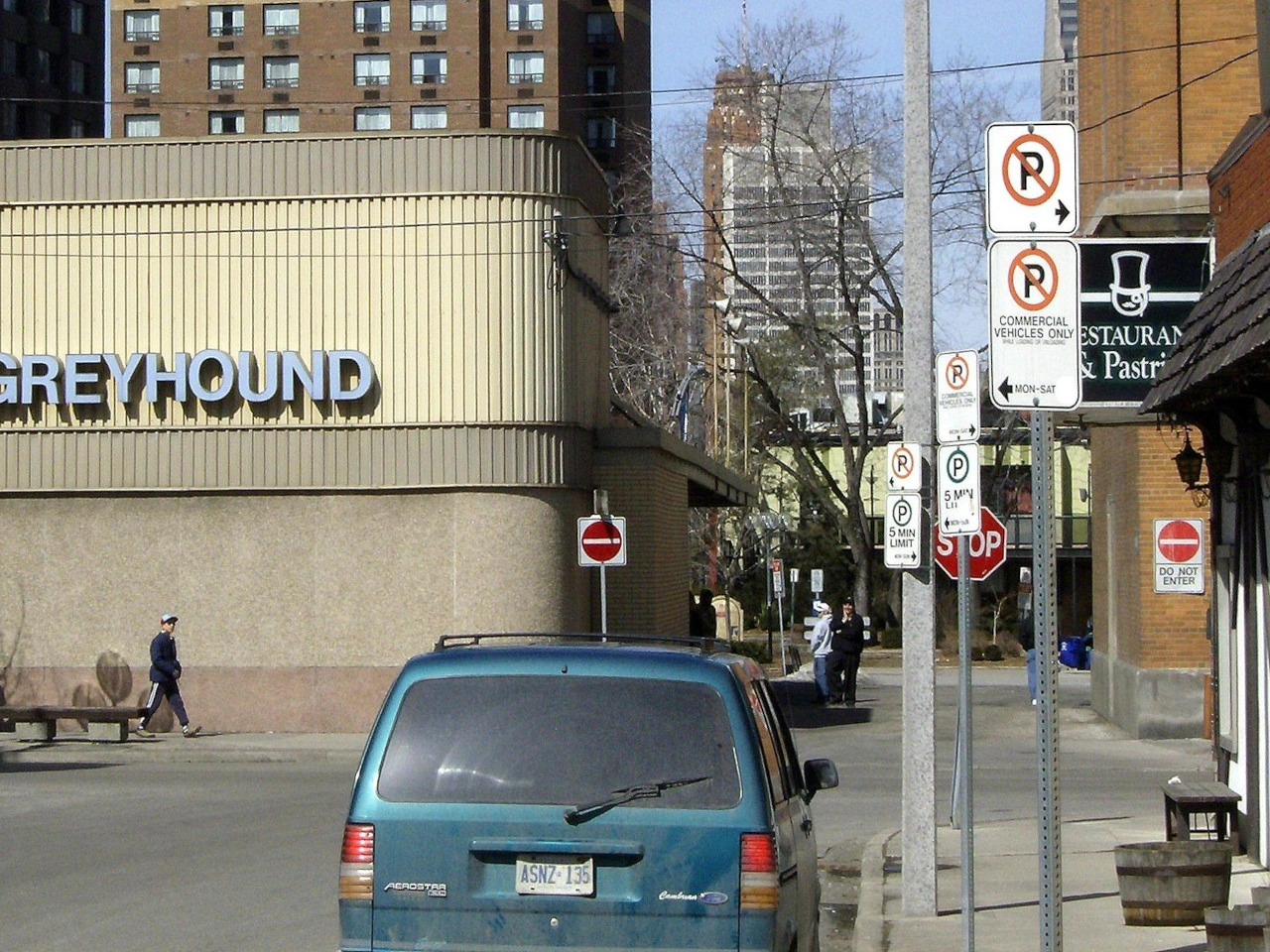
Parkverbot
What does a no-parking sign mean?

A no-parking sign prohibits leaving a vehicle parked in the area or along the section of road to which the restriction applies. The exact legal definition of parking and the extent of the prohibition vary between countries.

Is no parking the same as no stopping?

No. A no-parking restriction commonly still permits certain brief stops, such as picking up or dropping off passengers or loading or unloading goods. A no-stopping restriction is stricter and generally prohibits voluntary stopping as well as parking.

Can you wait in your vehicle where parking is prohibited?

Remaining inside the vehicle does not necessarily mean that it is not parked. If the vehicle remains stationary beyond what local law permits as a brief stop, it may legally be considered parked even when the driver stays inside.

Can you pick up or drop off passengers in a no-parking area?

Often yes, if stopping is permitted and the vehicle remains there only as long as reasonably necessary for passengers to get in or out. Local rules may impose stricter restrictions at particular locations.

Can you load or unload goods where parking is prohibited?

In many countries, genuine loading or unloading is treated as stopping rather than parking and may therefore be permitted. The vehicle should remain there only for the time reasonably necessary for the activity.

How far does a no-parking restriction apply?

This depends on the country's signing rules. The restriction may continue to the next intersection, an end sign, a stated distance or the end of a designated zone. Supplementary arrows or distance panels may indicate its exact extent.

Does a no-parking sign apply on both sides of the road?

Usually a roadside no-parking sign applies only to the side of the road on which it is placed, unless it forms part of a zonal restriction or local signs indicate otherwise.

Can a no-parking restriction apply only at certain times?

Yes. A supplementary panel may restrict the prohibition to particular hours, days or periods. Outside those periods, parking may be permitted if no other rule prohibits it.

Can a no-parking restriction apply only to certain vehicles?

Yes. Additional signs or symbols may make a parking restriction applicable to particular vehicle categories, such as heavy vehicles, motorcycles or other specified vehicles.

Can you park immediately after a no-parking sign ends?

Only if parking is otherwise legal. The end of a specific no-parking restriction does not override general parking prohibitions near crossings, intersections, driveways, traffic signs or other protected locations.

40. Halteverbot

Halteverbot bedeutet, dass Fahrzeuge an der angegebenen Stelle freiwillig überhaupt nicht anhalten dürfen, auch nicht kurz zum Ein- oder Aussteigenlassen von Personen oder zum Be- und Entladen. Es ist eine strengere Beschränkung als ein Parkverbot.

Ein Halteverbot kann durch Verkehrszeichen, Fahrbahnmarkierungen oder örtliche Verkehrsregeln angezeigt werden. Fahrer sollten bis zu einer Stelle weiterfahren, an der Halten erlaubt ist, sofern sie nicht durch Verkehrslage, Notfall oder eine andere gesetzliche Pflicht zum Anhalten gezwungen sind.
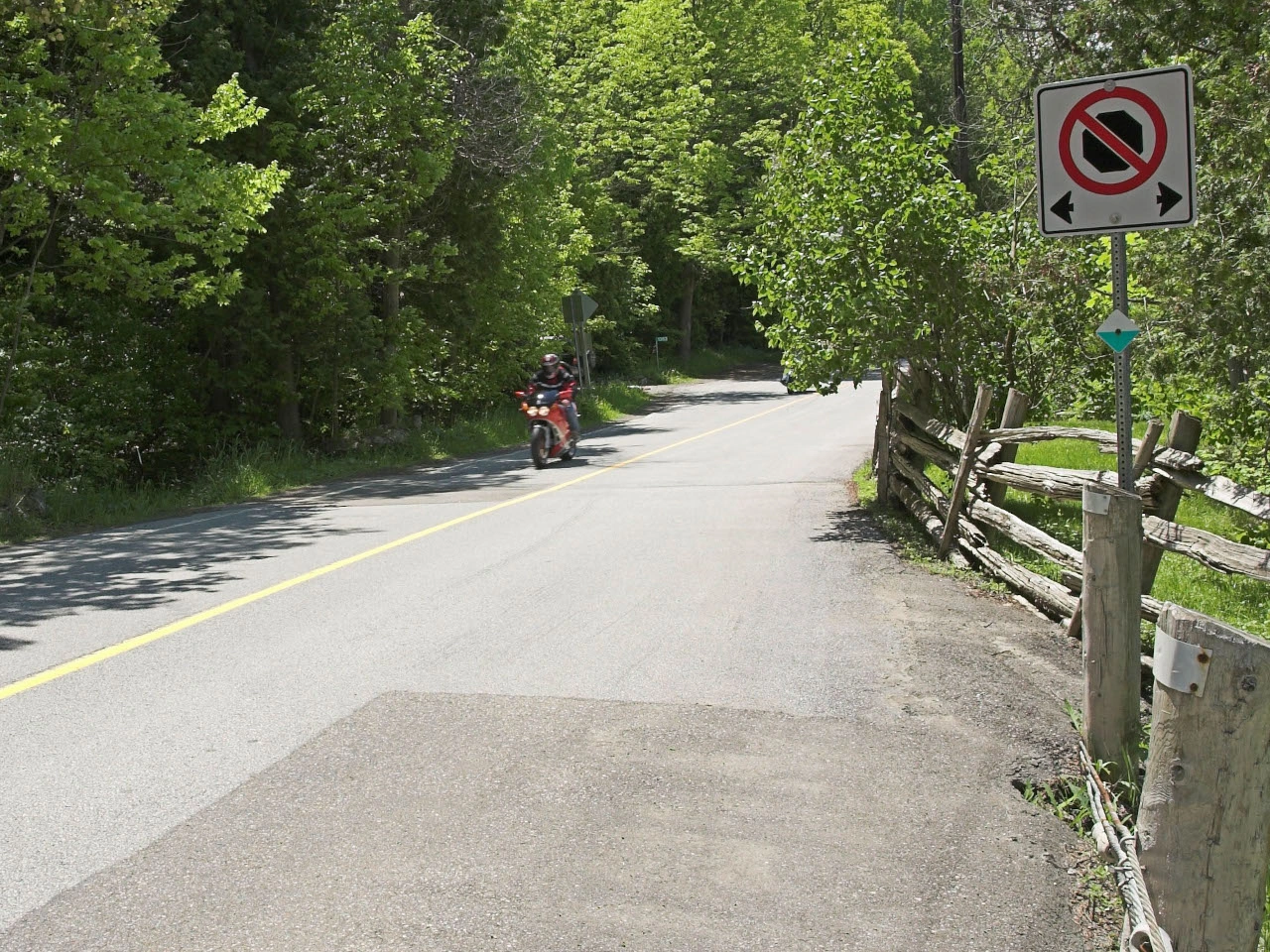
Halteverbot
What does a no stopping restriction mean?

It means that a driver may not voluntarily stop the vehicle in the restricted area. The prohibition normally includes stopping to pick up or drop off passengers or to load or unload goods.

What is the difference between no stopping and no parking?

No stopping is the stricter restriction. A no-parking rule may still allow a brief stop for activities such as picking up passengers or loading goods, while a no-stopping rule prohibits these voluntary stops as well.

Can you stop in a no-stopping area during an emergency?

A driver may have to stop because of an emergency, traffic conditions, a red light, police instructions or another situation outside the driver's control. Such compulsory stops are generally different from voluntarily stopping the vehicle.

41. Längsparken

Längsparken ist eine Parkmethode, bei der ein Fahrzeug parallel zum Straßenrand abgestellt wird, häufig in einer Lücke zwischen zwei geparkten Fahrzeugen. Sie wird besonders dort genutzt, wo Parkplätze längs am Straßenrand angeordnet sind.

Beim Längsparken wird das Fahrzeug normalerweise neben der freien Lücke positioniert und anschließend rückwärts eingeparkt, während Spiegel, tote Winkel und umliegender Verkehr sorgfältig kontrolliert werden. Das Fahrzeug sollte am Ende innerhalb der zulässigen Parkfläche und ausreichend nah am Straßenrand stehen, ohne andere Verkehrsteilnehmer zu behindern.
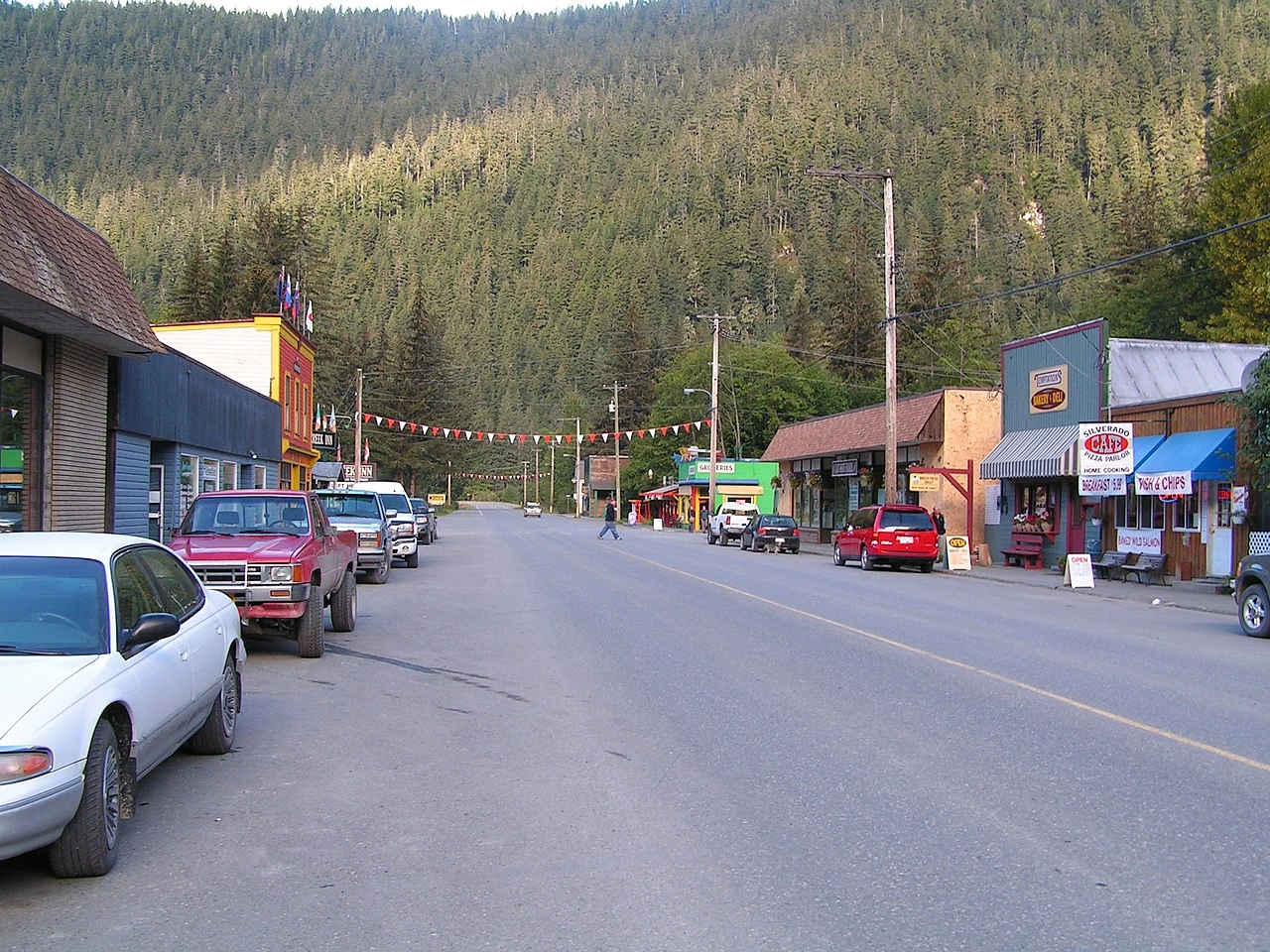
Längsparken
What is parallel parking?

Parallel parking means positioning a vehicle parallel to the edge of the road, typically between vehicles already parked along the kerb or roadside.

What should you check before parallel parking?

Check mirrors and blind spots, signal when required and make sure there is enough space to complete the manoeuvre without endangering pedestrians, cyclists or other traffic.

How should a vehicle be positioned after parallel parking?

The vehicle should be completely within the permitted parking area, reasonably close to the road edge and positioned so that it does not unnecessarily obstruct traffic or access to other vehicles.

42. Behindertenparkplatz

Behindertenparkplätze sind Stellplätze und Parkberechtigungen für Menschen mit Behinderungen, die die geltenden Voraussetzungen erfüllen. Reservierte Stellplätze sind normalerweise durch das internationale Rollstuhlsymbol gekennzeichnet und so angeordnet, dass nahe gelegene Einrichtungen leichter erreichbar sind.

Für die Nutzung ist grundsätzlich ein gültiger Behindertenparkausweis oder eine entsprechende Karte erforderlich. Die Berechtigung gehört normalerweise der berechtigten Person und nicht einem bestimmten Fahrzeug und darf nur verwendet werden, wenn diese Person selbst fährt oder im Fahrzeug mitfährt.
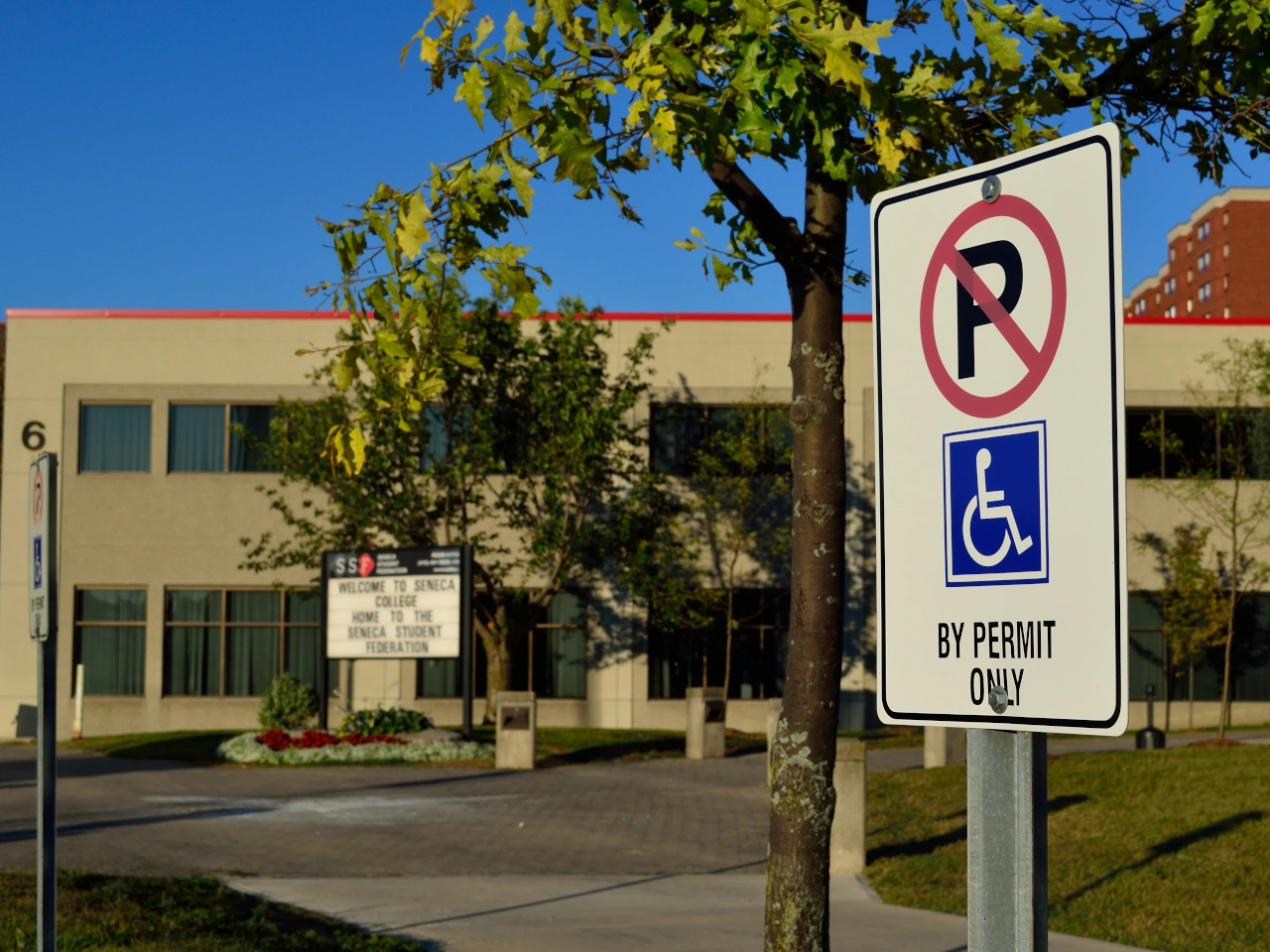
Behindertenparkplatz
Who may use a disabled parking space?

Disabled parking spaces are intended for eligible people who hold a valid disabled parking permit or card. The exact eligibility requirements and permit system depend on the country.

Can someone use a disabled parking permit when the holder is not present?

Generally no. Disabled parking permits are normally personal and may only be used when the permit holder is driving or travelling in the vehicle.

Does a disabled parking permit always provide free parking?

No. A permit may provide access to reserved spaces or exemptions from certain parking restrictions, but rules concerning parking charges and time limits vary between countries and local authorities.

43. Verkehrsmanagement

Verkehrsmanagement ist die organisierte Steuerung, Regelung und Führung von Verkehrsteilnehmern zur Verbesserung von Sicherheit, Verkehrsfluss und effizienter Straßennutzung. Dazu können Ampeln, Verkehrszeichen, Fahrbahnmarkierungen, Fahrstreifensteuerung, variable Geschwindigkeitsbegrenzungen, Umleitungen und Anweisungen befugter Personen gehören.

Verkehrsmanagement kann dauerhaft oder vorübergehend sein. Temporäre Maßnahmen werden häufig bei Straßenarbeiten, Stau, Unfällen, öffentlichen Veranstaltungen oder anderen Ereignissen eingeführt. Fahrer und andere Verkehrsteilnehmer müssen die vor Ort geltenden Zeichen, Signale und Anweisungen befolgen, auch wenn sie von der normalen Verkehrsführung abweichen.
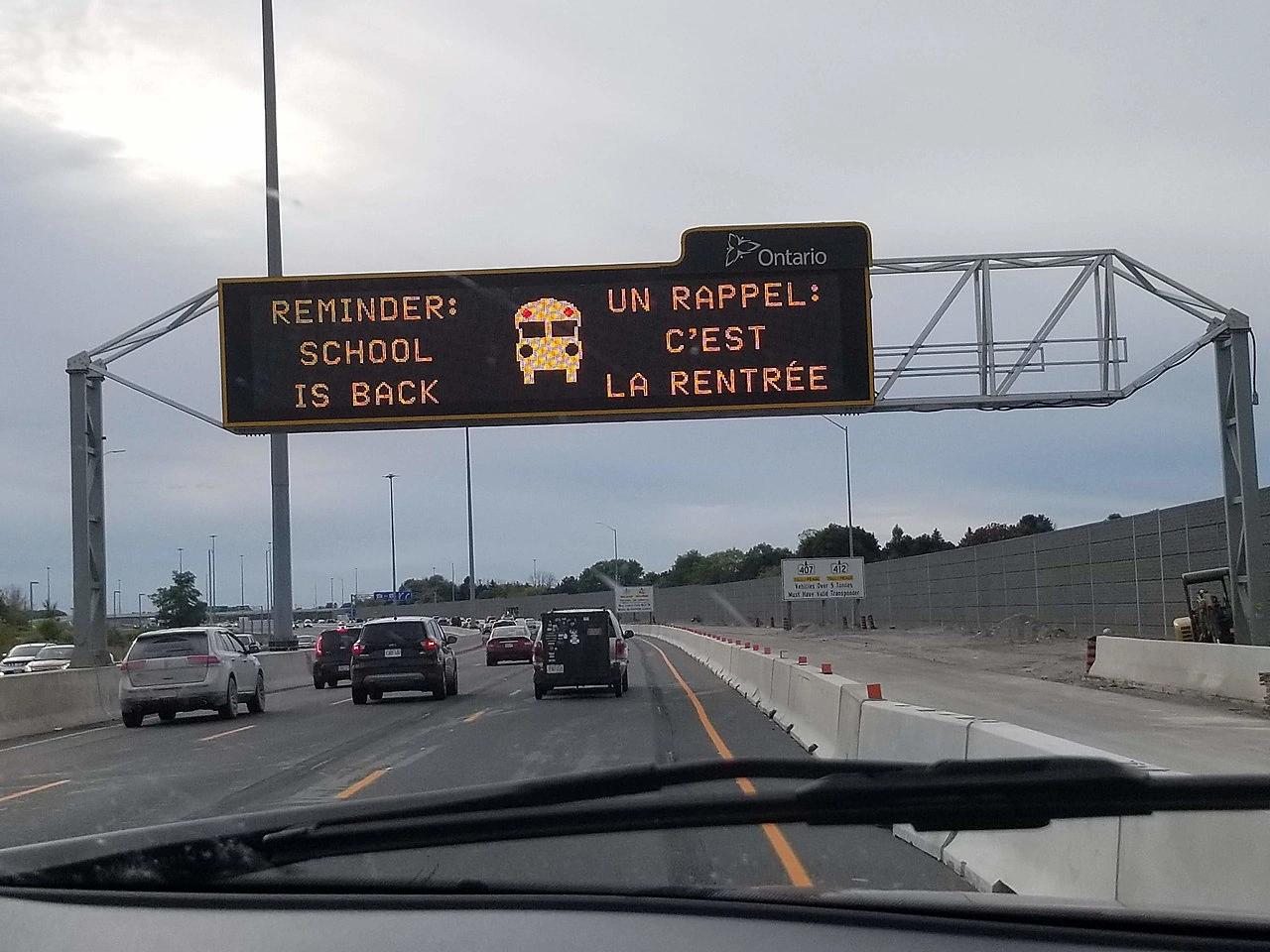
Verkehrsmanagement
What is traffic management?

Traffic management is the organised control and guidance of traffic using signs, signals, road markings, lane controls, speed restrictions, diversions and other measures.

Why is traffic management used?

Traffic management is used to improve safety, control traffic flow and reduce disruption. It can also protect road workers, pedestrians, cyclists and emergency services.

How can traffic be managed?

Common methods include traffic lights, road signs, road markings, variable-message signs, lane-control signals, temporary barriers, speed restrictions and diversions. Authorised persons may also direct traffic.

Can traffic management change the normal speed limit?

Yes. Temporary or variable speed-limit signs may impose a different maximum speed because of congestion, roadworks, weather, incidents or other conditions. Drivers must follow the limit currently displayed.

Can traffic management change which lanes you may use?

Yes. Lane-control signals, temporary signs or road markings may close lanes, move traffic into different lanes or require drivers to change lane. Follow the current signs and markings rather than the normal road layout.

What should you do when a traffic lane is closed?

Move into an open lane safely and in good time, following any arrows, signs and local merging rules. Never continue along a lane that is clearly indicated as closed.

Can temporary traffic signs be compulsory?

Yes. Properly authorised temporary signs used for roadworks, incidents or other traffic-management measures must be obeyed in the same way as other official traffic signs.

What should you do when an authorised person directs traffic?

Follow the directions of the authorised person. In many countries, these directions take precedence over traffic lights, road signs or the normal traffic rules.

How is traffic managed around roadworks?

Roadworks may use temporary speed limits, lane closures, barriers, temporary markings, traffic lights and diversions. Road users should reduce speed where necessary and carefully follow the temporary route.

Does traffic management also protect pedestrians and cyclists?

Yes. Temporary or permanent traffic arrangements should account for pedestrians and cyclists as well as motor vehicles. They may be provided with separate routes, crossings, signals or diversions where necessary.

44. Rückwärtsfahren

Rückwärtsfahren bedeutet, ein Fahrzeug rückwärts zu bewegen. Es wird häufig beim Parken, beim Verlassen enger Bereiche oder zum Umsetzen eines Fahrzeugs genutzt, wenn Vorwärtsfahren nicht praktisch ist.

Vor dem Rückwärtsfahren sollte der Fahrer Spiegel und tote Winkel prüfen, den Bereich rund um das Fahrzeug sorgfältig beobachten und sicherstellen, dass der Raum hinter dem Fahrzeug frei ist. Rückwärtsfahren sollte langsam und nur so lange wie nötig erfolgen, weil die Sicht nach hinten häufig eingeschränkt ist.

Rückwärtsfahren
What should you check before reversing?

Check behind and around the vehicle for pedestrians, cyclists, other vehicles and obstacles. Use mirrors and cameras where available, but also look directly because monitoring systems can have blind spots.

Who has priority when a vehicle is reversing?

In many countries, reversing is treated as a manoeuvre and the reversing driver must give way to other road users. The exact legal requirements depend on national traffic rules.

Should you reverse for a long distance?

No. Reversing should normally be limited to the distance necessary to complete the manoeuvre safely. Driving forward generally provides better visibility and vehicle control.

45. Wenden

Ein Wendemanöver ist ein Fahrmanöver, bei dem ein Fahrzeug umkehrt, um in die entgegengesetzte Richtung weiterzufahren. Dabei wird normalerweise ein Teil der Fahrbahn gekreuzt und anschließend in Gegenrichtung wieder in den Verkehr eingefahren.

Vor dem Wenden sollte der Fahrer den umliegenden Verkehr, Fußgänger und Radfahrer prüfen, bei Bedarf blinken und sicherstellen, dass ausreichend Sicht und Platz für das sichere Manöver vorhanden sind. Wenden kann durch Verkehrszeichen oder auf bestimmten Straßentypen verboten sein.
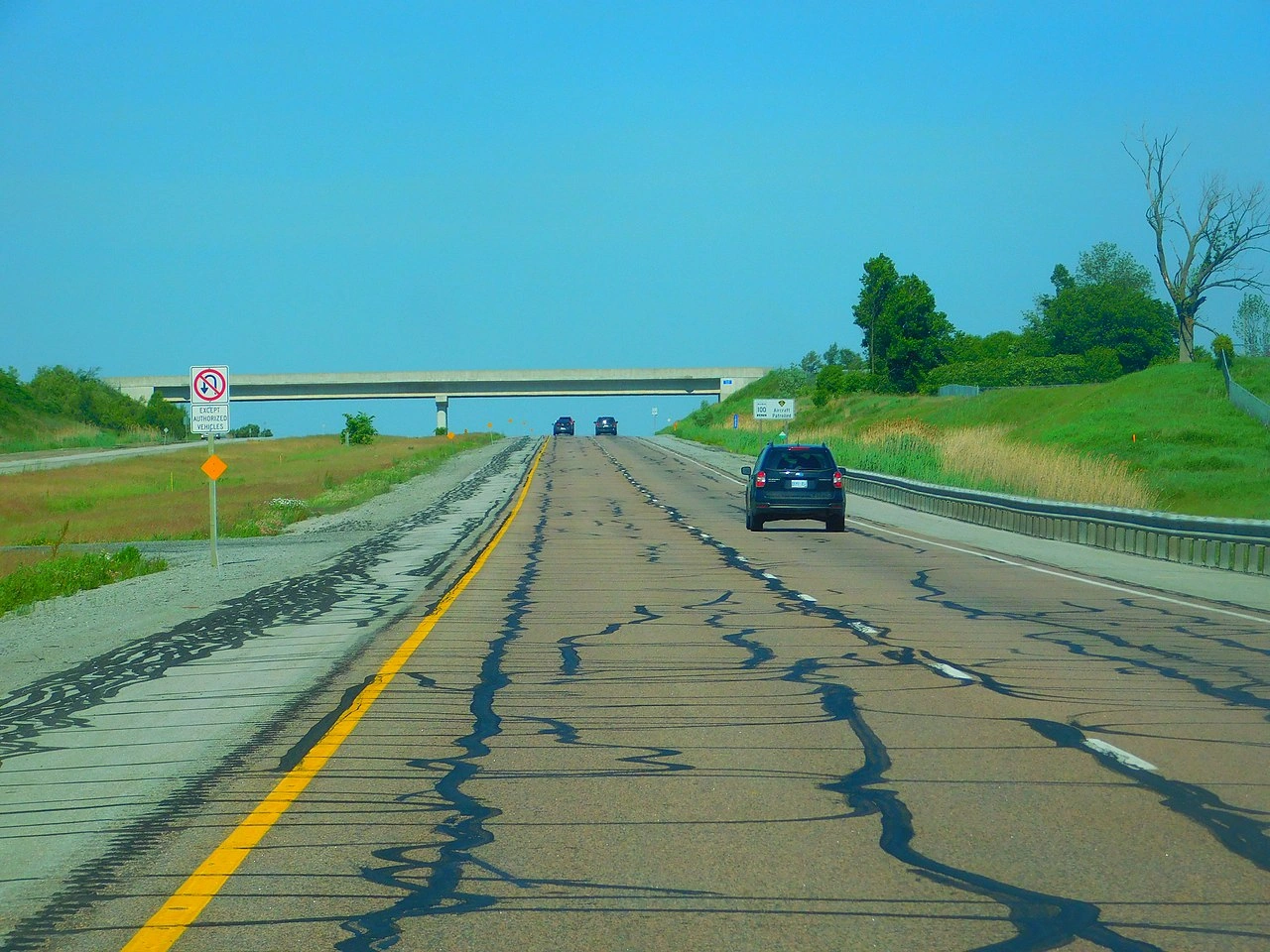
Wenden
What is a U-turn?

A U-turn is a manoeuvre used to reverse a vehicle's direction so that it continues along the road in the opposite direction.

What should you check before making a U-turn?

Check traffic in all relevant directions, mirrors and blind spots, and look for pedestrians, cyclists and other road users. Make sure there is sufficient visibility and space and that the manoeuvre is permitted.

Can you make a U-turn anywhere?

No. U-turns may be prohibited by traffic signs or road rules and should never be attempted where visibility, road layout or traffic conditions make the manoeuvre unsafe.

46. Umleitung

Eine Umleitung ist eine vorübergehende alternative Strecke, die genutzt wird, wenn die normale Straße gesperrt, blockiert oder nicht verfügbar ist. Umleitungen werden häufig bei Straßenarbeiten, Unfällen, öffentlichen Veranstaltungen, Überschwemmungen oder anderen Störungen eingerichtet. Fahrer sollten den vorübergehenden Wegweisern aufmerksam folgen, bei Bedarf die Geschwindigkeit verringern und mit unbekannten Straßen, veränderten Vorfahrtsregelungen oder zusätzlichem Verkehr auf der Ersatzstrecke rechnen.
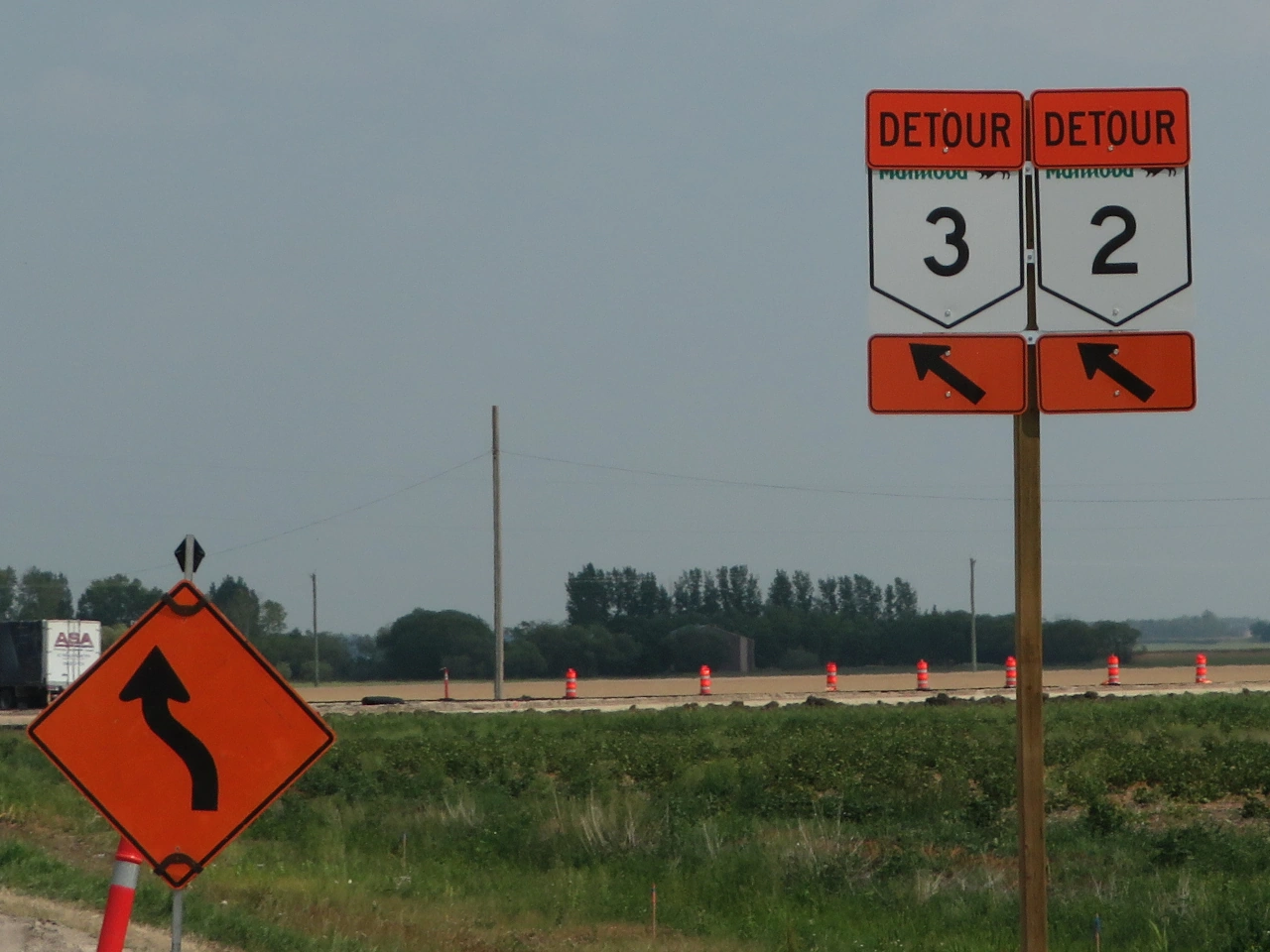
Umleitung
What is a detour?

A detour is an alternative route that directs traffic around a closed, blocked or restricted section of road.

Why are detours used?

Detours may be introduced because of roadworks, accidents, flooding, public events or other temporary obstructions that prevent normal use of the road.

Do you have to follow a detour?

Drivers must follow mandatory traffic signs and authorised traffic directions. A signed detour should be followed when the normal route is closed or restricted.

Are detours always temporary?

Most detours are temporary and remain in place only while the normal route is unavailable, although they can sometimes last for an extended period during major works.

Should you drive differently on a detour?

Yes. Detours may use unfamiliar or smaller roads, so drivers should reduce speed where necessary, watch for changed priorities and follow temporary signs carefully.

What is the difference between a detour and a diversion?

Detour and diversion generally describe the same concept: an alternative route around a road that cannot be used normally. The preferred term varies between countries and languages.

47. Ungeregelte Kreuzung

Eine ungeregelte Kreuzung ist eine Kreuzung, an der die Vorfahrt nicht ausdrücklich durch Ampeln, eine befugte Person oder vorfahrtregelnde Verkehrszeichen festgelegt ist. Fahrer müssen daher anhand der in dem jeweiligen Land geltenden allgemeinen Verkehrsregeln bestimmen, wer Vorfahrt hat.

Die Regel unterscheidet sich je nach Land und kann Vorfahrt von rechts, Vorfahrt von links oder eine andere allgemeine Vorfahrtsregel vorsehen. Fahrer sollten sich einer ungeregelten Kreuzung vorsichtig nähern, den Verkehr aus allen Richtungen beobachten und niemals annehmen, dass eine breitere oder stärker befahrene Straße automatisch Vorfahrt hat.
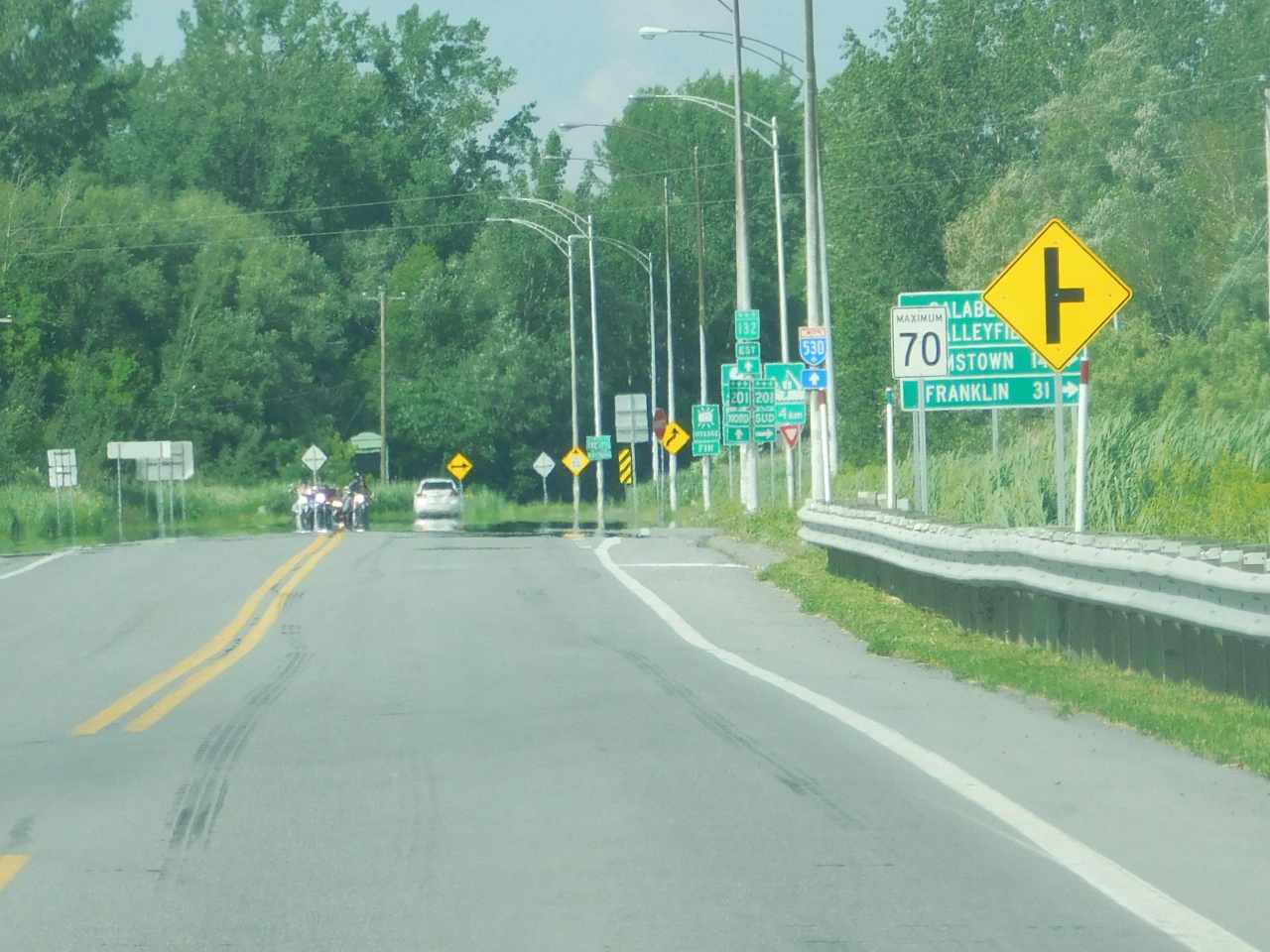
Ungeregelte Kreuzung
What is an uncontrolled crossroad?

An uncontrolled crossroad is an intersection where priority is not specifically assigned by traffic lights, an authorised person or priority signs. Drivers must use the default priority rules of the country.

Who has priority at an uncontrolled crossroad?

This depends on the local traffic law. Some countries use priority from the right, while others use different rules. Drivers should know the default intersection rule of the country in which they are driving.

Does the wider road automatically have priority?

Not necessarily. The width, surface or amount of traffic on a road does not by itself determine priority unless local law specifically provides otherwise.

Should you slow down at an uncontrolled crossroad?

Yes. Approach at a speed that allows you to observe approaching traffic, determine who has priority and stop safely if necessary.

Do cyclists have to follow the priority rules at an uncontrolled crossroad?

Yes. Cyclists generally follow the applicable intersection priority rules unless a specific cycle facility, sign or local rule provides otherwise.

Does driving straight ahead automatically give you priority?

No. Continuing straight ahead does not automatically give priority over traffic approaching on another road. The applicable priority rules must still be followed.

Does turning right or left change the priority rules?

Turning may create additional obligations, particularly towards pedestrians, cyclists or opposing traffic. Drivers must follow both the intersection priority rule and the rules governing the intended turn.

What if two vehicles reach an uncontrolled crossroad at the same time?

Apply the country's default priority rule. Do not rely simply on which vehicle appears to have arrived first unless local law specifically uses that rule.

What if the traffic lights at an intersection are not working?

The intersection is not necessarily completely uncontrolled. Priority signs, road markings and default priority rules may still determine who must give way. Drivers should approach with particular caution.

What should you do if you are unsure who has priority?

Reduce speed and be prepared to stop. Never force your way through an intersection simply because the priority situation is unclear.

48. Fahrbahnschäden

Eine Warnung vor Fahrbahnschäden weist darauf hin, dass die Straße voraus uneben, beschädigt oder in schlechtem Zustand sein kann und dadurch Stabilität, Lenkung oder Bremsen eines Fahrzeugs beeinträchtigt werden können. Die Gefahr kann Bodenwellen, Vertiefungen, Schlaglöcher, beschädigten Belag oder andere Unebenheiten umfassen.

Fahrer sollten bei Bedarf die Geschwindigkeit verringern, ausreichend Abstand halten und auf unebenem Untergrund abruptes Lenken oder Bremsen vermeiden. Die genaue Bedeutung und Gestaltung des Warnzeichens unterscheiden sich je nach Land; daher sind die örtlichen Verkehrszeichen und Vorschriften zu beachten.
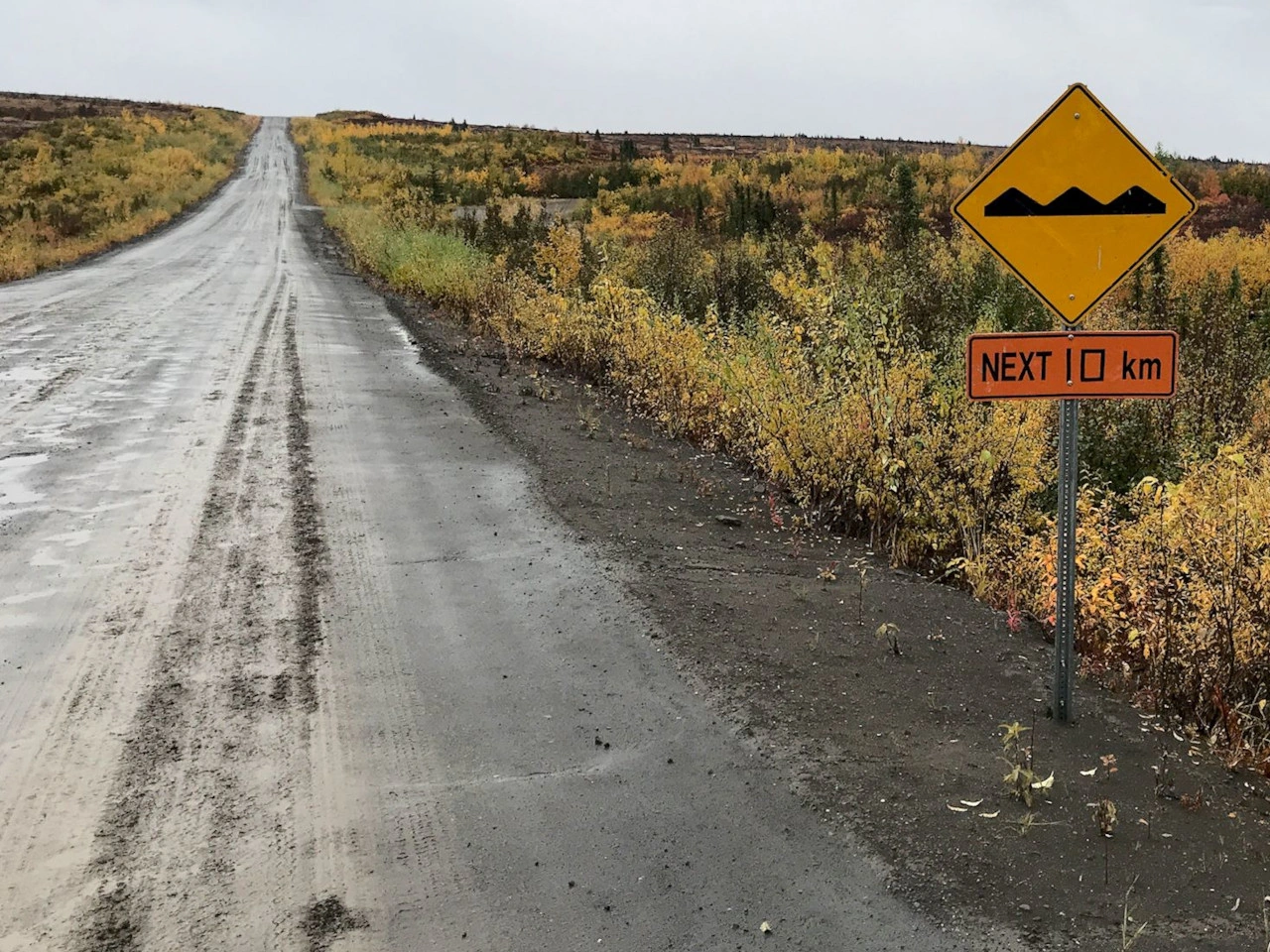
Fahrbahnschäden
What does a road surface warning mean?

A road surface warning indicates that the surface ahead may be uneven, damaged or otherwise capable of affecting the safe movement of vehicles.

What kinds of road defects can the warning indicate?

Depending on the country, it may warn of bumps, depressions, potholes, broken pavement, uneven repairs or other surface irregularities.

What should you do when you see a road surface warning?

Reduce speed where necessary, increase your awareness of the road ahead and be prepared for changes in the vehicle's stability or direction.

Does a road surface warning impose a specific speed limit?

Not normally. A warning sign alerts drivers to a hazard rather than establishing a numerical speed limit. A separate speed-limit sign may be used where a particular maximum speed is required.

Should you brake before reaching an uneven road surface?

Where slowing is necessary, it is generally safer to reduce speed before reaching the irregular surface rather than braking sharply while travelling over it.

Why can an uneven road surface be dangerous?

A severe surface irregularity can affect tyre contact, steering, braking and vehicle stability. It can also damage tyres, wheels or suspension components.

Are motorcycles and bicycles particularly affected by uneven surfaces?

Yes. Two-wheeled vehicles can be particularly sensitive to potholes, ridges and other irregularities because these hazards may disturb their balance or alter their direction suddenly.

Is an uneven-road warning the same as a slippery-road warning?

No. An uneven-road warning concerns the physical condition or shape of the road surface. A slippery-road warning concerns reduced tyre grip caused by the surface or conditions such as water, ice, mud or other substances.

Can the warning apply over a longer section of road?

Yes. A supplementary sign may indicate the distance to the hazard or the length of the affected section, depending on the country's traffic-sign system.

Should you increase your following distance on a poor road surface?

Yes, when conditions require it. Additional distance provides more time to react if the vehicle ahead slows suddenly to avoid a pothole or other surface defect.

49. Standstreifen

Ein Standstreifen ist ein Streifen neben den Hauptfahrstreifen einer Autobahn oder anderen Schnellstraße, der normalerweise vom regulären Verkehr freigehalten wird. Er bietet Platz für Fahrzeuge mit Panne oder in einer Notsituation und kann, soweit örtliche Regeln dies erlauben, auch von Einsatz- oder autorisierten Servicefahrzeugen genutzt werden.

Fahrer sollten einen Standstreifen nicht als normalen Fahrstreifen benutzen. Muss ein Fahrzeug dort wegen eines Notfalls anhalten, sollten die Insassen die geltenden Sicherheitsmaßnahmen befolgen und sich möglichst weit vom fließenden Verkehr entfernt aufhalten.
Standstreifen
What is an emergency lane?

An emergency lane is a lane or strip beside the normal traffic lanes that is primarily intended for emergencies, breakdowns and authorised vehicles.

Can you normally drive in an emergency lane?

No. Emergency lanes are generally not intended for ordinary traffic, although specific countries may permit their use in certain situations or when indicated by traffic signs or signals.

What should you do if your vehicle breaks down in an emergency lane?

Stop as far from moving traffic as safely possible, activate the hazard warning lights and follow the country's breakdown procedures. Occupants should avoid remaining close to moving traffic and move to a safer location when possible.

50. Vorläufiger Führerschein

Ein vorläufiger Führerschein erlaubt einem Fahrschüler, vor Erhalt des vollständigen Führerscheins auf öffentlichen Straßen zu üben. Die Bedingungen unterscheiden sich je nach Land und können festlegen, ob eine anerkannte Begleitperson mitfahren muss, welche Fahrzeuge geführt werden dürfen, wo und wann gefahren werden darf und wie lange der Führerschein gültig bleibt. Ein vorläufiger Führerschein unterliegt normalerweise strengeren Regeln als ein vollständiger Führerschein und dient ausdrücklich dem Lernen und Sammeln praktischer Fahrerfahrung.
Vorläufiger Führerschein
What is a provisional driving licence?

A provisional driving licence allows a learner driver to practise driving under specified conditions before obtaining a full driving licence.

Can you drive alone with a provisional licence?

This depends on the type of provisional licence and local rules. Some licences require an approved supervisor, while others allow the learner to practise alone after completing specified training.

How long is a provisional licence valid?

The validity period varies between countries and licence types. If it expires before the learner passes the practical exam, additional conditions may apply before another provisional licence can be obtained.

Can you drive abroad with a provisional licence?

Often not. A provisional licence may be valid only in the country that issued it. Learners should check the applicable rules before attempting to drive abroad.

Are there restrictions on when a learner may drive?

Yes, in some countries. Provisional licences may include restrictions on night driving, passengers, trailers, vehicle types or certain roads.

Do you need to display a learner sign?

Many countries require a learner vehicle to display an L plate or another learner-driver sign. The design and conditions vary by country.