


VerkehrszeichenTürkei
 Verkehrsregeln
 Türkei
26. Weg
Ein Weg ist eine relativ schmale Verkehrsverbindung, die für Fußgänger und, soweit erlaubt, andere Verkehrsteilnehmer oder kleine Fahrzeuge bestimmt ist. Wege können durch bebaute Gebiete, Landschaften, Parks oder Wälder führen oder andere Straßen miteinander verbinden und befestigt oder unbefestigt sein.
Ein Weg ist nicht zwangsläufig dasselbe wie ein Fußweg oder Radweg. Welche Verkehrsteilnehmer ihn benutzen dürfen, hängt von seinem rechtlichen Status, seiner Breite, den Verkehrszeichen und den örtlichen Vorschriften ab.

What is a path?
A path is a relatively narrow route intended primarily for pedestrians and, where permitted, other road users or small vehicles.
Is a path the same as a footpath?
Not necessarily. A footpath is specifically intended for pedestrians, while a path may also permit cyclists or other users according to local rules.
Is a path the same as a cycle path?
No. A cycle path is specifically designated for bicycles and other permitted users. An ordinary path does not automatically have that legal status.
Can cyclists use a path?
This depends on the legal status, width and signs applying to the path. Some paths permit cyclists, while others are reserved for pedestrians or particular users.
Can motor vehicles use a path?
This depends on local law. Some paths prohibit motor vehicles entirely, while narrow vehicles may be permitted on other paths unless traffic signs restrict access.
Can a path be part of the public-road network?
Yes. A narrow path can legally form part of the public-road network even when it is unsuitable for ordinary cars.
Does a path need to be paved?
No. Paths can be paved, gravelled, compacted or unsurfaced depending on their location and purpose.
Can traffic signs restrict access to a path?
Yes. Signs can reserve a path for particular road users or prohibit certain vehicles, regardless of whether they could physically fit on it.
Who has priority when a path joins a larger road?
The applicable local priority rules determine who must give way. Special rules often apply when a minor path joins an ordinary road.
Can pedestrians and cyclists share a path?
Yes, where both are permitted. Faster users should adapt their speed and avoid endangering or unnecessarily obstructing pedestrians.
Can a path cross another road?
Yes. At the crossing, users must follow the applicable priority signs, traffic lights, road markings and general right-of-way rules.
Is every narrow route legally a path?
No. Its legal classification depends on the definitions and regulations of the country concerned. A narrow route might instead be a footpath, cycle path, private access road or another type of facility.

27. Feinstaub
Partikel oder Feinstaub (PM) sind winzige feste Teilchen oder Flüssigkeitströpfchen, die in der Luft schweben. Im Straßenverkehr können Partikelemissionen aus Fahrzeugabgasen, Bremsenabrieb, Reifenabrieb und Straßenabrieb sowie aus Staub entstehen, der durch vorbeifahrende Fahrzeuge aufgewirbelt wird.
Feinstaub wird üblicherweise nach Partikelgröße eingeteilt. PM10 bezeichnet Teilchen mit einem Durchmesser von bis zu ungefähr 10 Mikrometern, während PM2.5 feinere Teilchen bis ungefähr 2,5 Mikrometer bezeichnet. Fahrzeugemissionsnormen, Partikelfilter und Maßnahmen zur Luftreinhaltung dienen dazu, die Belastung durch diese Schadstoffe zu verringern.

What are particulates?
Particulates, or particulate matter, are very small solid particles or liquid droplets suspended in the air.
What are PM10 and PM2.5?
PM10 refers to particles with a diameter of up to approximately 10 micrometres. PM2.5 refers to finer particles with a diameter of up to approximately 2.5 micrometres.
Where do traffic particulates come from?
Road traffic can produce particles through engine exhaust, brake wear, tyre wear and road-surface wear. Passing traffic can also resuspend dust already present on the road.
Are diesel vehicles a source of particulates?
Yes. Combustion in diesel engines can produce very small soot particles. Modern diesel vehicles commonly use particulate filters to capture a large proportion of these exhaust particles.
What is a particulate filter?
A particulate filter is an exhaust-treatment device designed to trap particulate matter produced by an engine. Diesel particulate filters are commonly known as DPFs.
Do petrol engines produce particulates?
Yes. Petrol engines can also produce particulate emissions, particularly certain direct-injection engines. Appropriate emission-control systems may therefore include particulate filters.
Do electric vehicles produce particulates?
Fully electric vehicles produce no exhaust particulates from a combustion engine, but particles can still result from tyre wear, road wear and braking.
Are brake and tyre particles regulated?
Vehicle-emission regulation is increasingly addressing non-exhaust emissions. The European Euro 7 framework includes requirements concerning brake-particle emissions and tyre abrasion.
Is particulate matter the same as CO2?
No. Particulate matter consists of tiny airborne particles, while carbon dioxide is a gas. They are different types of vehicle emissions and are regulated for different environmental reasons.
How can vehicle particulate emissions be reduced?
Measures include effective particulate filters, cleaner vehicle technologies, correctly maintained emission-control systems and reductions in brake, tyre and road-wear emissions.
28. Luftverschmutzung
Luftverschmutzung ist das Vorhandensein von Gasen, Partikeln oder anderen Stoffen in der Luft in Konzentrationen, die die menschliche Gesundheit, die Umwelt oder Ökosysteme schädigen können. Der Straßenverkehr trägt durch Abgasemissionen und nicht abgasbedingte Quellen wie Bremsenabrieb, Reifenabrieb und Straßenstaub zur Luftverschmutzung bei.
Zu wichtigen verkehrsbedingten Schadstoffen gehören Stickoxide, Feinstaub, Kohlenmonoxid und flüchtige organische Verbindungen. Manche Schadstoffe werden direkt von Fahrzeugen ausgestoßen, andere können durch chemische Reaktionen in der Atmosphäre entstehen. Fahrzeugemissionsnormen, sauberere Technologien und Verkehrsmanagementmaßnahmen werden eingesetzt, um diese Emissionen zu verringern.

What is air pollution?
Air pollution is contamination of the air by gases, particles or other substances that can adversely affect human health, the environment or ecosystems.
How does road traffic cause air pollution?
Vehicles produce pollutants through fuel combustion, exhaust systems, brake wear, tyre wear and road-surface interaction. Moving traffic can also resuspend dust already present on the road.
Which air pollutants are associated with road traffic?
Important traffic-related pollutants include nitrogen oxides, particulate matter, carbon monoxide and volatile organic compounds. Their relative importance depends on the vehicle, fuel and driving conditions.
What is nitrogen dioxide?
Nitrogen dioxide (NO2) is an air pollutant associated particularly with combustion processes and road traffic. High concentrations are commonly found near busy roads and densely trafficked urban areas.
What is particulate matter?
Particulate matter consists of tiny solid particles or liquid droplets suspended in the air. Road traffic can produce particles from exhaust, brakes, tyres and road surfaces.
Is CO2 the same as ordinary air pollution?
No. Carbon dioxide is primarily regulated as a greenhouse gas because of its contribution to climate change. Local air-quality pollution generally focuses on substances such as nitrogen dioxide, particulate matter, ozone and other pollutants that directly affect air quality and health.
Do electric vehicles cause air pollution?
Fully electric vehicles produce no combustion-engine exhaust emissions while driving, but they can still contribute to non-exhaust particulate emissions through tyres, brakes and road wear.
Can air pollution be worse near busy roads?
Yes. Concentrations of traffic-related pollutants can be higher close to heavily trafficked roads because many emissions occur close to ground level and near where people live and travel.
What is a low-emission zone?
A low-emission zone is an area where access by more polluting vehicles is restricted in order to reduce traffic-related air pollution. Access criteria may depend on factors such as fuel type, vehicle category and emission standard.
How can traffic-related air pollution be reduced?
Measures include cleaner vehicles, stricter emission standards, effective emission-control equipment, low-emission zones, public transport, cycling and walking, as well as traffic-management measures that reduce unnecessary congestion and emissions.
29. Hauptverkehrszeit
Die Hauptverkehrszeit ist ein Zeitraum, in dem Straßen und öffentliche Verkehrsnetze besonders stark ausgelastet sind, meist weil viele Menschen gleichzeitig zur Arbeit, zur Schule oder zu anderen regelmäßigen Zielen fahren beziehungsweise von dort zurückkehren. Sie tritt an Werktagen gewöhnlich morgens sowie am späten Nachmittag oder Abend auf.
Verkehr in der Hauptverkehrszeit kann zu Stau, geringeren Geschwindigkeiten, längeren Fahrzeiten und häufigem Anhalten führen. Fahrer sollten einen sicheren Abstand halten, geduldig bleiben, wechselnde Verkehrsbedingungen voraussehen und vorübergehende oder dynamische Verkehrsmanagementmaßnahmen beachten.

What is rush hour?
Rush hour is a period when unusually large numbers of people travel at the same time, resulting in increased traffic and often congestion.
When does rush hour occur?
Rush hour commonly occurs during the morning and late afternoon or evening on working days, but the exact times vary according to the city, road and local travel patterns.
Does rush hour always last one hour?
No. The term does not mean that congestion lasts exactly one hour. In busy urban areas, peak traffic conditions may continue for several hours.
Why does traffic become congested during rush hour?
Congestion develops when traffic demand approaches or exceeds the available road capacity. Intersections, merging traffic, collisions, roadworks and weather can make the congestion worse.
Should you increase your following distance in rush-hour traffic?
Yes. Leave sufficient distance to react to sudden braking and frequent changes in traffic speed. Avoid following another vehicle too closely even when traffic is moving slowly.
Should you frequently change lanes during congestion?
Unnecessary lane changes can create additional conflicts and may not significantly reduce journey time. Choose an appropriate lane, observe surrounding traffic and change lane only when it can be done safely.
Can speed limits change during rush hour?
Yes. Roads equipped with variable traffic management may display lower speed limits during congestion. Drivers must follow the speed limit currently indicated.
What is a rush-hour lane?
A rush-hour lane is an additional traffic lane that can be opened during busy periods to increase road capacity. It may use a lane or shoulder that is closed to normal traffic at other times.
Can you use a rush-hour lane whenever traffic is congested?
No. Such a lane may only be used when traffic signals or signs indicate that it is open. Never assume that congestion alone permits its use.
How can you prepare for a journey during rush hour?
Check current traffic conditions and expected journey times, allow additional travel time and consider an alternative route, departure time or mode of transport where appropriate.
30. Straßenverkehrsordnung
Eine Straßenverkehrsordnung ist eine Sammlung von Gesetzen und Verkehrsregeln, die festlegt, wie öffentliche Straßen genutzt werden. Sie enthält Vorschriften für Fahrer, Radfahrer, Fußgänger und andere Verkehrsteilnehmer und behandelt Themen wie Vorfahrt, Geschwindigkeit, Überholen, Parken, Ampeln, Verkehrszeichen und Fahrbahnmarkierungen.
Straßenverkehrsvorschriften unterscheiden sich zwischen Ländern und teilweise auch zwischen Regionen. Von jedem Verkehrsteilnehmer wird erwartet, dass er die Regeln kennt und befolgt, die am jeweiligen Aufenthaltsort gelten, auch wenn diese von den Regeln im Heimatland abweichen.
What is a road code?
A road code is the body of traffic rules and regulations governing how road users must behave on public roads.
What does a road code regulate?
A road code can regulate subjects such as priority, speed, overtaking, turning, parking, traffic signals, road signs and road markings, as well as the responsibilities of different road users.
Are road codes the same in every country?
No. Although many traffic rules and signs are similar internationally, each country establishes its own traffic legislation and may apply different rules, signs, speed limits and requirements.
31. Straßenrinne
Eine Straßenrinne ist eine schmale Rinne am Rand einer Straße, die Regenwasser sammelt und zu Abläufen oder anderen Entwässerungssystemen leitet. Sie liegt häufig zwischen Fahrbahn und Bordstein und kann aus Beton, Pflastersteinen oder einem Teil der Fahrbahnoberfläche bestehen.
Eine Straßenrinne ist in erster Linie eine Entwässerungseinrichtung und kein Fahrstreifen. Verkehrsteilnehmer sollten in ihrer Nähe vorsichtig sein, da sich dort Wasser, Schmutz, Ablauföffnungen oder unebene Oberflächen befinden können.

What is a street gutter?
A street gutter is a drainage channel along the edge of a road that collects rainwater and directs it toward drains or another drainage system.
Is a street gutter a traffic lane?
Normally, no. A gutter is primarily part of the road's drainage system and is not intended to function as a normal traffic lane.
Why should cyclists take care near street gutters?
Gutters may contain water, leaves, debris, drain covers or uneven surfaces, which can reduce grip or make cycling less stable.
32. Lastenfahrrad
Ein Lastenfahrrad ist ein Fahrrad, das für den Transport von Gütern, Kindern oder anderen größeren Lasten ausgelegt ist, als normalerweise mit einem herkömmlichen Fahrrad befördert werden können. Es kann eine Box oder Ladefläche vor oder hinter dem Fahrer, einen verlängerten Gepäckträger oder eine mehrspurige Bauweise haben.
Lastenfahrräder können vollständig durch den Fahrer angetrieben oder mit elektrischer Tretunterstützung ausgestattet sein. Zulässige Abmessungen, Fahrgastkapazität, Nutzung von Radwegen und Grenzen der elektrischen Unterstützung richten sich nach den örtlichen Verkehrs- und Fahrzeugvorschriften.

What is a cargo bike?
A cargo bike is a bicycle designed to carry goods, children or larger loads than a conventional bicycle.
What types of cargo bikes are there?
Common designs include two-wheel box bikes, three-wheel cargo bikes and longtail bicycles with an extended rear carrying area.
Can a cargo bike be electric?
Yes. Many cargo bikes use electric pedal assistance to make it easier to move heavier loads or travel longer distances.
Is an electric cargo bike still a bicycle?
It can be. If the electrical assistance remains within the applicable power and assistance-speed limits, the vehicle may remain legally classified as a bicycle. More powerful or faster models may belong to another category.
Can a cargo bike carry children?
Yes, when it is designed and equipped for passenger transport. Children should use the seats, restraints, foot protection or other safety equipment provided by the manufacturer and required by local law.
Can a cargo bike carry goods?
Yes. Transporting goods is one of its main purposes. Loads must be securely positioned and must not make the bicycle unstable, obstruct the rider's view or exceed applicable dimensional or weight limits.
Can a cargo bike use a cycle path?
This depends on its dimensions and legal classification. Ordinary-sized cargo bicycles generally follow bicycle rules, while unusually wide models may be excluded from certain cycle facilities.
Does a cargo bike need a driving licence?
Normally not when it remains legally classified as an ordinary bicycle or electrically assisted bicycle. Faster or more powerful vehicles may be subject to different licensing requirements.
Is a helmet compulsory on a cargo bike?
This depends on the country's bicycle rules and the vehicle's classification. A model legally classified as a faster motorised vehicle may have different helmet requirements from an ordinary cargo bicycle.
Should you ride differently when a cargo bike is heavily loaded?
Yes. Additional weight can affect acceleration, braking, steering and stability. Reduce speed where necessary, allow greater stopping distance and take particular care when turning.
Can a cargo bike tow a trailer?
Yes, where permitted. The bicycle, trailer and total load must comply with the applicable dimensional, mass, braking and passenger-transport requirements.
Why should drivers take care around cargo bikes?
Cargo bikes can be longer, wider and heavier than ordinary bicycles and may need additional space when turning or stopping. Drivers should leave sufficient passing distance and avoid cutting across their path.
33. Forstfahrzeug
Ein Forstfahrzeug ist ein Fahrzeug, das für Arbeiten im Zusammenhang mit Forstwirtschaft und Waldbewirtschaftung konstruiert, ausgerüstet oder angepasst ist. Es kann zum Ziehen von Maschinen, zum Transport von Holz und Geräten oder für Arbeiten wie Ernte, Rückung und Pflege von Waldflächen eingesetzt werden.
Forstfahrzeuge können Traktoren, spezielle selbstfahrende Maschinen, Anhänger und austauschbare Geräte umfassen. Zulassung, Führerscheinanforderungen, Höchstgeschwindigkeit, Straßenzugang und technische Anforderungen hängen von der rechtlichen Einstufung des Fahrzeugs und den örtlichen Verkehrsvorschriften ab.
What is a forestry vehicle?
A forestry vehicle is a vehicle designed or adapted for forestry work, such as pulling machinery, carrying equipment, transporting timber or working on forest land.
Is a forestry vehicle always a tractor?
No. Forestry vehicles can include tractors, specialised self-propelled machines, trailers and other equipment. Their legal classification depends on their design and use.
What is a forestry tractor?
A forestry tractor is a powered vehicle primarily designed to pull, push, carry or operate equipment or trailers used for forestry work.
Can forestry vehicles travel on public roads?
Yes, when legally permitted and properly equipped. Registration, insurance, lighting, dimensions, speed and driving-licence requirements may apply before a forestry vehicle can use public roads.
Do you need a special driving licence for a forestry vehicle?
This depends on the vehicle classification, mass and country. Some countries have special agricultural or forestry vehicle licence categories, while other machines require ordinary car or heavy-vehicle licences.
Do forestry vehicles have special speed limits?
They may. The permitted speed can depend on the vehicle's construction speed, mass, road type and local traffic rules. Posted speed limits must also be respected.
Can forestry vehicles use motorways?
This depends on the country and vehicle classification. Agricultural and forestry vehicles are often restricted from high-speed roads, particularly when their construction speed is unsuitable for motorway traffic.
Why should drivers take care when passing a forestry vehicle?
Forestry vehicles can be large, slow, wide or equipped with projecting machinery. Reduce speed where necessary and overtake only when there is sufficient visibility and space.
Can a forestry vehicle tow a trailer?
Yes, where the vehicle is designed and approved to do so. Forestry tractors commonly tow trailers carrying timber, machinery or other forestry materials.
Can forestry equipment extend beyond the normal width of the vehicle?
Some machinery or loads may make a forestry vehicle unusually wide or long. Where legal limits are exceeded, special markings, lighting, permits or escort arrangements may be required under local law.
34. Baufahrzeug
Ein Baufahrzeug ist ein Fahrzeug oder eine mobile Maschine, die für Arbeiten im Zusammenhang mit Bau, Straßenarbeiten, Erdarbeiten, Hebearbeiten oder Materialtransport konstruiert oder angepasst ist. Beispiele sind Bagger, Lader, Planierraupen, Straßenwalzen, Mobilkräne, Muldenkipper und Betonmischer.
Baufahrzeuge unterscheiden sich stark in Größe, Geschwindigkeit und rechtlicher Einstufung. Manche sind gewöhnliche Straßenfahrzeuge, andere Spezialmaschinen, die hauptsächlich für Baustellen bestimmt sind. Bei Fahrten auf öffentlichen Straßen müssen sie die geltenden Zulassungs-, Führerschein-, Beleuchtungs-, Abmessungs-, Gewichts-, Geschwindigkeits- und Verkehrsregeln einhalten.

What is a construction vehicle?
A construction vehicle is a vehicle or mobile machine used for construction, excavation, lifting, roadworks or transporting construction materials.
What are examples of construction vehicles?
Examples include excavators, wheel loaders, bulldozers, road rollers, mobile cranes, dump trucks and concrete mixers.
Is every construction vehicle legally the same type of vehicle?
No. A construction vehicle may legally be classified as a truck, mobile machine, special-purpose vehicle or another vehicle category depending on its design and use.
Can construction vehicles travel on public roads?
Yes, when the vehicle is legally permitted and suitably equipped for road use. Some machines are designed mainly for construction sites and may be subject to special restrictions when travelling on public roads.
Do you need a driving licence for a construction vehicle?
This depends on the vehicle category, mass, speed and local law. Heavy trucks, mobile cranes and specialised machines may require different licence categories.
Do construction vehicles have special speed limits?
They may. A vehicle's design speed, mass, tyres, suspension and legal classification can result in a lower permitted speed than that applying to ordinary cars.
Why should you take extra care near construction vehicles?
Construction vehicles can be large, slow and difficult to manoeuvre and may have significant blind spots. They may also turn, reverse or enter a construction site unexpectedly.
What do flashing amber lights on a construction vehicle mean?
Flashing amber lights generally warn other road users that the vehicle is working, moving slowly or creating an unusual obstruction or hazard. They do not normally give the vehicle the same priority as an emergency vehicle.
Can a construction vehicle be wider or heavier than an ordinary vehicle?
Yes. Some construction machinery exceeds normal vehicle dimensions or masses. Special permits, route restrictions, warning equipment or escorts may then be required.
What should you do when passing a construction vehicle?
Reduce speed where necessary and leave sufficient space. Be aware of blind spots, projecting equipment, wide turns and workers who may be present nearby.
35. Sattelzug
Ein Sattelzug ist eine Fahrzeugkombination aus einer Sattelzugmaschine und einem Sattelanhänger, die hauptsächlich dem Gütertransport dient. Der Sattelanhänger ist so mit der Zugmaschine verbunden, dass ein wesentlicher Teil seines Gewichts von der Zugmaschine getragen wird und nicht ausschließlich von seinen eigenen Rädern.
Sattelzüge werden häufig im Fernverkehr eingesetzt und können Container, Kühlgut, Flüssigkeiten, Schüttgut oder andere Ladung transportieren. Besondere Vorschriften können für Führerscheine, höchstzulässige Abmessungen und Massen, Geschwindigkeitsbegrenzungen, Fahrstreifennutzung, Überholen, Beladung sowie Lenk- und Ruhezeiten gelten.

What is a semi-trailer truck?
A semi-trailer truck consists of a powered road tractor coupled to a semi-trailer primarily used to transport goods.
What is a semi-trailer?
A semi-trailer is a trailer designed so that part of the trailer and a significant part of its load are supported by the towing tractor.
What is the difference between a semi-trailer and an ordinary trailer?
An ordinary trailer generally supports its own weight through its axles, while a semi-trailer transfers a substantial vertical load to the tractor through its coupling.
How is a semi-trailer connected to the tractor?
The semi-trailer is normally connected through a kingpin and fifth-wheel coupling mounted behind the tractor cab.
Why are semi-trailer trucks called articulated vehicles?
The tractor and semi-trailer are connected by a pivoting coupling, allowing the two parts to turn relative to each other when the combination changes direction.
Do you need a special licence to drive a semi-trailer truck?
Yes. Heavy articulated trucks normally require a heavy-goods-vehicle licence that also authorises the driver to tow a heavy trailer or semi-trailer. The precise licence categories differ between countries.
Do semi-trailer trucks have lower speed limits?
They often do. Many countries impose vehicle-specific maximum speeds on heavy goods vehicles, particularly on motorways and other high-speed roads.
Why do semi-trailer trucks need more space to turn?
The semi-trailer's rear wheels follow a tighter path than the tractor's front wheels. Drivers therefore need additional space when turning, particularly at narrow intersections.
Why should you leave extra distance behind a semi-trailer truck?
Large trucks can restrict your view of traffic ahead and require considerable stopping distance. Keeping an appropriate following distance improves visibility and reaction time.
Why should you take care when driving beside a semi-trailer truck?
Large trucks have substantial blind spots around the cab and trailer. Avoid remaining beside the vehicle unnecessarily and be particularly careful when the truck is turning or changing lane.
36. Oberleitungsbus
Ein Oberleitungsbus ist ein elektrisch angetriebener Bus, der seine Energie normalerweise über oberhalb der Straße verlaufende elektrische Leitungen und am Fahrzeug angebrachte Stromabnehmer erhält. Anders als eine Straßenbahn fährt ein Oberleitungsbus auf gewöhnlichen Straßenrädern und wird vom Fahrer gelenkt, statt von Schienen geführt zu werden.
Oberleitungsbusse dienen in der Regel dem öffentlichen Personenverkehr und können Busspuren, Haltestellen und andere Einrichtungen des öffentlichen Verkehrs nutzen. Manche modernen Oberleitungsbusse verfügen zusätzlich über Batterien oder Hilfsantriebe, mit denen sie kurze Strecken ohne Verbindung zur Oberleitung fahren können.

What is a trolleybus?
A trolleybus is an electrically powered bus that normally receives electricity from overhead wires while travelling on ordinary road wheels.
Is a trolleybus the same as a tram?
No. A tram runs on rails and follows the path of its tracks. A trolleybus has ordinary tyres and is steered like a conventional bus.
Is a trolleybus an electric bus?
Yes. A trolleybus uses an electric motor, but unlike a battery-electric bus it traditionally receives most or all of its operating power from overhead electrical wires.
How does a trolleybus receive electricity?
Electrical current is normally collected from overhead wires through poles or another current-collection system mounted on the vehicle.
Can a trolleybus drive without overhead wires?
Some trolleybuses can. Modern vehicles may have batteries or auxiliary motors that allow limited operation away from the overhead wiring.
Can a trolleybus change lane?
Yes. Because it is steered rather than rail-guided, a trolleybus can move sideways within the range permitted by its overhead electrical connection and road layout.
Can trolleybuses use bus lanes?
Yes, where local rules permit. Trolleybuses operating public-transport services can normally use infrastructure reserved for authorised buses and public transport.
Do trolleybuses have priority when leaving stops?
This depends on the local traffic law. Some countries require other drivers to allow public-transport buses, including trolleybuses, to leave designated stops.
Should drivers slow down near a stopped trolleybus?
Yes. Passengers may be boarding, leaving or crossing the roadway. Drivers should approach carefully and give passengers sufficient space where required.
Does a trolleybus produce exhaust emissions?
A trolleybus operating entirely on electric power produces no combustion-engine exhaust emissions at the vehicle. Non-exhaust emissions from tyres, brakes and road wear can still occur.
37. Speed-Pedelec
Ein Speed-Pedelec ist ein schnelles elektrisch unterstütztes Fahrrad, dessen Motor die Tretunterstützung über die gewöhnliche Unterstützungsgrenze von Elektrofahrrädern hinaus fortsetzen kann, typischerweise bis ungefähr 45 km/h. Es besitzt Pedale und ist in erster Linie dafür ausgelegt, den Fahrer beim Treten zu unterstützen.
Wegen seiner höheren Geschwindigkeit kann ein Speed-Pedelec rechtlich anders behandelt werden als ein gewöhnliches Fahrrad oder Elektrofahrrad. Je nach Land können besondere Vorschriften zu Mindestalter, Führerschein, Helm, Zulassung, Versicherung, Radwegnutzung und zulässigen Straßen gelten.

What is a speed pedelec?
A speed pedelec is an electrically assisted pedal cycle capable of providing motor assistance at higher speeds than an ordinary electric bicycle, commonly up to approximately 45 km/h.
What is the difference between a speed pedelec and an ordinary electric bicycle?
An ordinary electrically assisted bicycle normally stops providing motor assistance at a lower speed, commonly around 25 km/h. A speed pedelec can continue assisting the rider at higher speeds.
Do you still have to pedal a speed pedelec?
Normally yes. A speed pedelec is primarily designed to provide assistance while the rider pedals, although limited walking or starting assistance may also be provided.
Can a speed pedelec travel at 45 km/h?
Many speed pedelecs are designed to provide assistance up to approximately 45 km/h. The actual permitted speed must still comply with the local speed limit and traffic conditions.
Do you need a driving licence for a speed pedelec?
This depends on the country's legal classification. Some countries classify speed pedelecs similarly to mopeds and require an appropriate driving licence.
Is a helmet compulsory on a speed pedelec?
Helmet requirements vary between countries, but because speed pedelecs travel considerably faster than ordinary bicycles, specific helmet requirements commonly apply.
Does a speed pedelec need a licence plate?
In countries where speed pedelecs are classified as mopeds or another motor-vehicle category, registration and a licence plate may be compulsory.
Does a speed pedelec need insurance?
This depends on its technical characteristics and local law. Some jurisdictions require motor-vehicle liability insurance, while others exempt pedal-assisted speed pedelecs under specified conditions.
Can a speed pedelec use a cycle path?
This depends on the country, road speed limit and traffic signs. Speed pedelecs may be permitted, required or prohibited on particular cycle paths.
Can a speed pedelec use a motorway?
Speed pedelecs are generally unsuitable for motorways and are commonly prohibited where mopeds or low-speed vehicles are not permitted. Follow the local access rules.
Can you carry a passenger on a speed pedelec?
This depends on the vehicle's construction and local rules. Where passengers are permitted, the speed pedelec must be designed and equipped to carry them safely.
Is a speed pedelec the same as an electric moped?
No. A speed pedelec is primarily designed to provide pedal assistance, while an electric moped can normally propel itself without requiring the rider to pedal. Their legal classifications may nevertheless be closely related.
38. Lieferfahrzeug
Ein Lieferfahrzeug ist ein Fahrzeug, das zum Transport und zur Auslieferung von Waren, Paketen, Lieferungen oder anderen Gegenständen an Haushalte, Unternehmen oder andere Ziele verwendet wird. Je nach Art und Menge der Güter können Lieferfahrzeuge Lieferwagen, Lkw, Pkw, Motorräder, Lastenfahrräder und andere Fahrzeuge sein.
Lieferfahrzeuge müssen die normalen Verkehrsregeln ihrer Fahrzeugkategorie sowie besondere Vorschriften zu Be- und Entladen, Zufahrtsbeschränkungen, Parken, Fahrzeugabmessungen und Umweltzonen beachten. Eine Lieferberechtigung erlaubt einem Fahrzeug nicht automatisch, überall zu halten oder zu parken.

What is a delivery vehicle?
A delivery vehicle is a vehicle used to transport goods, parcels, supplies or other items to a particular destination.
Is a delivery vehicle always a van or truck?
No. Deliveries can be made using vans, trucks, cars, motorcycles, cargo bicycles or other suitable vehicles.
Can a delivery vehicle stop to load or unload goods?
Yes, where stopping is legally permitted. Many traffic systems distinguish genuine loading or unloading from ordinary parking when the vehicle remains only for the time necessary to perform the activity.
Can a delivery driver wait in a loading area?
A loading area is intended for active loading or unloading. Remaining there after the delivery activity has finished may constitute parking and may therefore violate the applicable restrictions.
Can delivery vehicles use restricted streets?
Sometimes. Traffic signs may provide an exception for deliveries, loading and unloading or local access. The driver must comply with any times, vehicle restrictions or other conditions shown.
Can delivery vehicles enter pedestrian zones?
Only where local rules or signs specifically allow delivery access. Access may be limited to certain hours, and vehicles may be required to travel at very low speed and give priority to pedestrians.
Can a delivery vehicle park on a pavement or cycle path while unloading?
Not automatically. Loading or unloading does not override general stopping restrictions or rules protecting pavements, cycle paths and other road users.
Can a delivery vehicle use hazard warning lights while illegally stopped?
No. Hazard warning lights warn other road users but do not make an otherwise prohibited stopping or parking position legal.
Can delivery vehicles be restricted by low-emission zones?
Yes. Vans and trucks may be subject to low-emission-zone requirements based on factors such as fuel type, vehicle category and emission standard.
Should drivers take extra care around delivery vehicles?
Yes. Delivery vehicles may stop frequently, reverse, open doors or move between the roadway and loading areas. Other road users should allow sufficient space and anticipate pedestrians or workers moving around the vehicle.
39. Leerlauf
Leerlauf bedeutet, dass der Motor eines Fahrzeugs weiterläuft, während das Fahrzeug steht und der Motor nicht zum Bewegen des Fahrzeugs genutzt wird. Dies kann beim Warten, Parken, Be- oder Entladen oder vor Fahrtbeginn vorkommen.
Unnötiger Leerlauf verbraucht Kraftstoff und verursacht Abgase, Luftverschmutzung und Lärm. Viele Länder oder örtliche Behörden beschränken längeres oder unnötiges Laufenlassen des Motors; Ausnahmen können jedoch gelten, wenn der Motor aus Sicherheitsgründen, für technische Geräte oder aus einem anderen notwendigen Grund benötigt wird.
What is idling?
Idling means keeping a vehicle's engine running while the vehicle remains stationary and the engine is not being used to propel it.
Why should unnecessary idling be avoided?
Unnecessary idling uses fuel, produces exhaust emissions and creates noise without moving the vehicle.
Is idling illegal everywhere?
No. Rules differ between countries and local authorities. Some prohibit unnecessary idling generally, while others restrict it only in particular locations or circumstances.
Does an idling engine still produce exhaust emissions?
Yes. A combustion engine continues to produce exhaust gases while running even though the vehicle is not moving.
Does idling use fuel?
Yes. A combustion engine consumes fuel while it remains running, even when the vehicle is stationary.
Should you leave the engine running while waiting for someone?
Where it is safe and legal to switch the engine off, unnecessary prolonged idling should generally be avoided. Local rules may specifically require the engine to be switched off.
Is waiting at a red traffic light the same as parking with the engine idling?
No. A vehicle temporarily prevented from moving by traffic conditions is different from a vehicle voluntarily parked or waiting. The rules concerning engine shutdown may therefore differ.
Can an engine remain running when vehicle equipment needs power?
Some laws provide exceptions when the engine is genuinely required to operate refrigeration, hydraulic equipment, emergency equipment or another essential system. The precise exceptions depend on local law.
Should you rev the engine while stationary?
Unnecessary engine revving should be avoided because it increases noise, fuel consumption and emissions. It may also be specifically prohibited by local traffic or noise regulations.
Do electric vehicles idle?
Not in the conventional combustion-engine sense. An electric vehicle can remain stationary while switched on without an internal-combustion engine running, although electrical systems such as heating or air conditioning may still consume energy.
40. Abschleppwagen
Ein Abschleppwagen ist ein Spezialfahrzeug zum Bergen, Abschleppen, Anheben oder Transportieren von Fahrzeugen, die eine Panne haben, beschädigt sind, falsch geparkt wurden oder ihre Fahrt aus einem anderen Grund nicht normal fortsetzen können. Abschleppwagen können Hebevorrichtungen, Seilwinden, Radheber oder Ladeplattformen verwenden.
Da Fahrzeugbergungen neben fließendem Verkehr stattfinden können, verwenden Abschleppwagen während der Arbeit häufig Warnleuchten und andere Sicherheitsausrüstung. Fahrer, die sich einer Bergungsstelle nähern, sollten bei Bedarf langsamer fahren, ausreichend Abstand halten und vorübergehende Verkehrsregelungen oder Anweisungen befugter Personen befolgen.
What is a tow truck?
A tow truck is a specialised vehicle designed to recover, tow, lift or transport vehicles that are disabled, damaged or otherwise need to be removed.
How can a tow truck move another vehicle?
Tow trucks may use a wheel lift, lifting arm, winch, towing equipment or loading platform. The recovery method depends on the type and condition of the vehicle being moved.
What is a flatbed tow truck?
A flatbed tow truck carries the recovered vehicle on a loading platform rather than leaving some of its wheels on the road.
When is a tow truck used?
A tow truck may be used after a breakdown, collision, vehicle defect or other situation in which a vehicle cannot safely continue or must be removed.
Why do tow trucks use flashing warning lights?
Warning lights alert other road users that the tow truck is working, moving slowly or creating an unusual roadside hazard. The meaning and permitted colour of the lights depend on local law.
Do flashing lights give a tow truck emergency-vehicle priority?
Not necessarily. Warning lights used for vehicle recovery usually indicate a hazard rather than giving the tow truck the same legal priority as a police car, ambulance or fire vehicle.
Can any vehicle tow a broken-down car?
This depends on the local towing rules and equipment. Emergency towing may be permitted under limited conditions, while professional recovery vehicles can use specialised equipment designed for the task.
Can a tow truck recover a vehicle from a motorway?
Yes, where authorised and suitably equipped. Motorway recovery may be subject to special safety procedures because of the high traffic speeds and restricted stopping areas.
Should you slow down when passing a working tow truck?
Yes. Recovery personnel may be working close to live traffic and vehicles or equipment may occupy part of the roadway. Reduce speed where necessary and leave sufficient space.
Can a tow truck recover heavy trucks and buses?
Yes, if it is designed and rated for the vehicle concerned. Heavy recovery vehicles use specialised lifting and towing equipment for trucks, buses and other large vehicles.
41. Allradantrieb
Allradantrieb, häufig als 4WD oder 4x4 bezeichnet, ist ein Antriebssystem, das Kraft an alle vier Räder eines Fahrzeugs übertragen kann. Dadurch kann auf Oberflächen wie Schnee, Schlamm, Schotter, Sand oder unebenem Gelände zusätzliche Traktion entstehen.
Allradsysteme können dauerhaft arbeiten oder automatisch beziehungsweise manuell zugeschaltet werden, wenn zusätzliche Traktion erforderlich ist. Allradantrieb kann die Fähigkeit eines Fahrzeugs verbessern, sich auf rutschigem oder schwierigem Untergrund fortzubewegen, ersetzt aber nicht geeignete Reifen, eine sichere Geschwindigkeit und vorsichtiges Bremsen und Lenken.

What is four-wheel drive?
Four-wheel drive is a drivetrain system that can send power to all four wheels of a vehicle rather than only the front or rear wheels.
What does 4x4 mean?
4x4 normally indicates a vehicle with four wheels of which all four can be driven by the powertrain.
Is four-wheel drive the same as all-wheel drive?
The terms 4WD and AWD are sometimes used interchangeably, but manufacturers often use them for different types of system. Traditional 4WD systems commonly provide selectable driving modes, while AWD systems often distribute power automatically.
Does four-wheel drive improve traction?
Yes. Sending power to more wheels can improve traction when accelerating on snow, mud, gravel, sand or other low-grip surfaces.
Does four-wheel drive shorten braking distance?
Not automatically. Braking performance depends primarily on the tyres, road surface, speed, braking system and vehicle condition. Four-wheel drive should not encourage a driver to travel faster on slippery roads.
Does a four-wheel-drive vehicle still need suitable tyres?
Yes. The tyres provide the contact between the vehicle and road. Four-wheel drive cannot compensate for tyres that are unsuitable, excessively worn or incorrectly inflated.
Can four-wheel drive help in snow?
Yes. It can improve the ability to move away and climb on snow-covered roads, but safe braking and cornering still depend heavily on tyre grip and appropriate speed.
Can a four-wheel-drive vehicle drive off-road?
Some 4x4 vehicles are designed for off-road use, but four-wheel drive alone does not make every vehicle suitable for difficult terrain. Ground clearance, tyres, suspension and the drivetrain design are also important.
Can you use four-wheel drive on dry roads?
This depends on the type of drivetrain. Permanent or automatic systems are designed for normal road use, while some selectable 4WD systems should only be engaged under particular conditions. Follow the manufacturer's instructions.
Does four-wheel drive increase towing capacity?
It can improve traction when towing, but the legally and technically permitted trailer mass is determined by the vehicle's approved towing limits and local regulations, not simply by the presence of four-wheel drive.
42. Fahrrad
Ein Fahrrad ist ein Fahrzeug mit zwei oder mehr Rädern, das hauptsächlich durch den Fahrer mittels Pedalen oder Handkurbeln angetrieben wird. Fahrräder werden für Verkehr, Freizeit, Sport sowie für den Transport kleiner Lasten oder von Fahrgästen verwendet, wenn sie entsprechend ausgerüstet sind.
Manche Fahrräder verfügen über einen Elektromotor, der den Fahrer beim Treten unterstützt. Ob ein elektrisch unterstütztes Fahrrad rechtlich weiterhin als Fahrrad gilt, hängt von Motorleistung, Unterstützungsgeschwindigkeit und örtlichen Vorschriften ab. Radfahrer müssen die für Fahrräder geltenden Verkehrsregeln, Zeichen, Signale und Benutzungsvorschriften beachten.
What is a bicycle?
A bicycle is a wheeled vehicle primarily propelled by the rider using pedals or hand cranks.
Is an electric bicycle still a bicycle?
It can be. Electrically assisted bicycles that remain within specified power and assistance-speed limits are commonly treated as bicycles. Faster or more powerful vehicles may be classified differently.
Where should cyclists ride?
Cyclists should use cycle paths, cycle lanes or the roadway according to the local traffic rules and signs. The required position varies between countries and road types.
Must cyclists use a cycle path?
This depends on the country and type of cycle facility. Some cycle paths are compulsory, while others are optional.
Do bicycles need lights?
Yes, when required by local law. Bicycles commonly need a white or yellow light at the front and a red light at the rear during darkness or poor visibility.
Do bicycles need brakes?
Yes. A bicycle used on public roads must have an effective braking system appropriate to its design and local technical requirements.
Is a bicycle helmet compulsory?
This varies between countries. Some require helmets for all cyclists or particular age groups, while others recommend helmets without making them compulsory.
Can a bicycle carry a passenger?
Yes, where the bicycle is appropriately equipped and local law permits it. A passenger should use a proper seat and any other required safety equipment.
Can cyclists ride side by side?
This depends on local law and the road conditions. Many countries allow two cyclists to ride beside each other in certain circumstances but require single-file riding when necessary for safety or traffic flow.
Is someone walking a bicycle still a cyclist?
In many traffic systems, a person who dismounts and walks the bicycle by hand is treated as a pedestrian. The exact legal definition depends on local law.
43. Motorradausrüstung
Motorradausrüstung umfasst sowohl die Schutzausrüstung von Fahrer und Mitfahrer als auch die am Motorrad vorhandene Sicherheitsausrüstung. Zur persönlichen Ausrüstung gehören häufig Helm, Schutzkleidung, Handschuhe, Stiefel und Augenschutz, während das Motorrad selbst je nach örtlichem Recht unter anderem Leuchten, Bremsen, Spiegel, Reifen und Blinker benötigt.
Welche Ausrüstung gesetzlich vorgeschrieben ist, unterscheidet sich zwischen Ländern und Motorradkategorien. Fahrer sollten vor Fahrtantritt sicherstellen, dass sowohl ihre Schutzausrüstung als auch das Motorrad geeignet, korrekt verwendet und in sicherem Zustand sind.

What equipment should a motorcyclist use?
Motorcyclists should use appropriate protective equipment, commonly including a helmet, gloves, protective jacket and trousers, and footwear that protects the feet and ankles.
Is a motorcycle helmet compulsory?
Helmet requirements depend on local law, although approved motorcycle helmets are compulsory in many countries. The helmet should fit correctly and be used in a way that preserves its protective function.
Why is protective motorcycle clothing important?
Protective clothing can reduce injuries caused by impact, abrasion and contact with the road surface. Purpose-designed motorcycle clothing may also include impact protectors for vulnerable parts of the body.
Why should motorcyclists wear gloves?
Gloves help protect the hands and wrists against abrasion, weather and impact and can also improve grip on the motorcycle controls.
Why are motorcycle boots important?
Suitable boots provide protection for the feet and ankles and can reduce injuries caused by impact, abrasion or the motorcycle falling onto the rider.
Does a motorcycle passenger need protective equipment?
Yes. Passengers are exposed to many of the same risks as riders and should use appropriate protective equipment. Local law may require the passenger to wear the same helmet and clothing as the rider.
What safety equipment must a motorcycle have?
A road-legal motorcycle normally requires functioning brakes, tyres, lights, reflectors, mirrors, a horn and other prescribed equipment. Exact technical requirements vary between countries and motorcycle categories.
Should motorcycle lights be checked before riding?
Yes. Check that the headlight, rear light, brake light and direction indicators work correctly where fitted or required. Motorcycle visibility is especially important because motorcycles can be difficult for other road users to detect.
Should motorcycle tyres be checked regularly?
Yes. Check tyre condition, tread and pressure regularly. Because motorcycles rely on two relatively small tyre contact areas, damaged or incorrectly inflated tyres can significantly affect stability, steering and braking.
Should motorcycle equipment be checked before every journey?
A brief check of the tyres, brakes, lights, controls, mirrors and general condition of the motorcycle can help identify problems before riding. Protective equipment should also be correctly fitted and in usable condition.
44. Gleis
Ein Gleis besteht aus zwei Schienen, die Straßenbahnen, Züge oder andere Schienenfahrzeuge führen. Gleise können neben einer Straße verlaufen, sie kreuzen oder direkt in die Fahrbahn eingebettet sein, sodass Schienenfahrzeuge und andere Verkehrsteilnehmer denselben Bereich nutzen.
Verkehrsteilnehmer sollten in der Nähe von Gleisen besonders vorsichtig sein, da Schienenfahrzeuge Hindernissen nicht ausweichen können und einen erheblichen Bremsweg benötigen. Fahrer, Radfahrer und Fußgänger müssen die geltenden Vorfahrtsregeln, Ampeln, Warnzeichen und Querungsregeln beachten und dürfen Gleise nicht unnötig blockieren.

What is a track?
A track consists of rails that guide trams, trains or other rail vehicles. Tracks may be separated from ordinary traffic or incorporated into a road.
Can tram tracks run along an ordinary road?
Yes. Tram tracks may be embedded in the carriageway and share part of the road with other traffic, depending on the local road layout and traffic rules.
Who has priority when a road crosses tram tracks?
The applicable priority rules vary between countries, but rail vehicles commonly receive special priority because they cannot leave their tracks. Always obey traffic lights, signs and local rules.
Can you drive on tram tracks?
This depends on the road layout and local regulations. Tracks incorporated into an ordinary traffic lane may sometimes be used by other vehicles, while reserved tram tracks or separate railway tracks may not.
Can you stop or park on railway or tram tracks?
You should never stop or park where your vehicle would obstruct a rail vehicle. Local traffic law may specifically prohibit stopping or parking on or close to tracks.
Why are tracks dangerous for cyclists and motorcyclists?
Wheels can slip on wet rails or become trapped in the groove beside a rail. Riders should cross tracks carefully and, where possible, at an angle that reduces the risk of a wheel following the rail groove.
Should you follow a tram closely?
No. Maintain sufficient distance so that you can react safely if the tram stops, passengers enter the roadway or traffic conditions change.
Can pedestrians cross tram tracks?
Yes, where crossing is permitted, but pedestrians should carefully check for approaching rail vehicles and obey pedestrian lights and crossing restrictions.
Is a tram track the same as a railway level crossing?
No. Tram tracks can be incorporated directly into a street or carriageway. A railway level crossing is a specific place where a road or path crosses railway tracks, usually with dedicated warning signs or signals.
What should you do if traffic stops while you are crossing tracks?
Do not enter a track crossing unless there is enough space to clear it completely. Never deliberately stop where a tram or train could be blocked.
45. Wohnwagen
Ein Wohnwagen ist ein ziehbarer Anhänger, der während Reisen oder beim Camping vorübergehend als Unterkunft dient. Er enthält gewöhnlich Schlafmöglichkeiten und kann außerdem Koch-, Sitz-, Stauraum-, Wasch- oder Toiletteneinrichtungen besitzen.
Beim Ziehen eines Wohnwagens sollten Fahrer sicherstellen, dass er korrekt angekuppelt, sicher beladen und innerhalb der zulässigen Anhänge- und Gewichtsgrenzen betrieben wird. Ein Wohnwagen verändert Länge, Gewicht, Fahrverhalten und Anhalteweg der Fahrzeugkombination.

What is a caravan?
A caravan is a trailer designed to be towed by another vehicle and used as temporary accommodation while travelling or camping.
Is a caravan a trailer?
Yes. A towable caravan is a type of trailer and is therefore subject to the applicable rules for trailers as well as any specific rules concerning caravans.
What should you check before towing a caravan?
Check that the caravan is properly coupled, correctly loaded and secured and that the towing vehicle, trailer and driver comply with the applicable weight, equipment and driving-licence requirements.
46. Anhänger
Ein Anhänger ist ein Fahrzeug, das von einem anderen Fahrzeug gezogen wird, anstatt sich aus eigener Kraft fortzubewegen. Anhänger werden zum Transport von Gütern, Ausrüstung, Booten, Wohnwagen oder anderen Lasten eingesetzt und können sich stark in Größe und Gewicht unterscheiden.
Fahrer, die einen Anhänger ziehen, sollten sicherstellen, dass er korrekt angekuppelt, ordnungsgemäß beladen und für das Zugfahrzeug geeignet ist. Der Anhänger kann Länge, Gewicht, Anhalteweg und den beim Abbiegen benötigten Raum der Fahrzeugkombination vergrößern.
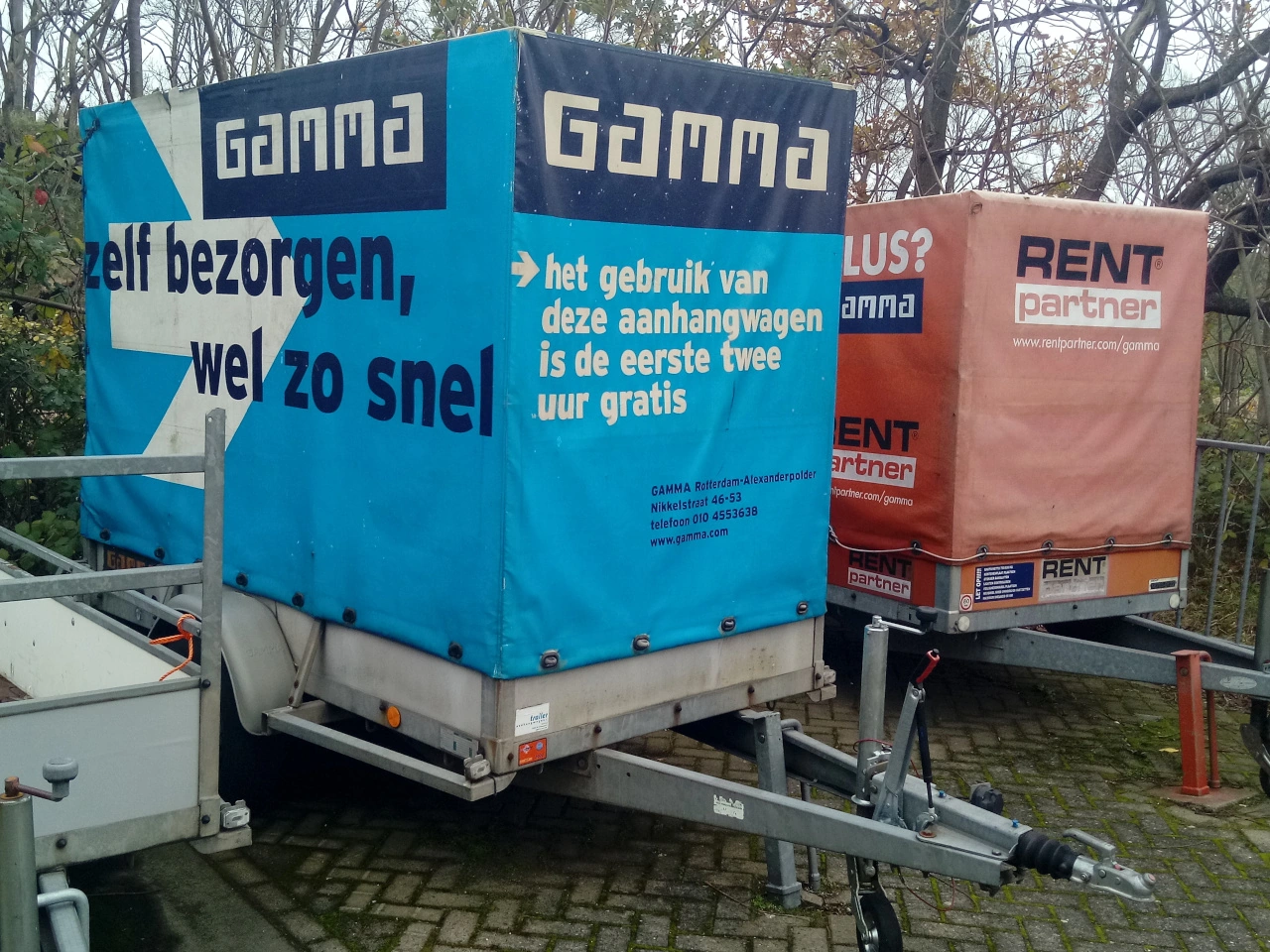
What is a trailer?
A trailer is a vehicle designed to be pulled by another vehicle rather than propelled by its own motor.
What can trailers be used for?
Trailers can transport goods, equipment, vehicles, boats or other loads and can also include caravans designed for accommodation.
What should you check before towing a trailer?
Check that the trailer is properly coupled, correctly loaded and secured and that the towing vehicle, trailer and driver meet the applicable weight, equipment and licensing requirements.
47. Anhängerkupplung
Eine Anhängerkupplung, auch Zugvorrichtung oder Kupplungseinrichtung genannt, ist eine am Fahrzeug angebrachte Vorrichtung, mit der ein Anhänger, Wohnwagen oder anderes ziehbares Fahrzeug sicher verbunden werden kann. Pkw verwenden häufig eine Kugelkupplung, während schwerere Fahrzeuge andere Arten mechanischer Kupplungen nutzen können.
Anhängerkupplung und Zugfahrzeug müssen für den Anhänger und die auftretenden Lasten geeignet sein. Fahrer müssen die genehmigte Anhängelast des Fahrzeugs, die Grenzwerte der Kupplung, die Anhängermasse sowie geltende Führerschein-, Brems- und Sicherheitsvorschriften einhalten.

What is a tow hitch?
A tow hitch is a mechanical coupling fitted to a vehicle so that a trailer, caravan or other towable vehicle can be attached.
What is a tow ball?
A tow ball is the ball-shaped part of a common passenger-car towing system onto which the trailer coupling is secured.
Can every car have a tow hitch?
No. The vehicle must be approved or technically suitable for the coupling and intended towing load. Some vehicles have limited or no approved towing capacity.
Does fitting a tow hitch automatically mean you may tow any trailer?
No. You must respect the towing vehicle's approved towing capacity, the hitch rating, trailer limits and the driving-licence rules applying to the combination.
What is the maximum load on a tow hitch?
The permitted load depends on the vehicle and coupling. The coupling normally has specified maximum towing and vertical-load ratings that must not be exceeded.
What is nose weight?
Nose weight is the downward vertical force that a trailer applies to the towing vehicle through the coupling. It must remain within the limits specified for the vehicle, hitch and trailer.
Can a tow hitch be removable?
Yes. Tow hitches may be fixed, detachable or retractable. Detachable systems must be correctly installed and securely locked before towing.
Can a tow hitch be used for a bicycle carrier?
Yes, if the hitch and carrier are designed for that purpose. The permitted vertical load and vehicle manufacturer's restrictions must still be respected.
Does a trailer need a secondary safety connection?
Depending on the trailer's braking system and local law, a safety cable, chain or breakaway system may be required in addition to the main coupling.
What should you check before towing?
Check that the coupling is fully engaged and locked, the safety connection is correctly attached, the electrical connector works and the trailer lights and brakes operate correctly where required.
48. Feuerwehrfahrzeug
Ein Feuerwehrfahrzeug ist ein Einsatzfahrzeug der Feuerwehr und des Rettungsdienstes, das Feuerwehrleute, Löschmittel, Rettungsausrüstung oder Wasser zu Bränden, Unfällen und anderen Notfällen transportiert. Unterschiedliche Feuerwehrfahrzeuge können für Brandbekämpfung, technische Rettung, Arbeiten in großer Höhe oder andere Spezialaufgaben ausgelegt sein.
Bei einem Notfalleinsatz kann ein Feuerwehrfahrzeug Warnleuchten und eine Sirene verwenden und besondere Vorrechte oder Ausnahmen von bestimmten Verkehrsregeln haben. Andere Verkehrsteilnehmer müssen die örtlichen Regeln für Einsatzfahrzeuge befolgen, ausreichend Platz schaffen und ihre Durchfahrt nicht behindern.

What is a fire truck?
A fire truck is an emergency vehicle used by firefighters to respond to fires, collisions, rescues and other emergencies. It may carry firefighters, water, ladders and specialised rescue equipment.
When does a fire truck have priority?
This depends on the local traffic laws and emergency signals being used. Fire trucks responding to urgent incidents commonly use flashing warning lights and a siren to indicate that other road users must make way.
What should you do when a fire truck approaches?
Make sufficient space and allow it to pass. Slow down or stop where necessary, but avoid sudden manoeuvres that could endanger other road users or block the emergency vehicle.
Should you enter an intersection to make way for a fire truck?
Do not create another dangerous situation. Make room in a safe and controlled manner and follow any directions given by police, firefighters or other authorised personnel.
Can a fire truck pass a red traffic light?
Emergency vehicles may be permitted to pass a red light during an urgent response under special legal conditions. The precise rules and precautions required vary between countries.
Can a fire truck exceed the speed limit?
Many countries allow emergency vehicles to depart from certain speed restrictions while carrying out an urgent mission. Emergency drivers must nevertheless take appropriate precautions and comply with the applicable emergency-driving rules.
Can a fire truck use lanes that ordinary traffic cannot use?
Emergency vehicles may sometimes use emergency lanes, restricted lanes or other parts of the road during urgent missions when local law permits it.
Can you follow a fire truck through traffic?
You should not follow closely or use the path created for the fire truck to bypass traffic. Maintain a safe distance and continue to obey the normal traffic rules.
Do fire trucks always use their sirens?
No. Warning lights and sirens are generally used according to the urgency of the mission and local law. A fire-service vehicle travelling on a non-urgent assignment may operate without emergency signals.
What should you do near a stationary fire truck?
Reduce speed and remain alert. Firefighters, hoses, equipment or other emergency personnel may be on or near the roadway, and temporary traffic restrictions may be in place.
49. Sirene
Eine Sirene ist eine laute Warneinrichtung, die Aufmerksamkeit erregen und darauf hinweisen soll, dass sich ein Einsatz- oder bevorrechtigtes Fahrzeug nähert. Sirenen sind häufig an Krankenwagen, Feuerwehr- und Polizeifahrzeugen angebracht und können wechselnde Töne erzeugen, damit sie schnell erkannt werden.
Nähert sich ein Einsatzfahrzeug mit eingeschalteter Sirene, sollten Verkehrsteilnehmer aufmerksam bleiben, feststellen, aus welcher Richtung das Fahrzeug kommt, und ihm sicher Platz zum Vorbeifahren schaffen. Die genauen Vorfahrtsregeln und die zulässige Verwendung von Sirenen unterscheiden sich zwischen Ländern.

What is a siren?
A siren is a powerful audible warning device used primarily by emergency or priority vehicles to alert other road users of their approach.
Which vehicles commonly use sirens?
Sirens are commonly used by ambulances, fire engines, police vehicles and other authorised emergency vehicles.
What should you do when you hear an emergency siren?
Stay alert, determine where the emergency vehicle is approaching from and make room for it to pass safely according to the traffic rules of the country.
50. Konvoi
Ein Konvoi ist eine Gruppe von Fahrzeugen, die organisiert gemeinsam fährt und gewöhnlich derselben Route und demselben Ziel folgt. Konvois können aus gewöhnlichen Fahrzeugen, Militärfahrzeugen, Schwertransporten oder Fahrzeugen einer organisierten Fahrt bestehen.
Fahrer in einem Konvoi sollten einen sicheren Abstand halten, die geltenden Verkehrsregeln befolgen und anderen Verkehr nicht behindern. Die Teilnahme an einem Konvoi verleiht Fahrzeugen nicht automatisch besondere Vorrechte, sofern keine speziellen gesetzlichen Regelungen, Begleitfahrzeuge oder Verkehrsmaßnahmen gelten.

What is a convoy?
A convoy is an organised group of vehicles travelling together along the same route.
Do vehicles in a convoy automatically have priority?
No. An ordinary convoy does not automatically have priority over other traffic. Special rules may apply to military convoys, exceptional transports or officially escorted groups.
Should vehicles in a convoy maintain a safe distance?
Yes. Drivers should maintain sufficient distance from the vehicle ahead so they can react safely and so that other traffic can interact with the convoy where permitted.