


Traffic signsAustralia
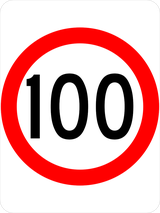 Traffic rules
 Australia
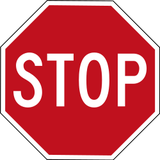 Priority signs
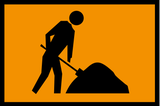 Warning signs
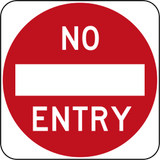 Prohibitory signs
 Mandatory signs
 Information signs
Traffic signs
A traffic sign is a standardised visual symbol placed along roads to guide, warn, or regulate drivers, cyclists, and pedestrians. These signs provide essential information about road conditions, rules, directions, and potential hazards, helping to ensure safety and smooth traffic flow. They come in various shapes and colours—such as triangular warning signs, circular prohibitory or mandatory signs, and rectangular information signs—each designed for quick recognition and clear understanding.
How are traffic signs grouped in Australia?
Check the relevant state or territory. The NSW handbook distinguishes regulatory signs, warnings and information/guidance.
🔗 nsw.gov.au • Australia, NSW official road-user guidance — traffic-signs
Is a temporary speed limit at roadworks binding in Australia?
New South Wales example: Where an authorised temporary regulatory speed limit is in force, you must obey it. A roadworks warning alone should not be mistaken for a new numerical limit, but conditions may require driving more slowly.
🔗 nsw.gov.au • Australia, NSW official road-user guidance — traffic-signs

51. End of the speed limit
This traffic sign indicates the end of the previously indicated speed limit. From this point, follow any newly posted limit or the applicable default speed rules for the road and vehicle category.
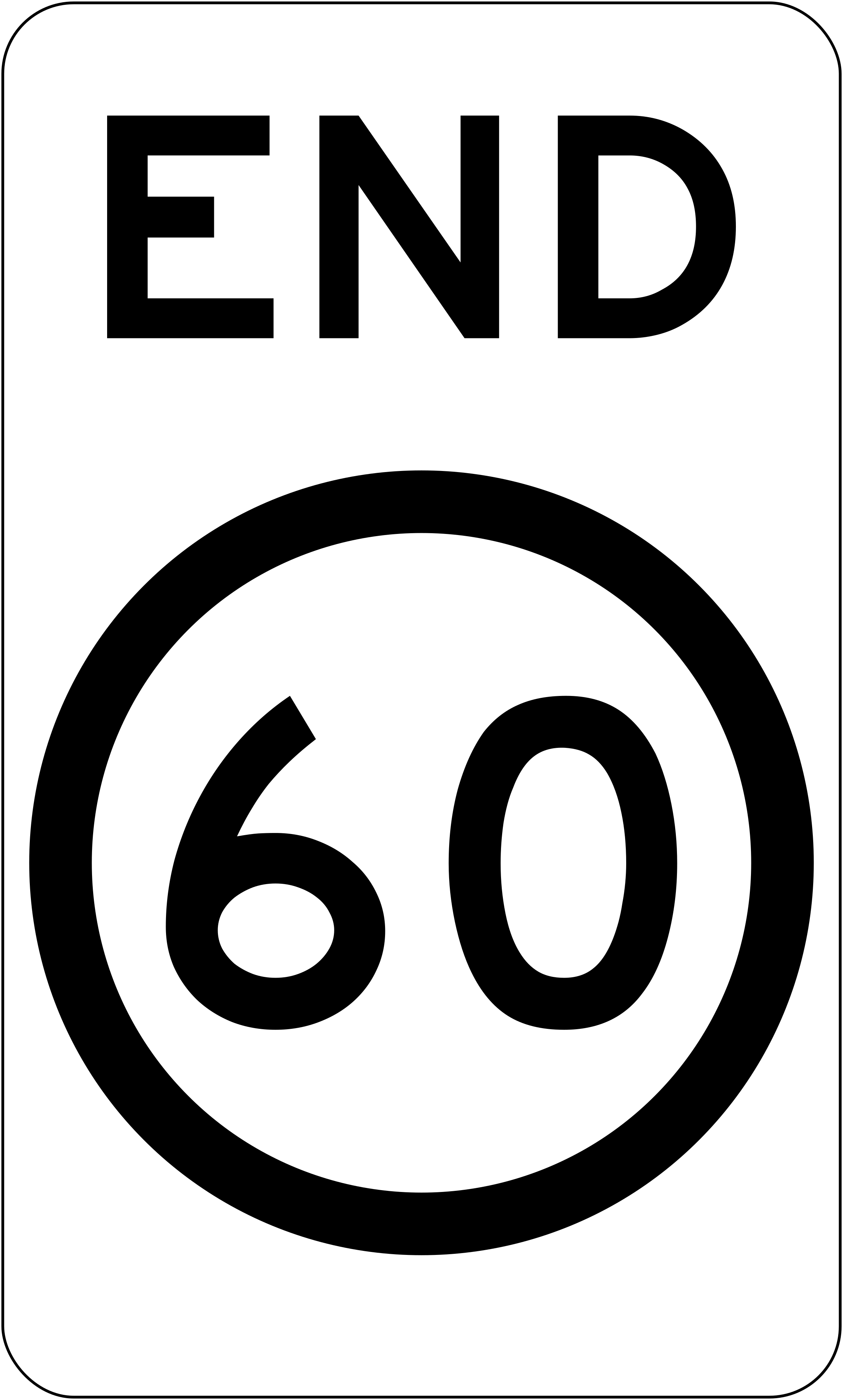
English • Model rule 21 • end speed-limit sign • End of 60 km/h limit. The signed 60 km/h limit ends here. Follow any other applicable speed restriction or the default limit under the local rules. State and territory rules and exceptions apply.
Sources
🔗 Commons.wikimedia.org
🔗 Pcc.gov.au • Australian Road Rules • model law • rule21; Schedule2p307
🔗 Legislation.qld.gov.au • Queensland Road Rules • local legislation example
SVG source: Standards Australia • Public domain • Original revision 2020-03-21. Wikimedia original unmodified.
52. Start of a zone with speed limit
This traffic sign indicates the start of a zone with a speed limit. The displayed speed limit applies throughout the zone according to the applicable zonal rules, until the zone is ended or another rule replaces it.
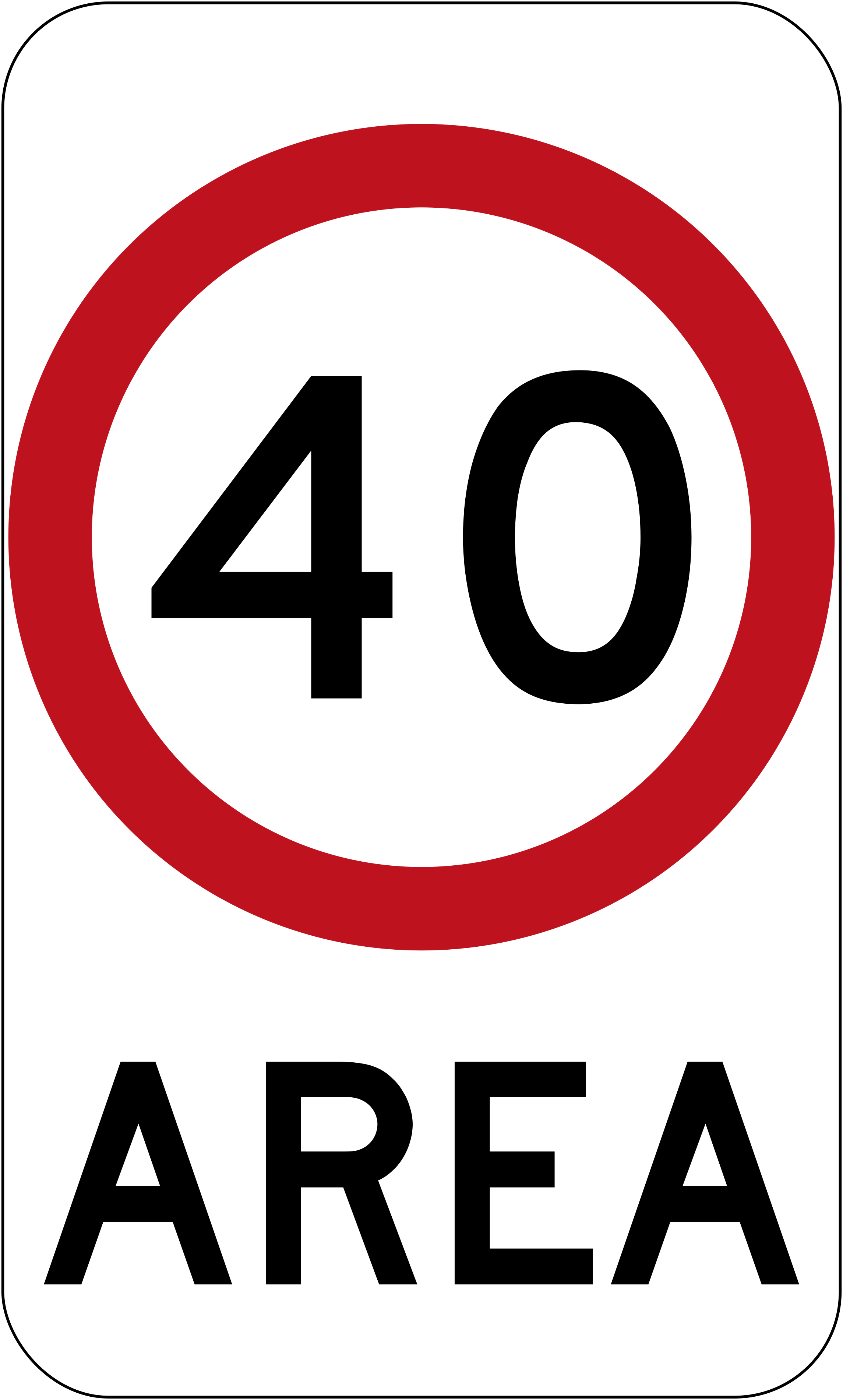
English • Model rule 22 • area speed-limit sign • 40 km/h area. A 40 km/h speed-limited area begins. The limit applies through the area unless another applicable restriction sets a different limit. State and territory rules and exceptions apply.
Sources
🔗 Commons.wikimedia.org
🔗 Pcc.gov.au • Australian Road Rules • model law • rule22; Schedule2p303
🔗 Legislation.qld.gov.au • Queensland Road Rules • local legislation example
SVG source: Standards Australia • Public domain • Original revision 2020-03-22. Wikimedia original unmodified.
53. End of the zone with speed limit
This traffic sign indicates the end of the zone with a speed limit. The zonal speed limit ends at this point. Follow any newly posted limit or the applicable default speed rules.
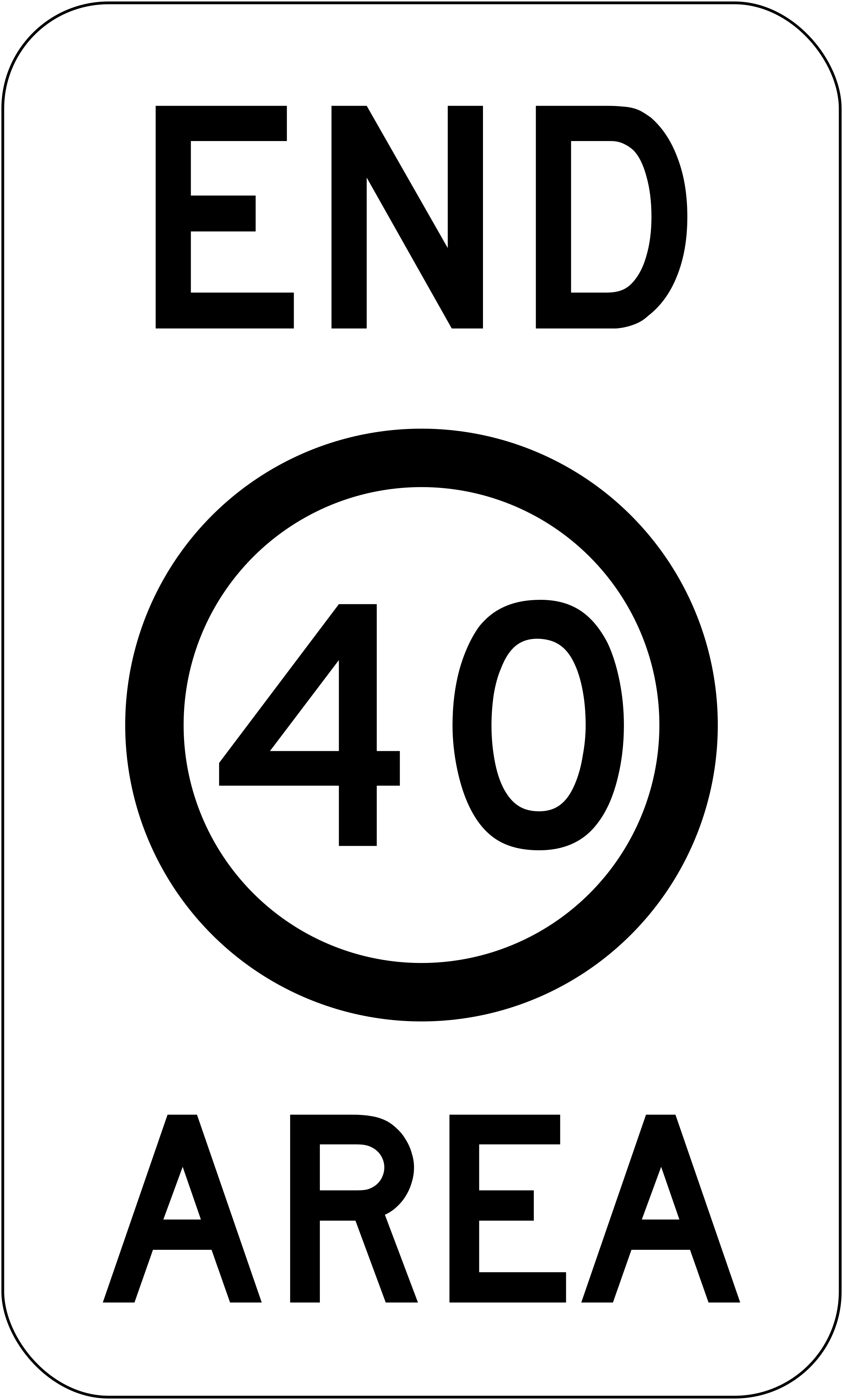
English • Model rule 22 • end area speed-limit sign • End of 40 km/h area. The 40 km/h area ends here. Follow the next applicable speed restriction or the local default limit. State and territory rules and exceptions apply.
Sources
🔗 Commons.wikimedia.org
🔗 Pcc.gov.au • Australian Road Rules • model law • rule22; Schedule2p304
🔗 Legislation.qld.gov.au • Queensland Road Rules • local legislation example
SVG source: Standards Australia • Public domain • Original revision 2020-03-22. Wikimedia original unmodified.
54. Parking prohibited
This traffic sign indicates that parking is prohibited. Vehicles may not be parked in the area covered by the sign unless an exception applies. Brief stopping to pick up or drop off passengers or to load or unload goods may still be permitted where local rules allow it.
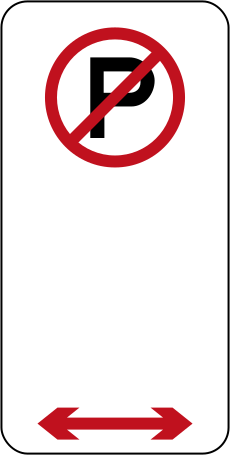
English • Model rule 168 • no parking sign • No parking. No parking in either direction along the signed length. Brief pick-up or set-down of passengers or goods may be allowed under the local rules; remain close to the vehicle and leave promptly. State and territory rules and exceptions apply.
Sources
🔗 Commons.wikimedia.org
🔗 Pcc.gov.au • Australian Road Rules • model law • rule168; Schedule2p311
🔗 Legislation.qld.gov.au • Queensland Road Rules • local legislation example
SVG source: Standards Australia • Public domain • Original revision 2015-10-04. Wikimedia original unmodified.
55. Start of no-parking zone
This traffic sign indicates the start of a no-parking zone. The parking prohibition applies throughout the zone according to the applicable zonal rules until the zone is ended or another rule replaces it.
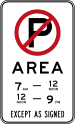
English • Model rules 168 and 335 • no parking area sign • No parking area. No parking in this area from 7 am to noon and noon to 9 pm, except where other signs permit it. Any brief pick-up or set-down must meet the local no-parking rules. State and territory rules and exceptions apply.
Sources
🔗 Commons.wikimedia.org
🔗 Pcc.gov.au • Australian Road Rules • model law • rules168,335; Schedule2p311
🔗 Legislation.qld.gov.au • Queensland Road Rules • local legislation example
SVG source: Government of Queensland • Public domain • Original revision 2012-10-08. Wikimedia original unmodified.
56. End of no-parking zone
This traffic sign indicates the end of the no-parking zone. The zonal parking prohibition ends at this point. Other parking restrictions or conditions may still apply.
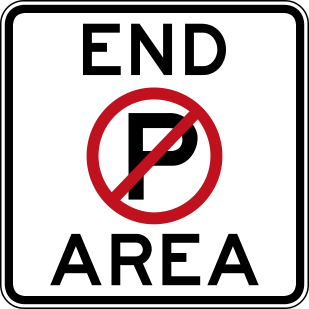
English • Model rule 335 • end no parking area sign • End of no parking area. The area-wide no-parking restriction ends. Other parking signs and general parking rules still apply. State and territory rules and exceptions apply.
Sources
🔗 Commons.wikimedia.org
🔗 Pcc.gov.au • Australian Road Rules • model law • rule335; Schedule2p306
🔗 Legislation.qld.gov.au • Queensland Road Rules • local legislation example
SVG source: Government of Queensland • Public domain • Original revision 2012-10-10. Wikimedia original unmodified.
57. Turning left mandatory
This traffic sign indicates that turning left is mandatory at the junction ahead. Traffic must turn left and may not continue straight ahead or turn right.
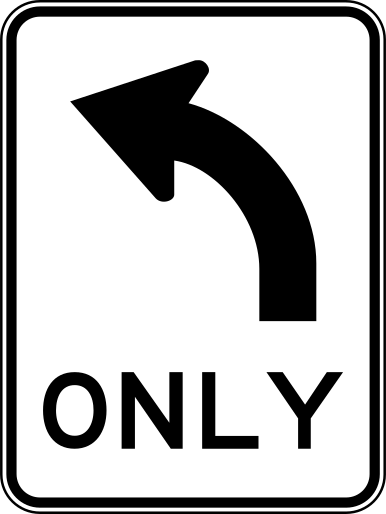
English • Model rule 88 • left turn only sign • Left turn only. All traffic approaching this sign must turn left at the intersection. State and territory rules and exceptions apply.
Sources
🔗 Commons.wikimedia.org (Cassowary • GFDL 1.2 or later • no Invariant Sections or Cover Texts)
🔗 Pcc.gov.au • Australian Road Rules • model law • rule88; Schedule2p309
🔗 Legislation.qld.gov.au • Queensland Road Rules • local legislation example
Image via Commons.wikimedia.org
Cassowary • GFDL • Source revision 2012-10-11. Wikimedia original unmodified.
58. Turning right mandatory
This traffic sign indicates that turning right is mandatory at the junction ahead. Traffic must turn right and may not continue straight ahead or turn left.
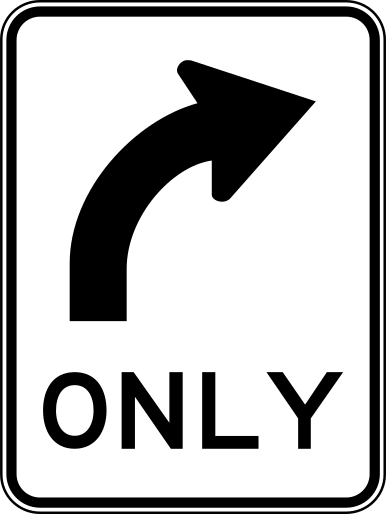
English • Model rule 89 • right turn only sign • Right turn only. All traffic approaching this sign must turn right at the intersection. State and territory rules and exceptions apply.
Sources
🔗 Commons.wikimedia.org (Cassowary • GFDL 1.2 or later • no Invariant Sections or Cover Texts)
🔗 Pcc.gov.au • Australian Road Rules • model law • rule89; Schedule2p314
🔗 Legislation.qld.gov.au • Queensland Road Rules • local legislation example
Image via Commons.wikimedia.org
Cassowary • GFDL • Source revision 2012-10-11. Wikimedia original unmodified.
59. Pass obstacle on the left
This traffic sign indicates that traffic must pass an obstacle on the left. Keep to the left of the obstacle and follow any accompanying signs or road markings.
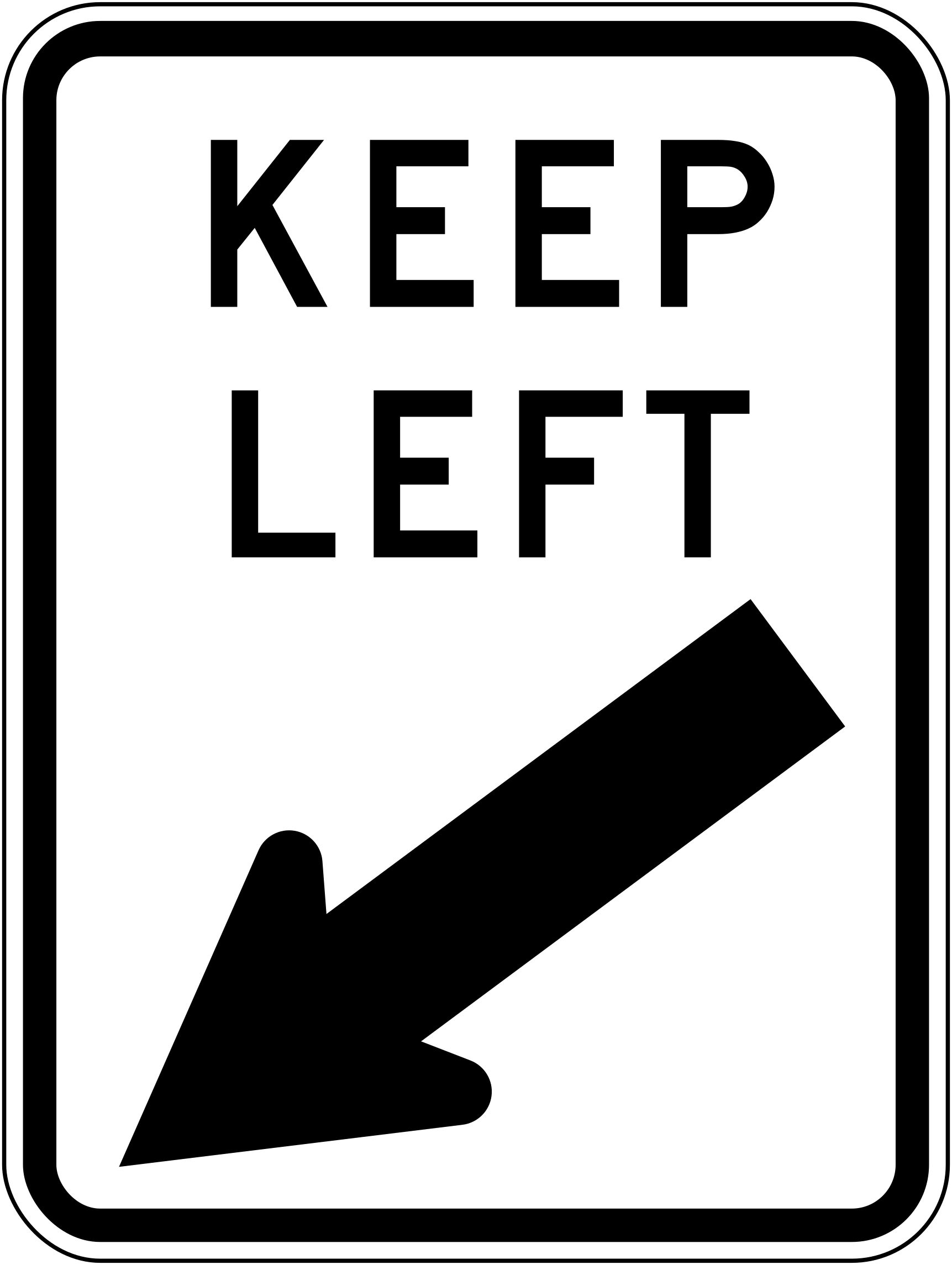
English • Model rule 99 • keep left sign • Keep left. Pass to the left of this sign. State and territory rules and exceptions apply.
Sources
🔗 Commons.wikimedia.org
🔗 Pcc.gov.au • Australian Road Rules • model law • rule99; Schedule2p309
🔗 Legislation.qld.gov.au • Queensland Road Rules • local legislation example
SVG source: Standards Australia • Public domain • Original revision 2020-04-01. Wikimedia original unmodified.
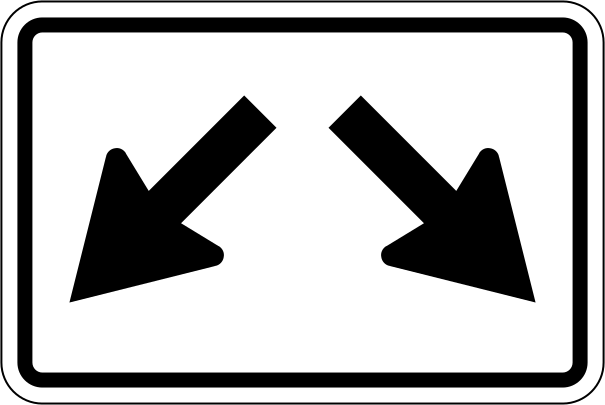
60. Pass obstacle on either side
This traffic sign indicates that traffic must pass an obstacle on either the left or the right. Use either permitted side while following the road layout and any accompanying signs or markings.
Sources
Image via Commons.wikimedia.org
Government of Victoria derivative work: Cassowary derivative work: Fry1989 eh? • CC BY 3.0 AU • Source revision 2015-06-23. Wikimedia original unmodified.
61. Pass obstacle on the right
This traffic sign indicates that traffic must pass an obstacle on the right. Keep to the right of the obstacle and follow any accompanying signs or road markings.
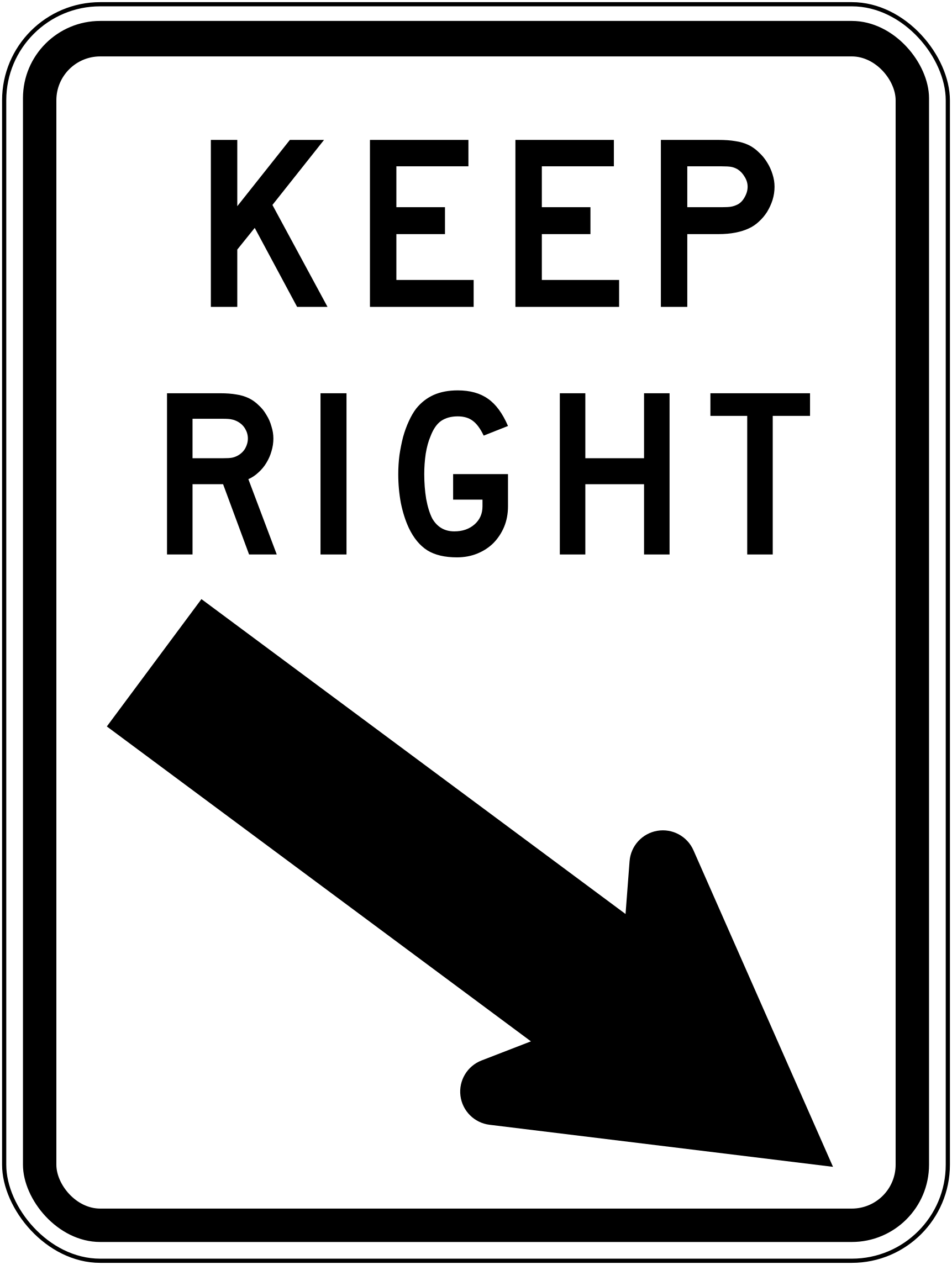
English • Model rule 99 • keep right sign • Keep right. Pass to the right of this sign. State and territory rules and exceptions apply.
Sources
🔗 Commons.wikimedia.org
🔗 Pcc.gov.au • Australian Road Rules • model law • rule99; Schedule2p309
🔗 Legislation.qld.gov.au • Queensland Road Rules • local legislation example
SVG source: Standards Australia • Public domain • Original revision 2020-04-01. Wikimedia original unmodified.
62. Driving straight ahead mandatory
This traffic sign indicates that driving straight ahead is mandatory. Traffic must continue straight ahead and may not turn left or right at the location to which the sign applies.
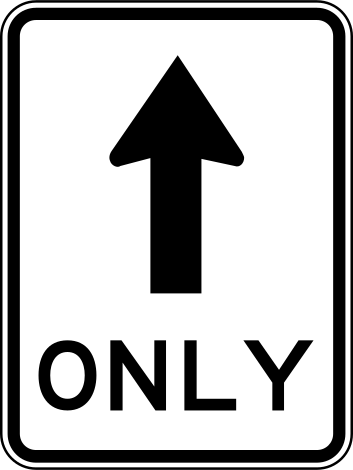
English • Model rule 90 • no turns sign • No turns. Continue straight ahead. Do not turn left, turn right or make a U-turn at the intersection. State and territory rules and exceptions apply.
Sources
🔗 Commons.wikimedia.org (Cassowary • GFDL 1.2 or later • no Invariant Sections or Cover Texts)
🔗 Pcc.gov.au • Australian Road Rules • model law • rule90; Schedule2p312
🔗 Legislation.qld.gov.au • Queensland Road Rules • local legislation example
Image via Commons.wikimedia.org
Cassowary • GFDL • Source revision 2012-10-11. Wikimedia original unmodified.
63. Mandatory path for cyclists
This traffic sign indicates a mandatory path for cyclists. Cyclists must use the designated path where the sign applies. Other road users may use the path only where the applicable signs or local rules permit them to do so.
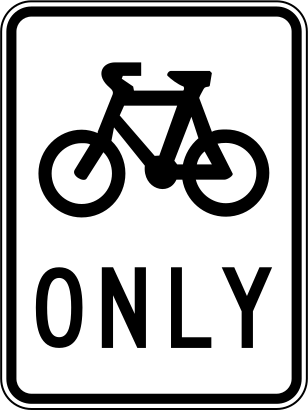
English • Model rules 239 and 252 • bicycle path sign • Bicycle path. This path is designated for bicycles. Pedestrians may cross only as permitted by the local rules; other users and exceptions depend on the jurisdiction. State and territory rules and exceptions apply.
Sources
🔗 Commons.wikimedia.org (Government of Queensland • CC BY 3.0 au)
🔗 Pcc.gov.au • Australian Road Rules • model law • rules239,252; Schedule2p303
🔗 Legislation.qld.gov.au • Queensland Road Rules • local legislation example
SVG source: Government of Queensland • CC BY 3.0 au • Original revision 2012-10-10. Wikimedia original unmodified.
64. Mandatory lane for buses
This traffic sign indicates a mandatory lane for buses. Buses must use the designated lane where the sign applies. Other road users may use the lane only where the applicable signs or local rules permit them to do so.
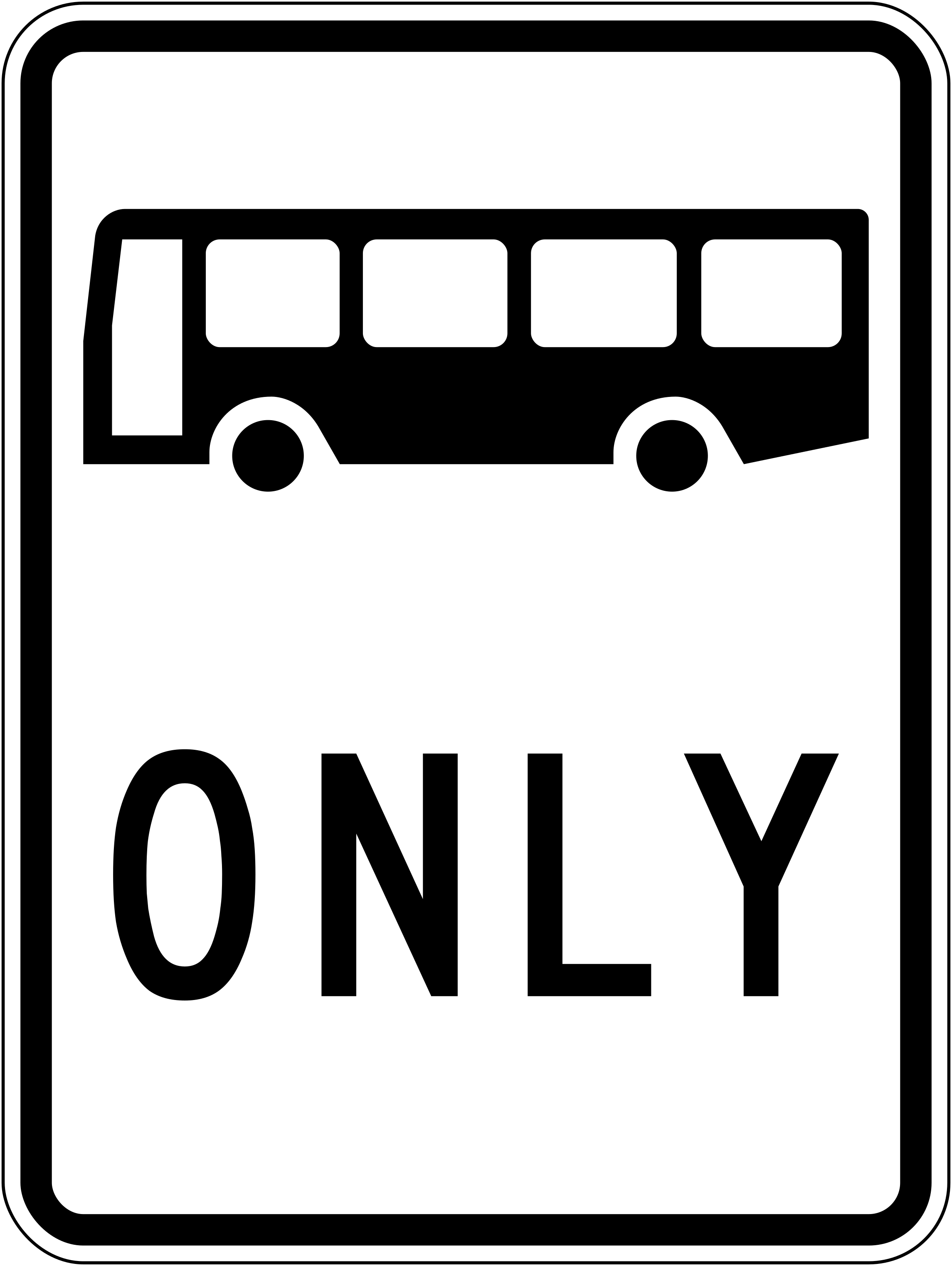
English • Model rule 154A • bus only lane illustration • Bus only lane. A lane for authorised buses or busway vehicles. Ordinary traffic must not use it; the local rules determine permitted vehicles and limited exceptions. Illustration identified by its sign family or meaning; the exact current prescribed design has not been confirmed. State and territory rules and exceptions apply.
Sources
🔗 Commons.wikimedia.org
🔗 Pcc.gov.au • Australian Road Rules • model law • rule154A; Schedule2p304; Schedule3pp320–321 (different graphic)
🔗 Legislation.qld.gov.au • Queensland Road Rules • local legislation example
SVG source: Standards Australia • Public domain • Original revision 2020-04-11. Wikimedia original unmodified.
65. Start of a motorway
This traffic sign indicates the start of a motorway. From this point, special motorway rules apply, including restrictions on which road users may enter and on stopping, reversing and other manoeuvres. Follow the applicable speed limits, lane rules and local motorway regulations.
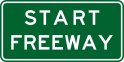
English • Model rule 177 • freeway sign • Start of freeway. The freeway begins here. Follow freeway traffic and stopping restrictions, and any signs restricting entry by particular road users. State and territory rules and exceptions apply.
Sources
🔗 Commons.wikimedia.org
🔗 Pcc.gov.au • Australian Road Rules • model law • rule177; Schedule2p308
🔗 Legislation.qld.gov.au • Queensland Road Rules • local legislation example
SVG source: Government of Queensland • Public domain • Original revision 2012-10-09. Wikimedia original unmodified.
66. End of the motorway
This traffic sign indicates the end of the motorway. The special motorway rules end at this point. Follow the speed limits, access rules and other traffic signs that apply to the road ahead.
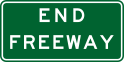
English • Model rules 97 and 177 • end freeway sign • End of freeway. The freeway ends here. Expect changing road conditions and continue to obey the applicable speed limit and other signs. State and territory rules and exceptions apply.
Sources
🔗 Commons.wikimedia.org
🔗 Pcc.gov.au • Australian Road Rules • model law • rules97,177; Schedule2p305
🔗 Legislation.qld.gov.au • Queensland Road Rules • local legislation example
SVG source: Government of Queensland • Public domain • Original revision 2012-10-09. Wikimedia original unmodified.
67. Lane for cyclists
This traffic sign indicates a lane for cyclists. The lane is designated for bicycle traffic, subject to the applicable road markings, traffic signs and local rules.
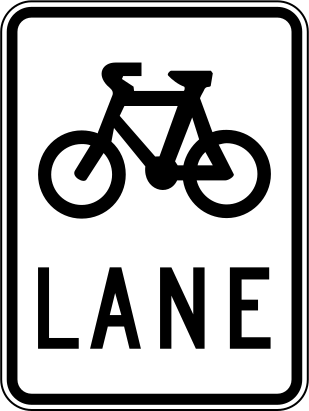
English • Model rules 153 and 252 • bicycle lane sign • Bicycle lane. A marked lane is designated for bicycle riders. Other traffic may use or cross it only in circumstances permitted by the local rules. State and territory rules and exceptions apply.
Sources
🔗 Commons.wikimedia.org (Government of Queensland • CC BY 3.0 au)
🔗 Pcc.gov.au • Australian Road Rules • model law • rules153,252; Schedule2p303
🔗 Legislation.qld.gov.au • Queensland Road Rules • local legislation example
SVG source: Government of Queensland • CC BY 3.0 au • Original revision 2012-10-10. Wikimedia original unmodified.
68. Dead end street
This traffic sign indicates a dead end street. The road has no through route for vehicles, although access to properties or other destinations along the road may still be possible.
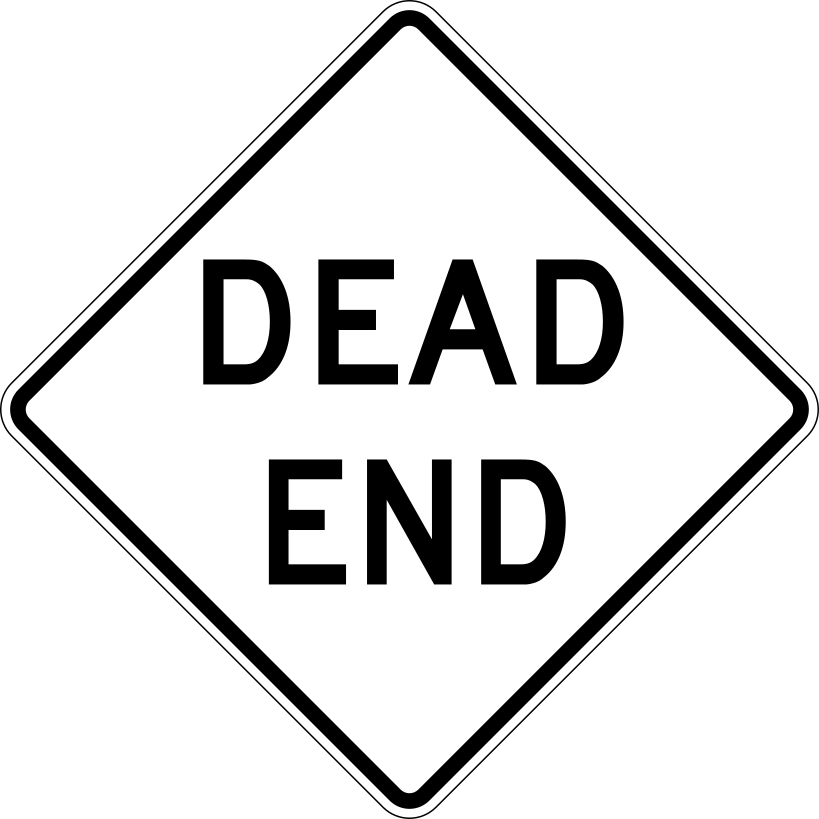
English • Queensland driver handbook • sign illustration • Dead end. The road has no through route. Be prepared to turn back safely. Illustration identified by its sign family or meaning; the exact current prescribed design has not been confirmed.
Sources
🔗 Commons.wikimedia.org
🔗 Publications.qld.gov.au • Queensland Government • Your Keys to Driving • dead-end sign
SVG source: Dead_End_sign.svg: Ltljltlj / *derivative work: Fry1989 • Public domain • Original revision 2012-06-16. Wikimedia original unmodified.
69. Road with one-way traffic
This traffic sign indicates a road with one-way traffic. Drivers may travel only in the permitted direction.
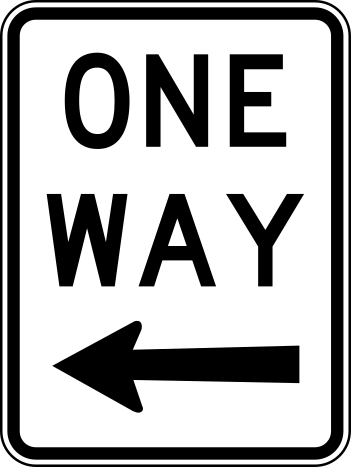
English • Model rule 98 • one-way sign • One way to the left. Traffic on this road travels only in the direction of the arrow. Follow the left-pointing direction. State and territory rules and exceptions apply.
Sources
🔗 Commons.wikimedia.org (Cassowary • GFDL 1.2 or later • no Invariant Sections or Cover Texts)
🔗 Pcc.gov.au • Australian Road Rules • model law • rule98; Schedule2p313
🔗 Legislation.qld.gov.au • Queensland Road Rules • local legislation example
Image via Commons.wikimedia.org
Cassowary • GFDL • Source revision 2012-10-11. Wikimedia original unmodified.
70. Information about the next exit
This traffic sign gives information about the next exit. It may show the exit number, destination, direction or distance to the exit.
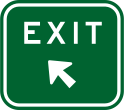
English • Queensland Government • exit sign • Freeway exit. The arrow shows the exit to the left. Move into the appropriate lane in good time and follow the exit safely.
Sources
🔗 Commons.wikimedia.org
🔗 Qld.gov.au • Queensland Government • exit signs
SVG source: Government of Queensland • Public domain • Original revision 2012-11-11. Wikimedia original unmodified.
71. Lane for buses
This traffic sign indicates a lane for buses. The lane is intended for buses and any other road users permitted by the applicable signs or local rules.
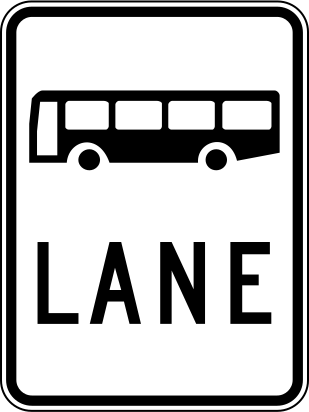
English • Model rule 154 • bus lane sign • Bus lane. This lane is designated for buses and any other vehicles permitted by local law. It differs from a bus-only lane; eligibility and limited access exceptions vary by jurisdiction. State and territory rules and exceptions apply.
Sources
🔗 Commons.wikimedia.org (Government of Queensland • CC BY 3.0 au)
🔗 Pcc.gov.au • Australian Road Rules • model law • rules154,158; Schedule2p303
🔗 Legislation.qld.gov.au • Queensland Road Rules • local legislation example
SVG source: Government of Queensland • CC BY 3.0 au • Original revision 2012-10-10. Wikimedia original unmodified.
72. Lane for trucks
This traffic sign indicates a lane for trucks. The lane is designated for trucks according to the applicable traffic signs and local rules. Other vehicle categories may use the lane only where permitted.
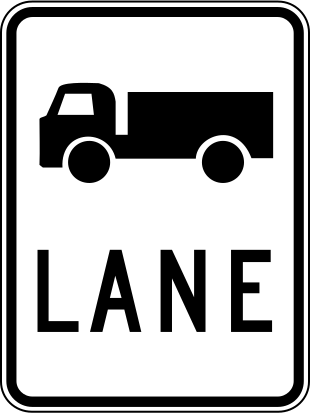
English • Model rule 157 • truck lane sign • Truck lane. A lane is designated for trucks. Other vehicles may use or cross it only as permitted by local law. State and territory rules and exceptions apply.
Sources
🔗 Commons.wikimedia.org (Government of Queensland • CC BY 3.0 au)
🔗 Pcc.gov.au • Australian Road Rules • model law • rules157,158; Schedule2p317
🔗 Legislation.qld.gov.au • Queensland Road Rules • local legislation example
SVG source: Government of Queensland • CC BY 3.0 au • Original revision 2012-10-10. Wikimedia original unmodified.
