


QuizTraffic rulesBosnia and Herzegovina
This interesting quiz helps you test your knowledge in a clear and visual way. With easy multiple-choice questions, you can quickly build confidence and learn new facts while keeping it simple, interactive, and fun.
 Traffic signs
 Traffic rules
 Bosnia and Herzegovina
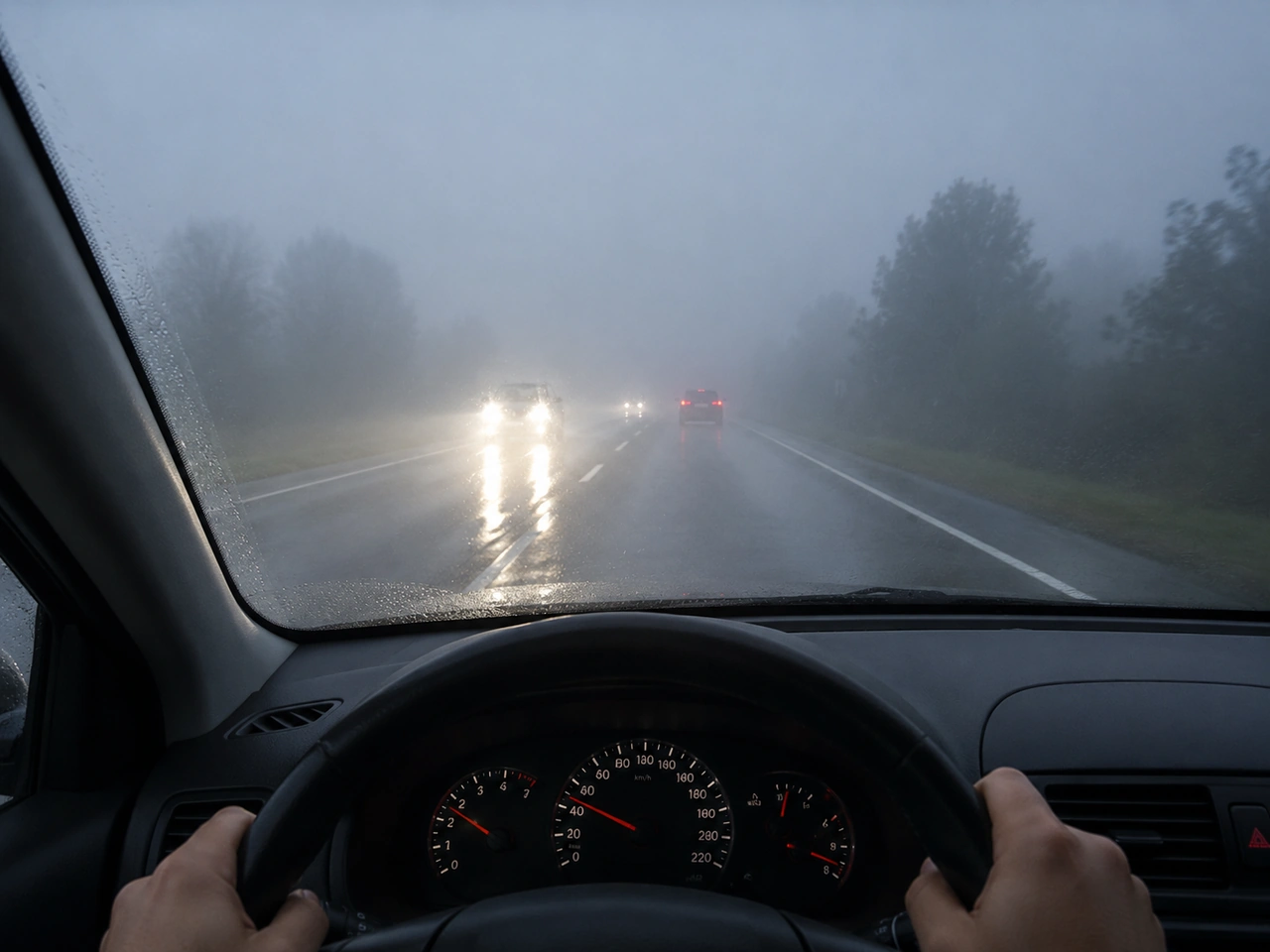
101. Why should you use headlights in poor visibility?
Headlights help you see the road and make your vehicle more visible to other road users in fog, rain, darkness, or poor weather.
AI-generated by Rijbewijs-online.be • WCIT • CC BY-SA

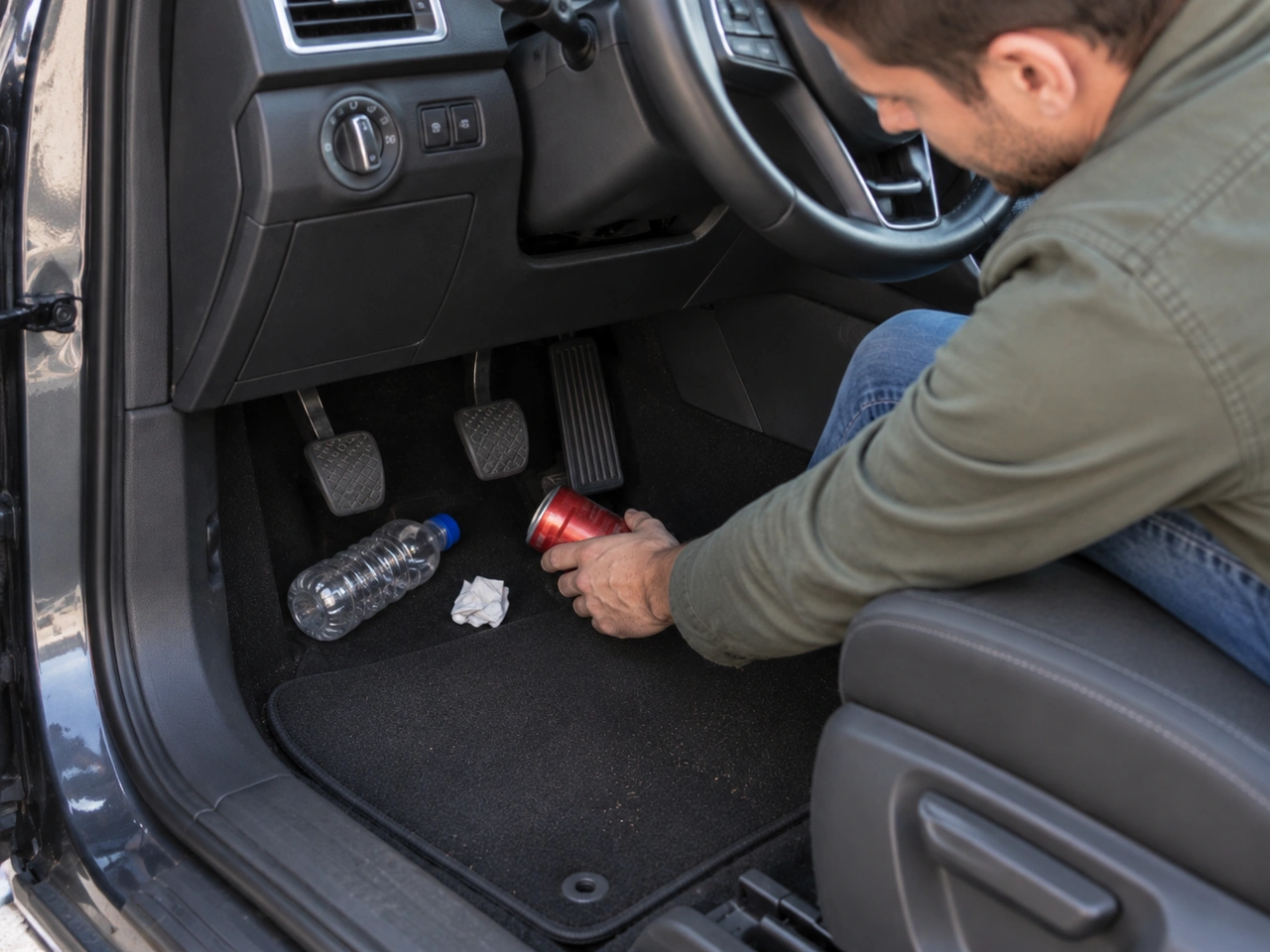
102. Why should you keep the driver's footwell free of loose objects?
Loose objects in the driver's footwell, such as bottles, cans, or rubbish, can roll into the pedal area and interfere with the accelerator, brake, or clutch. Keep the footwell clear so you can operate the pedals safely and without obstruction.
AI-generated by Rijbewijs-online.be • WCIT • CC BY-SA
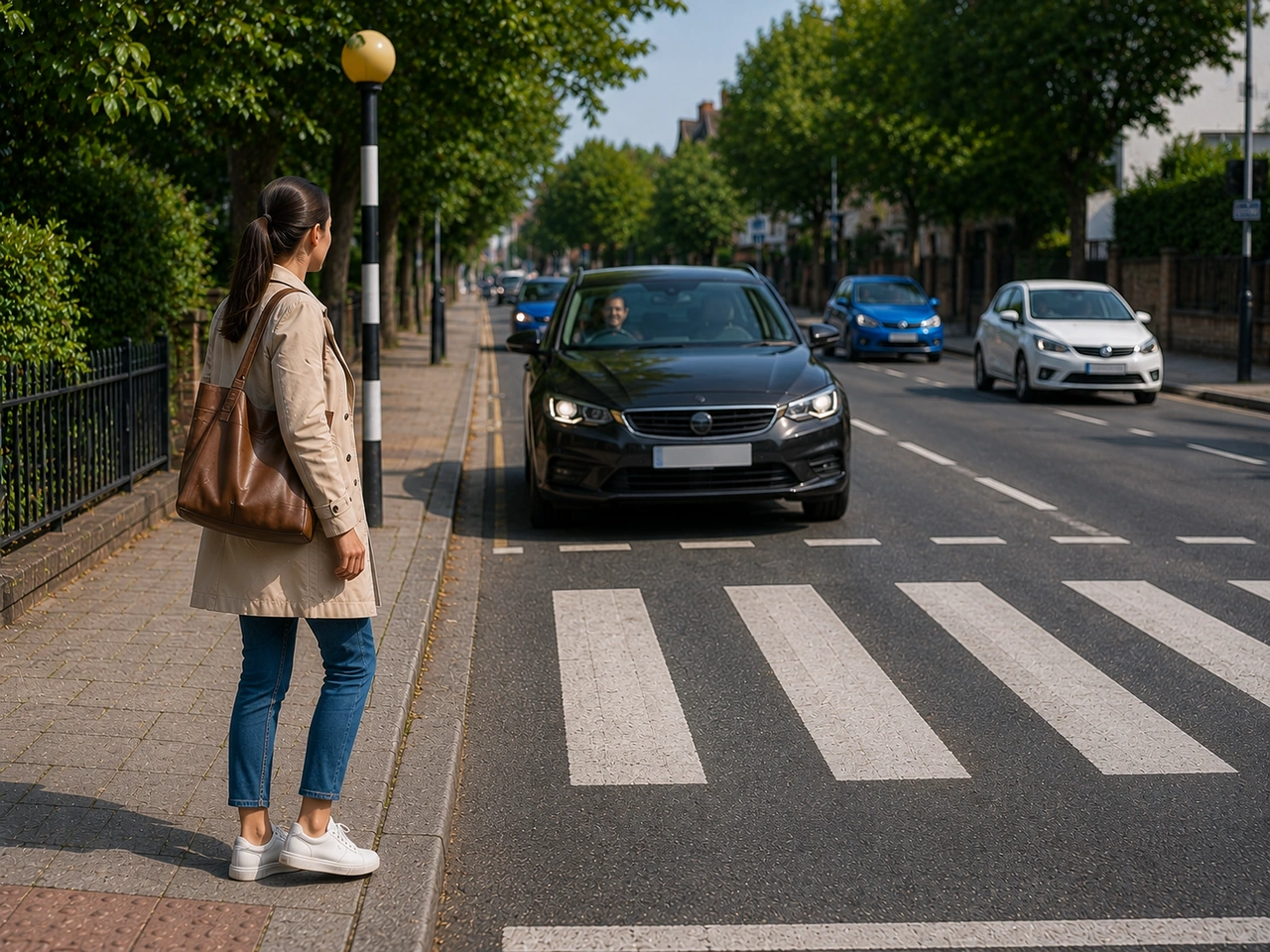
103. What should you do if traffic stops and a driver waves you across?
One driver may stop, but other vehicles may still be moving. Always check all lanes before crossing.
AI-generated by Rijbewijs-online.be • WCIT • CC BY-SA
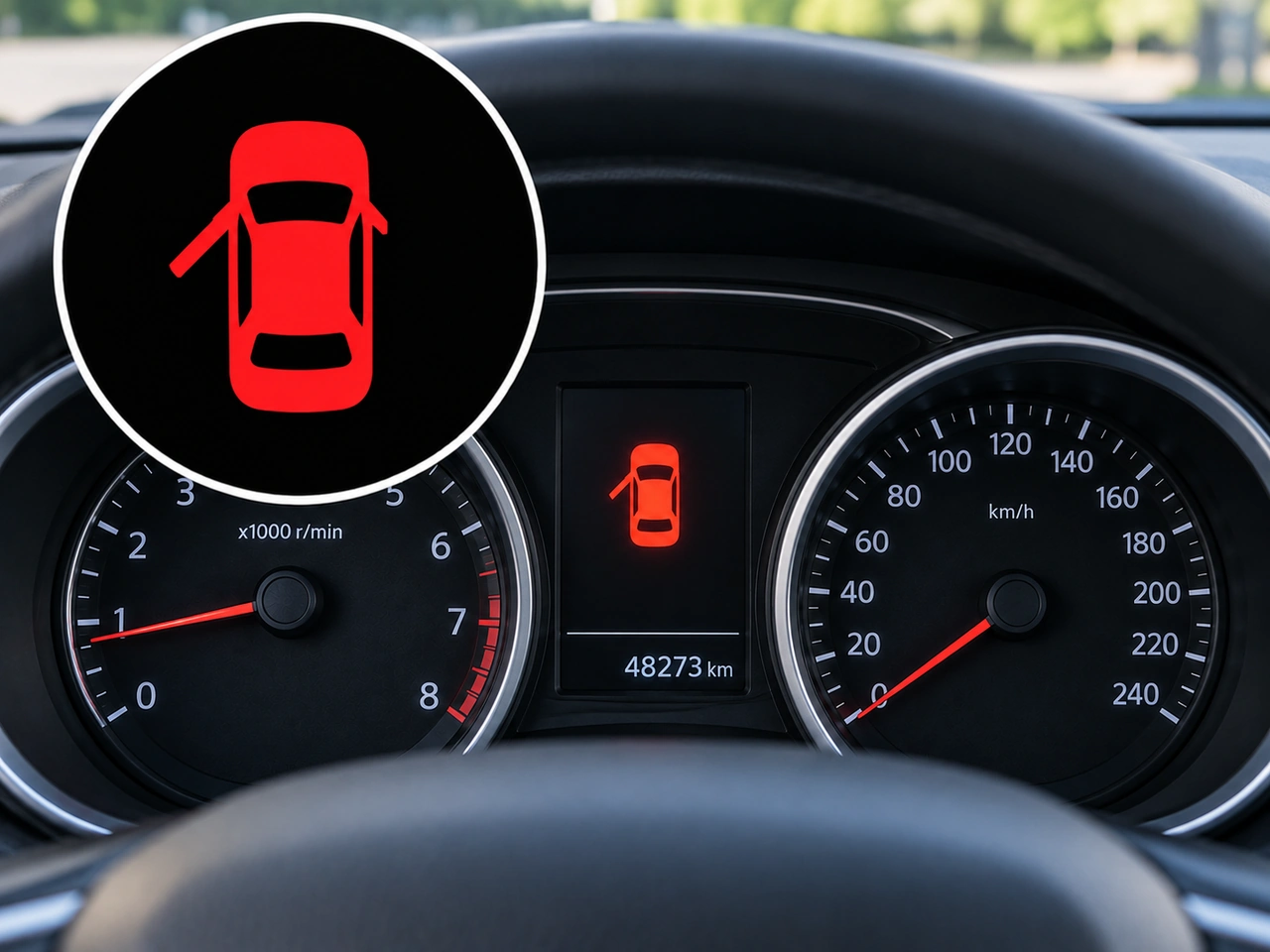
104. What does this dashboard symbol indicate?
This symbol indicates that one or more vehicle doors are not fully closed. Check that all doors are securely shut before driving.
AI-generated by Rijbewijs-online.be • WCIT • CC BY-SA
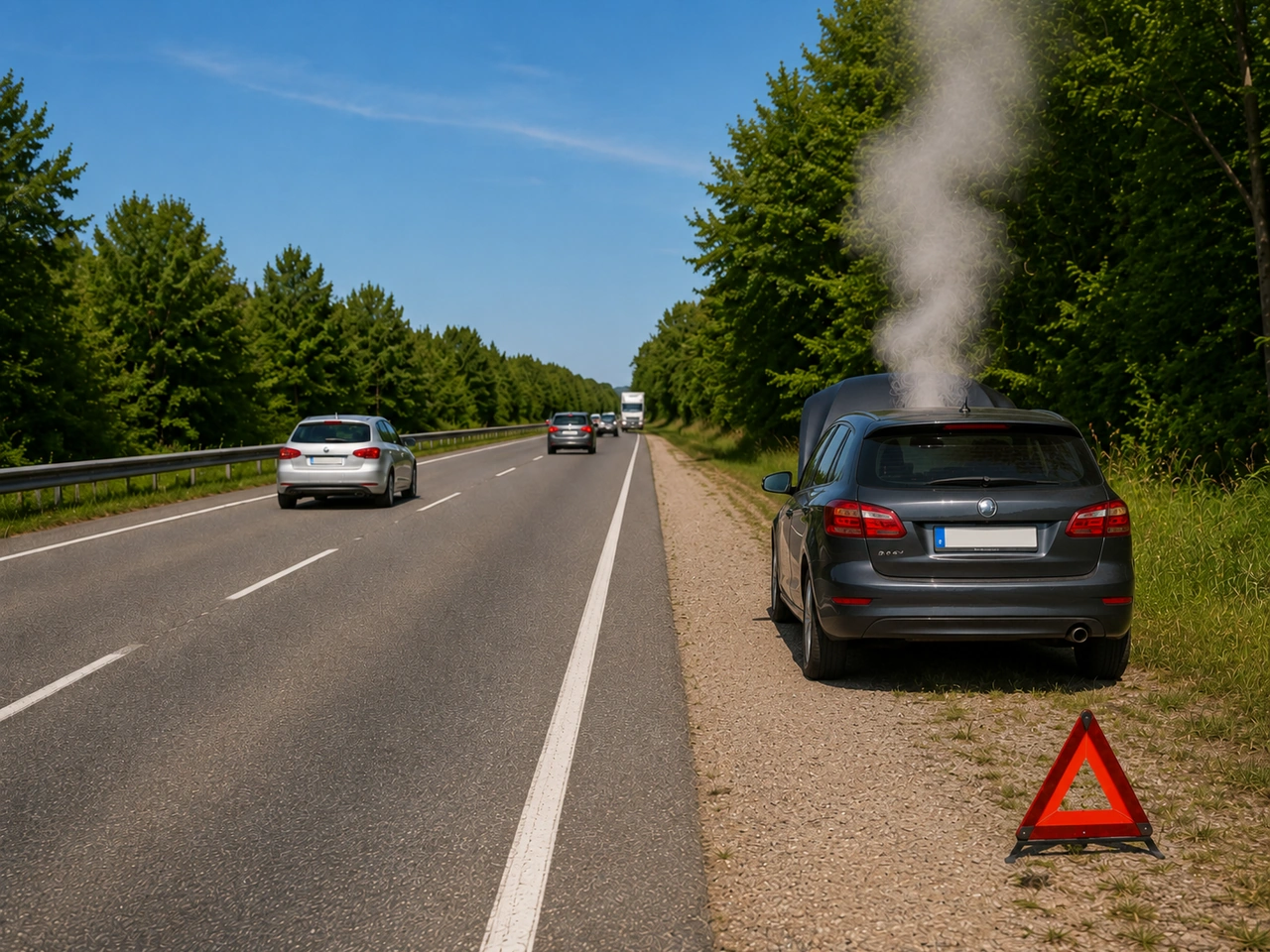
105. What should you do if steam begins coming from underneath the bonnet?
Steam can indicate an overheated and pressurised cooling system. Do not remove the coolant cap while the system is hot.
AI-generated by Rijbewijs-online.be • WCIT • CC BY-SA
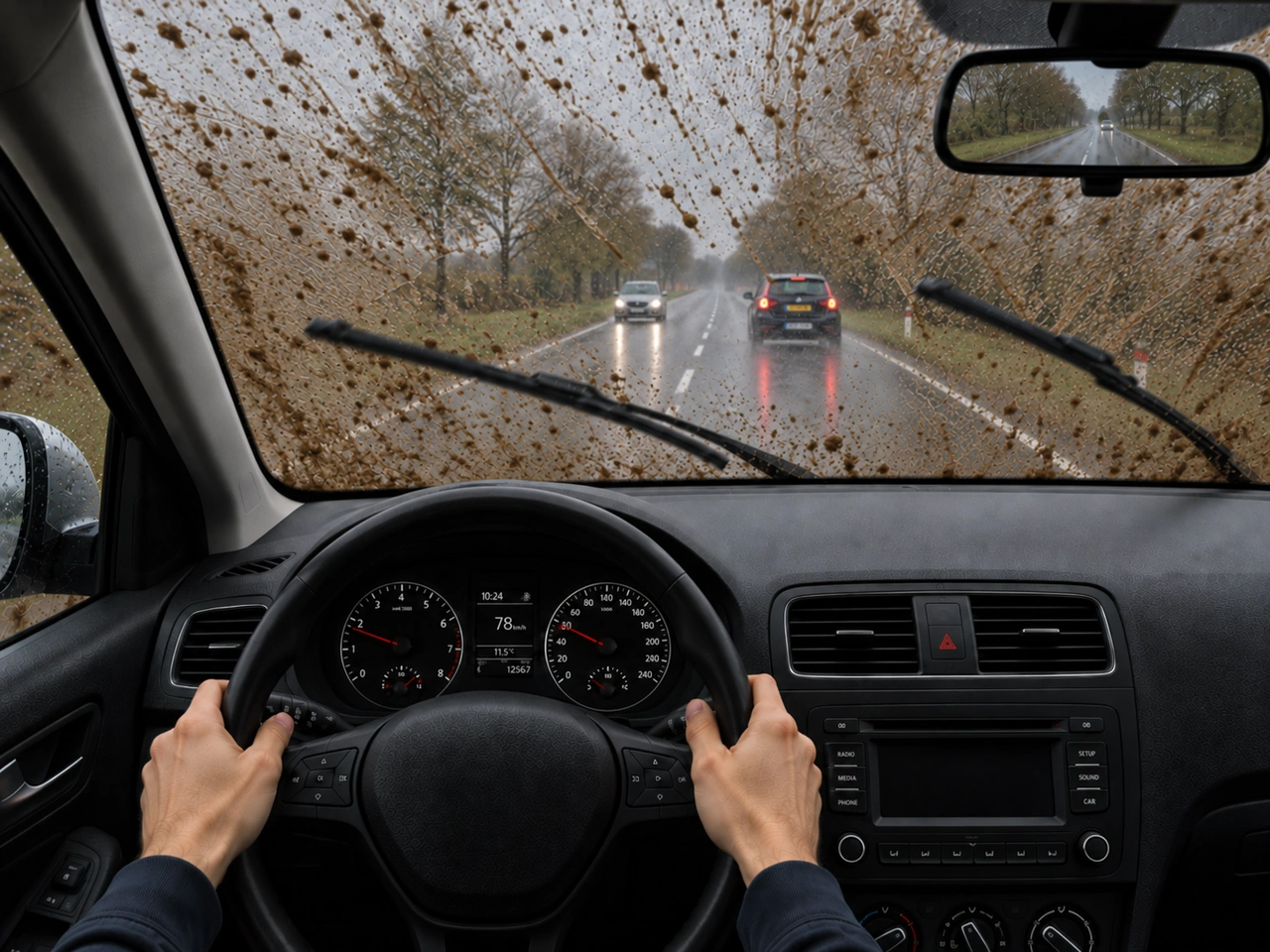
106. What should you do if your windscreen becomes covered with mud or spray?
Clear visibility is essential. Slow down safely and use your washers and wipers until you can see the road clearly again.
AI-generated by Rijbewijs-online.be • WCIT • CC BY-SA
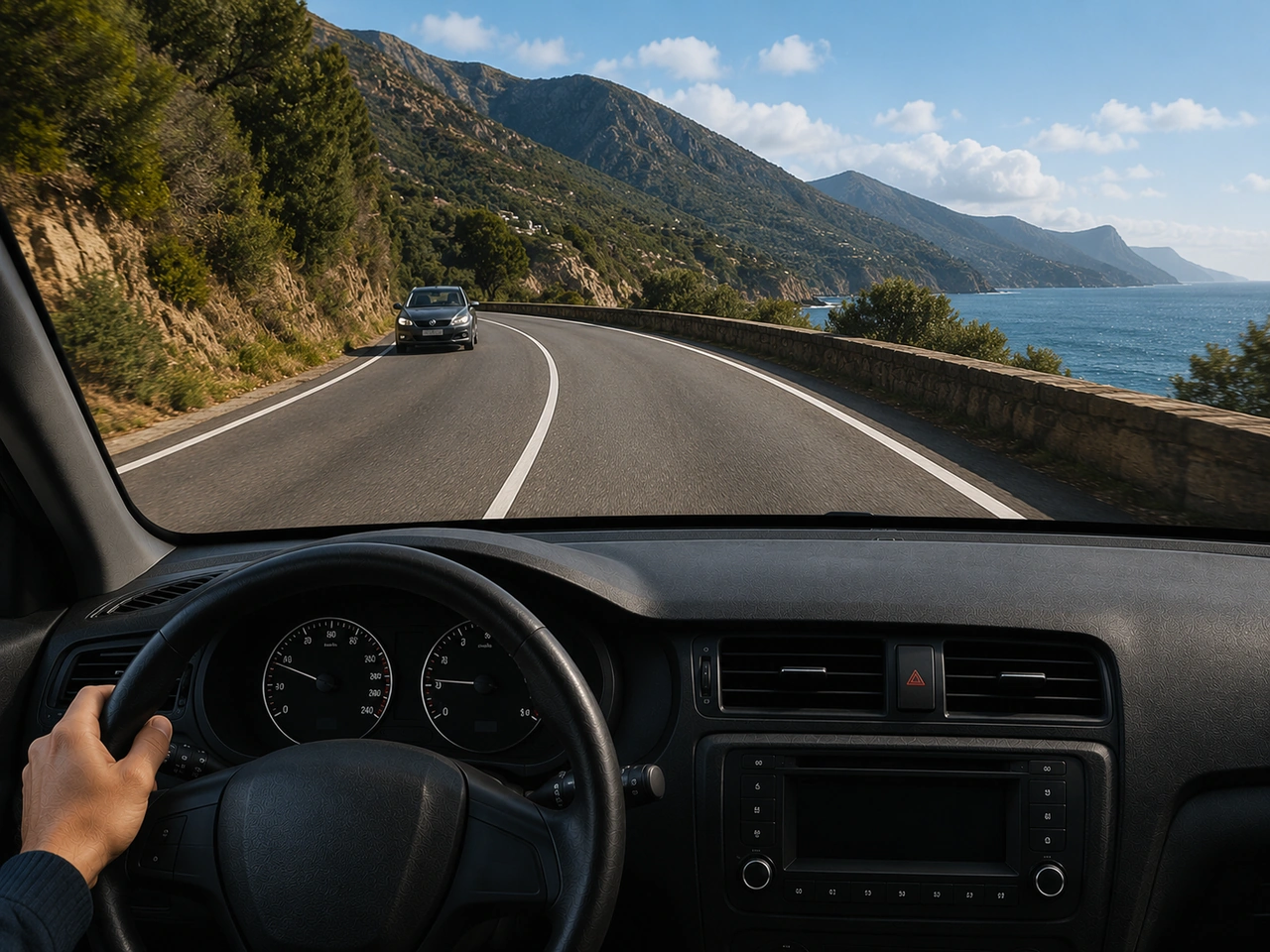
107. Why should you avoid braking hard on a curve?
Hard braking on a curve can upset the vehicle's balance and reduce grip. Slow down before the curve and steer smoothly.
AI-generated by Rijbewijs-online.be • WCIT • CC BY-SA
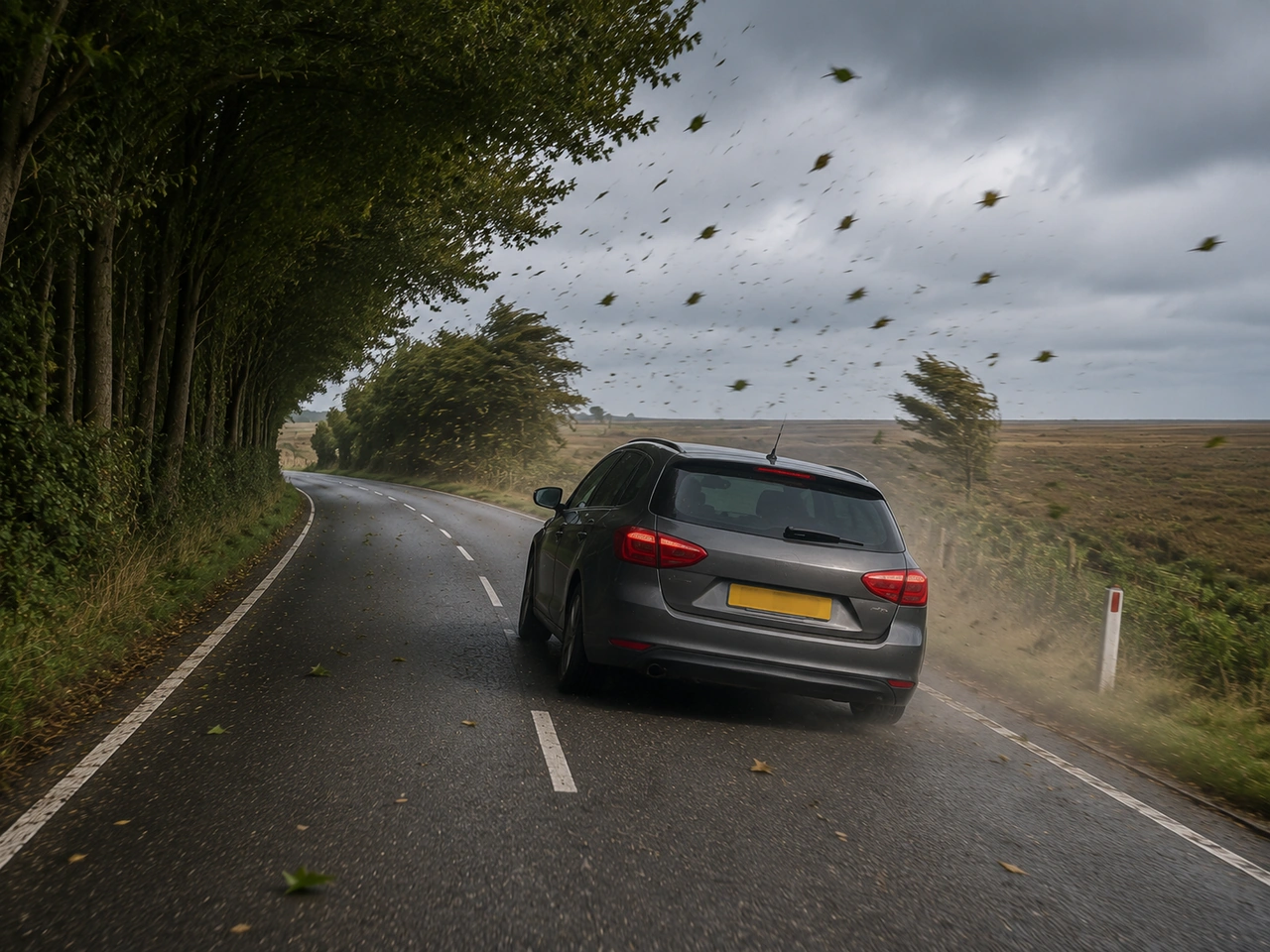
108. What should you expect when leaving a sheltered area during strong winds?
Buildings, trees, and other obstacles can block wind. When you leave shelter, a sudden gust may push your vehicle.
AI-generated by Rijbewijs-online.be • WCIT • CC BY-SA
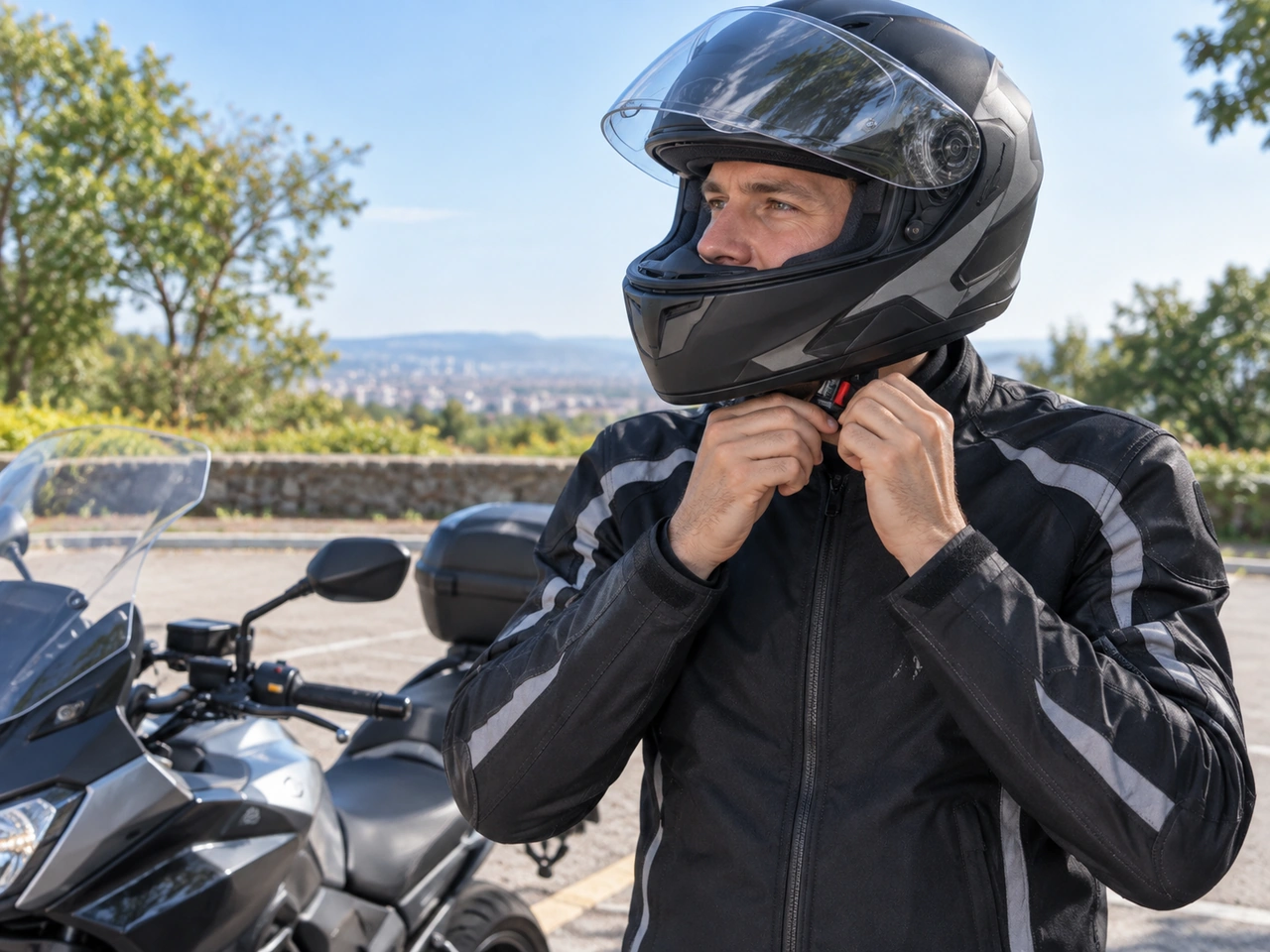
109. Why should a motorcycle helmet be worn correctly and securely fastened?
A correctly fitted and securely fastened motorcycle helmet helps protect the rider's head and can reduce the risk and severity of head injury in a collision or fall.
AI-generated by Rijbewijs-online.be • WCIT • CC BY-SA
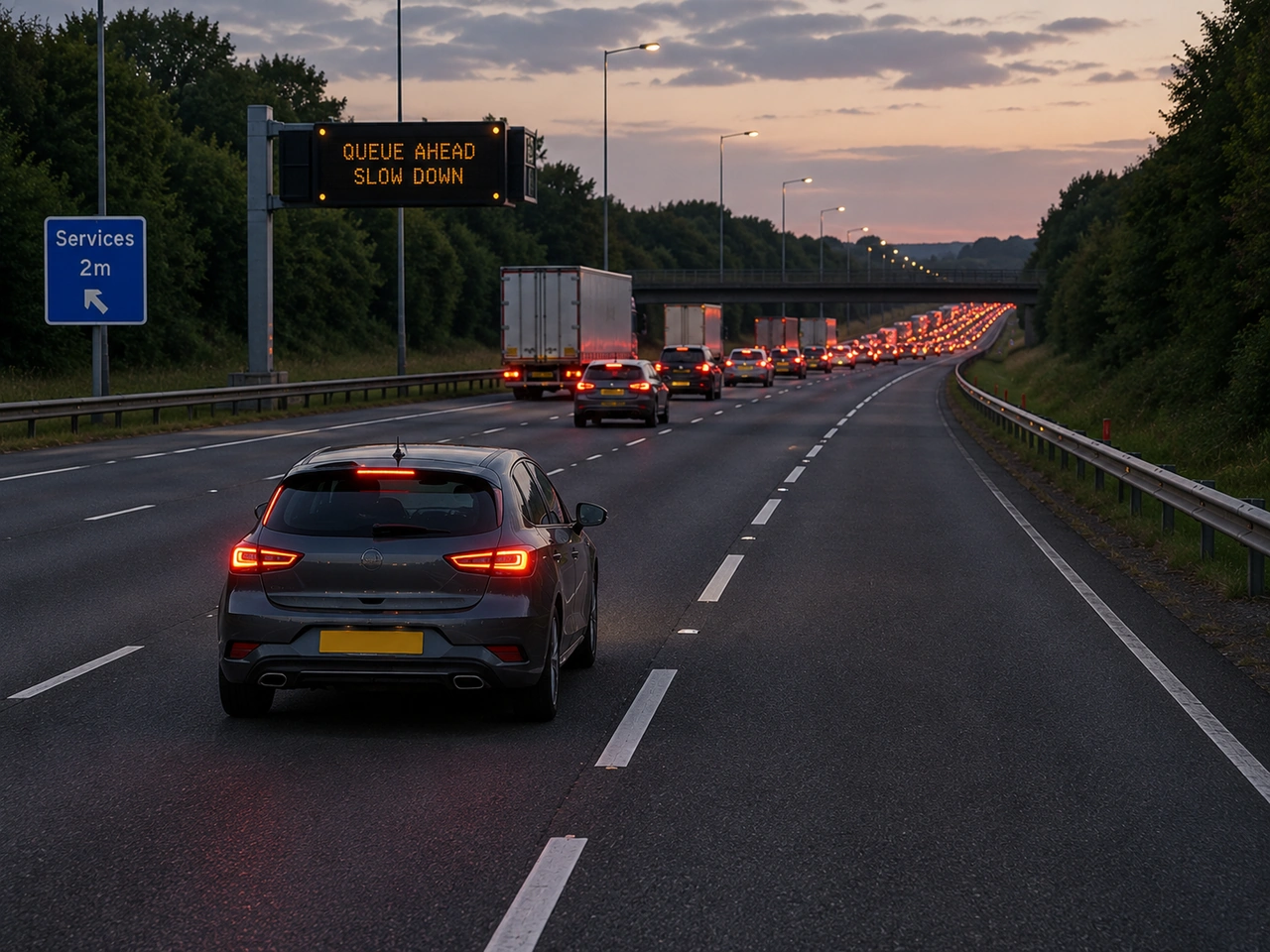
110. What should you do when approaching stationary or slow-moving traffic on a motorway?
Motorway queues can appear suddenly. Early braking gives following traffic more time to react.
AI-generated by Rijbewijs-online.be • WCIT • CC BY-SA
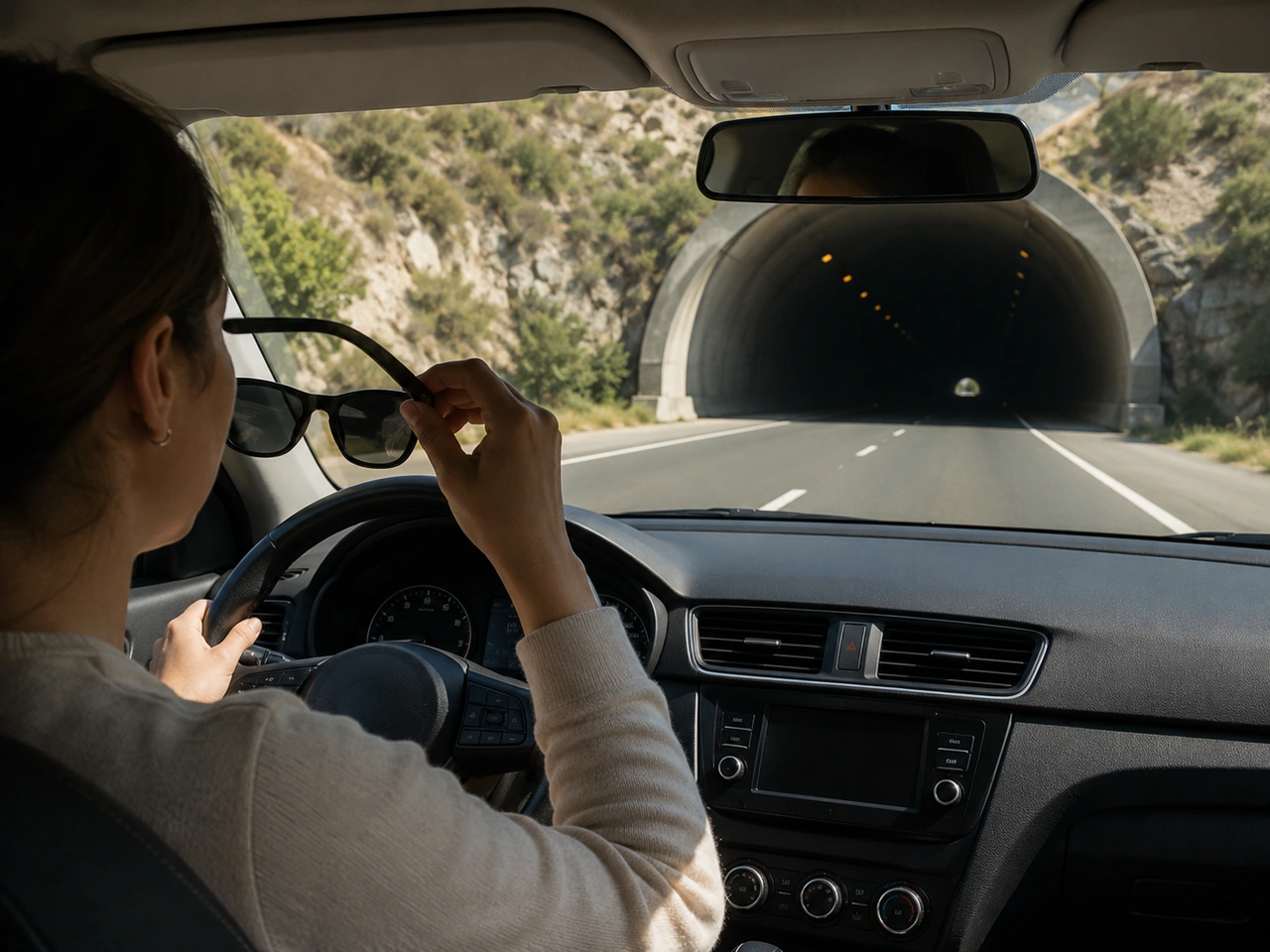
111. Why should you remove dark sunglasses before entering a tunnel?
Dark sunglasses reduce the amount of light reaching your eyes and can make hazards inside a tunnel harder to see.
AI-generated by Rijbewijs-online.be • WCIT • CC BY-SA
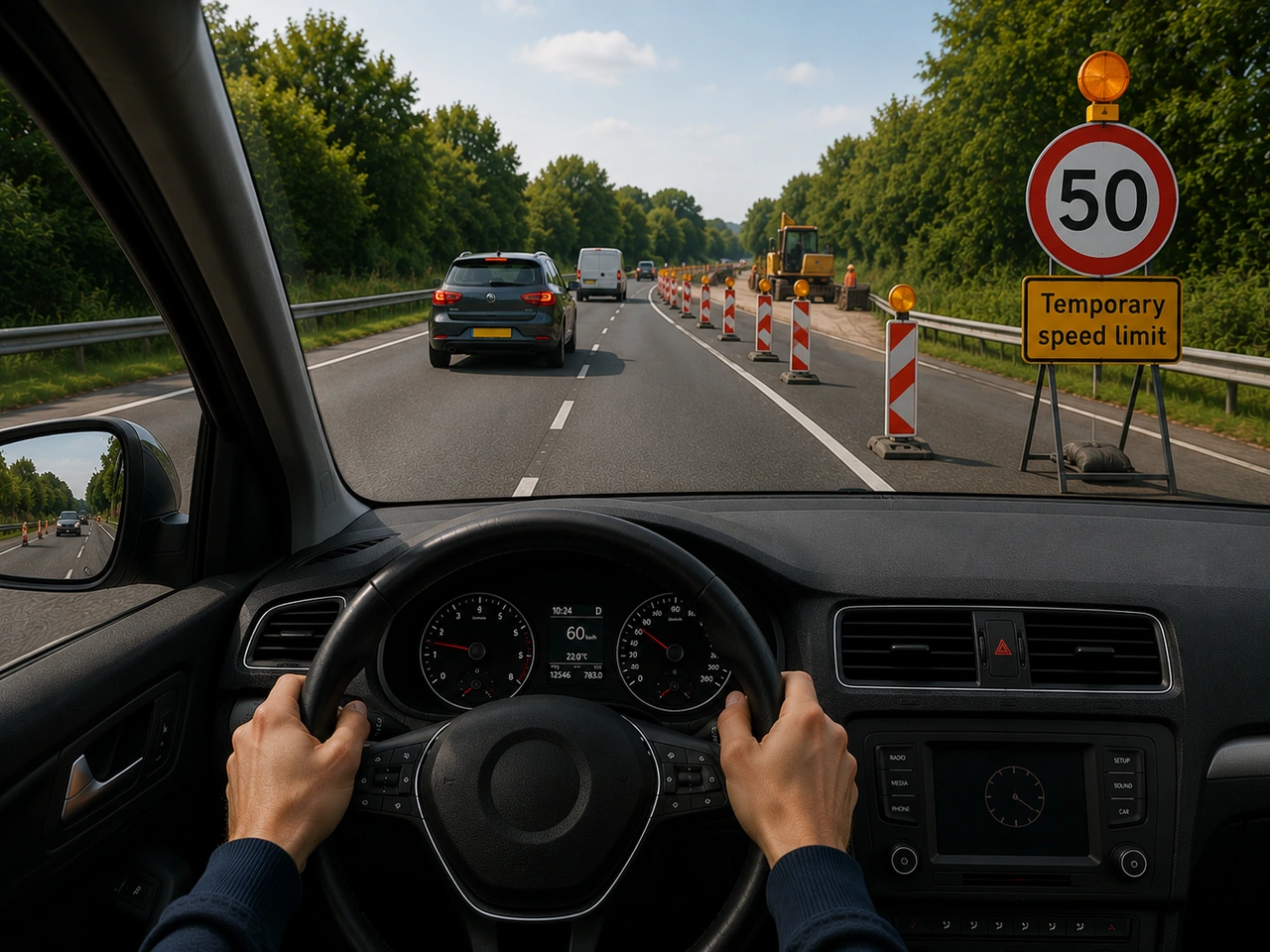
112. Why should you not ignore temporary speed limits?
Temporary speed limits may be used near roadworks, accidents, events, or dangerous conditions. They help keep traffic safe.
AI-generated by Rijbewijs-online.be • WCIT • CC BY-SA
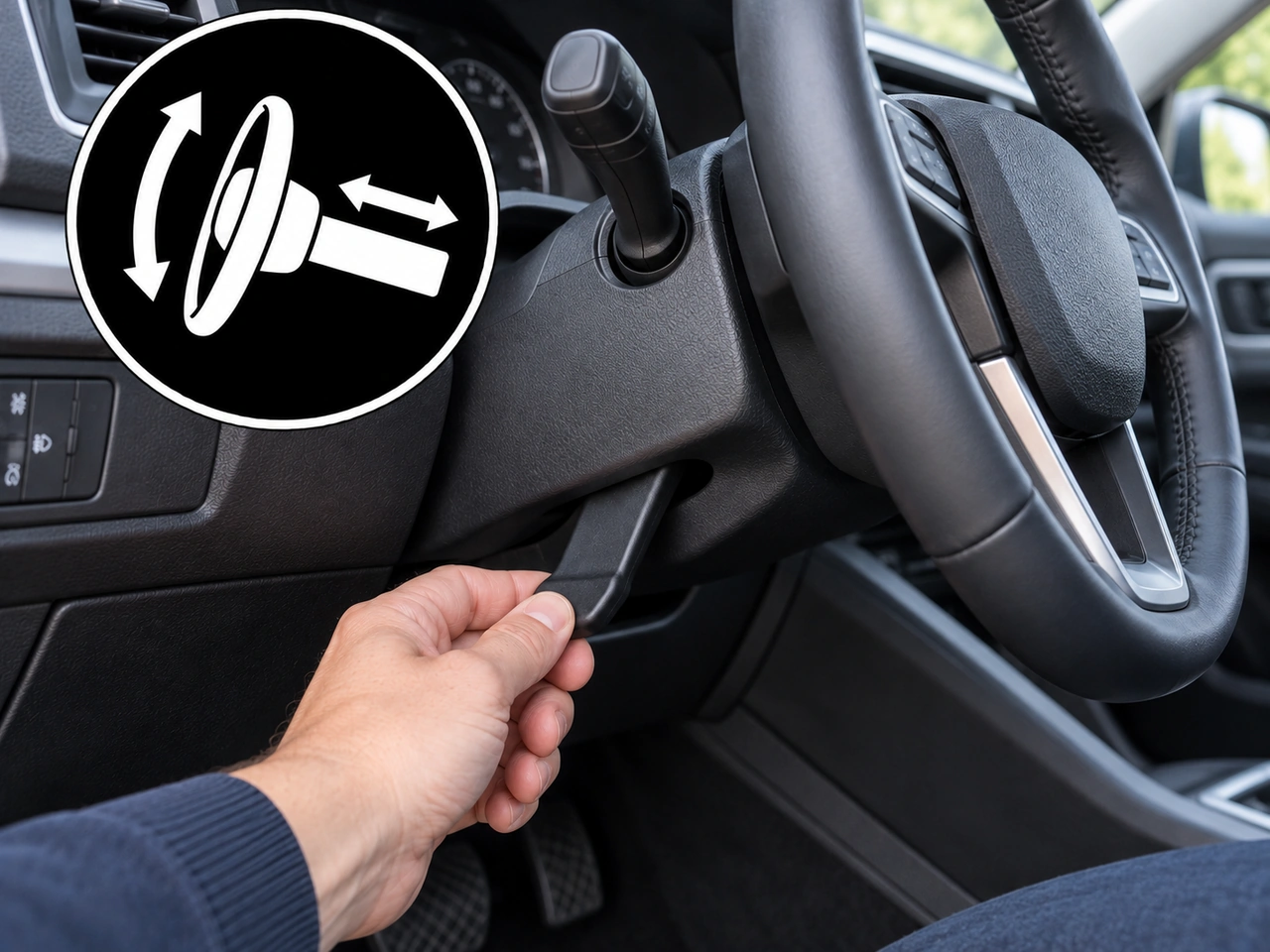
113. What does this vehicle-control symbol indicate?
This control adjusts the position of the steering wheel. Depending on the vehicle, the steering wheel may be moved up or down and forwards or backwards to obtain a safe and comfortable driving position.
AI-generated by Rijbewijs-online.be • WCIT • CC BY-SA
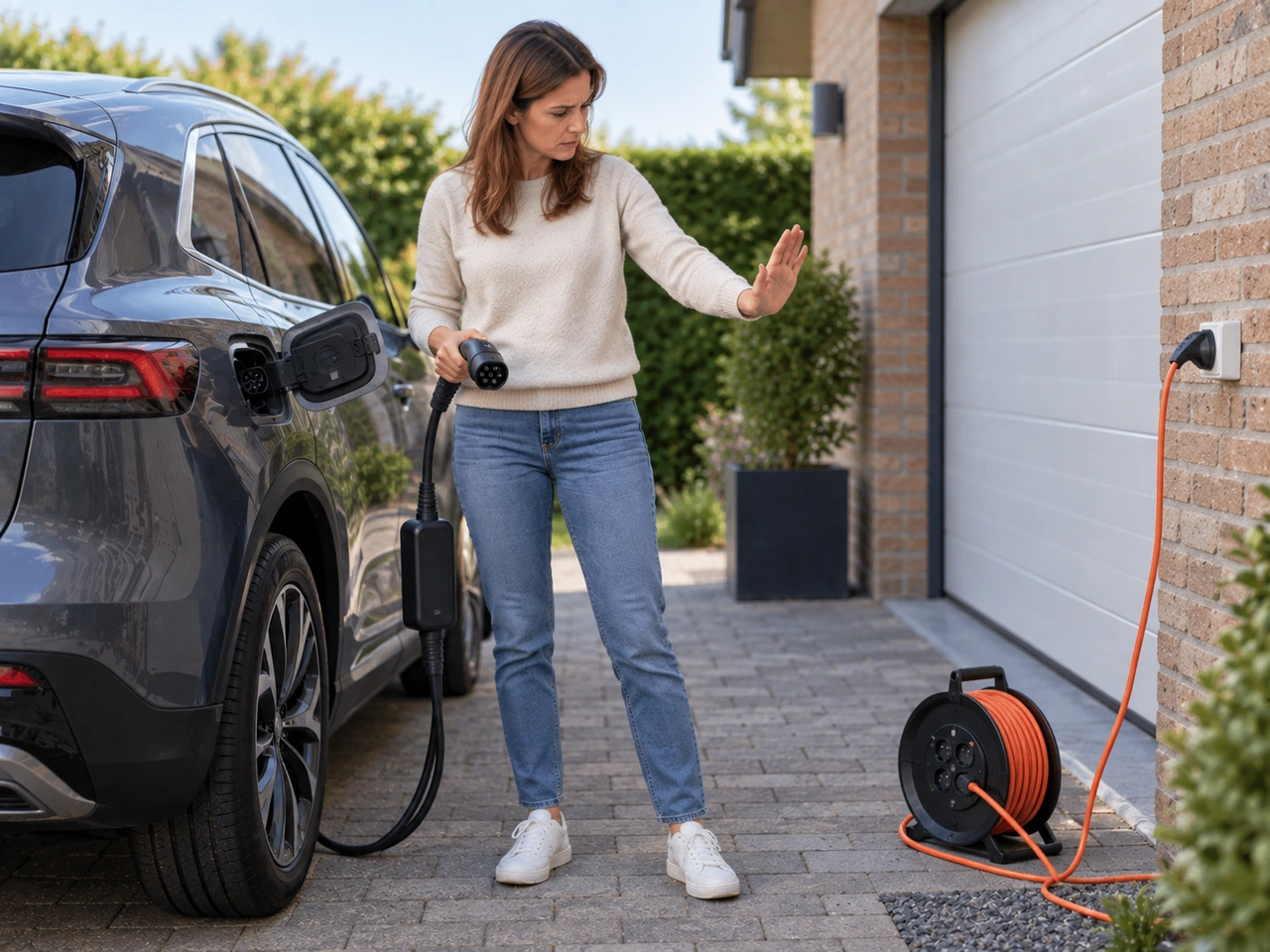
114. Why should you avoid using an ordinary extension lead to charge an electric vehicle?
An ordinary household extension lead may not be designed for the sustained electrical load required for EV charging and can overheat. Use suitable approved charging equipment and follow the vehicle and charging-equipment manufacturer's instructions.
AI-generated by Rijbewijs-online.be • WCIT • CC BY-SA
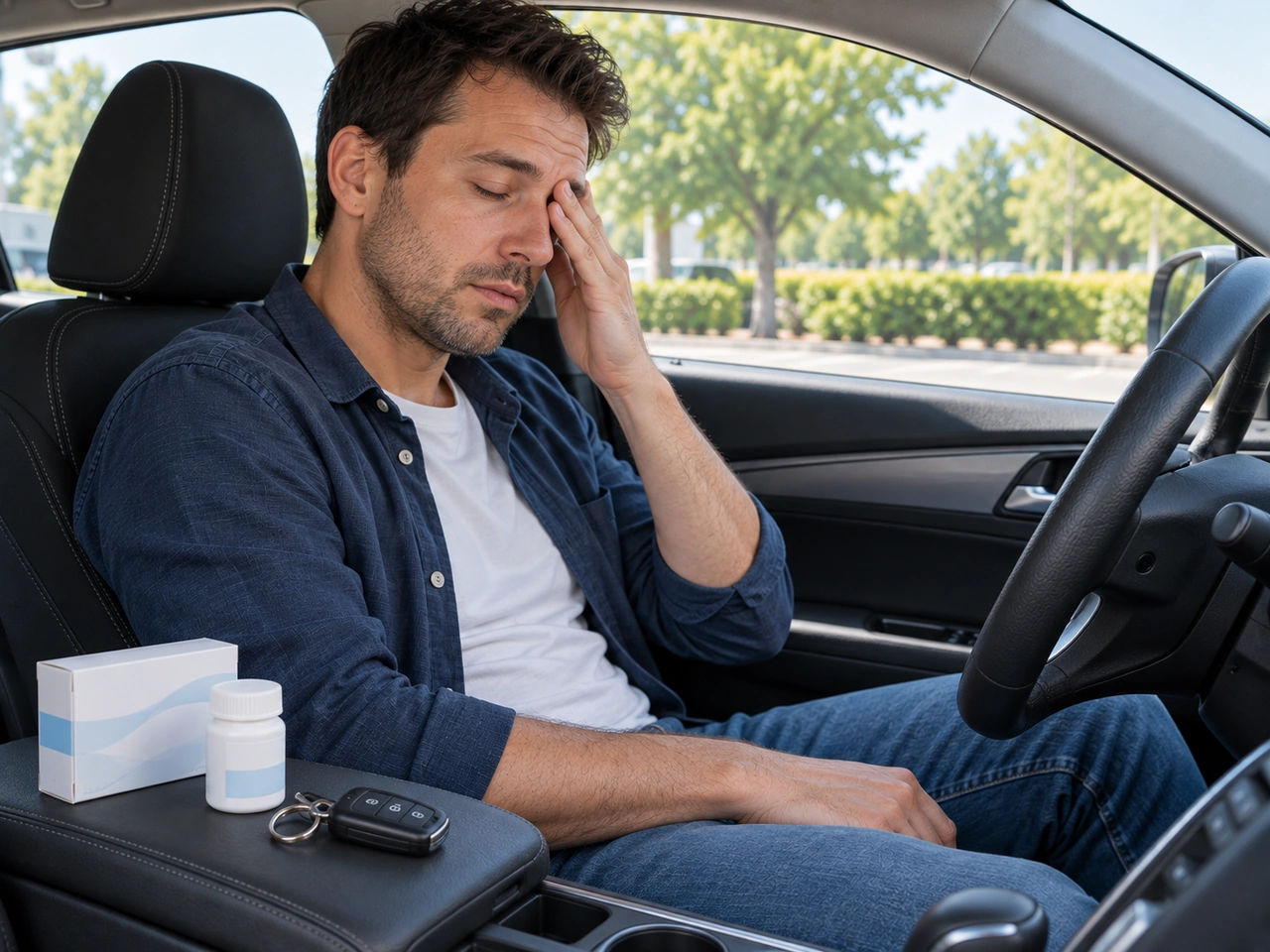
115. What should you do if medicine makes you feel drowsy?
If a medicine causes drowsiness, your concentration, judgement, and reaction time may be reduced. Do not drive until you are fit to do so and the effect has passed.
AI-generated by Rijbewijs-online.be • WCIT • CC BY-SA
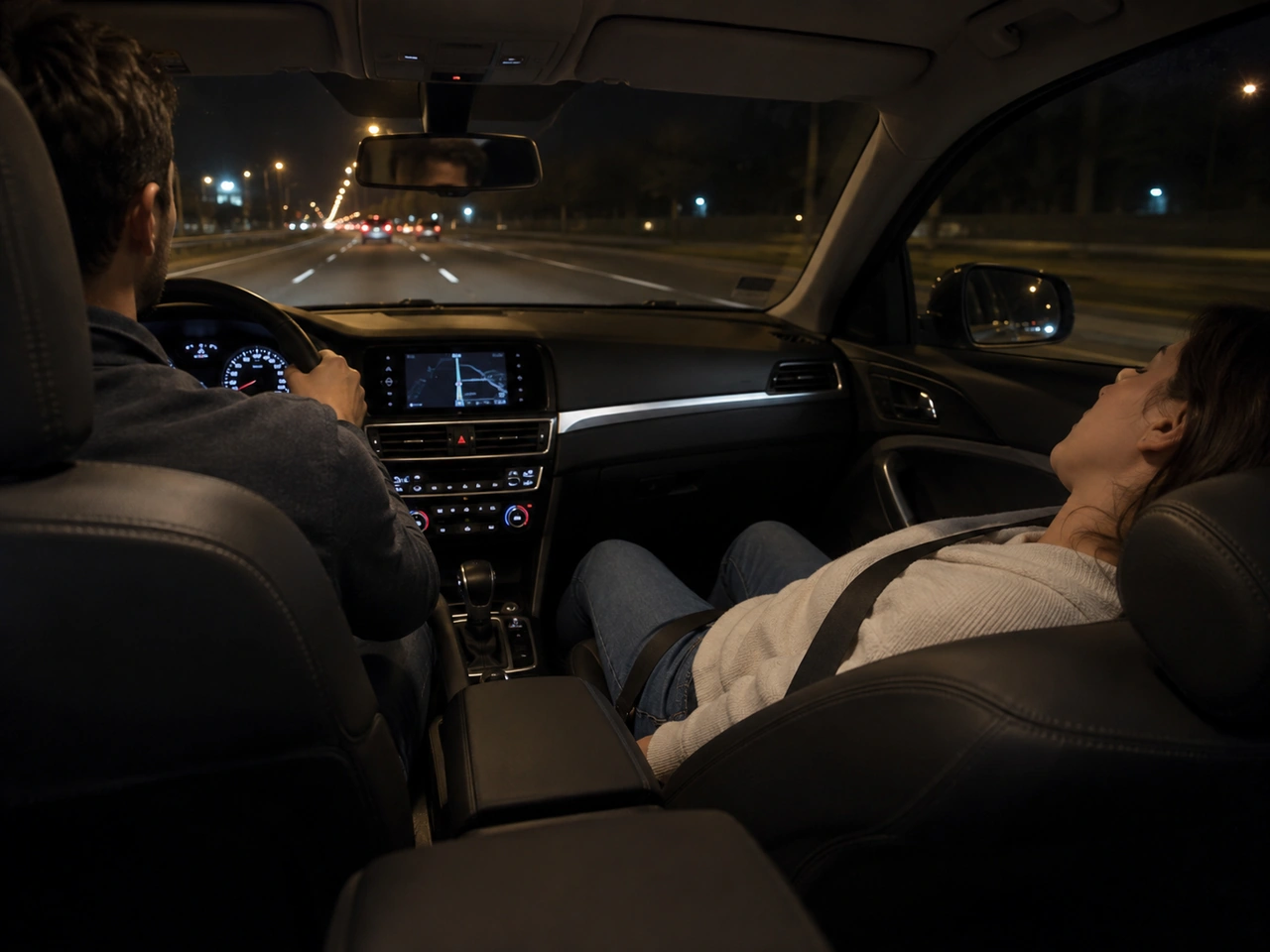
116. Why should you avoid travelling with the seatback excessively reclined?
An excessively reclined seat can affect how the seat belt fits and restrains your body and may increase the risk of sliding under the lap belt in a collision. Sit in a reasonably upright position so the lap belt stays low across the hips and the shoulder belt lies correctly across the chest.
AI-generated by Rijbewijs-online.be • WCIT • CC BY-SA
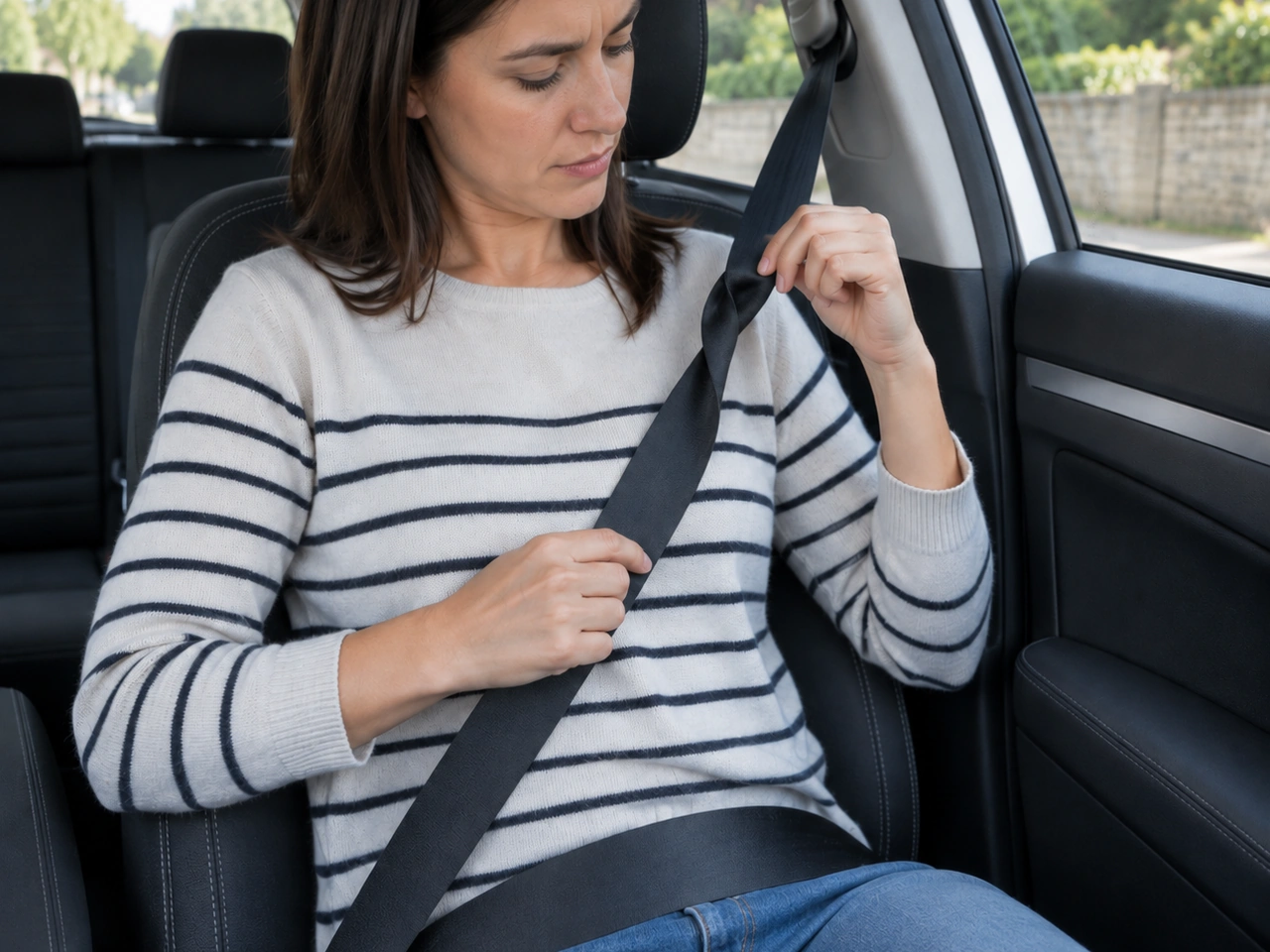
117. Why should a seat belt not be twisted when worn?
A seat belt should lie flat against the body without twists. A twisted belt concentrates force over a smaller area and may provide less effective protection in a collision.
AI-generated by Rijbewijs-online.be • WCIT • CC BY-SA
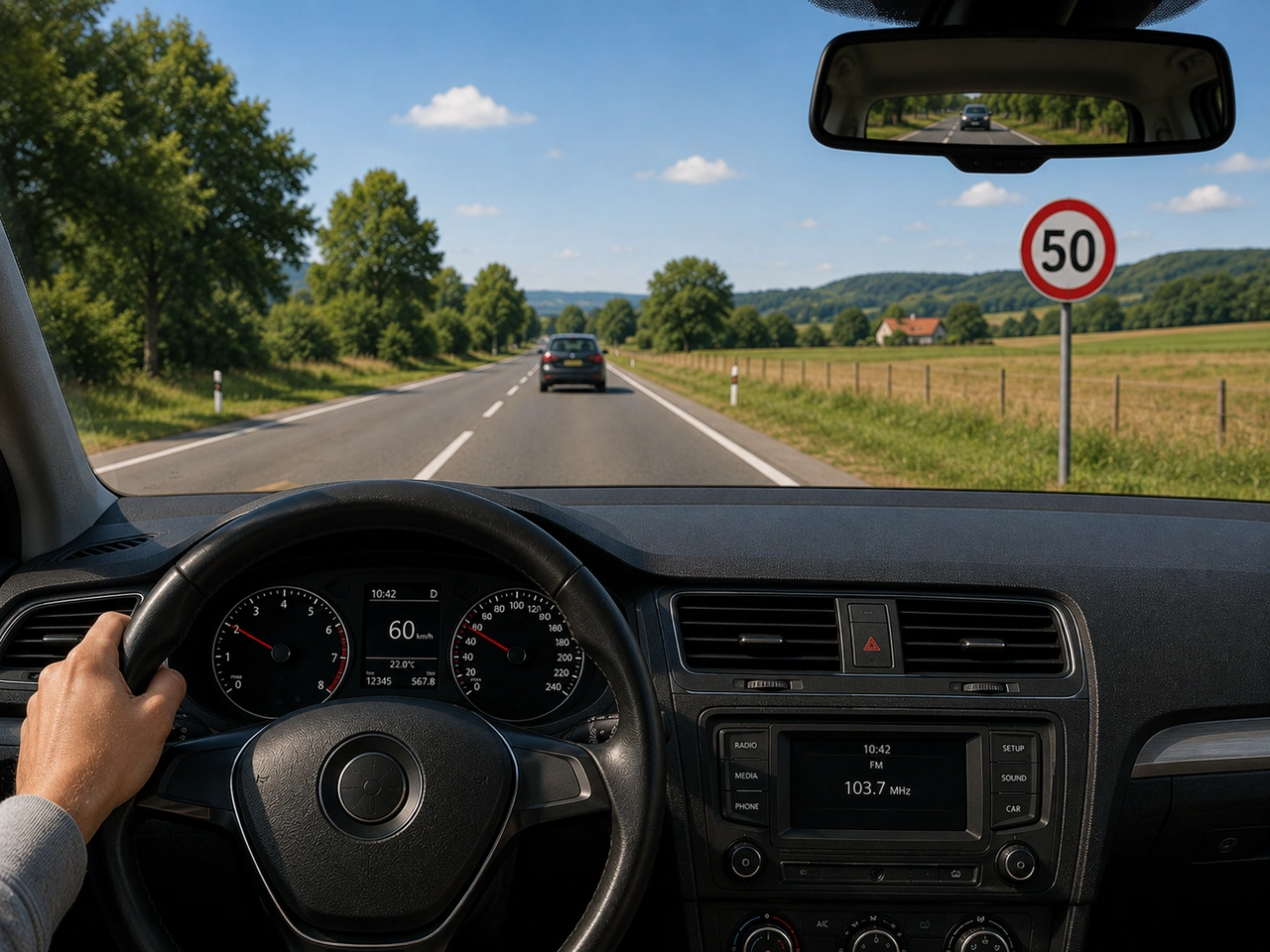
118. Speed limits only apply when there is heavy traffic.
Speed limits apply at all times unless a different limit is clearly indicated.
AI-generated by Rijbewijs-online.be • WCIT • CC BY-SA
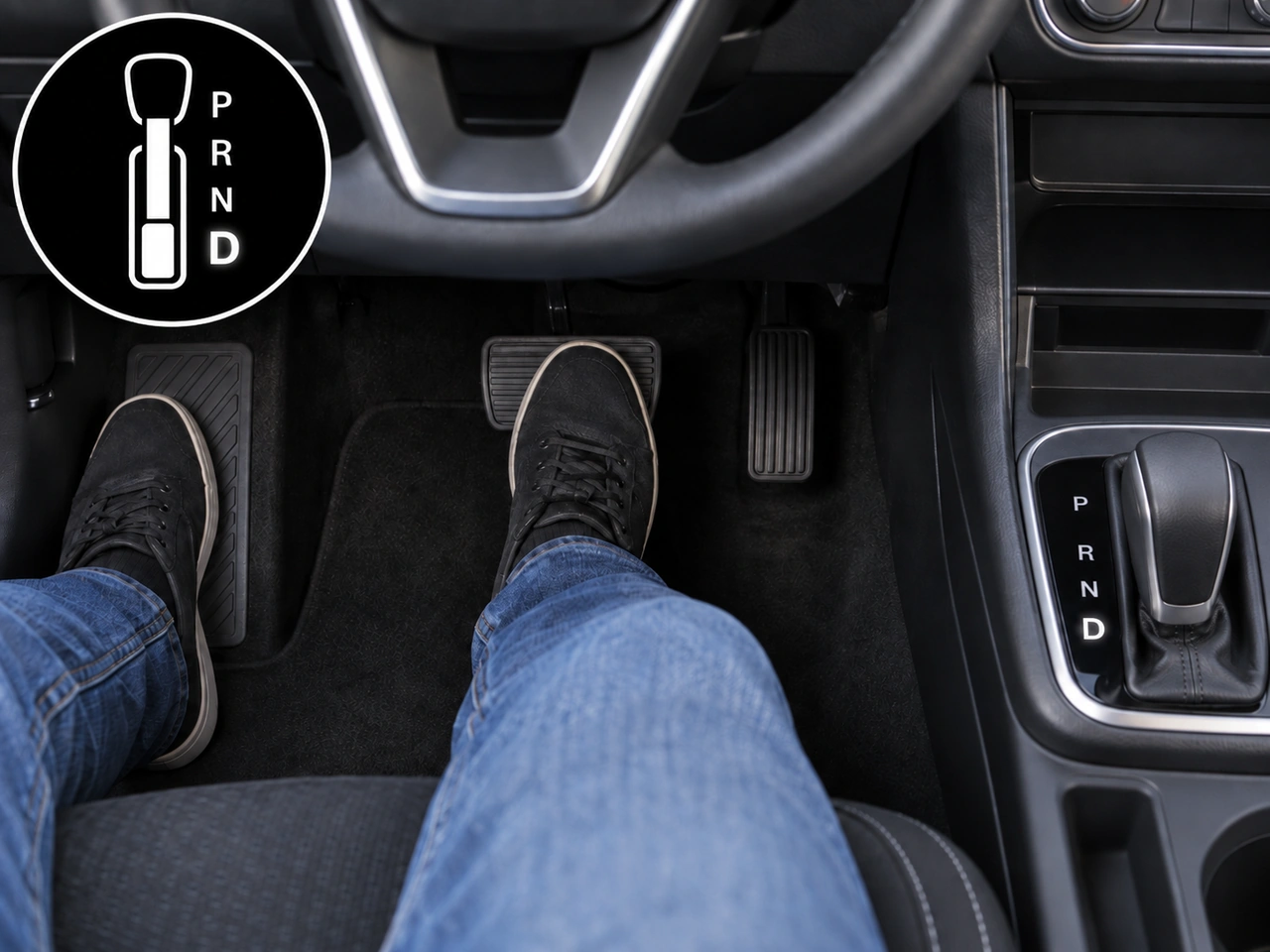
119. What should you do when an automatic vehicle is stationary in D?
An automatic vehicle may creep forward when D (Drive) is selected, even without pressing the accelerator. Keep the brake pedal pressed while stationary to prevent unintended movement.
AI-generated by Rijbewijs-online.be • WCIT • CC BY-SA
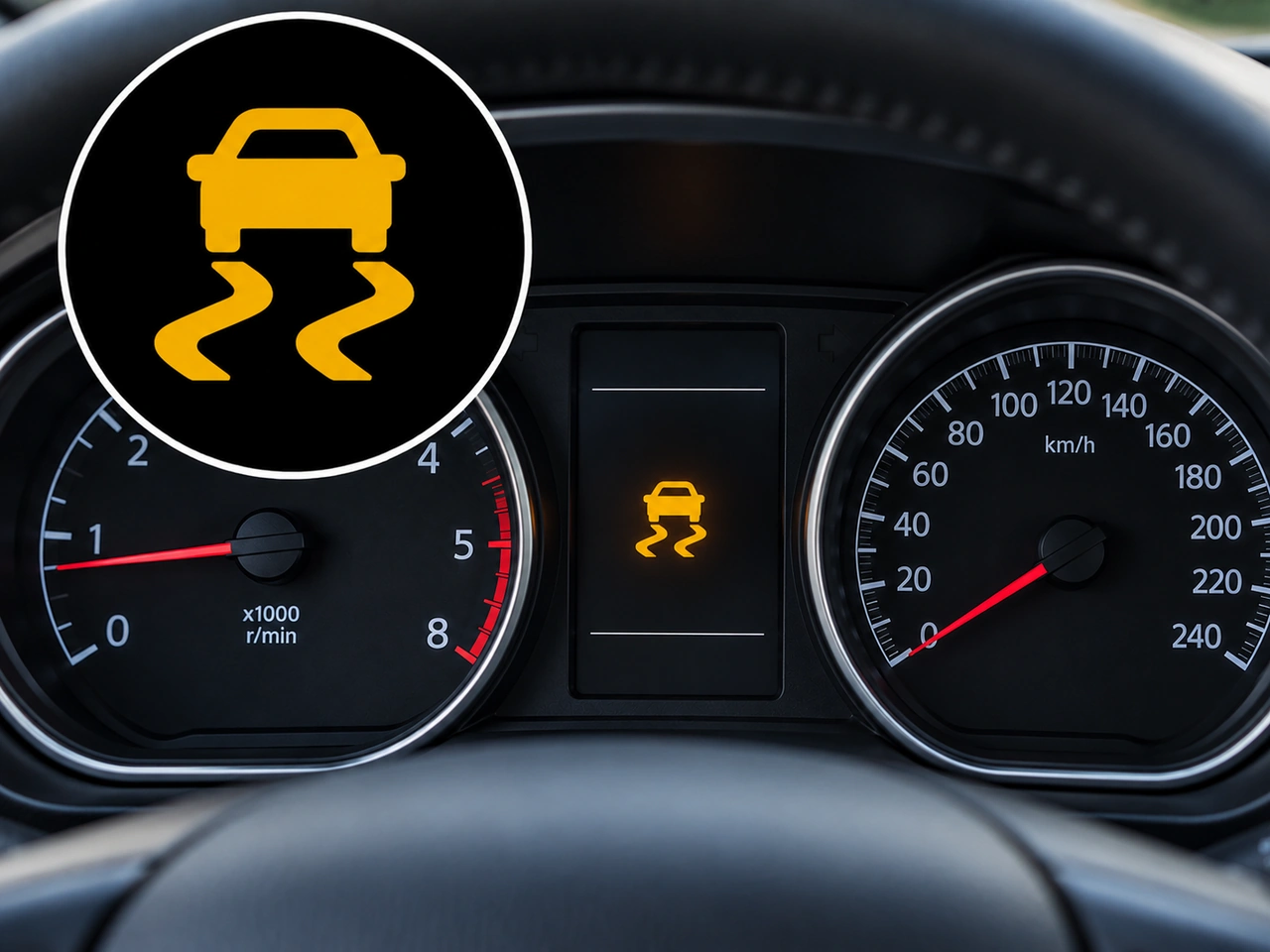
120. What does this dashboard symbol indicate?
This symbol relates to the electronic stability control (ESC) system. It may flash when the system is actively helping to maintain stability. If it remains illuminated, the system may be switched off or have a fault.
AI-generated by Rijbewijs-online.be • WCIT • CC BY-SA
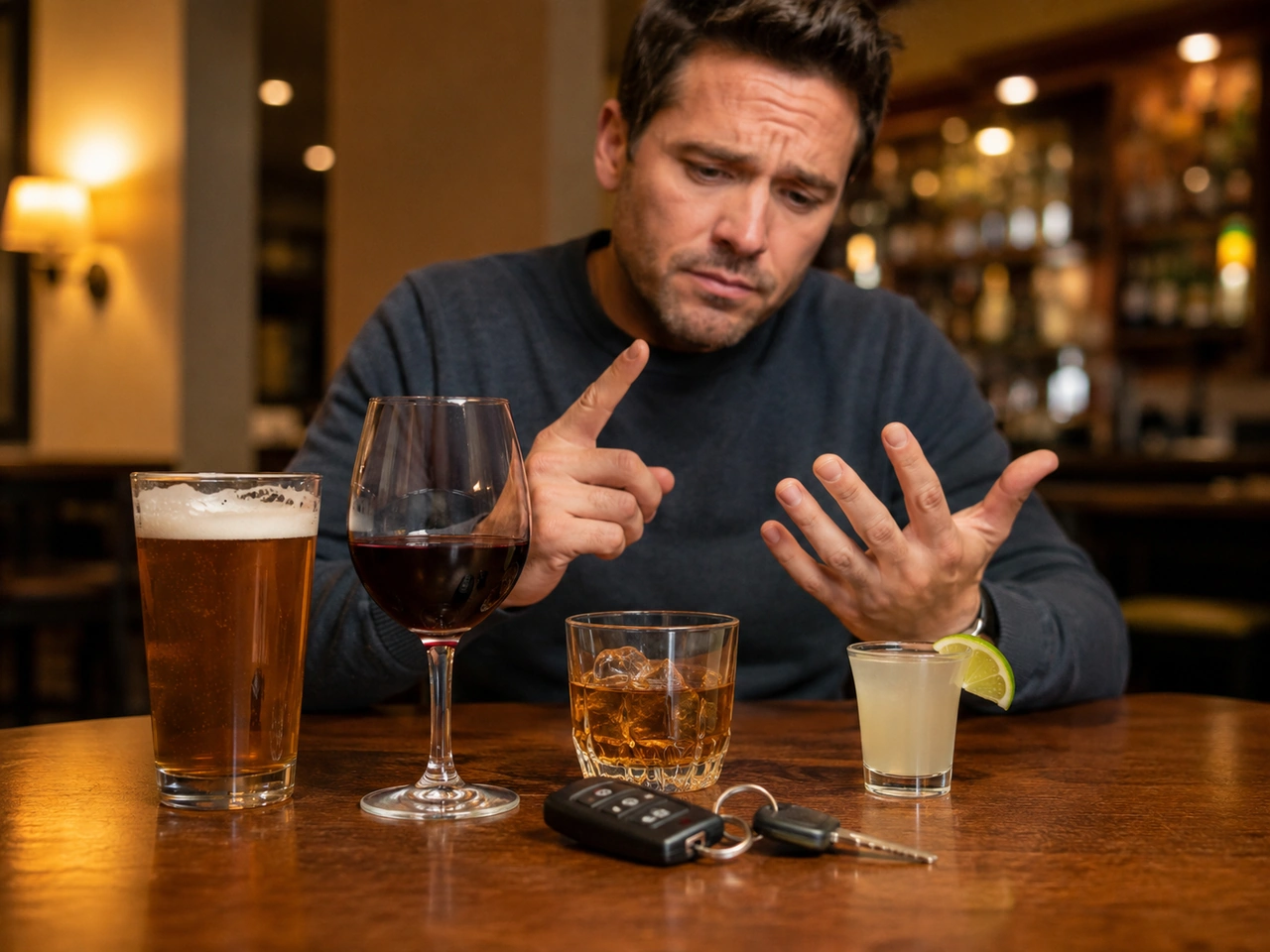
121. Why is counting drinks an unreliable way to decide whether you can drive?
Alcohol concentration and serving sizes vary, and factors such as body size, food, medication, and time can affect impairment.
AI-generated by Rijbewijs-online.be • WCIT • CC BY-SA
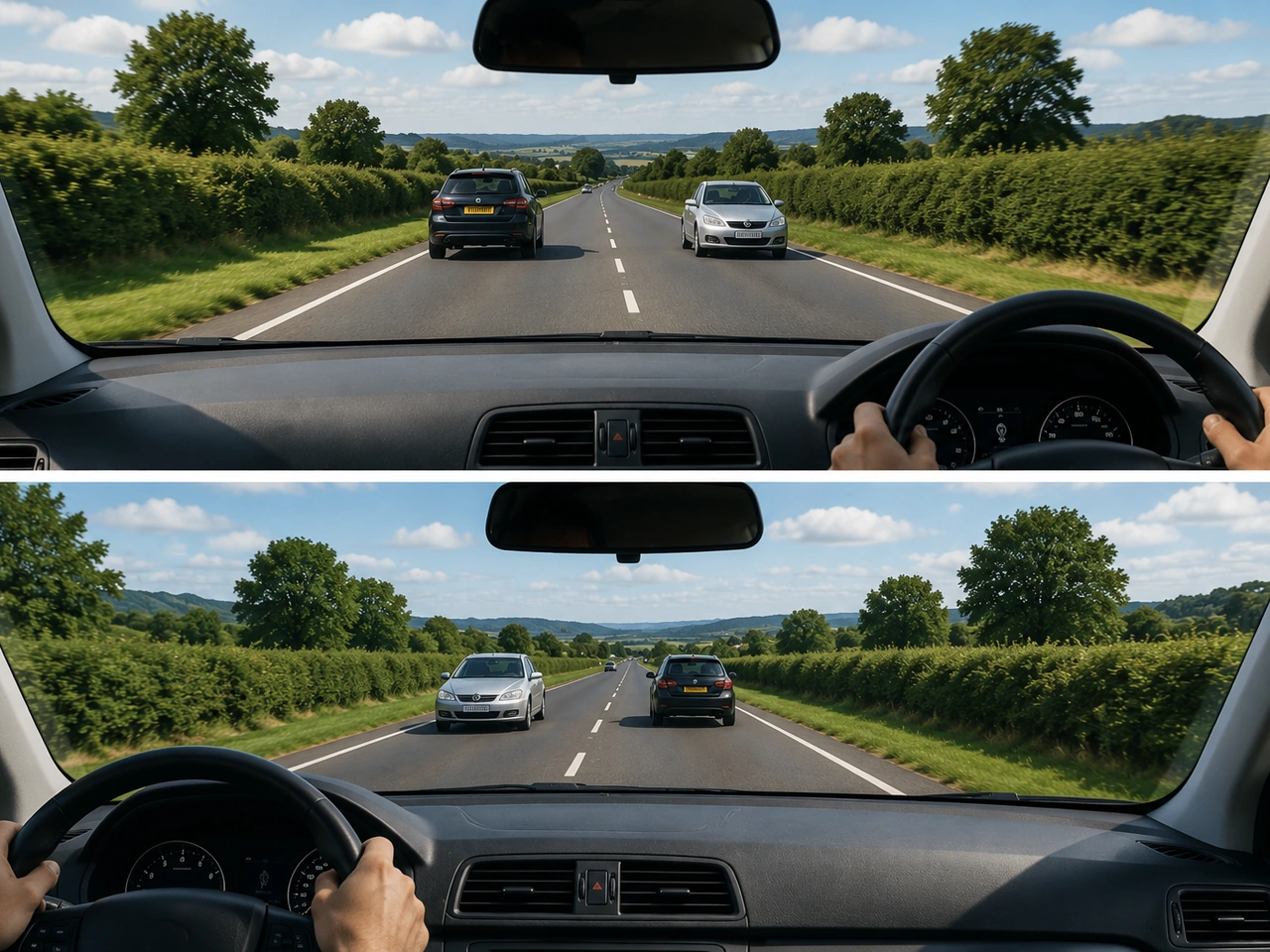
122. Which side do people drive on in Bosnia and Herzegovina?
Traffic drives on the right-hand side of the road in Bosnia and Herzegovina.
AI-generated by Rijbewijs-online.be • WCIT • CC BY-SA
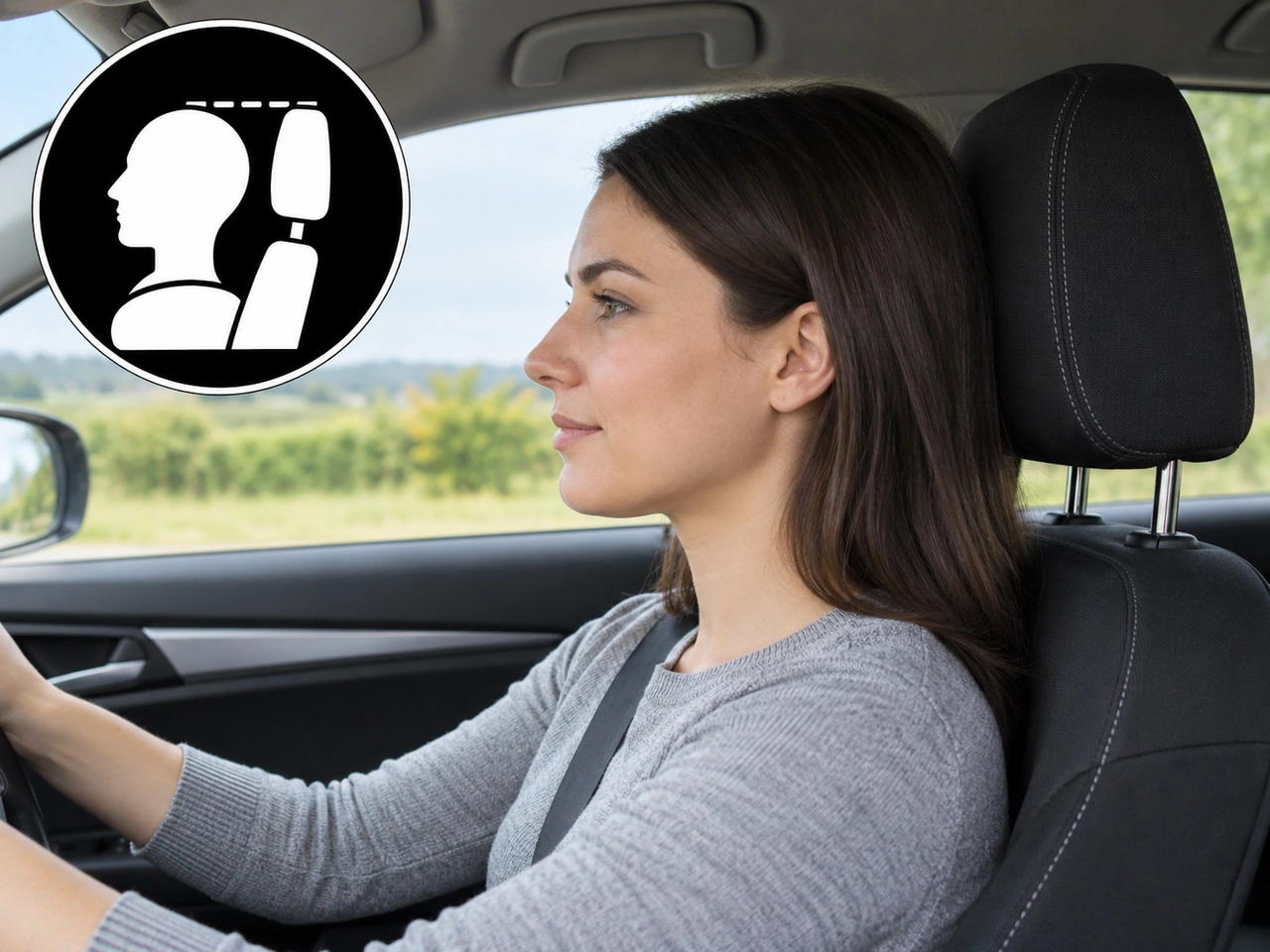
123. Where should the top of the head restraint normally be positioned?
The head restraint should normally be adjusted so that its top is approximately level with the top of the head. This helps reduce the risk of neck injury in a collision.
AI-generated by Rijbewijs-online.be • WCIT • CC BY-SA
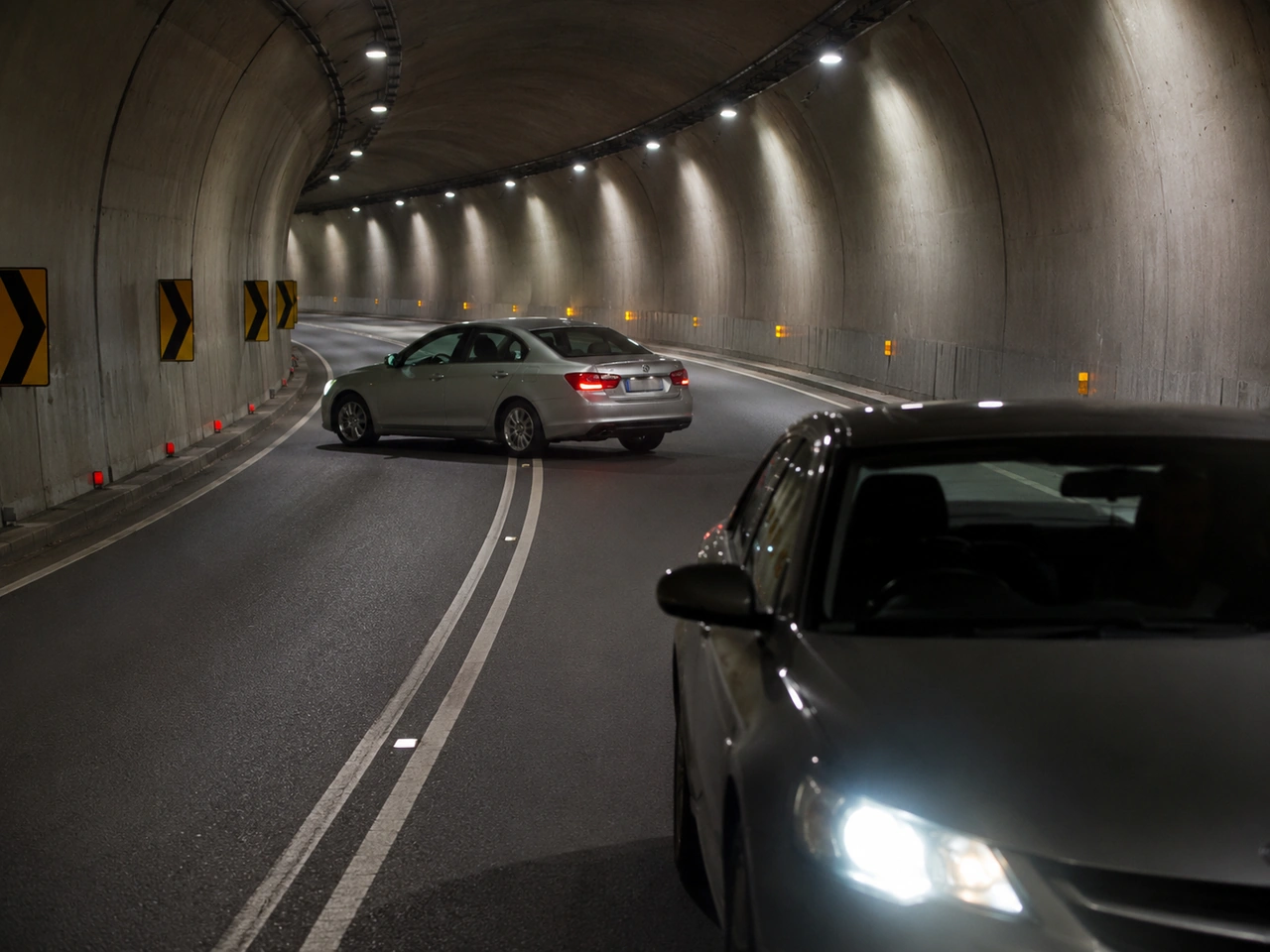
124. Why should you never reverse or make a U-turn inside a tunnel unless directed?
Other drivers may not expect a vehicle to reverse or turn around. Only change direction when instructed by police or tunnel staff.
AI-generated by Rijbewijs-online.be • WCIT • CC BY-SA
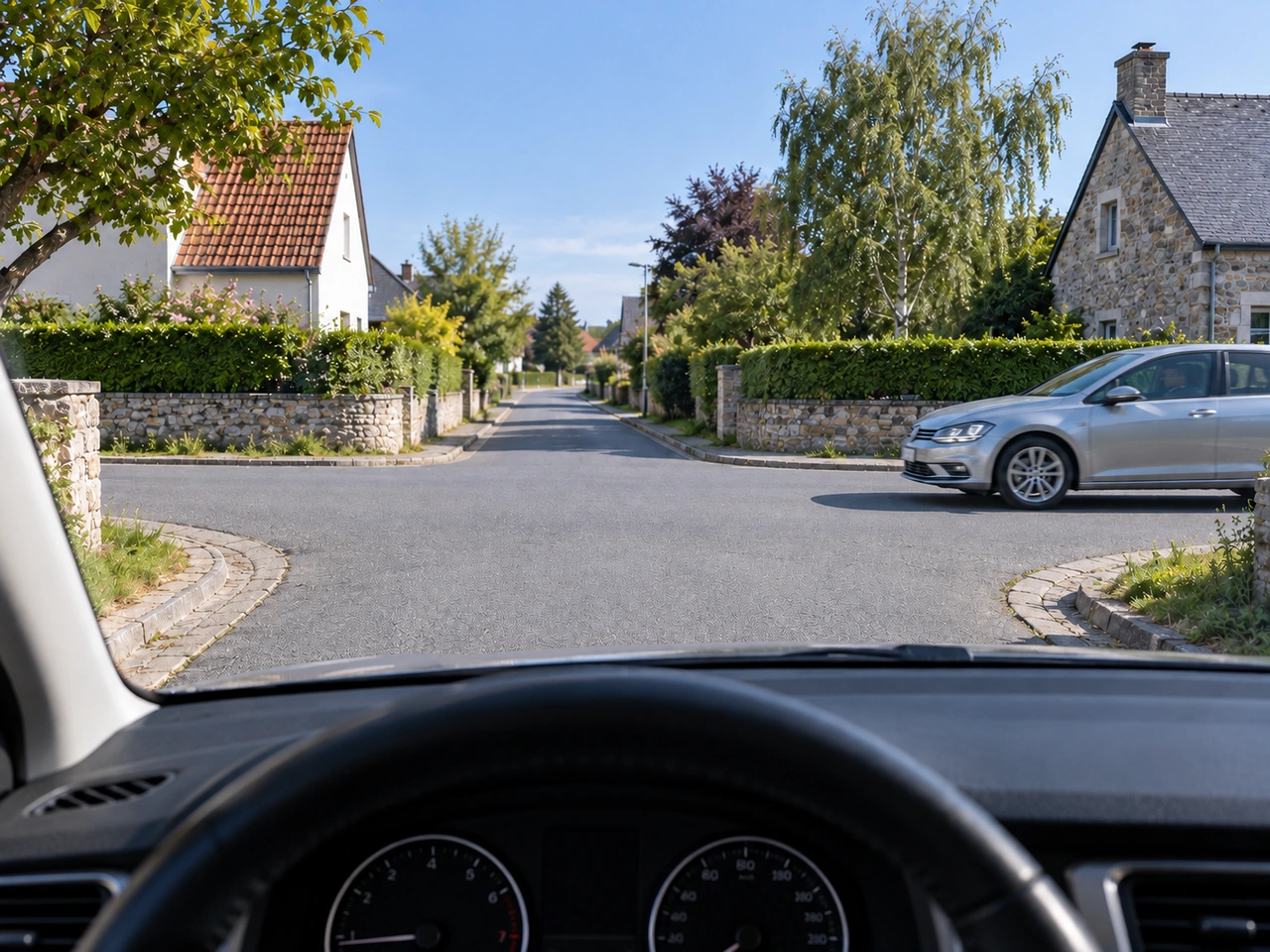
125. Does the priority-to-the-right rule apply in Bosnia and Herzegovina?
In Bosnia and Herzegovina, the priority-to-the-right rule generally applies at uncontrolled intersections.
AI-generated by Rijbewijs-online.be • WCIT • CC BY-SA
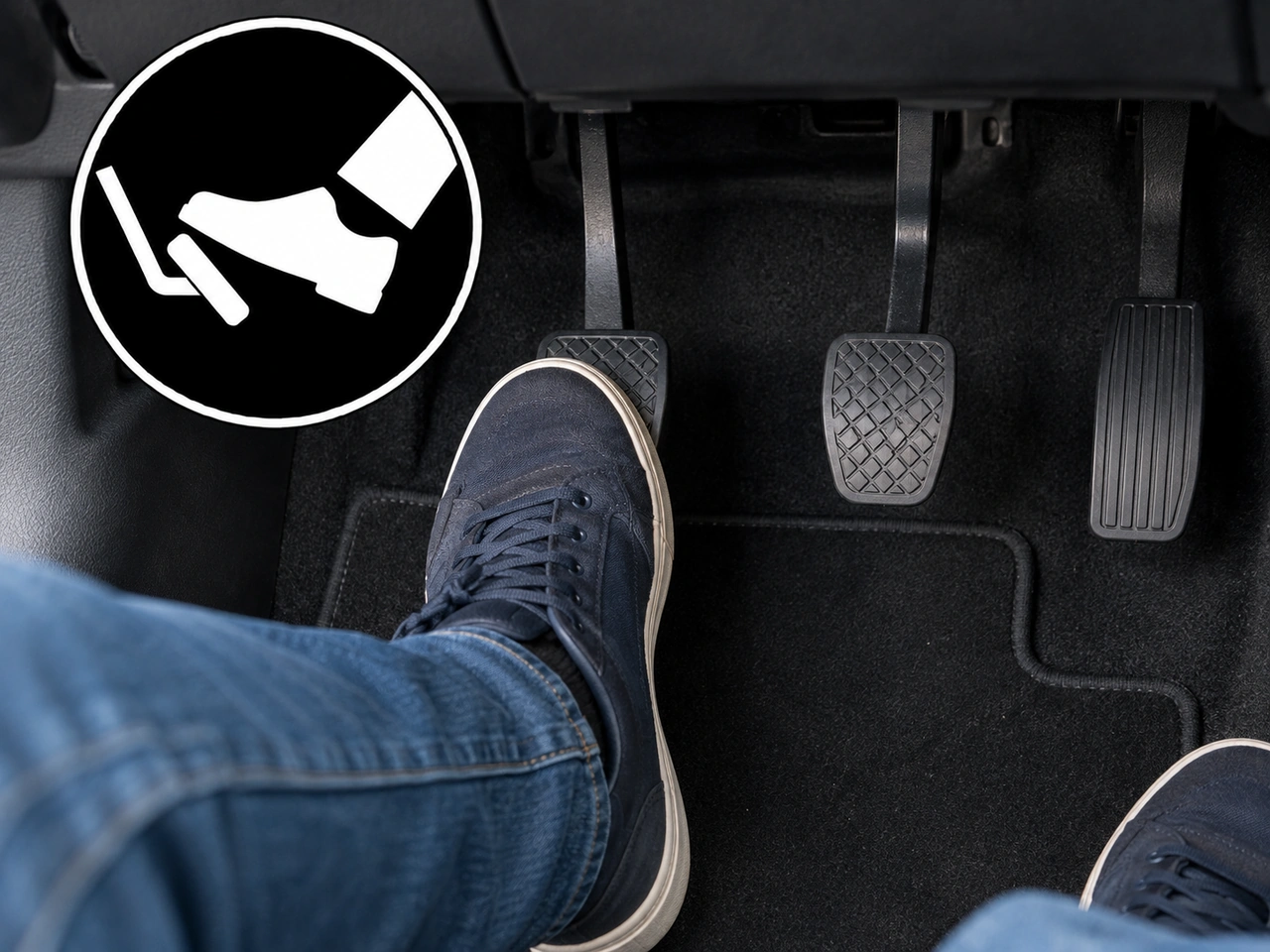
126. What is the purpose of the clutch pedal in a manual vehicle?
Pressing the clutch pedal temporarily disconnects the engine from the transmission, allowing the driver to change gear or stop without stalling the engine.
AI-generated by Rijbewijs-online.be • WCIT • CC BY-SA
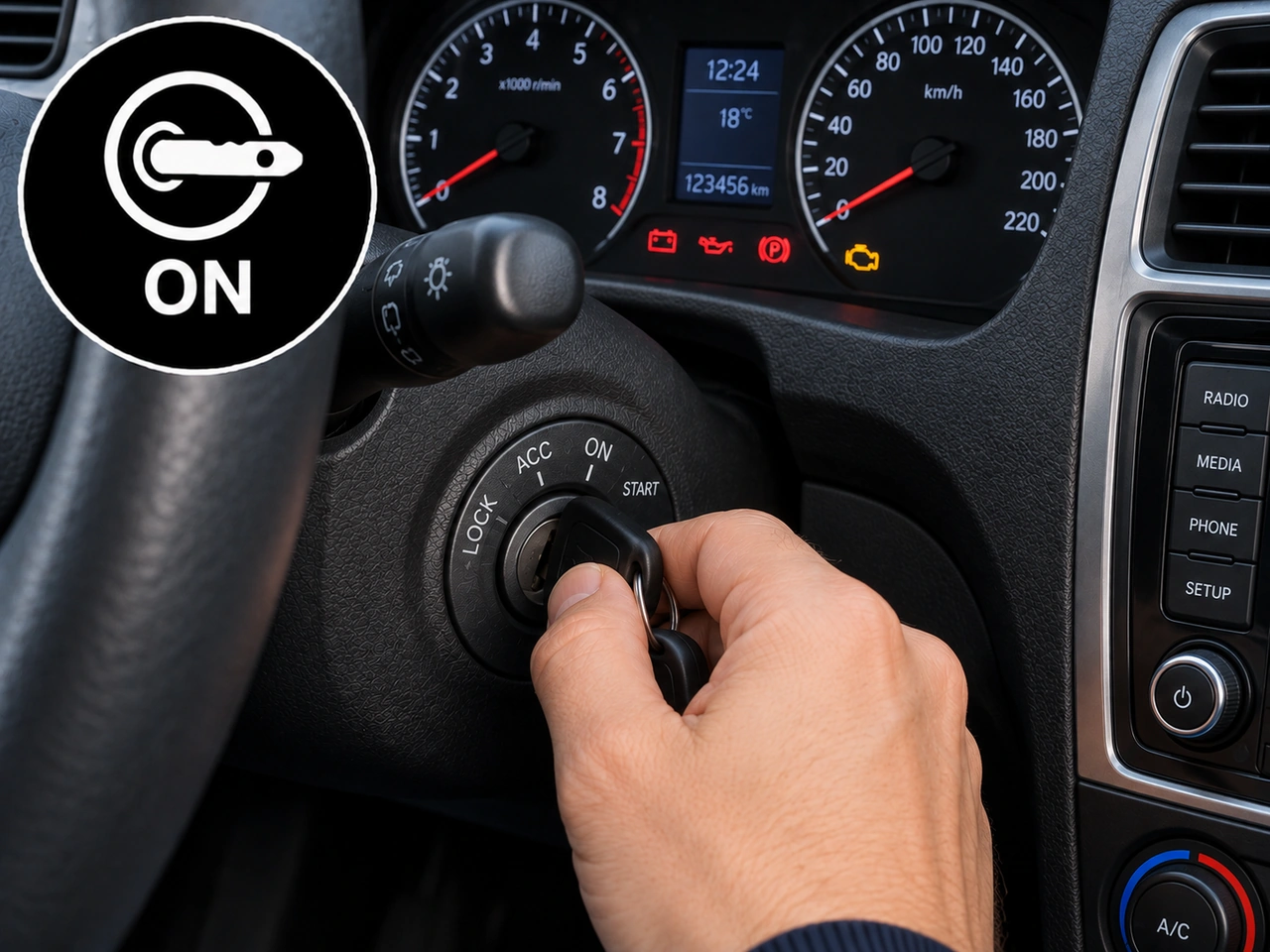
127. What does the ON position of a traditional ignition switch normally do?
The ON position normally switches on the vehicle's electrical and ignition systems without operating the starter motor. The engine is started by turning the key further to the START position.
AI-generated by Rijbewijs-online.be • WCIT • CC BY-SA
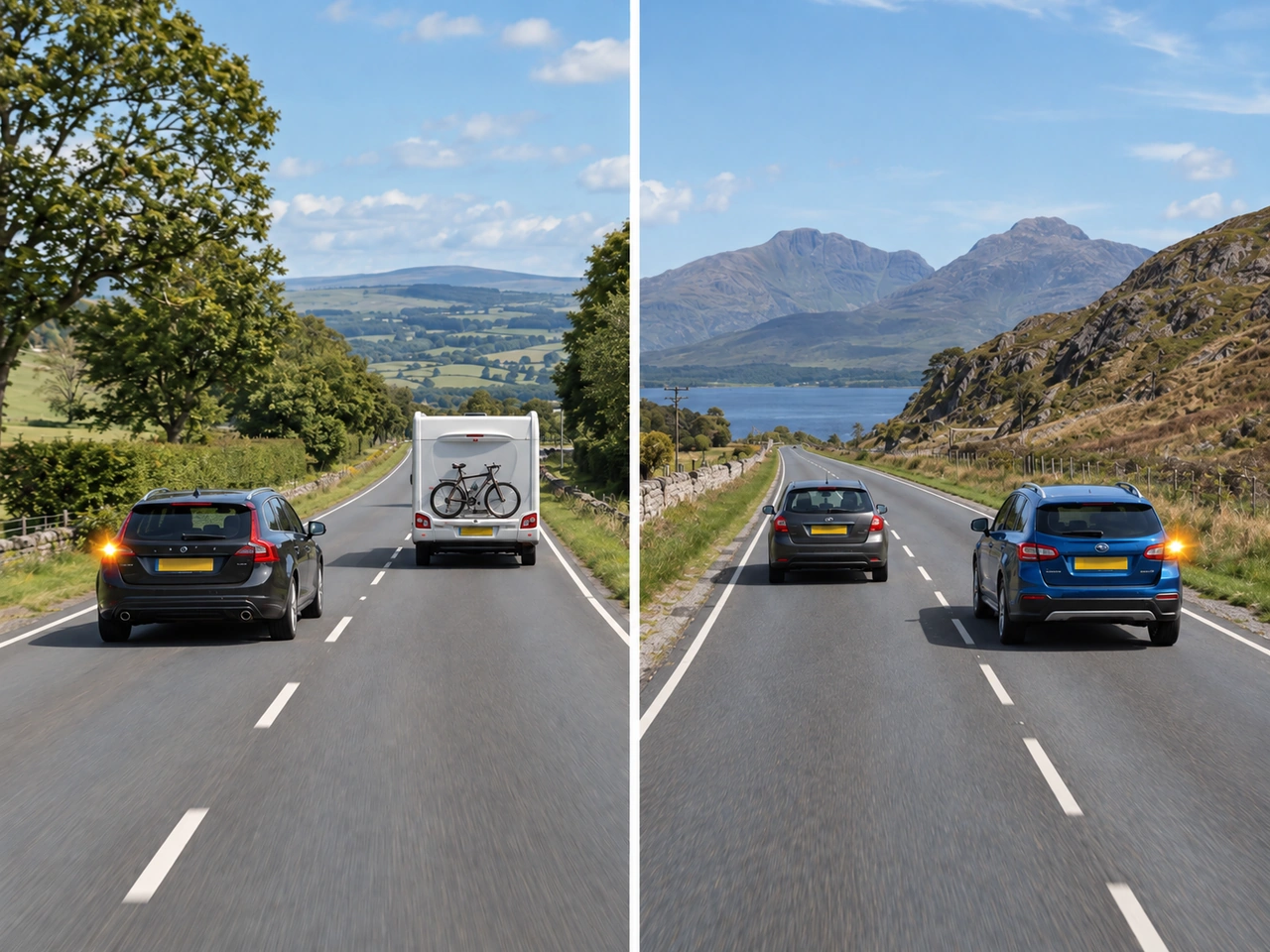
128. Which side is normally used for overtaking in Bosnia and Herzegovina?
Drivers normally overtake on the left-hand side in Bosnia and Herzegovina.
AI-generated by Rijbewijs-online.be • WCIT • CC BY-SA
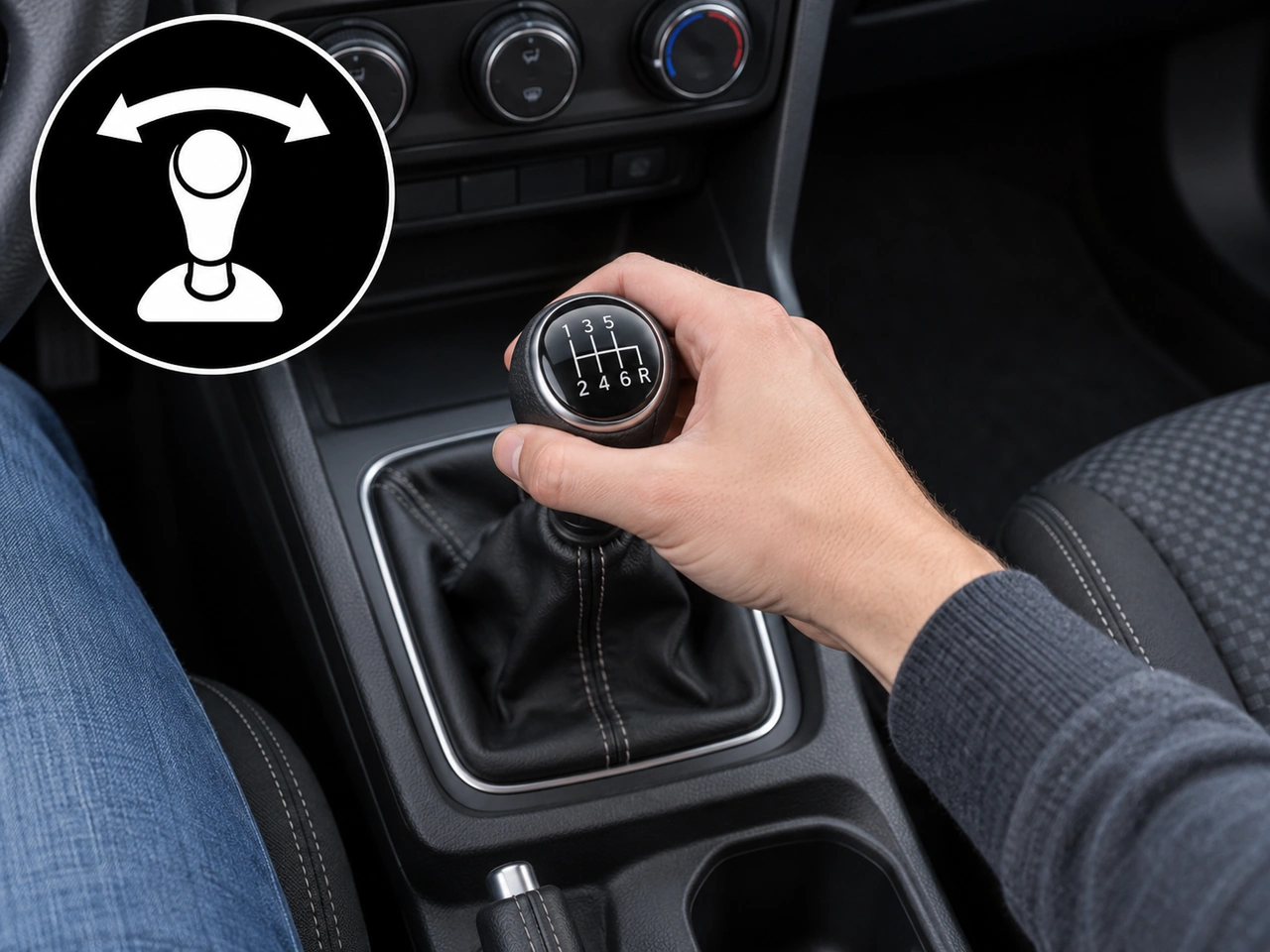
129. How can you check that a manual gearbox is in neutral?
When a manual gearbox is in neutral, the gear lever can normally be moved freely from side to side across the centre of the gear pattern. Check that neutral is selected before starting the engine when appropriate.
AI-generated by Rijbewijs-online.be • WCIT • CC BY-SA
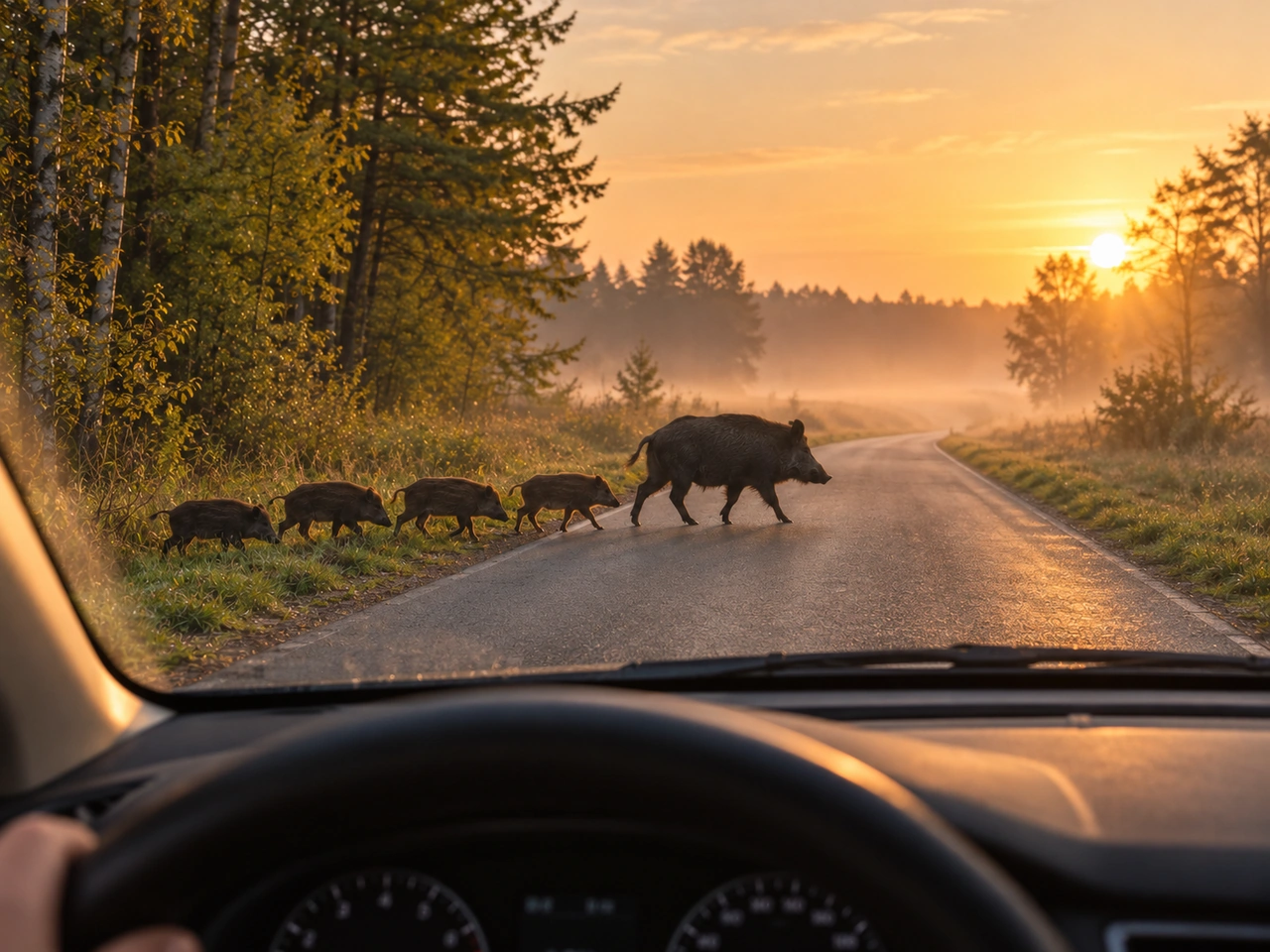
130. Why should you be especially alert for wild animals at dawn and dusk?
Many wild animals are most active around dawn and dusk, when visibility may also be reduced.
AI-generated by Rijbewijs-online.be • WCIT • CC BY-SA
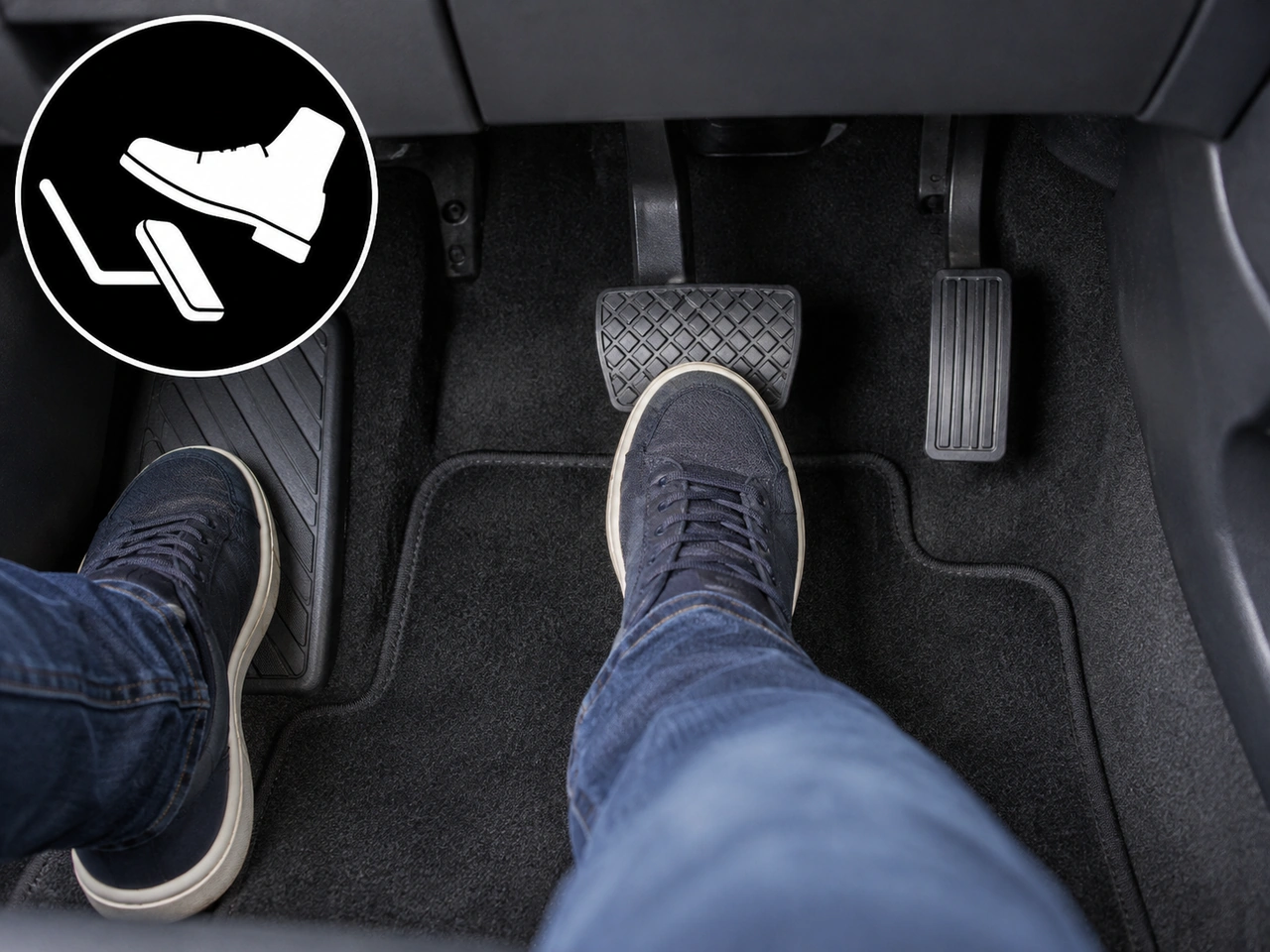
131. What does it mean to cover the brake pedal?
To cover the brake, move your right foot over the brake pedal without pressing it, so you are ready to brake quickly if a hazard develops.
AI-generated by Rijbewijs-online.be • WCIT • CC BY-SA
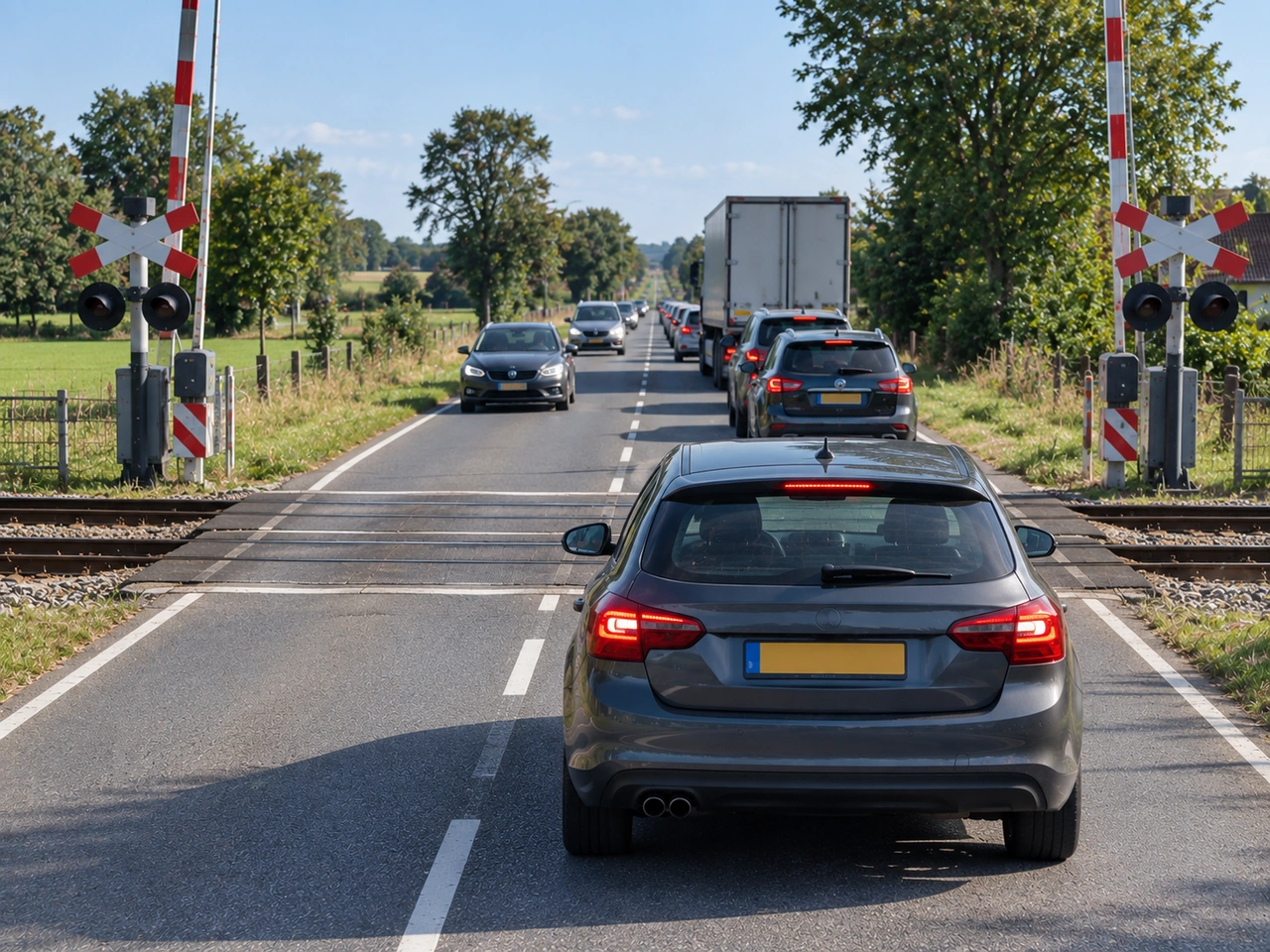
132. What should you do if traffic beyond a railway crossing is blocked?
Never enter a railway crossing unless you can clear the tracks completely. If traffic ahead is blocked, wait before the crossing so you cannot become trapped on the railway.
AI-generated by Rijbewijs-online.be • WCIT • CC BY-SA
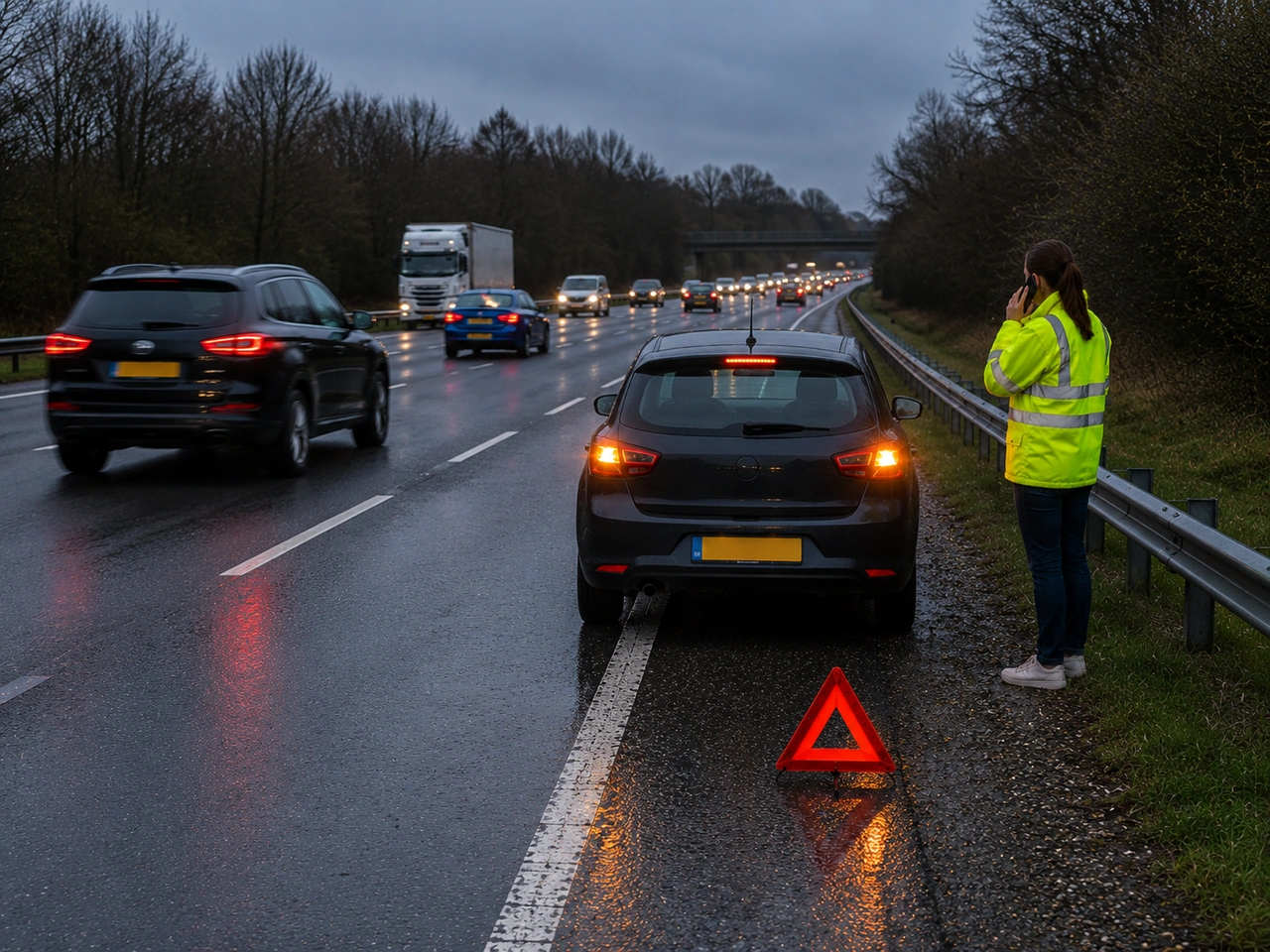
133. What information is needed when requesting emergency assistance?
Road numbers, junctions, location markers, direction of travel, and a clear description of the incident help assistance reach you quickly.
AI-generated by Rijbewijs-online.be • WCIT • CC BY-SA
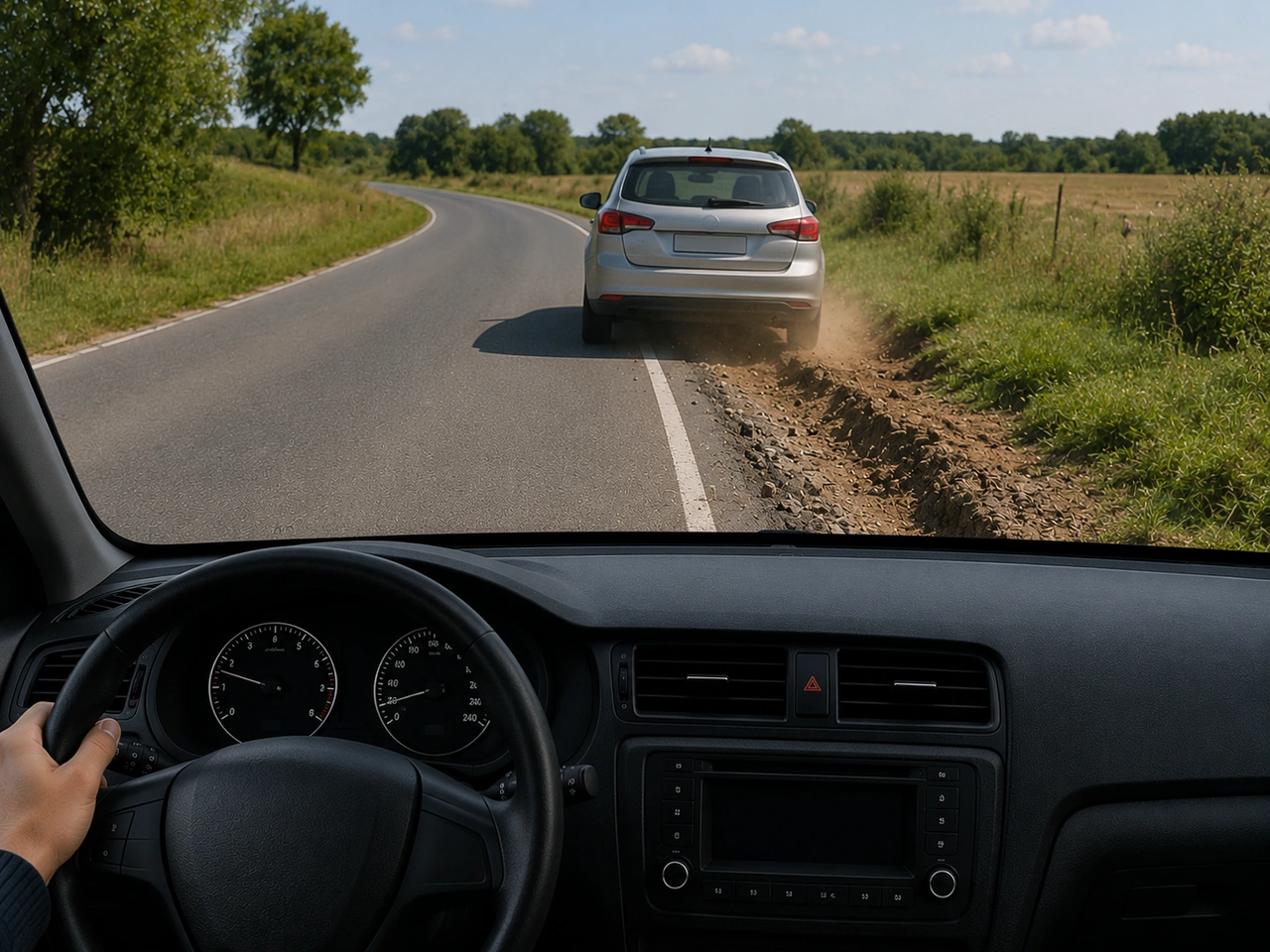
134. Why should you avoid driving too close to the edge of the road?
Road edges can be soft, uneven, or damaged. Driving too close to the edge can reduce control or cause the vehicle to leave the road.
AI-generated by Rijbewijs-online.be • WCIT • CC BY-SA
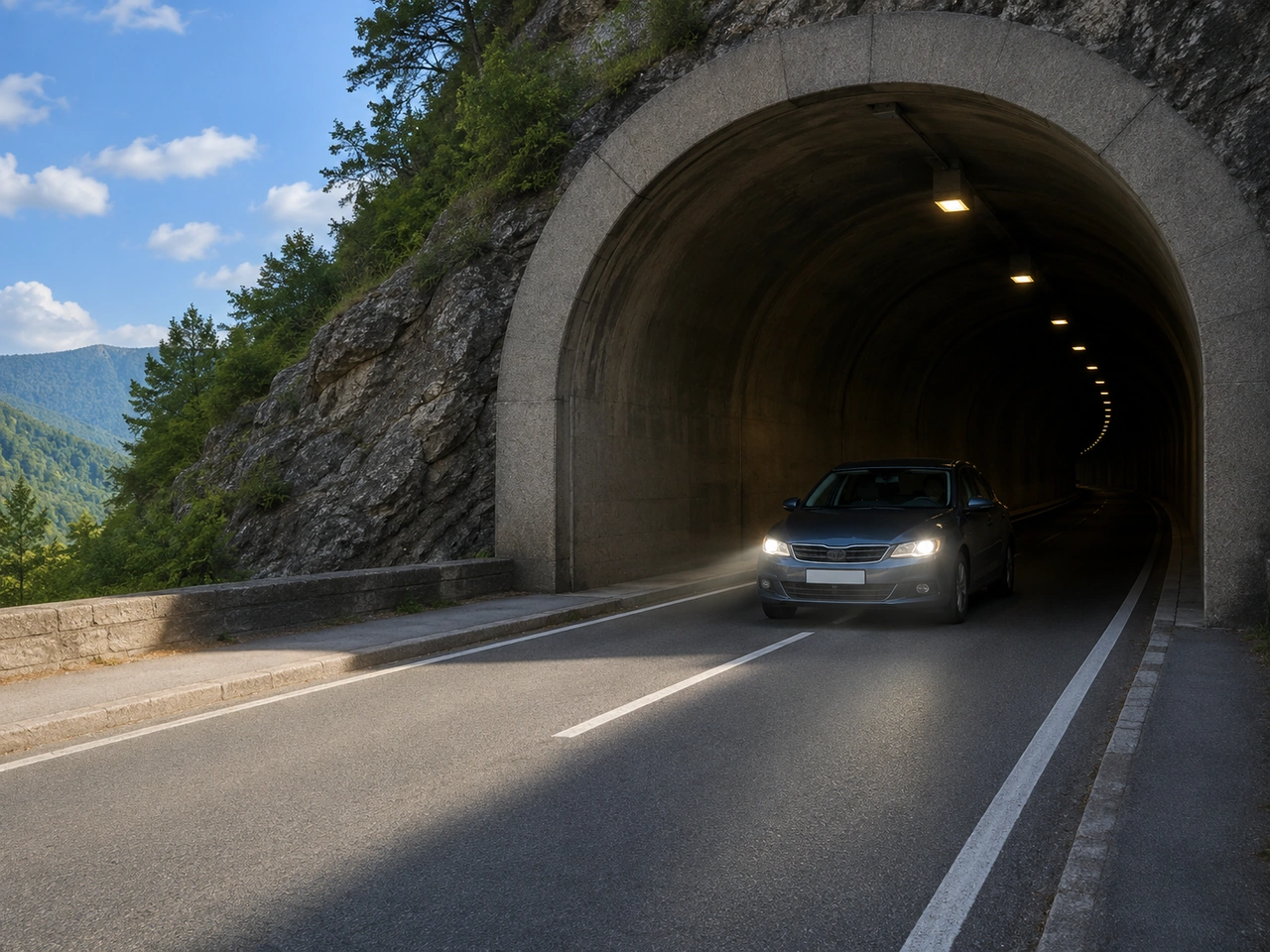
135. Why should you switch on dipped headlights before entering a tunnel?
Tunnel lighting may be much darker than daylight. Dipped headlights help you see and make your vehicle more visible.
AI-generated by Rijbewijs-online.be • WCIT • CC BY-SA
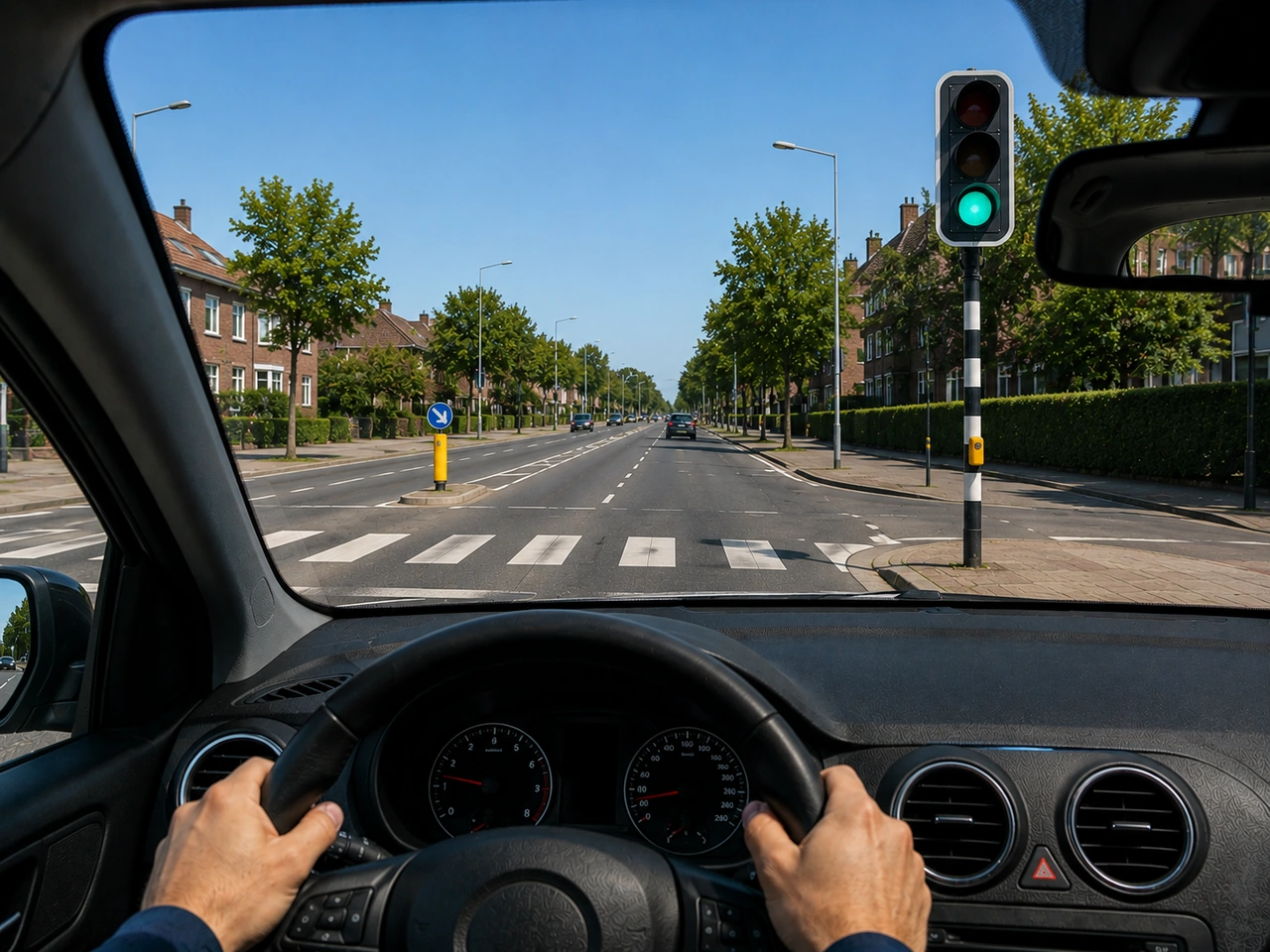
136. What does a green traffic light mean?
A green light allows you to continue, but you must still watch for pedestrians, cyclists, and other road users.
AI-generated by Rijbewijs-online.be • WCIT • CC BY-SA
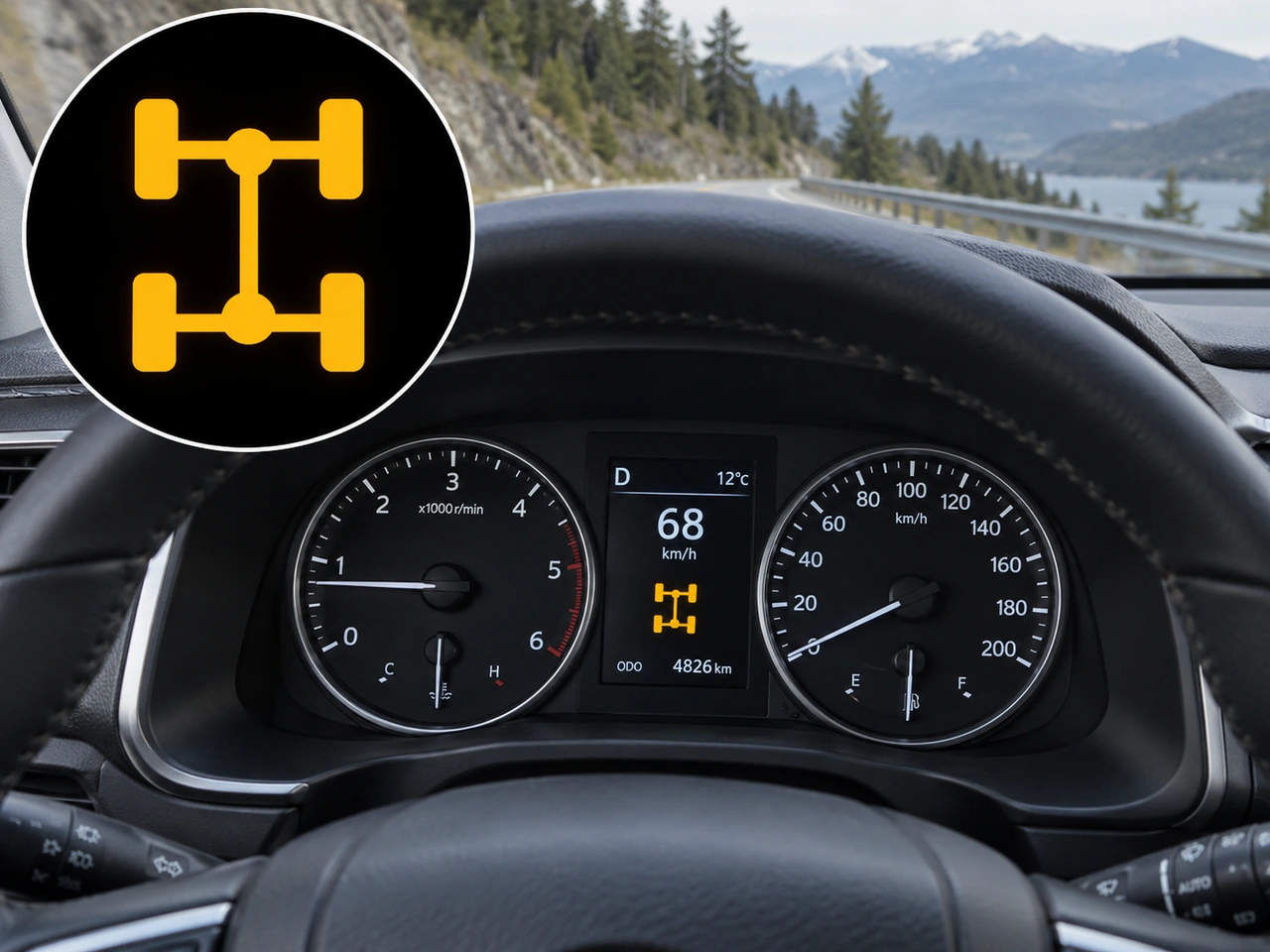
137. What does this dashboard symbol indicate?
This symbol relates to the vehicle's four-wheel-drive system, which can transmit power to all four wheels. The exact symbol and operating modes vary between vehicles.
AI-generated by Rijbewijs-online.be • WCIT • CC BY-SA
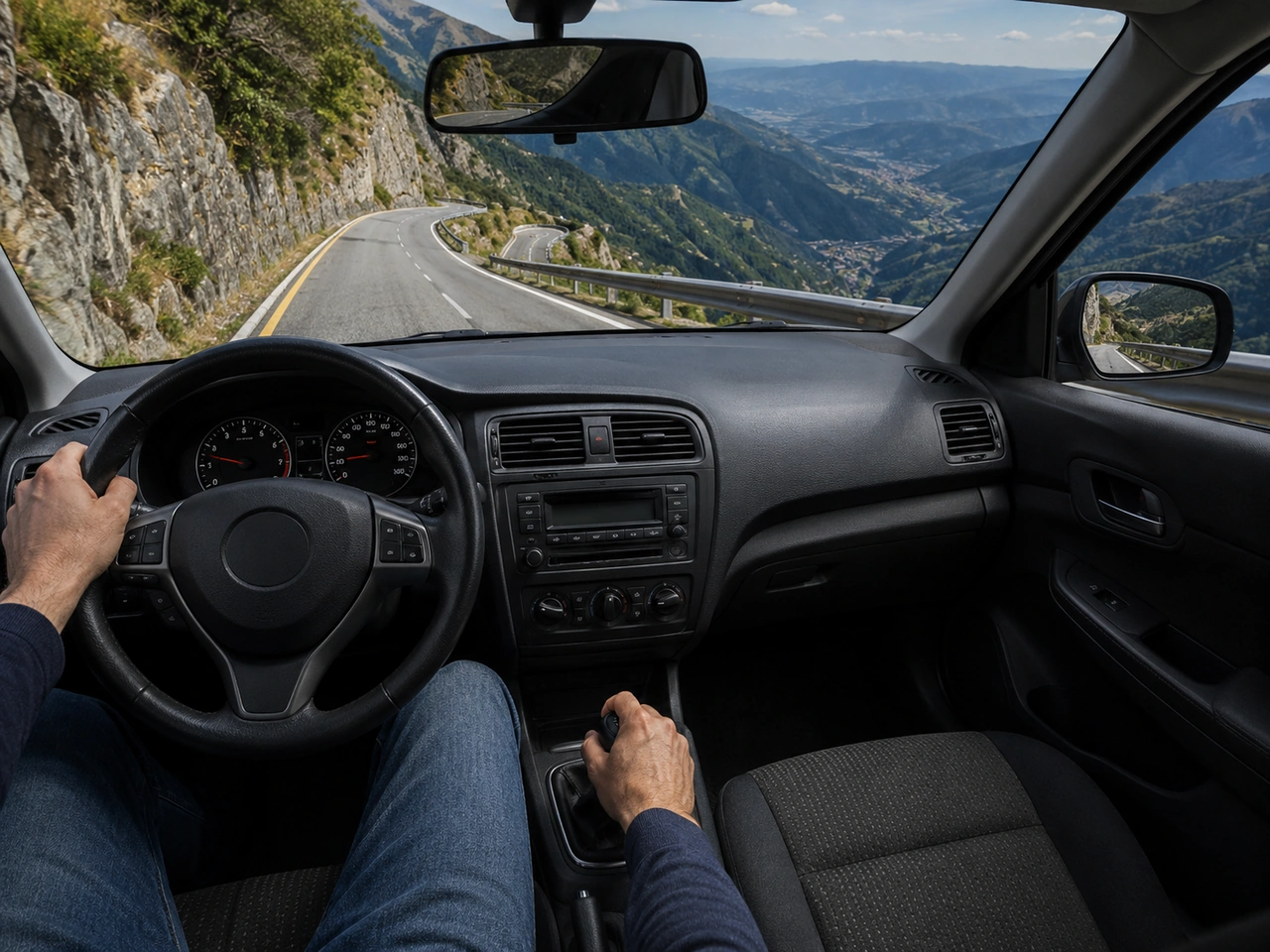
138. Why should you use a lower gear when driving downhill?
Engine braking helps prevent the vehicle from gaining too much speed and reduces strain on the brakes.
AI-generated by Rijbewijs-online.be • WCIT • CC BY-SA
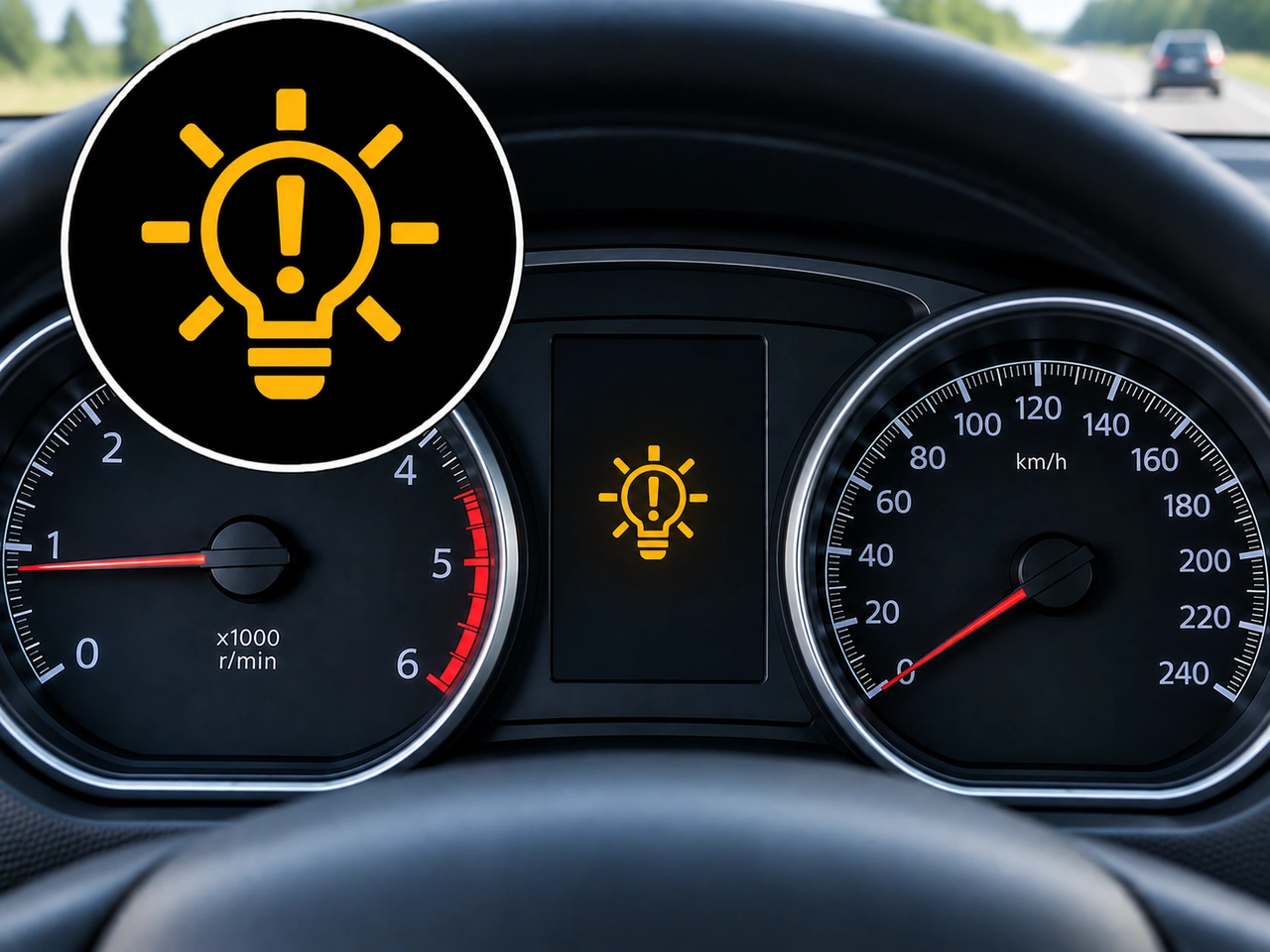
139. What does this dashboard symbol indicate?
This symbol indicates a possible failure of an exterior vehicle light, such as a headlight, tail light, brake light or indicator. Check the vehicle's exterior lights and replace or repair any faulty light.
AI-generated by Rijbewijs-online.be • WCIT • CC BY-SA
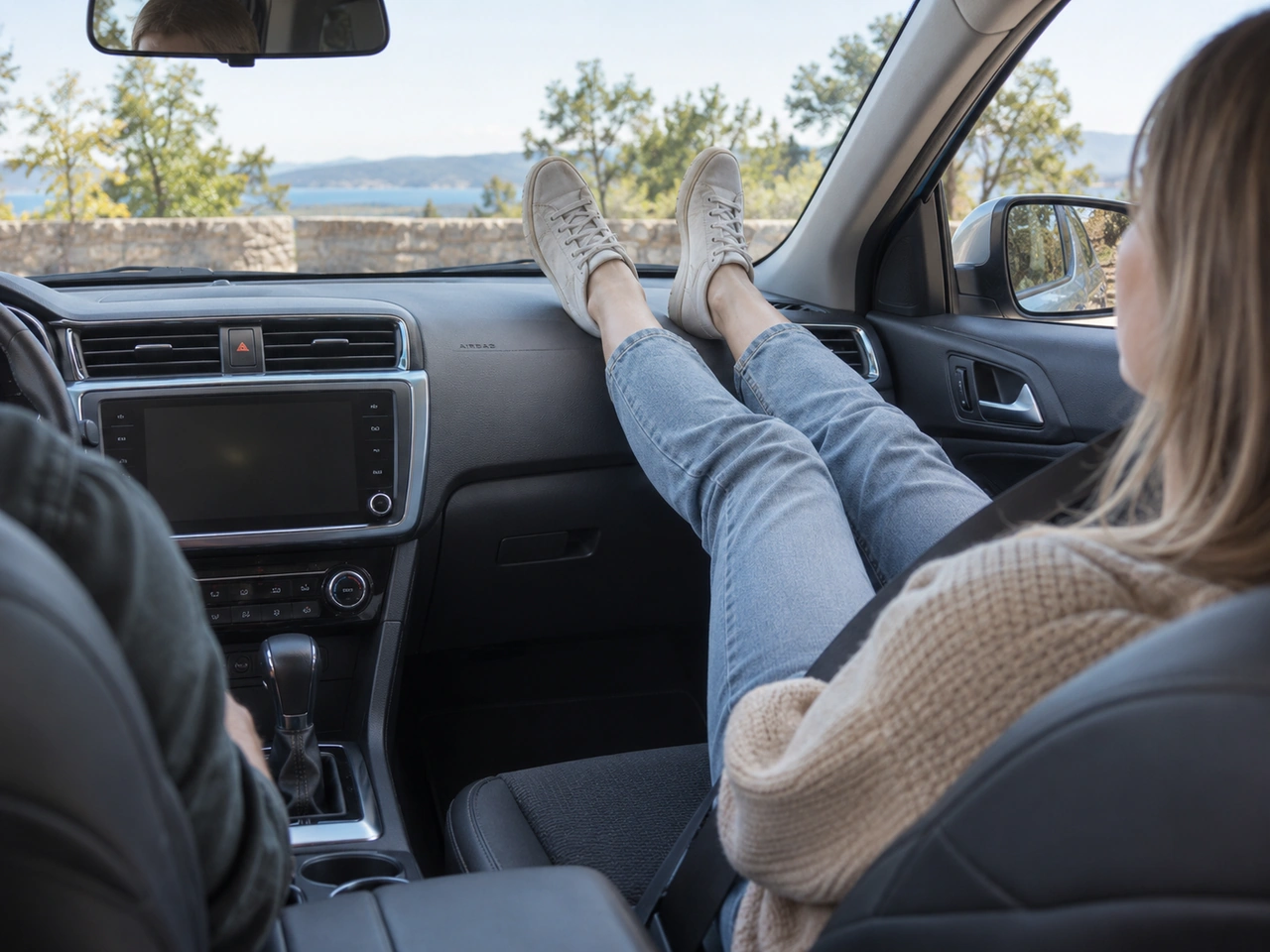
140. Why should a front passenger keep their feet off the dashboard?
A front airbag deploys very quickly and with considerable force. If a passenger has their feet or legs on the dashboard, airbag deployment can force their legs backwards and greatly increase the risk of serious injury. Passengers should sit normally with their feet in the footwell and wear their seat belts correctly. The driver should make sure everyone is seated and restrained safely before setting off.
AI-generated by Rijbewijs-online.be • WCIT • CC BY-SA
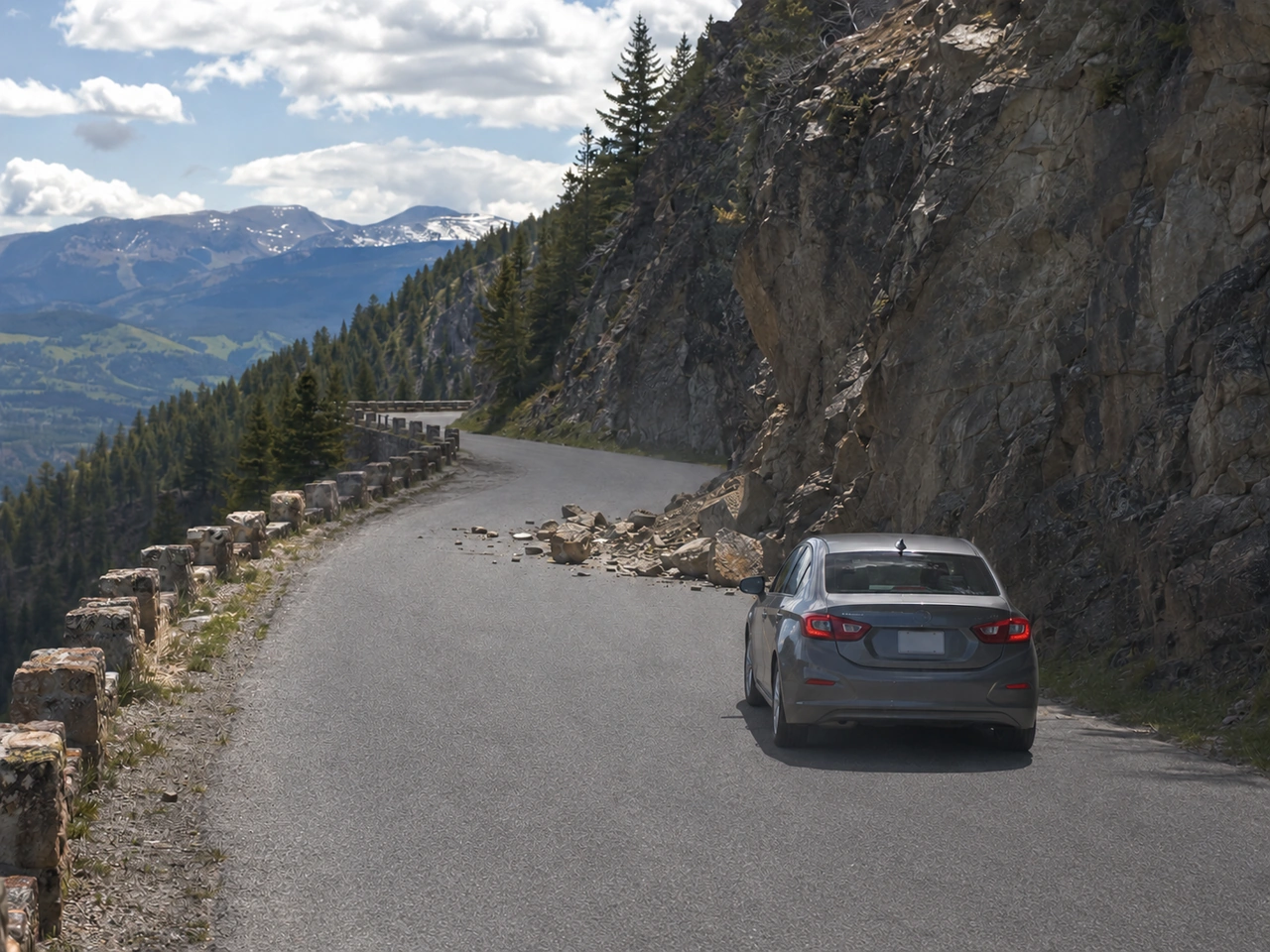
141. What should you do if you see fallen rocks on a mountain road?
Loose rocks can damage tyres, affect steering, or block part of the road. Reduce speed and avoid sudden movements. If rocks are actively falling, do not enter or stop in the danger area. Keep a safe distance and, if necessary, wait in a safe place until it is safe to continue.
AI-generated by Rijbewijs-online.be • WCIT • CC BY-SA
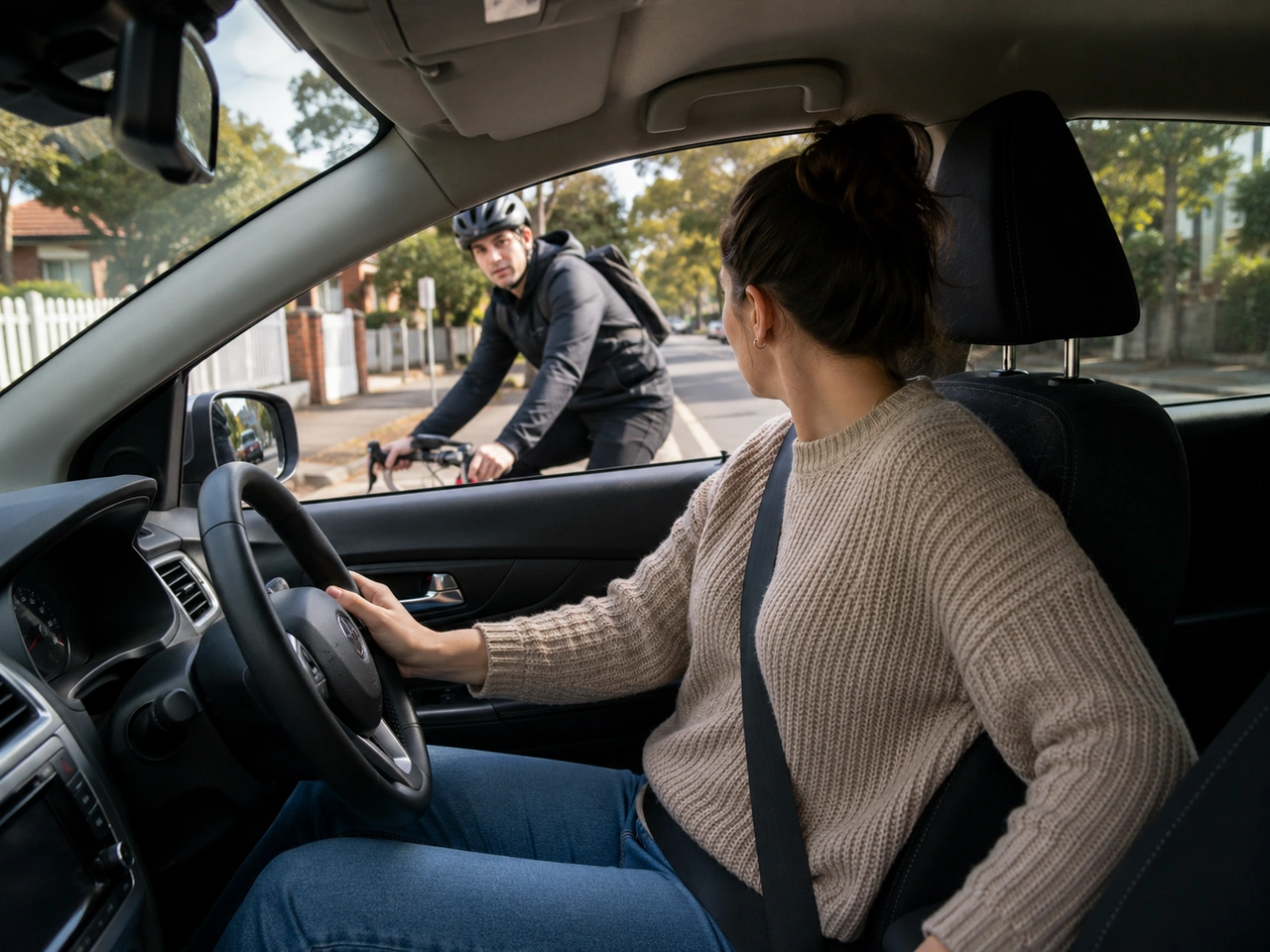
142. Why should you check blind spots before moving off?
Mirrors do not show every area around your vehicle. A blind-spot check can reveal cyclists, pedestrians, motorcyclists, or vehicles before you move off.
AI-generated by Rijbewijs-online.be • WCIT • CC BY-SA
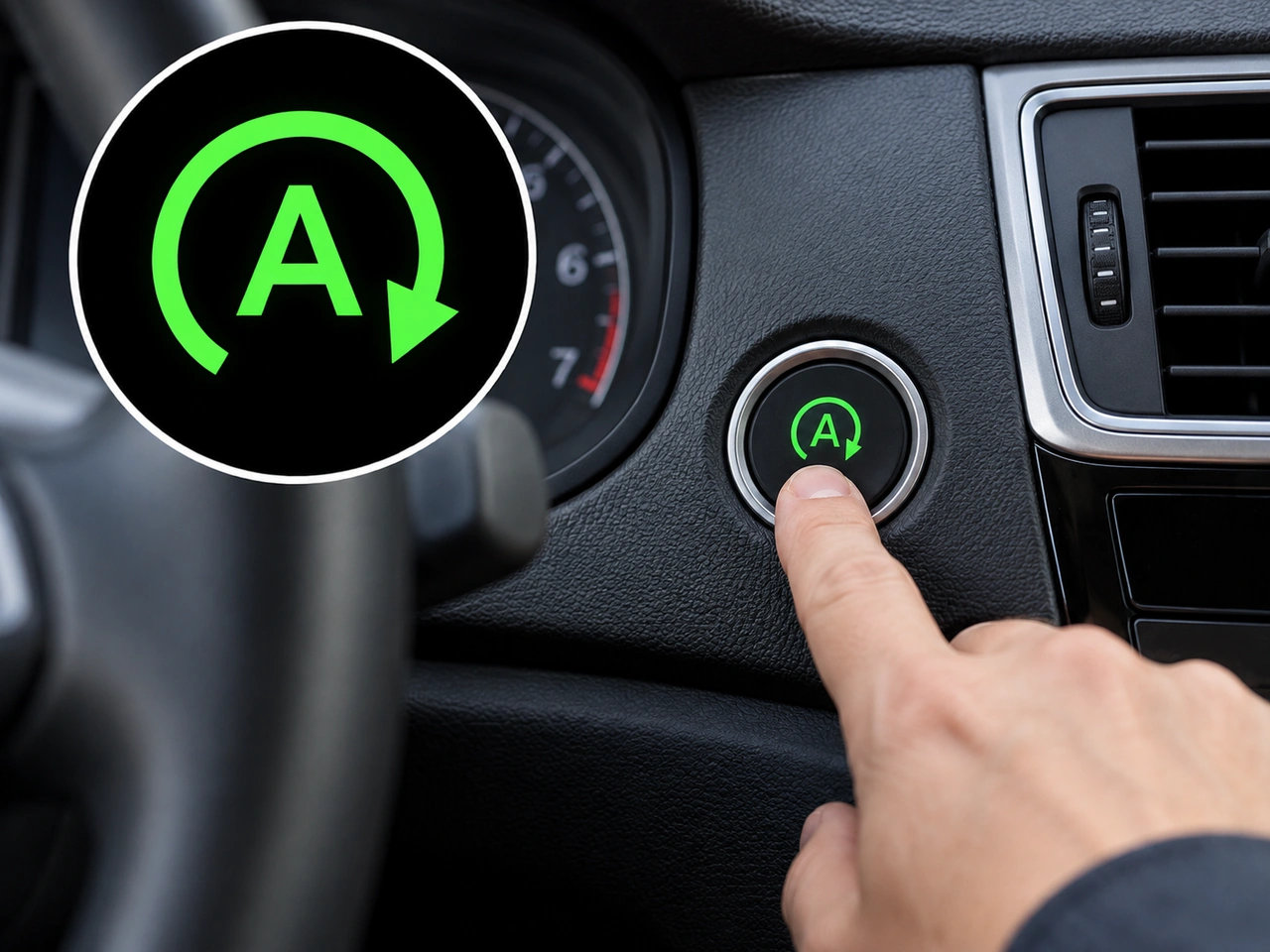
143. What does this dashboard symbol indicate?
This symbol relates to the automatic start-stop system, which can switch the engine off temporarily while the vehicle is stationary and restart it when driving resumes. The exact colour and appearance may vary between vehicles.
AI-generated by Rijbewijs-online.be • WCIT • CC BY-SA
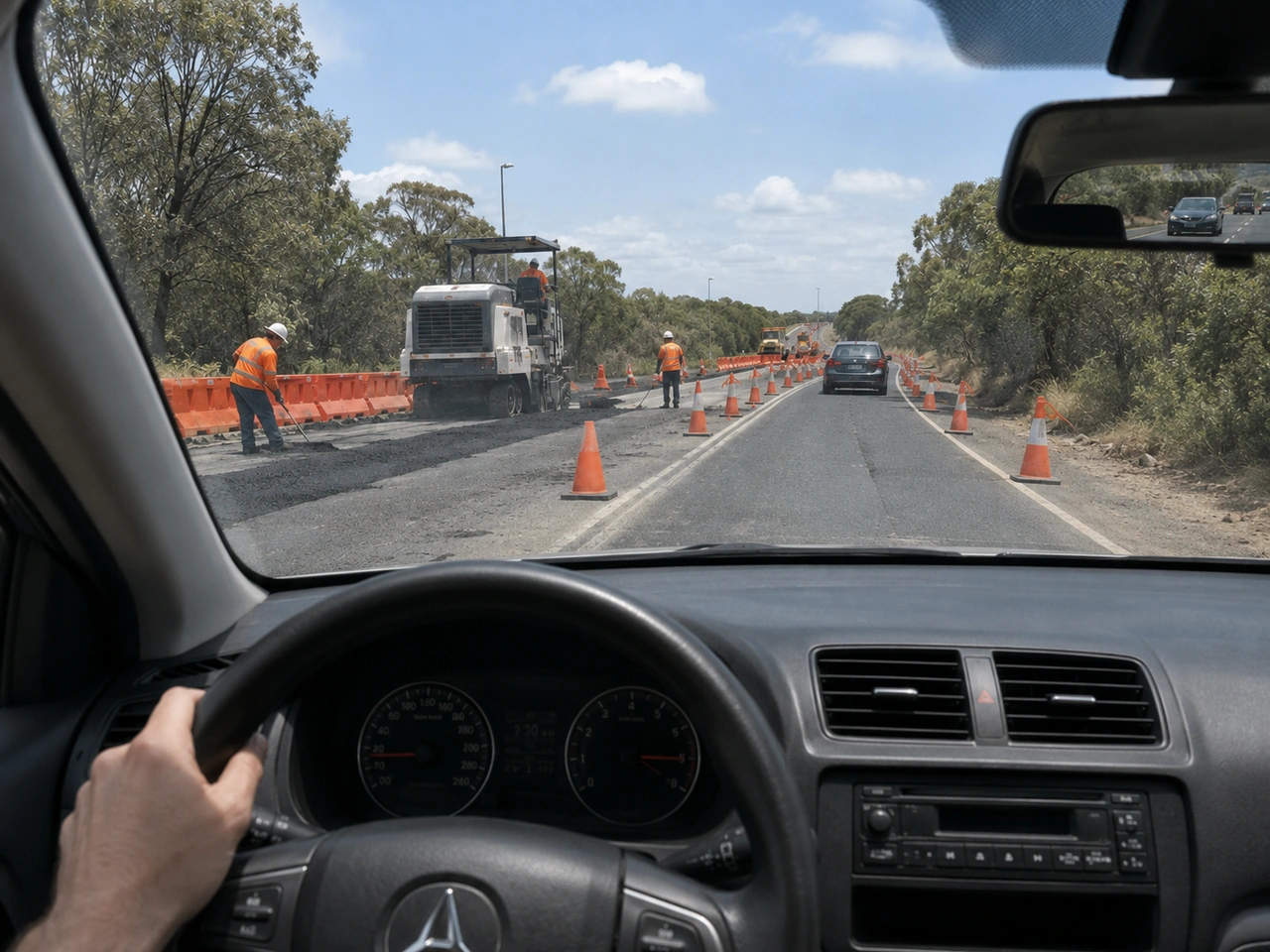
144. Why should you reduce speed when approaching roadworks?
Roadworks can involve workers, machinery, changing lane layouts, and uneven surfaces. Lower speed gives you more time to react.
AI-generated by Rijbewijs-online.be • WCIT • CC BY-SA
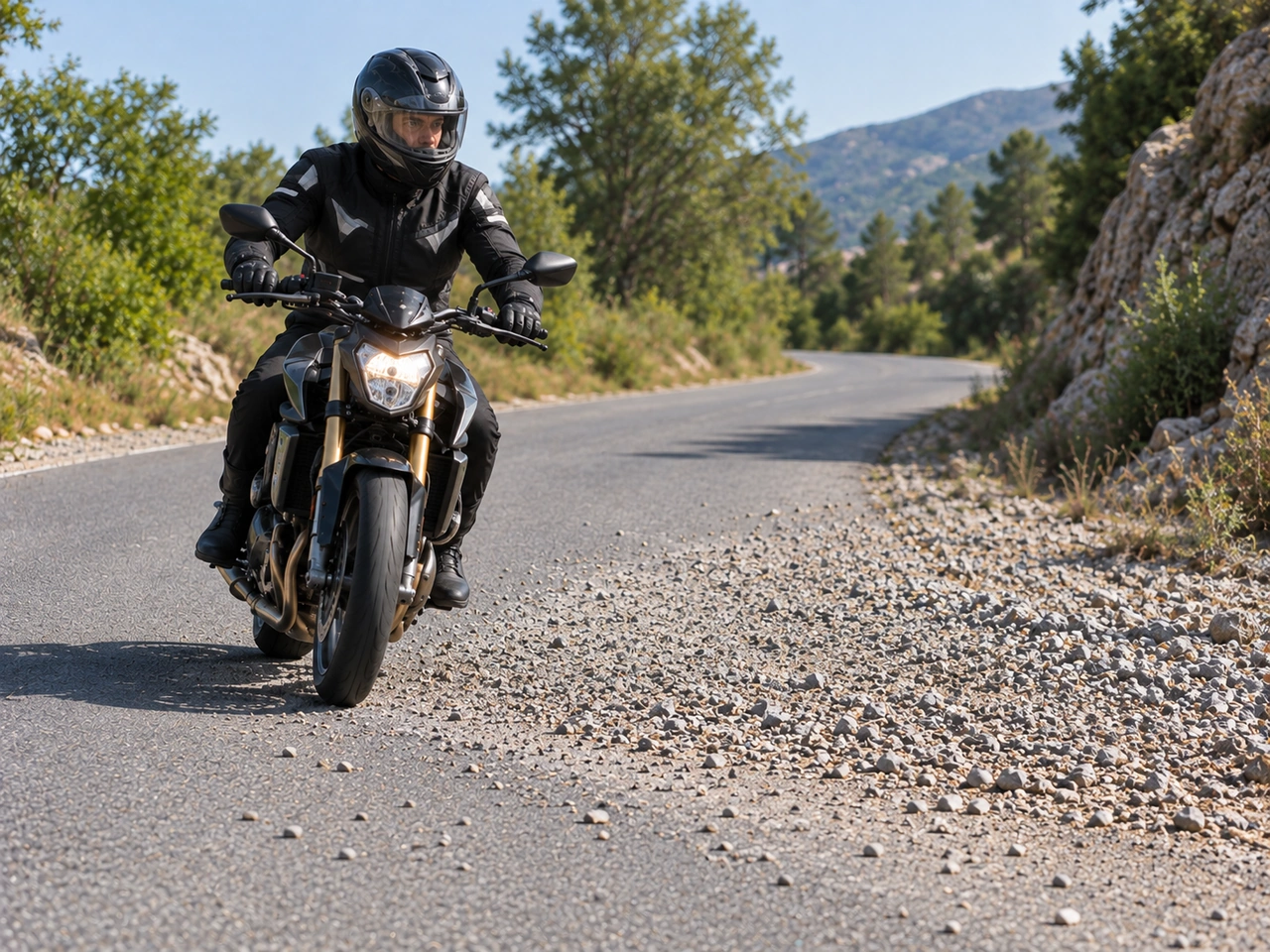
145. What should a motorcyclist do when approaching loose gravel?
Loose gravel can significantly reduce tyre grip. Reduce speed before reaching it, keep the motorcycle as upright as practical, and avoid sudden braking, acceleration or steering while crossing the loose surface.
AI-generated by Rijbewijs-online.be • WCIT • CC BY-SA
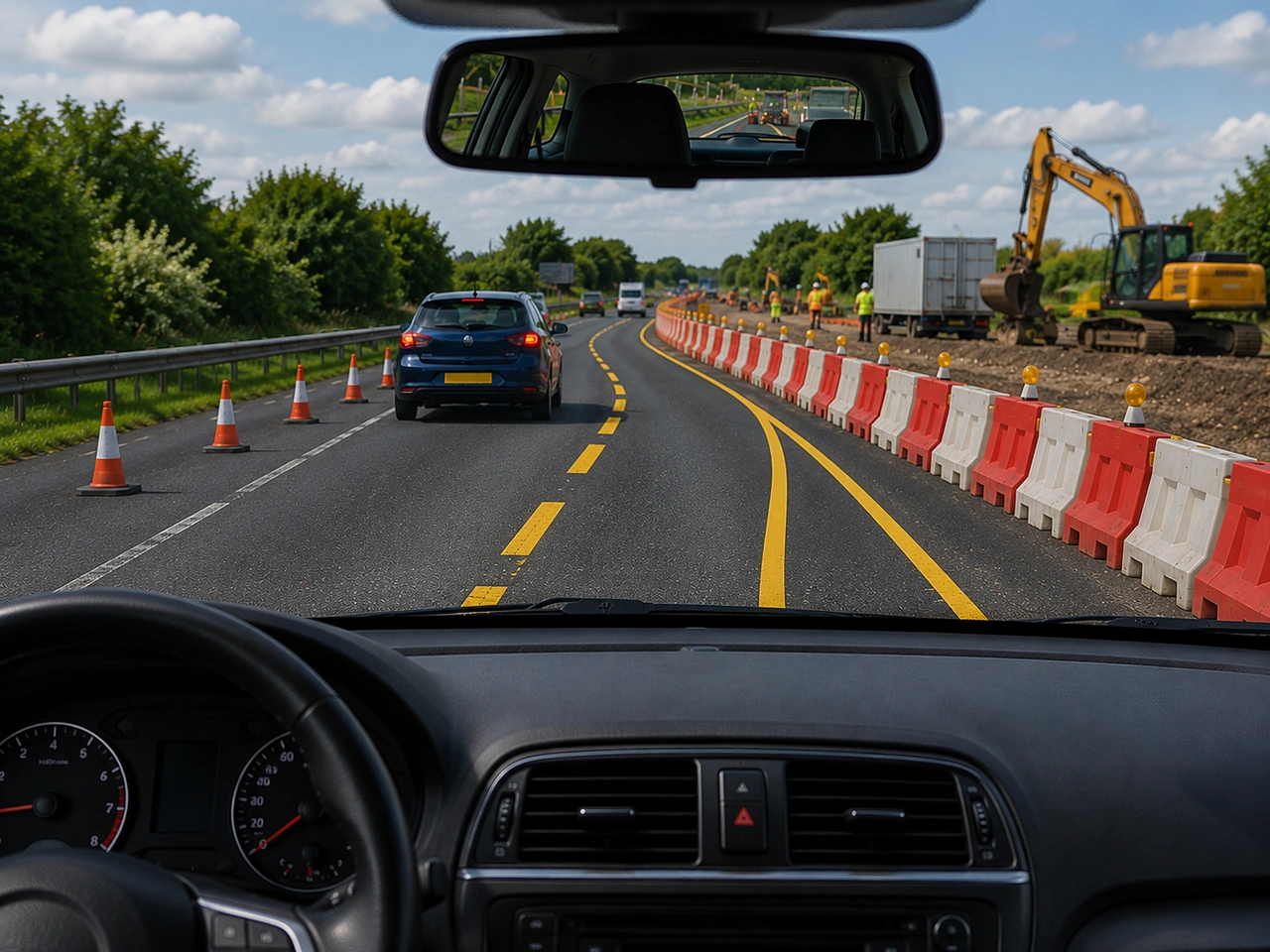
146. Which road markings should you follow through roadworks?
Temporary road markings may replace the normal lane layout during roadworks. Follow the markings and signs that currently guide traffic.
AI-generated by Rijbewijs-online.be • WCIT • CC BY-SA
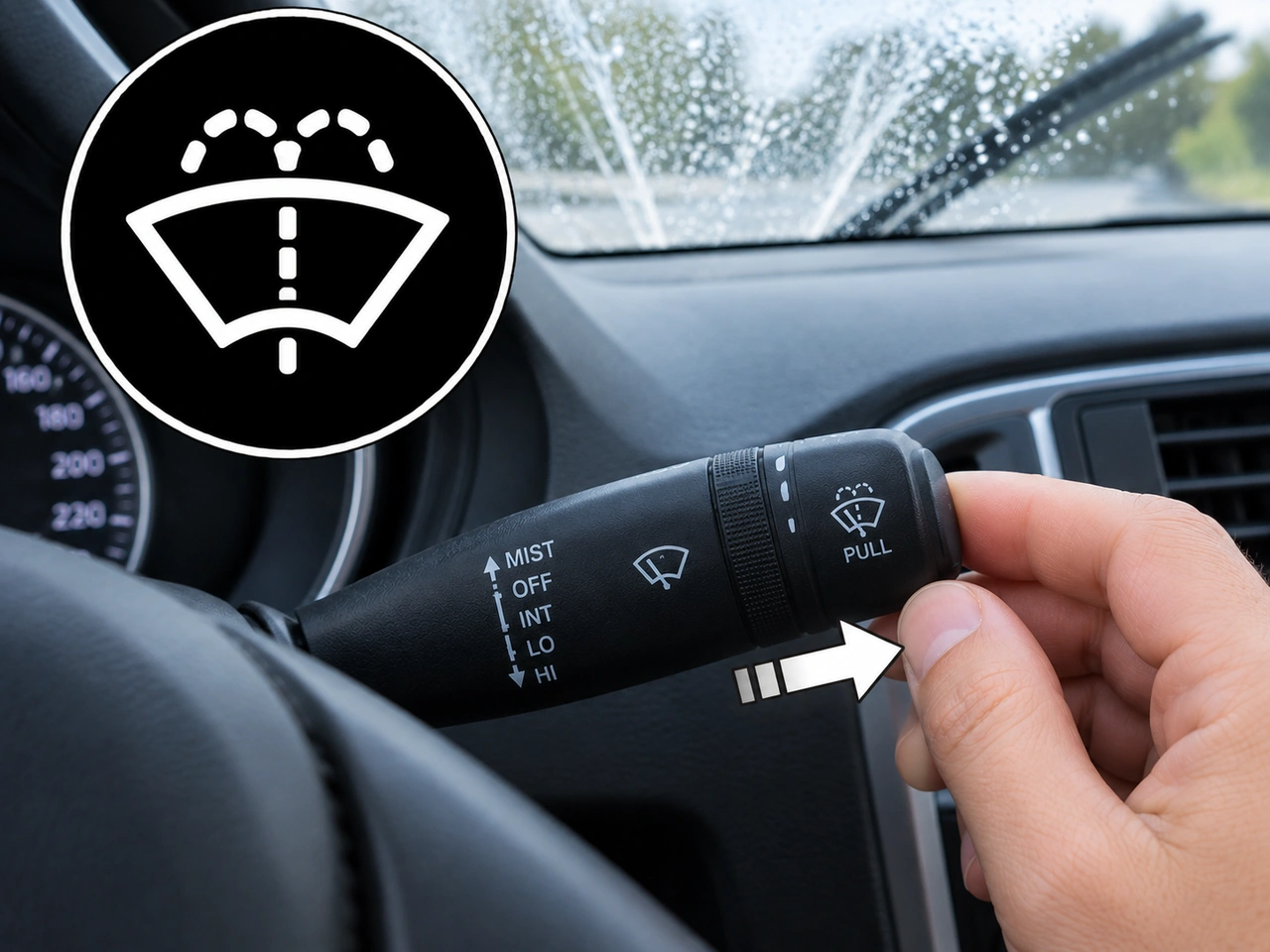
147. What does this vehicle-control symbol indicate?
This symbol indicates the windscreen washer. Operating the control sprays washer fluid onto the windscreen and normally activates the wipers to help clean the glass.
AI-generated by Rijbewijs-online.be • WCIT • CC BY-SA
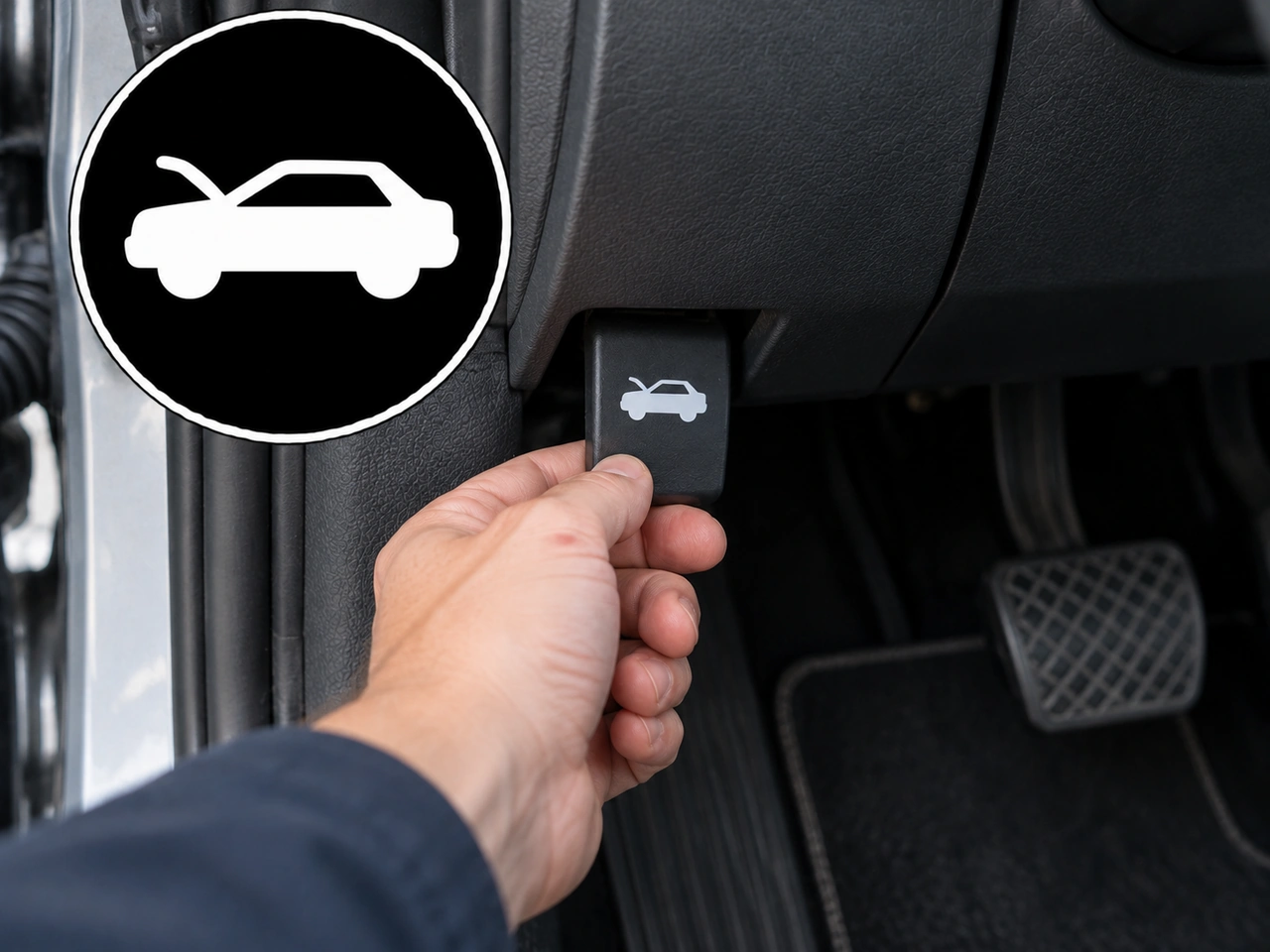
148. What does this vehicle-control symbol indicate?
This control releases the bonnet so that it can be opened. A secondary safety catch under the bonnet normally has to be released before it can be fully raised.
AI-generated by Rijbewijs-online.be • WCIT • CC BY-SA
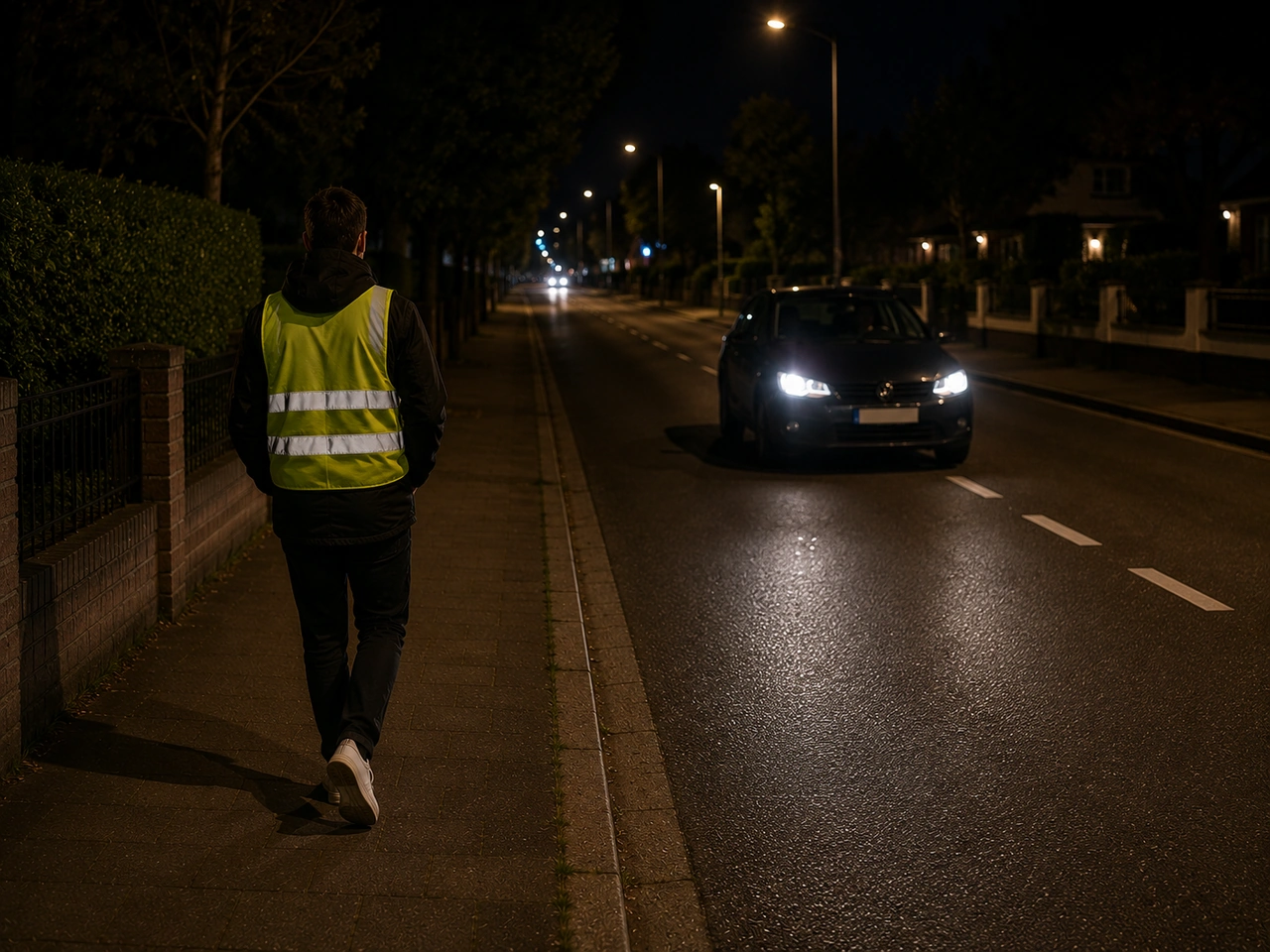
149. Why is it important to make yourself visible at night?
Bright or reflective clothing helps drivers notice pedestrians in low-light conditions.
AI-generated by Rijbewijs-online.be • WCIT • CC BY-SA
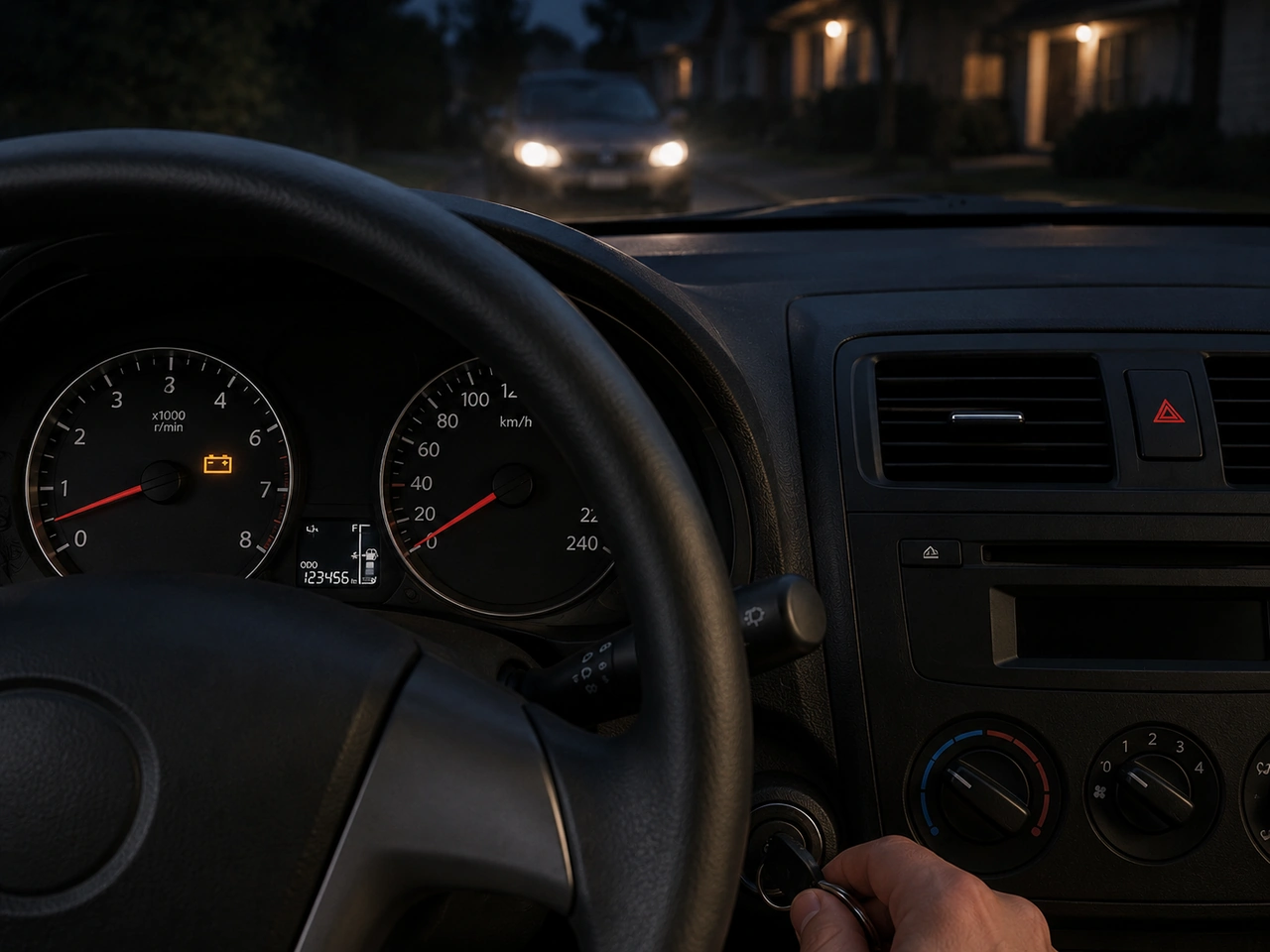
150. What can slow engine cranking or dim lights indicate?
Slow starting, dim lights, or repeated battery warnings can indicate a weak battery, poor electrical connection, or a fault in the charging system.
AI-generated by Rijbewijs-online.be • WCIT • CC BY-SA