


QuizTraffic rulesBosnia and Herzegovina
This interesting quiz helps you test your knowledge in a clear and visual way. With easy multiple-choice questions, you can quickly build confidence and learn new facts while keeping it simple, interactive, and fun.
 Traffic signs
 Traffic rules
 Bosnia and Herzegovina
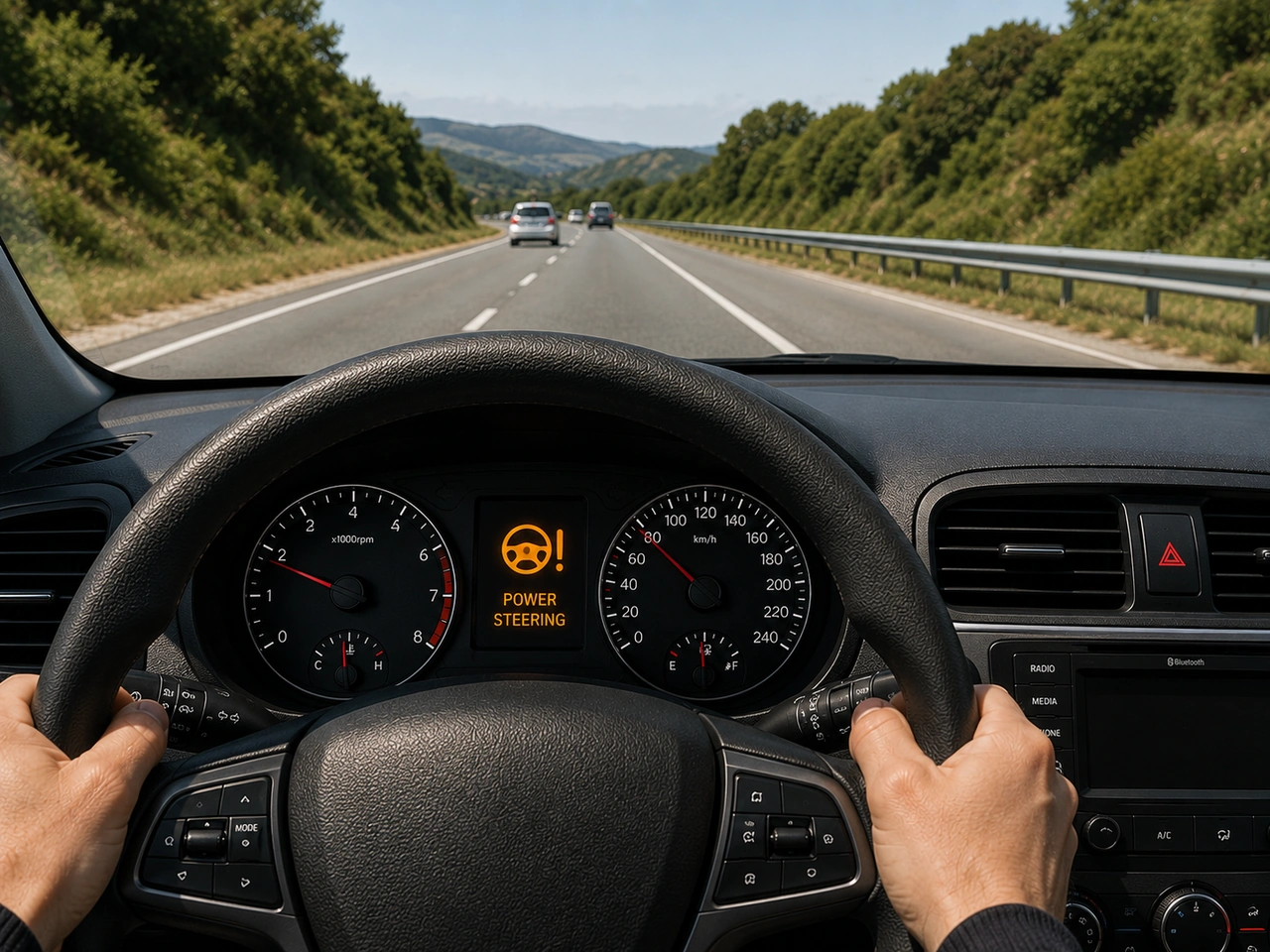
201. What should you do if the power steering suddenly stops assisting you?
The vehicle can normally still be steered, but much more effort may be required. Reduce speed and arrange an inspection.
AI-generated by Rijbewijs-online.be • WCIT • CC BY-SA

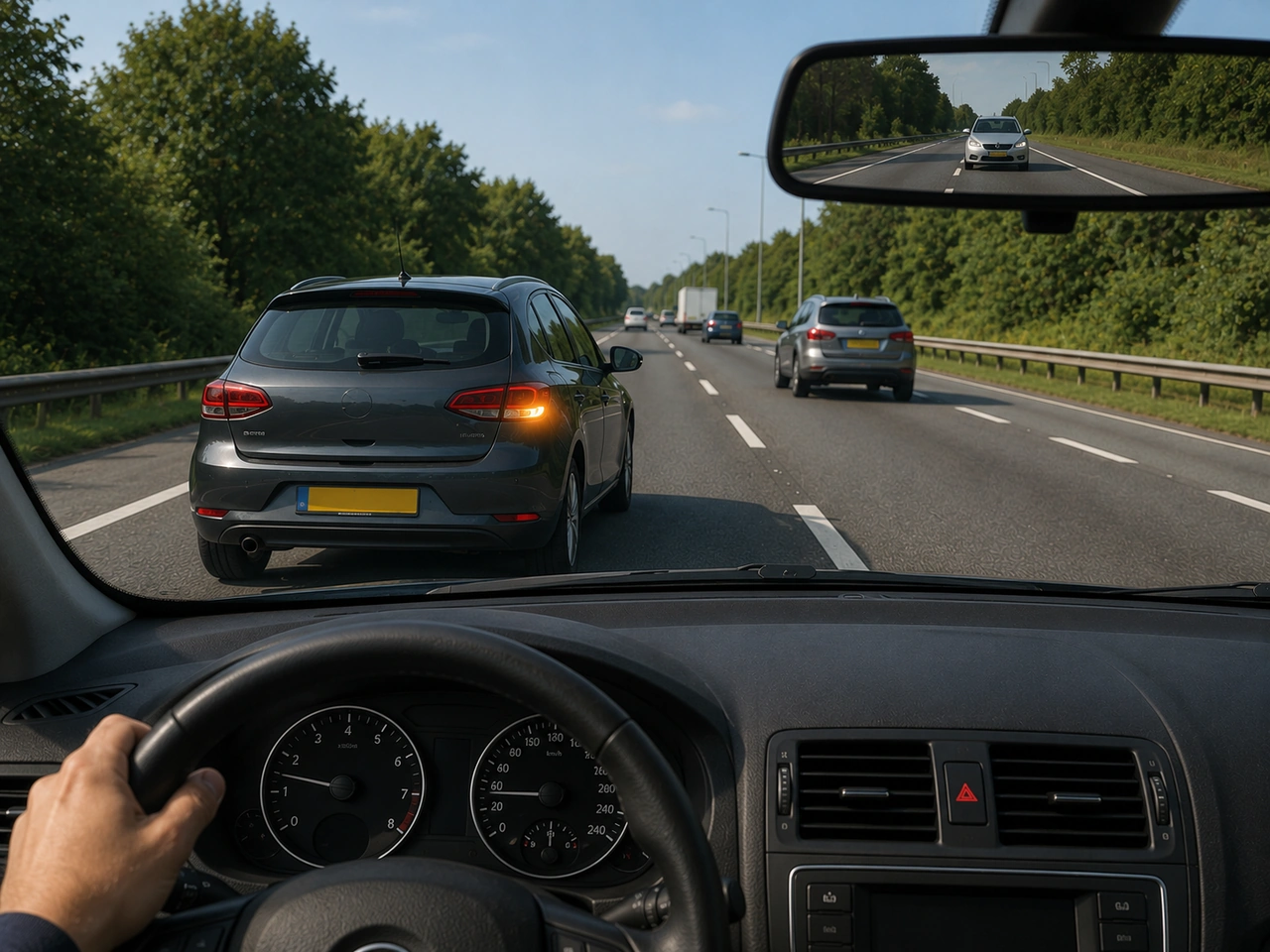
202. You should signal before turning or changing lanes.
A clear signal helps other road users understand your intentions, but you must still check that the manoeuvre can be made safely.
AI-generated by Rijbewijs-online.be • WCIT • CC BY-SA
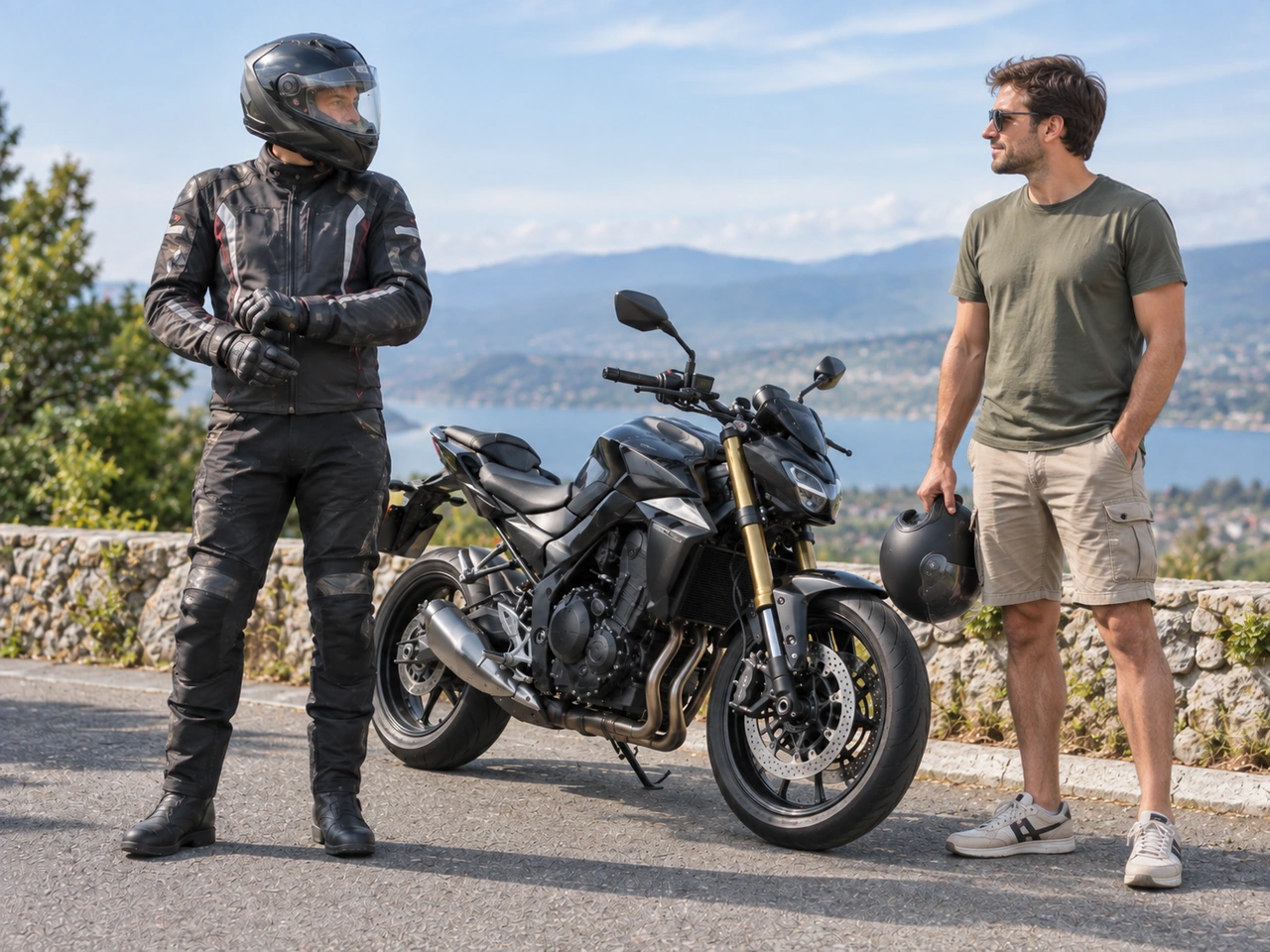
203. Should motorcyclists wear protective clothing?
Motorcyclists should wear protective clothing because it can reduce injuries from falls, impacts and sliding on the road. Suitable jackets, trousers, gloves and boots provide additional protection, but they do not replace a securely fitted helmet or safe riding.
AI-generated by Rijbewijs-online.be • WCIT • CC BY-SA
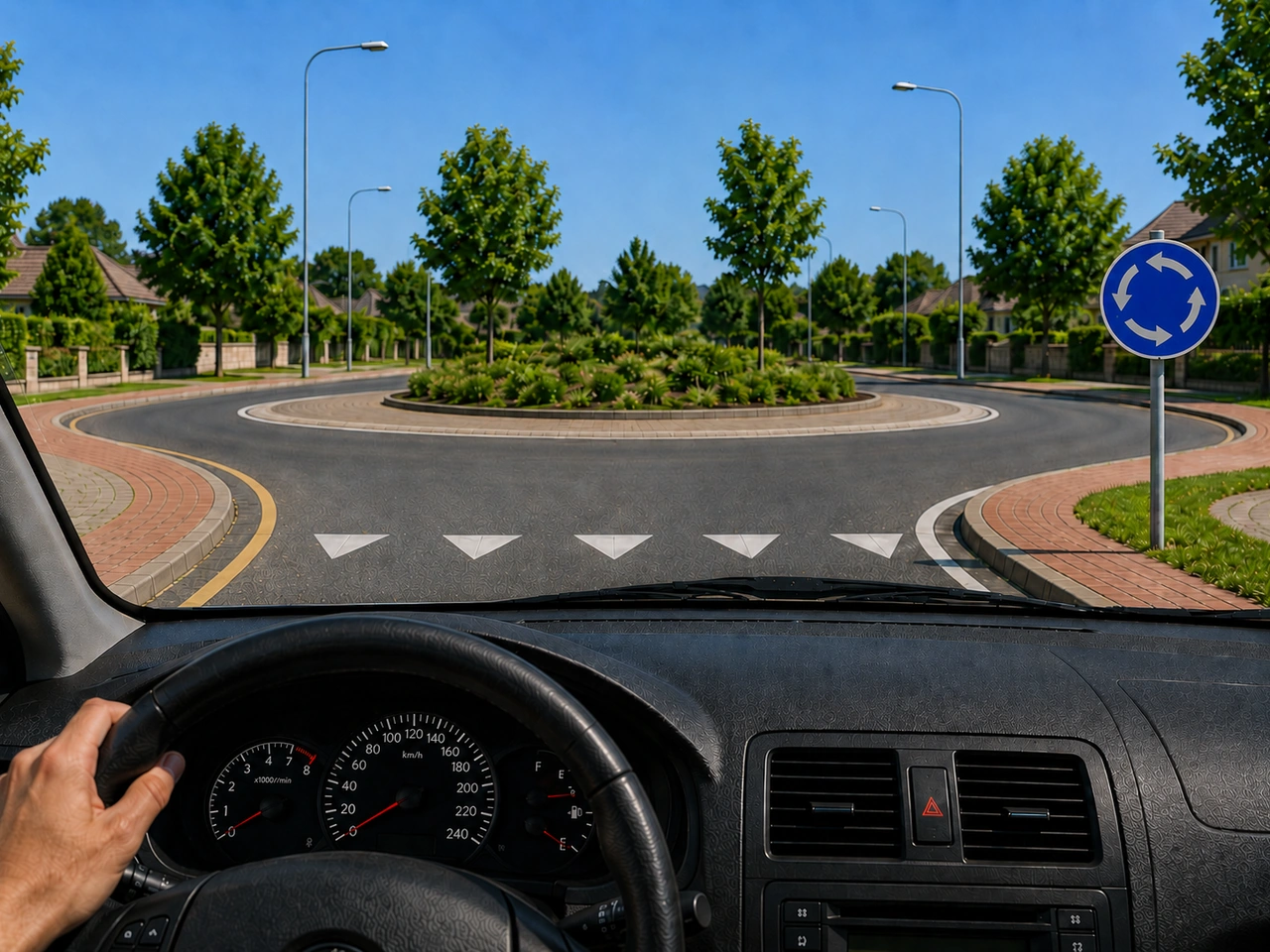
204. What should you do before entering a roundabout?
Before entering a roundabout, reduce your speed, observe traffic, and give way according to the local rules.
AI-generated by Rijbewijs-online.be • WCIT • CC BY-SA
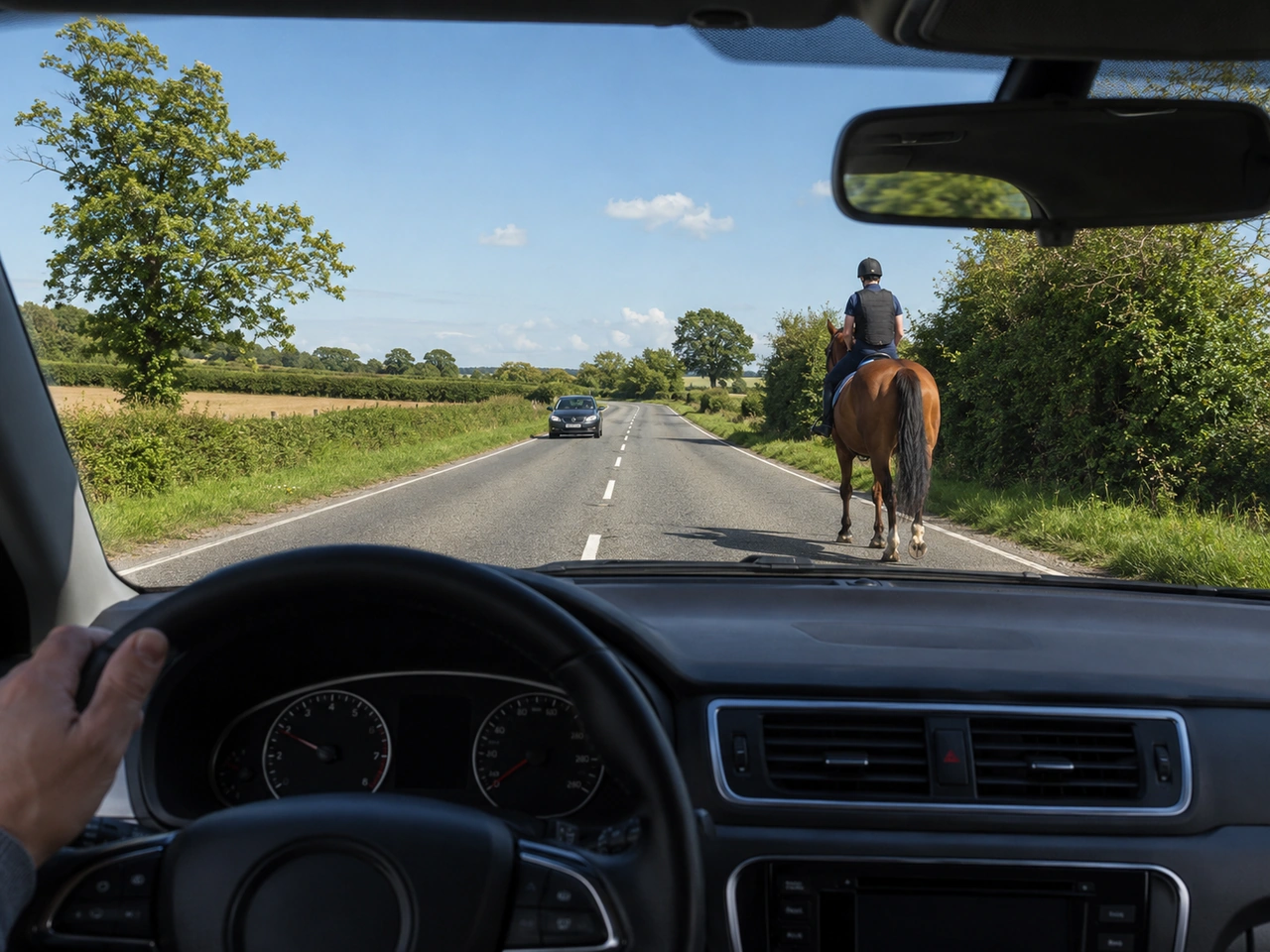
205. What should you do when passing a horse rider?
Horses can be startled by noise or sudden movement. Slow down, pass carefully, and leave enough space.
AI-generated by Rijbewijs-online.be • WCIT • CC BY-SA
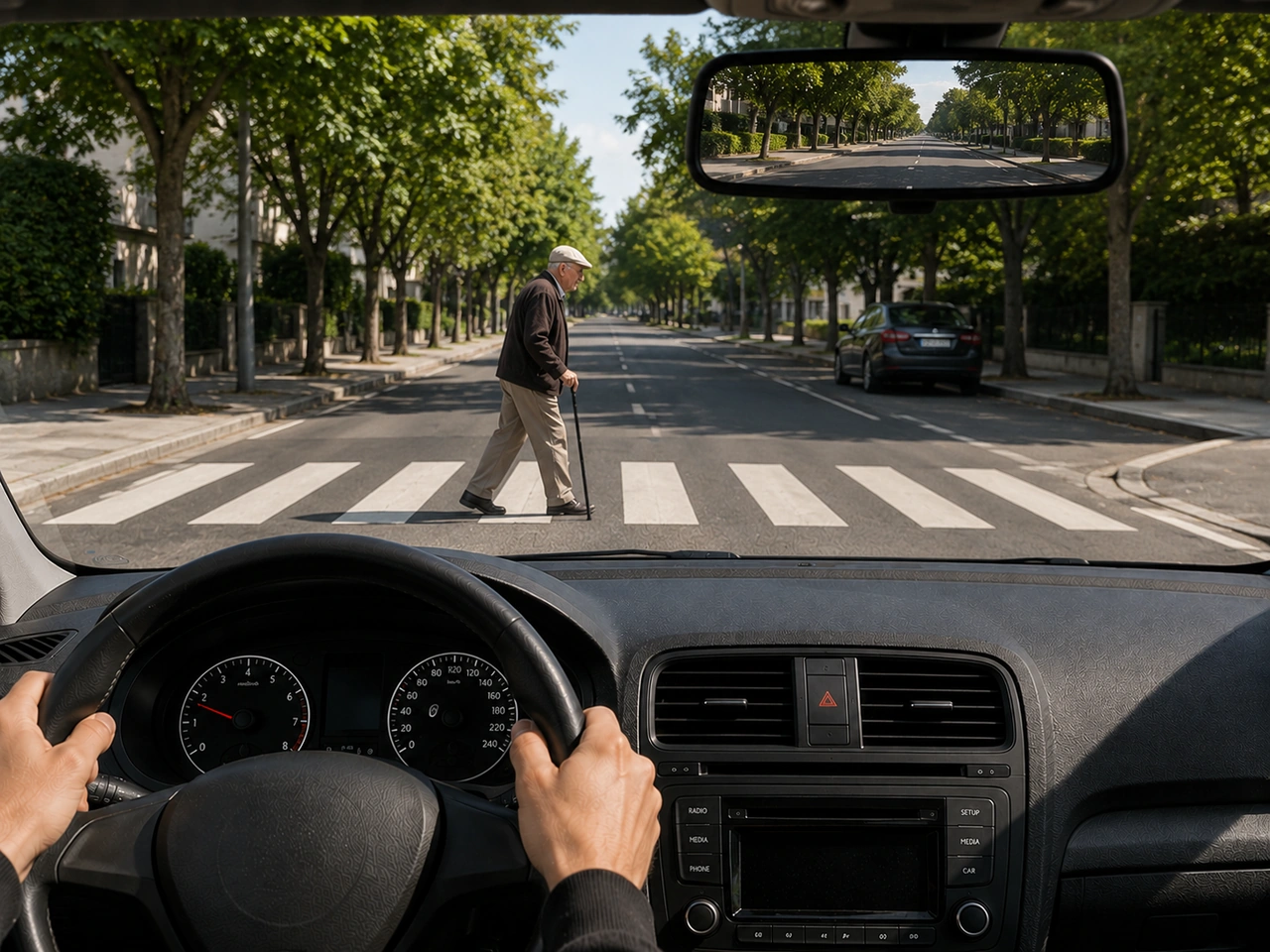
206. What should you do if a pedestrian is crossing slowly?
Some pedestrians may need more time to cross. Stay patient, keep a safe distance, and do not pressure them.
AI-generated by Rijbewijs-online.be • WCIT • CC BY-SA
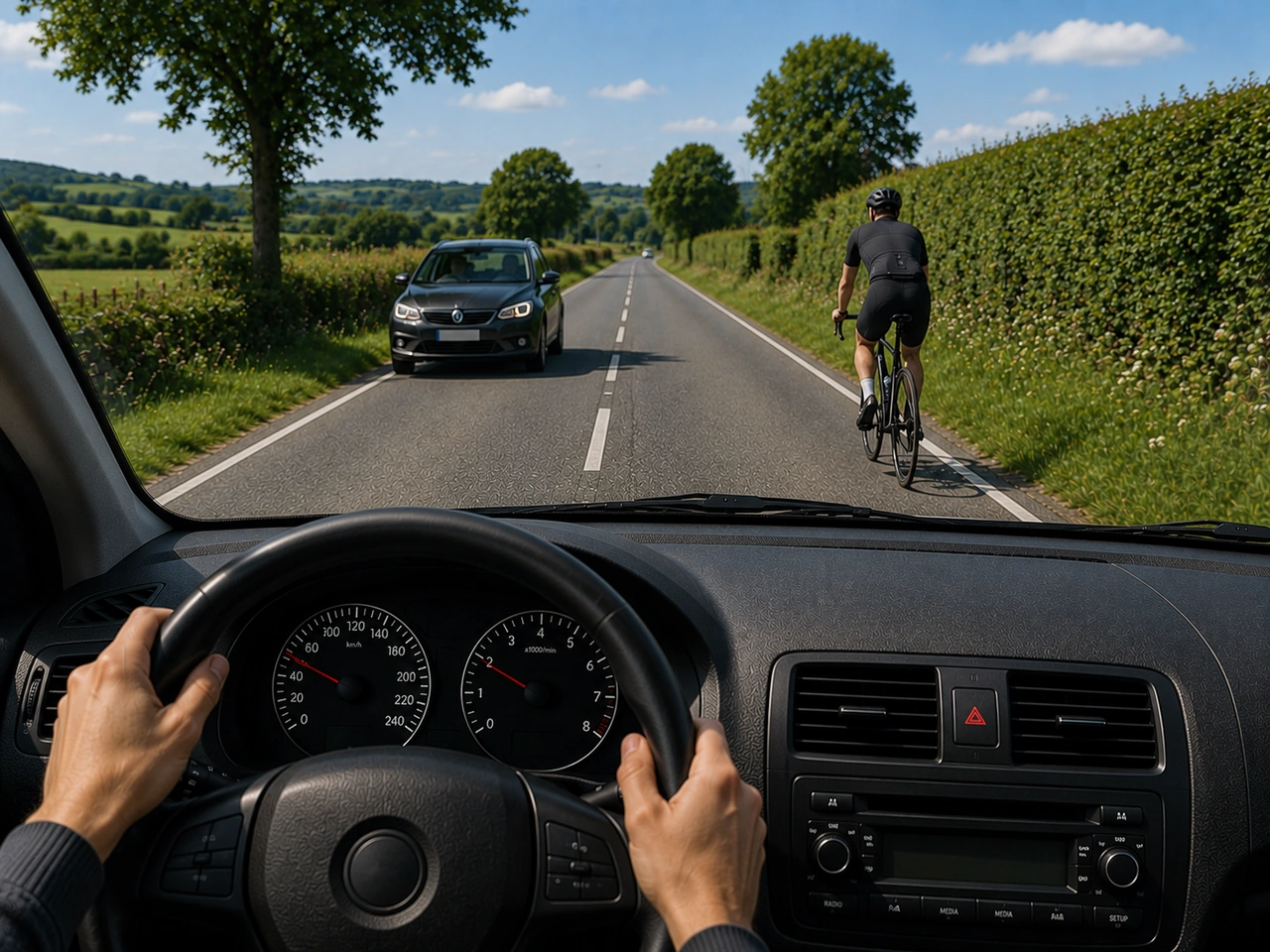
207. What should you do when following a cyclist on a narrow road?
Cyclists may need to avoid potholes, drains, or wind gusts. Keep distance and only pass when you can leave plenty of space.
AI-generated by Rijbewijs-online.be • WCIT • CC BY-SA
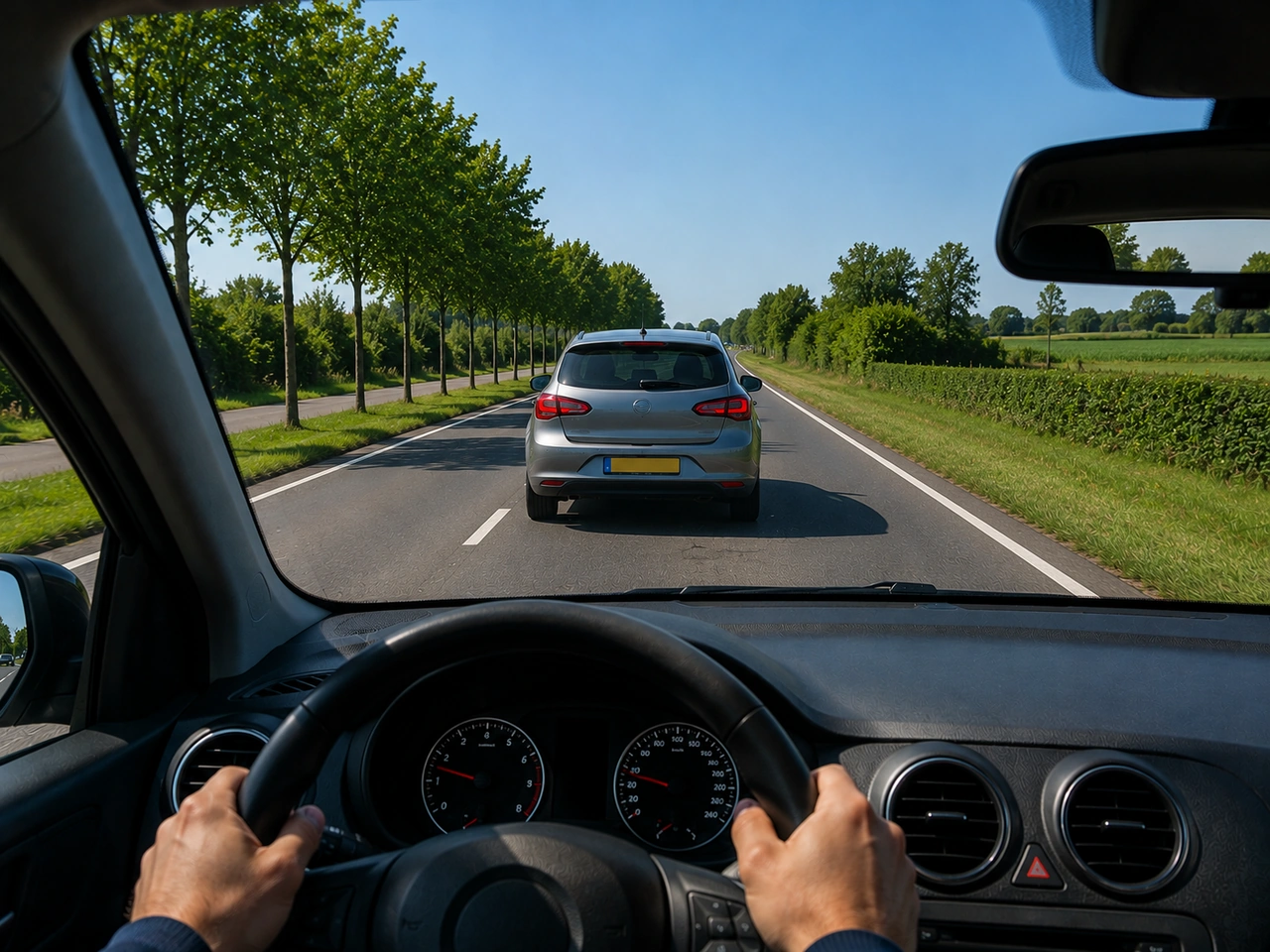
208. Why should you not drive too close behind another vehicle?
Driving too close, or tailgating, reduces the time and space available to react and increases the risk of a rear-end collision. Use defensive driving and keep a safe following distance.
AI-generated by Rijbewijs-online.be • WCIT • CC BY-SA
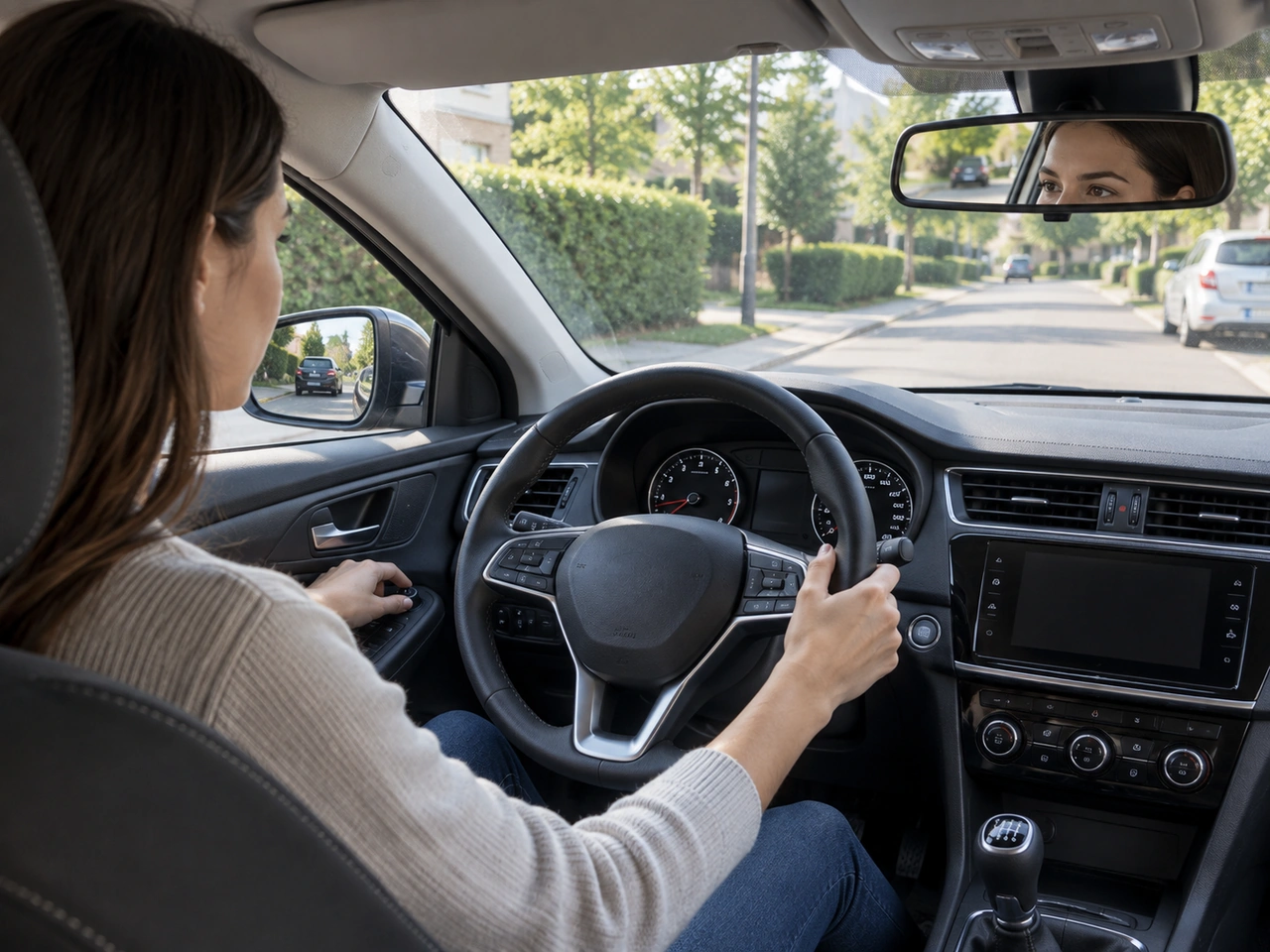
209. Why should you adjust the seat and mirrors correctly before driving?
A correct driving position helps you operate the pedals and steering comfortably and maintain proper control. Correctly adjusted mirrors improve your view around the vehicle and help reduce blind spots. Adjust both before starting your journey.
AI-generated by Rijbewijs-online.be • WCIT • CC BY-SA
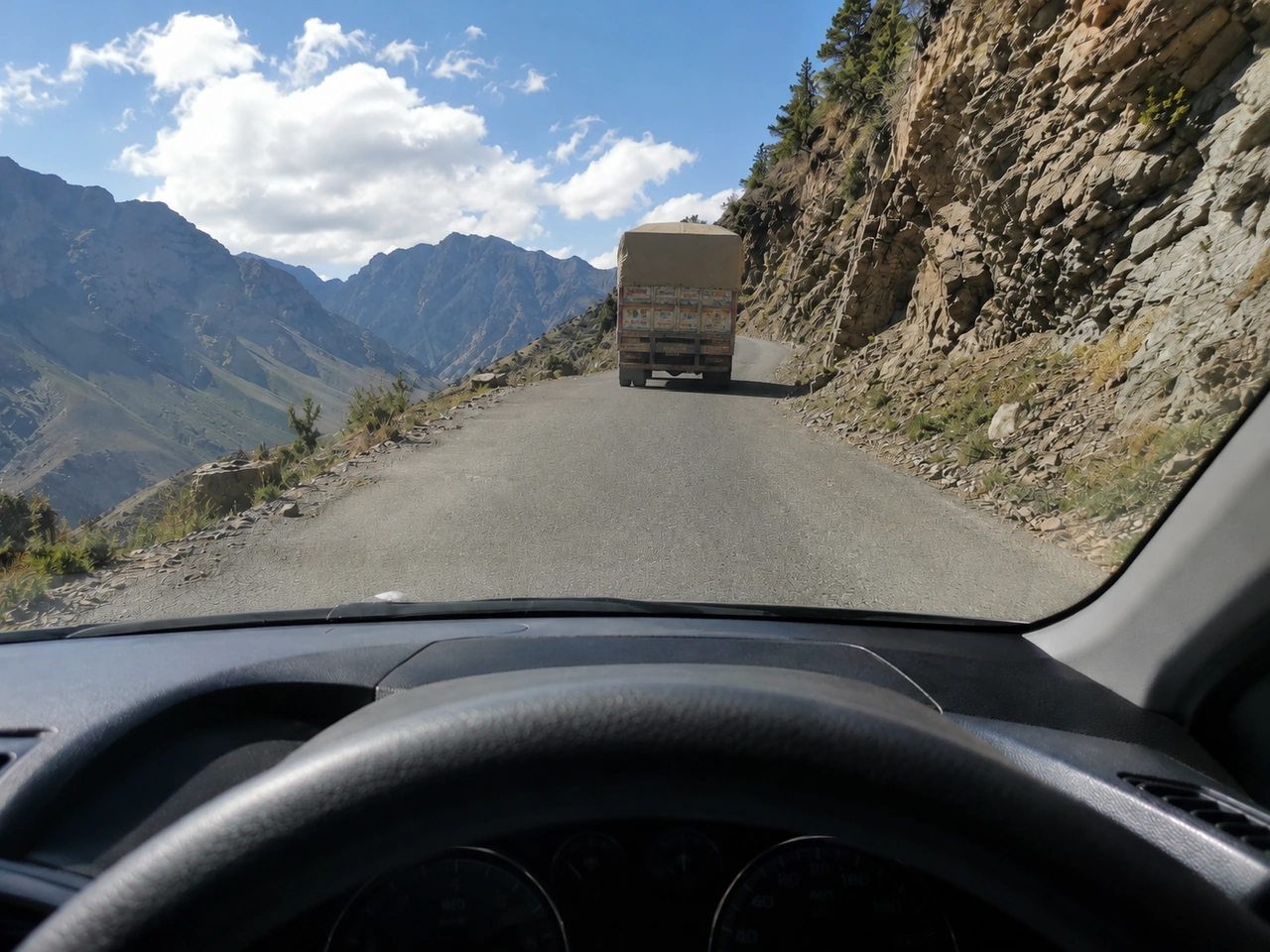
210. What should you do if your vehicle begins rolling backward on a steep incline?
Stop the vehicle under control, apply the parking brake if necessary, and prepare to move away again safely.
AI-generated by Rijbewijs-online.be • WCIT • CC BY-SA
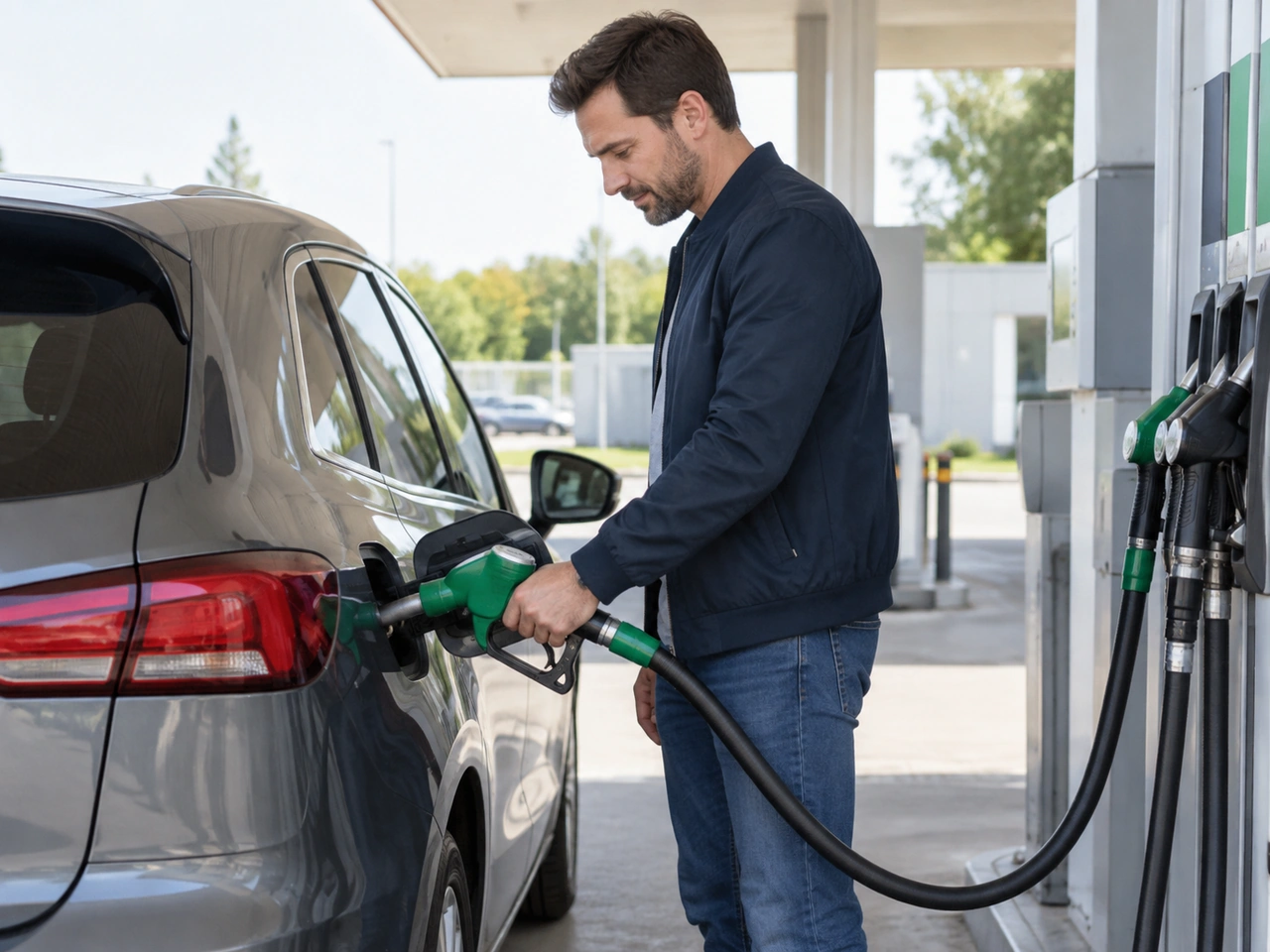
211. What should you normally do when the fuel nozzle automatically clicks off?
When the fuel nozzle automatically clicks off, stop refuelling rather than repeatedly topping up the tank. Continuing can cause fuel to spill or overflow and may interfere with the vehicle's fuel-vapour control system.
AI-generated by Rijbewijs-online.be • WCIT • CC BY-SA
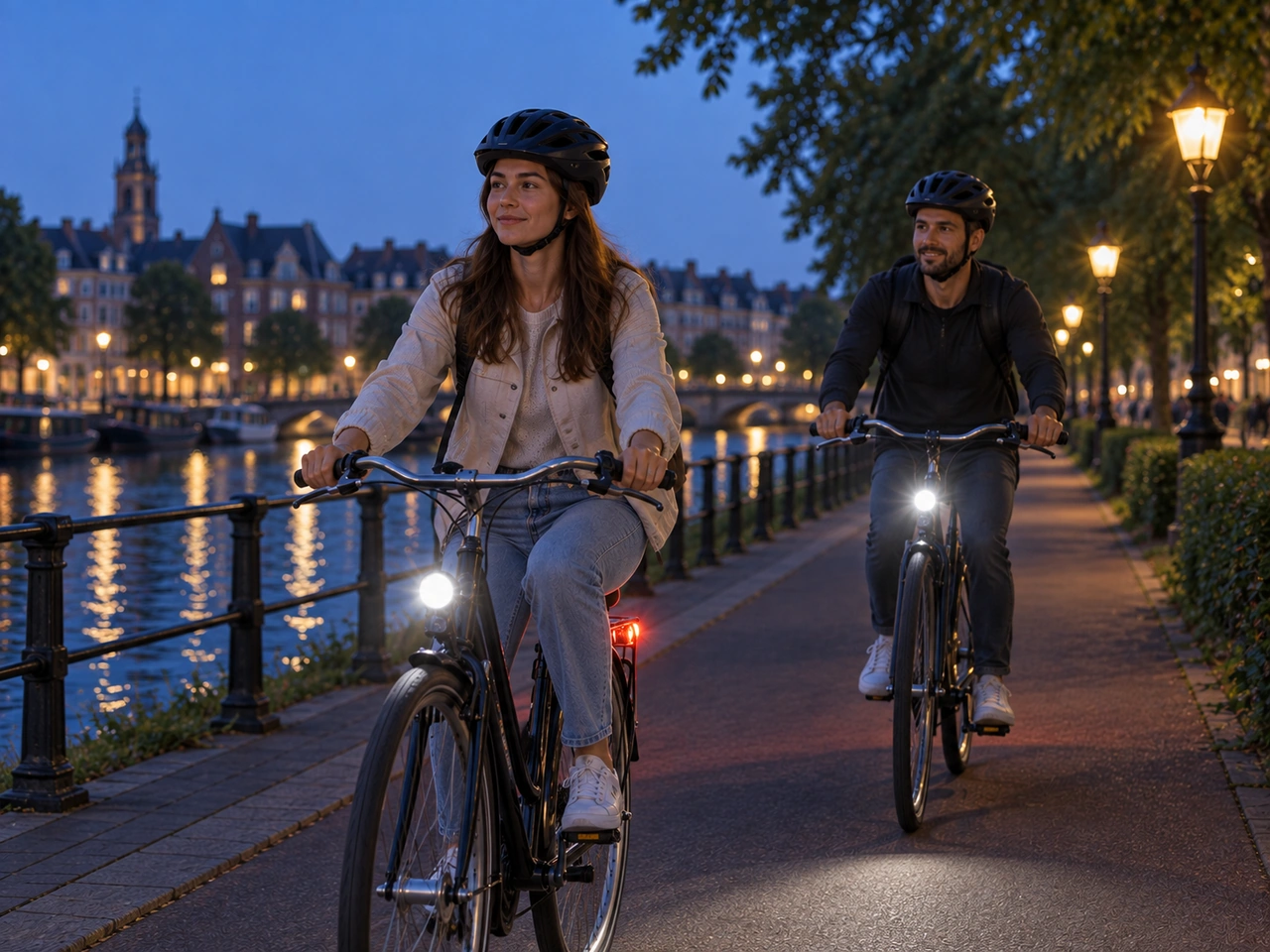
212. Are bicycle lights required at night in Bosnia and Herzegovina?
Cyclists in Bosnia and Herzegovina are generally required to use bicycle lights at night.
AI-generated by Rijbewijs-online.be • WCIT • CC BY-SA
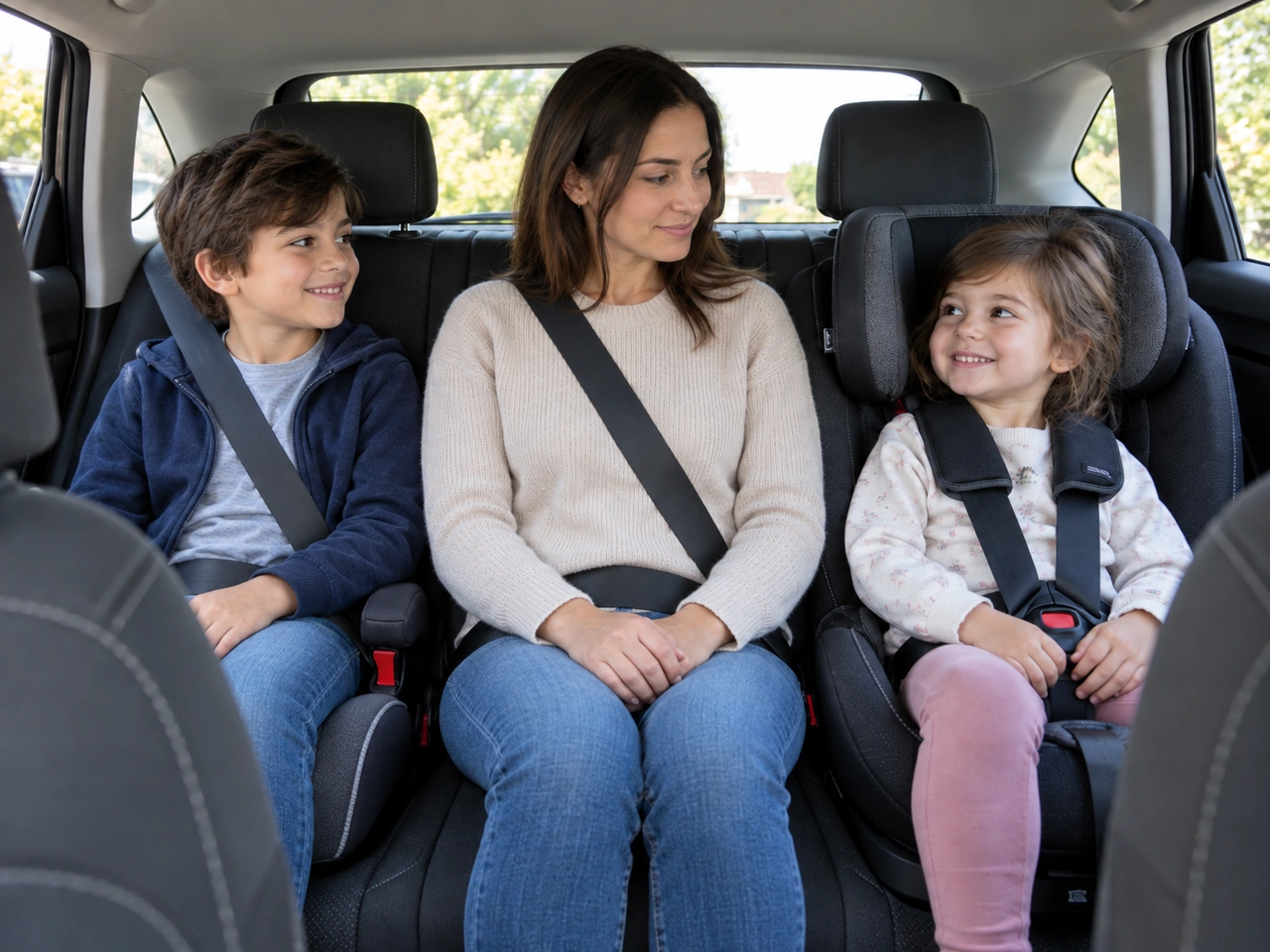
213. Should rear-seat passengers be securely restrained?
Rear-seat passengers should be securely restrained using seat belts or suitable child restraints as appropriate. Proper restraint reduces the risk of serious injury and prevents occupants from being thrown around or forwards in a collision.
AI-generated by Rijbewijs-online.be • WCIT • CC BY-SA
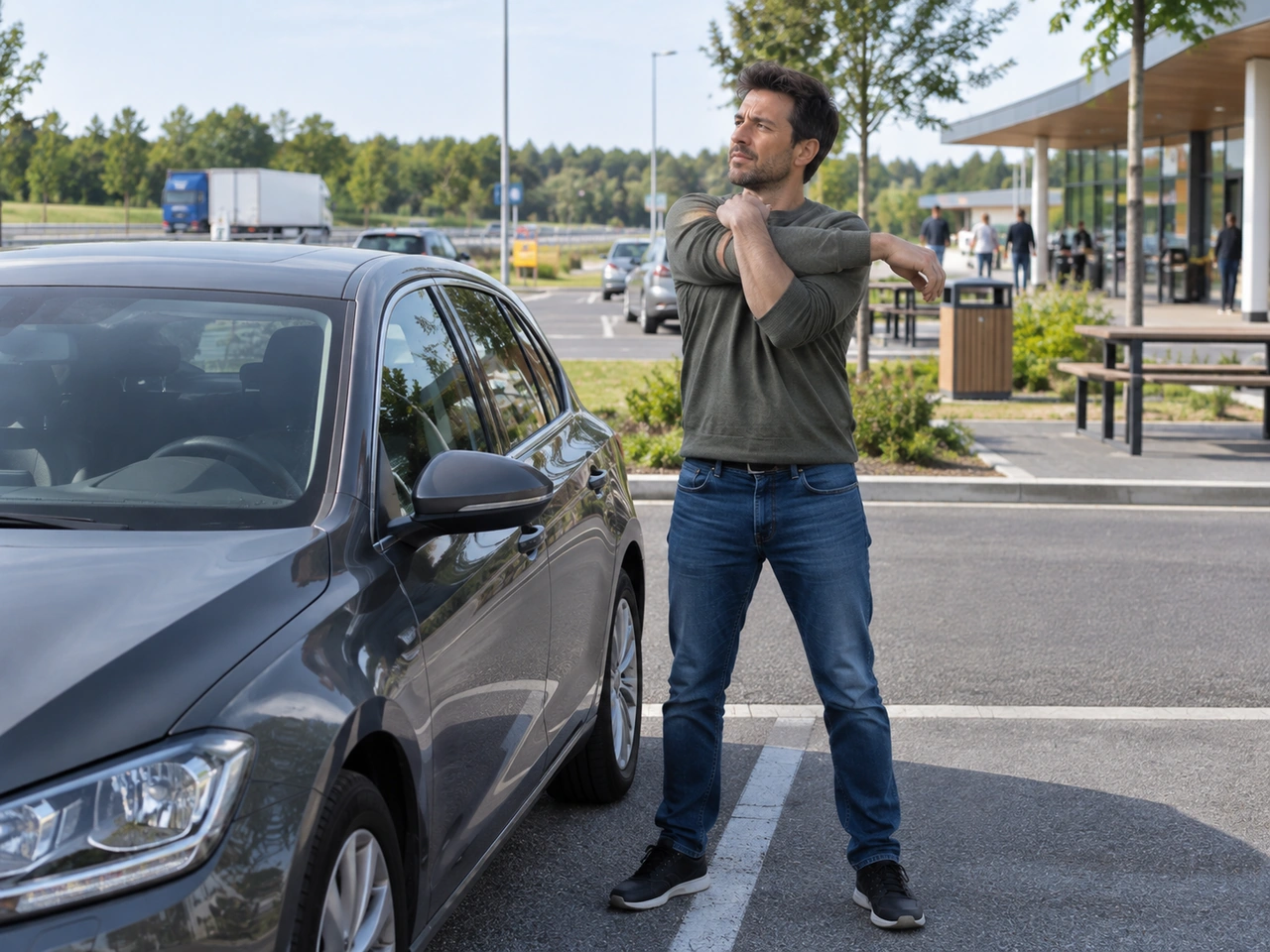
214. Why should you take regular breaks during a long journey?
Regular breaks during a long journey help reduce fatigue and maintain concentration. Do not wait until you are struggling to stay awake before stopping to rest.
AI-generated by Rijbewijs-online.be • WCIT • CC BY-SA
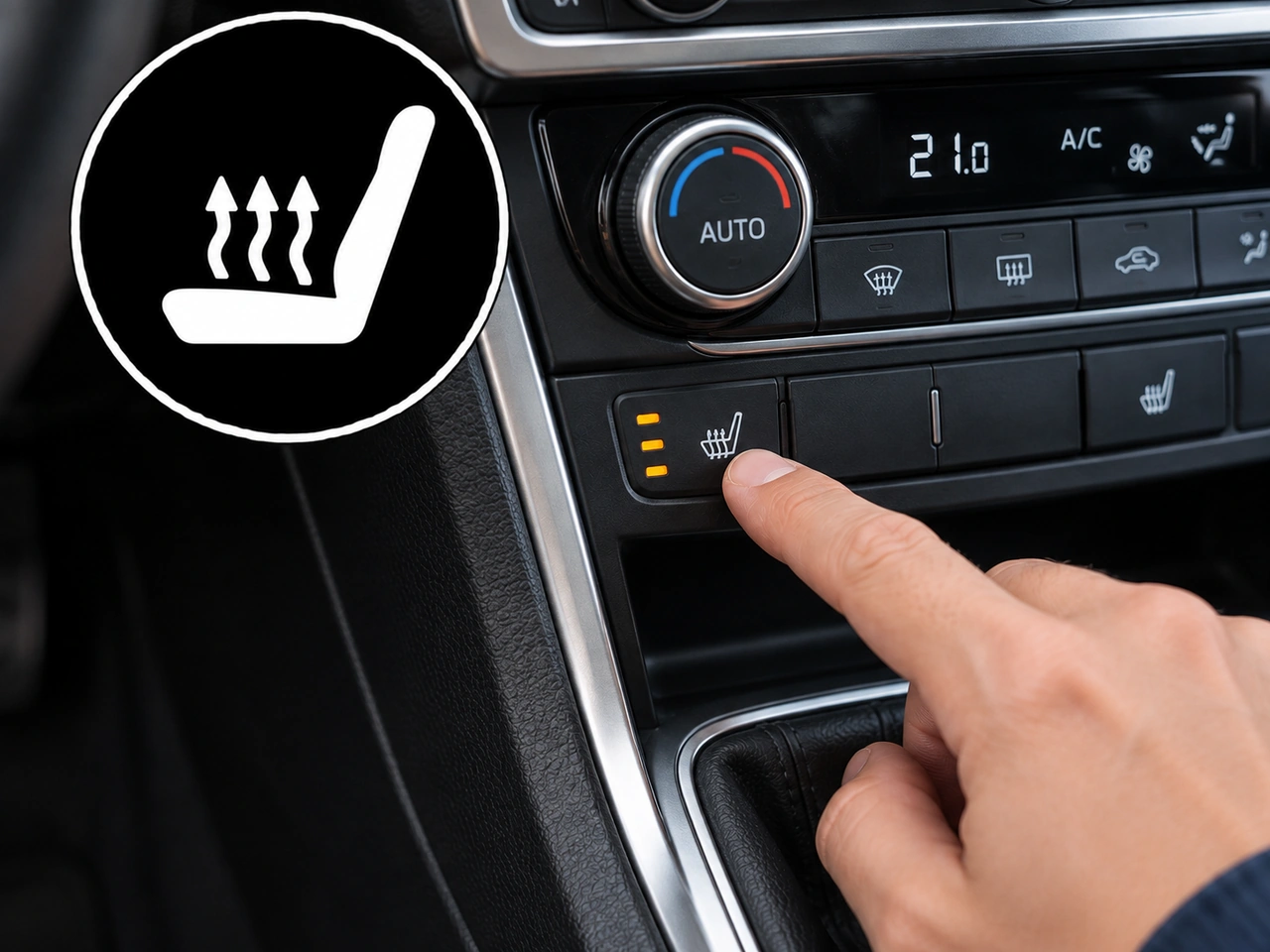
215. What does this vehicle-control symbol indicate?
This control activates the seat heating, which warms the seat cushion and, on many vehicles, the backrest. Several heat levels may be available.
AI-generated by Rijbewijs-online.be • WCIT • CC BY-SA
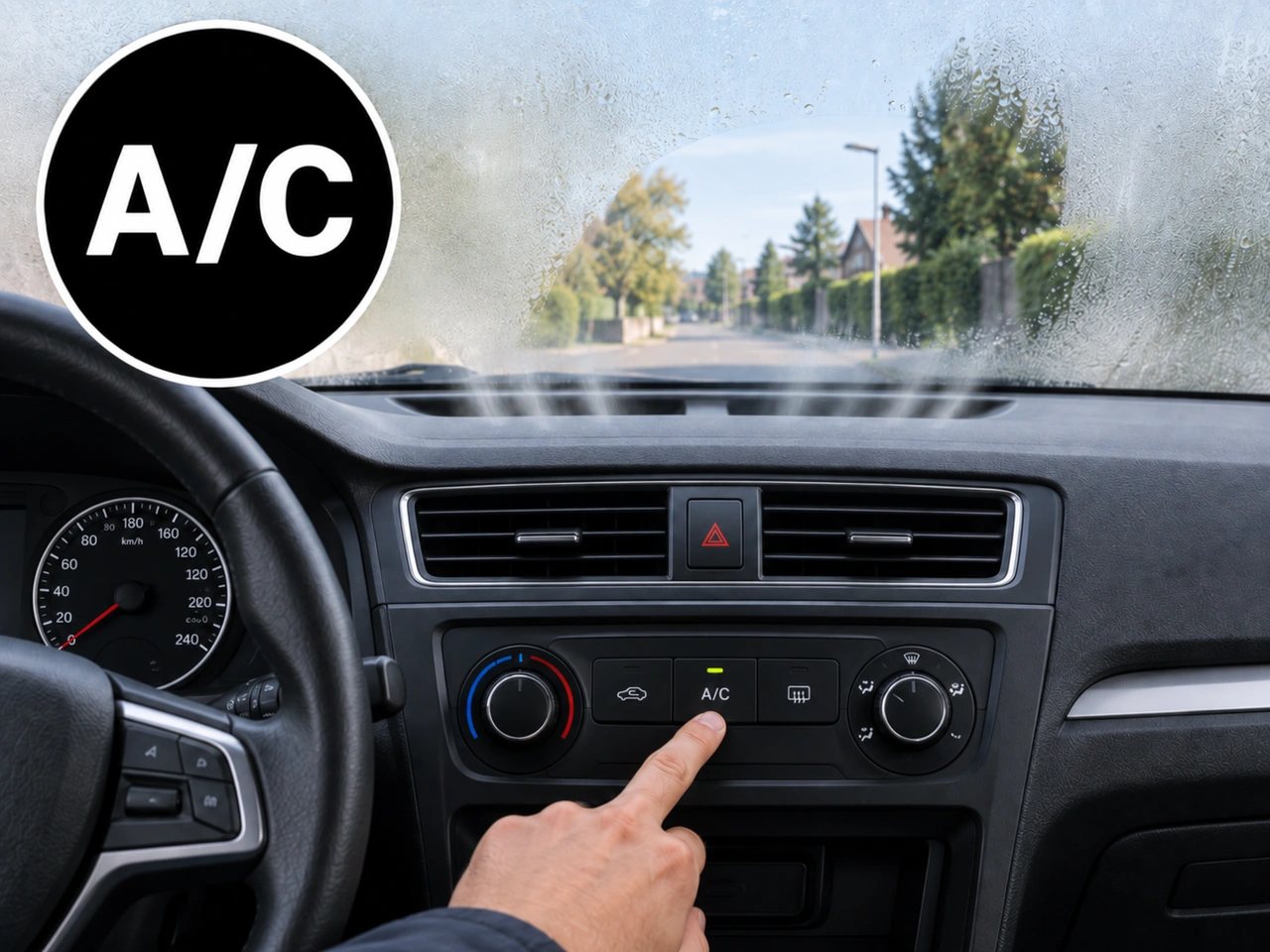
216. How can air conditioning help demist the windows?
Using the air conditioning can help demist the windows because it removes moisture from the cabin air. Directing this drier air towards the windscreen can clear condensation more quickly.
AI-generated by Rijbewijs-online.be • WCIT • CC BY-SA
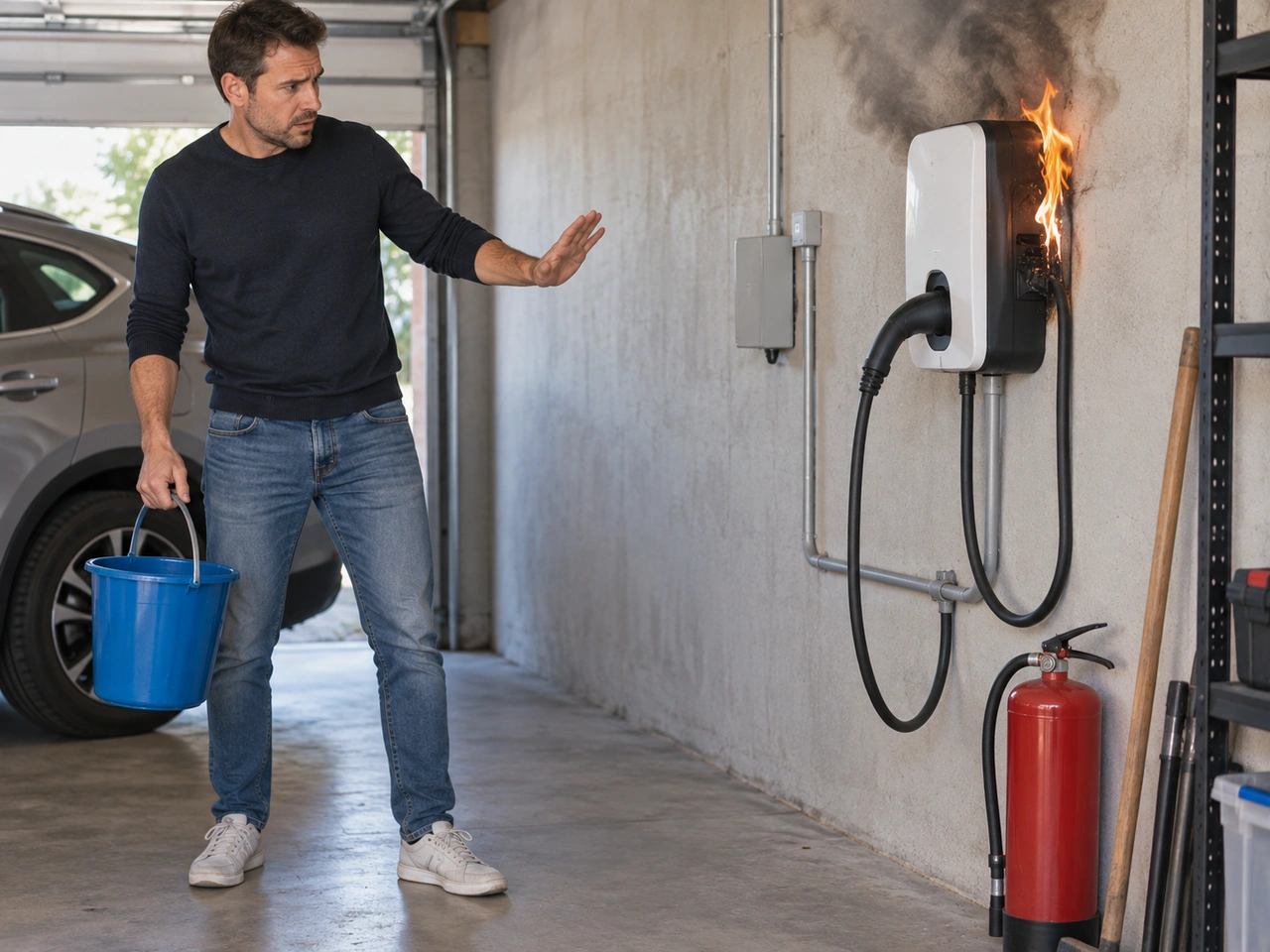
217. Why should you not use water on a fire involving live electrical equipment?
Do not use water on a fire involving energised electrical equipment, because water can conduct electricity and create a serious electric-shock hazard. Keep clear, disconnect the power only if it is safe to do so, and call the emergency services. Use only a suitable fire extinguisher if it is safe and you know how to use it.
AI-generated by Rijbewijs-online.be • WCIT • CC BY-SA
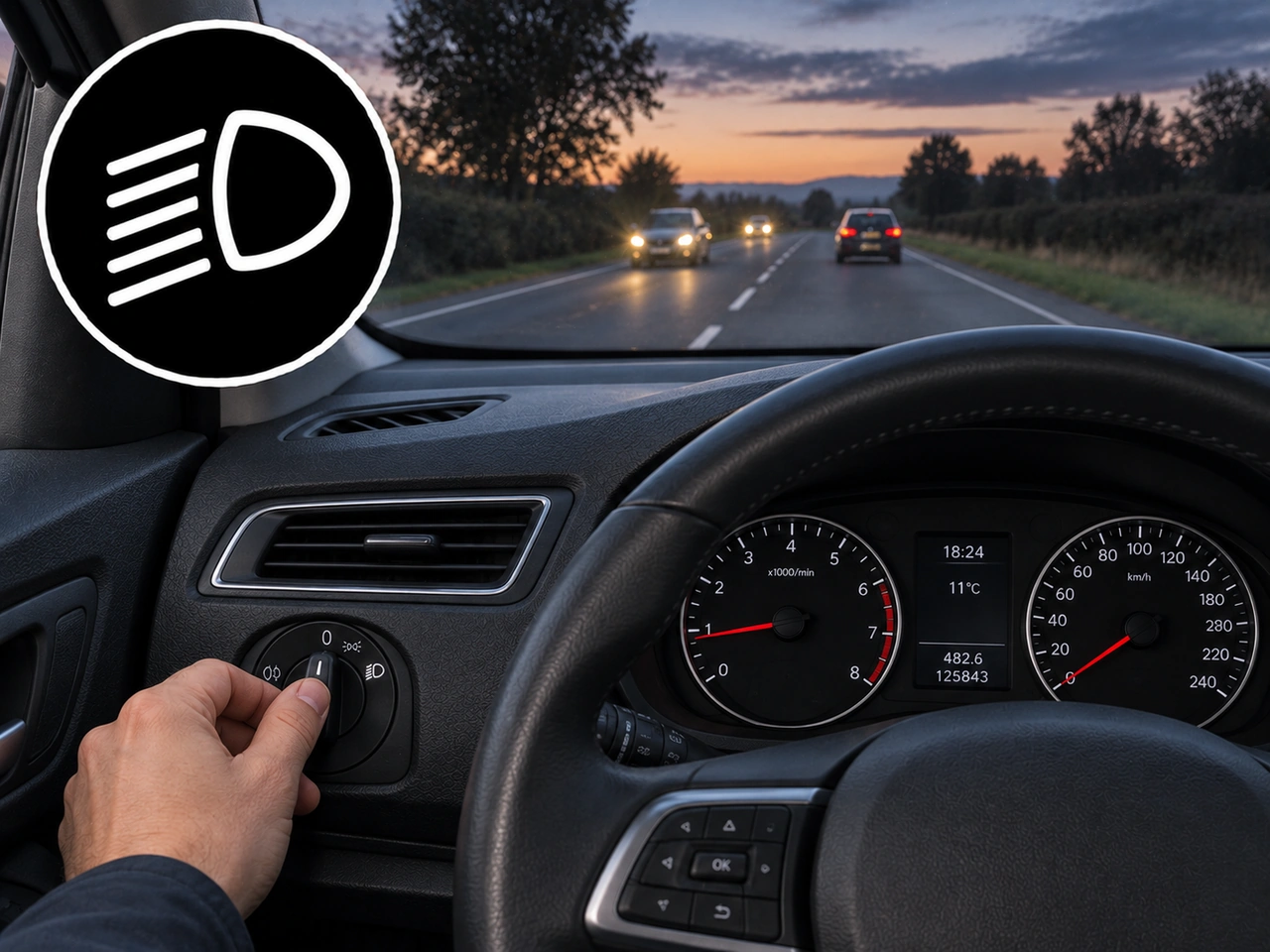
218. Which control is normally used to switch on the dipped headlights?
The lighting control is normally used to switch on the dipped headlights. Depending on the vehicle, it may be a rotary switch or part of a lighting stalk.
AI-generated by Rijbewijs-online.be • WCIT • CC BY-SA
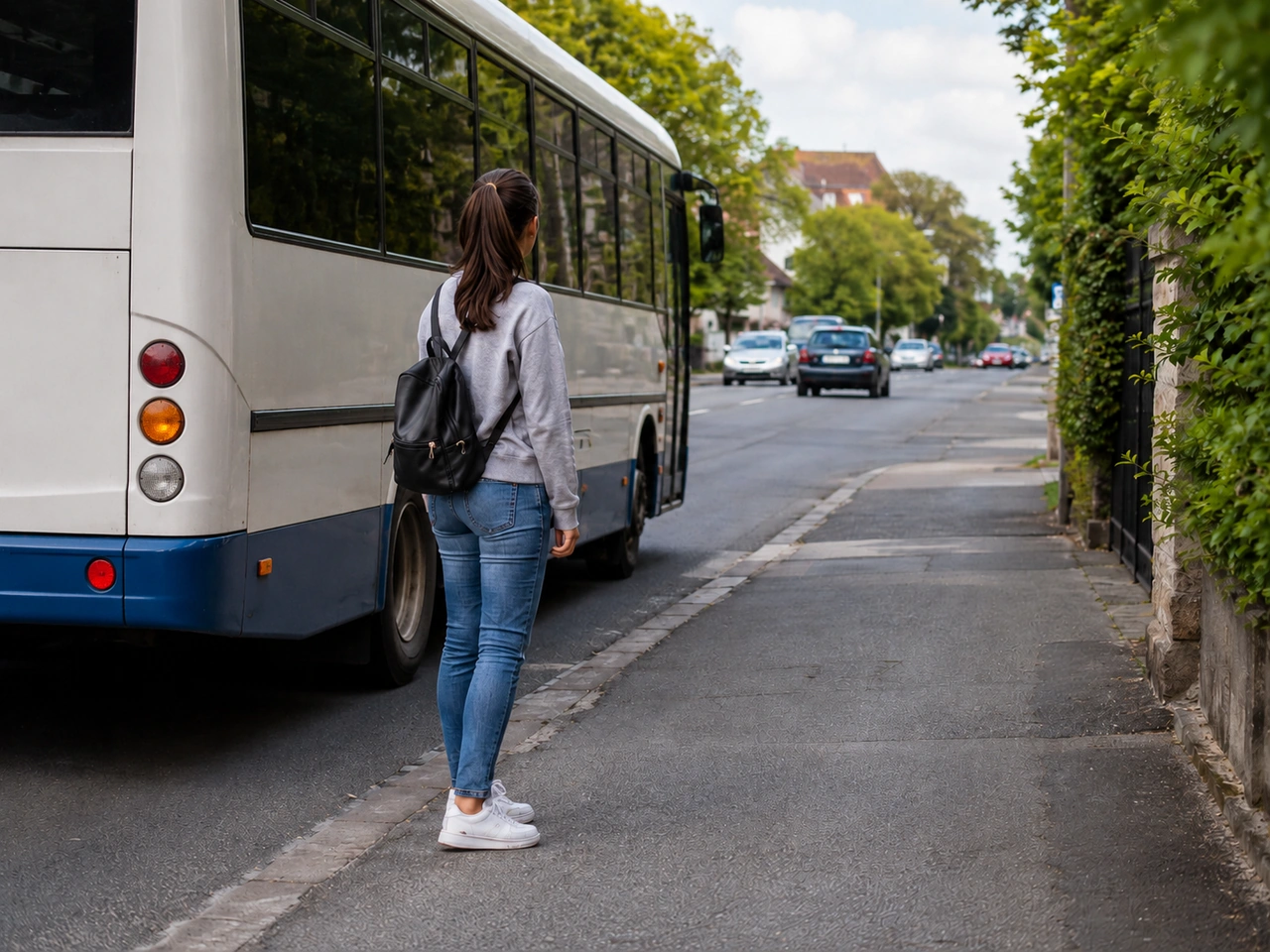
219. What should you do before crossing behind a bus or large vehicle?
Large vehicles can block your view and hide you from drivers. Wait until you can clearly see the road before crossing.
AI-generated by Rijbewijs-online.be • WCIT • CC BY-SA
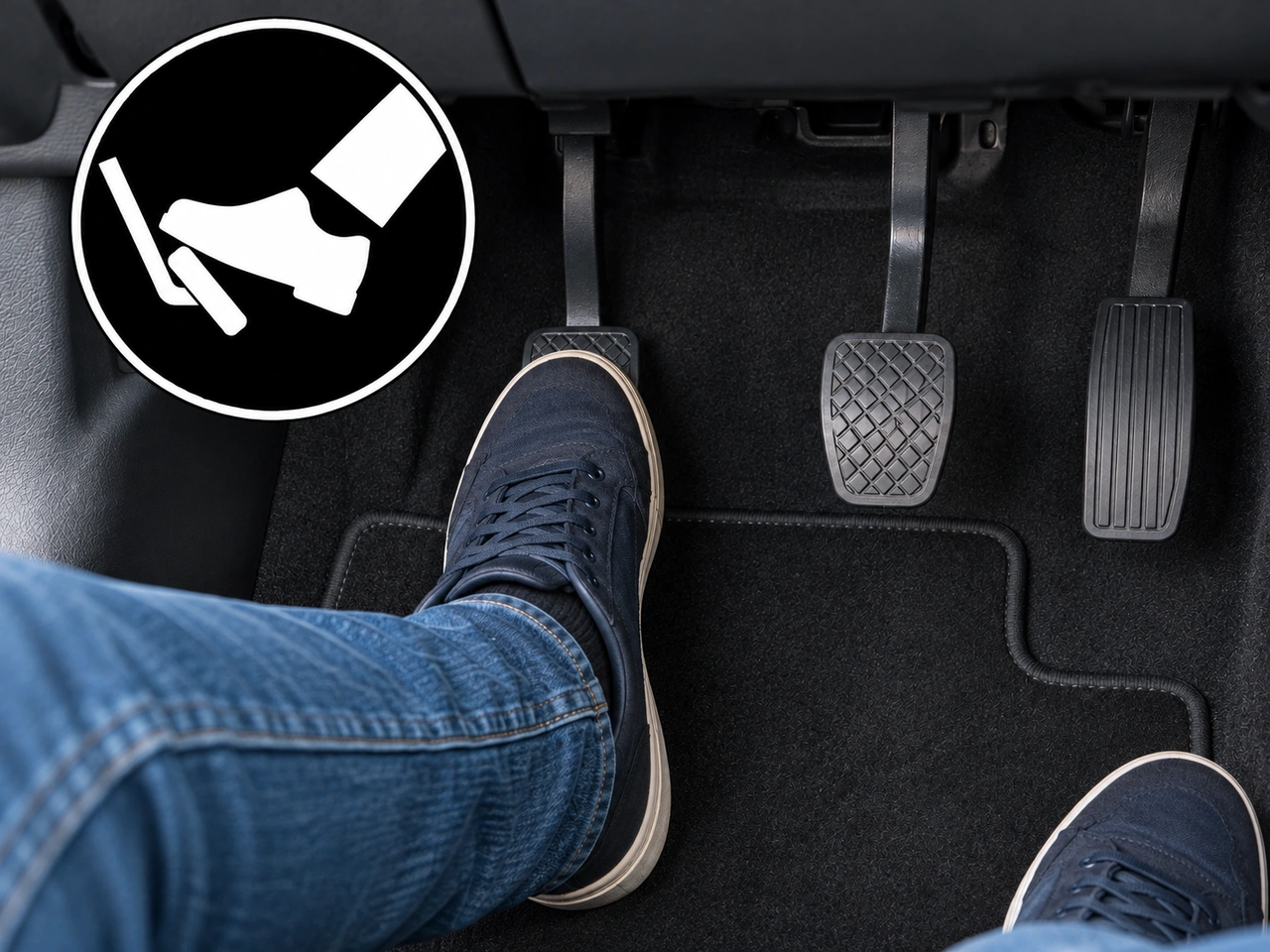
220. Why should you press the clutch pedal fully when changing gear?
Pressing the clutch pedal fully disengages the engine from the transmission, allowing the gear to be changed smoothly and reducing unnecessary wear on the gearbox and clutch.
AI-generated by Rijbewijs-online.be • WCIT • CC BY-SA
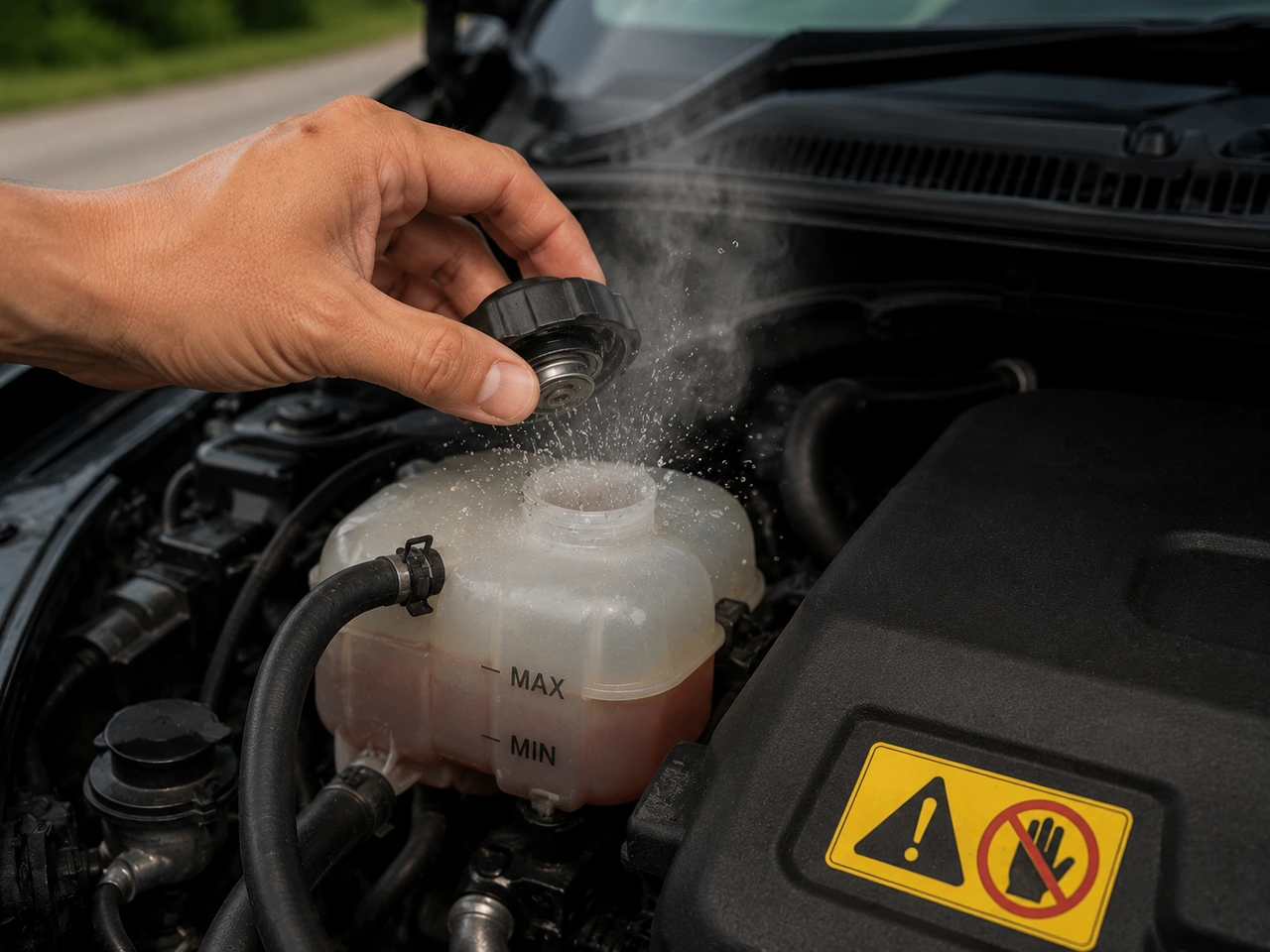
221. Why should you avoid removing the coolant cap while the engine is hot?
A hot cooling system may remain under pressure. Allow the engine to cool and follow the manufacturer's instructions before checking or adding coolant.
AI-generated by Rijbewijs-online.be • WCIT • CC BY-SA
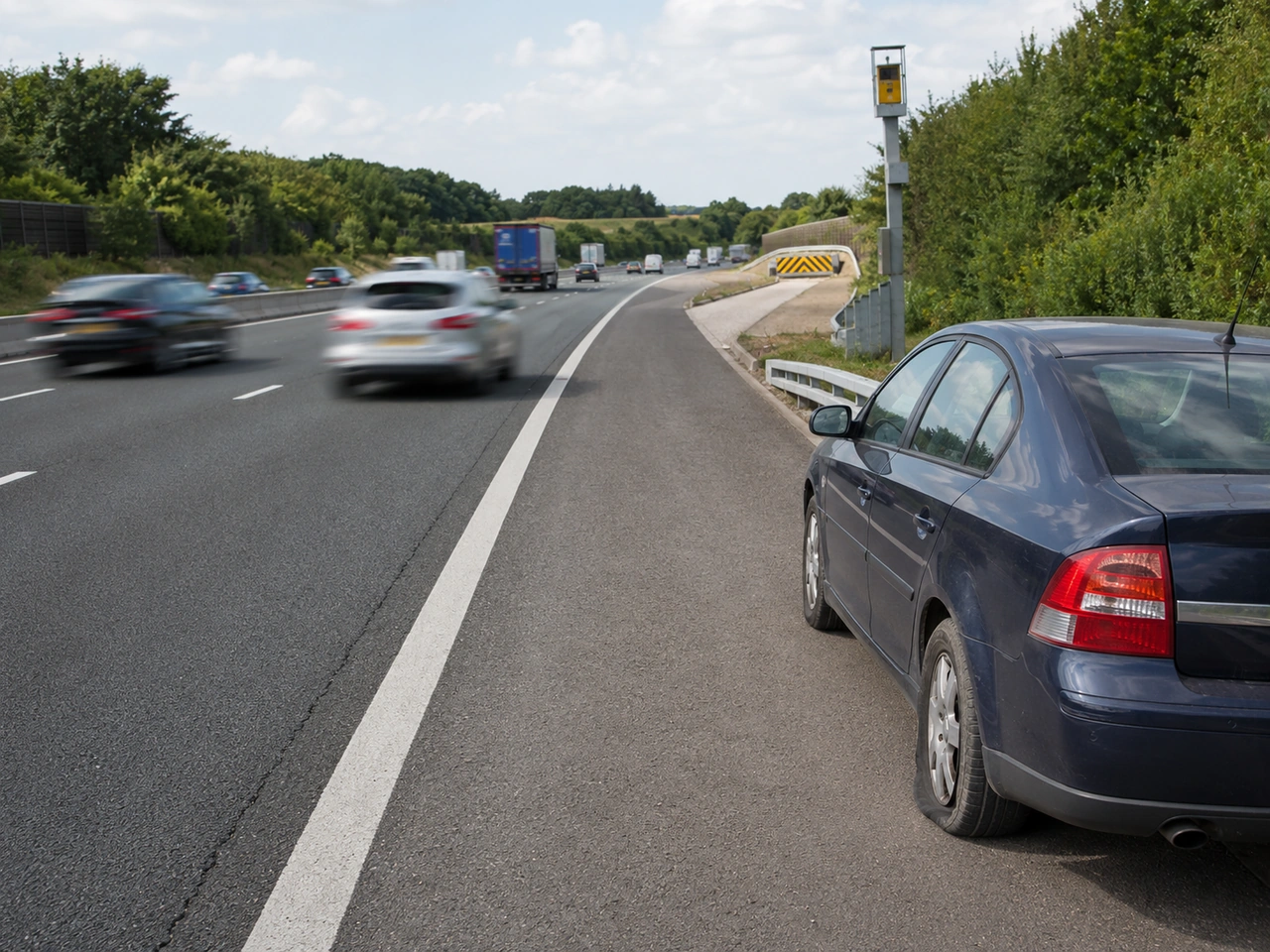
222. What should you do about a flat tyre on a high-speed road?
Changing a wheel close to high-speed traffic is extremely dangerous. Move away from traffic and use professional assistance.
AI-generated by Rijbewijs-online.be • WCIT • CC BY-SA
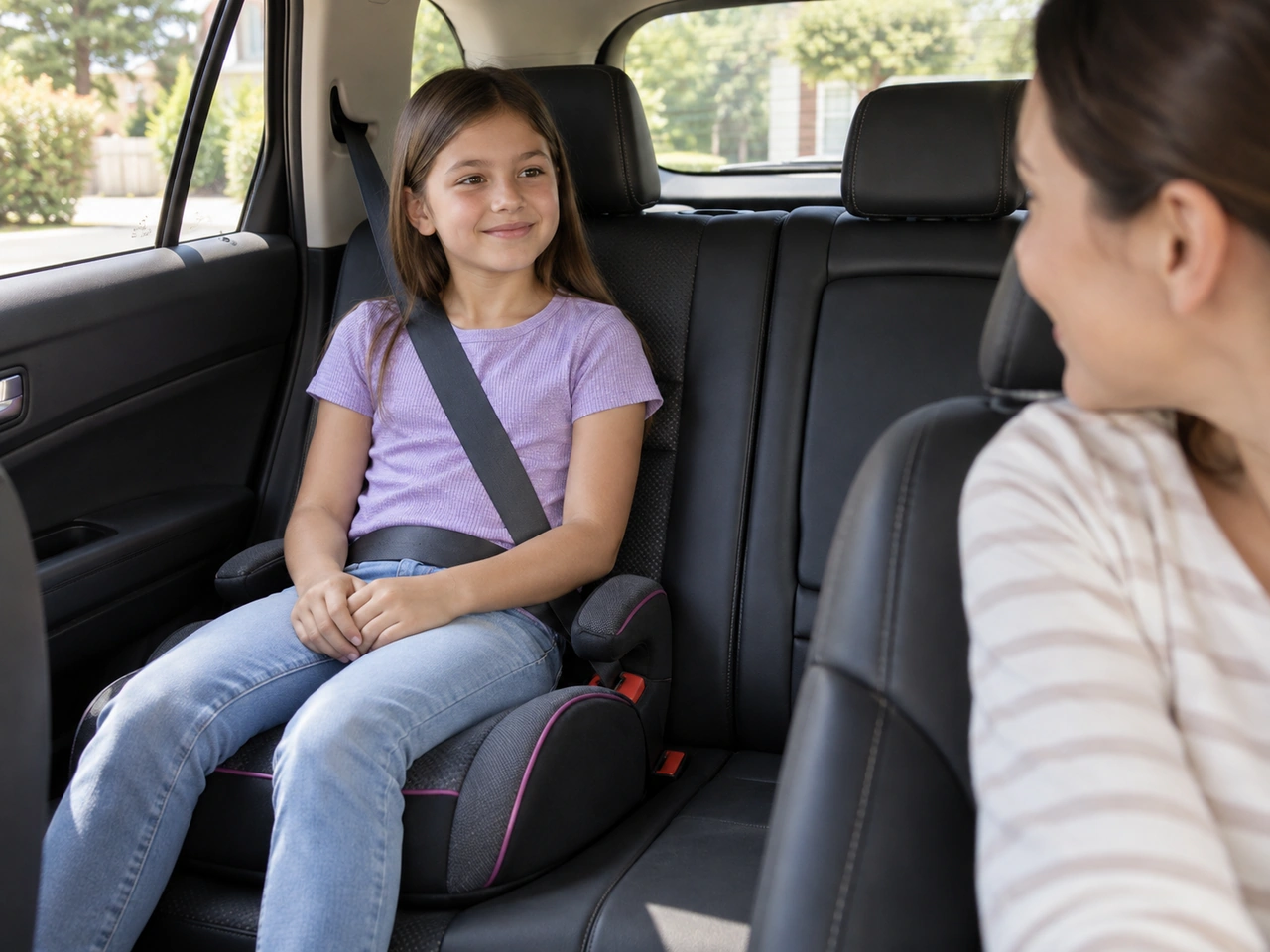
223. What is the main purpose of a booster seat?
A booster seat raises and positions a child so the vehicle seat belt fits correctly. The lap belt should sit low across the hips and the shoulder belt should pass across the chest and shoulder, rather than the neck or abdomen.
AI-generated by Rijbewijs-online.be • WCIT • CC BY-SA
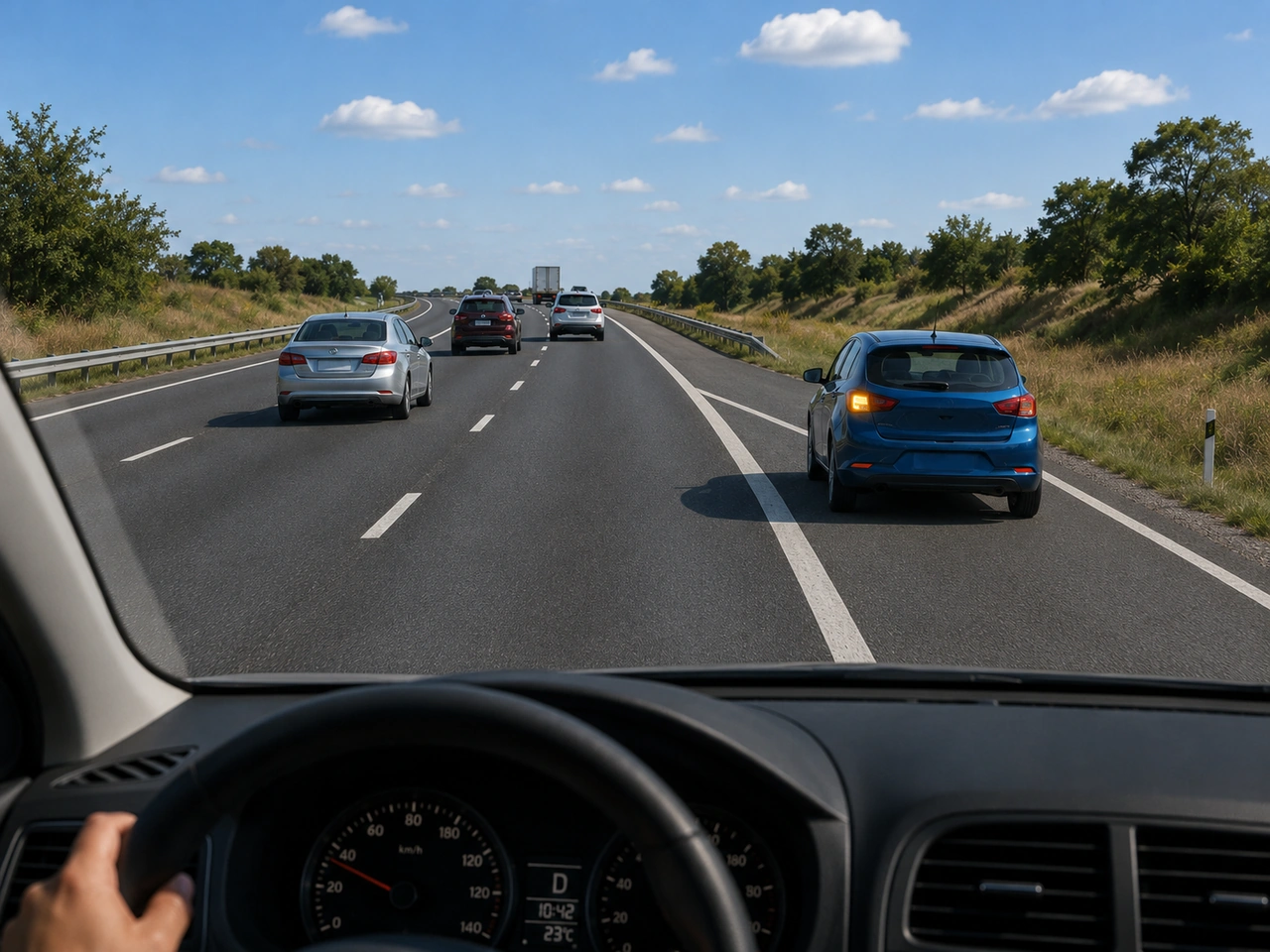
224. What should you do when joining a motorway from an entry lane?
Use the entry lane to build a suitable speed, check carefully, signal, and merge only when it is safe.
AI-generated by Rijbewijs-online.be • WCIT • CC BY-SA
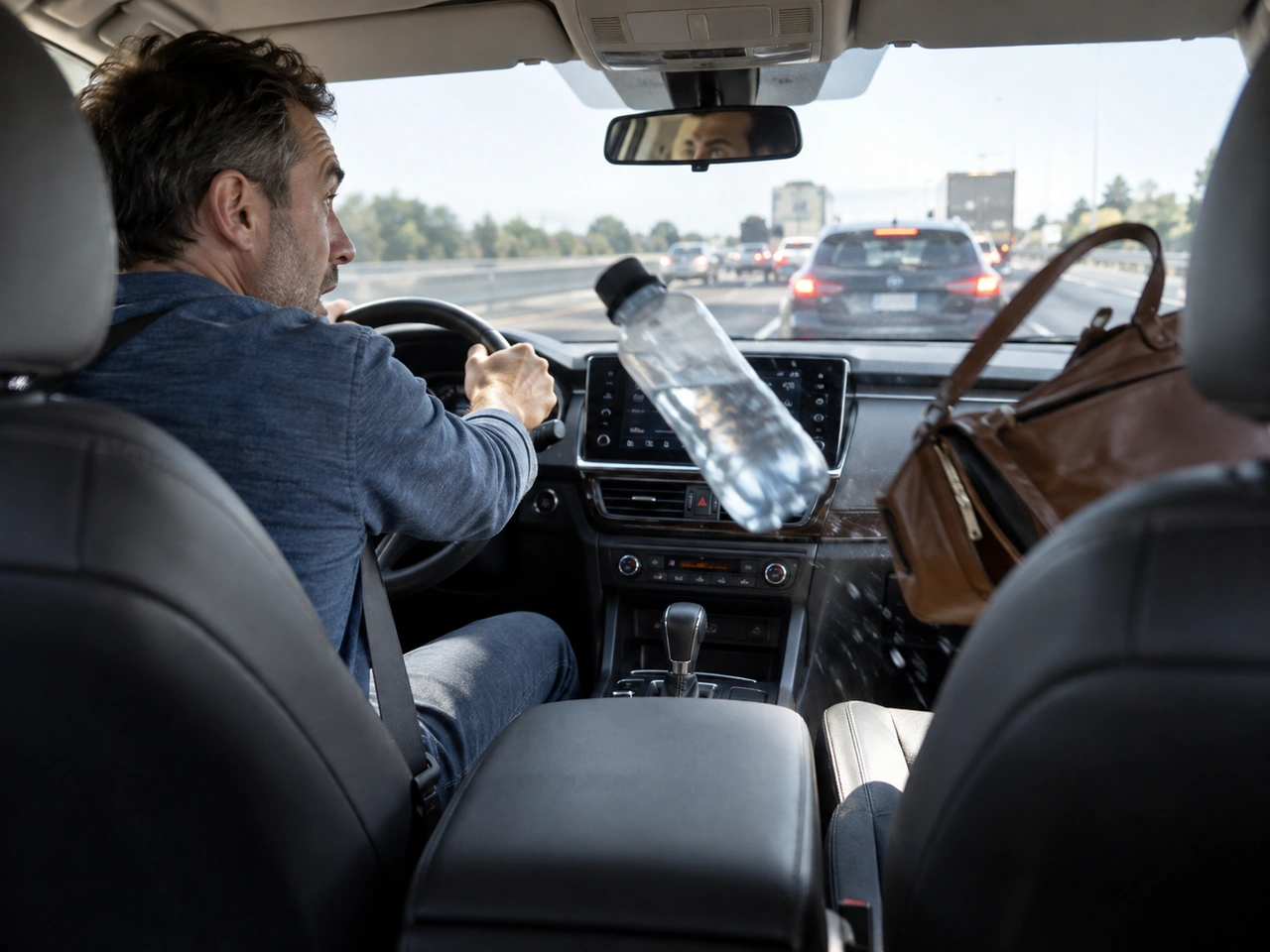
225. Why should loose items inside a vehicle be secured?
Loose objects can move or be thrown forwards during sudden braking or a collision. Secure luggage and other items so they cannot injure occupants or interfere with the driver or vehicle controls.
AI-generated by Rijbewijs-online.be • WCIT • CC BY-SA
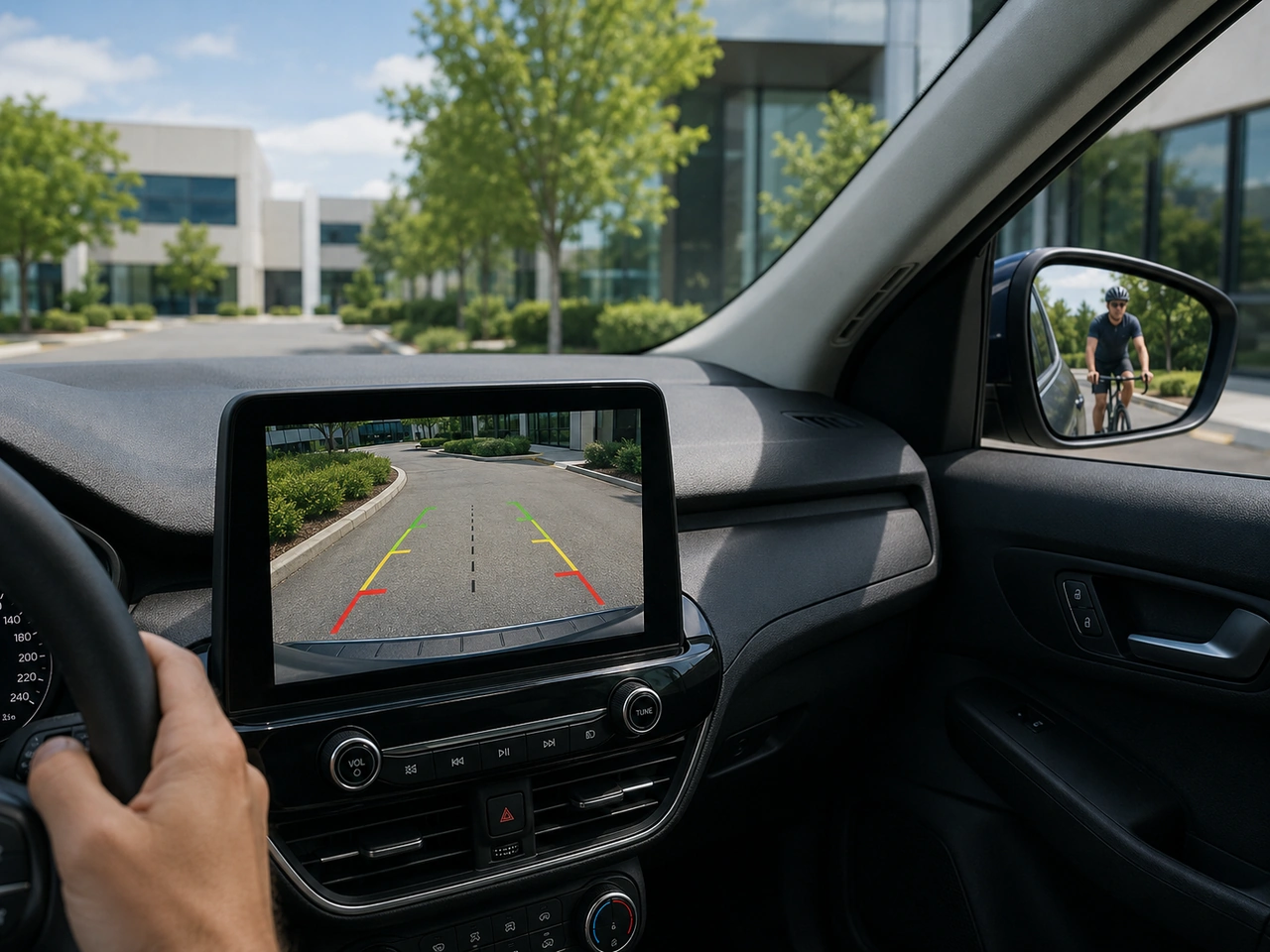
226. Why should you not rely only on a reversing camera?
Reversing cameras can help, but they may have blind spots and limited coverage. Always check your mirrors and surroundings, look around where possible, and reverse slowly.
AI-generated by Rijbewijs-online.be • WCIT • CC BY-SA
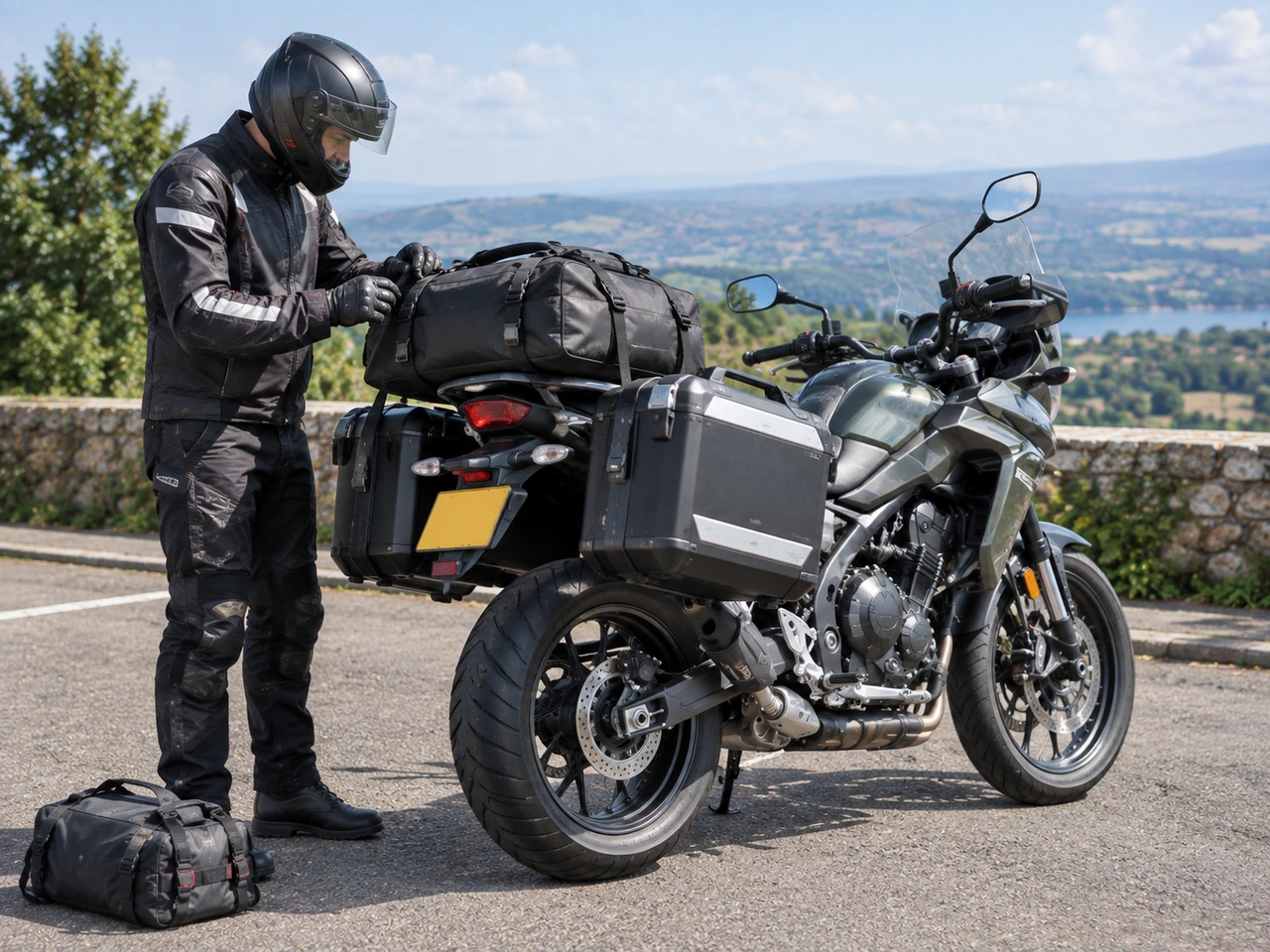
227. How should luggage be carried on a motorcycle?
Motorcycle luggage should be securely fastened and sensibly distributed. A loose, uneven or badly positioned load can affect balance, steering and braking, or become caught in moving parts.
AI-generated by Rijbewijs-online.be • WCIT • CC BY-SA
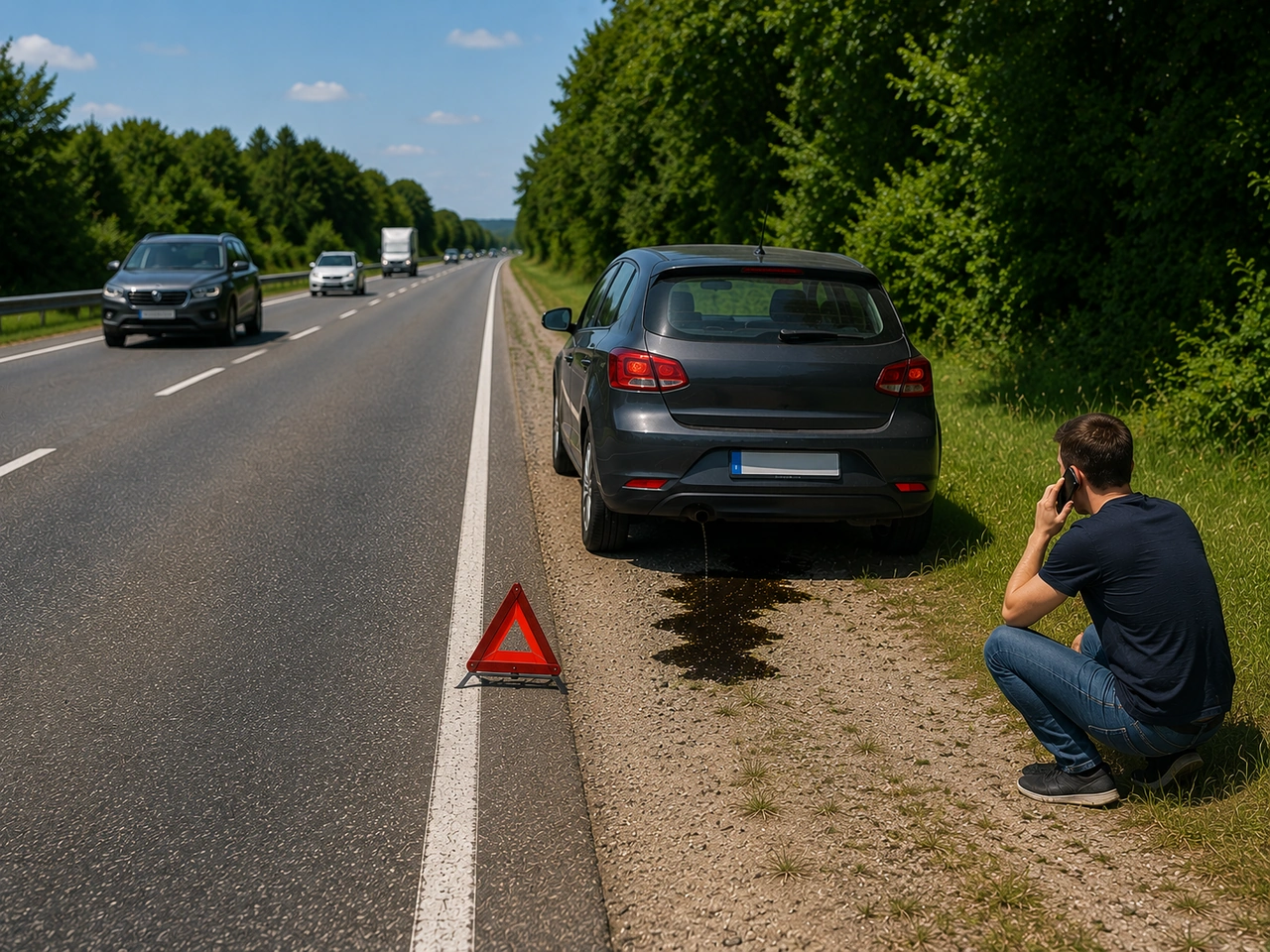
228. What should you do if you smell fuel or see fuel leaking from your vehicle?
Leaking fuel creates a serious fire risk. Keep people away, do not restart the engine, and arrange professional assistance.
AI-generated by Rijbewijs-online.be • WCIT • CC BY-SA
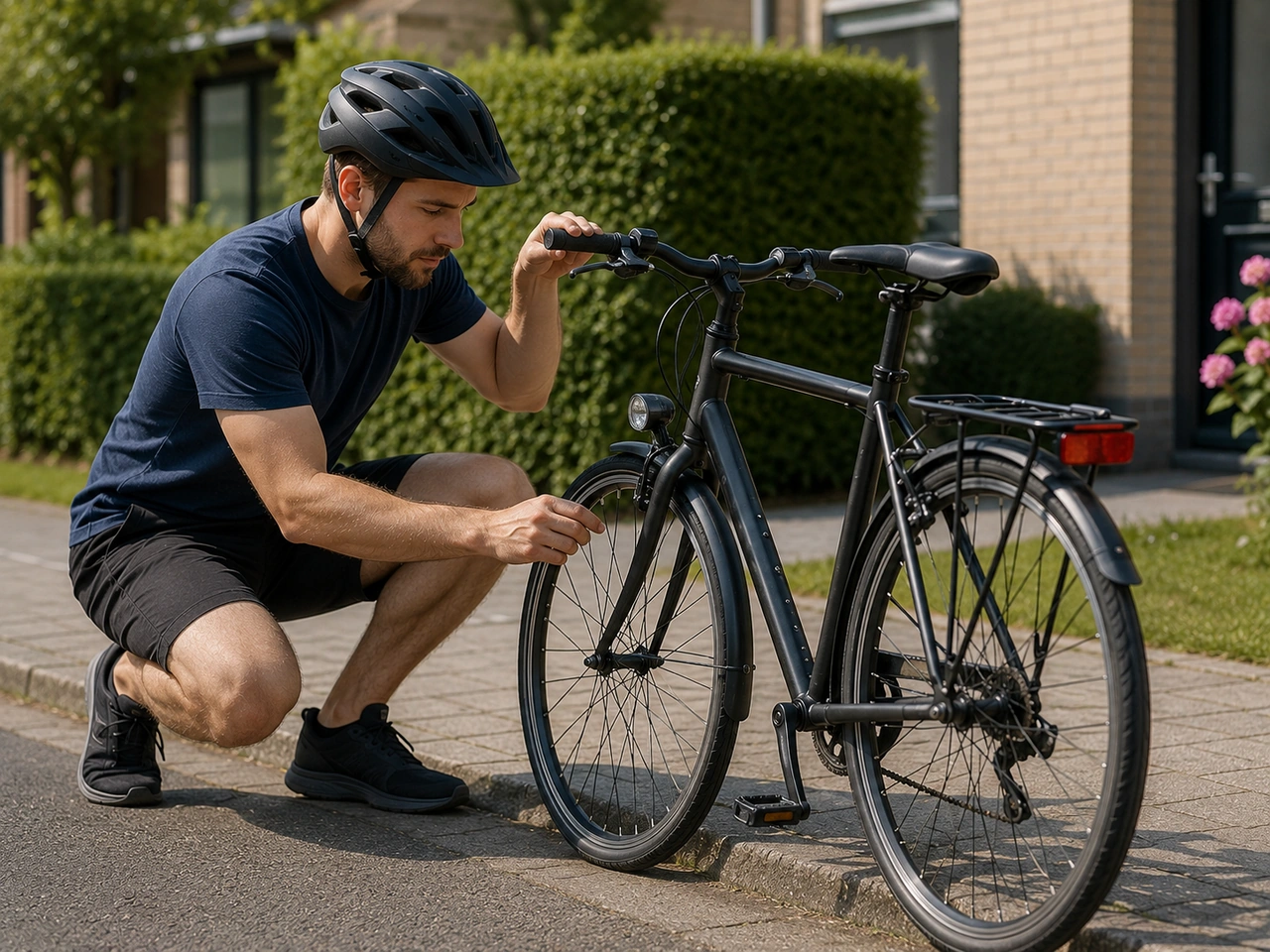
229. What should you check before starting a bicycle journey?
A basic safety check can reveal problems with the brakes, tyres, lights, or steering before they cause an accident.
AI-generated by Rijbewijs-online.be • WCIT • CC BY-SA
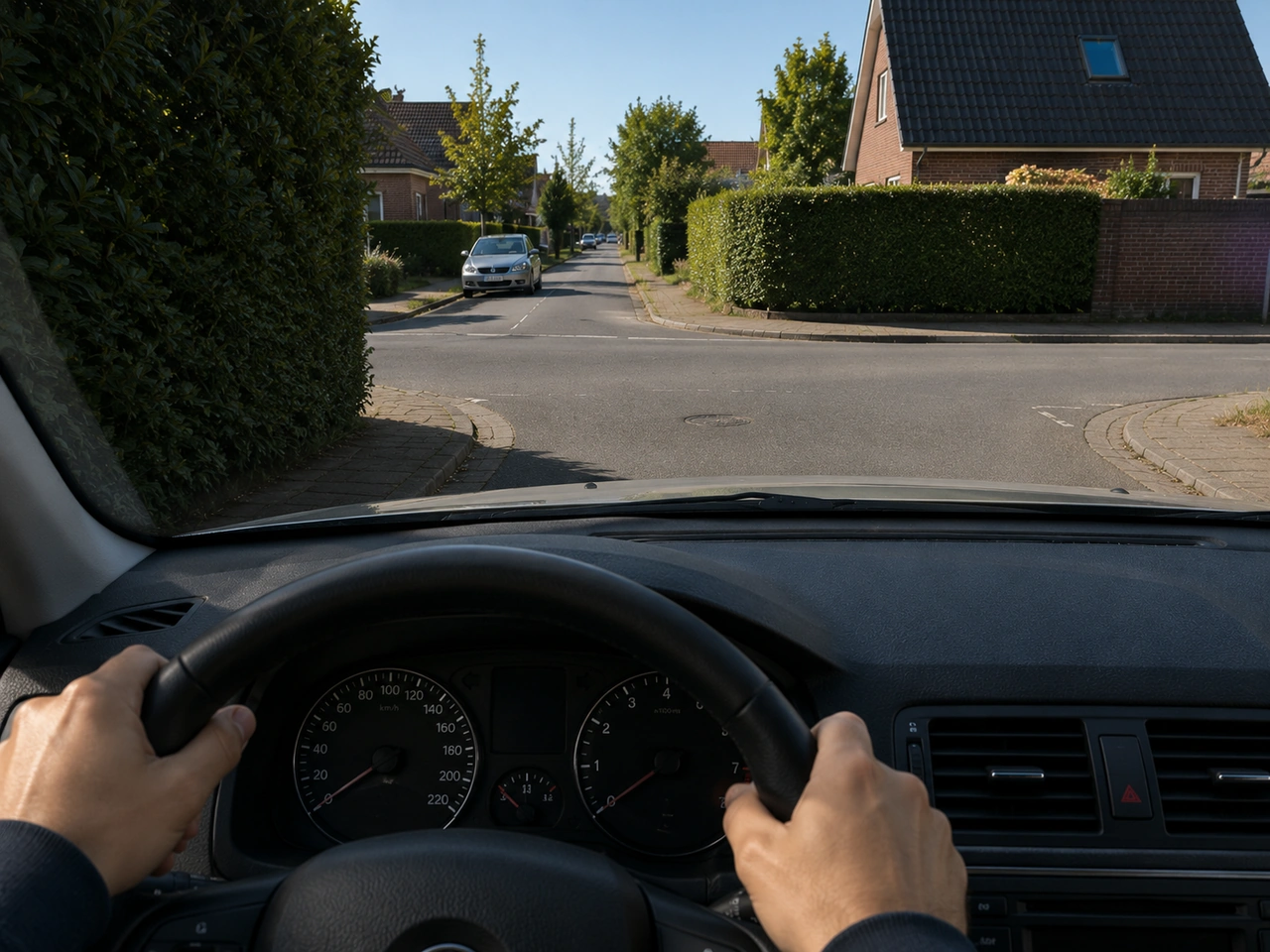
230. What should you do when your view is blocked at a junction?
If your view is blocked, slow down and make sure the way is clear before entering the junction.
AI-generated by Rijbewijs-online.be • WCIT • CC BY-SA
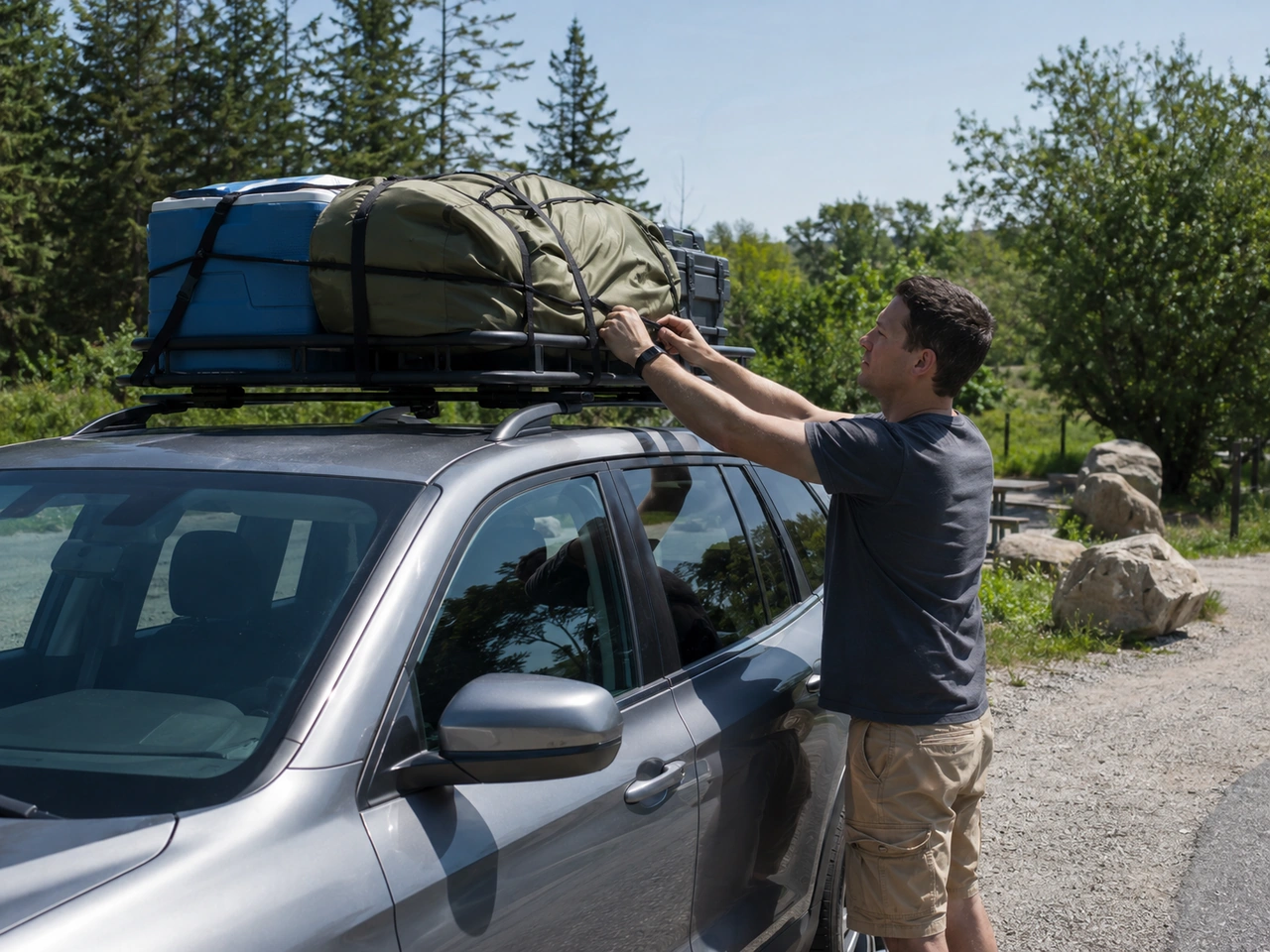
231. Why must a roof load be securely attached?
A roof load is exposed to strong airflow and movement. It must be restrained correctly and kept within the permitted limits.
AI-generated by Rijbewijs-online.be • WCIT • CC BY-SA
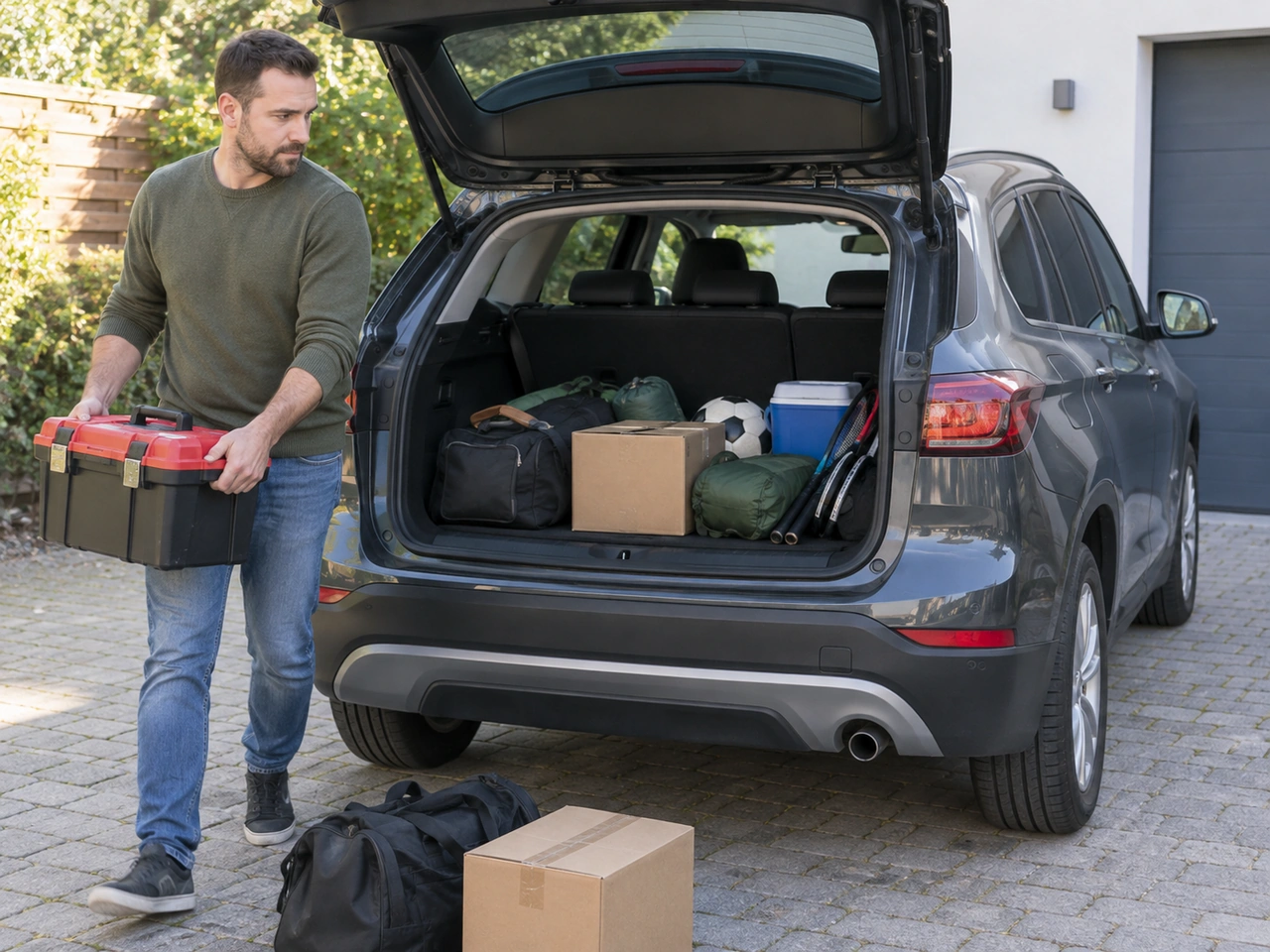
232. How can unnecessary weight affect a vehicle's energy use?
Extra weight generally requires more energy when accelerating and climbing. Removing unnecessary heavy items can help reduce fuel or energy consumption while keeping all essential equipment in the vehicle.
AI-generated by Rijbewijs-online.be • WCIT • CC BY-SA
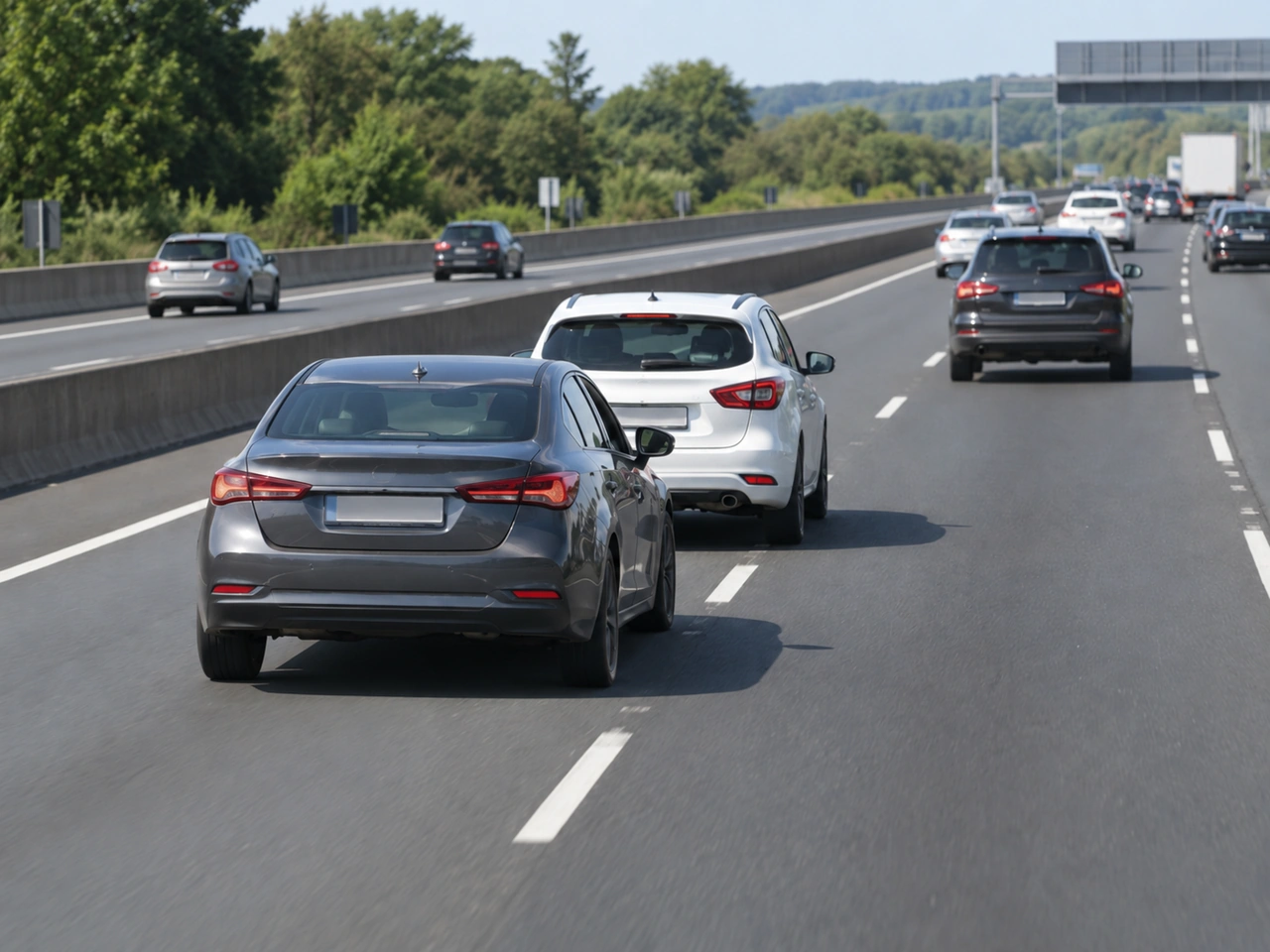
233. What is the main safety risk of aggressive driving?
Aggressive driving, such as tailgating, speeding, or sudden lane changes, reduces safety margins and increases the risk of crashes and conflict with other road users.
AI-generated by Rijbewijs-online.be • WCIT • CC BY-SA
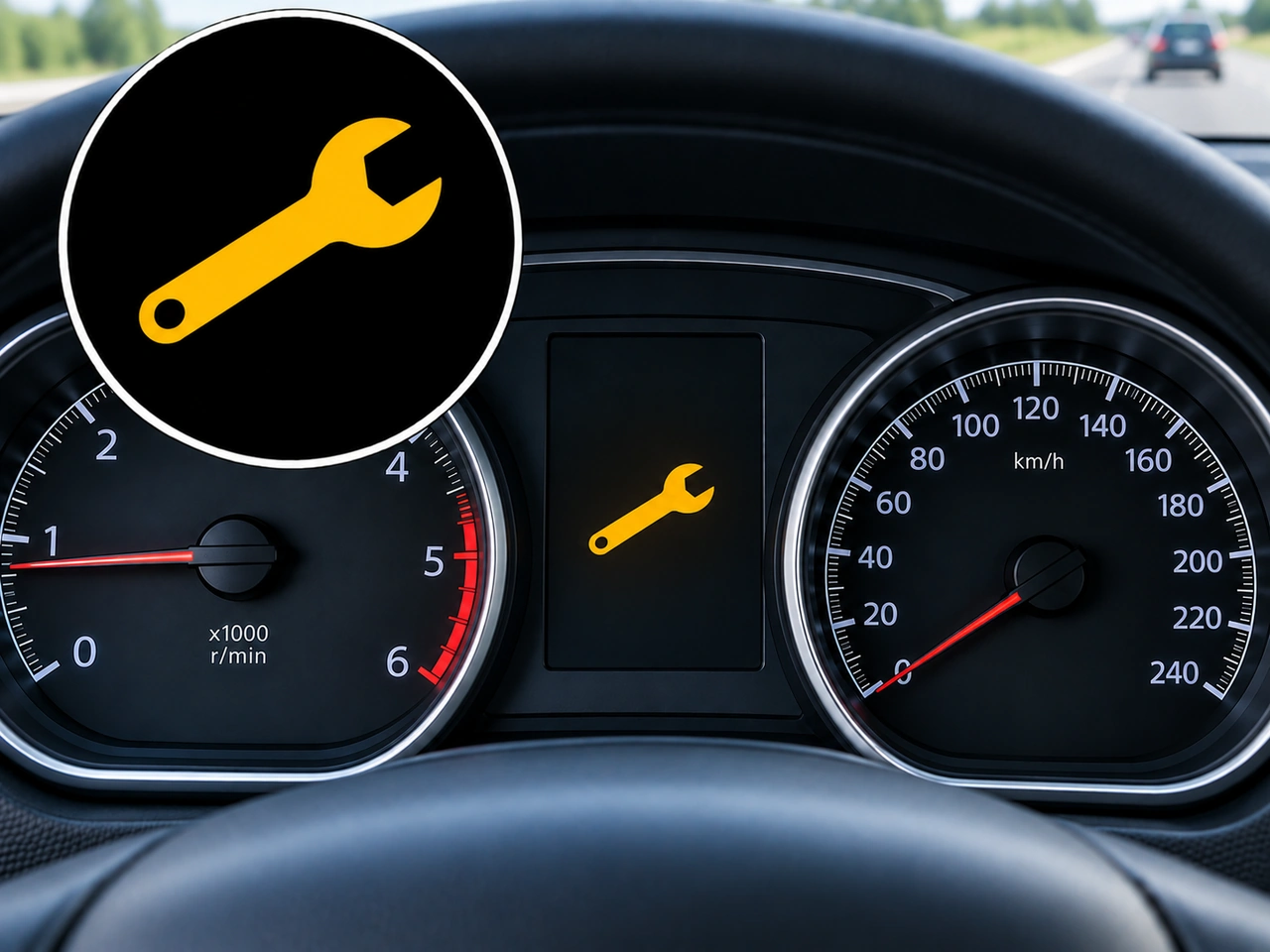
234. What does this dashboard symbol indicate?
This symbol indicates that the vehicle requires servicing or maintenance. The exact meaning and required maintenance can vary between vehicles, so check the vehicle information display or owner's manual.
AI-generated by Rijbewijs-online.be • WCIT • CC BY-SA
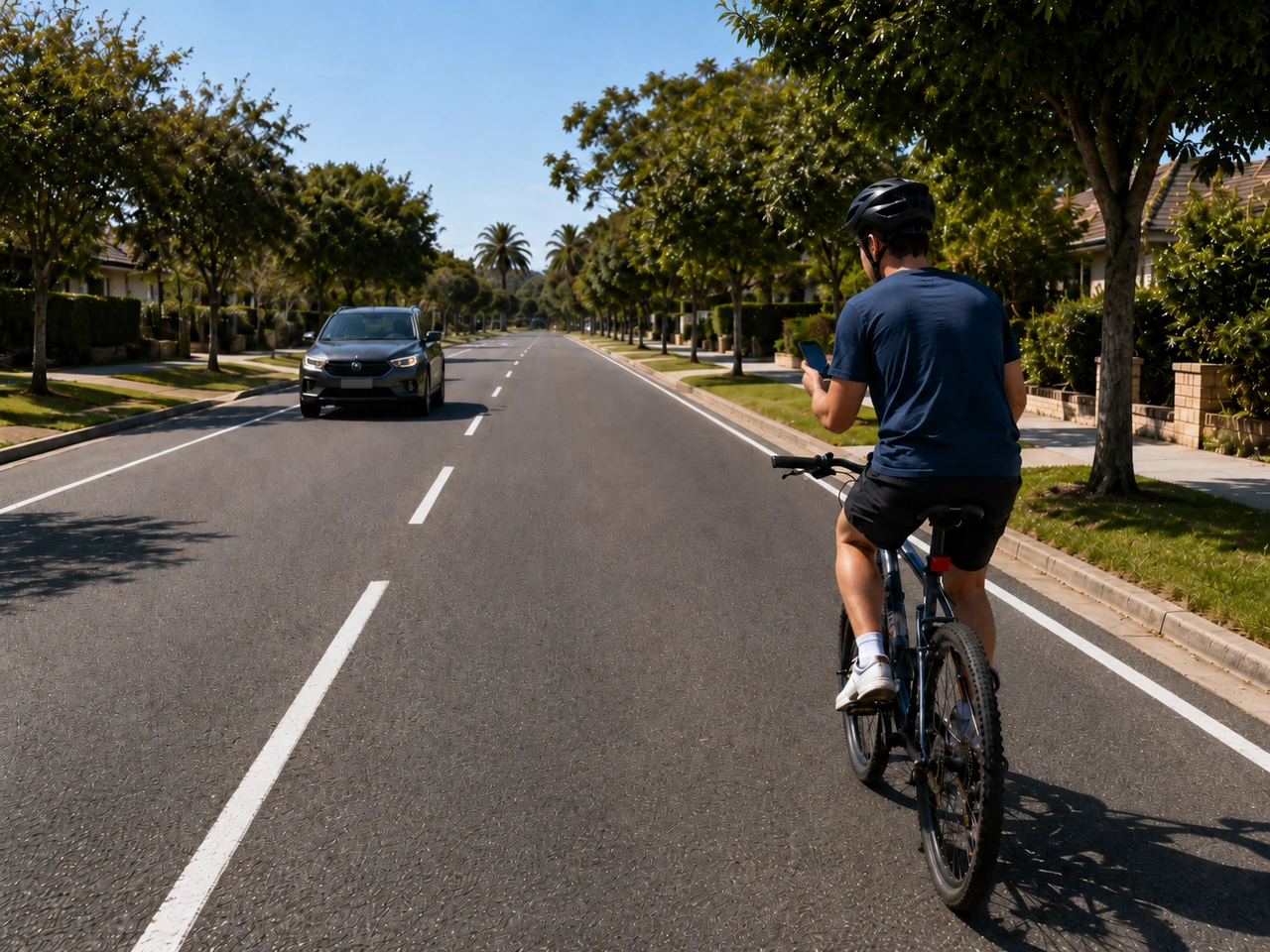
235. Why should cyclists avoid using a handheld phone?
Using a phone can distract you and may prevent you from steering, braking, or reacting properly.
AI-generated by Rijbewijs-online.be • WCIT • CC BY-SA
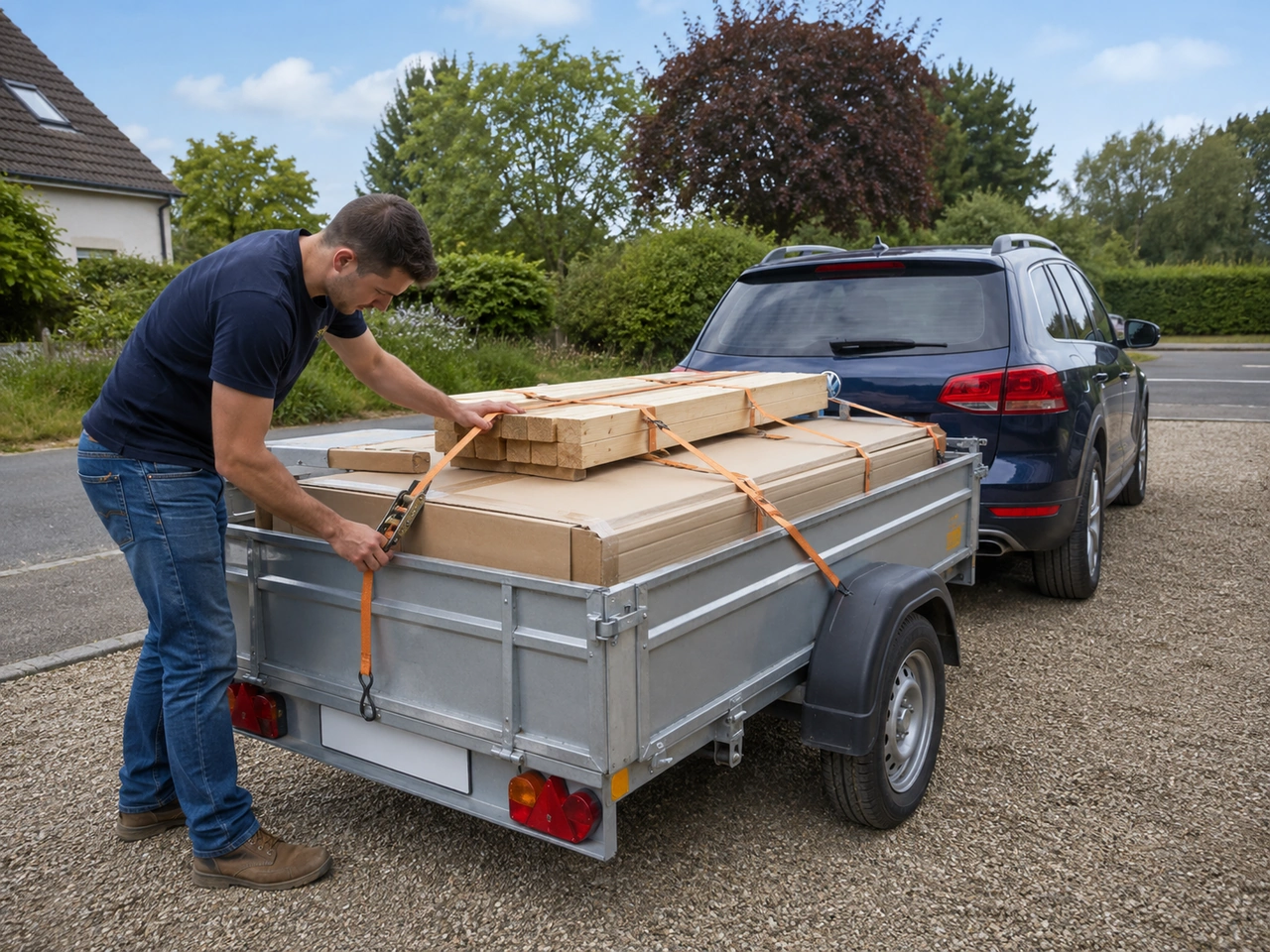
236. What should you do before driving with a load?
An unsecured load can shift, affect vehicle control, or fall into the road. Check that everything is safely restrained before moving.
AI-generated by Rijbewijs-online.be • WCIT • CC BY-SA
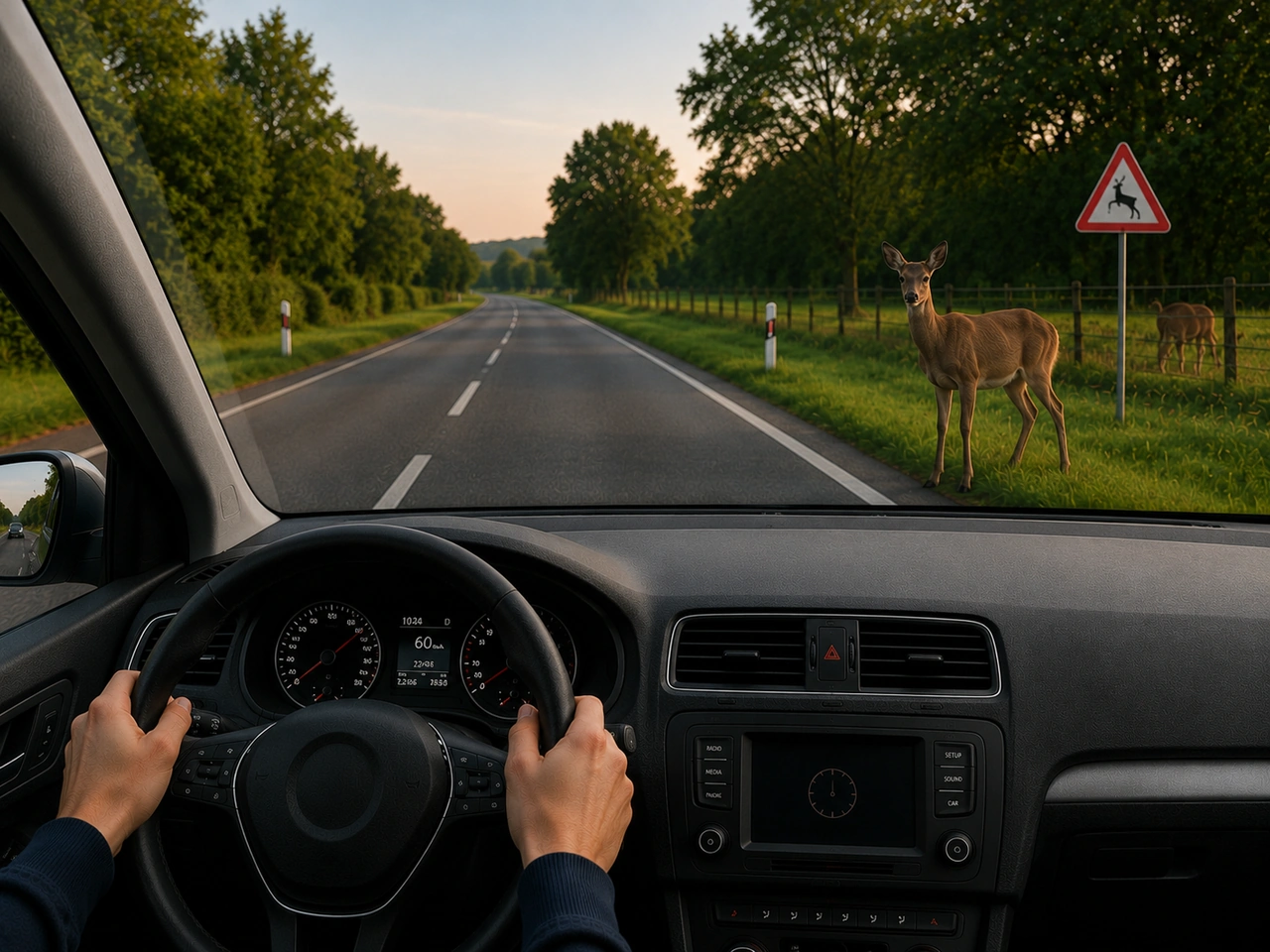
237. What should you do when driving near animals?
Animals can move unpredictably. Slow down, stay alert, and be prepared to stop safely.
AI-generated by Rijbewijs-online.be • WCIT • CC BY-SA
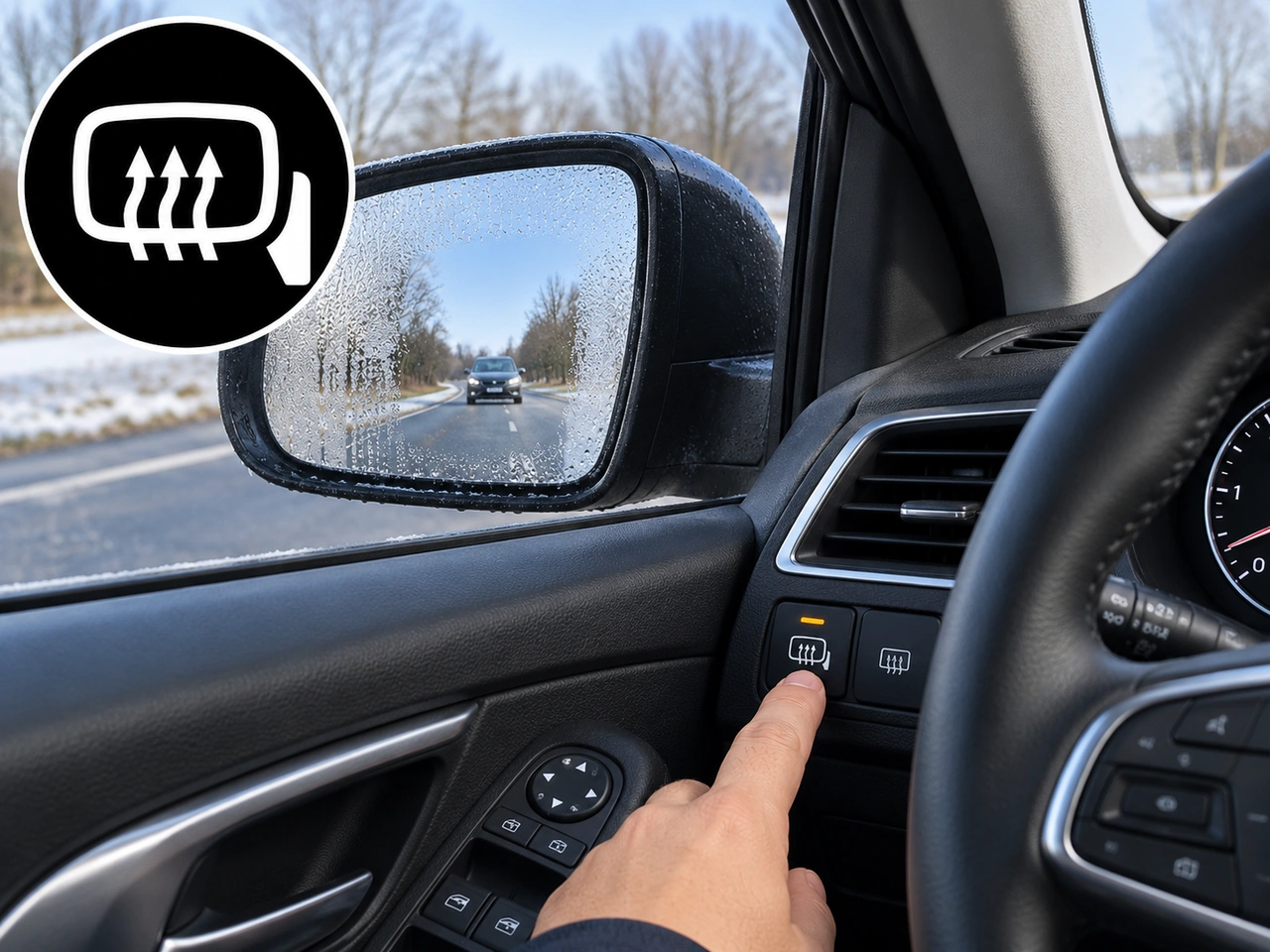
238. What is the purpose of heated door mirrors?
Heated door mirrors warm the mirror glass to help clear mist, condensation, or light ice and improve rearward visibility. On some vehicles, they operate together with the rear-window demister.
AI-generated by Rijbewijs-online.be • WCIT • CC BY-SA
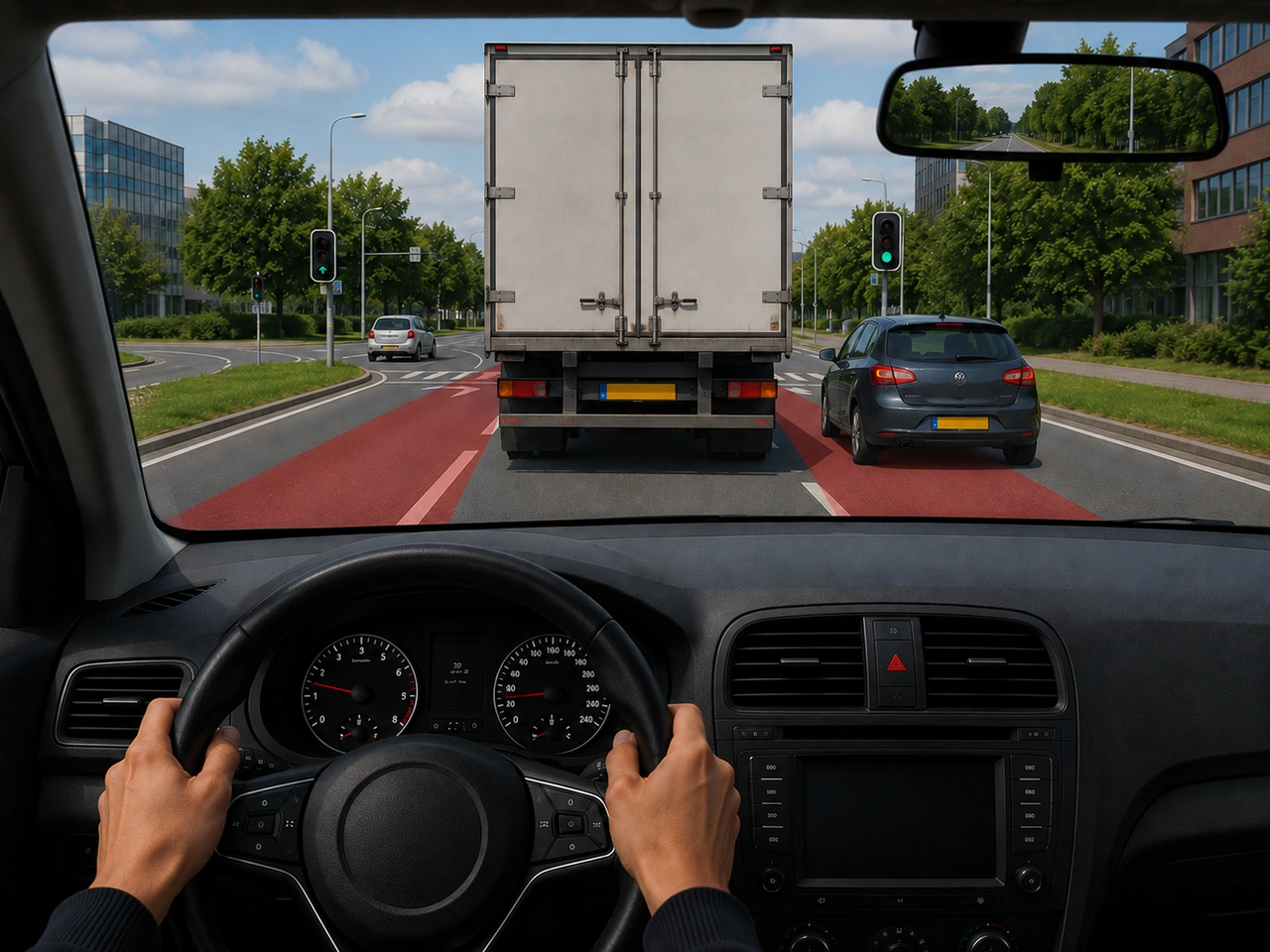
239. Why should you avoid stopping in a blind spot of a large vehicle?
Large vehicles have bigger blind spots. If you stop where the driver cannot see you, you may be at risk when the vehicle moves or turns.
AI-generated by Rijbewijs-online.be • WCIT • CC BY-SA
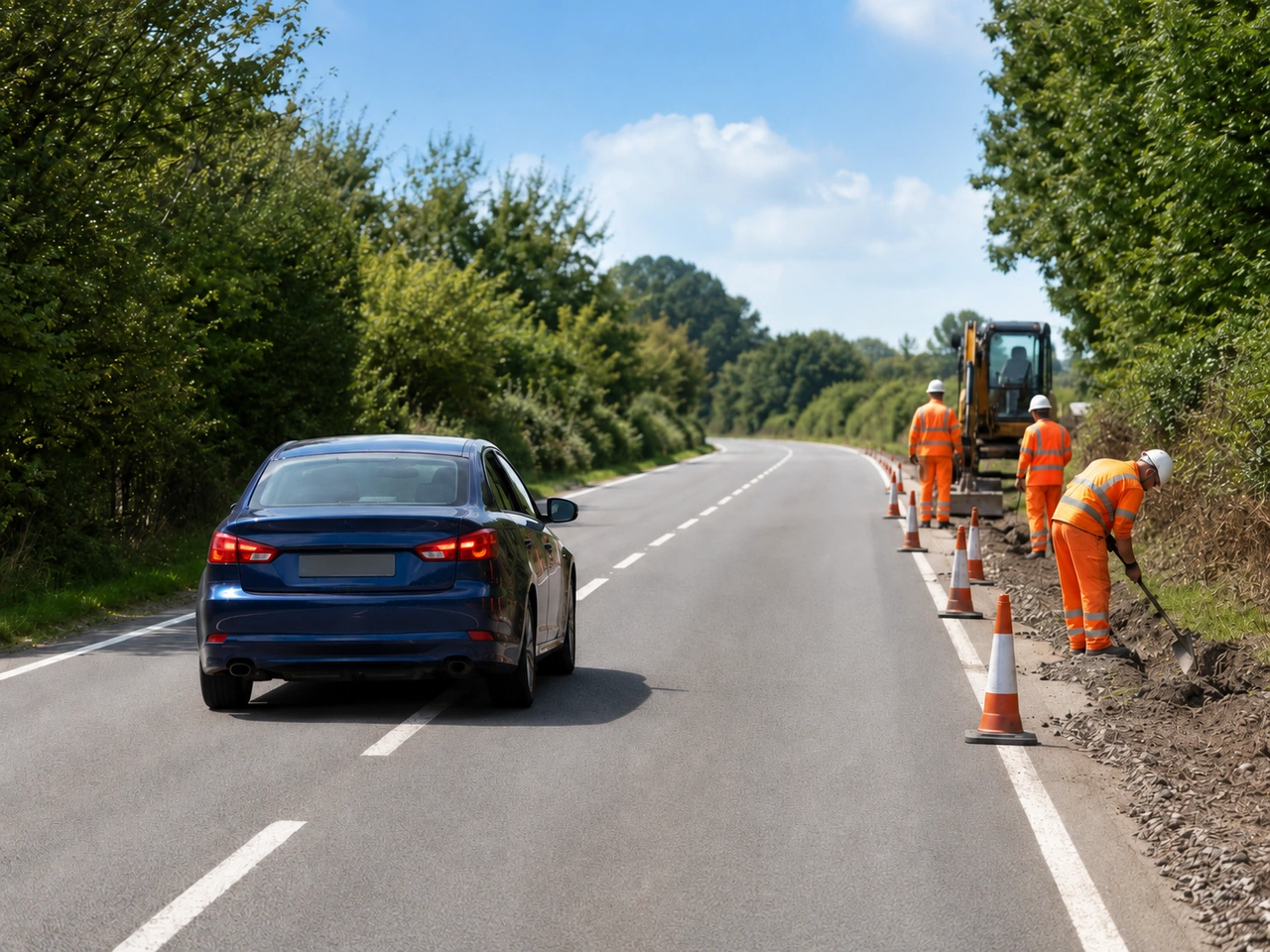
240. Why should you leave extra space when passing road workers?
Workers may be only a short distance from passing vehicles. Reduce speed and leave as much safe space as possible.
AI-generated by Rijbewijs-online.be • WCIT • CC BY-SA
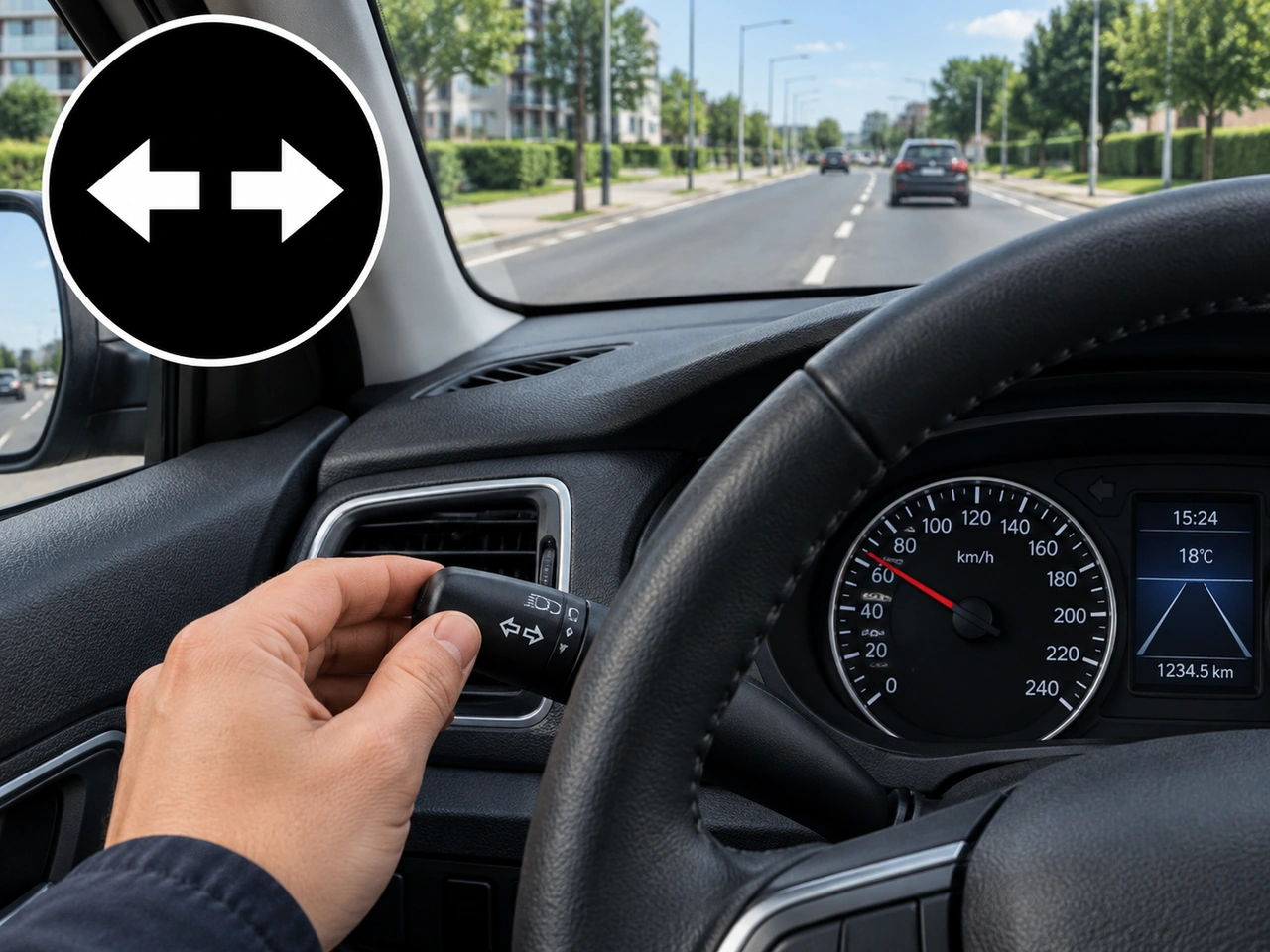
241. What should you do if a direction indicator does not cancel after a turn?
Direction indicators often cancel automatically after a turn, but if an indicator remains on, return the indicator control to its neutral position so you do not mislead other road users.
AI-generated by Rijbewijs-online.be • WCIT • CC BY-SA
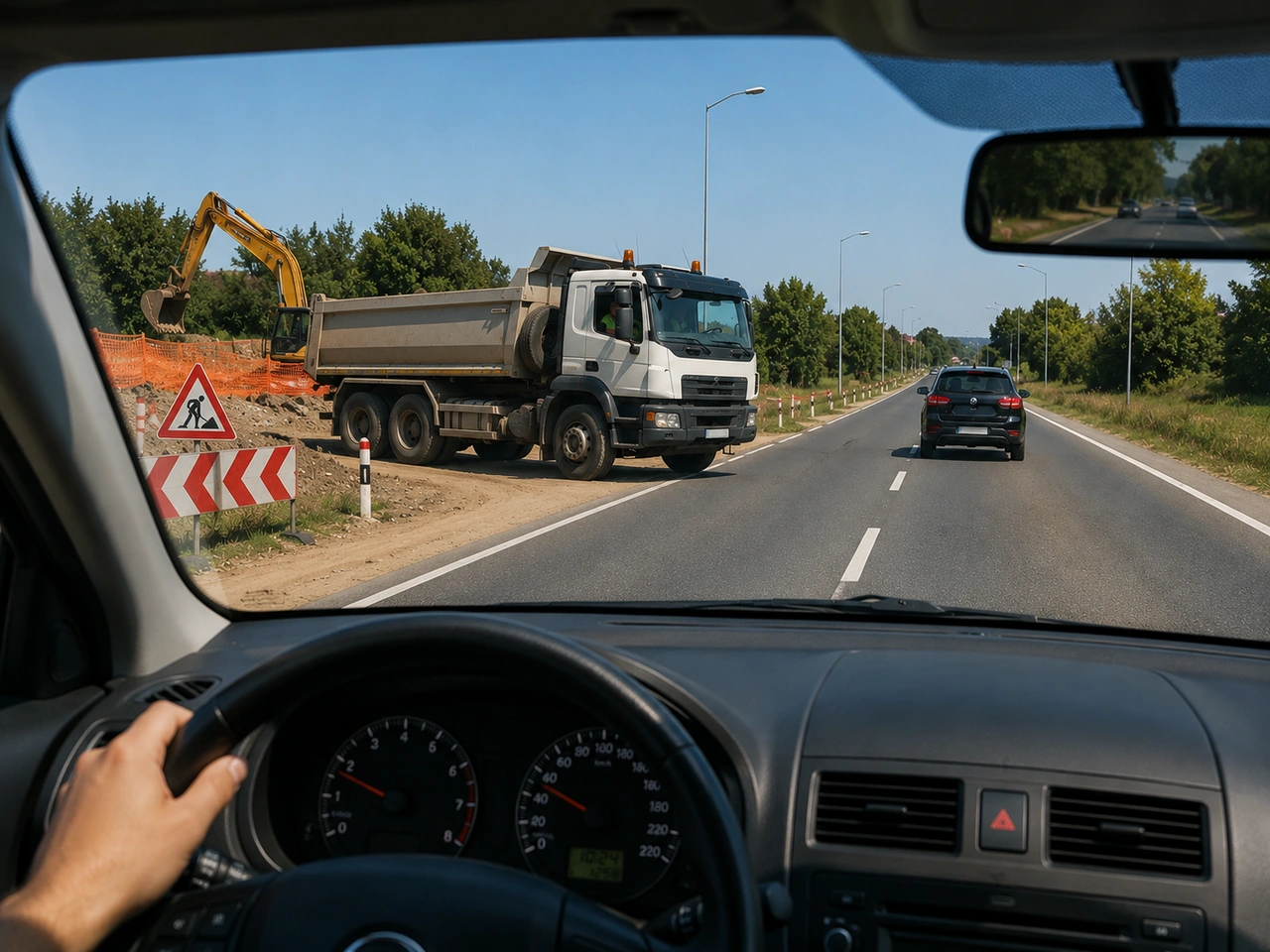
242. What should you do when construction vehicles enter or leave the road?
Construction vehicles may move slowly, have limited visibility, or carry loose material. Give them time and space to manoeuvre.
AI-generated by Rijbewijs-online.be • WCIT • CC BY-SA
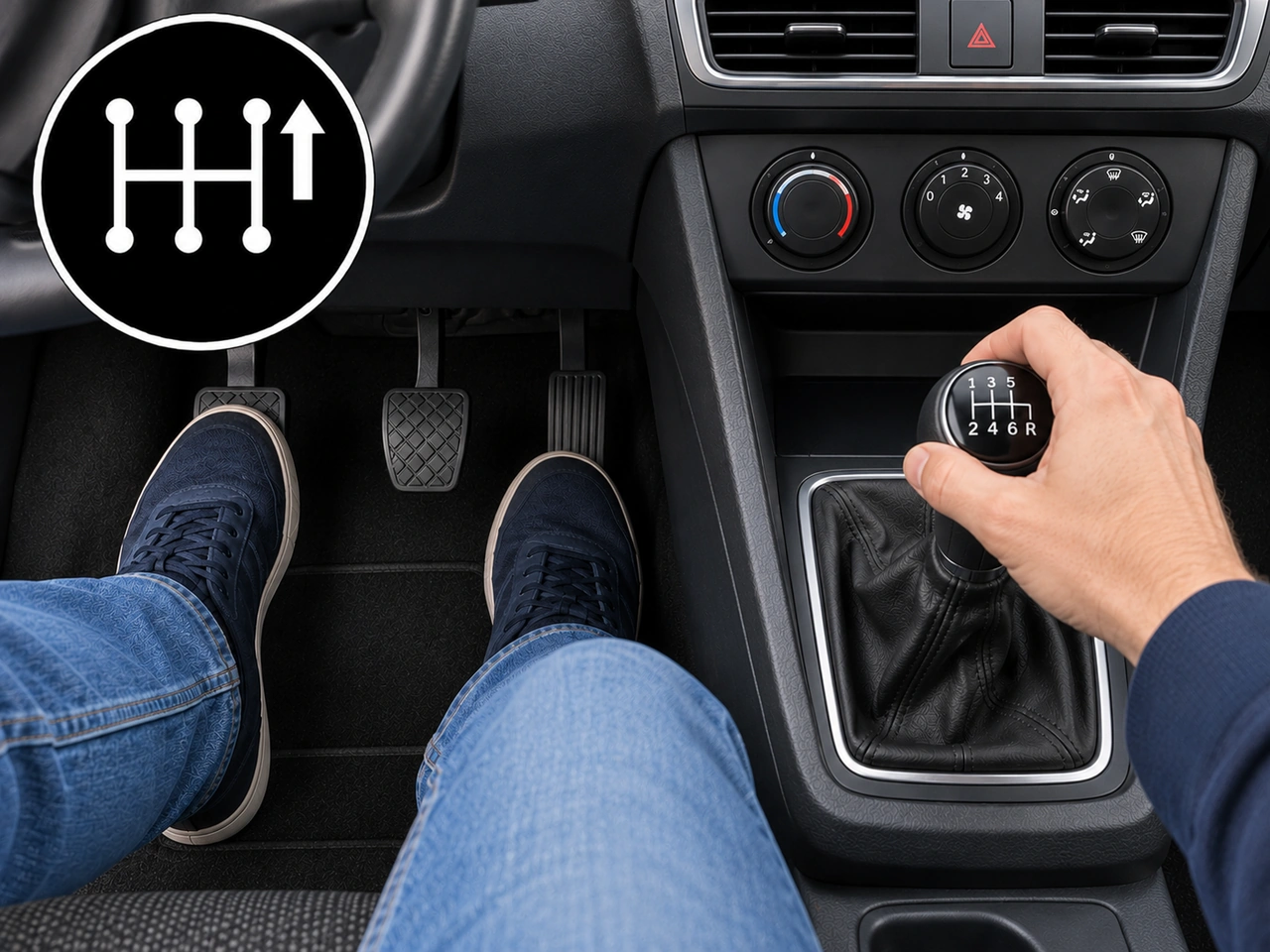
243. What should you normally do with the accelerator when changing to a higher gear?
When changing to a higher gear, ease off the accelerator as you press the clutch and select the next gear. Release the clutch smoothly and then apply the accelerator progressively.
AI-generated by Rijbewijs-online.be • WCIT • CC BY-SA
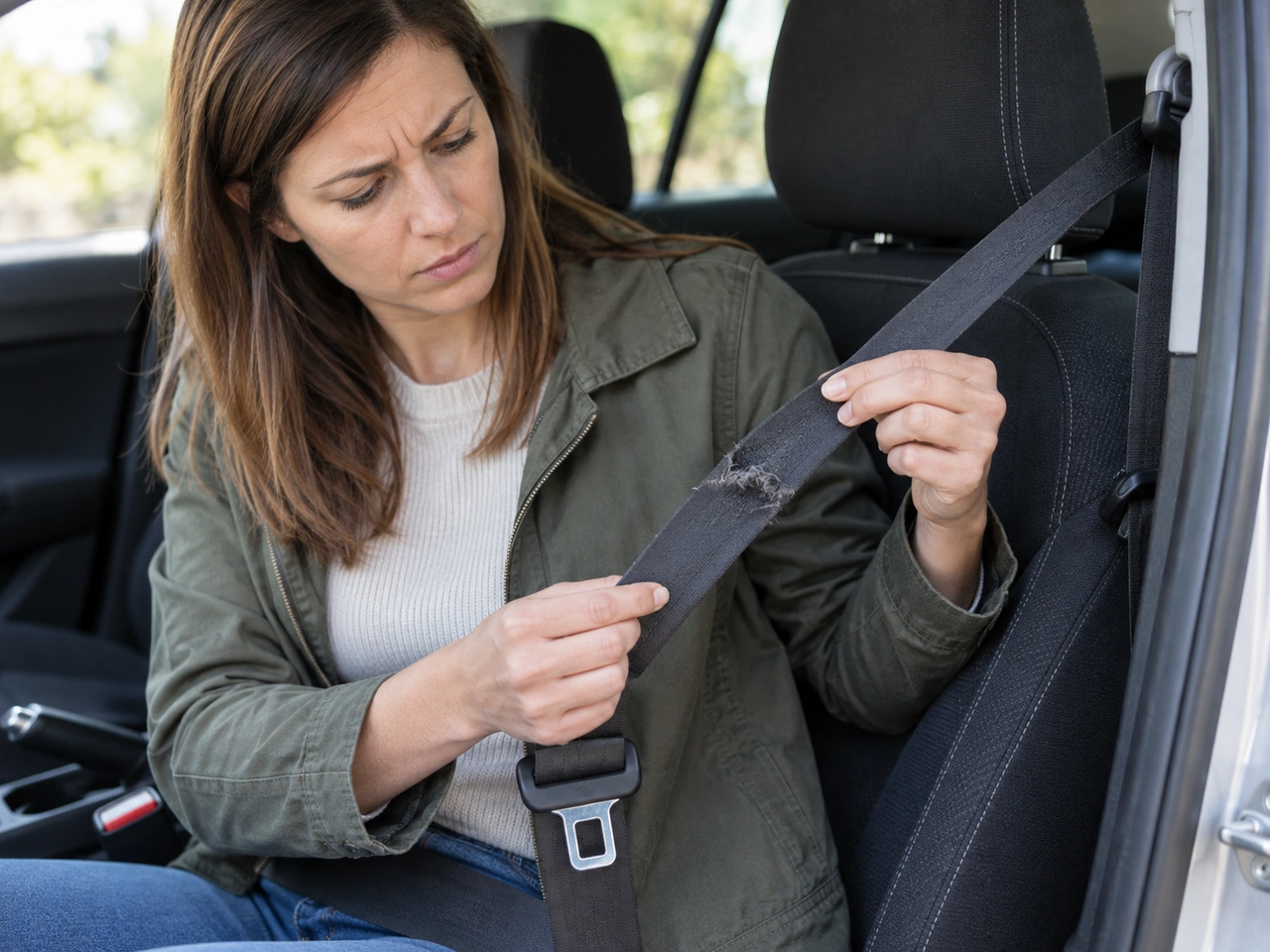
244. What should you do if a seat belt is frayed or damaged?
A damaged seat belt may not provide proper protection in a collision. Frayed webbing, damaged buckles, faulty retractors, or other defects should be professionally inspected and repaired or replaced before the seat belt is relied upon.
AI-generated by Rijbewijs-online.be • WCIT • CC BY-SA
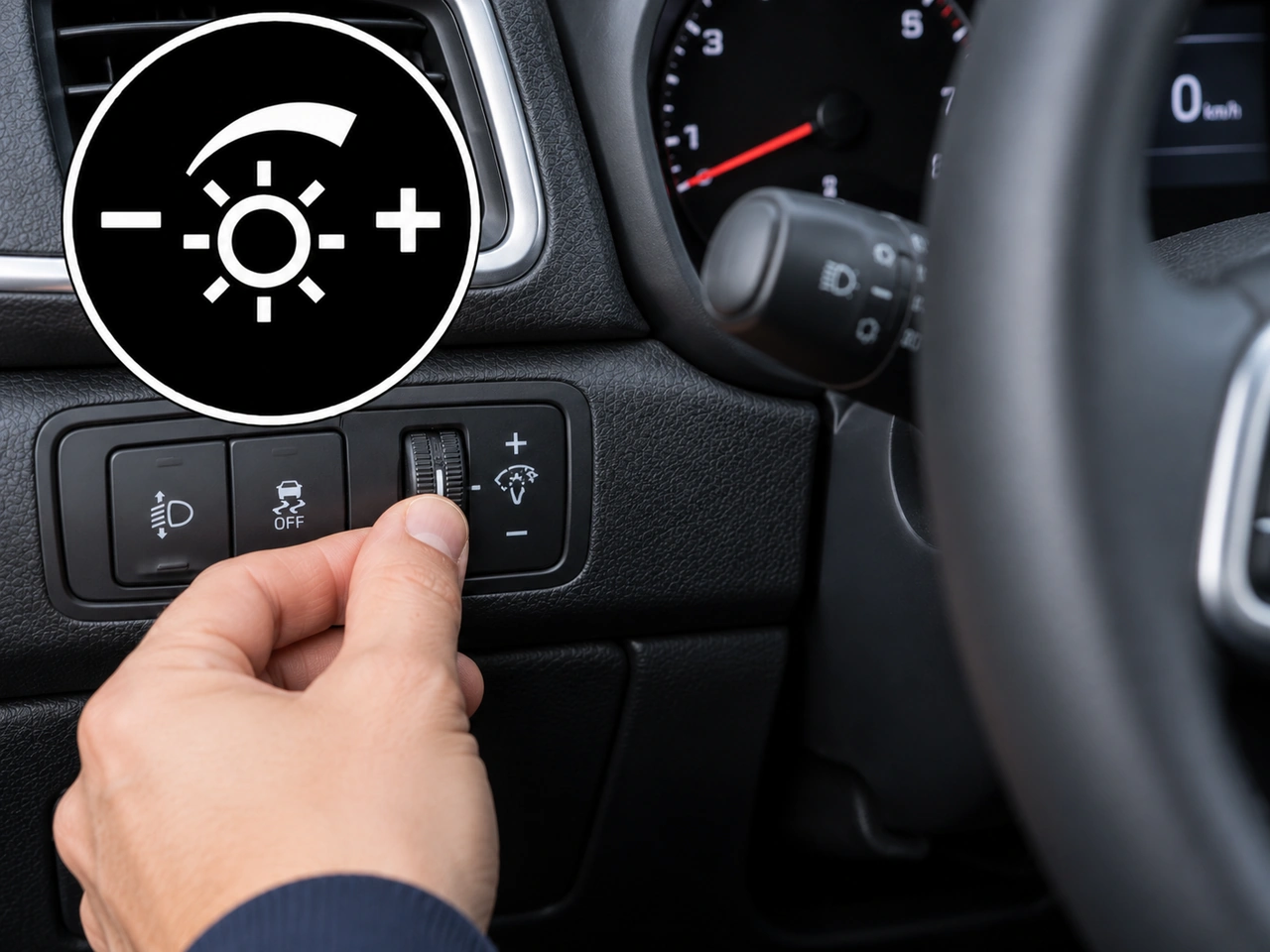
245. What does this vehicle-control symbol indicate?
This control adjusts the brightness of the instrument panel and dashboard illumination, allowing the driver to reduce or increase the lighting level.
AI-generated by Rijbewijs-online.be • WCIT • CC BY-SA
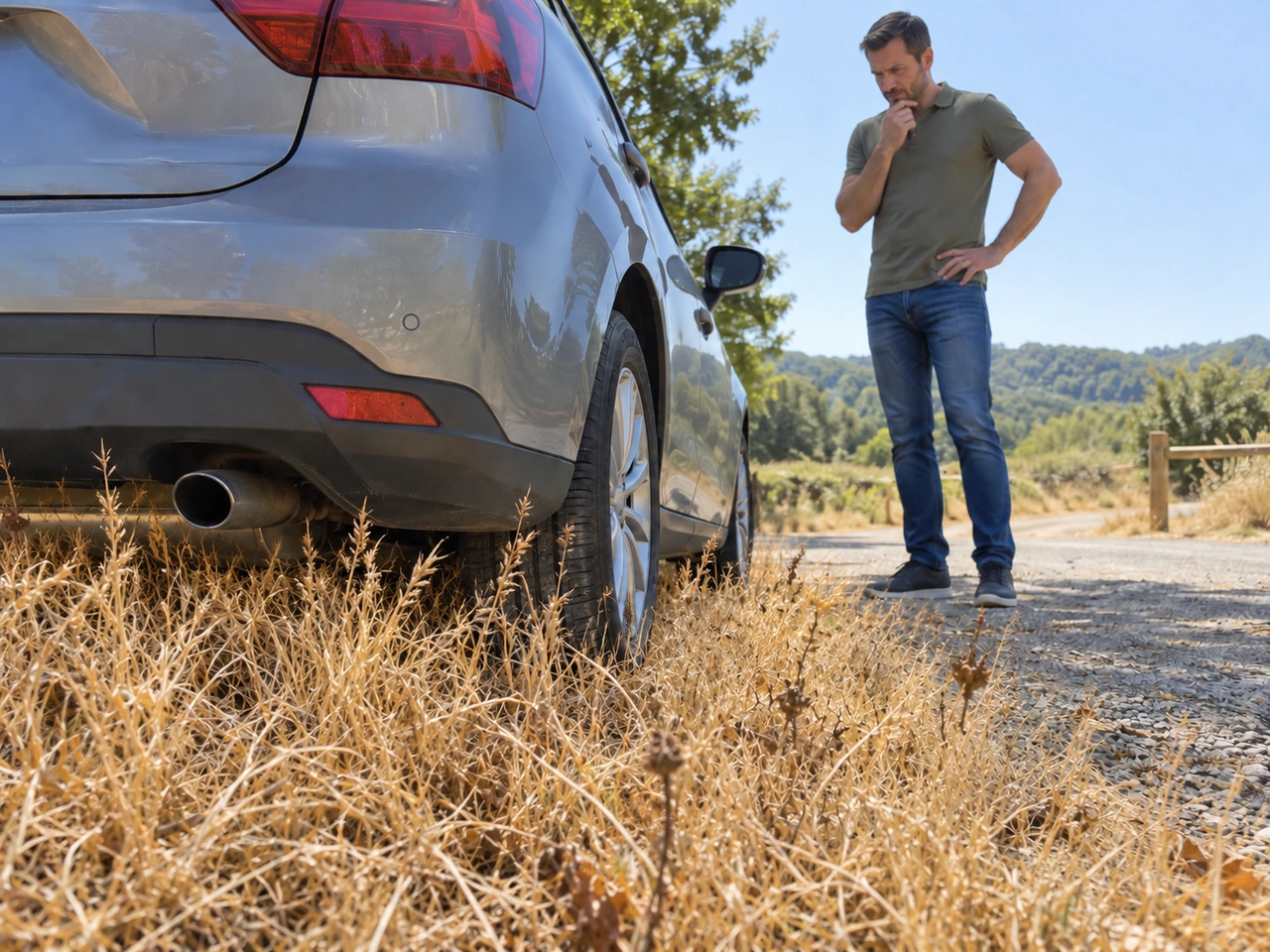
246. Why should you avoid parking a petrol or diesel vehicle on dry grass?
Parts of the exhaust system, especially the catalytic converter, can become very hot while driving. Parking over dry grass, leaves, or other combustible vegetation can create a fire risk. Park on a suitable non-flammable surface whenever possible.
AI-generated by Rijbewijs-online.be • WCIT • CC BY-SA
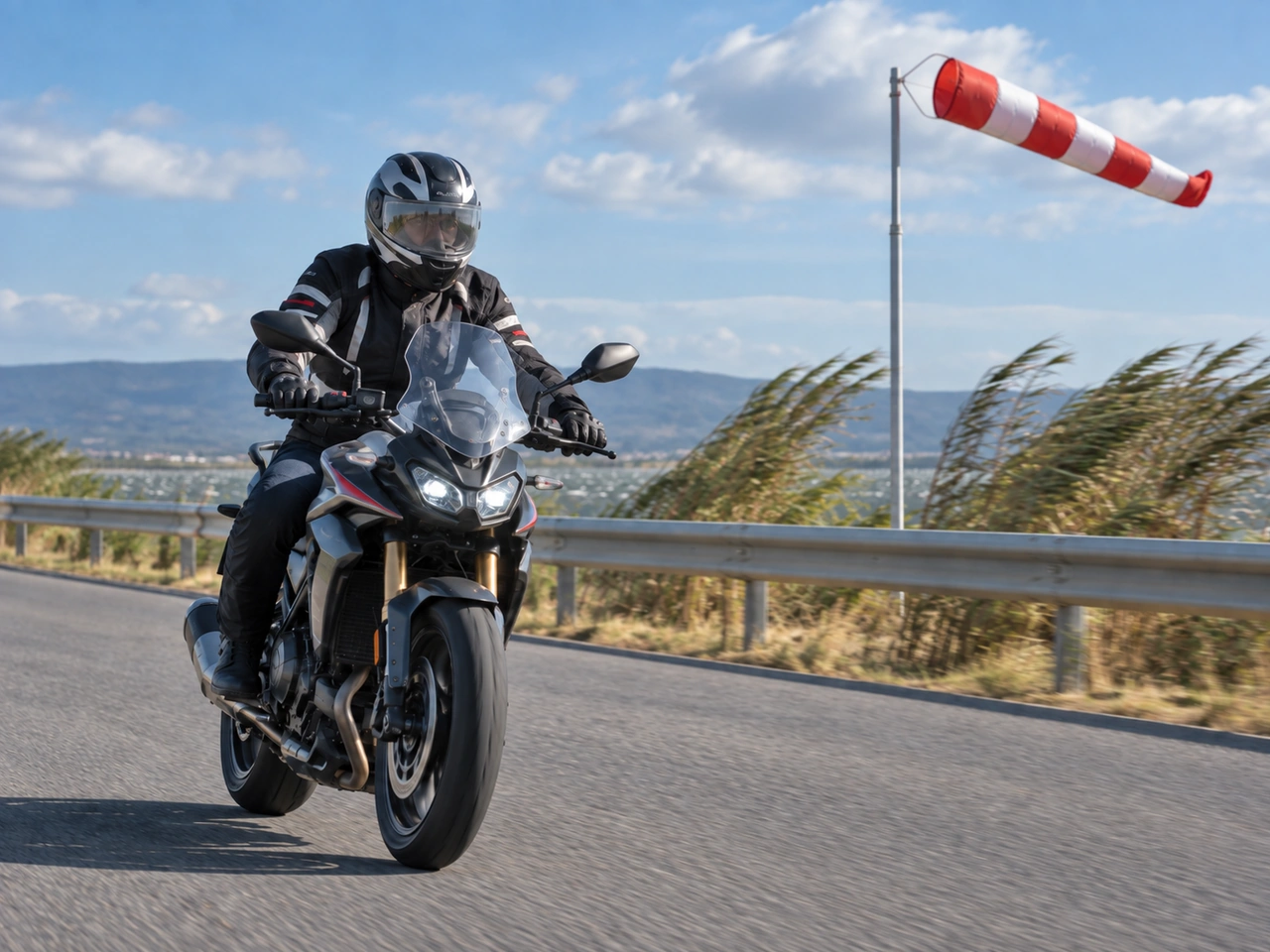
247. What should a motorcyclist do in strong crosswinds?
Strong crosswinds can push a motorcycle sideways and sudden gusts can affect its stability. Reduce speed, keep a steady grip on the handlebars and allow extra space, especially on exposed roads, bridges, or when passing gaps and large vehicles.
AI-generated by Rijbewijs-online.be • WCIT • CC BY-SA
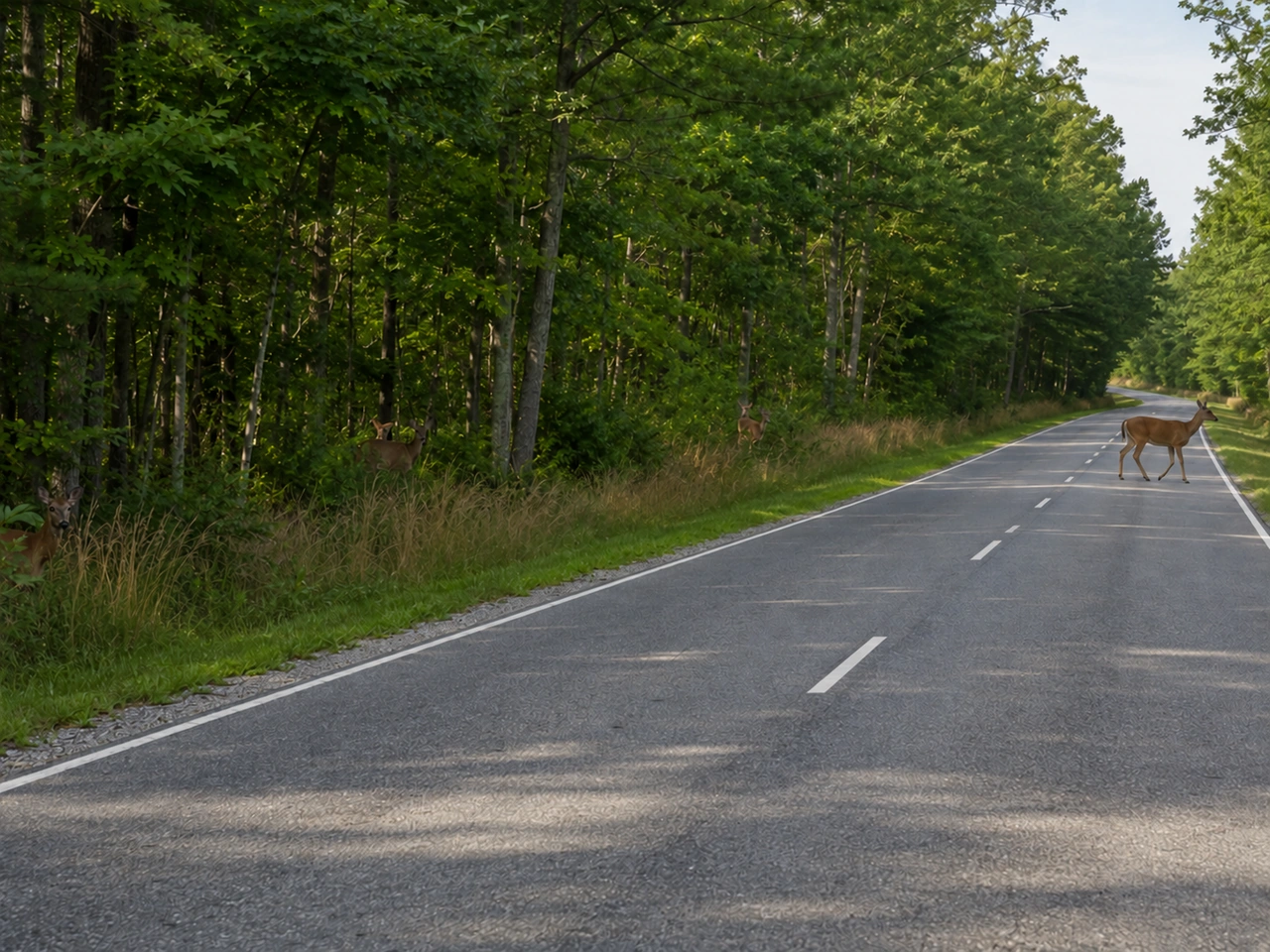
248. What should you expect after one wild animal crosses the road?
Many animals travel in groups. Slow down and continue watching both sides of the road.
AI-generated by Rijbewijs-online.be • WCIT • CC BY-SA
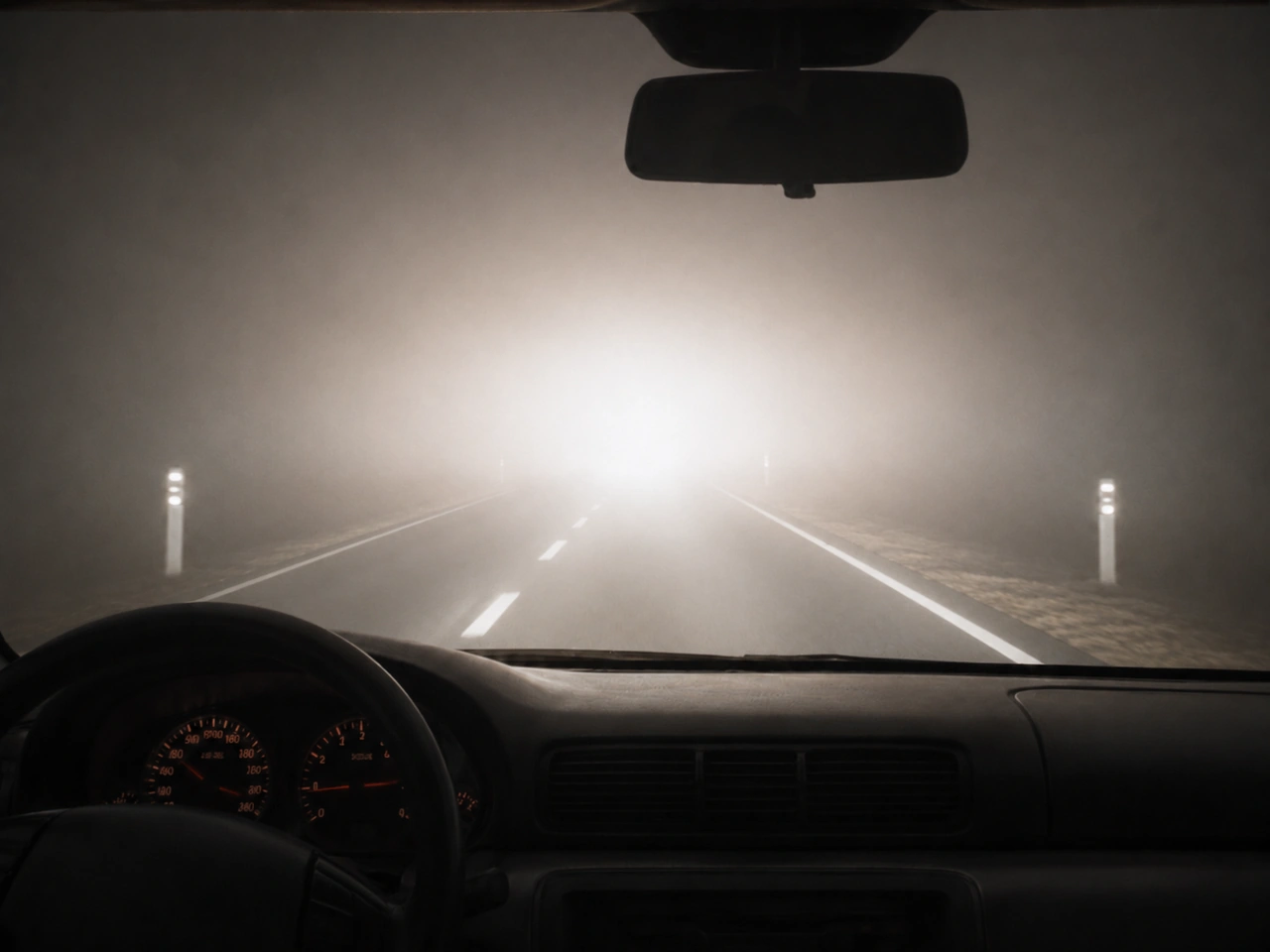
249. Why can main-beam headlights make driving in fog more difficult?
Main beam can reflect back from fog and create glare, making it harder to see the road ahead.
AI-generated by Rijbewijs-online.be • WCIT • CC BY-SA
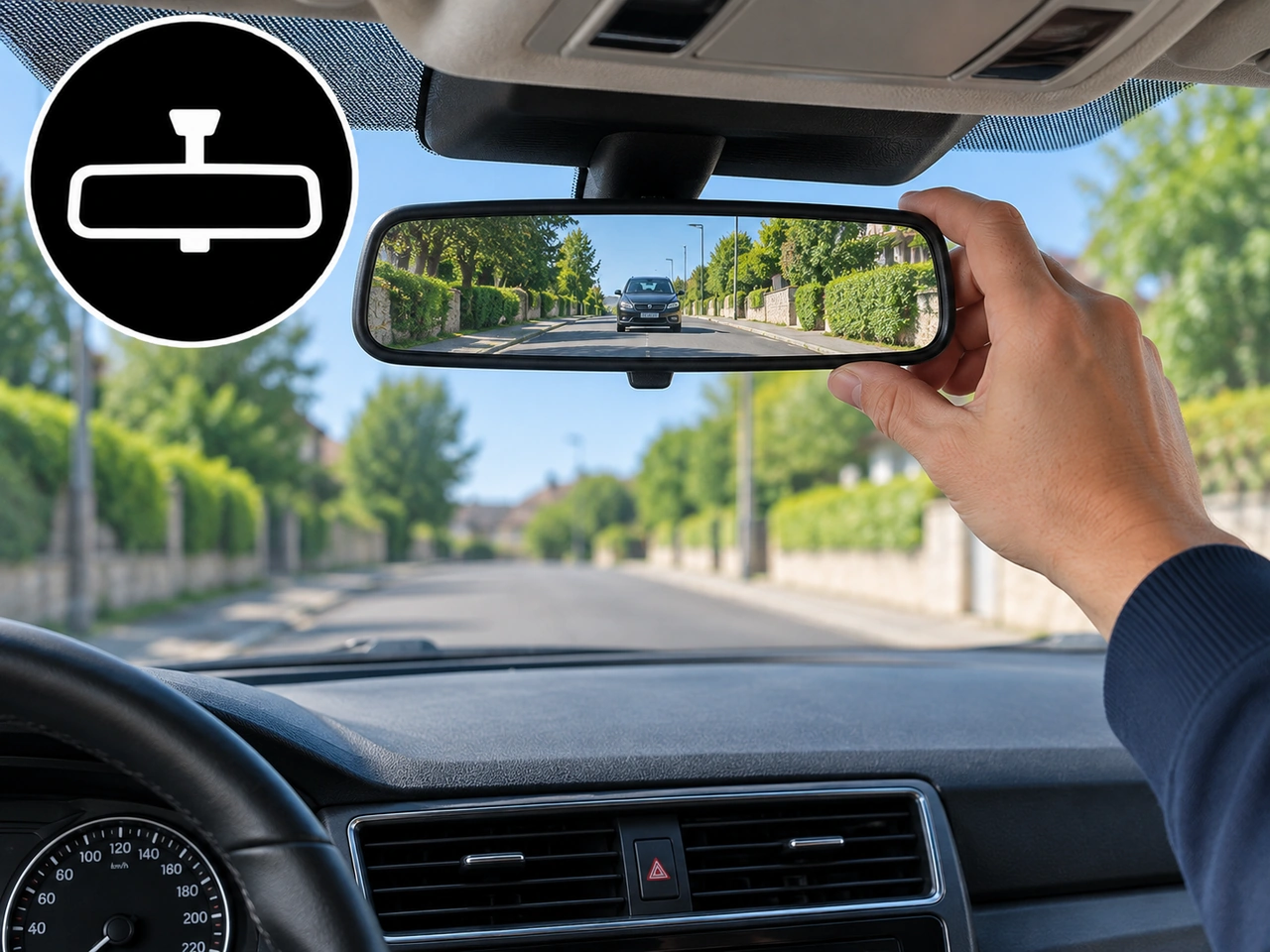
250. How should the interior rear-view mirror be adjusted?
Adjust the interior rear-view mirror before driving so that you have a clear view through the rear window without needing to move your head significantly.
AI-generated by Rijbewijs-online.be • WCIT • CC BY-SA