


QuizTraffic rulesCanada
This interesting quiz helps you test your knowledge in a clear and visual way. With easy multiple-choice questions, you can quickly build confidence and learn new facts while keeping it simple, interactive, and fun.
 Traffic signs
 Traffic rules
 Canada
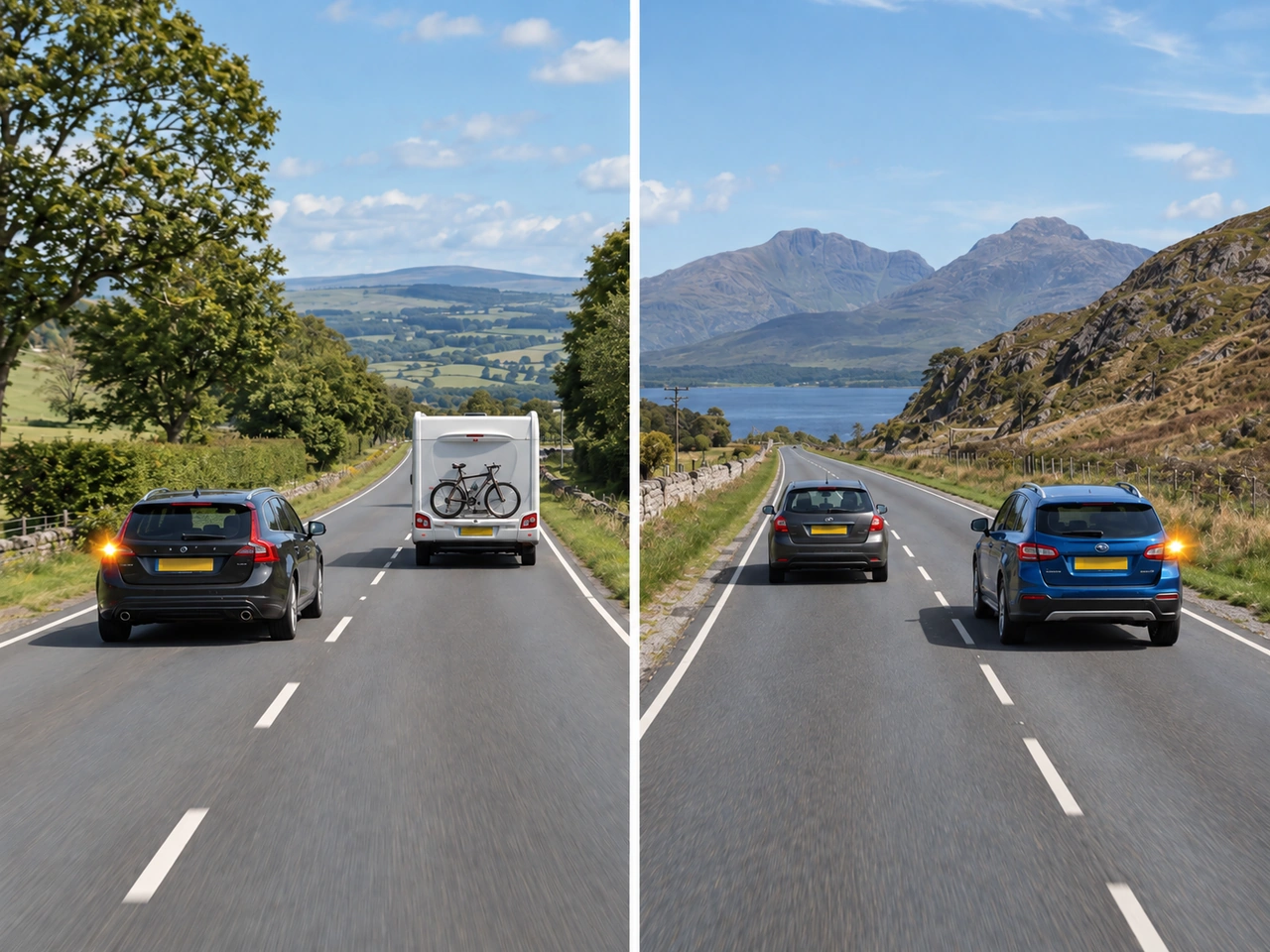
401. Which side is normally used for overtaking in Canada?
Drivers normally overtake on the left-hand side in Canada.
AI-generated by Rijbewijs-online.be • WCIT • CC BY-SA

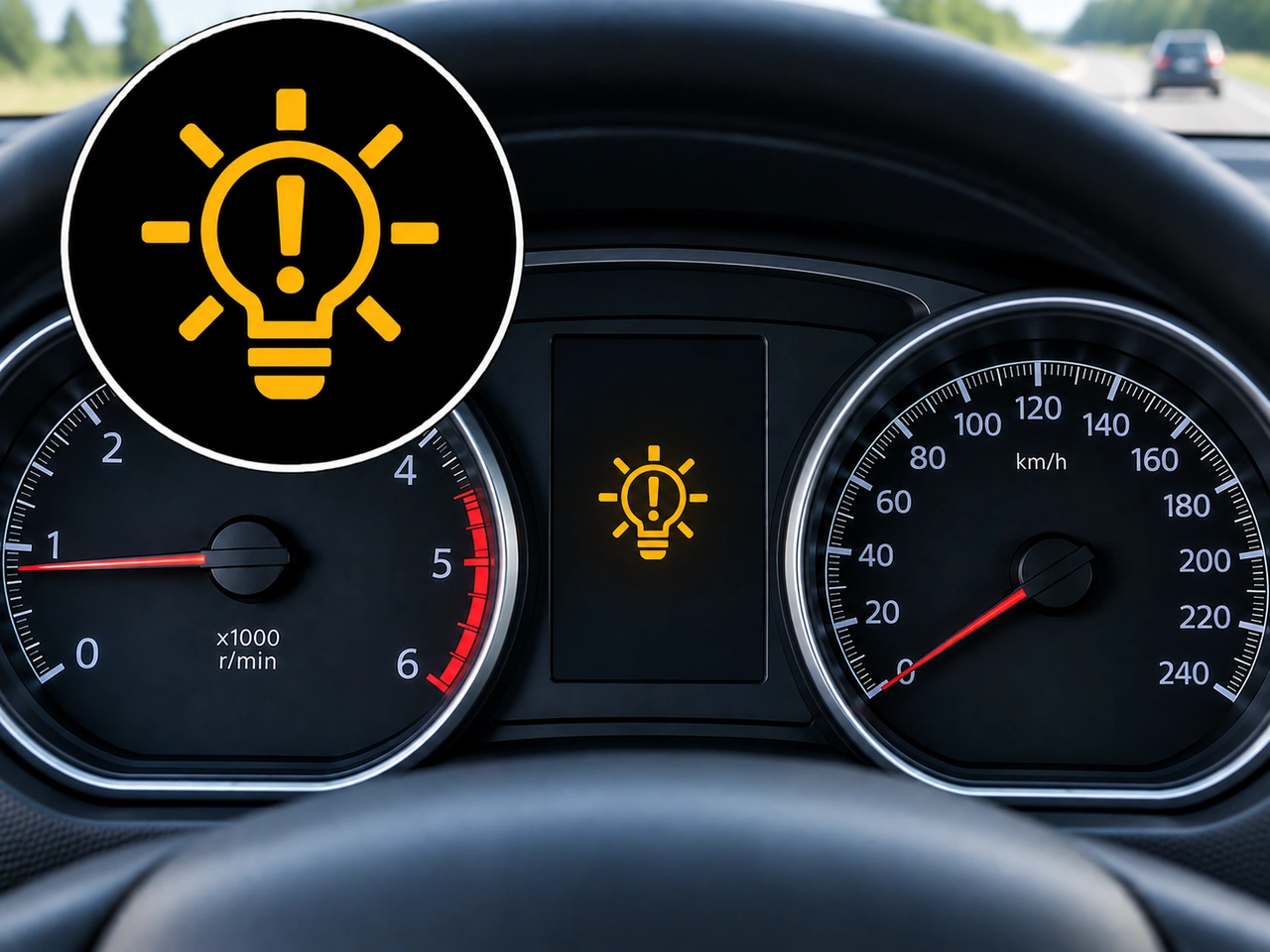
402. What does this dashboard symbol indicate?
This symbol indicates a possible failure of an exterior vehicle light, such as a headlight, tail light, brake light or indicator. Check the vehicle's exterior lights and replace or repair any faulty light.
AI-generated by Rijbewijs-online.be • WCIT • CC BY-SA
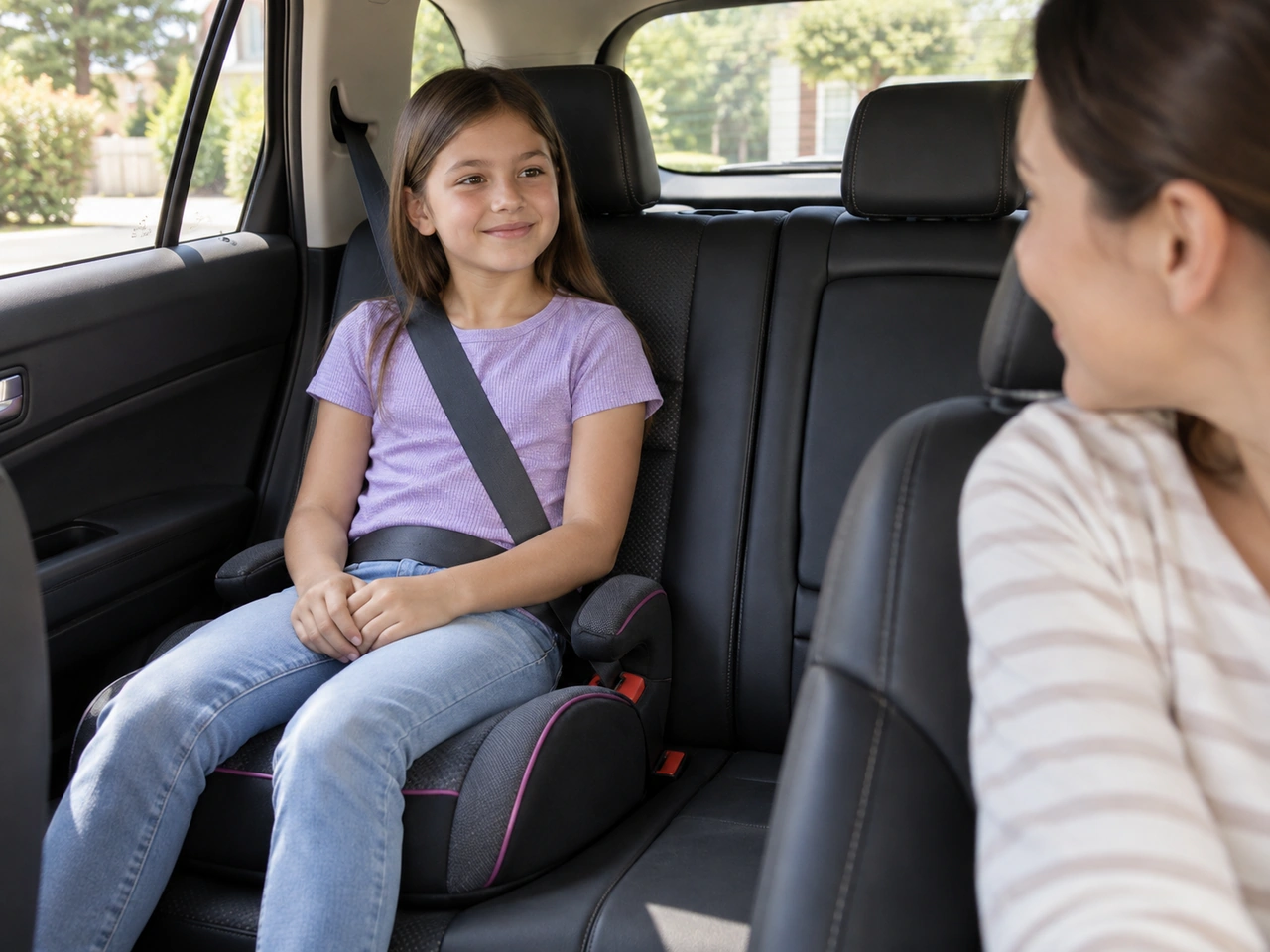
403. What is the main purpose of a booster seat?
A booster seat raises and positions a child so the vehicle seat belt fits correctly. The lap belt should sit low across the hips and the shoulder belt should pass across the chest and shoulder, rather than the neck or abdomen.
AI-generated by Rijbewijs-online.be • WCIT • CC BY-SA
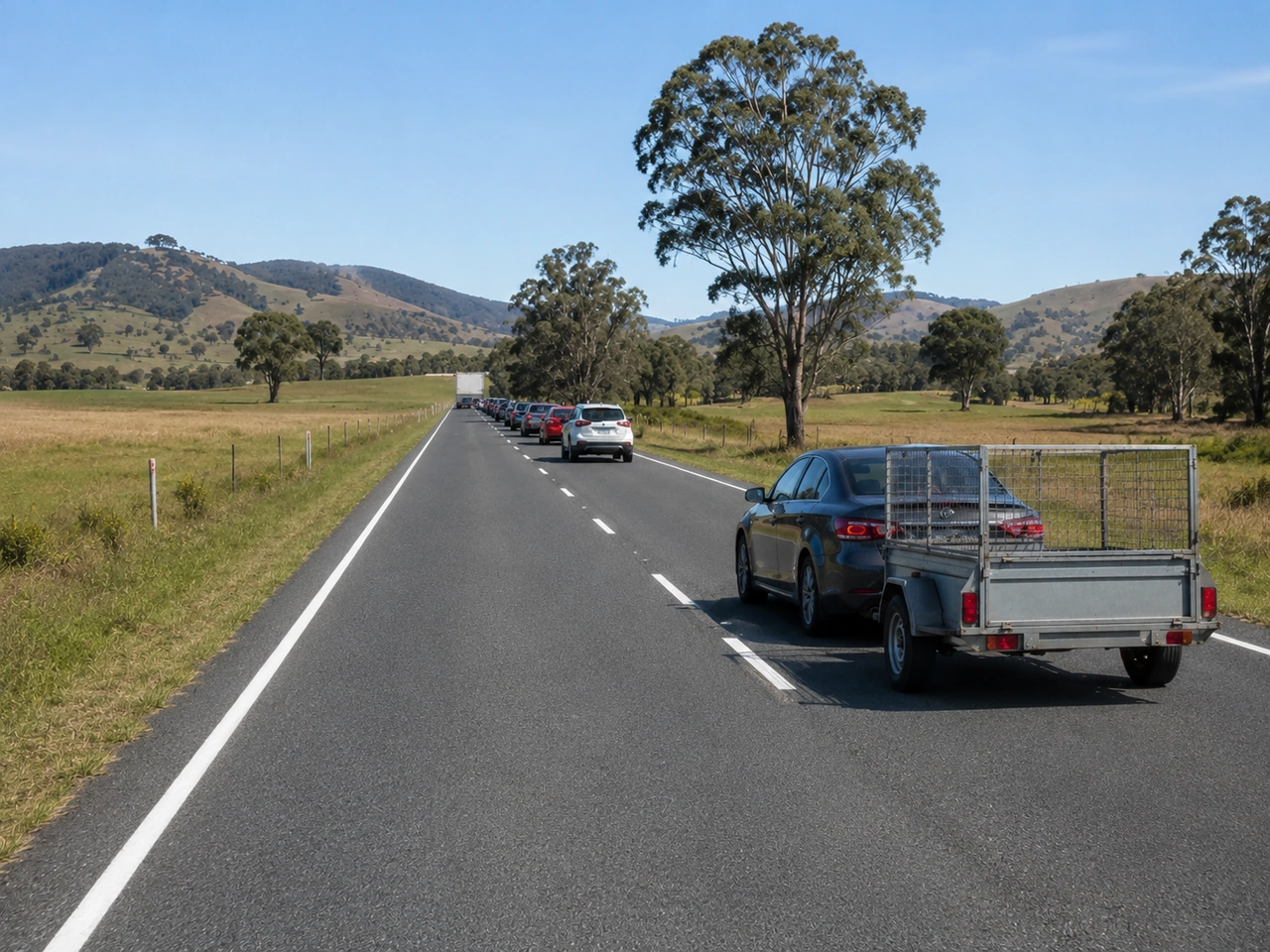
404. Why should you leave extra following distance when towing?
Towing adds weight and can increase stopping distance. Extra space gives you more time to react and brake smoothly.
AI-generated by Rijbewijs-online.be • WCIT • CC BY-SA
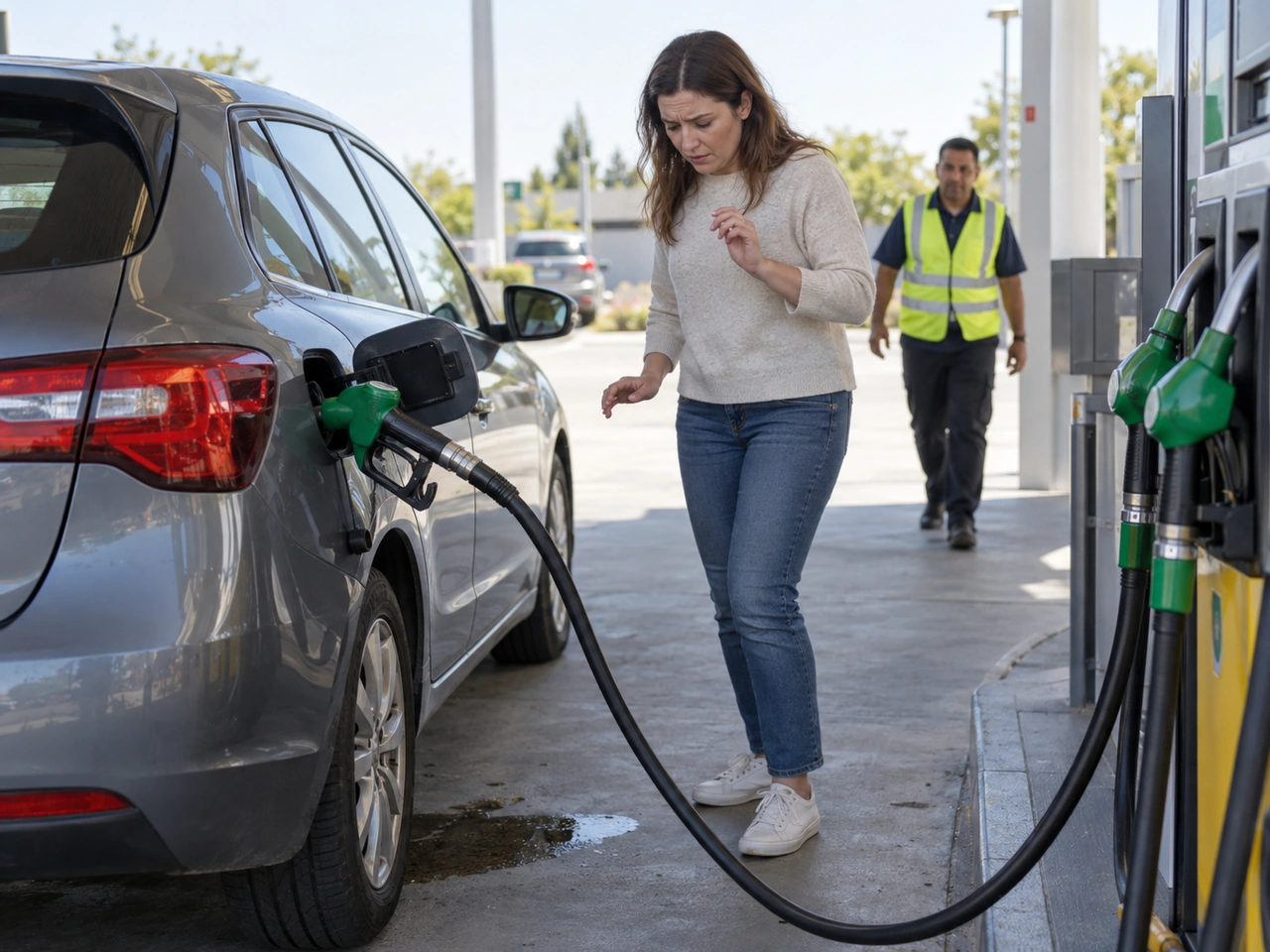
405. What should you do if fuel spills while you are refuelling?
If fuel is spilled, stop refuelling immediately and keep flames, sparks, and other ignition sources away. Do not start the vehicle until the situation is safe. Alert filling-station staff and follow their instructions for dealing with the spill.
AI-generated by Rijbewijs-online.be • WCIT • CC BY-SA
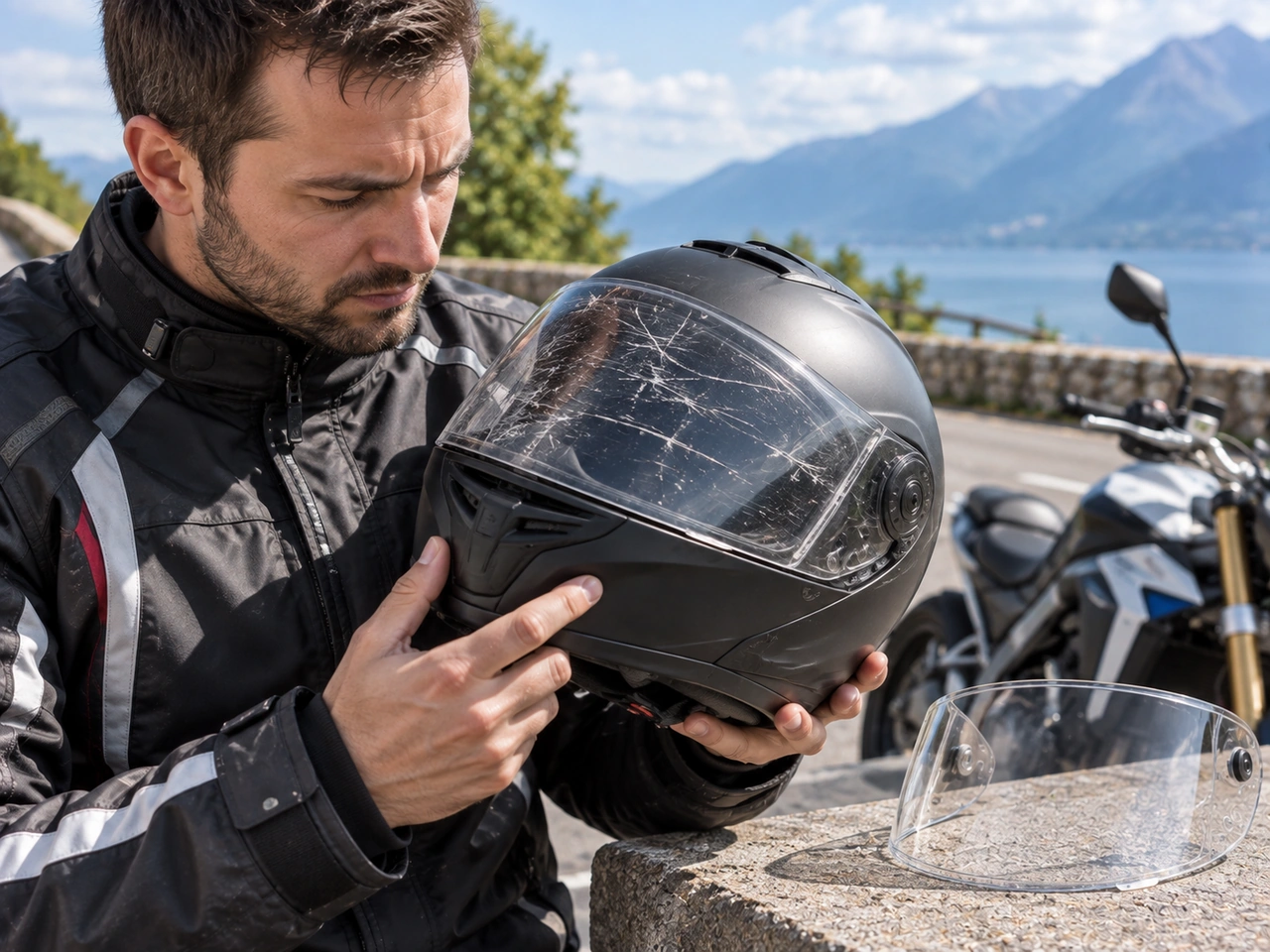
406. What should you do if a motorcycle helmet visor is badly scratched?
A badly scratched or damaged visor can reduce or distort your view, especially in bright sunlight or at night. Replace a visor that no longer provides a clear, safe view and follow the helmet manufacturer's instructions.
AI-generated by Rijbewijs-online.be • WCIT • CC BY-SA
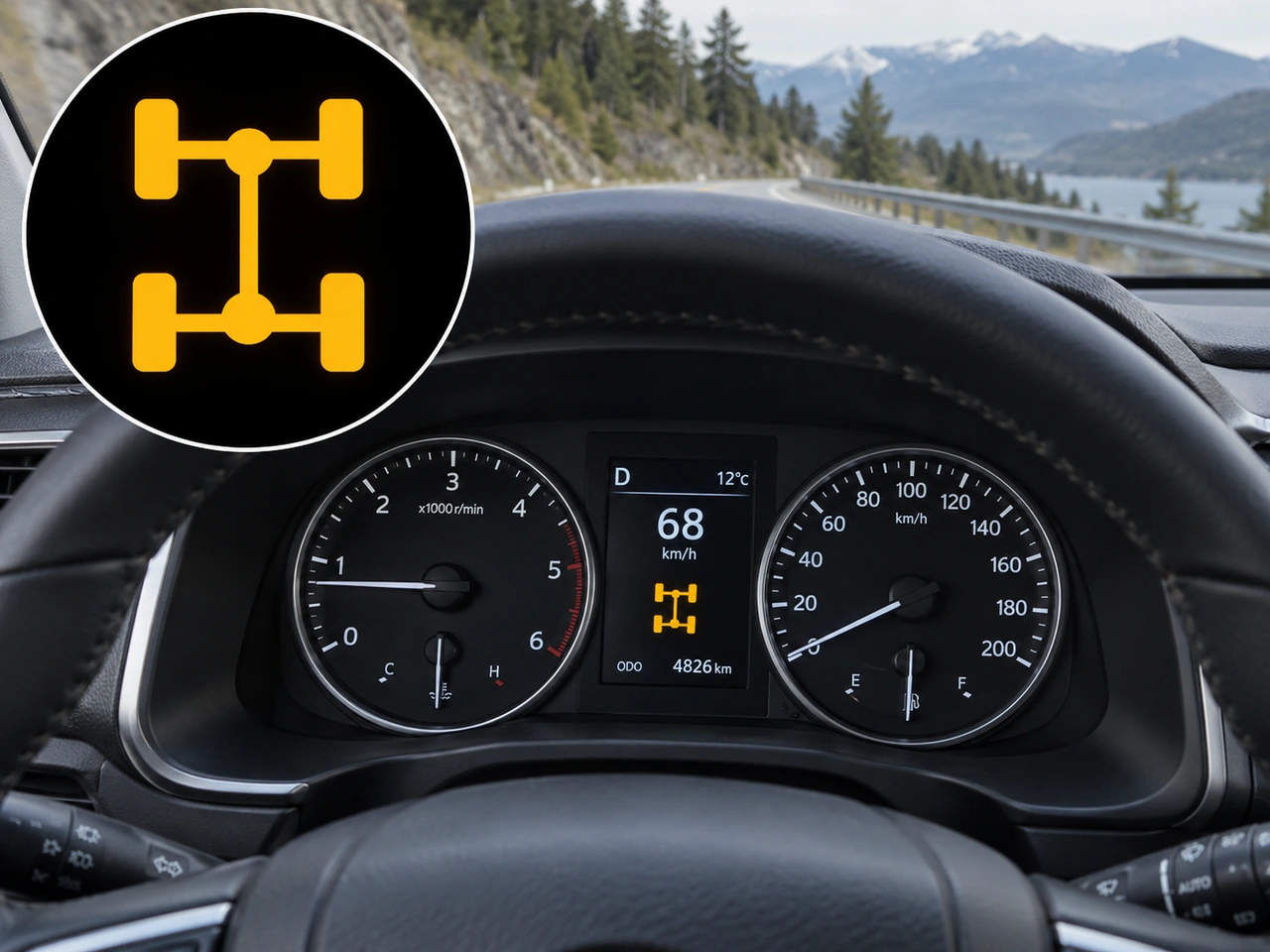
407. What does this dashboard symbol indicate?
This symbol relates to the vehicle's four-wheel-drive system, which can transmit power to all four wheels. The exact symbol and operating modes vary between vehicles.
AI-generated by Rijbewijs-online.be • WCIT • CC BY-SA
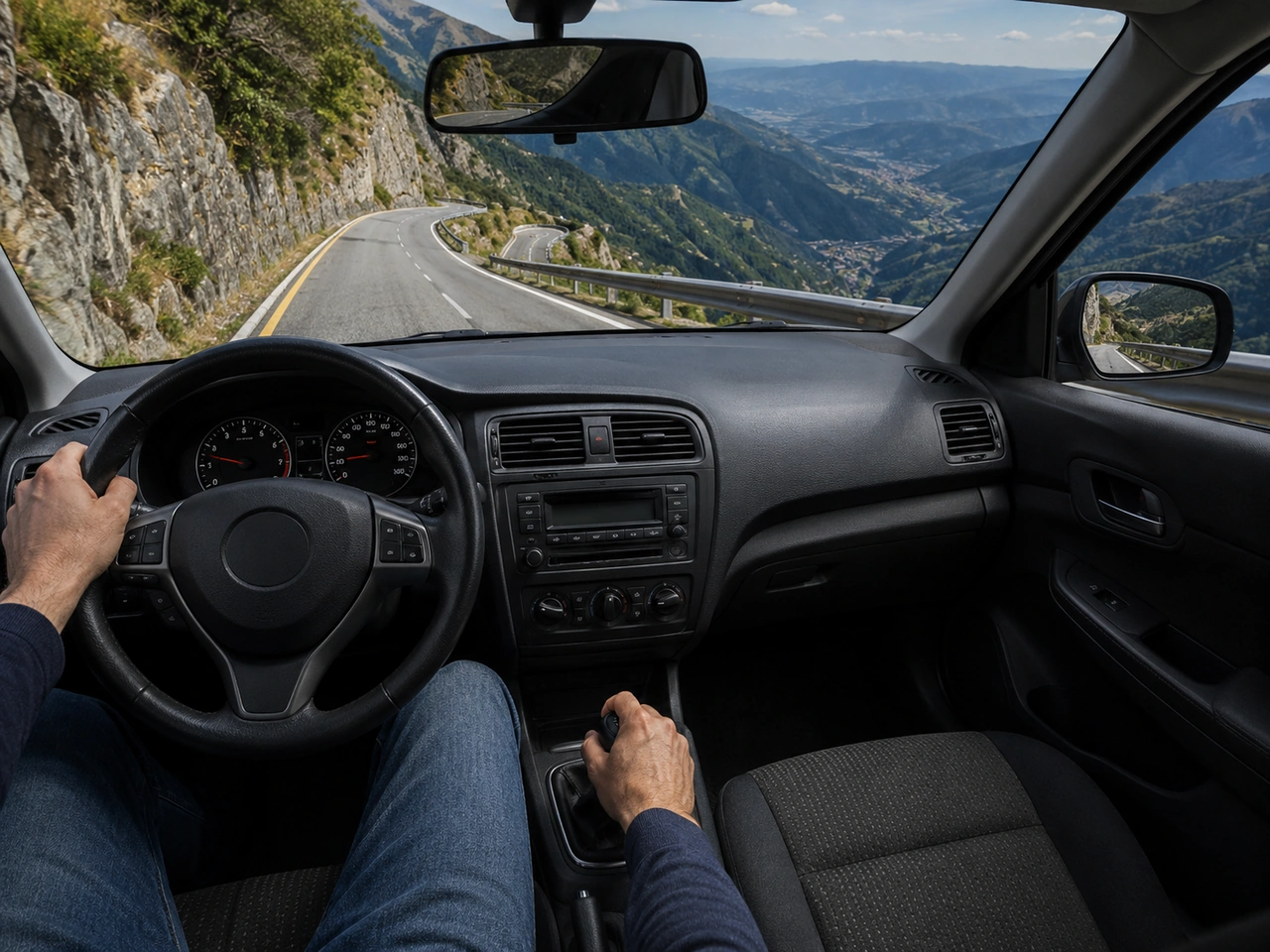
408. Why should you use a lower gear when driving downhill?
Engine braking helps prevent the vehicle from gaining too much speed and reduces strain on the brakes.
AI-generated by Rijbewijs-online.be • WCIT • CC BY-SA
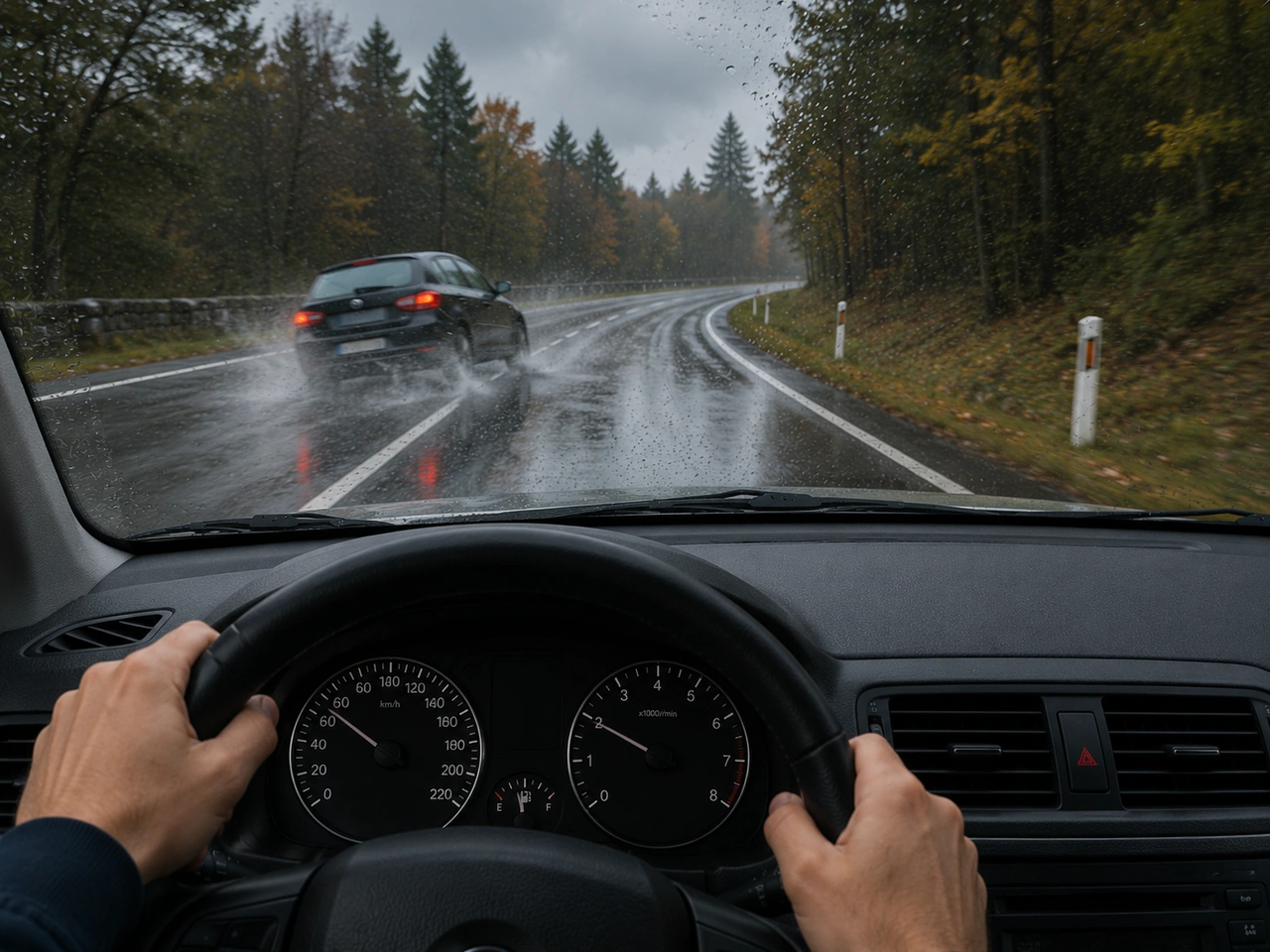
409. What should you avoid if your vehicle starts to skid?
Sudden braking, acceleration, or steering can make a skid worse. Stay calm and use smooth controls while the tyres regain grip.
AI-generated by Rijbewijs-online.be • WCIT • CC BY-SA
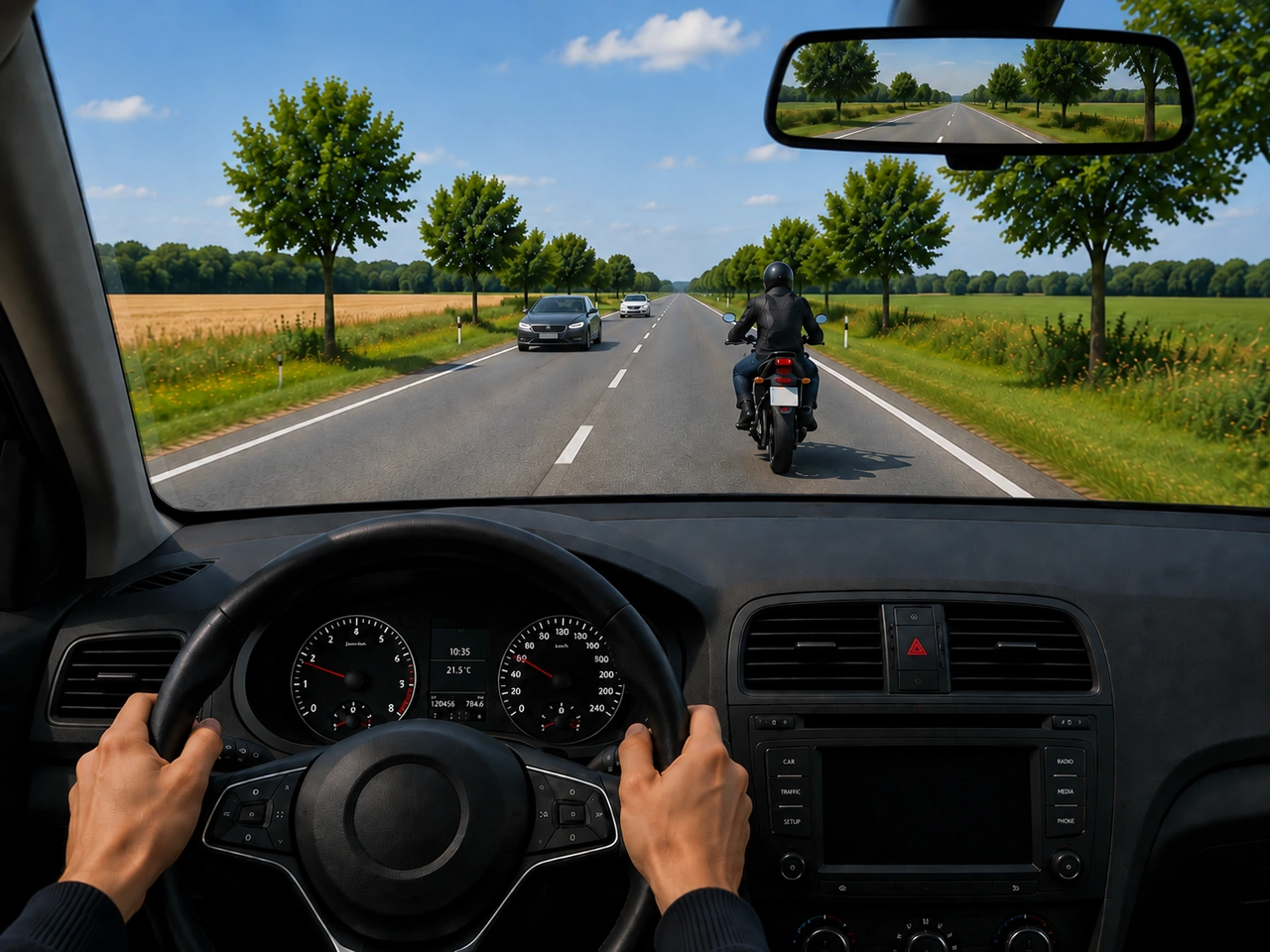
410. Why should you leave extra space behind a motorcycle?
Motorcyclists are more exposed than car drivers. Extra following distance gives you more time to react safely.
AI-generated by Rijbewijs-online.be • WCIT • CC BY-SA
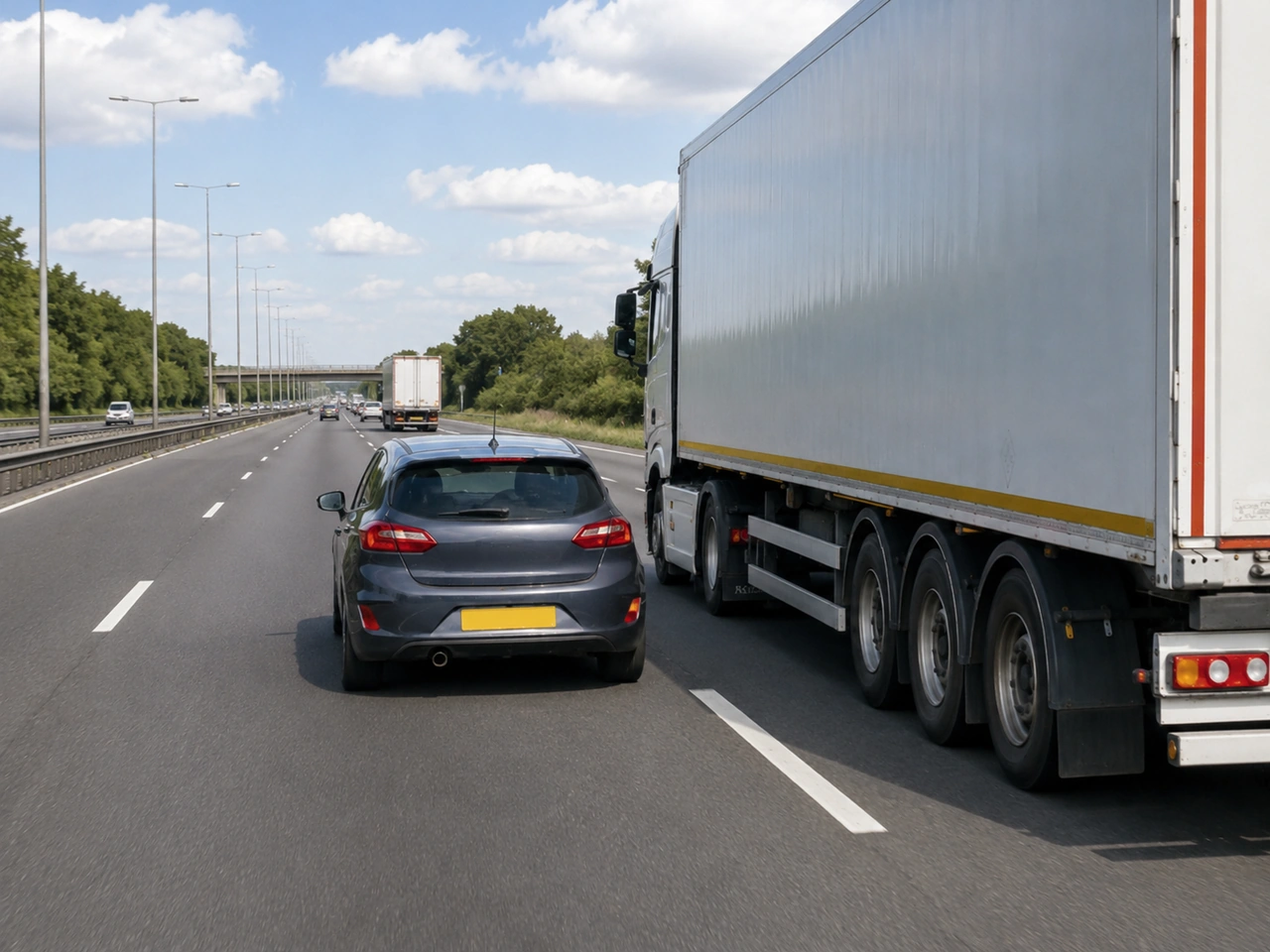
411. Why should you avoid remaining beside a large vehicle on a motorway?
Large vehicles have significant blind spots. Avoid travelling alongside them longer than necessary.
AI-generated by Rijbewijs-online.be • WCIT • CC BY-SA
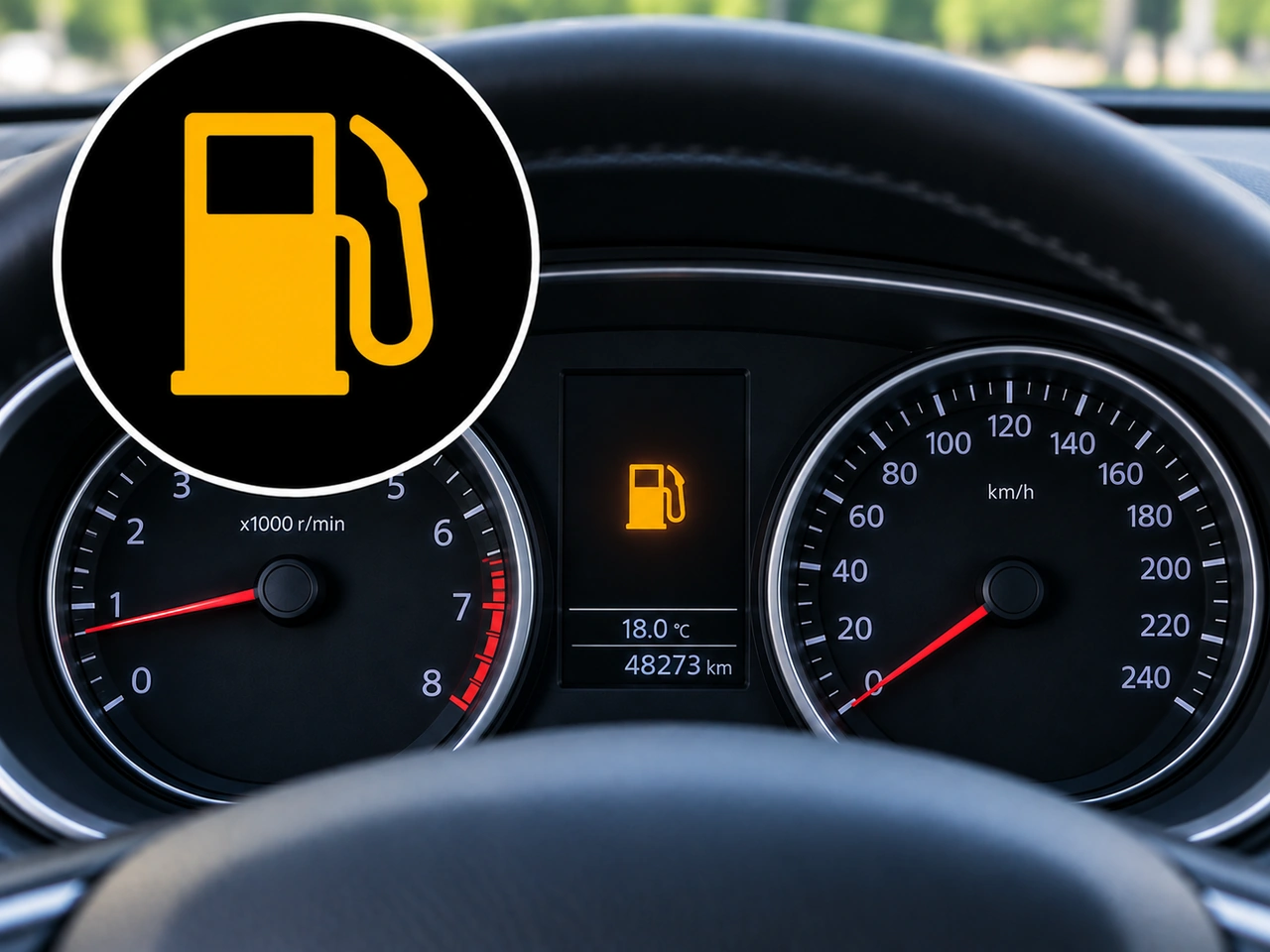
412. What does this dashboard symbol indicate?
This symbol indicates that the fuel level is low. Refuel soon to reduce the risk of running out of fuel.
AI-generated by Rijbewijs-online.be • WCIT • CC BY-SA
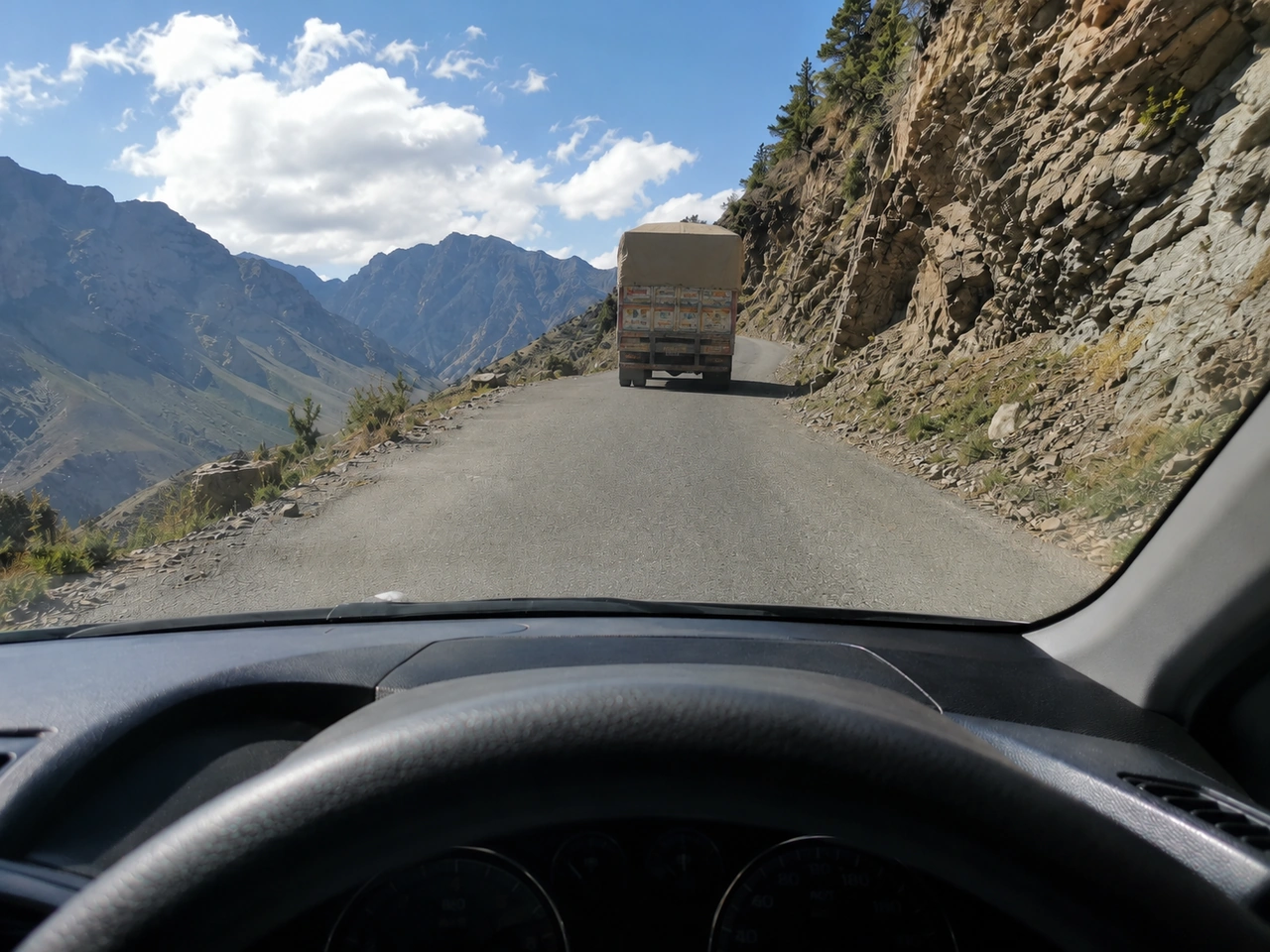
413. Why should you leave extra space behind a vehicle climbing a steep hill?
Vehicles may lose speed or briefly roll backward when starting on a steep incline. Extra space gives you more time to react.
AI-generated by Rijbewijs-online.be • WCIT • CC BY-SA
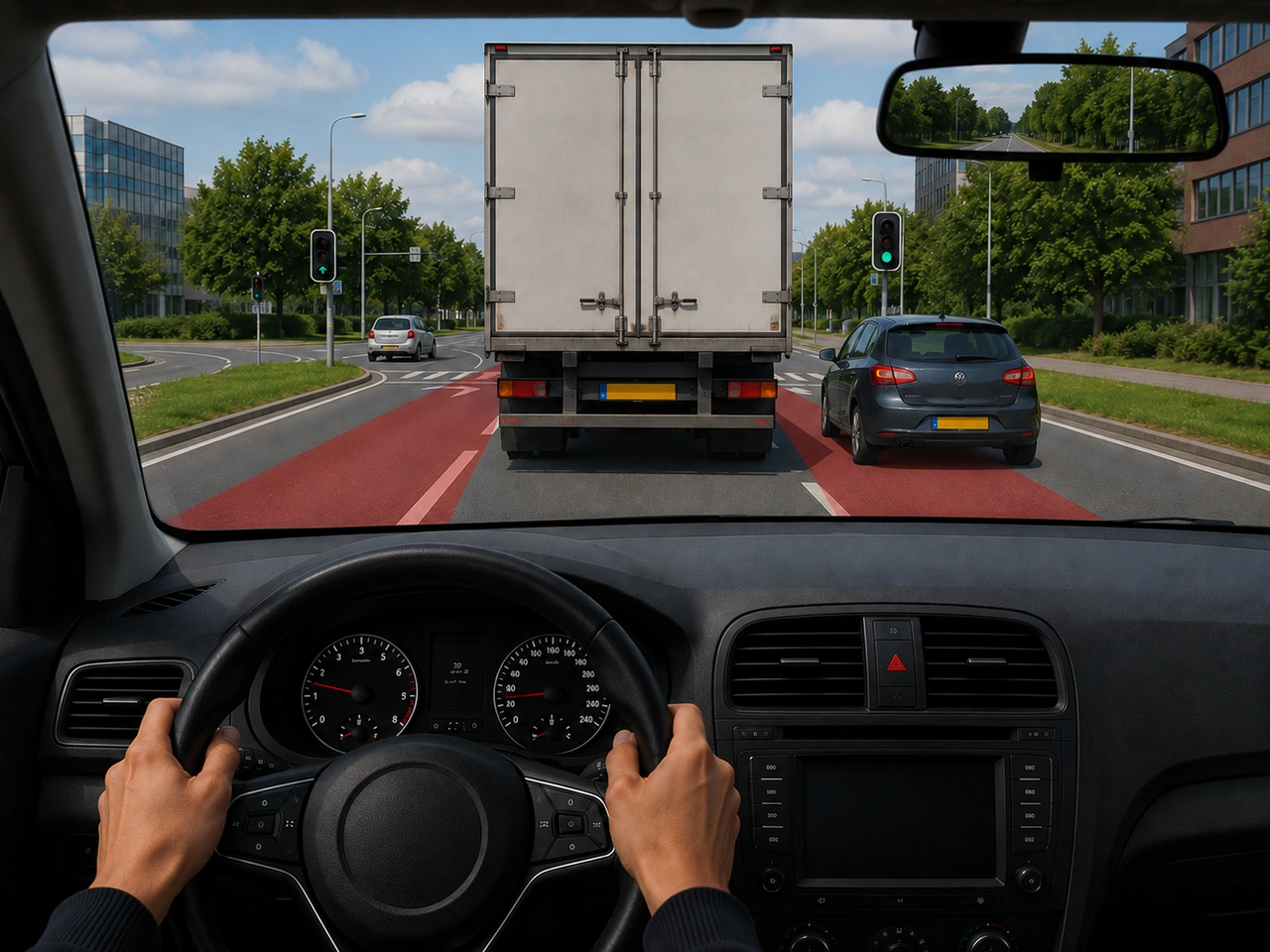
414. Why should you avoid stopping in a blind spot of a large vehicle?
Large vehicles have bigger blind spots. If you stop where the driver cannot see you, you may be at risk when the vehicle moves or turns.
AI-generated by Rijbewijs-online.be • WCIT • CC BY-SA
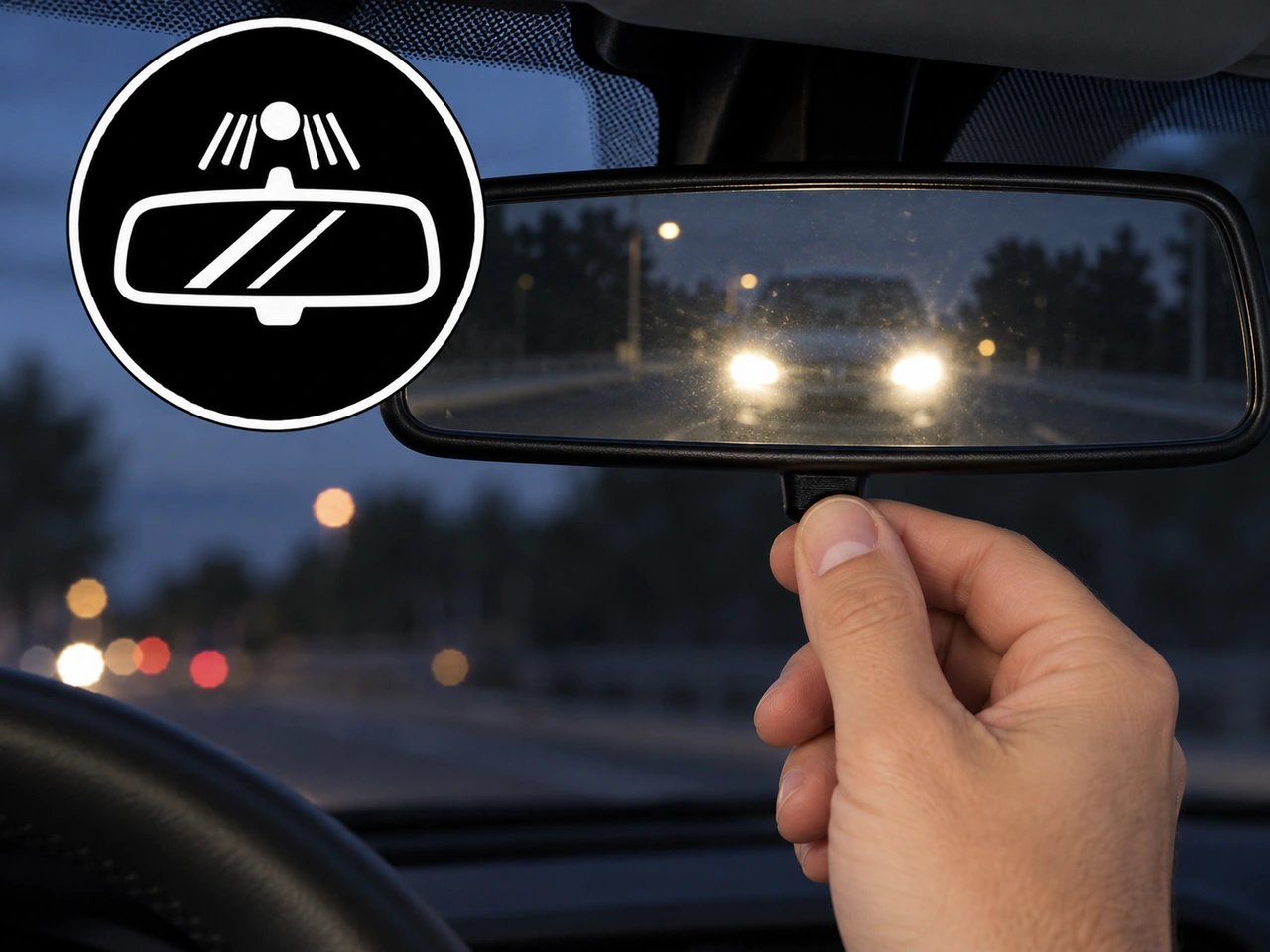
415. What is the purpose of the anti-dazzle control on the rear-view mirror?
The anti-dazzle setting reduces glare from the headlights of vehicles behind, helping the driver maintain a clear view without being dazzled.
AI-generated by Rijbewijs-online.be • WCIT • CC BY-SA
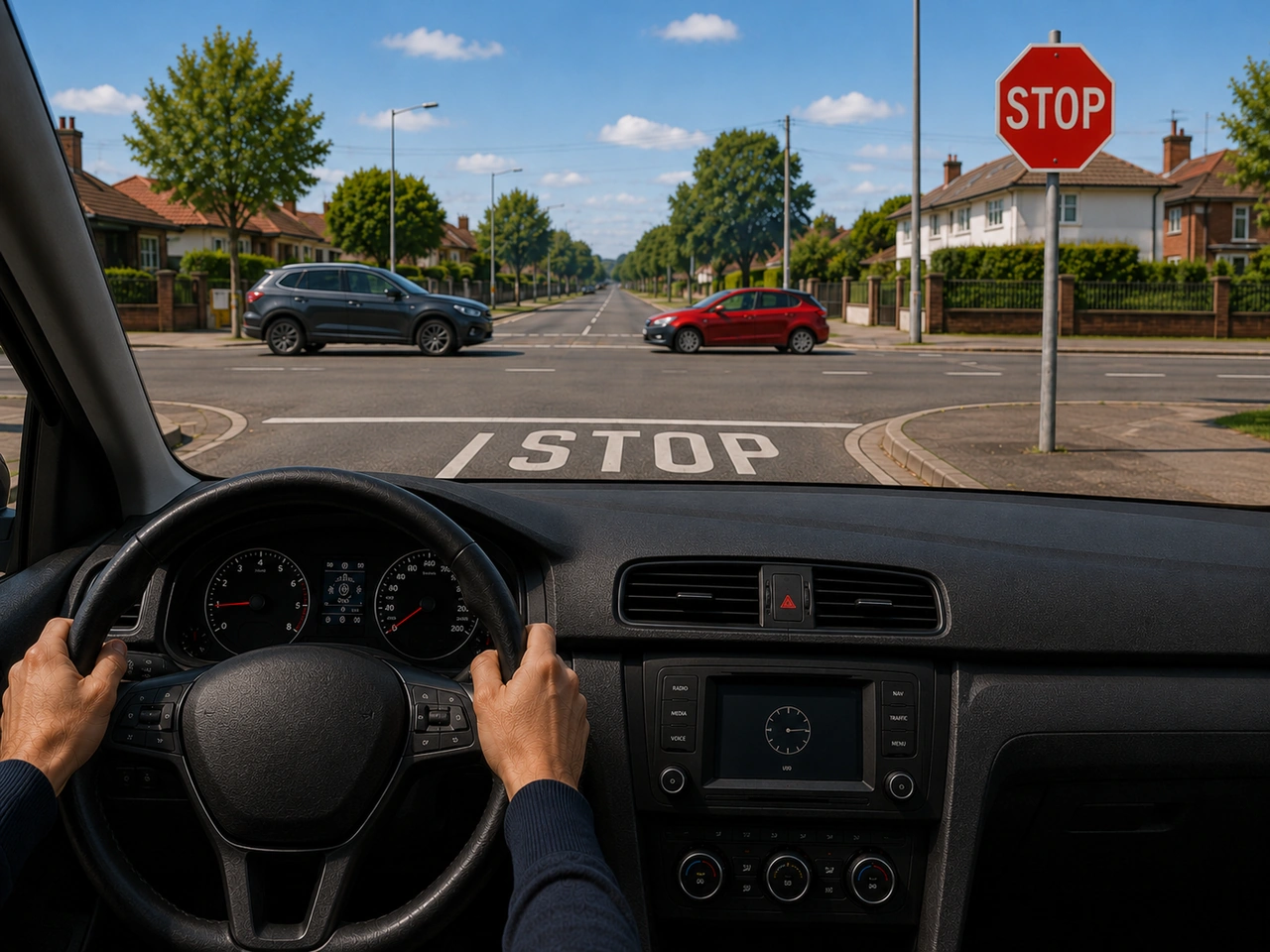
416. What should you do when approaching a stop sign?
A stop sign requires you to come to a complete stop at the required position. Check carefully for other road users and proceed only when it is safe.
AI-generated by Rijbewijs-online.be • WCIT • CC BY-SA
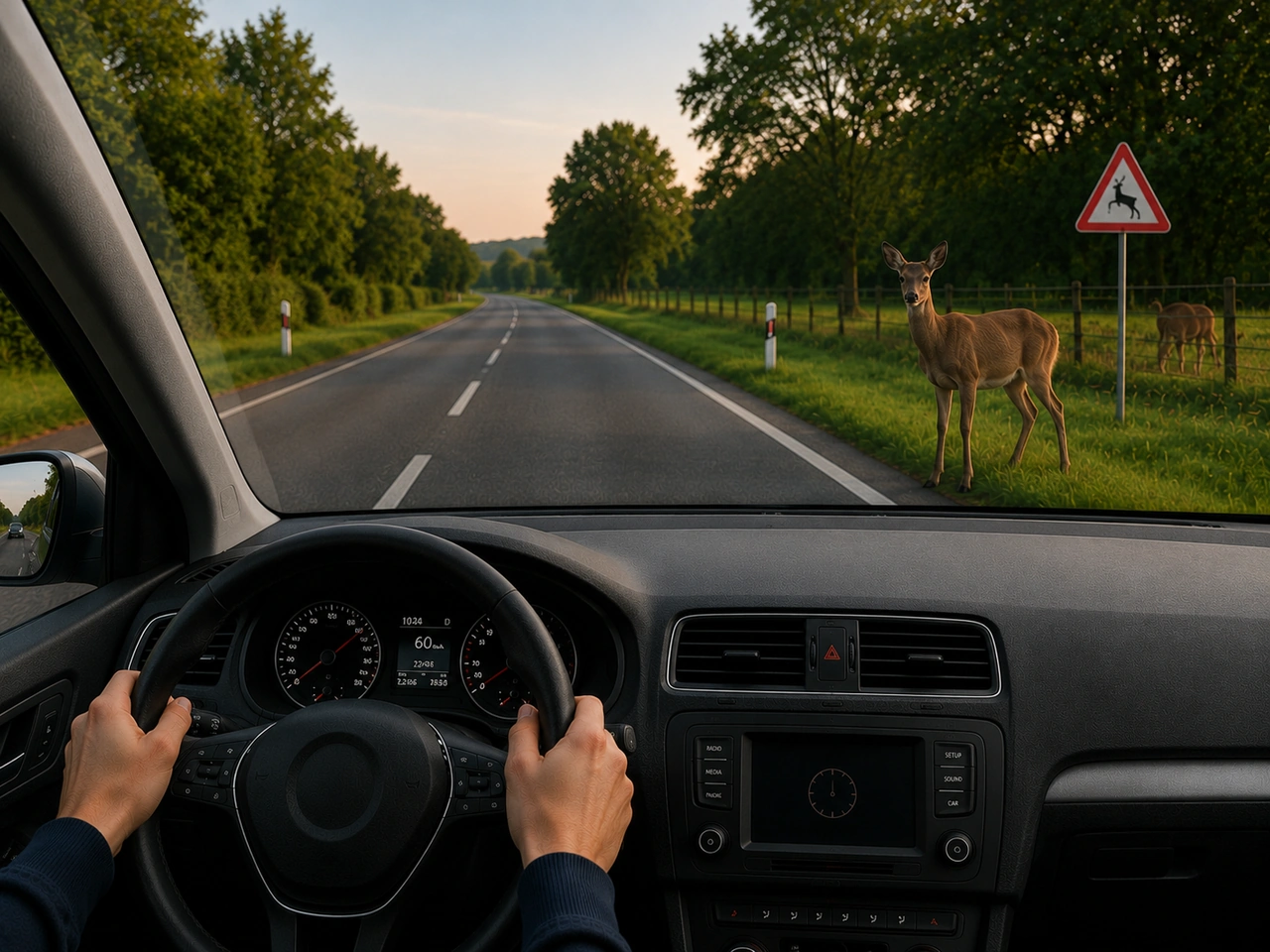
417. What should you do when driving near animals?
Animals can move unpredictably. Slow down, stay alert, and be prepared to stop safely.
AI-generated by Rijbewijs-online.be • WCIT • CC BY-SA
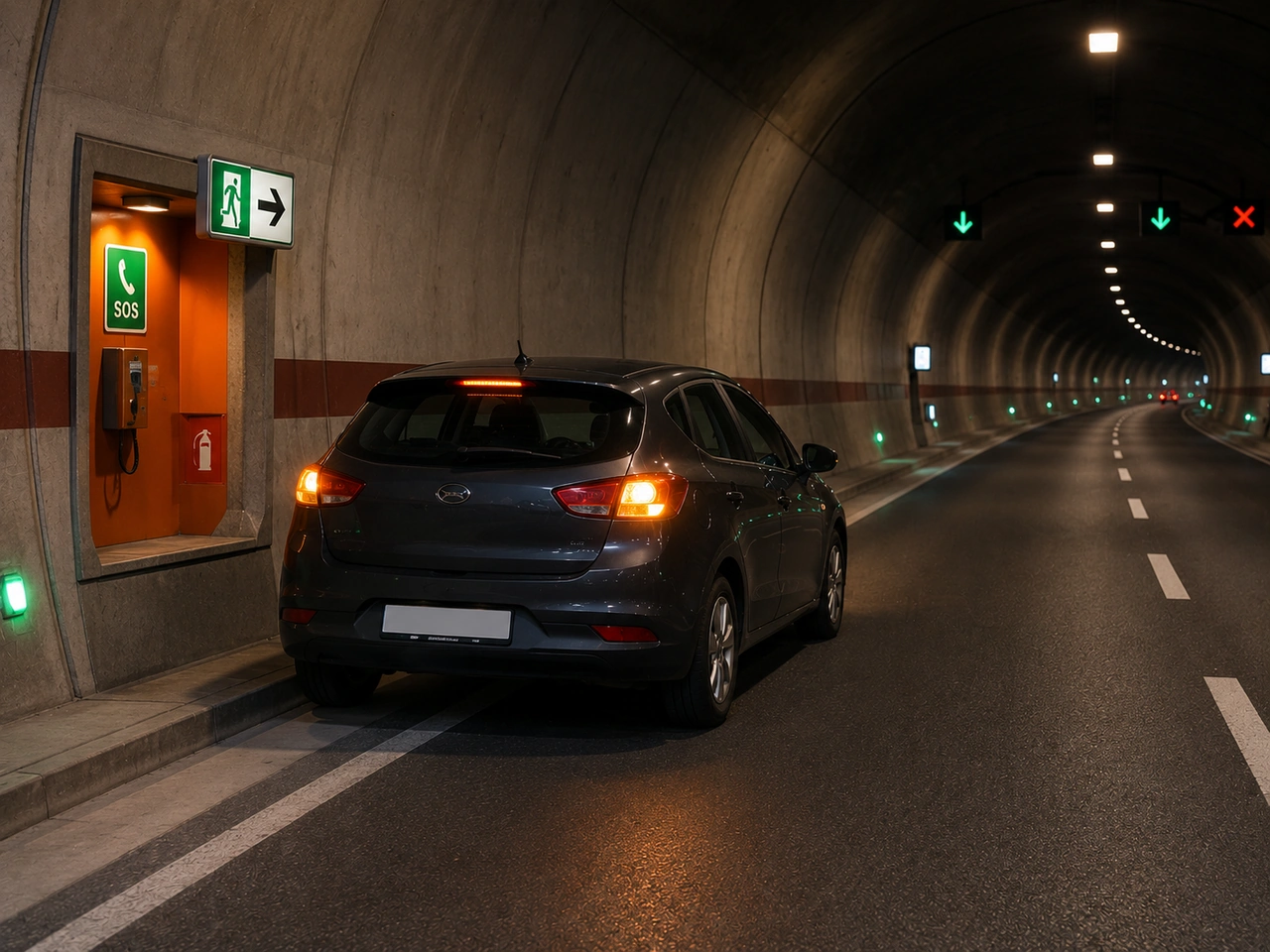
418. What should you do if your vehicle breaks down inside a road tunnel?
If possible, stop in an emergency bay or another safe place and use the hazard lights. Contact tunnel control using an emergency telephone or other available assistance system, and follow the tunnel signs and instructions.
AI-generated by Rijbewijs-online.be • WCIT • CC BY-SA
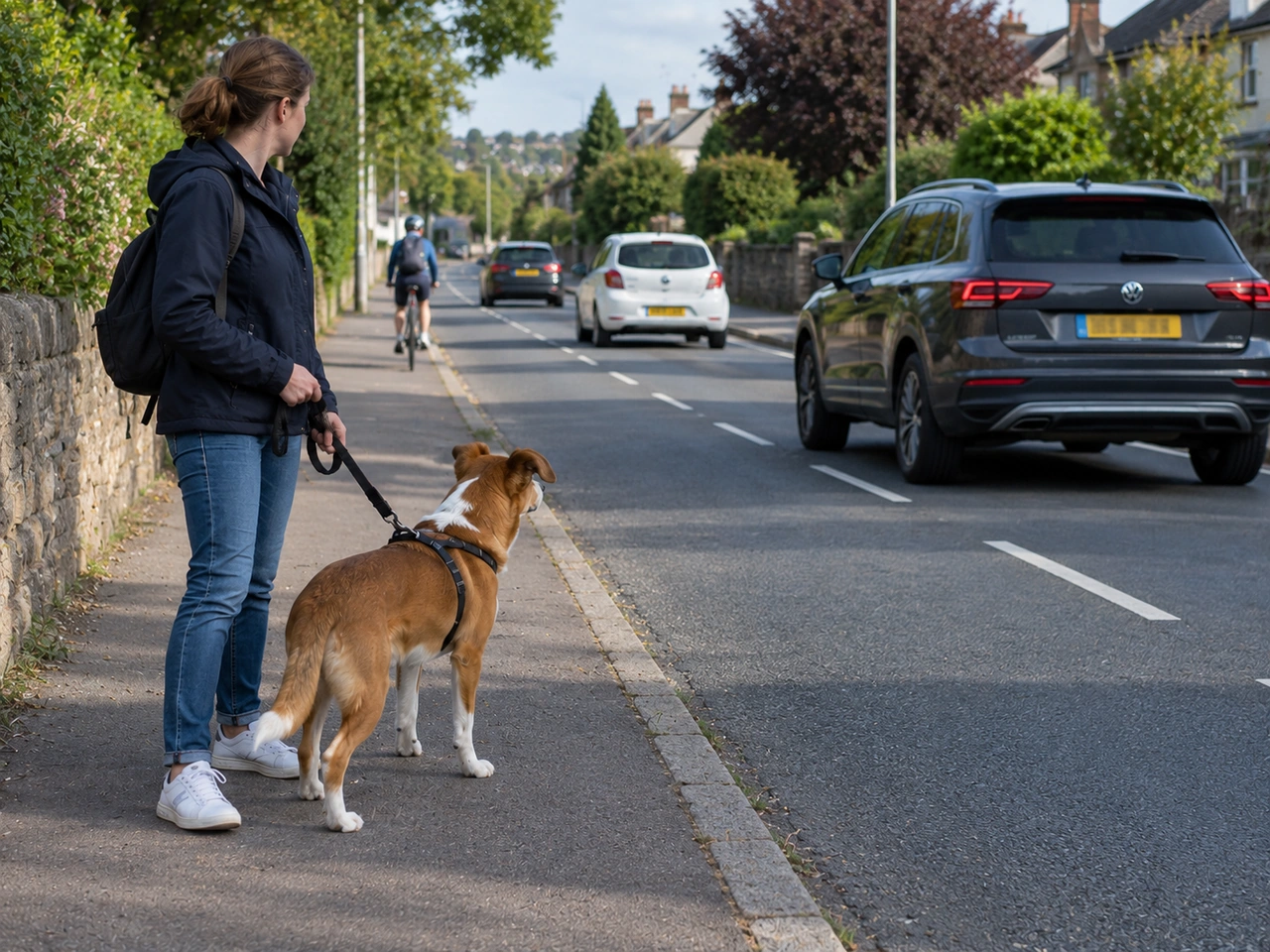
419. Why should you keep a dog on a leash near traffic?
Dogs can react unpredictably to vehicles, people, noises, or other animals. Keeping a dog under close control on a leash near traffic reduces the risk of it suddenly entering the road and endangering itself or other road users.
AI-generated by Rijbewijs-online.be • WCIT • CC BY-SA
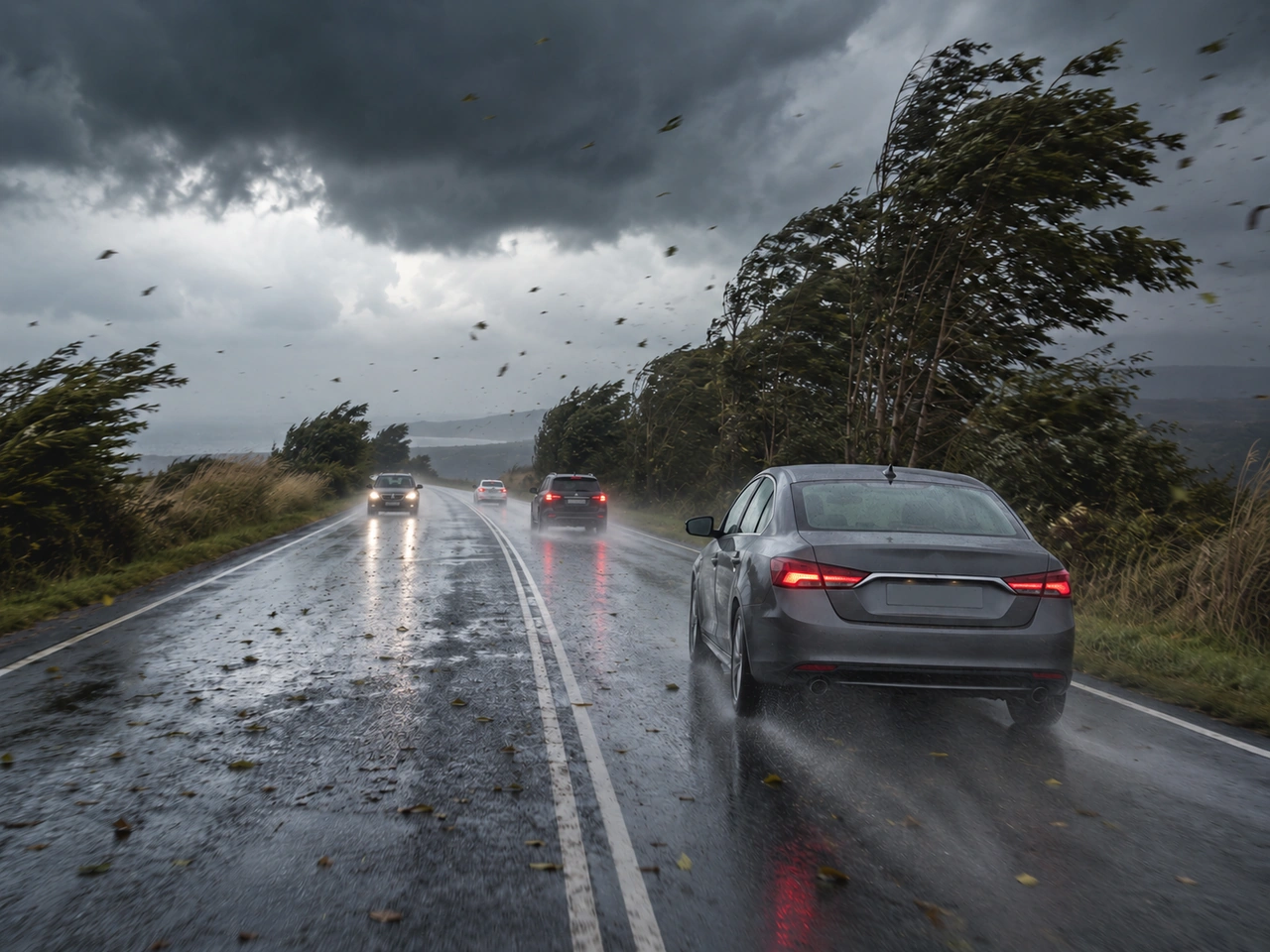
420. Why should you hold the steering wheel firmly during strong gusts?
A firm but relaxed grip helps you respond safely to sudden changes caused by wind.
AI-generated by Rijbewijs-online.be • WCIT • CC BY-SA
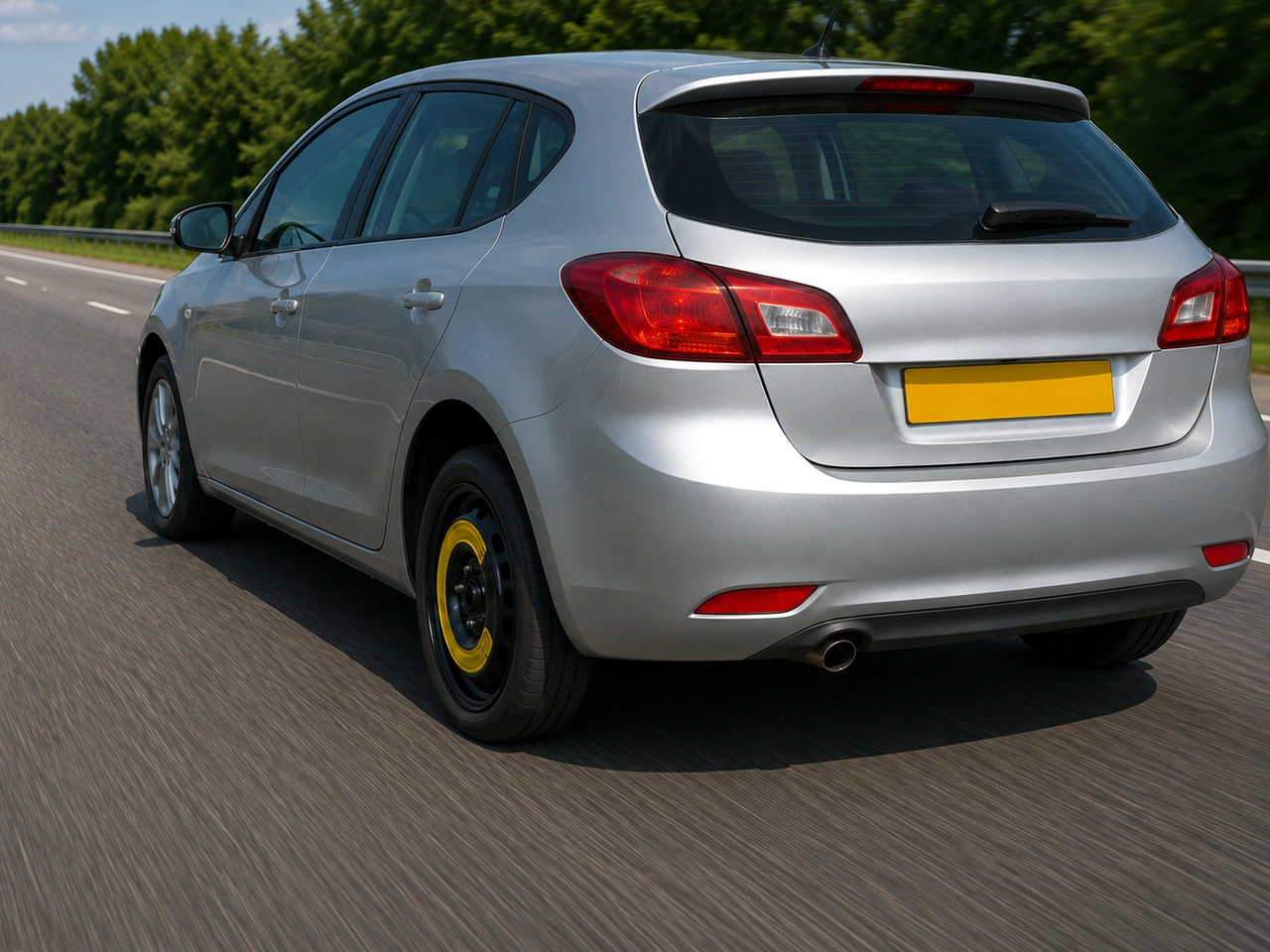
421. What should you do after fitting a temporary spare wheel?
Temporary spare wheels may have limited speed, distance, and handling capabilities. Arrange a proper repair or replacement promptly.
AI-generated by Rijbewijs-online.be • WCIT • CC BY-SA
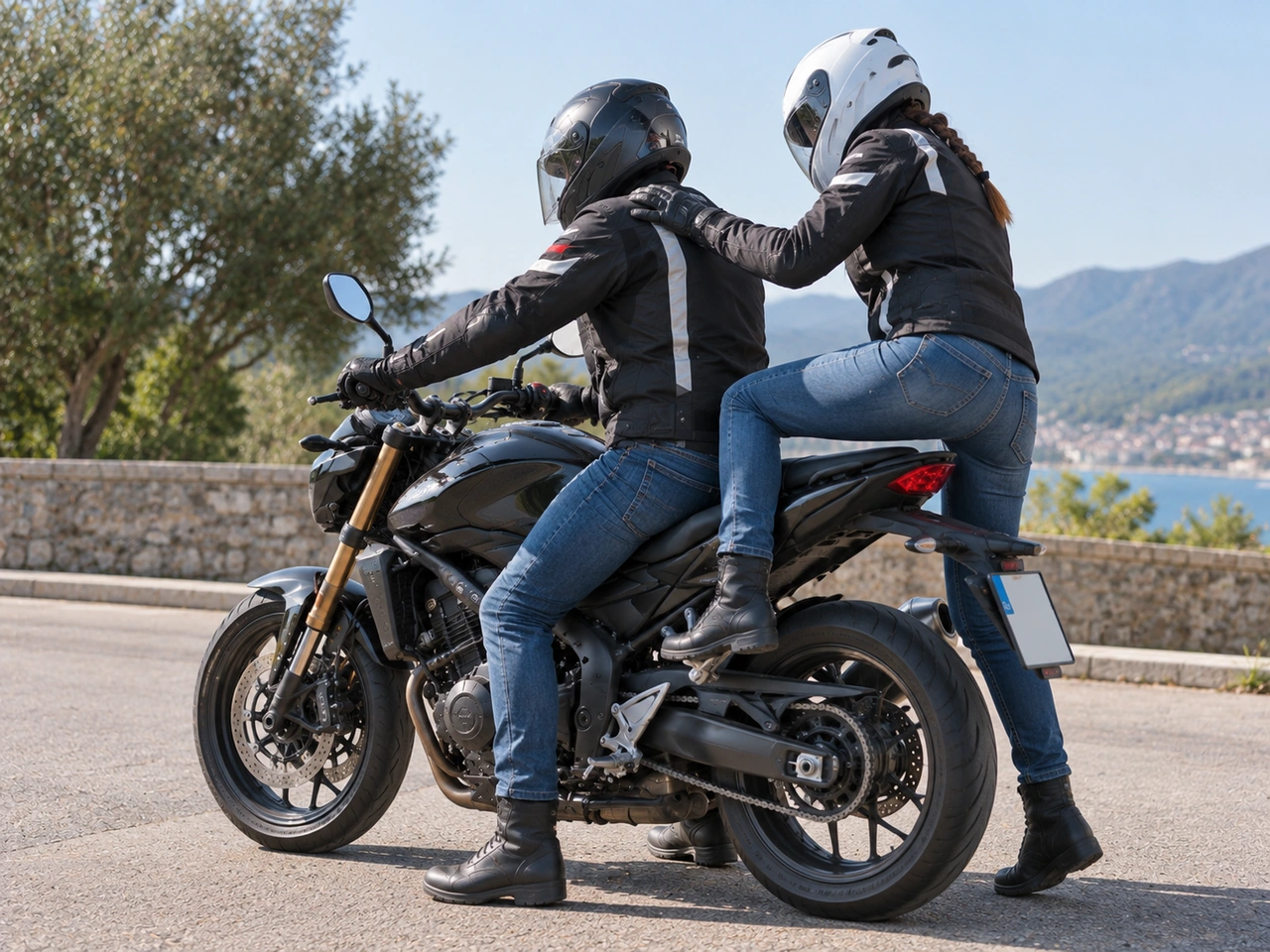
422. When should a passenger get on or off a motorcycle?
A passenger getting on or off can shift the motorcycle's balance suddenly. The motorcycle should be stationary and stable, and the passenger should wait until the rider is ready and prepared to support the extra movement.
AI-generated by Rijbewijs-online.be • WCIT • CC BY-SA
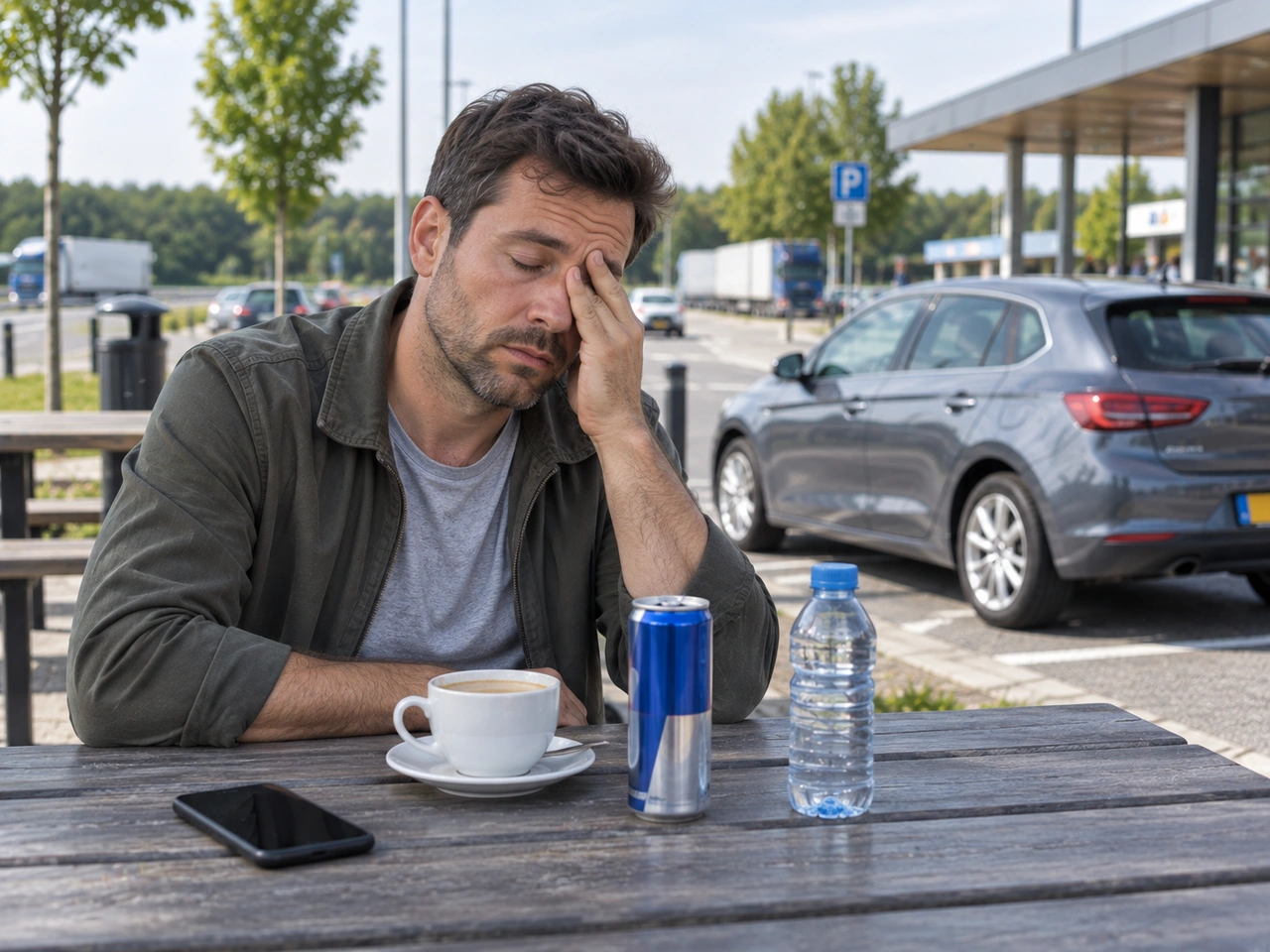
423. Can coffee, energy drinks, fresh air, or loud music replace proper rest when you are tired?
Coffee, energy drinks, fresh air, or loud music may make you feel more alert for a short time, but they do not remove fatigue. If you are too tired to drive safely, stop somewhere safe and get proper rest.
AI-generated by Rijbewijs-online.be • WCIT • CC BY-SA
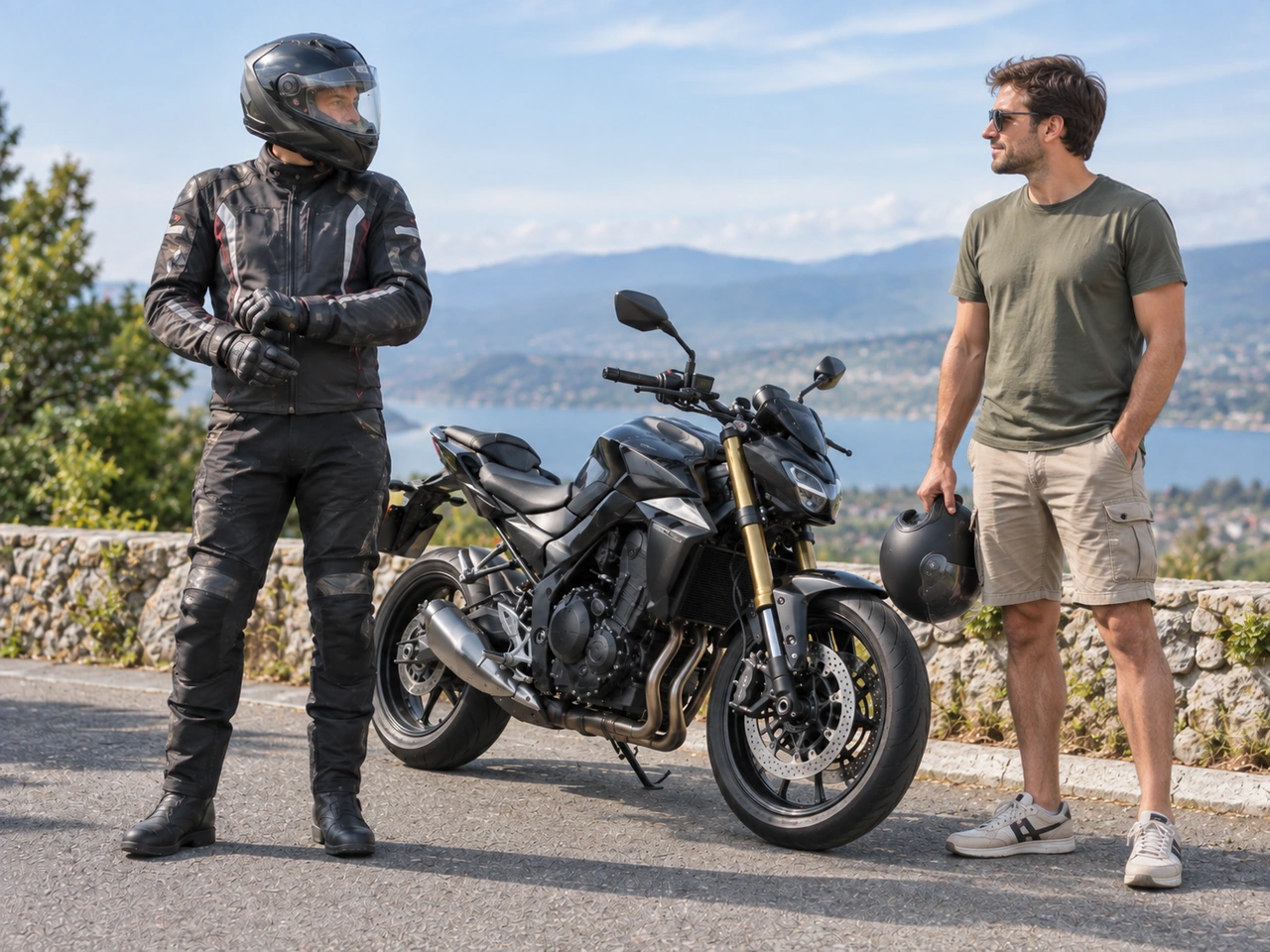
424. Should motorcyclists wear protective clothing?
Motorcyclists should wear protective clothing because it can reduce injuries from falls, impacts and sliding on the road. Suitable jackets, trousers, gloves and boots provide additional protection, but they do not replace a securely fitted helmet or safe riding.
AI-generated by Rijbewijs-online.be • WCIT • CC BY-SA
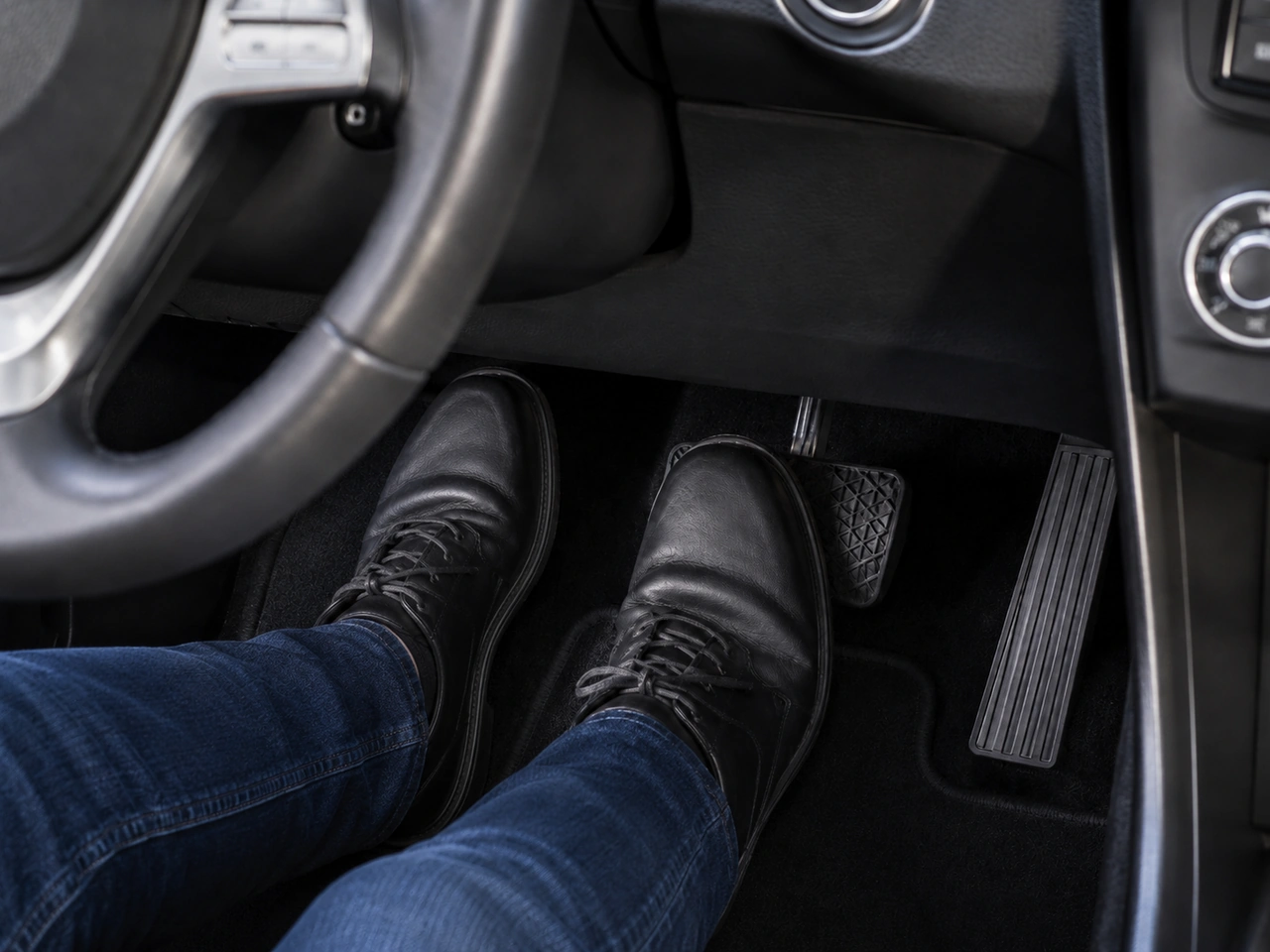
425. What should you do if the brake pedal feels unusually soft?
A soft brake pedal or increased stopping distance may indicate a serious brake fault. Do not continue driving normally until the system has been checked.
AI-generated by Rijbewijs-online.be • WCIT • CC BY-SA
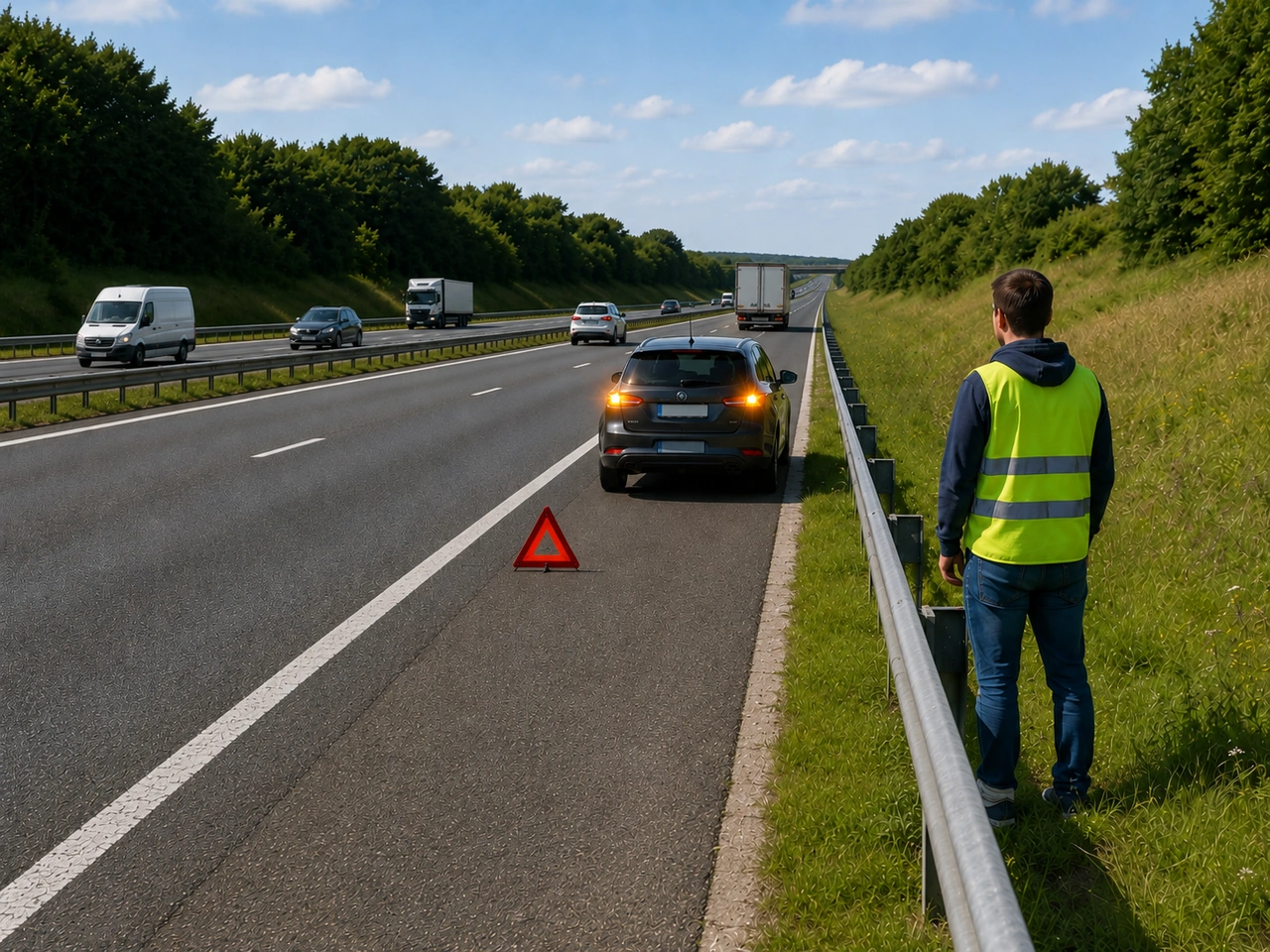
426. Where should you normally wait after a breakdown on a high-speed road?
A stationary vehicle can be struck by passing traffic. Waiting behind a barrier provides better protection.
AI-generated by Rijbewijs-online.be • WCIT • CC BY-SA
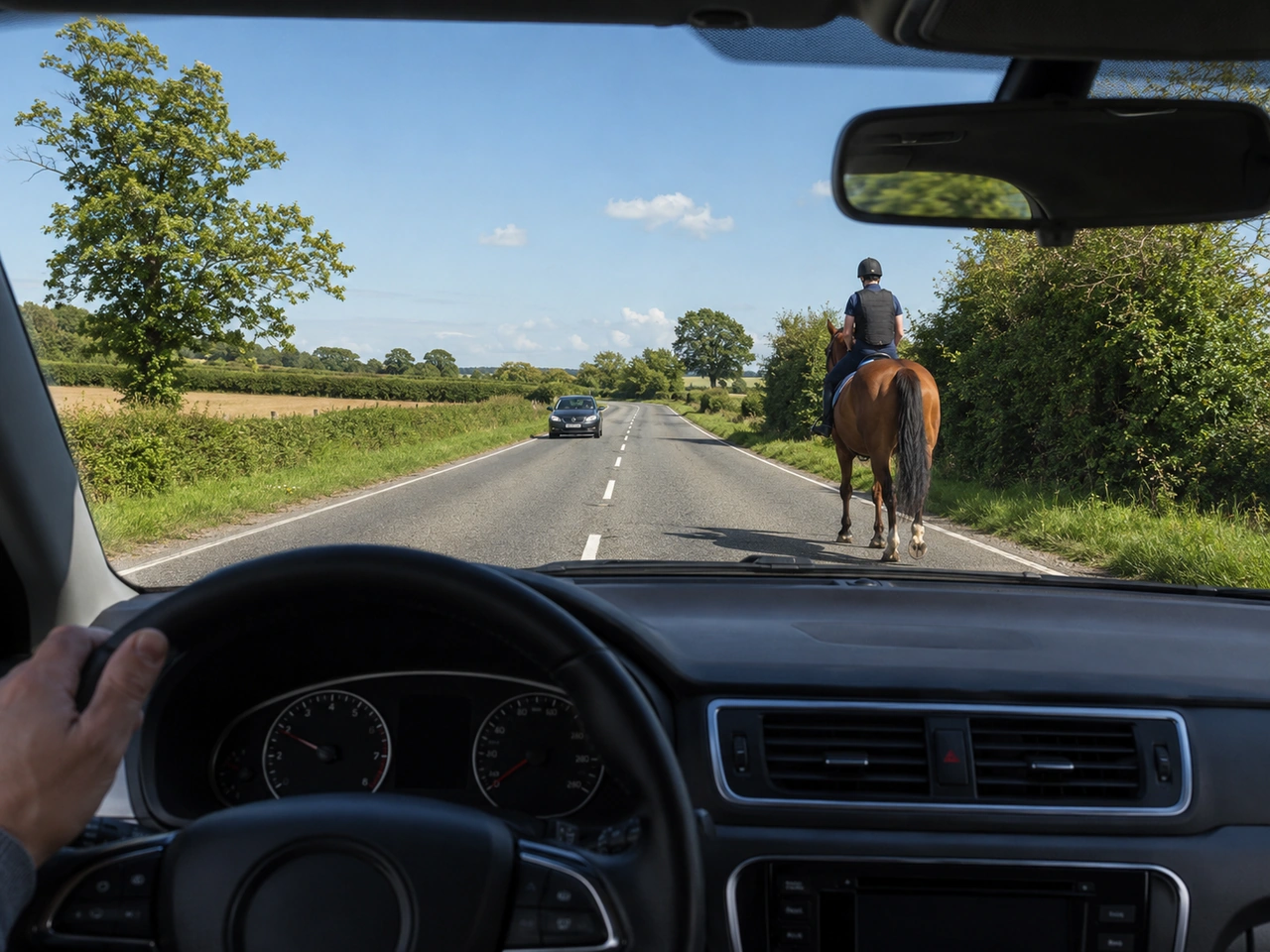
427. What should you do when passing a horse rider?
Horses can be startled by noise or sudden movement. Slow down, pass carefully, and leave enough space.
AI-generated by Rijbewijs-online.be • WCIT • CC BY-SA
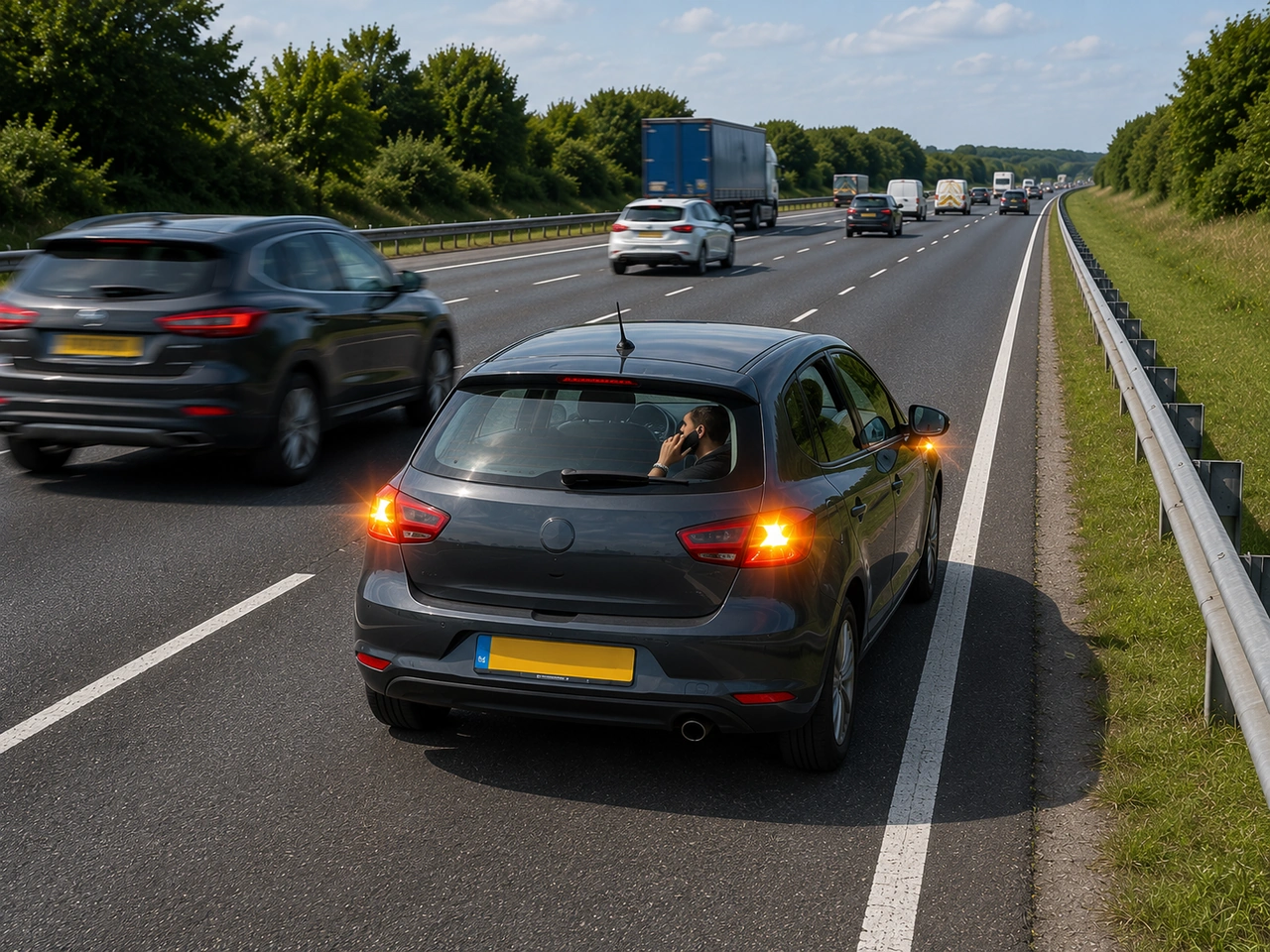
428. What should you do if it is unsafe to leave a stranded vehicle?
If leaving the vehicle would put you in greater danger, remain restrained, make the vehicle visible, contact the emergency services, and follow their instructions.
AI-generated by Rijbewijs-online.be • WCIT • CC BY-SA
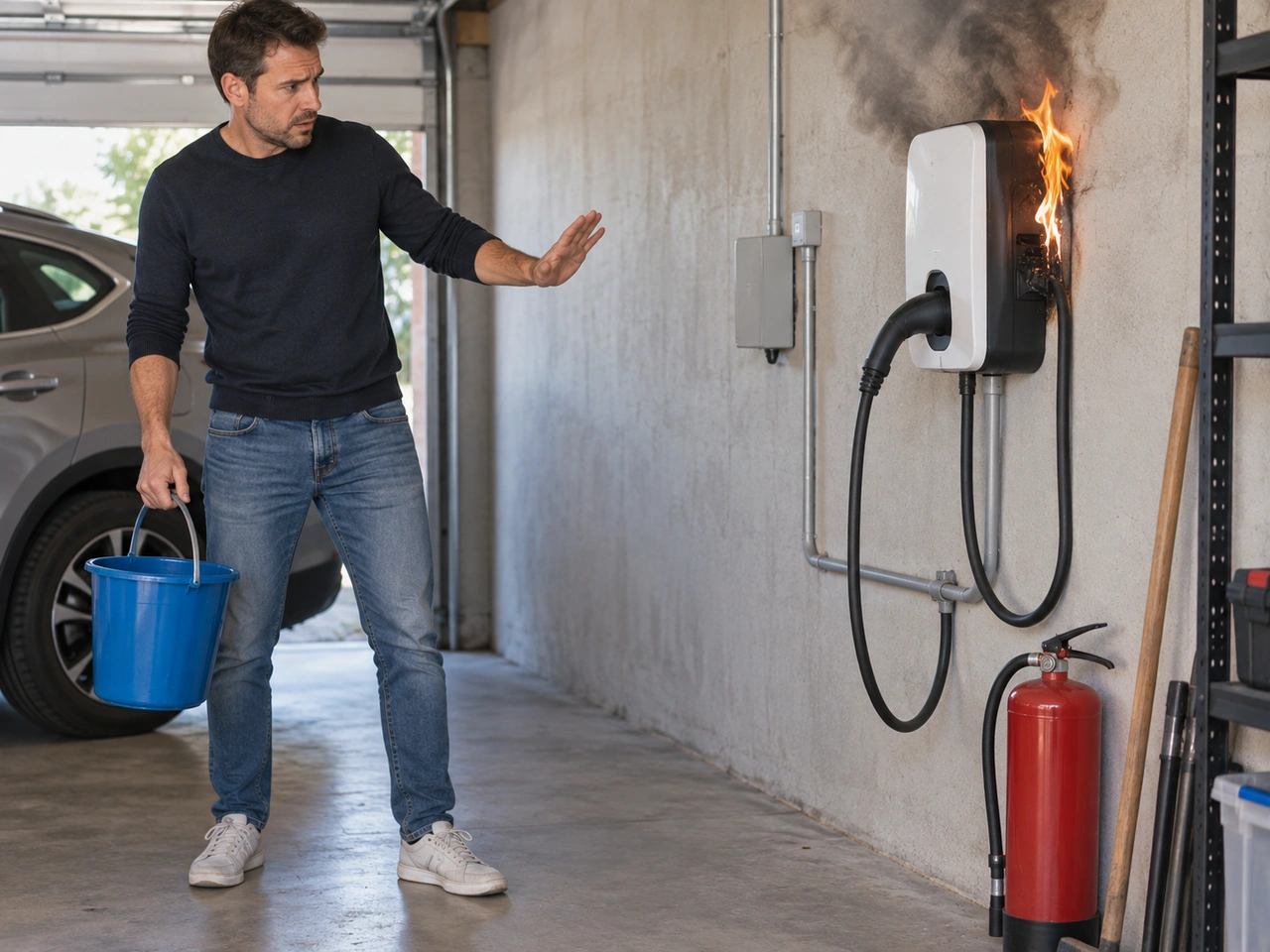
429. Why should you not use water on a fire involving live electrical equipment?
Do not use water on a fire involving energised electrical equipment, because water can conduct electricity and create a serious electric-shock hazard. Keep clear, disconnect the power only if it is safe to do so, and call the emergency services. Use only a suitable fire extinguisher if it is safe and you know how to use it.
AI-generated by Rijbewijs-online.be • WCIT • CC BY-SA
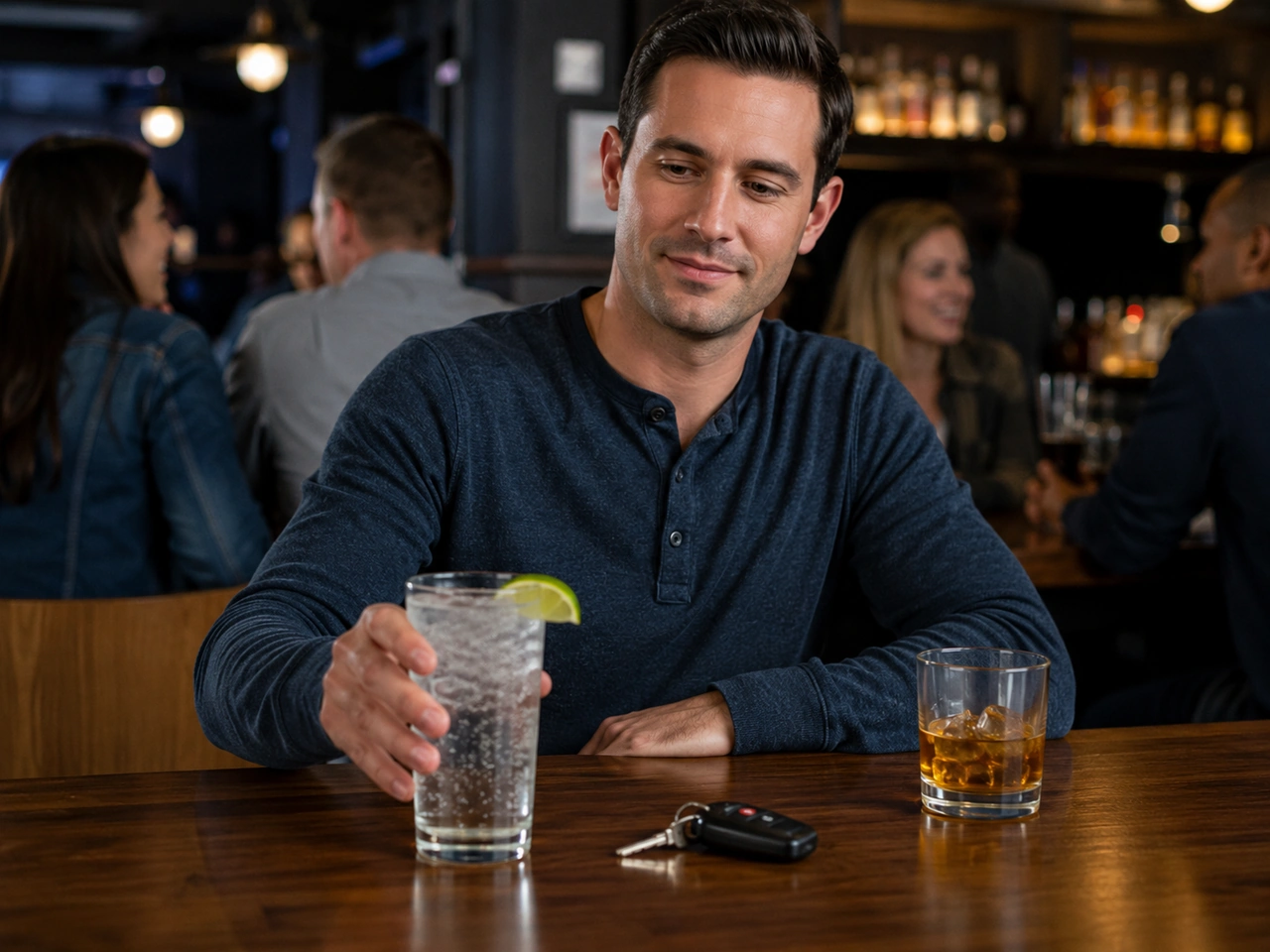
430. What should a designated driver do?
A designated driver should remain sober so they can drive safely and respond properly to traffic conditions.
AI-generated by Rijbewijs-online.be • WCIT • CC BY-SA
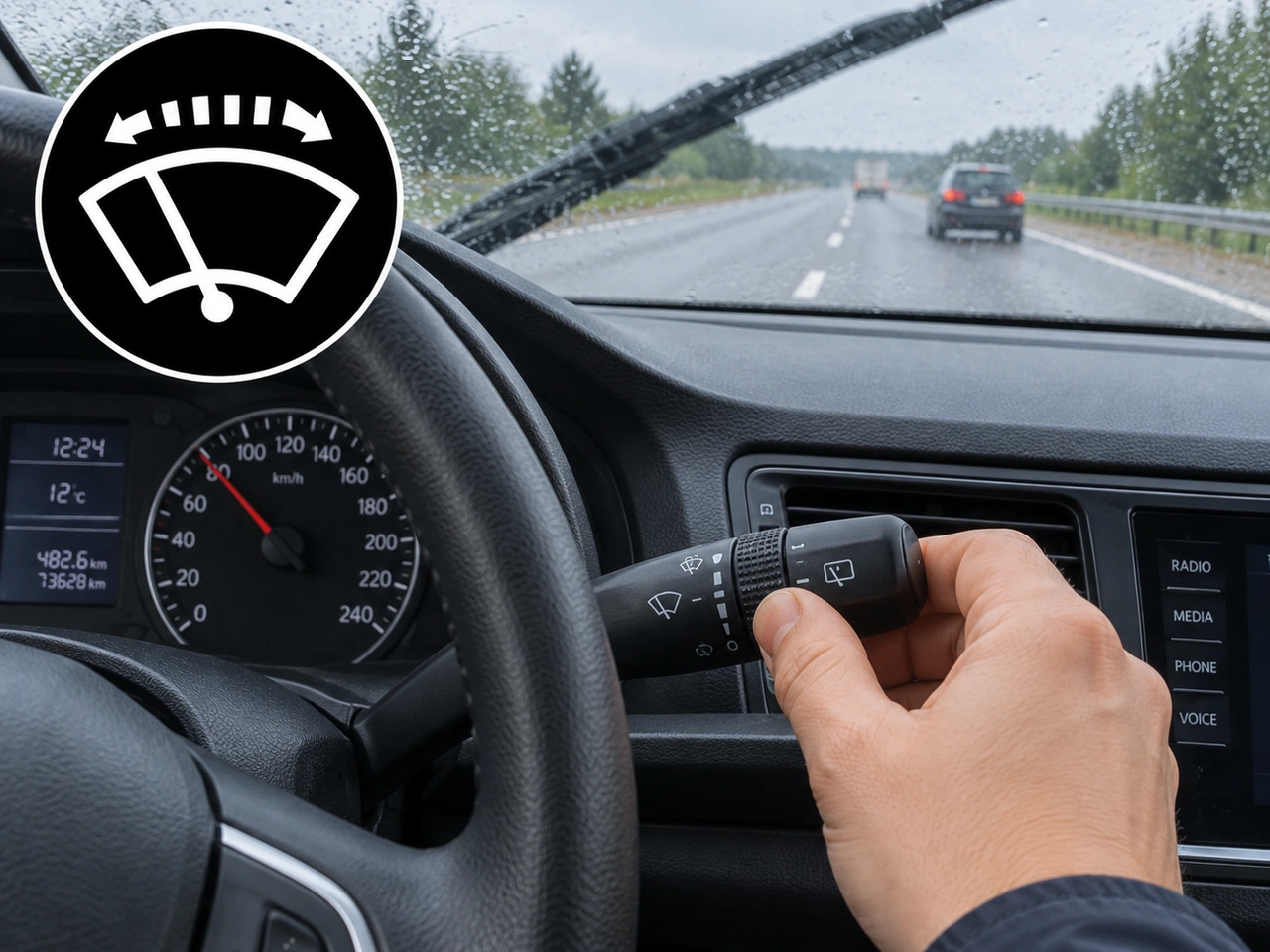
431. What does the intermittent wiper interval control adjust?
The intermittent wiper interval control adjusts the time between windscreen-wiper sweeps, allowing the driver to match the wiping frequency to light rain or spray.
AI-generated by Rijbewijs-online.be • WCIT • CC BY-SA
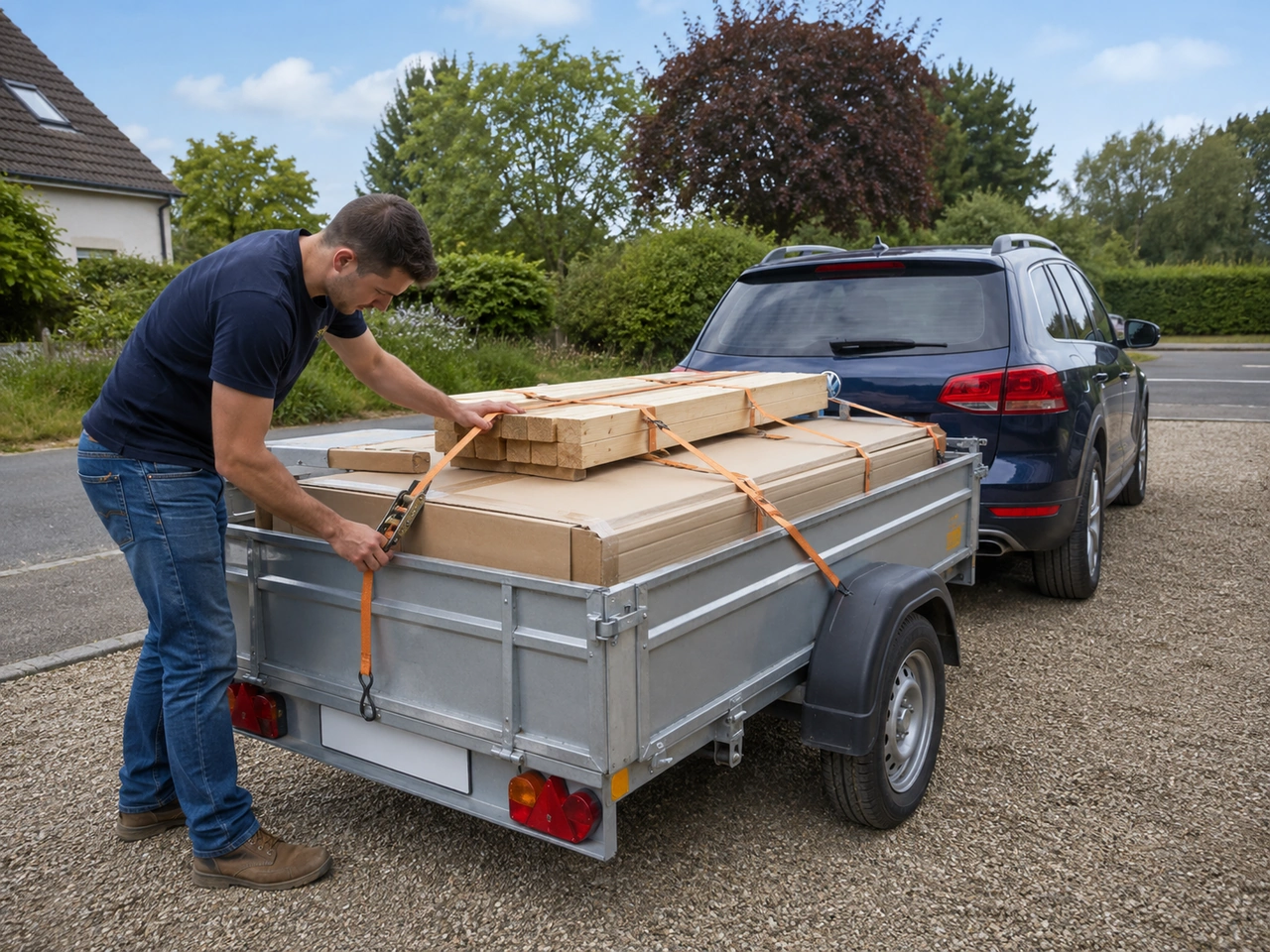
432. What should you do before driving with a load?
An unsecured load can shift, affect vehicle control, or fall into the road. Check that everything is safely restrained before moving.
AI-generated by Rijbewijs-online.be • WCIT • CC BY-SA
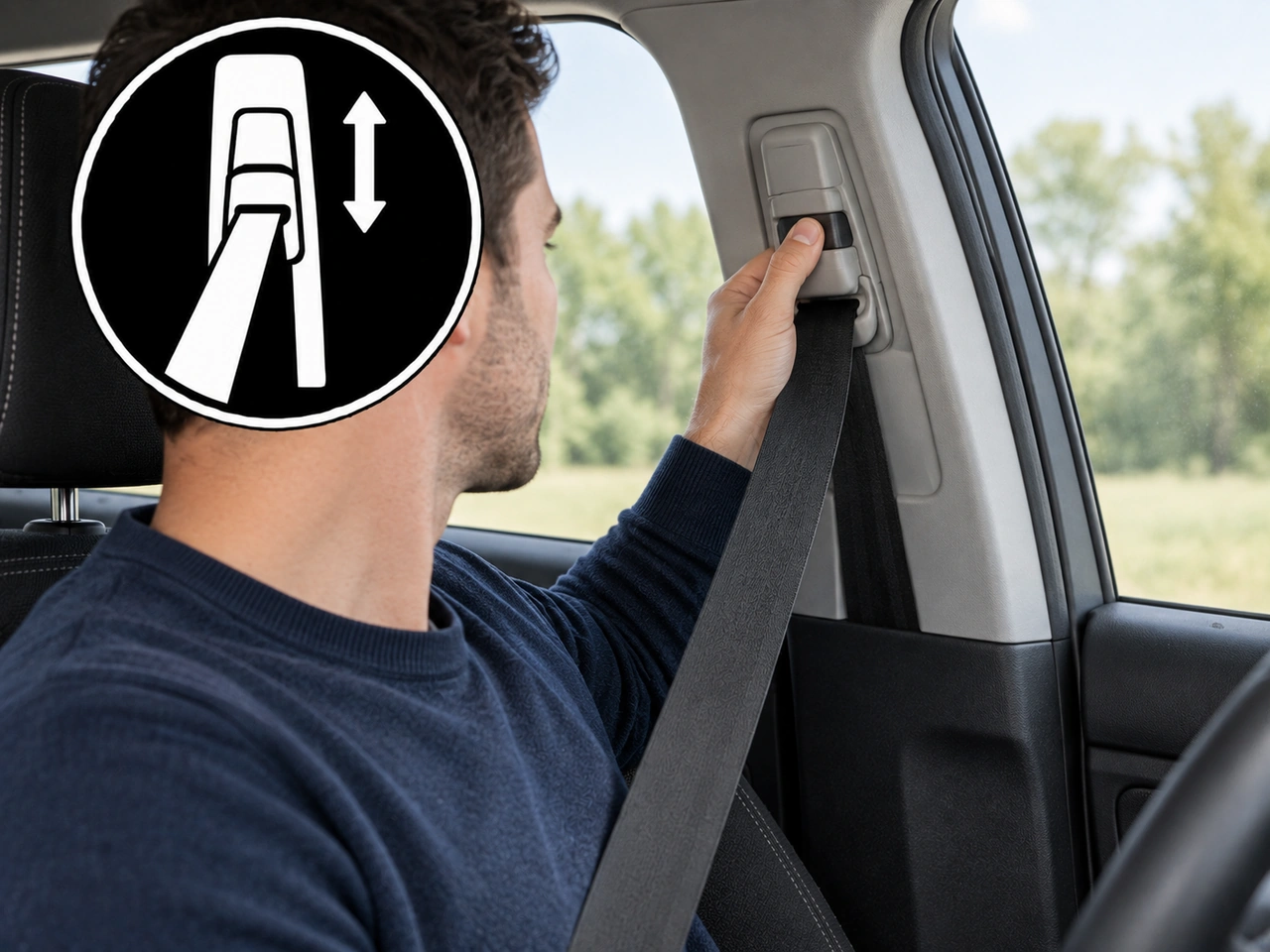
433. Why should the seat-belt height be adjusted correctly?
The seat-belt height adjustment helps position the shoulder belt correctly across the chest and shoulder. It should not run across the neck or under the arm.
AI-generated by Rijbewijs-online.be • WCIT • CC BY-SA
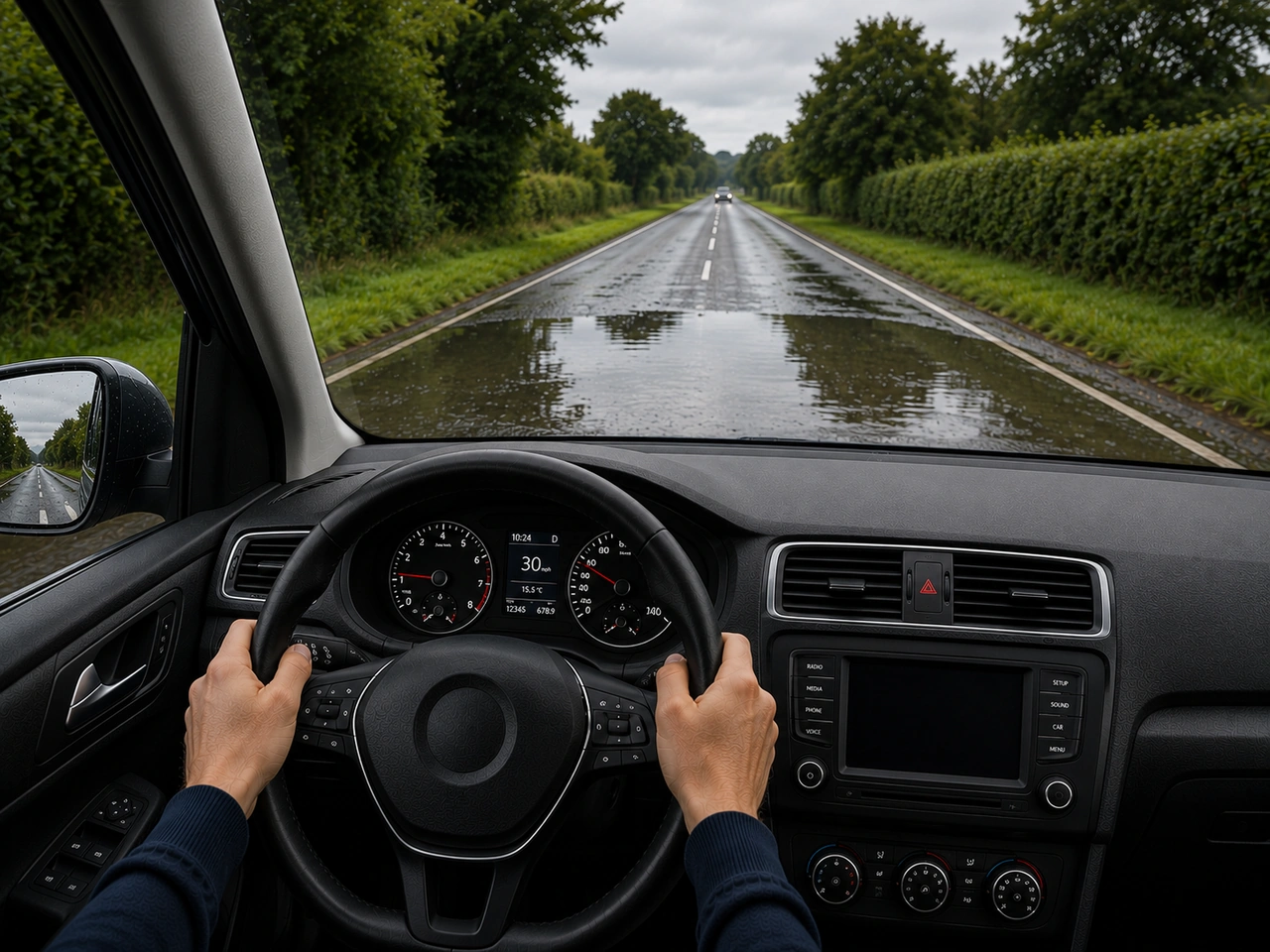
434. What should you do before driving through a puddle?
Large puddles can hide holes, reduce grip, or cause water to splash onto pedestrians or other vehicles. Slow down and proceed carefully.
AI-generated by Rijbewijs-online.be • WCIT • CC BY-SA
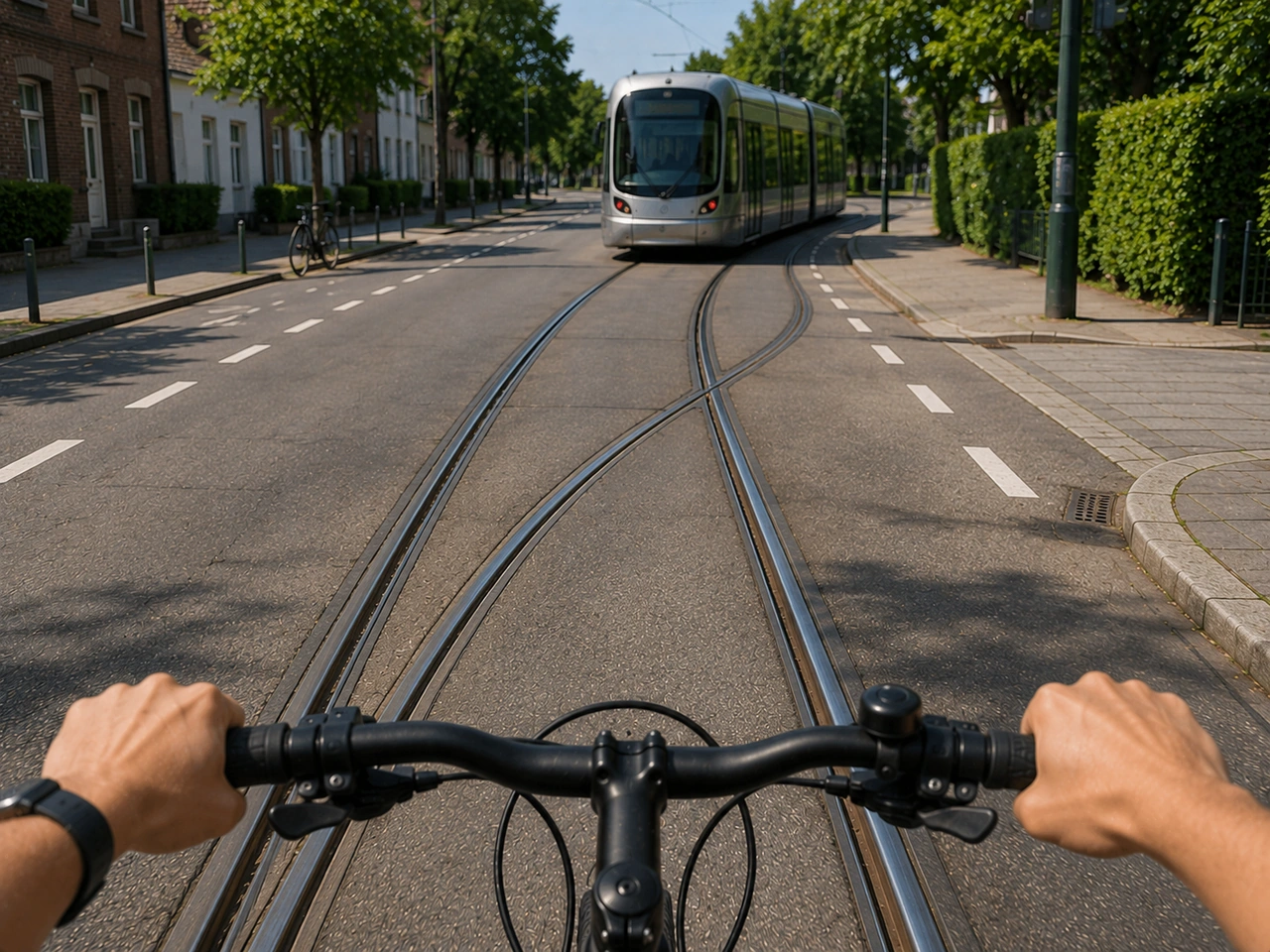
435. How should cyclists cross railway or tram tracks?
A bicycle wheel can become trapped in a rail groove. Crossing at a wider angle reduces this risk.
AI-generated by Rijbewijs-online.be • WCIT • CC BY-SA
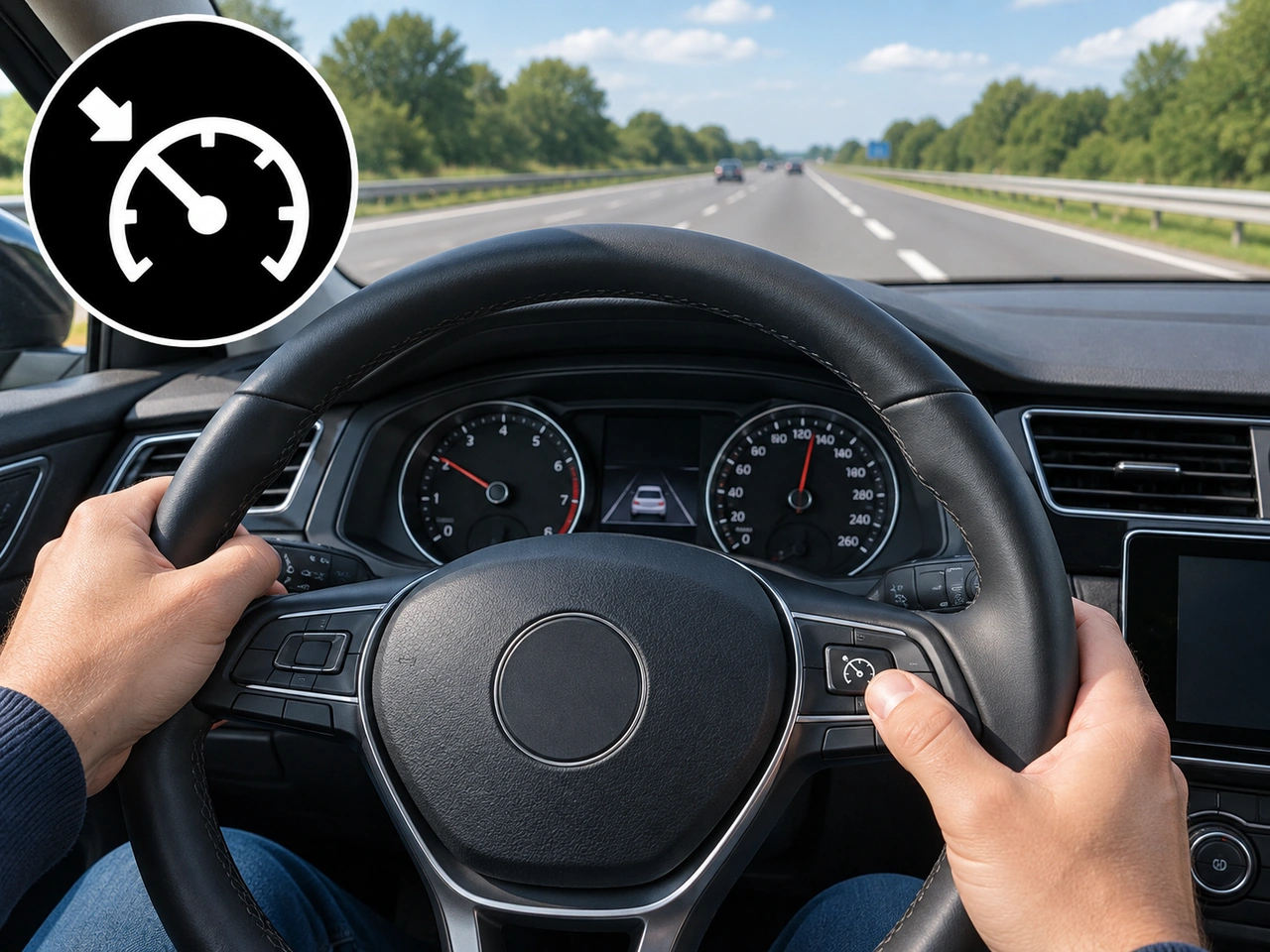
436. What is the purpose of cruise control?
Cruise control can maintain a selected speed without the driver continuously pressing the accelerator. The driver must remain attentive and ready to brake or take control when necessary.
AI-generated by Rijbewijs-online.be • WCIT • CC BY-SA
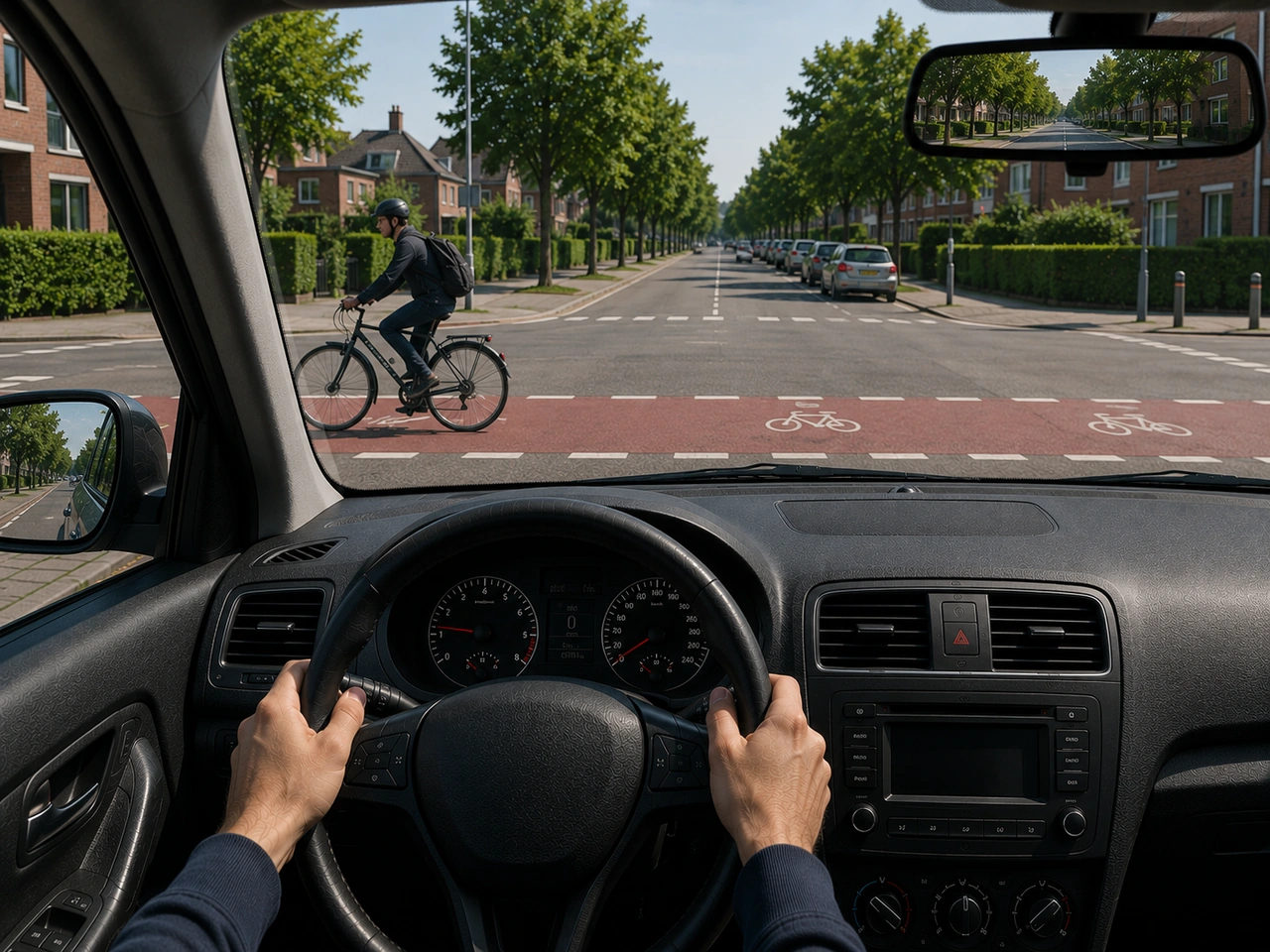
437. What should you do before turning across a cycle lane?
Cyclists may be beside or behind you when you turn. Check mirrors and blind spots, signal clearly, and turn only when it is safe.
AI-generated by Rijbewijs-online.be • WCIT • CC BY-SA
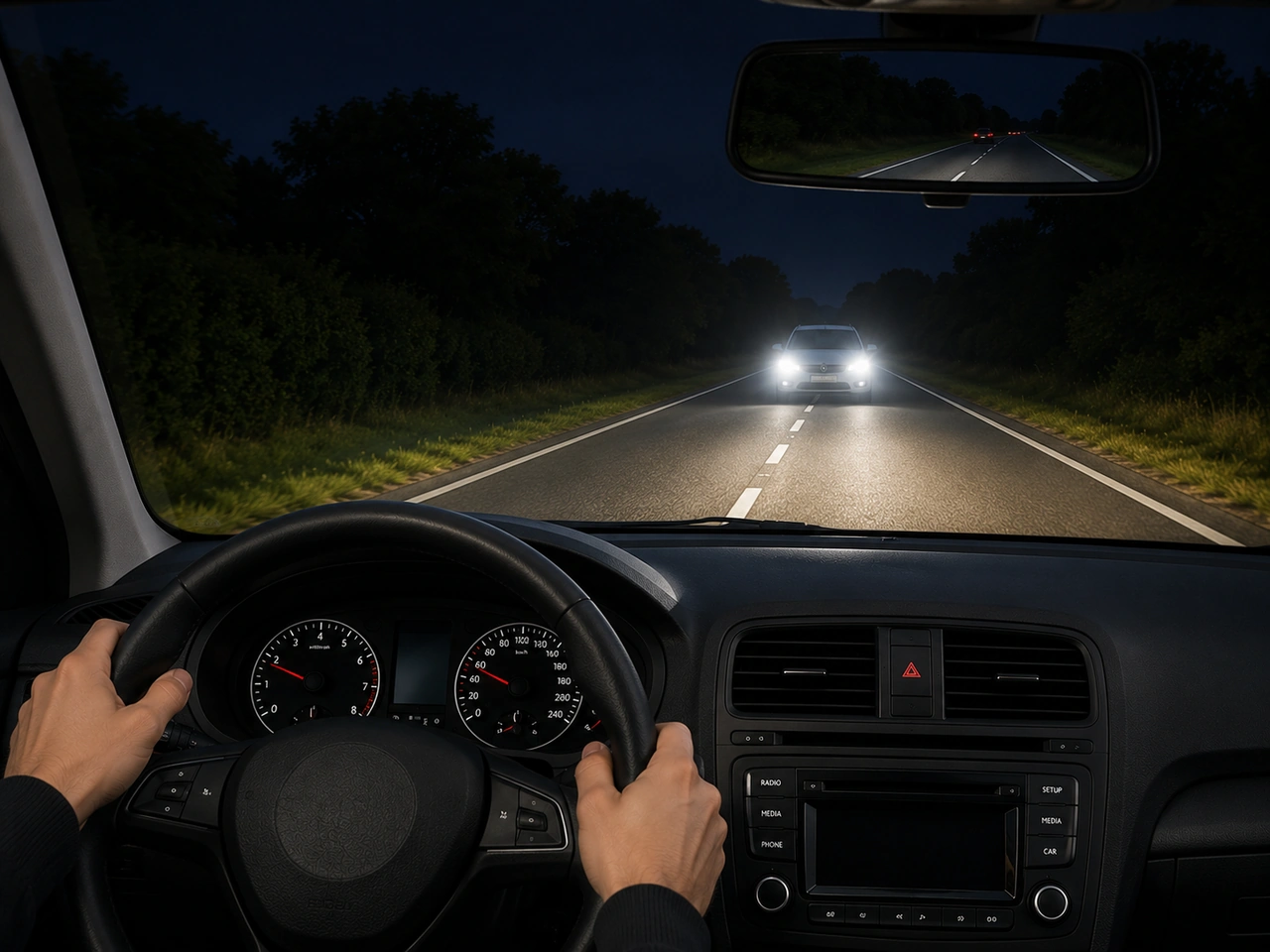
438. What should you do if your main beam could dazzle another driver?
Main beam can dazzle other road users and reduce their visibility. Switch to dipped headlights whenever your main beam could dazzle another driver.
AI-generated by Rijbewijs-online.be • WCIT • CC BY-SA
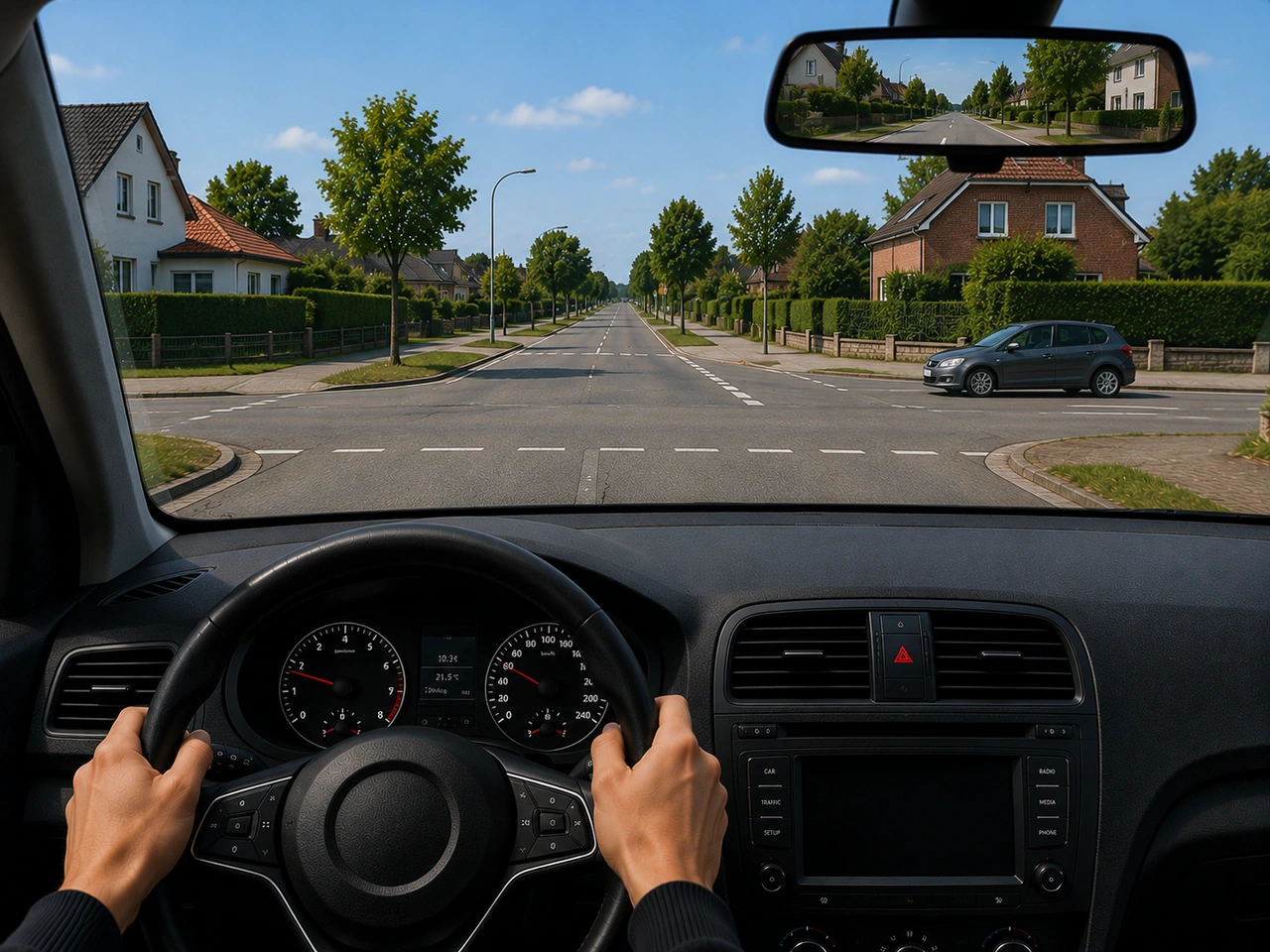
439. What should you do if you are unsure who has priority at a junction?
If priority is unclear, reduce speed, observe carefully, and avoid entering the junction until you are sure it is safe.
AI-generated by Rijbewijs-online.be • WCIT • CC BY-SA
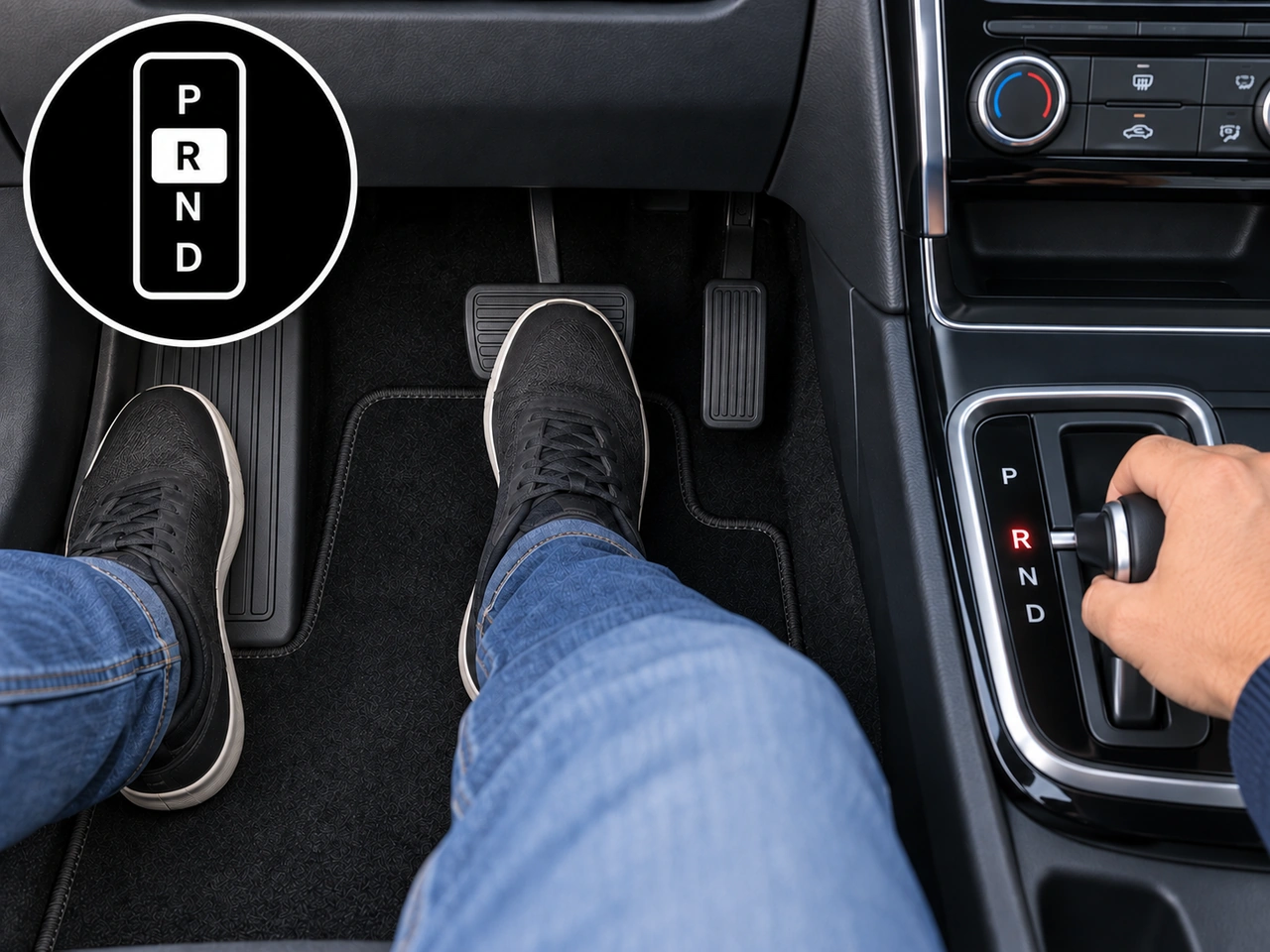
440. When should you select R (Reverse) in an automatic vehicle?
Select R (Reverse) only after the vehicle has come to a complete stop. Selecting Reverse while the vehicle is still moving forward can damage the transmission.
AI-generated by Rijbewijs-online.be • WCIT • CC BY-SA
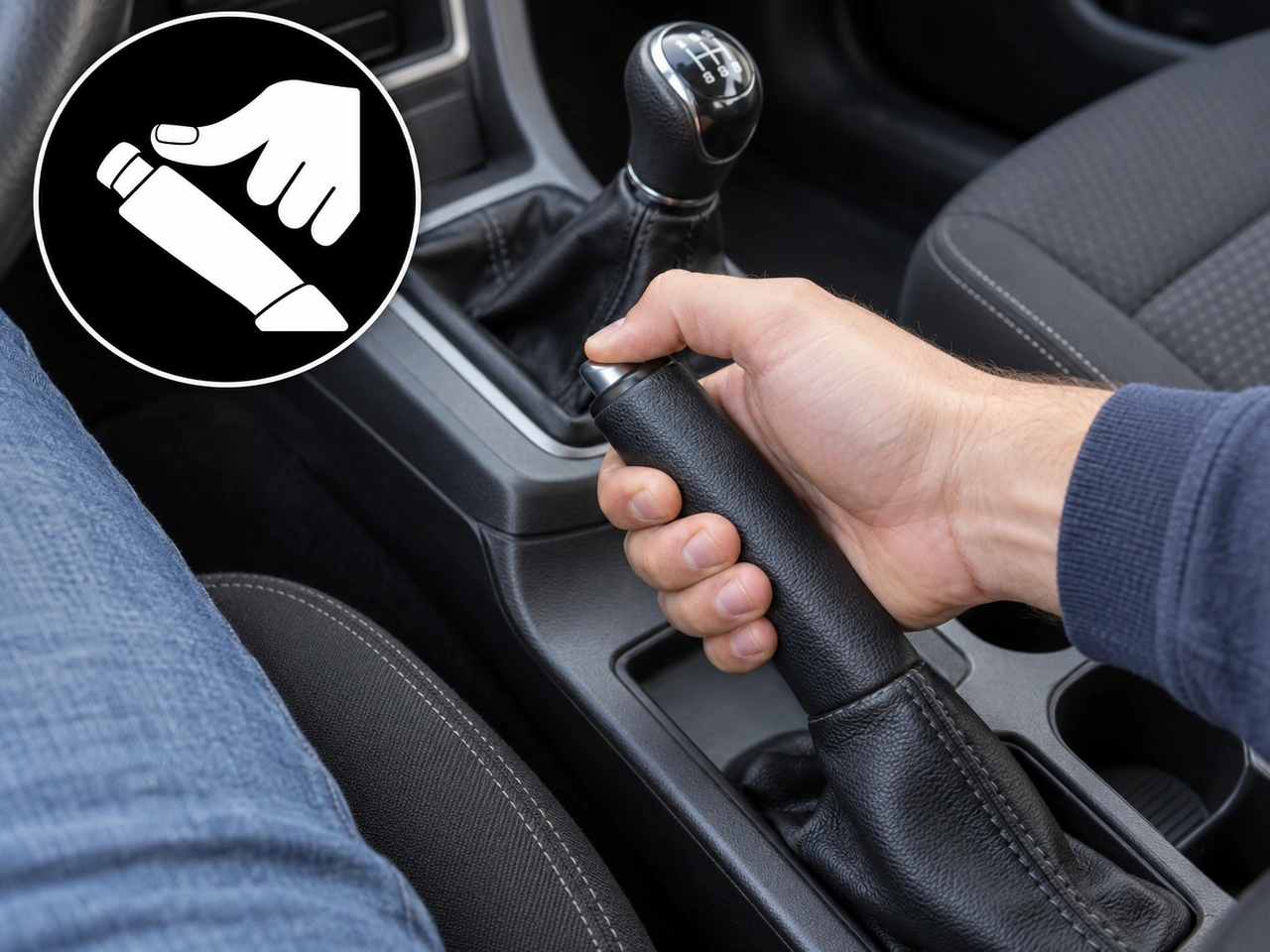
441. What is the button on a manual handbrake lever used for?
To release a manual handbrake, pull the lever up slightly, press and hold the release button, then lower the lever under control.
AI-generated by Rijbewijs-online.be • WCIT • CC BY-SA
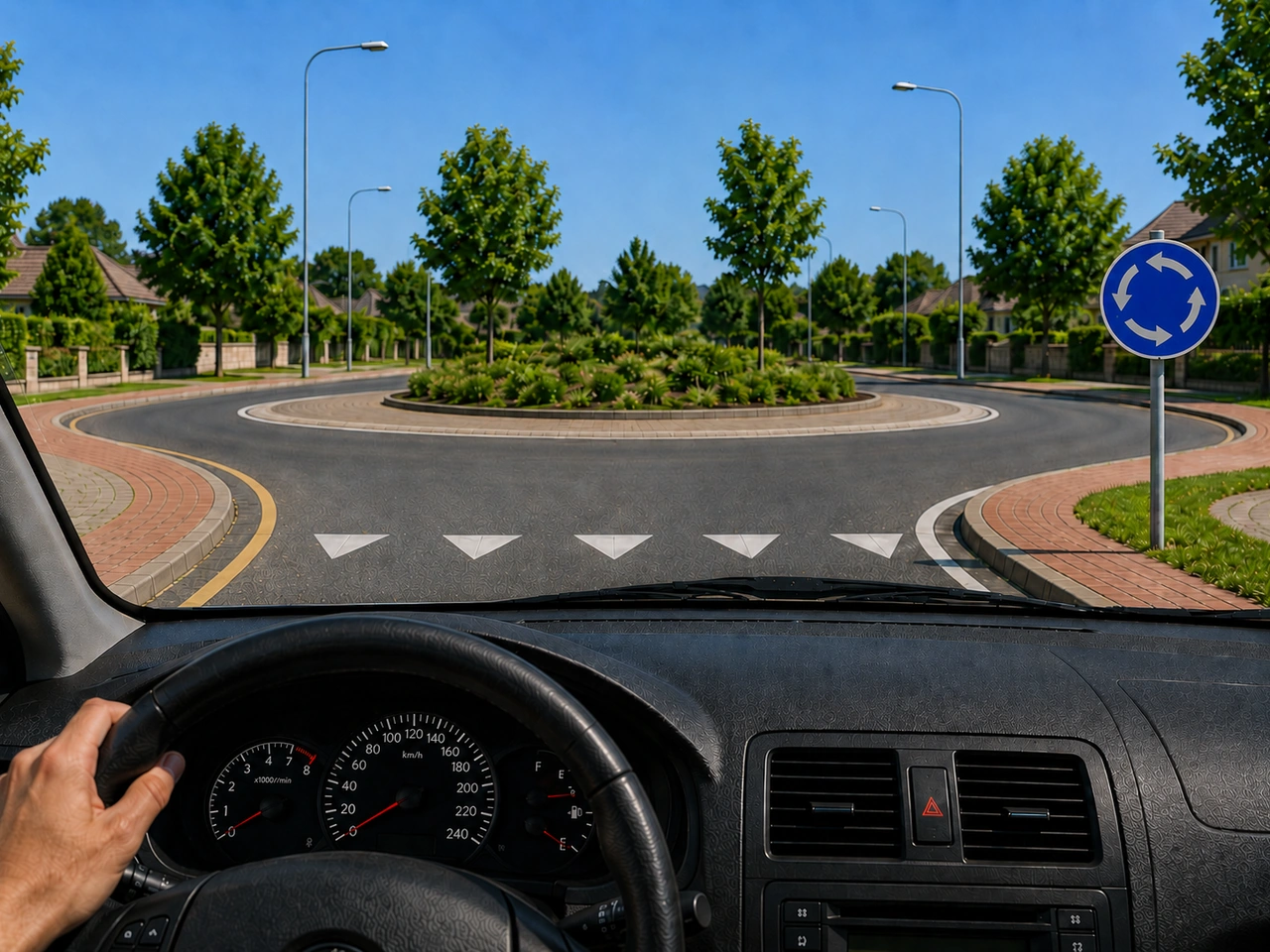
442. What should you do before entering a roundabout?
Before entering a roundabout, reduce your speed, observe traffic, and give way according to the local rules.
AI-generated by Rijbewijs-online.be • WCIT • CC BY-SA
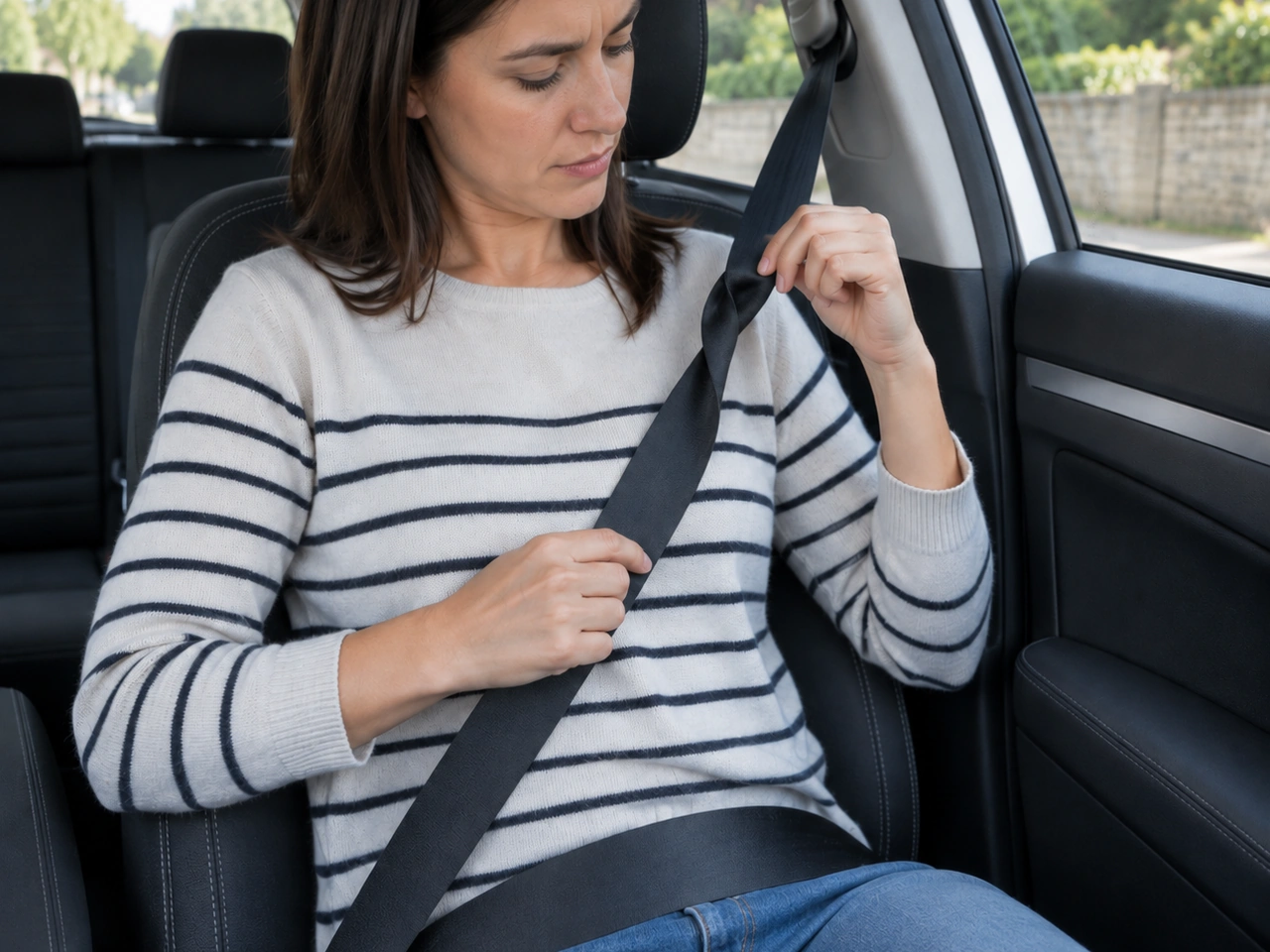
443. Why should a seat belt not be twisted when worn?
A seat belt should lie flat against the body without twists. A twisted belt concentrates force over a smaller area and may provide less effective protection in a collision.
AI-generated by Rijbewijs-online.be • WCIT • CC BY-SA
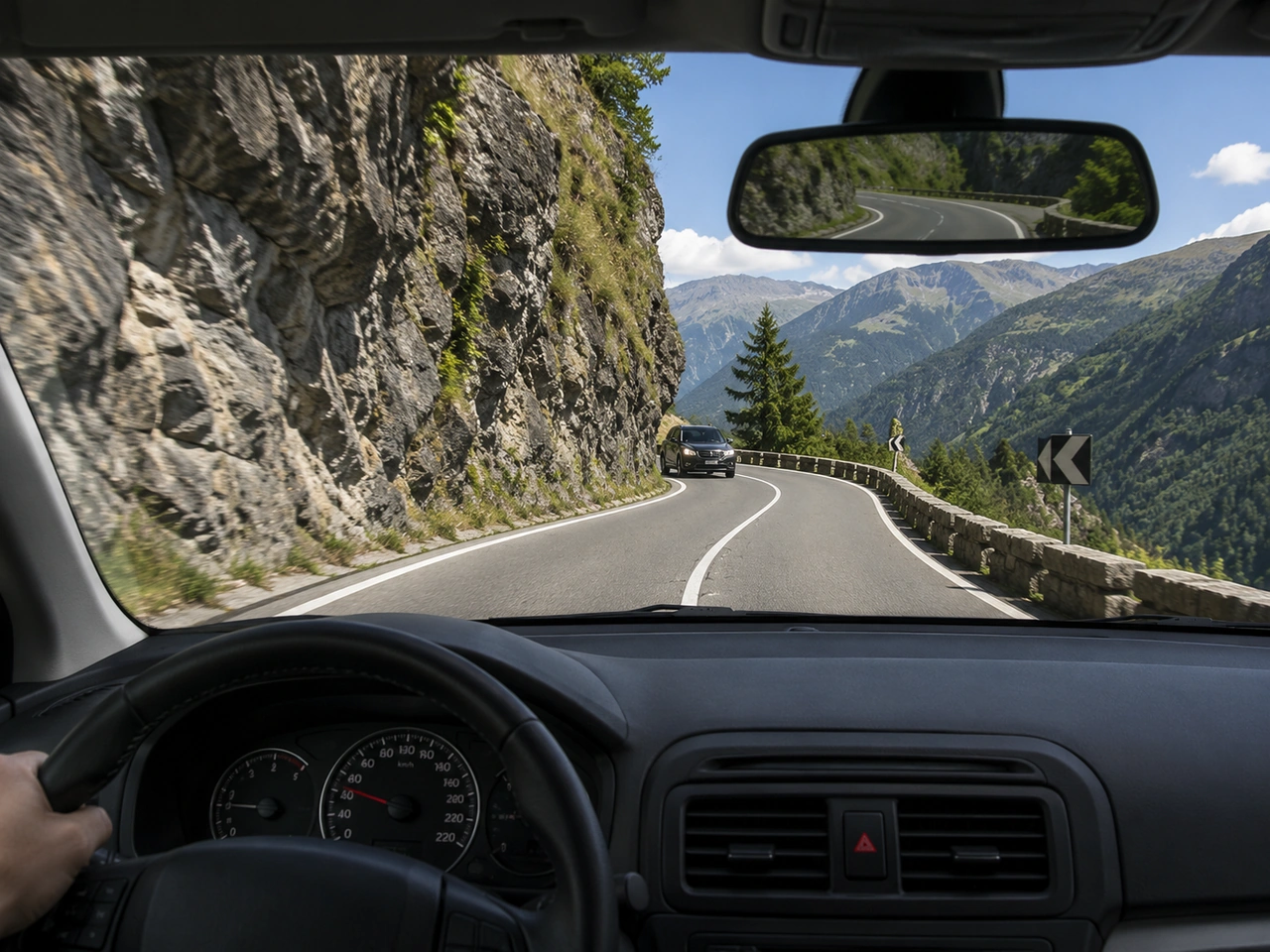
444. How should you approach a sharp bend on a mountain road?
Mountain bends may hide oncoming vehicles, cyclists, animals, or debris. Slow down before entering and keep a safe road position.
AI-generated by Rijbewijs-online.be • WCIT • CC BY-SA
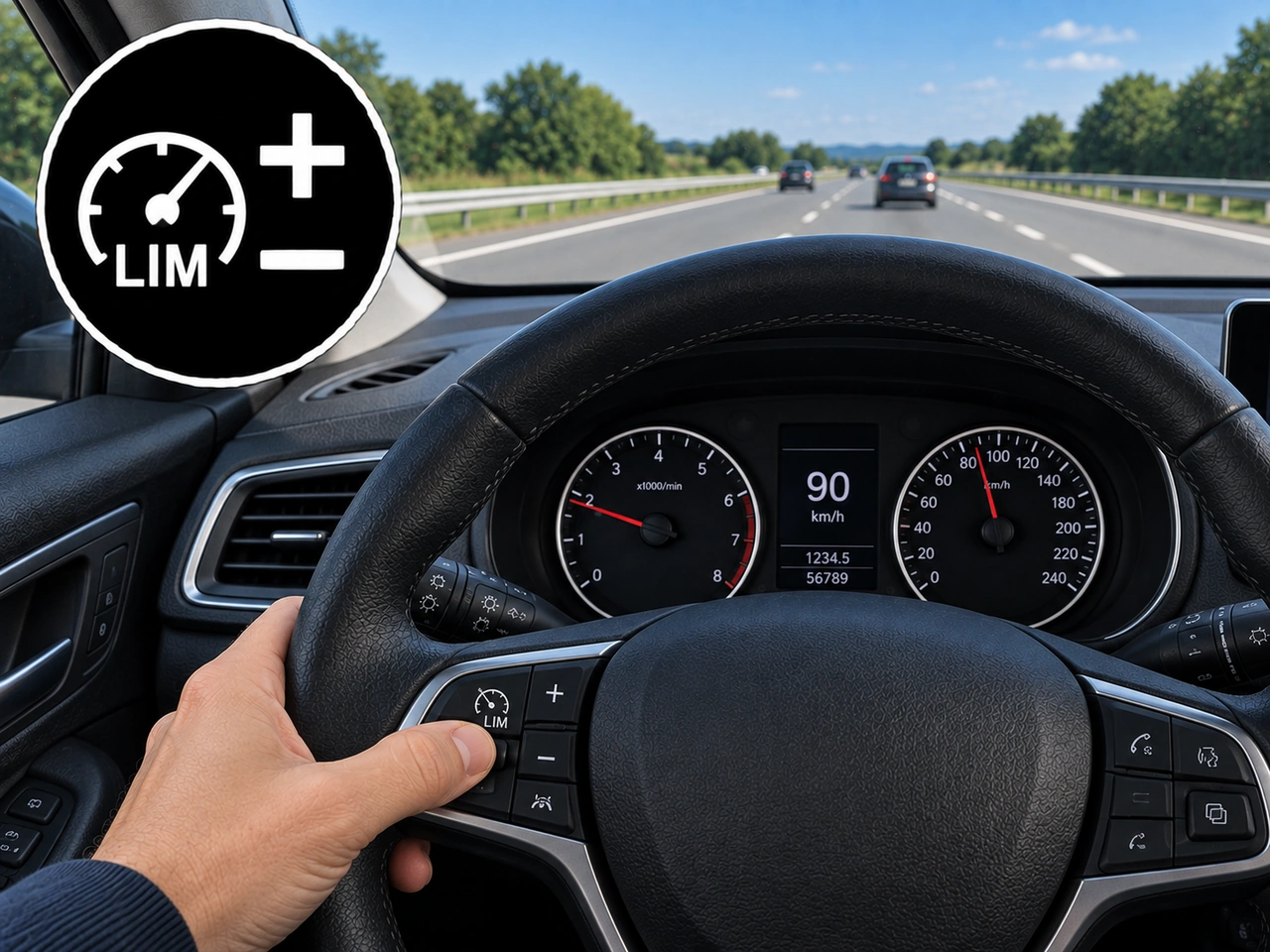
445. What do the + and − controls normally adjust when the speed limiter is active?
When the speed limiter is active, the + and − controls normally increase or decrease the selected maximum speed. The exact adjustment steps can vary between vehicles.
AI-generated by Rijbewijs-online.be • WCIT • CC BY-SA
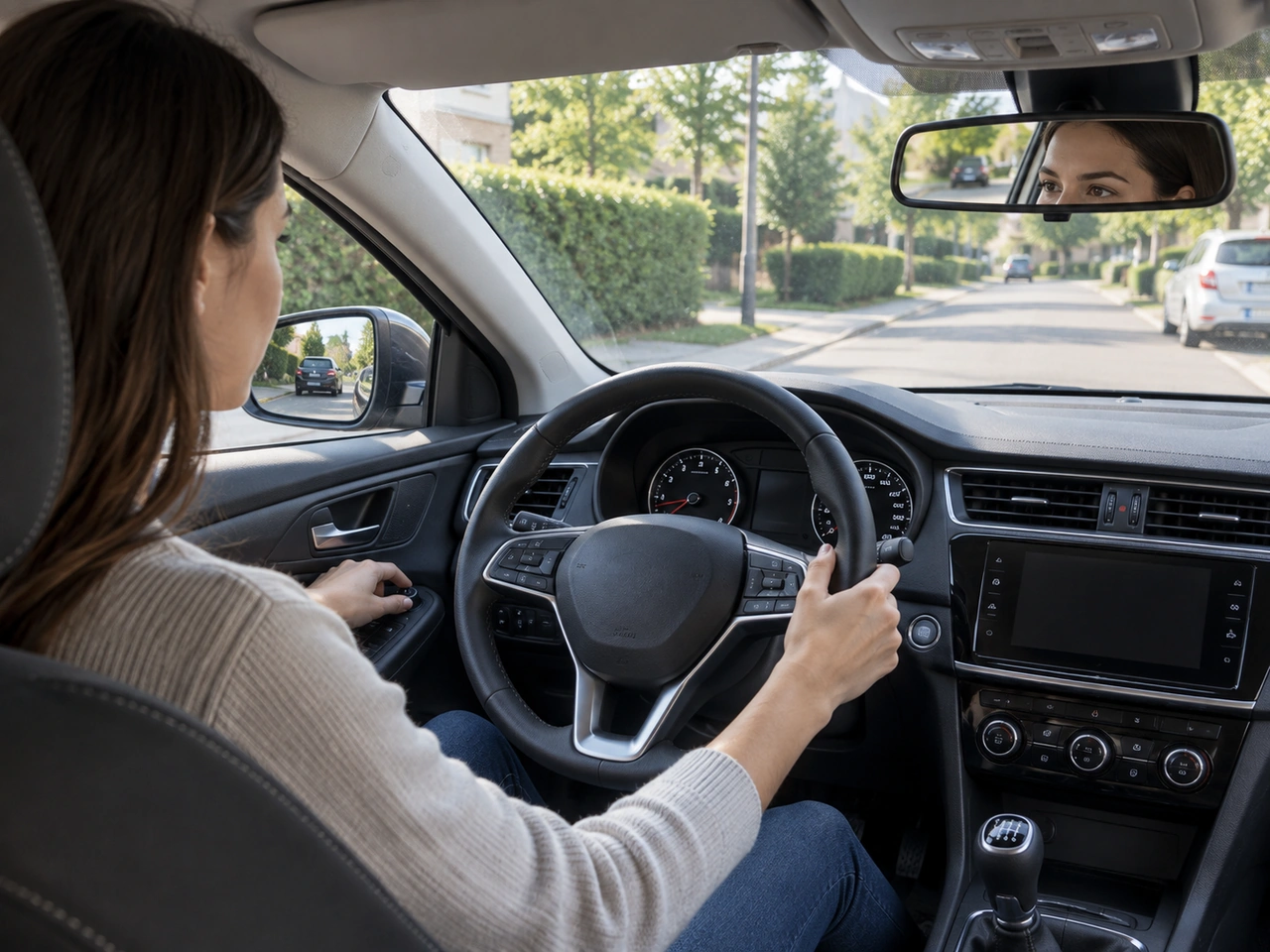
446. Why should you adjust the seat and mirrors correctly before driving?
A correct driving position helps you operate the pedals and steering comfortably and maintain proper control. Correctly adjusted mirrors improve your view around the vehicle and help reduce blind spots. Adjust both before starting your journey.
AI-generated by Rijbewijs-online.be • WCIT • CC BY-SA
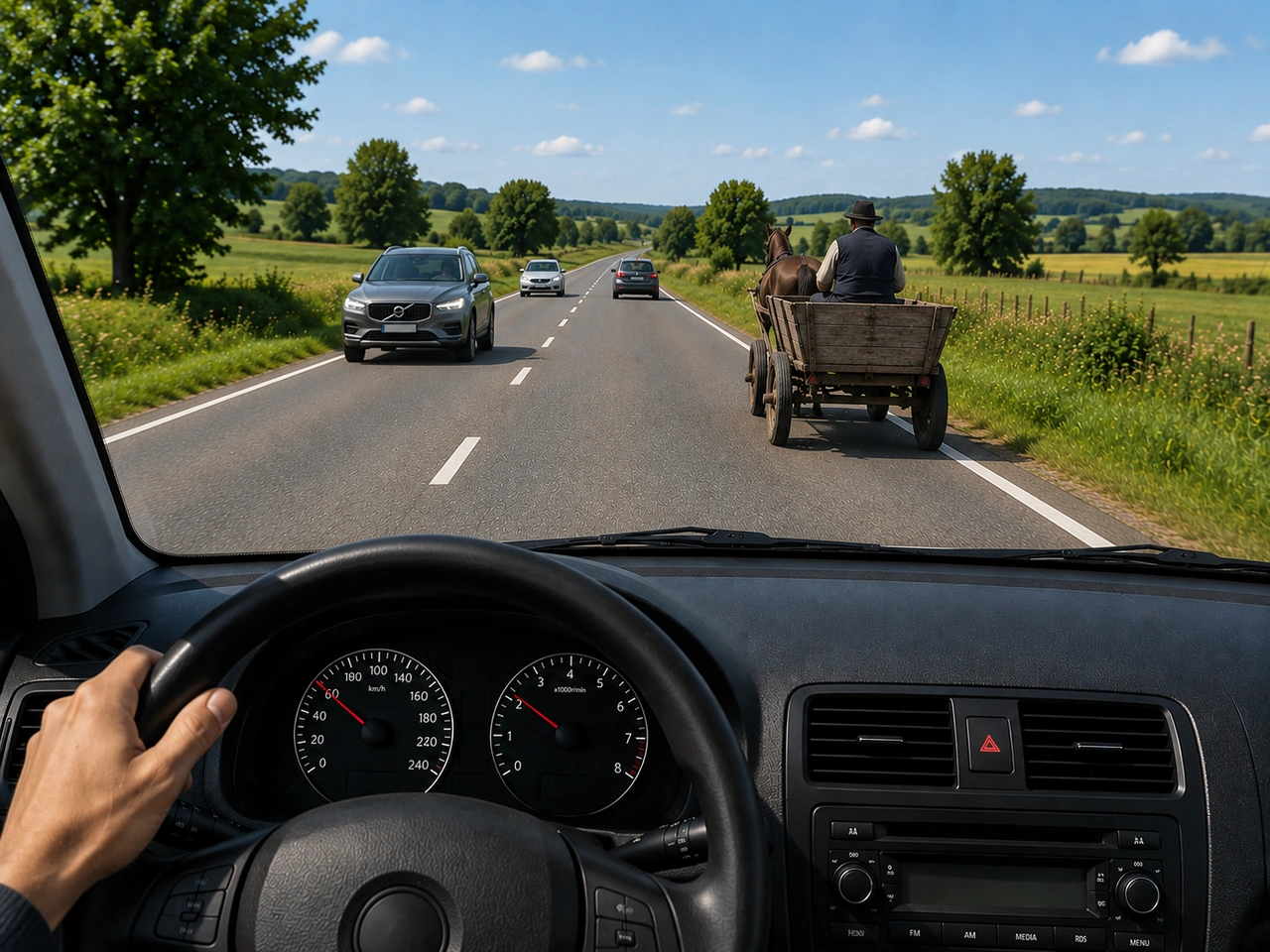
447. What should you do if you are approaching an animal-drawn vehicle?
Animals can be startled by noise or sudden movement. Reduce speed, keep distance, and pass only when it is safe.
AI-generated by Rijbewijs-online.be • WCIT • CC BY-SA
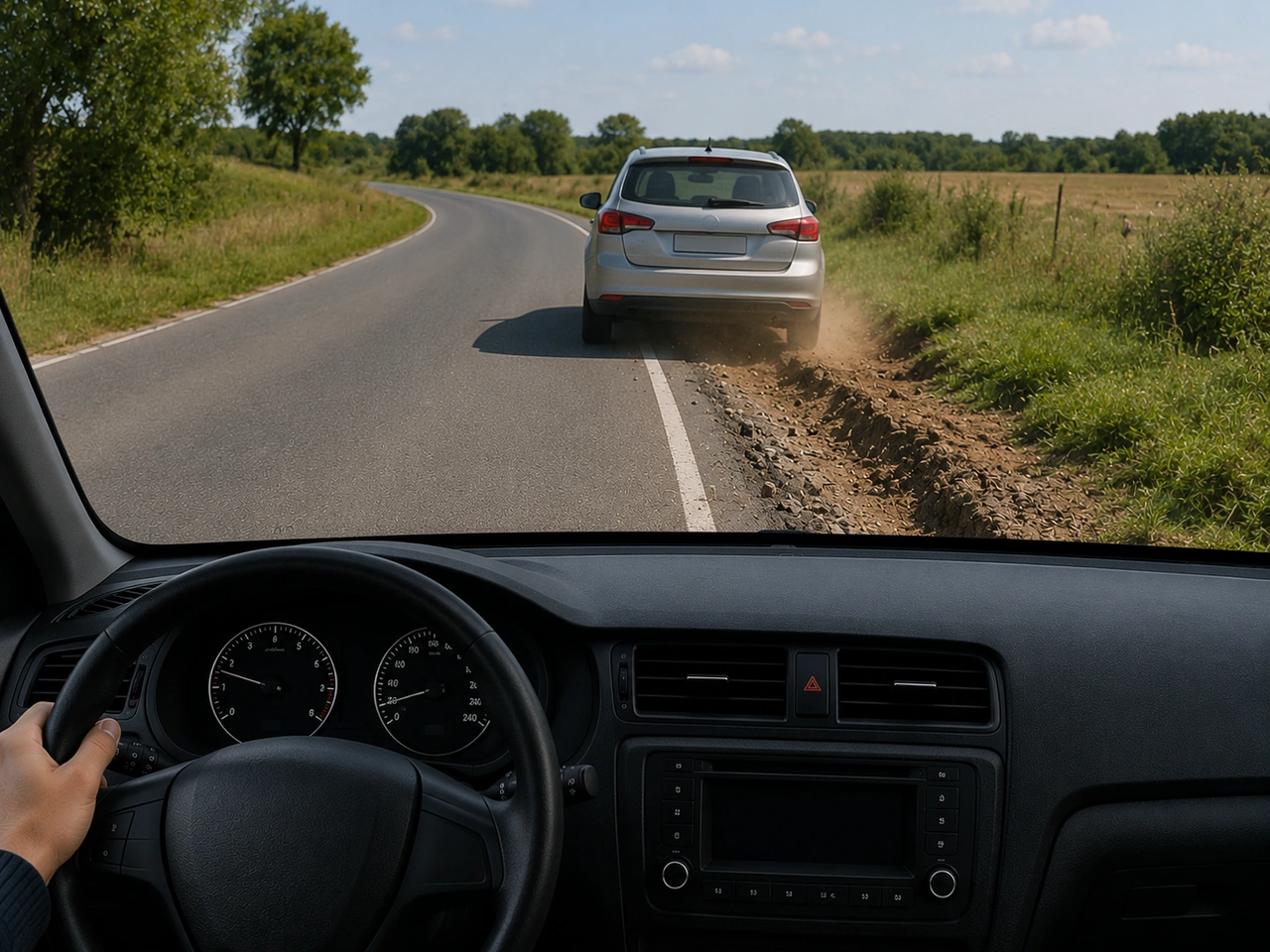
448. Why should you avoid driving too close to the edge of the road?
Road edges can be soft, uneven, or damaged. Driving too close to the edge can reduce control or cause the vehicle to leave the road.
AI-generated by Rijbewijs-online.be • WCIT • CC BY-SA
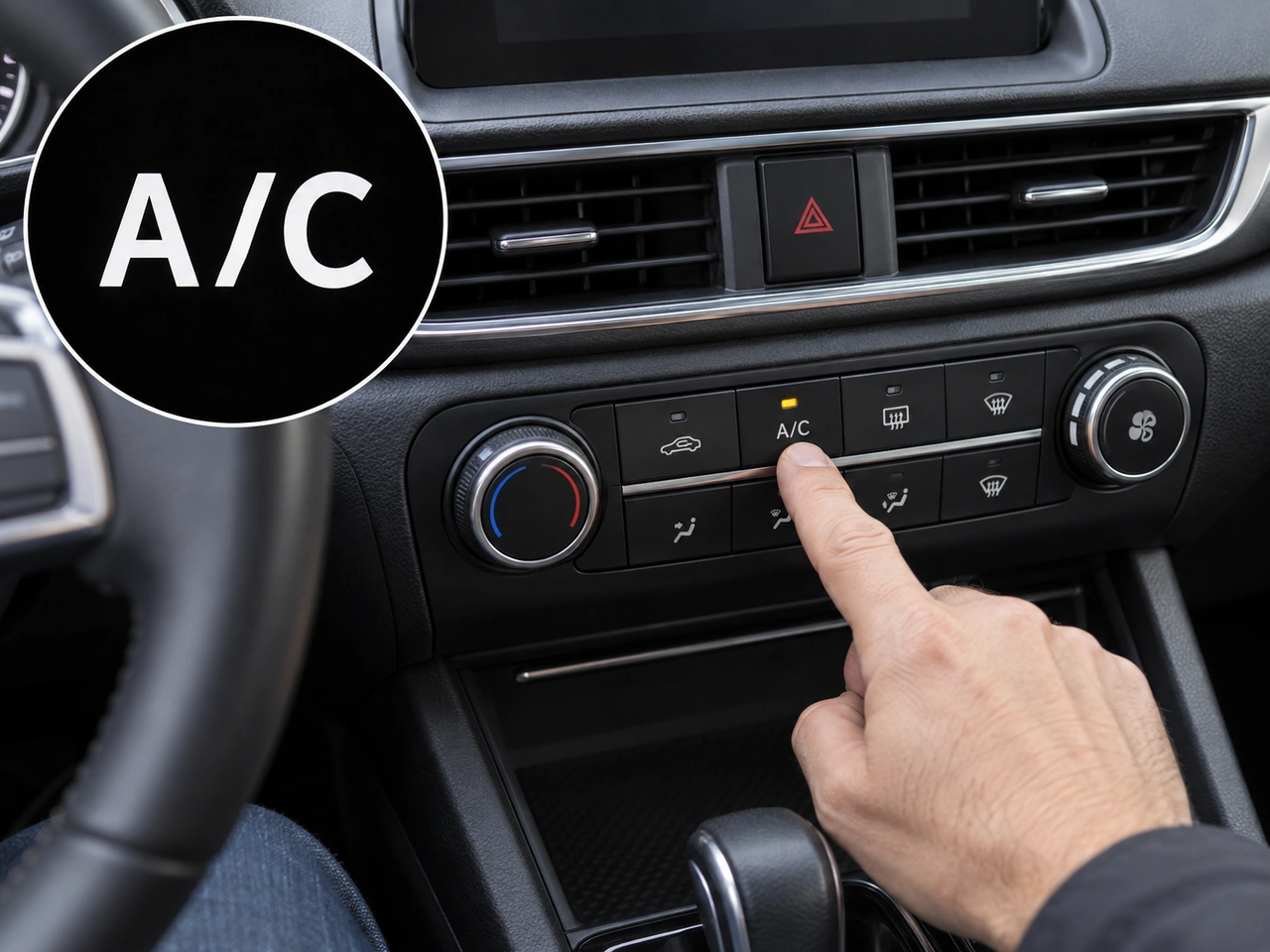
449. What does this vehicle-control symbol indicate?
The A/C symbol controls the vehicle's air-conditioning system. Air conditioning can cool and dehumidify the air inside the vehicle, which can also help clear mist from the windows.
AI-generated by Rijbewijs-online.be • WCIT • CC BY-SA
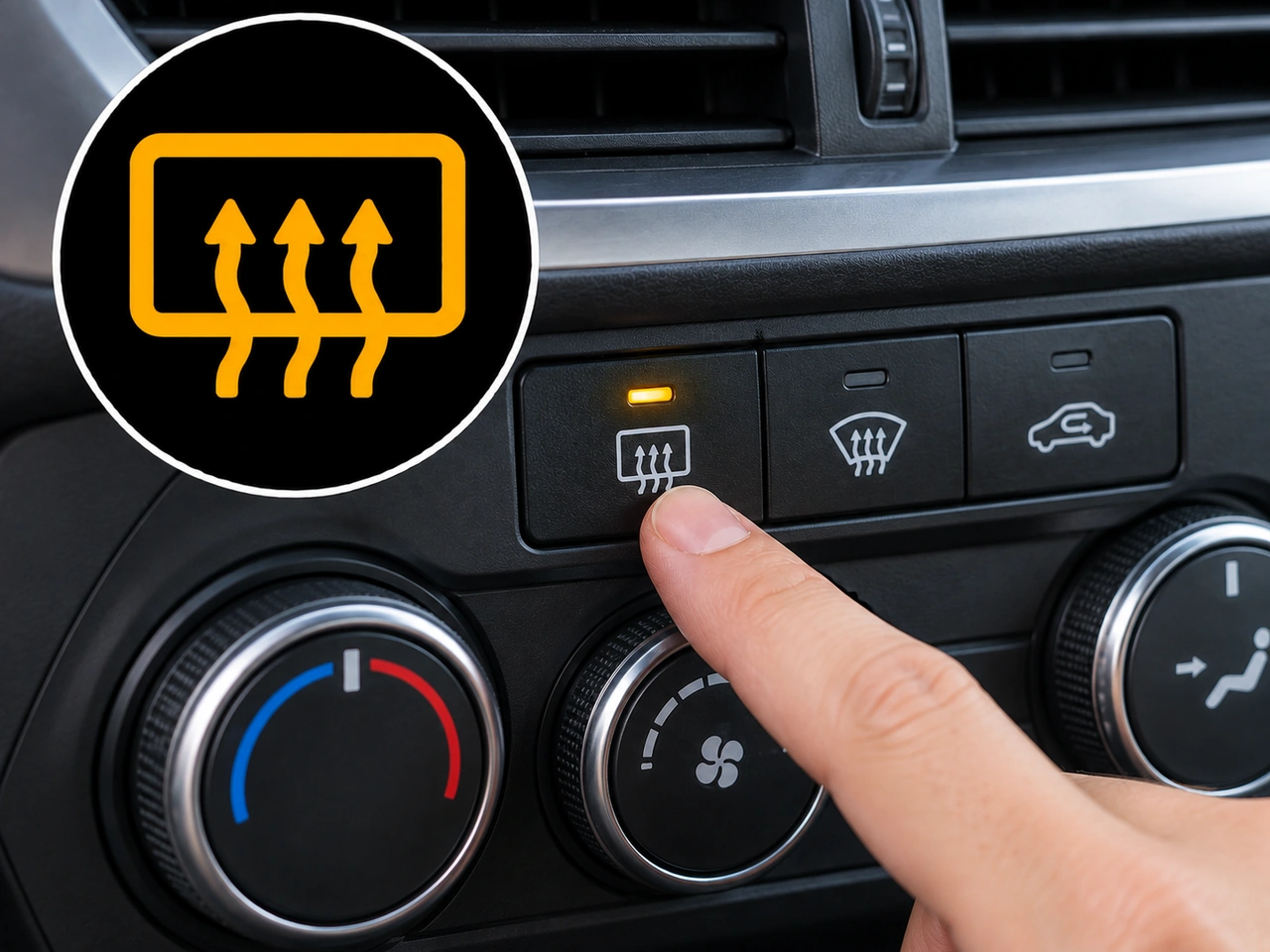
450. What does this dashboard symbol indicate?
This symbol indicates the rear window demister. It heats the rear window to help clear condensation, mist or frost and improve visibility.
AI-generated by Rijbewijs-online.be • WCIT • CC BY-SA