GlorietaDinamarca

Aprende normas de tráfico con explicaciones claras y ejemplos visuales en nuestro libro ilustrado, diseñado para que estudiar sea sencillo y ameno.


10. Glorieta

Una glorieta es una intersección en la que el tráfico circula alrededor de una isla central en una dirección establecida. Las entradas y salidas pueden tener uno o varios carriles y estar controladas por señales, marcas o semáforos.

Las normas de prioridad en las glorietas varían entre países y según la señalización. Los conductores deben colocarse correctamente, ceder el paso cuando sea obligatorio, señalizar según las normas locales y comprobar la presencia de ciclistas y peatones antes de salir.
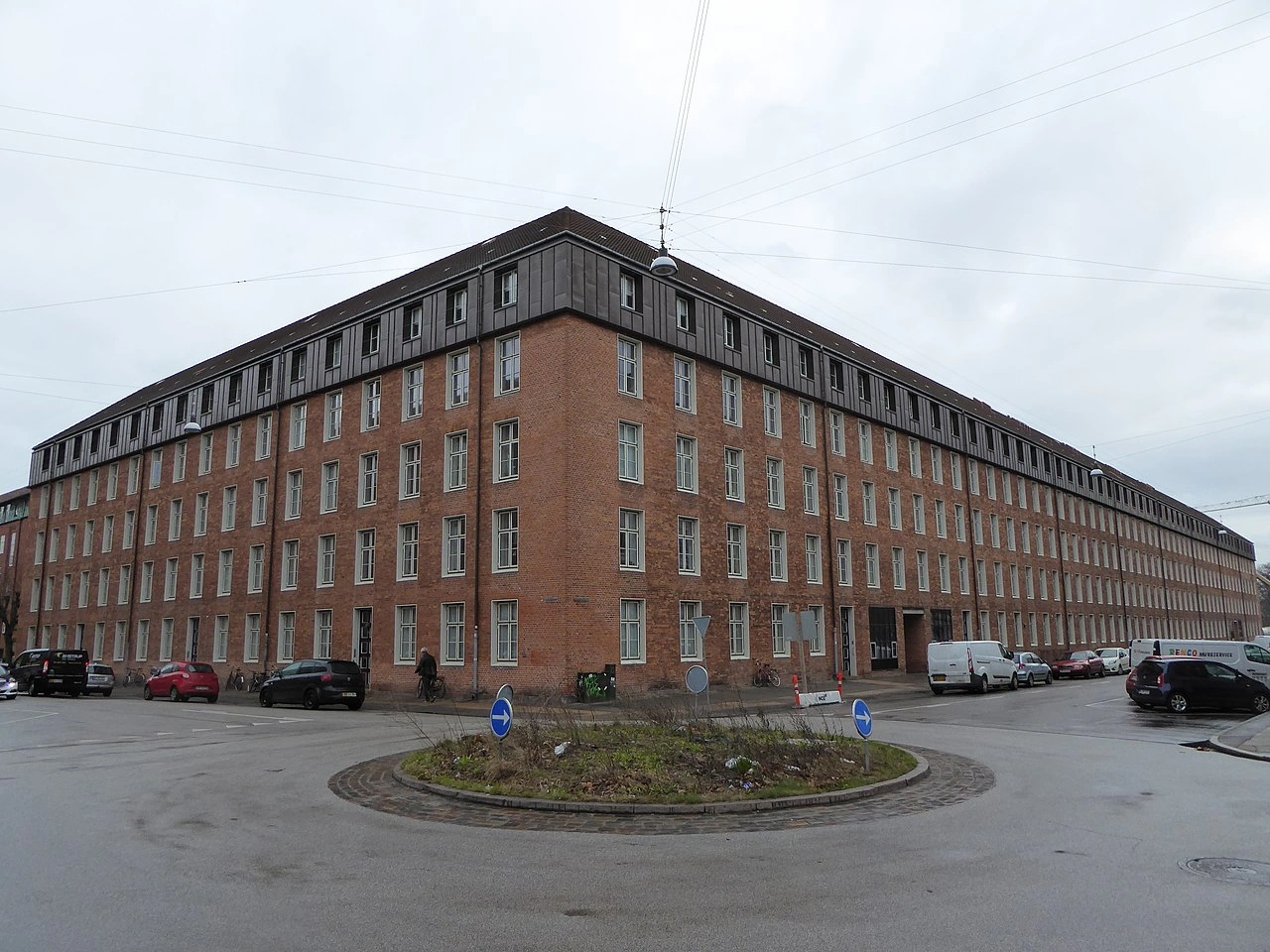
Glorieta
What is a roundabout?

A roundabout is a circular road arrangement where traffic travels in one direction around a central island before leaving through the chosen exit.

How can you recognise a roundabout?

A roundabout is normally identified by a circular-direction sign, a central island and entry roads controlled by signs, markings or local priority rules.

Which direction does traffic travel around a roundabout?

The direction depends on the country’s driving side. Traffic normally travels anticlockwise in right-hand-traffic countries and clockwise in left-hand-traffic countries.

Who has priority at a roundabout?

Priority differs between countries and roundabout designs. Entering traffic commonly gives way to traffic already circulating, but drivers must always follow the actual priority signs and signals.

Must you stop before entering a roundabout?

Not always. Stop when required by a stop sign, traffic light or approaching priority traffic. Otherwise, reduce speed and enter only when there is a safe gap.

Does a roundabout always have a give-way sign?

No. The sign arrangement depends on local law. Some circular intersections use ordinary priority rules or traffic lights instead.

How should you approach a roundabout?

Reduce speed, observe the signs and markings, choose the appropriate lane and check for pedestrians, cyclists and circulating traffic.

Which lane should you choose?

Follow the lane arrows and destination signs. As a general guide, use the lane appropriate for your exit, but exact lane-selection rules differ between countries and roundabout layouts.

May you use an inner lane?

Yes, where the road layout and local rules permit it. Before leaving, change lanes safely and give way to road users already travelling in the lane you wish to enter.

Do you need to signal when entering?

This depends on local law. Some countries require a signal for particular exits, while others require no signal when entering.

Do you need to signal when leaving?

Usually, yes. Signal in the direction of the exit early enough to inform other road users, but not so early that your intention becomes misleading.

Does signalling give you priority?

No. A direction indicator communicates your intention but does not permit you to force another road user to brake or change direction.

May you change lanes on a roundabout?

Only when the lane markings permit it and the manoeuvre can be completed safely. Check mirrors and blind spots, signal where required and give way to traffic already in the target lane.

What should you do if you miss your exit?

Continue around the roundabout and approach the exit again. Do not stop, reverse or cut suddenly across another lane.

May you drive over the central island?

Normally not. Some small roundabouts have a mountable central section intended only for vehicles that cannot otherwise negotiate the road safely.

Do cyclists have priority at a roundabout?

Priority depends on whether cyclists use the carriageway, a continuing bike path or a separate cycle crossing. Drivers and cyclists must follow the signs, markings and local priority rules.

What should drivers check before leaving?

Check mirrors and blind spots for cyclists, mopeds, motorcycles and vehicles beside you. Also check for pedestrians crossing the exit road.

Do pedestrians have priority at roundabout exits?

Pedestrian priority depends on crossings and local law. Drivers should approach exits slowly and be prepared to yield to pedestrians crossing or about to cross.

Does a roundabout have a special speed limit?

Not universally. The posted or general road limit applies, but drivers must travel slowly enough to negotiate the roundabout safely.

May you overtake on a roundabout?

Passing another vehicle may be permitted on a multilane roundabout, but drivers must remain within their lane and avoid unsafe lane changes. Local overtaking restrictions may apply.

May you stop or park on a roundabout?

Follow local signs and parking rules. Stopping or parking on the circulating roadway is commonly prohibited or unsafe because it obstructs traffic and reduces visibility.

Is every circular intersection a roundabout?

No. A circular junction may be governed by traffic lights, ordinary priority rules or another road design. Its legal status depends on its signs and local definition.

1 Dinamarca 2 Autopista 3 Zona urbana 4 Límite de velocidad 5 Senda peatonal 6 Carril bici 7 Zona peatonal 8 Parada de autobús 9 Ceda el paso 10 Glorieta 11 Paso a nivel 12 Cruce de animales 13 Circulación en sentido contrario 14 Barreras selectivas 15 Semáforos 16 Semáforos peatonales 17 Marcas viales 18 Permiso de conducir 19 Espejo de tráfico 20 Frontera internacional 21 Ruta ciclista 22 Estacionamiento 23 Prohibido estacionar 24 Prohibido parar 25 Estacionamiento en línea 26 Parquímetro 27 Disco de estacionamiento 28 Estacionamiento para personas con discapacidad 29 Gestión del tráfico 30 Marcha atrás 31 Salida de emergencia 32 Matrícula 33 Estación de carga 34 Peligros 35 Ciclista 36 Autobús 37 Policía 38 Ambulancia 39 Norma europea de emisiones 40 Bache 41 Camino 42 Partículas 43 Contaminación del aire 44 Hora punta 45 Código de circulación 46 Canaleta de la calle 47 Bicicleta de carga 48 Vehículo forestal 49 Vehículo de construcción 50 Camión articulado 51 Trolebús 52 Speed pedelec 53 Vehículo de reparto 54 Motor al ralentí 55 Grúa 56 Tracción a las cuatro ruedas 57 Prohibido el paso de vehículos 58 Bicicleta 59 Equipamiento de motocicleta 60 Tranvía 61 Vía férrea 62 Caravana 63 Remolque 64 Enganche de remolque 65 Camión de bomberos 66 Sirena 67 Convoy 68 Luces de vehículos de emergencia 69 Maquinaria agrícola 70 Bicicleta eléctrica 71 Vehículo eléctrico 72 Pedelec 73 Cuadriciclo 74 Microcoche 75 Vehículo todoterreno 76 Furgoneta 77 Vehículo recreativo 78 Scooter 79 Trikke 80 Vehículo de movilidad personal 81 Monopatín 82 Segway 83 Patinete 84 Patines 85 Cartero 86 Autoestopista 87 Niño pequeño 88 Niño 89 Discapacidad 90 Vehículo comercial 91 Tren para automóviles 92 Camión de basura 93 Infracción de estacionamiento 94 km/h 95 mph 96 Velocímetro 97 Límite general de velocidad 98 Altura libre del vehículo 99 Camino de tierra 100 Conducción ...