


道路標識カナダ
 交通ルール
交通ルール
 カナダ
カナダ
176. 車両総重量定格
車両総重量定格(GVWR)は、車両が満載状態で運行するよう設計・承認された最大総重量です。車両本体、運転者、乗客、燃料、荷物、その他の搭載物を含みます。
GVWRは固定の最大値であり、ある時点での実際の重量である車両総重量(GVW)とは異なります。実際の積載重量は許容最大値を超えてはいけません。
What does GVWR include?
GVWR represents the permitted maximum total weight of the loaded vehicle, including the vehicle itself, driver, passengers, fuel, luggage, cargo and other equipment carried by the vehicle.
What is the difference between GVWR and GVW?
GVWR is the maximum permitted or rated weight of the vehicle, while GVW is its actual weight at a particular moment. The GVW changes as passengers or cargo are added or removed, while the GVWR remains a fixed limit.
Why is GVWR important?
GVWR determines how heavily a vehicle may be loaded and can affect driving-licence categories, vehicle classification and other legal requirements. Exceeding the permitted maximum can also adversely affect braking, handling, tyres and other vehicle components.

177. 積荷
積荷は、車両またはトレーラーで運ばれる商品、材料、機器、その他の物品です。個人の荷物や自転車から、商業貨物、機械、ばら積み材料まで含まれます。
移動、落下、運転者の視界妨害、車両安定性への悪影響がないよう配置・固定します。総積載量も車両の許容重量と軸重限度内に保ちます。
Why must cargo be secured?
Unsecured cargo can move during acceleration, braking or cornering and can affect vehicle stability or fall onto the road. Proper securing protects the occupants, other road users and the cargo itself.
Can cargo affect vehicle handling?
Yes. Heavy or poorly distributed cargo can change the vehicle's centre of gravity, braking distance, steering and stability. Loads should therefore be distributed appropriately and kept within the vehicle's permitted limits.
Can cargo extend beyond a vehicle?
In some circumstances it can, but national rules normally limit how far a load may project beyond the front, rear or sides of a vehicle and may require projecting loads to be specially marked.
178. 車体
車体(bodywork)は、乗員室や荷室を囲み、車両の形を作る外部構造です。屋根、ドア、ボンネット、トランクリッド、フェンダー、外板、現代車では荷重を負担する構造部などを含みます。
乗員保護に役立ち、ドア、窓、灯火、バンパーなどを支えます。損傷、腐食、不適切に修理された構造部は安全性を低下させるため適切に修理します。

What is the car body?
The car body is the structure and exterior bodywork surrounding the vehicle's occupants and cargo areas. It includes visible panels as well as structural sections that can contribute to the strength of the vehicle.
Is the car body the same as the chassis?
Not always. In some vehicles the body is mounted on a separate chassis or frame. Most modern passenger cars use a self-supporting body in which much of the body structure also performs the structural function traditionally provided by a separate chassis.
Why is the condition of the car body important?
The body helps protect occupants and supports many vehicle components. Serious corrosion, deformation, loose panels or structural damage can reduce crash protection or create hazards for other road users.
179. トランク
トランク(boot / luggage compartment)は、荷物、工具、買い物品などを運ぶための車内収納スペースです。通常は車両後部にありますが、前部に収納部を持つ車両もあります。
制動、加速、旋回時に危険に移動しないよう荷物を確実に配置します。重い物は慎重に置き、車両の許容積載量と軸重限度を超えないようにします。

What is a car trunk used for?
A trunk is primarily used for carrying luggage and other cargo separately from the passenger compartment. Its size and location depend on the vehicle's design.
Should items in the trunk be secured?
Yes. Heavy or loose objects can move during sudden braking, acceleration or cornering. Cargo should therefore be positioned and secured so that it cannot affect vehicle stability or cause injury.
Can you overload a car trunk?
No. The combined weight of the vehicle, occupants and cargo must remain within the vehicle's permitted total and axle-load limits. Excessive loading can adversely affect braking, steering and stability.
180. ルーフラック
ルーフラックは、車両屋根へ取り付ける荷物運搬装置です。車内へ収めにくい荷物、自転車、スキー、サーフボード、ルーフボックスなどを運べます。
ラックと積荷を確実に固定し、メーカー指定の屋根最大荷重内に保ちます。屋根上荷物は重心を高くし、操縦性、安定性、燃費、車両全高へ影響します。
What can be carried on a roof rack?
A suitable roof rack can carry items such as luggage boxes, bicycles, skis and other equipment, provided the rack and attachments are designed for the load and the vehicle's permitted roof-load limit is respected.
Does a roof rack affect vehicle handling?
Yes. Weight carried high on the vehicle raises its centre of gravity and can affect stability, particularly during cornering or sudden manoeuvres. Drivers should secure the load carefully and adapt their driving accordingly.
How do you know the maximum roof load?
Check the vehicle manufacturer's specifications and the limits of the roof rack itself. The permitted load can vary significantly between vehicles, and the lowest applicable limit should not be exceeded.
181. フロントガラス
フロントガラス(windscreen / windshield)は、運転者が前方道路を見るための透明な車両前面窓です。また乗員を風、雨、飛来物などから保護します。
十分に透明で歪みの少ない視界を提供する必要があります。ひび、欠け、汚れ、ステッカーなどは視界を低下させ、特にワイパー作動範囲内では問題となります。
What is the purpose of a windscreen?
The windscreen allows the driver to see the road ahead while protecting vehicle occupants from wind, rain, insects, stones and other debris.
Can a cracked windscreen be dangerous?
Yes. Cracks, chips or deformation can interfere with the driver's view and may weaken the windscreen. Damage in the driver's main field of vision is particularly important and should be repaired or assessed promptly.
Why must windscreen wipers keep the glass clear?
Windscreen wipers remove rain, snow and dirt from the driver's viewing area. A clear windscreen is essential for maintaining adequate forward visibility in poor weather.
182. 非常用ハンマー
非常用ハンマーは、緊急時に通常のドアや出口が使えない場合、特定の車両窓を割るための安全器具です。バスやコーチなど旅客車両で非常口指定窓の近くに設置されることがあります。
通常出口から避難できない、または危険な場合だけ使用します。容易に手が届く状態を保ち、非常窓用として備えられている場合は車内表示の指示に従います。

What is an emergency hammer used for?
An emergency hammer is used to break a suitable vehicle window so occupants can escape when normal doors or emergency exits cannot be opened.
Where are emergency hammers normally located?
In vehicles equipped with them, emergency hammers are normally mounted in an easily accessible position close to an emergency window or other designated escape point.
Can an emergency hammer break every vehicle window?
No. Vehicle windows can use different types of glazing, and not every window is designed to be broken as an emergency exit. Occupants should use designated emergency windows and follow the instructions provided in the vehicle.
183. 自動車用バッテリー
自動車用バッテリーは、車両の電気系統へ電力を供給する蓄電装置です。一般的なガソリン・ディーゼル車では、12V始動用バッテリーがエンジン始動に必要な大電流を供給し、エンジンや充電系統から十分な電力が得られないときに電装品へ給電します。
経年と使用で充電能力・容量は徐々に低下します。弱ったバッテリーは始動不良、電装トラブル、警告表示を引き起こすことがあり、交換時は車両に適した仕様を選びます。
What does a car battery do?
A car battery stores electrical energy, supplies the power required to start the engine and supports the vehicle's electrical and electronic systems when necessary.
What are signs of a weak car battery?
Possible signs include slow engine cranking, difficulty starting, dim or unstable electrical equipment and battery or charging-system warnings. Similar symptoms can also have other causes, so the charging system may need to be checked.
Can any replacement battery be fitted to a car?
No. The battery must have specifications and technology suitable for the vehicle. Cars equipped with start-stop systems, for example, may require AGM or EFB battery technology designed for repeated starting and charging cycles.
184. 駆動用バッテリー
駆動用バッテリーは、電気・ハイブリッド車を走行させる電気エネルギーを蓄える充電式バッテリーです。1基以上の駆動モーターへ電力を供給し、通常の12V始動用バッテリーよりはるかに大型・高出力です。
容量は通常キロワット時(kWh)で示され、電気自動車の航続距離へ大きく影響します。性能と使用可能容量は経年、充放電回数、温度、使用状況などで徐々に低下します。

What does a traction battery do?
A traction battery stores electrical energy and supplies it to the electric motor or motors that propel the vehicle. In hybrid vehicles it works together with another power source, while in battery-electric vehicles it provides the main source of propulsion energy.
What is the difference between a traction battery and a 12-volt car battery?
The traction battery provides the large amount of electrical energy needed to propel the vehicle. The conventional 12-volt battery mainly supplies low-voltage systems and supports functions such as vehicle electronics, control systems and starting procedures.
What does traction-battery capacity mean?
Battery capacity indicates how much electrical energy the battery can store and is commonly expressed in kilowatt-hours (kWh). A larger usable capacity generally allows more electrical energy to be available for driving.
185. サスペンション
サスペンションは、車輪・車軸と車体・シャシーをつなぐシステムです。スプリング、ショックアブソーバー、アーム、ジョイント、リンクなどで構成され、車輪を上下に動かしながら安定性と快適性を保ちます。
タイヤの路面接触を維持し、凹凸を吸収し、操舵、制動、安定性へ寄与します。摩耗・損傷した部品は操縦性を低下させ、偏摩耗を増やすことがあります。
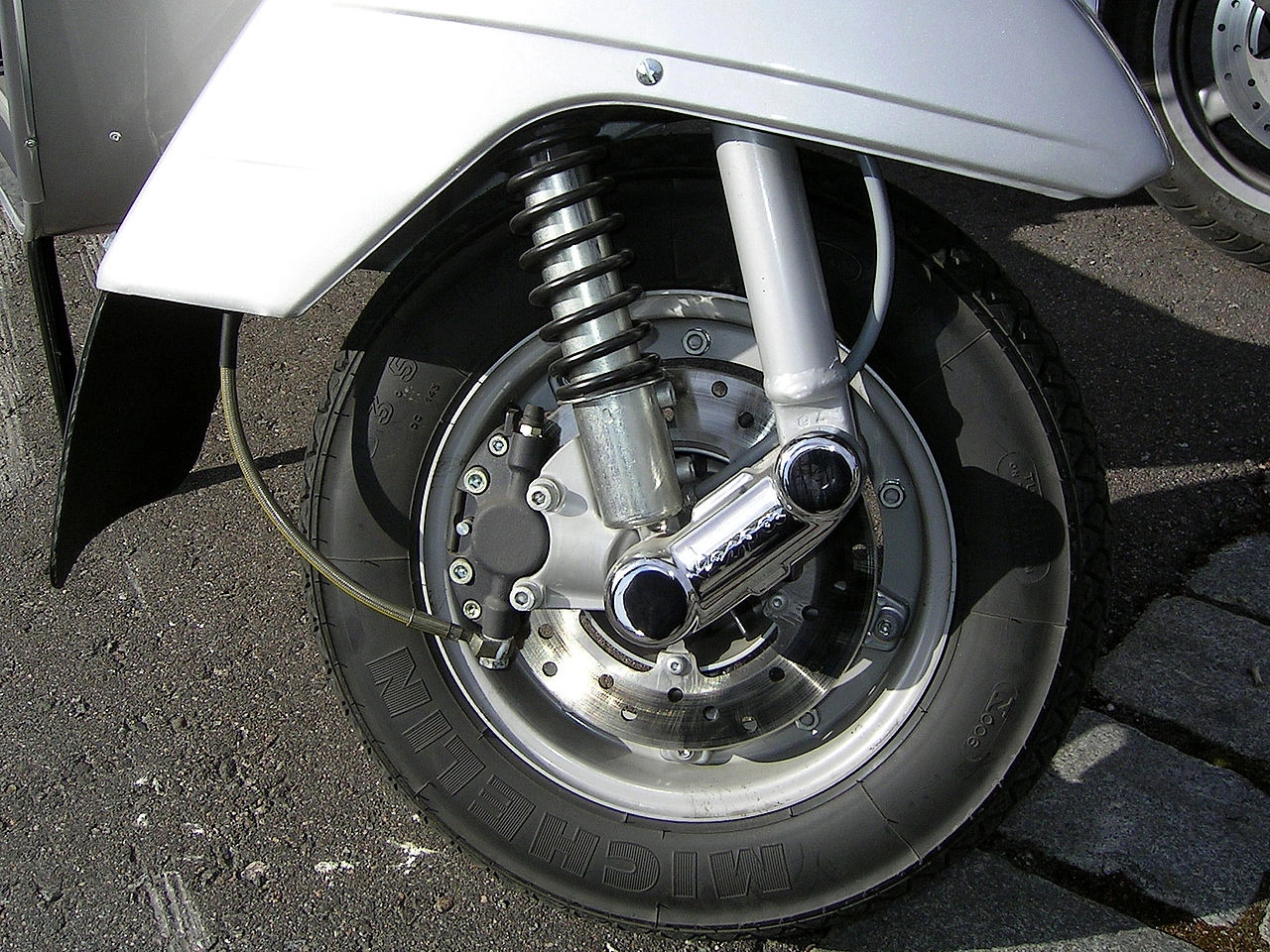
What does a vehicle suspension system do?
The suspension supports the vehicle, allows the wheels to move over uneven surfaces and helps keep the tyres in contact with the road while controlling body movement.
What components are part of the suspension?
Common suspension components include springs, shock absorbers or dampers, control arms, bushings, ball joints and other links connecting the wheels to the vehicle structure.
What are signs of worn suspension?
Possible signs include excessive bouncing, unusual noises, poor stability, uneven tyre wear, excessive body movement in bends or a vehicle that sits unevenly. These symptoms should be inspected because they can also have other causes.
186. ショックアブソーバー
ショックアブソーバーは、サスペンションのスプリングと車輪の動きを制御する部品です。凹凸通過後の過度な揺れを抑え、タイヤを安定して路面へ接触させます。
摩耗・損傷すると安定性が低下し、車体の揺れが増え、操舵・制動へ悪影響を与えます。過度に跳ねる、操縦性が悪い、液漏れがある場合は点検します。

What does a shock absorber do?
A shock absorber controls suspension movement by damping the repeated movement of the springs. This helps stabilise the vehicle and maintain tyre contact with the road.
What are signs of worn shock absorbers?
Possible signs include excessive bouncing, increased body movement, poor stability, unusual suspension noises, uneven tyre wear or visible fluid leakage from the shock absorber.
Are shock absorbers the same as springs?
No. Springs support the vehicle and allow the suspension to move over bumps, while shock absorbers control and damp that movement. The two components work together as part of the suspension system.
187. スプリング
スプリングは、車両重量を支え、凹凸のある路面で車輪が上下に動けるようにするサスペンション部品です。コイルスプリング、リーフスプリング、トーションバー、エアスプリングなどがあります。
サスペンションが動く際にエネルギーを吸収・蓄積し、ショックアブソーバーがその動きを制御します。損傷・破損すると車高、操縦性、安定性が変わるため早急に修理します。

What does a suspension spring do?
A suspension spring supports the vehicle and allows the wheels to move over uneven surfaces while helping maintain the vehicle's normal ride height.
What types of suspension springs are used in vehicles?
Common designs include coil springs, leaf springs, torsion bars and air springs. The type used depends on the vehicle and suspension design.
What are signs of a damaged suspension spring?
Possible signs include an uneven ride height, unusual suspension noises, poor handling or a visibly cracked or broken spring. A suspected spring defect should be inspected promptly.
188. 排気系統
排気系統は、内燃機関から燃焼ガスを運び、車両後方または下方へ安全に排出します。排気管、サイレンサー、触媒コンバーター、粒子フィルターなどの排出ガス制御部品を含みます。
損傷や漏れがあると騒音が増え、有害ガスが意図しない場所へ漏れ、排出ガス制御へ悪影響を与えることがあります。部品は確実に固定し、良好な状態に保ちます。

What does a vehicle exhaust system do?
The exhaust system carries combustion gases away from the engine and directs them out of the vehicle. It can also reduce exhaust noise and use emissions-control equipment to reduce pollutants.
What are signs of an exhaust problem?
Possible signs include unusually loud exhaust noise, rattling, visible damage, unusual exhaust smells, warning lights or emissions problems. A suspected leak should be inspected promptly.
What is included in an exhaust system?
Depending on the vehicle, the system can include an exhaust manifold, pipes, silencers, catalytic converters, particulate filters, sensors and other emissions-control components.
189. 排気ガス
排気ガスは、内燃機関で生成され、車両の排気系統から排出される気体と粒子の混合物です。二酸化炭素、水蒸気などの燃焼生成物に加え、一酸化炭素、窒素酸化物、炭化水素、粒子状物質などの汚染物質を含む場合があります。
現代車は触媒コンバーターや粒子フィルターなどで有害排出物を減らします。量と組成は燃料、エンジン設計、運転状態、排出ガス制御システムの状態などで変わります。

What is contained in vehicle exhaust gas?
Exhaust gas contains products of fuel combustion and can include carbon dioxide, water vapour, carbon monoxide, nitrogen oxides, unburned hydrocarbons and particulate matter. The quantities depend on the engine, fuel and emissions-control system.
Why can exhaust gas be harmful?
Some exhaust components, including carbon monoxide, nitrogen oxides and fine particles, can harm human health or contribute to air pollution. Exhaust should therefore never be allowed to accumulate in an enclosed space.
How are harmful exhaust emissions reduced?
Vehicles can use technologies such as catalytic converters, particulate filters and electronic engine-management systems to reduce pollutants. Emission standards also limit the amount of certain pollutants that vehicles may produce.
190. すす
すすは、不完全燃焼によって生じる炭素を多く含む黒色の粒子状物質です。道路車両では主にディーゼルエンジンの排気に関連し、大気汚染へ寄与する非常に小さな粒子で構成されます。
現代のディーゼル車は粒子フィルターで排出前に多くを捕集します。過度なすす排出は、燃焼、エンジン、排出ガス制御システムの問題を示す場合があります。

What causes soot in vehicle exhaust?
Soot is produced when fuel does not burn completely. Diesel engines can produce particularly significant amounts of particulate matter, especially when combustion or emissions-control systems are not functioning correctly.
What does a diesel particulate filter do with soot?
A diesel particulate filter traps a large proportion of the soot particles in the exhaust. The filter periodically removes accumulated material through a process known as regeneration.
Can excessive soot indicate a vehicle problem?
Yes. Unusually high soot emissions can result from engine faults, poor combustion, a defective particulate filter or other problems with the emissions-control system.
191. 触媒コンバーター
触媒コンバーターは、車両の排気系統に装備される排出ガス制御装置です。化学反応によって有害な排気汚染物質を、より有害性の低い物質へ変換してから大気へ放出します。
エンジンとシステムにより、一酸化炭素、未燃焼炭化水素、窒素酸化物などを低減します。効果的に作動するには適切な温度が必要で、汚染、過熱、エンジン故障で損傷することがあります。

What does a catalytic converter do?
A catalytic converter reduces harmful pollutants in engine exhaust by converting them through chemical reactions into less harmful substances before they leave the exhaust system.
Where is the catalytic converter located?
It is installed in the exhaust system between the engine and the exhaust outlet. Its exact position varies between vehicles and may be relatively close to the engine so that it reaches its operating temperature quickly.
What are signs of a faulty catalytic converter?
Possible signs include an emissions or engine warning light, excessive exhaust emissions, reduced engine performance, unusual exhaust smells or failure of an emissions test. These symptoms can also have other causes and should be diagnosed properly.
192. エンジン
エンジンは、自動車を推進するために必要な動力を生み出す機械です。一般的な車両では内燃機関がガソリンやディーゼルを燃焼し、電気自動車では内燃機関の代わりに1基以上の電動モーターを使用します。
多くの部品が連携してエネルギーを機械的動力へ変換します。確実な作動と車両安全のため、適切な潤滑、冷却、整備、排出ガス制御が重要です。
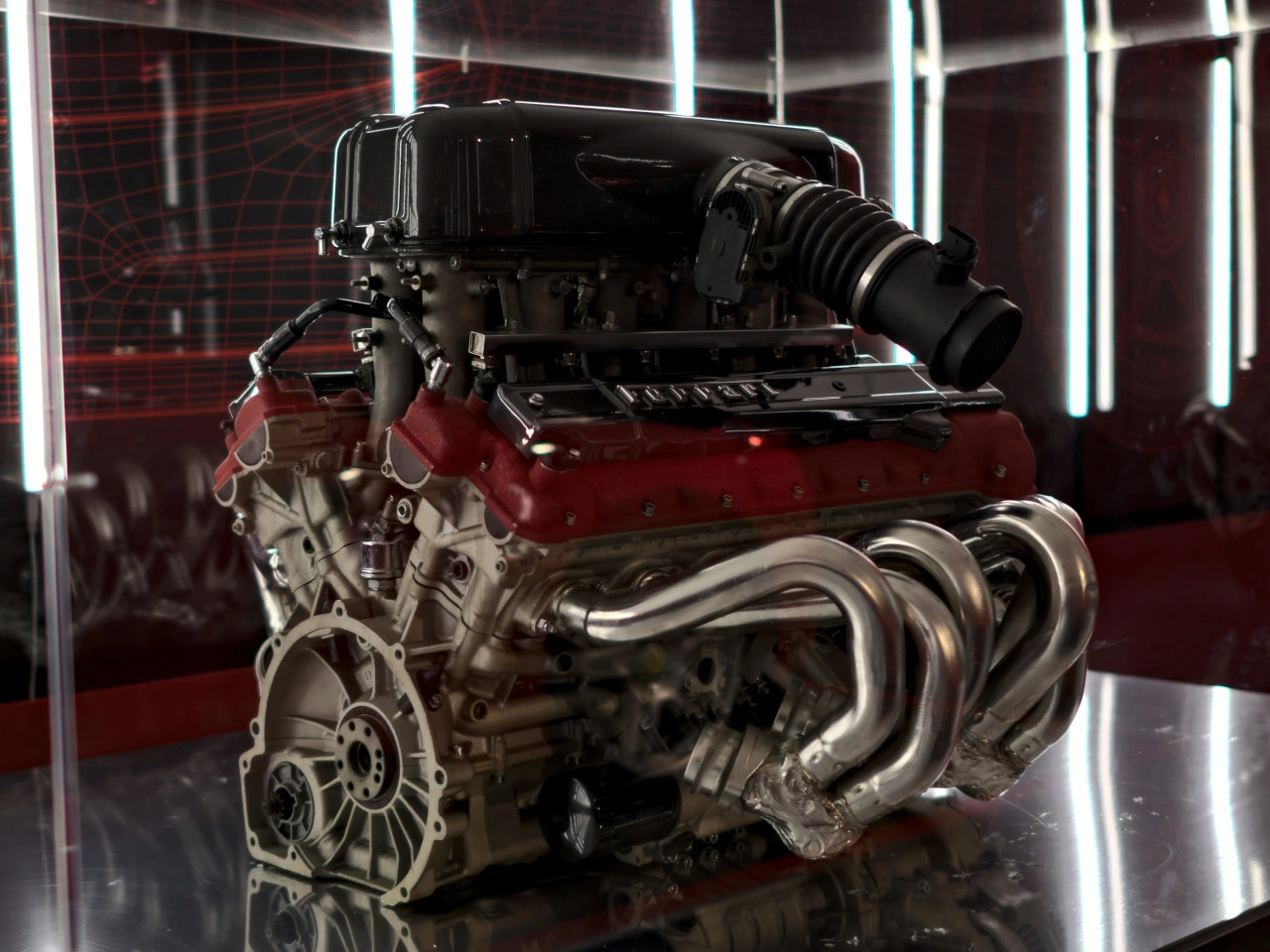
What does a vehicle engine do?
An engine converts energy into mechanical power that can be used to drive the vehicle's wheels. Internal-combustion engines obtain this energy by burning fuel, while electric vehicles use electrical energy in traction motors.
What are common signs of an engine problem?
Possible signs include unusual noises, loss of power, excessive smoke, overheating, fluid leaks, difficult starting or an engine warning light. These symptoms can have many different causes and should be investigated when necessary.
Why is regular engine maintenance important?
Maintenance helps keep lubrication, cooling, fuel, ignition and emissions systems working correctly. Following the manufacturer's service requirements can improve reliability and help prevent serious mechanical damage.
193. ガソリンエンジン
ガソリンエンジンは、通常、空気とガソリンの混合気をスパークプラグで点火する内燃機関です。そのため火花点火式エンジンとも呼ばれます。
燃焼で放出されたエネルギーを車両を動かす機械的動力へ変換します。現代のガソリンエンジンは電子制御と触媒コンバーターなどの排出ガス制御装置を用いて効率向上と有害排出物の削減を図ります。

How does a petrol engine work?
A petrol engine draws or injects fuel and air into the engine, compresses the mixture and ignites it using a spark plug. The resulting combustion produces pressure that moves the pistons and generates mechanical power.
What is the difference between a petrol and diesel engine?
A petrol engine normally uses spark ignition, while a diesel engine uses compression ignition. The two engine types also differ in fuel, combustion characteristics and emissions-control systems.
What emissions can a petrol engine produce?
Petrol-engine exhaust can contain pollutants such as carbon monoxide, hydrocarbons, nitrogen oxides and, particularly with some direct-injection engines, particulate matter. Modern emissions-control systems are designed to reduce these pollutants.
194. ディーゼルエンジン
ディーゼルエンジンは、通常、スパークプラグを使わず、高圧縮した空気の熱で燃料を着火する内燃機関です。そのため圧縮着火式エンジンとも呼ばれます。
低回転域で強いトルクと効率的な燃料利用を得やすく、乗用車、トラック、バス、機械などに使われます。現代のディーゼルエンジンは粒子フィルターや選択触媒還元などで有害排出物を減らします。

How does a diesel engine work?
A diesel engine compresses air inside the cylinder until it becomes very hot. Diesel fuel is then injected into the compressed air and ignites because of the high temperature.
What is the difference between a diesel and petrol engine?
A diesel engine normally uses compression ignition, while a petrol engine normally uses spark plugs to ignite an air-fuel mixture. The two engine types also differ in fuel, combustion characteristics and emissions-control systems.
What emissions can a diesel engine produce?
Diesel engines can produce pollutants including nitrogen oxides and particulate matter or soot. Modern vehicles use systems such as diesel particulate filters and other emissions-control technologies to reduce these pollutants.
195. 電動モーター
電動モーターは、電気エネルギーを機械的動力へ変換する機械です。電気・ハイブリッド車では1基以上の電動モーターが車輪を駆動するトルクを生み出します。
非常に低い回転数からトルクを出すことができ、ガソリン・ディーゼルエンジンのような燃焼を行いません。回生ブレーキ時には発電機として動作し、車両の運動エネルギーの一部を電気へ戻すこともあります。

What does an electric motor do in a vehicle?
An electric motor converts electrical energy into mechanical power that can propel the vehicle. Depending on the drivetrain, one or more motors may drive the wheels.
Do hybrid vehicles have electric motors?
Yes. Hybrid electric vehicles combine at least one electric propulsion motor with another propulsion-energy source, normally an internal-combustion engine.
Can an electric motor generate electricity?
Yes. In vehicles equipped with regenerative braking, the traction motor can operate as a generator while the vehicle slows down, converting part of its kinetic energy into electrical energy that can be stored in the traction battery.
196. タイミングベルト
タイミングベルトは、内燃機関でクランクシャフトとカムシャフトの回転を同期させ、ピストンの動きに合わせてバルブが正しいタイミングで開閉するようにする歯付きベルトです。
摩耗部品であり、車両メーカーの整備スケジュールに従って交換します。過度に摩耗したり切れたりするとエンジンが突然停止し、多くのエンジン設計では重大な内部損傷が起こる可能性があります。

What does a timing belt do?
The timing belt synchronises the crankshaft and camshaft so that the pistons and valves move in the correct sequence while the engine is operating.
When should a timing belt be replaced?
The replacement interval depends on the vehicle and engine. Drivers should follow the manufacturer's specified mileage and age interval rather than waiting for obvious symptoms of wear.
What happens if a timing belt breaks?
The engine will stop operating and, depending on the engine design, the pistons and valves can collide and cause severe internal engine damage.
197. グロープラグ
グロープラグは、ディーゼルエンジンの低温始動を助ける電熱部品です。燃焼室を加熱し、圧縮空気を確実な燃焼に適した状態へします。
現代のグロープラグは始動後もしばらく作動し、燃焼を改善し、冷間時排出ガスを減らし、暖機中の滑らかな作動を助ける場合があります。

What does a glow plug do?
A glow plug heats the combustion chamber of a diesel engine before and during cold starting so that the injected diesel fuel can ignite more reliably.
Do diesel engines use glow plugs instead of spark plugs?
Diesel engines normally ignite fuel through compression rather than an electrical spark. Glow plugs therefore assist cold combustion but do not continuously ignite the fuel in the same way that spark plugs do in a petrol engine.
What are signs of faulty glow plugs?
Possible signs include difficult cold starting, rough running shortly after startup, increased cold-start smoke or a glow plug or engine warning light. Similar symptoms can have other causes, so proper diagnosis may be necessary.
198. シリンダー
シリンダーは、往復動内燃機関でピストンが上下する筒状の燃焼室です。内部で空気または混合気が圧縮され、燃焼圧力がピストンを押して機械的動力を生みます。
多くの自動車エンジンは複数のシリンダーを直列、V型、水平対向などに配置します。すべてのシリンダーの行程容積の合計がエンジン排気量です。

What happens inside an engine cylinder?
A piston moves inside the cylinder while the engine draws in air or an air-fuel mixture, compresses it and uses combustion to create pressure. This pressure acts on the piston and contributes to turning the crankshaft.
How many cylinders does a car engine have?
The number varies by engine design. Common passenger-car engines can have three, four, six or more cylinders, while some engines use different configurations according to their size and performance requirements.
What is cylinder capacity?
Cylinder capacity or engine displacement is the total swept volume of the engine's cylinders. It is commonly expressed in cubic centimetres (cm³) or litres.
199. エンジンオイル
エンジンオイルは、内燃機関内部で可動部品間の摩擦と摩耗を減らす潤滑油です。また熱を逃がし、内部を清浄に保ち、腐食から部品を保護します。
油量と状態はメーカーの指示に従って確認します。正しい規格と粘度のオイルだけを使用し、推奨整備間隔でオイルとオイルフィルターを交換します。
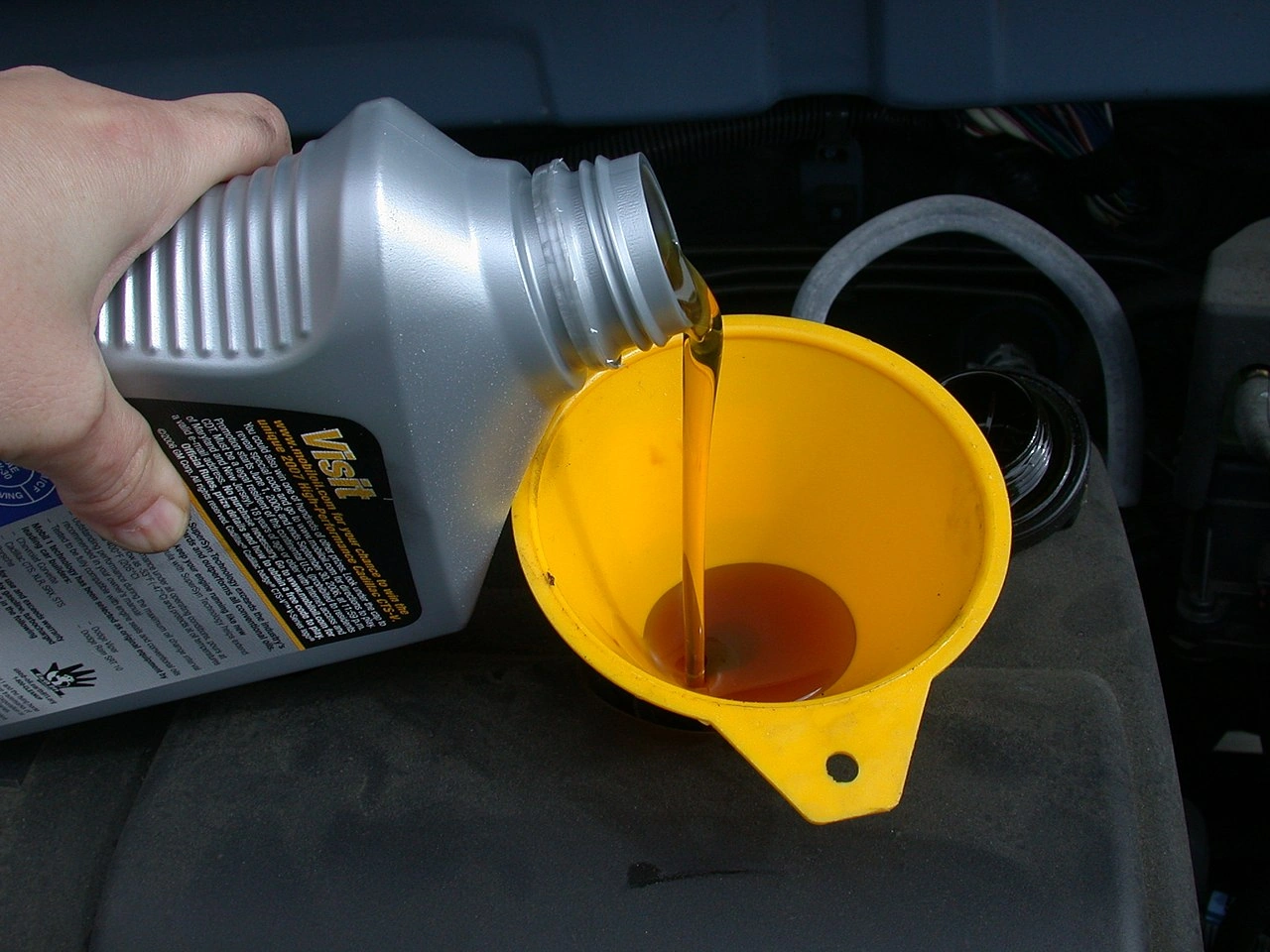
What does engine oil do?
Engine oil lubricates moving components, reduces friction and wear, helps carry away heat and keeps contaminants suspended so that they can be removed by the oil filter or during an oil change.
How do you check the engine oil level?
Depending on the vehicle, the level is checked with an oil dipstick or an electronic oil-level system. The vehicle manufacturer's instructions should be followed because the required procedure can vary between engines.
Can you use any engine oil?
No. Engine oils have different viscosity grades and technical specifications. Only oil meeting the requirements specified by the vehicle manufacturer should be used.
200. 冷却液
冷却液は、車両の冷却系統を循環してエンジンなどから余分な熱を取り除く液体です。通常、水に不凍液と防錆剤を混ぜ、広い温度範囲で冷却系統が安全に作動できるようにします。
液量はメーカーの指示に従って確認し、指定された規格を使用します。高温の冷却液は加圧されていることがあるため、安全な状態でのみ冷却系統を開けます。
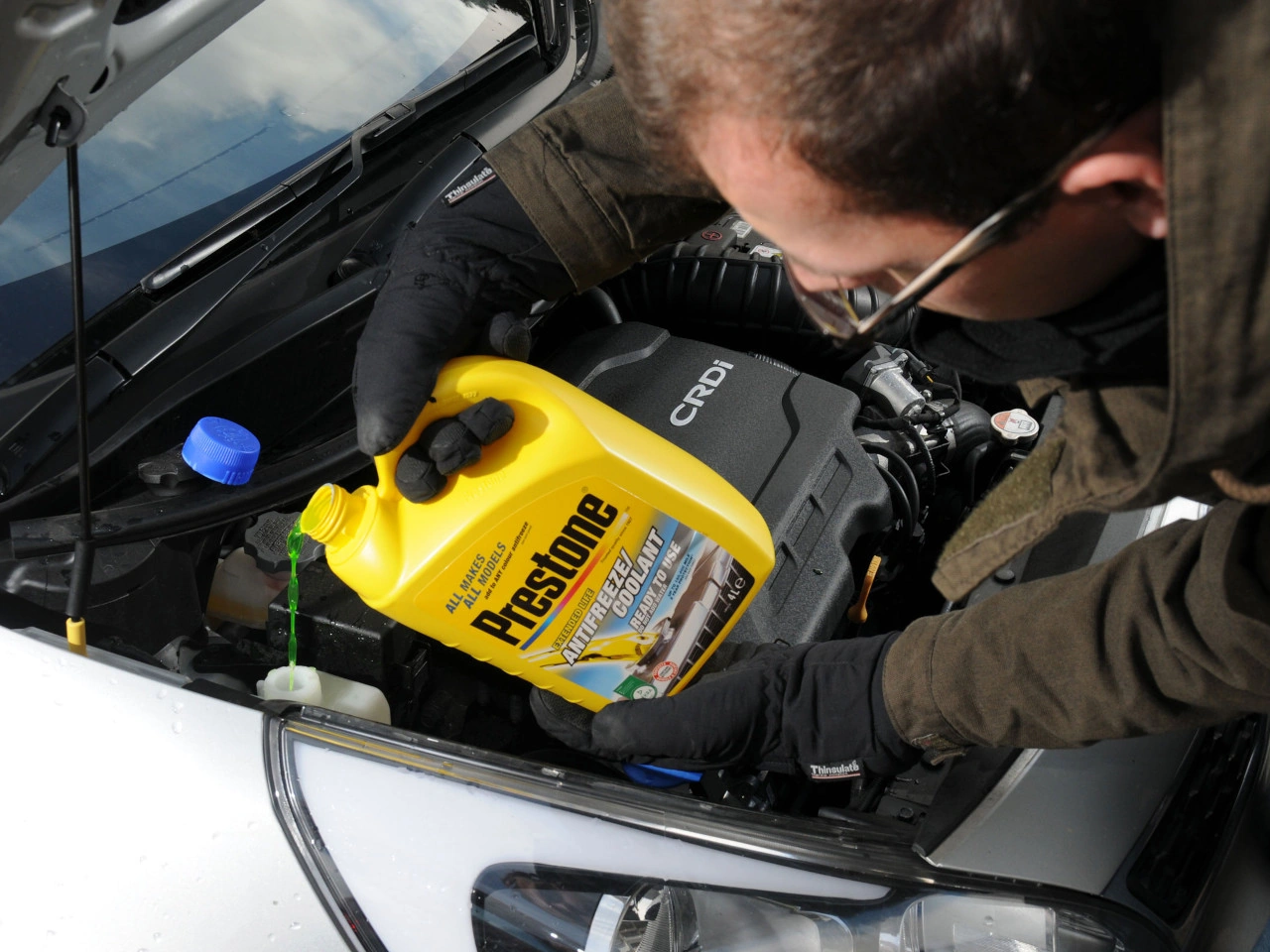
What does engine coolant do?
Coolant absorbs heat from the engine and carries it to the radiator, where the heat can be released. It also helps protect the cooling system against freezing, corrosion and excessive temperatures.
Can you use any type of coolant?
No. Vehicles can require different coolant specifications and mixtures. Drivers should use coolant that meets the vehicle manufacturer's requirements and avoid mixing incompatible coolant types.
Should you open the coolant reservoir when the engine is hot?
No. A hot cooling system can be pressurised and opening it can release hot coolant or steam. Allow the system to cool and follow the vehicle manufacturer's instructions before opening the reservoir.