


Pedestrian underpassSpain
 Traffic rules
 Spain
36. Pedestrian underpass
A pedestrian underpass is a passage that allows pedestrians to travel beneath a road, railway or other obstacle without crossing the traffic route at the same level. It is a form of grade-separated pedestrian crossing.
Pedestrian underpasses may be reached by stairs, ramps or lifts and can form part of a wider footpath or pedestrian network. Cyclists and other users may use the underpass only when the design, signs and local regulations permit them to do so.
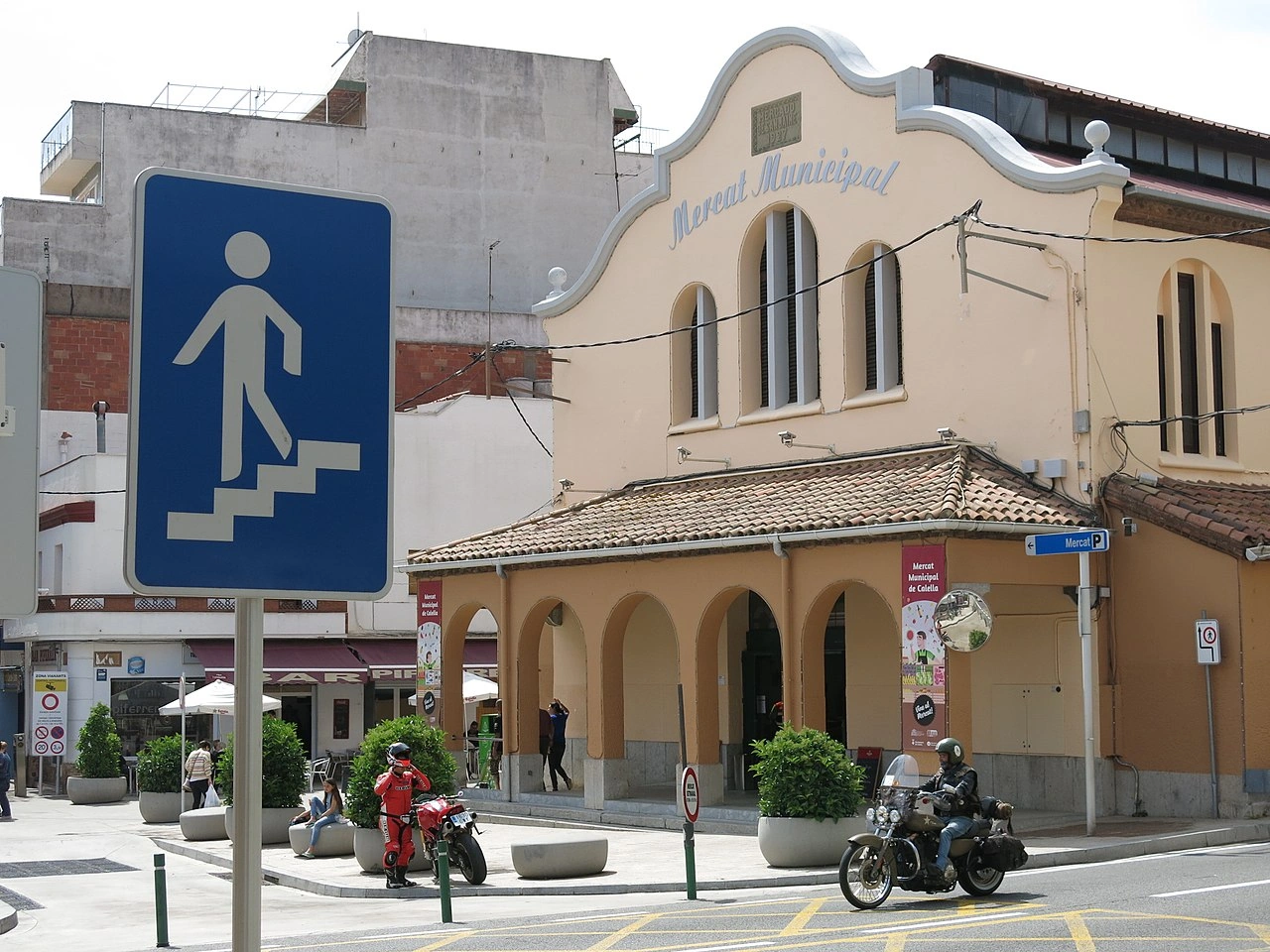
Wikimedia.org • Enric • CC BY-SA
What is a pedestrian underpass?
A pedestrian underpass is a passage that allows pedestrians to cross beneath a road, railway or other obstacle without entering the traffic route above.
Why are pedestrian underpasses used?
They separate pedestrians from motor vehicles, trains or other traffic, reducing direct conflicts at busy or high-speed crossings.
Does an underpass give pedestrians priority over traffic above?
The underpass physically separates the movements, so pedestrians do not directly cross the traffic route above. Priority rules still apply wherever the pedestrian route later crosses another roadway or cycle facility.


