


IndonesiaIndonesia
 Traffic rules
 Indonesia
1. Indonesia
Indonesia is a vast archipelagic country in Southeast Asia, stretching across thousands of islands between the Indian and Pacific Oceans. Traffic drives on the left. Driving conditions differ greatly between densely populated Java, tourist areas such as Bali, major roads on Sumatra and Sulawesi, and more remote island regions; inter-island journeys may also involve ferries. Bahasa Indonesia is the principal language used for written road information. Tropical weather is another important factor, with heavy rain capable of quickly reducing visibility and producing standing water or flooding on roads.
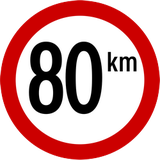
Indonesia has a growing network of tolled expressways, especially on Java and Sumatra, but there is no nationwide vignette. Toll-road payments are cashless, normally using electronic money, and the national maximum on free-flow toll roads is generally 100 km/h with a 60 km/h minimum, although posted limits can be lower. Motorcycles dominate traffic in many parts of the country but are generally prohibited from toll roads; the Bali Mandara Toll Road is a notable exception because it provides a separate motorcycle lane. On ordinary roads, national maximum limits are generally 80 km/h interurban, 50 km/h urban and 30 km/h in residential areas.
AI-generated by Rijbewijs-online.be • WCIT • CC BY-SA
What is the alcohol limit for driving in Indonesia?
Indonesia’s Road Traffic and Transport Act requires a driver to drive with full concentration. Its explanation expressly includes alcohol or drugs that affect driving ability among the conditions that interfere with this duty. Do not drink alcohol before driving.
🔗 peraturan.bpk.go.id • Indonesia, Act 22/2009, Articles 106–107 and explanatory note 106(1)
What speed limits apply to passenger cars in Indonesia?
Built-up areas: The national maximum for an urban area is generally 50 km/h. A lower speed limit may be established and signed for an individual road.
Outside built-up areas: The national maximum on an interurban road is generally 80 km/h, unless a lower limit is established.
Residential areas: The national maximum in a residential area is generally 30 km/h, unless signs establish another applicable limit.
Toll roads and other free-flow roads: On free-flow roads such as toll expressways, the national framework generally provides for a maximum of 100 km/h and a minimum of 60 km/h. Always follow the posted limit because individual sections can have lower limits.
Are seat belts compulsory in Indonesia?
Yes. National law expressly requires the driver and the passenger seated beside the driver in a four-wheeled or larger motor vehicle to wear seat belts.
Can you use a mobile phone while driving in Indonesia?
A driver must operate the vehicle with full concentration. Indonesian law specifically treats activities such as using a telephone that interfere with concentration as incompatible with this duty, so a driver should not handle or use a phone in a distracting way while driving.
Are motorcycle helmets compulsory in Indonesia?
Yes. Both the motorcycle rider and passenger must wear a helmet that meets the Indonesian National Standard (SNI).
🔗 peraturan.bpk.go.id • Indonesian Government, Road Traffic and Transport Act 22/2009
Must motorcycles use headlights during the daytime in Indonesia?
Yes. Motorcycle riders must use their main headlight during the daytime as well as complying with the normal lighting requirements at night and in poor conditions.
🔗 peraturan.bpk.go.id • Indonesian Government, Road Traffic and Transport Act 22/2009

