


Speed bumpMexico
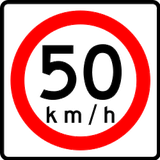 Traffic rules
 Mexico
5. Speed bump
A speed bump is a raised traffic-calming device placed across all or part of a road to make drivers reduce their speed. It is commonly used near homes, schools, crossings, parking areas and other places where low vehicle speeds are important.
Speed bumps vary in shape, height and legal status. Drivers should approach them at a low, controlled speed and follow any warning signs or speed limits that apply.
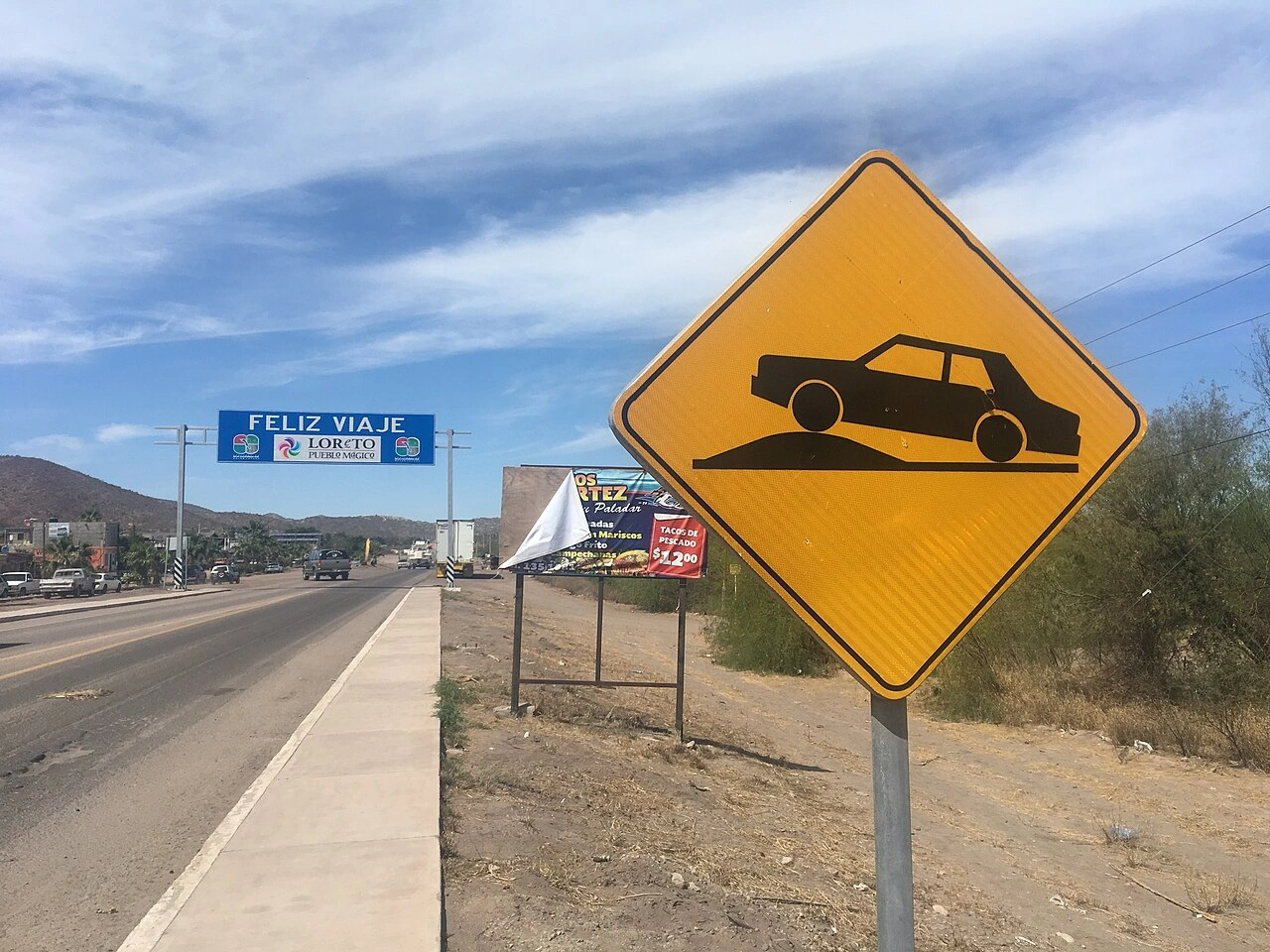
Wikimedia.org • Erica Fischer • CC BY
How should I recognise and approach a speed bump in Mexico?
Look for a raised surface, approach warnings, road markings and any separate speed instruction. A traffic-calming device can be part of a raised crossing or junction, so identify the layout and the road users who may use it.
🔗 sidof.segob.gob.mx • Mexico federal Traffic Regulations — Federal Article 14, 5 km/h at topes
Which speed should I use at a raised device in Mexico?
For a tope on a federal road, Article 14 requires a maximum of 5 km/h when crossing it. Do not extend that provision automatically to every raised crossing or traffic-calming design on every Mexican street. Apply the actual device, federal/state/municipal jurisdiction and signs, and slow further when people or conditions require it.
🔗 sidof.segob.gob.mx • Mexico federal Traffic Regulations — Federal Article 14, 5 km/h at topes
Does a raised road surface give pedestrians priority in Mexico?
A raised device alone does not identify pedestrian priority. If it incorporates a crossing, apply the crossing’s controls and the national rules. National mobility law places pedestrians first in the road-user hierarchy. Apply the state or municipal crossing rules and signals at the location; the hierarchy does not make a pedestrian warning sign a traffic-light instruction.
🔗 sidof.segob.gob.mx • Mexico federal Traffic Regulations — Federal Article 14, 5 km/h at topes


