


QuizTraffic rulesNew Zealand
Test your knowledge with our multiple-choice quiz. Learn from each answer and improve your understanding of the traffic rules and road signs of New Zealand.
 Traffic signs
 Traffic rules
 New Zealand
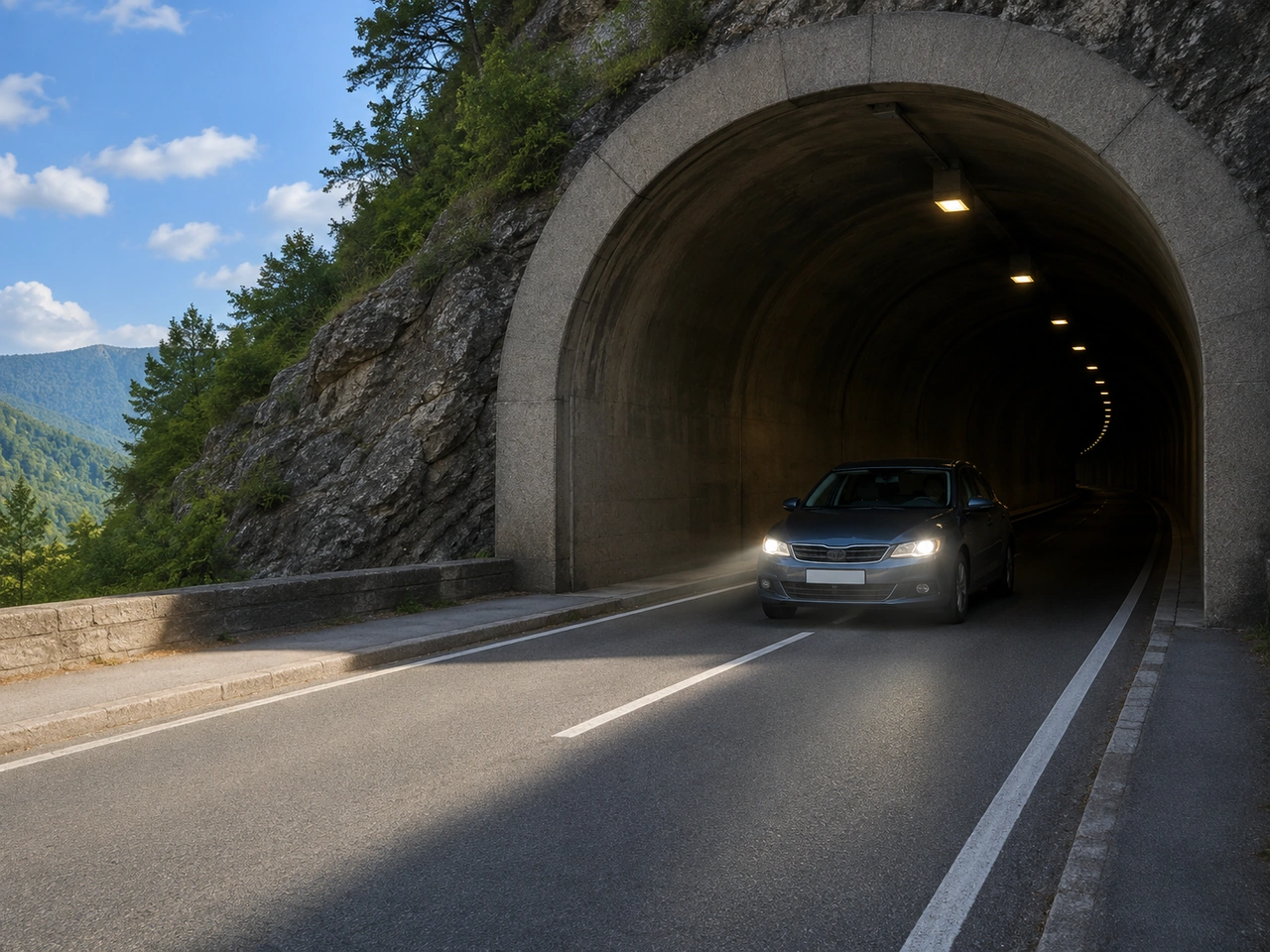
1. Why should you switch on dipped headlights before entering a tunnel?
Tunnel lighting may be much darker than daylight. Dipped headlights help you see and make your vehicle more visible.
AI-generated by Rijbewijs-online.be • WCIT • CC BY-SA

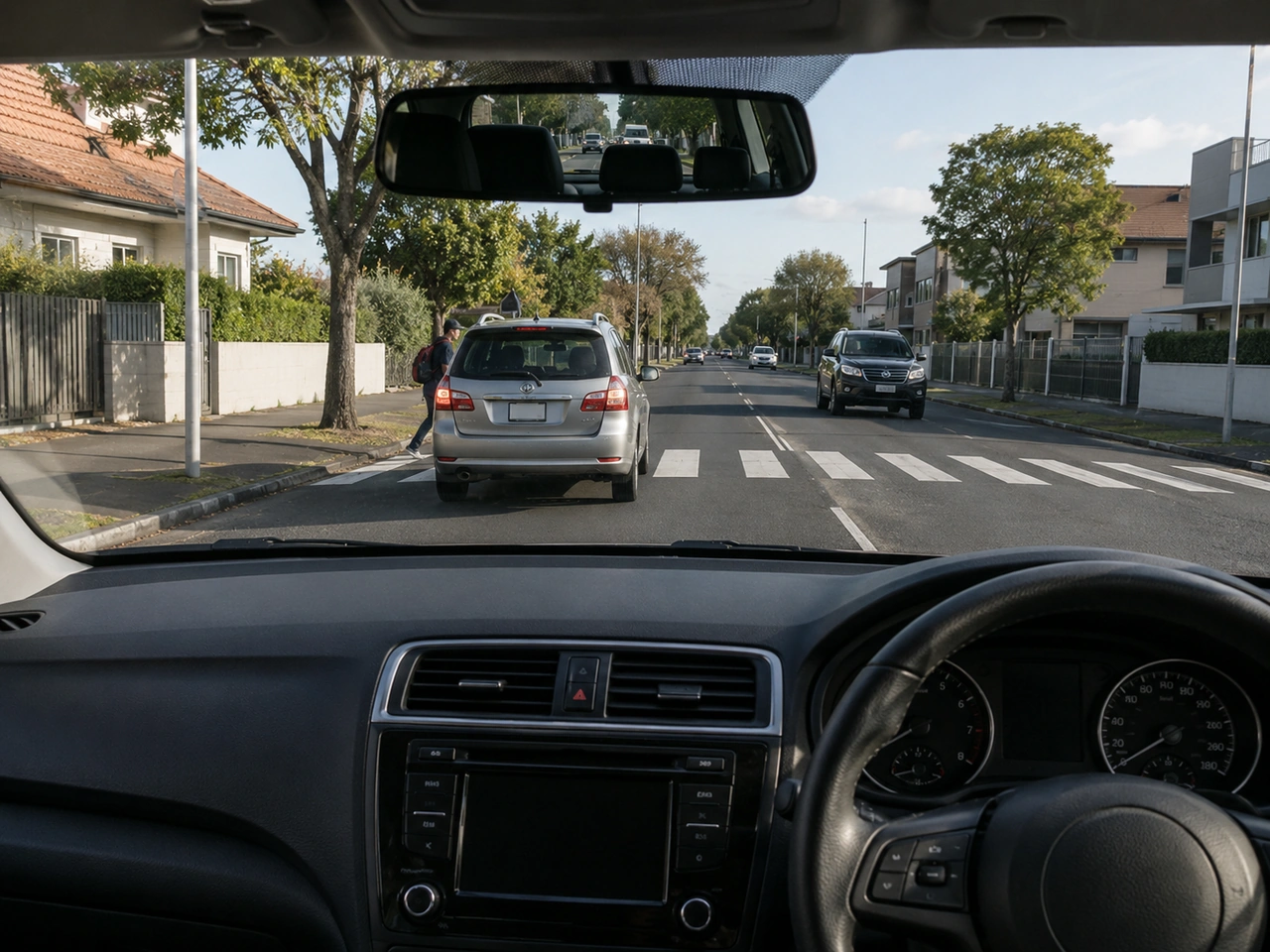
2. Why should you avoid overtaking when approaching a pedestrian crossing?
A vehicle slowing or stopping near a pedestrian crossing may be hiding someone who is crossing. Overtaking could put you directly into the pedestrian's path.
AI-generated by Rijbewijs-online.be • WCIT • CC BY-SA
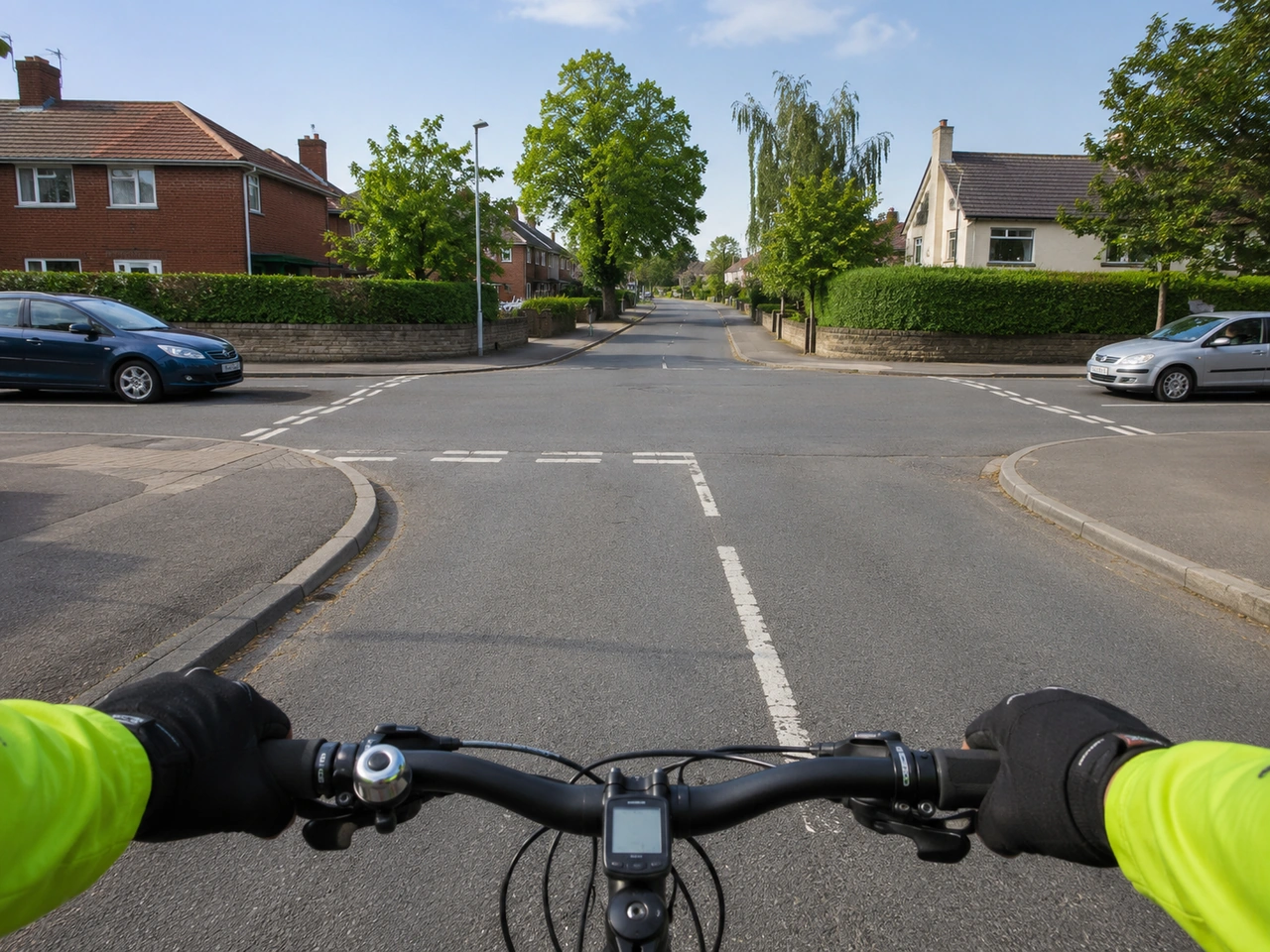
3. What should cyclists do when approaching a junction?
Junctions create conflict points between road users. Slowing down gives you more time to see hazards and react safely.
AI-generated by Rijbewijs-online.be • WCIT • CC BY-SA
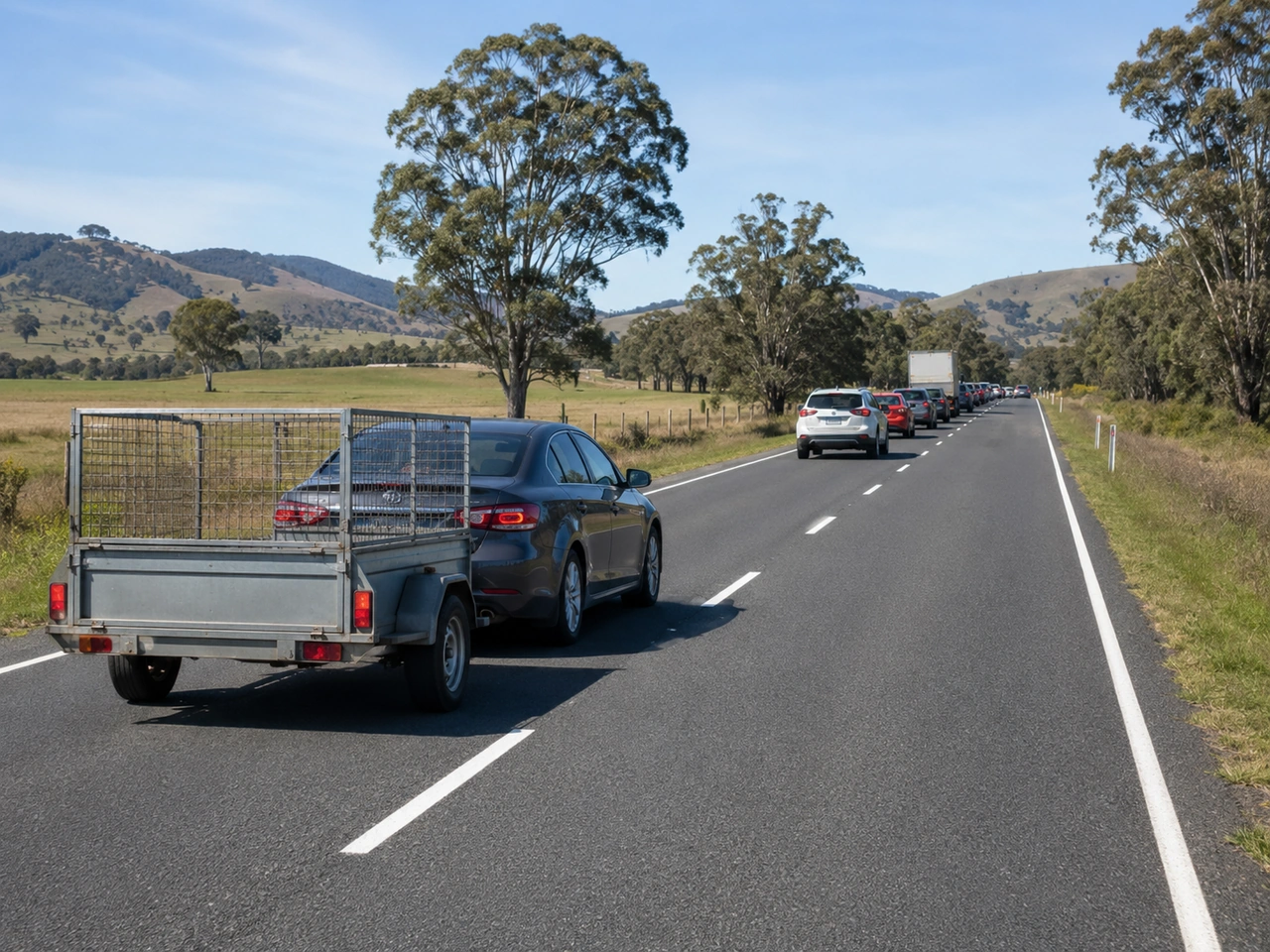
4. Why should you leave extra following distance when towing?
Towing adds weight and can increase stopping distance. Extra space gives you more time to react and brake smoothly.
AI-generated by Rijbewijs-online.be • WCIT • CC BY-SA
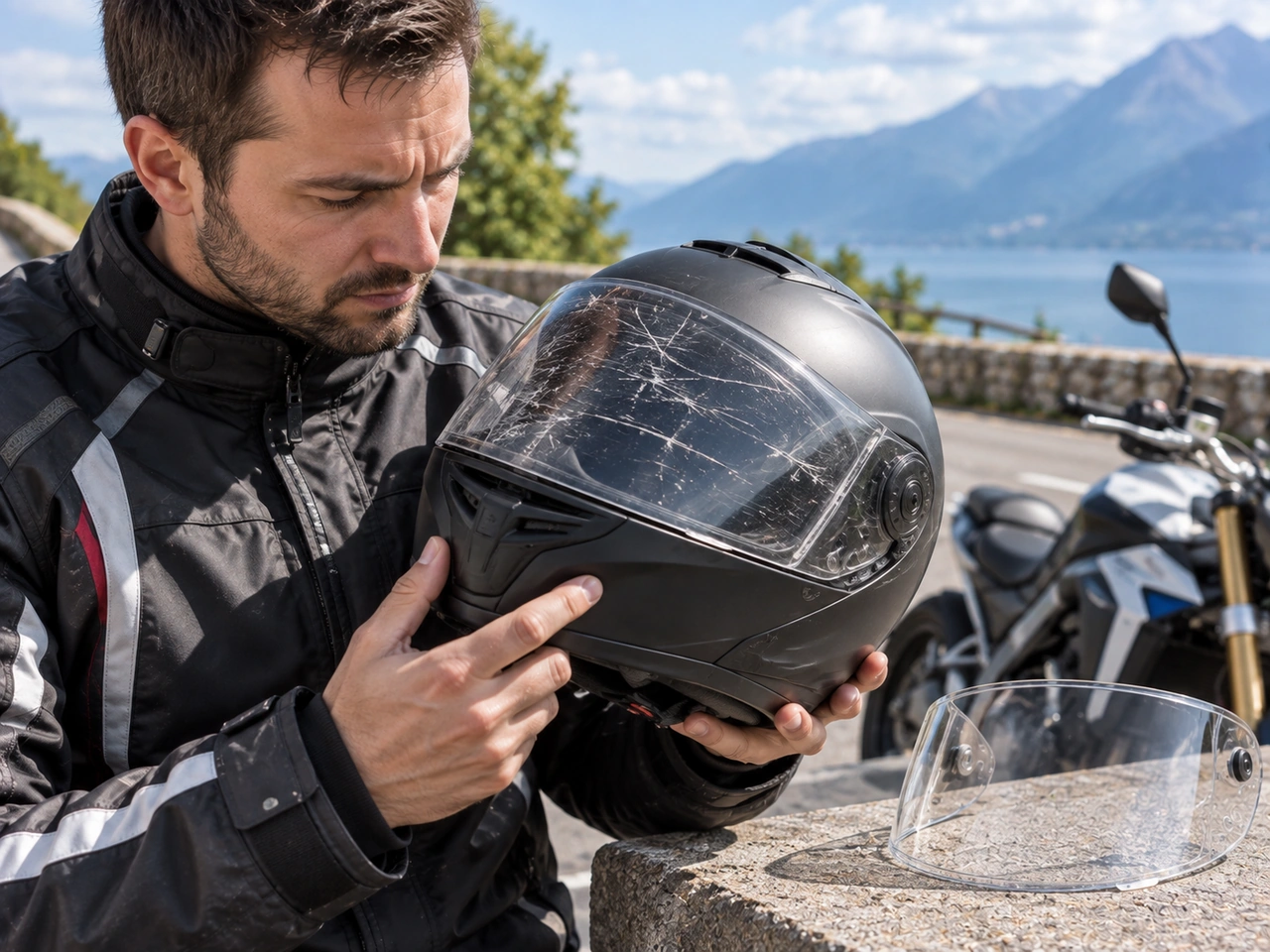
5. What should you do if a motorcycle helmet visor is badly scratched?
A badly scratched or damaged visor can reduce or distort your view, especially in bright sunlight or at night. Replace a visor that no longer provides a clear, safe view and follow the helmet manufacturer's instructions.
AI-generated by Rijbewijs-online.be • WCIT • CC BY-SA
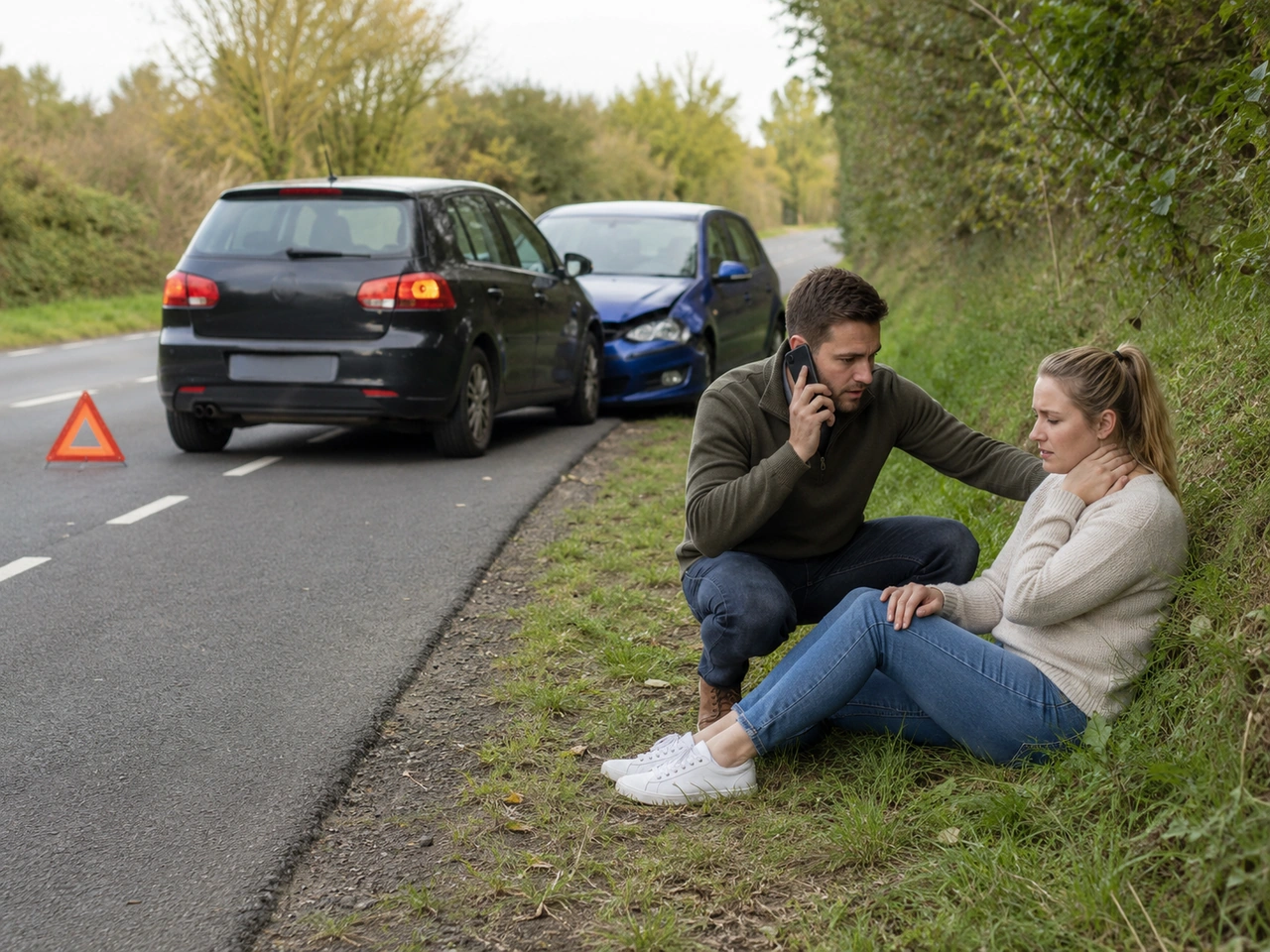
6. What should you do if someone is injured in a road collision?
Moving an injured person can worsen spinal or other injuries. Keep them calm, protect them from further danger, and provide first aid only within your level of training.
AI-generated by Rijbewijs-online.be • WCIT • CC BY-SA
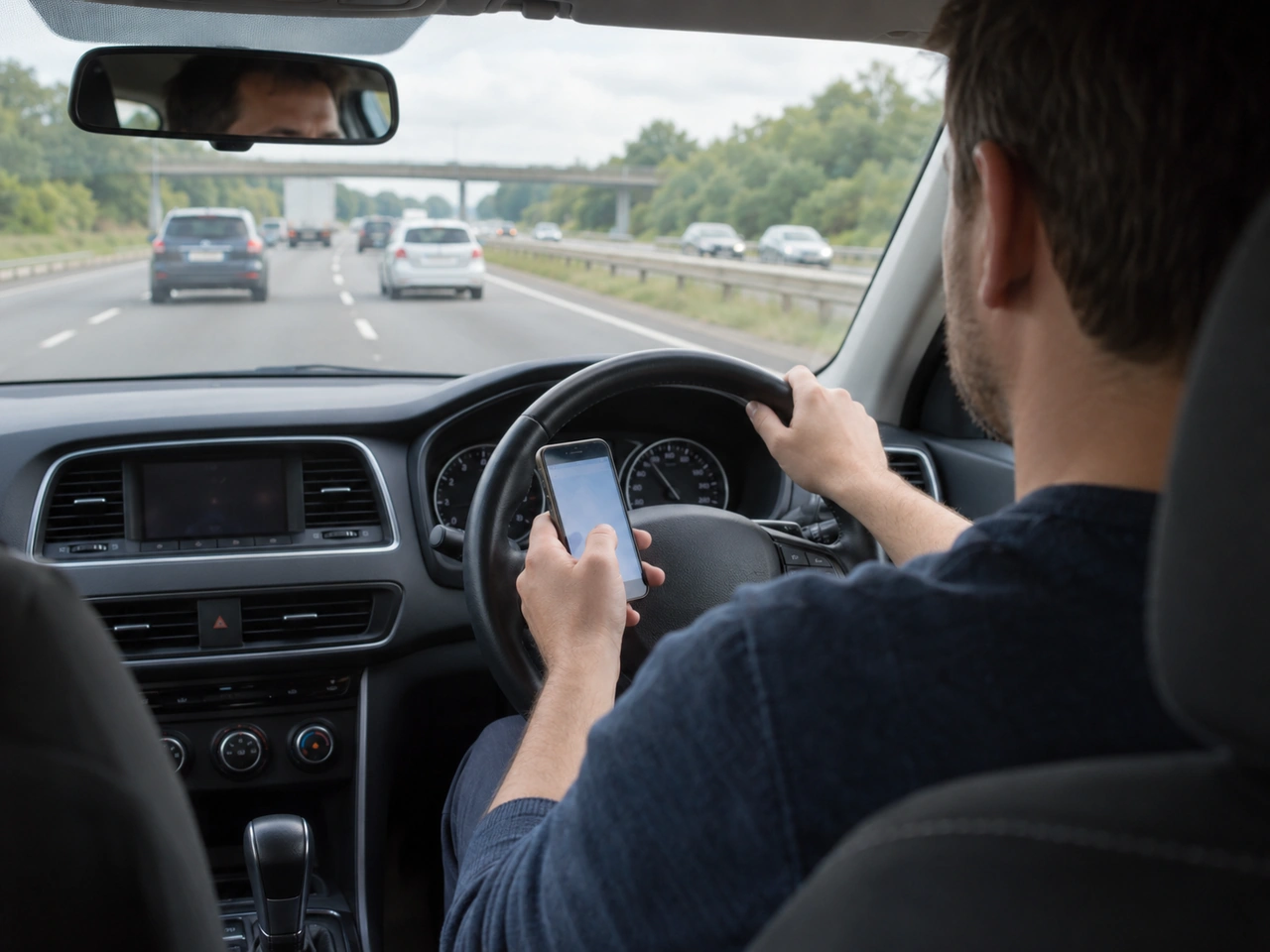
7. Can drivers use a handheld phone while driving in New Zealand?
Drivers in New Zealand are generally not allowed to use a handheld phone while driving.
AI-generated by Rijbewijs-online.be • WCIT • CC BY-SA
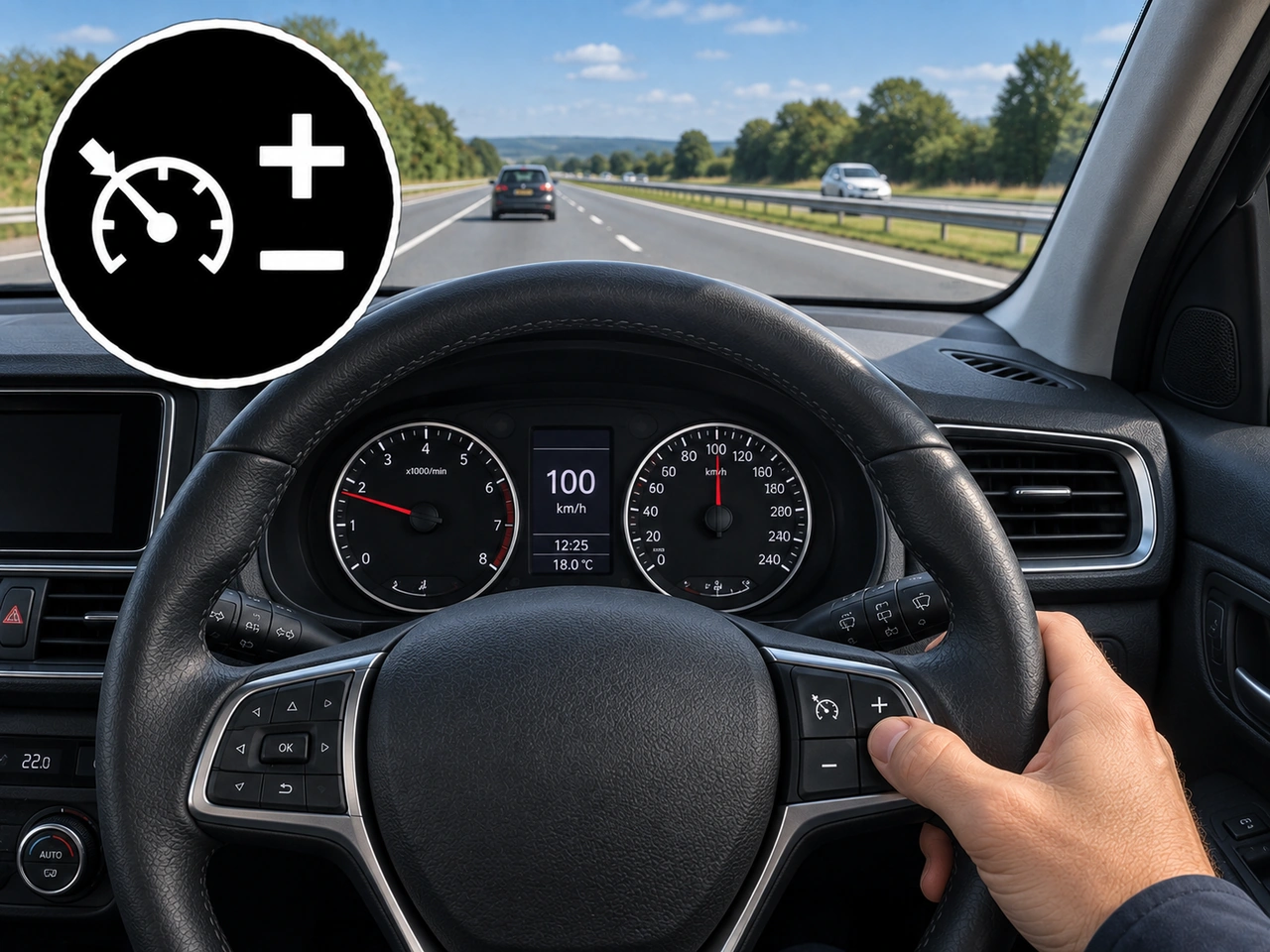
8. What do the + and − controls of cruise control normally do?
When cruise control is active, the + and − controls normally increase or decrease the selected cruising speed. The amount of each adjustment can vary between vehicles.
AI-generated by Rijbewijs-online.be • WCIT • CC BY-SA
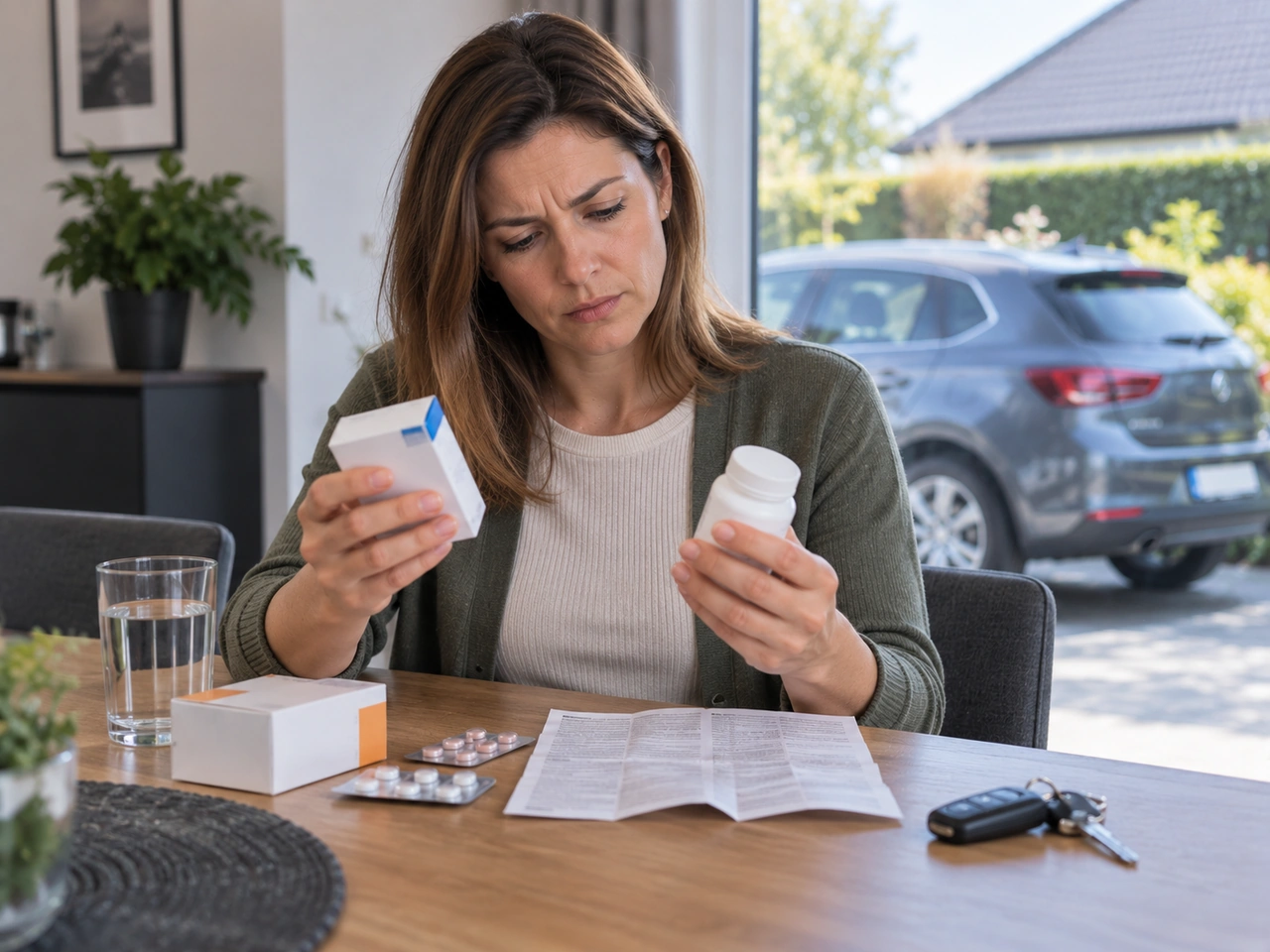
9. Why should you be careful when taking more than one medicine before driving?
Different medicines can interact or have combined side effects such as drowsiness, dizziness, blurred vision, or slower reactions. Check the instructions and seek advice from a doctor or pharmacist if you are unsure whether it is safe to drive.
AI-generated by Rijbewijs-online.be • WCIT • CC BY-SA
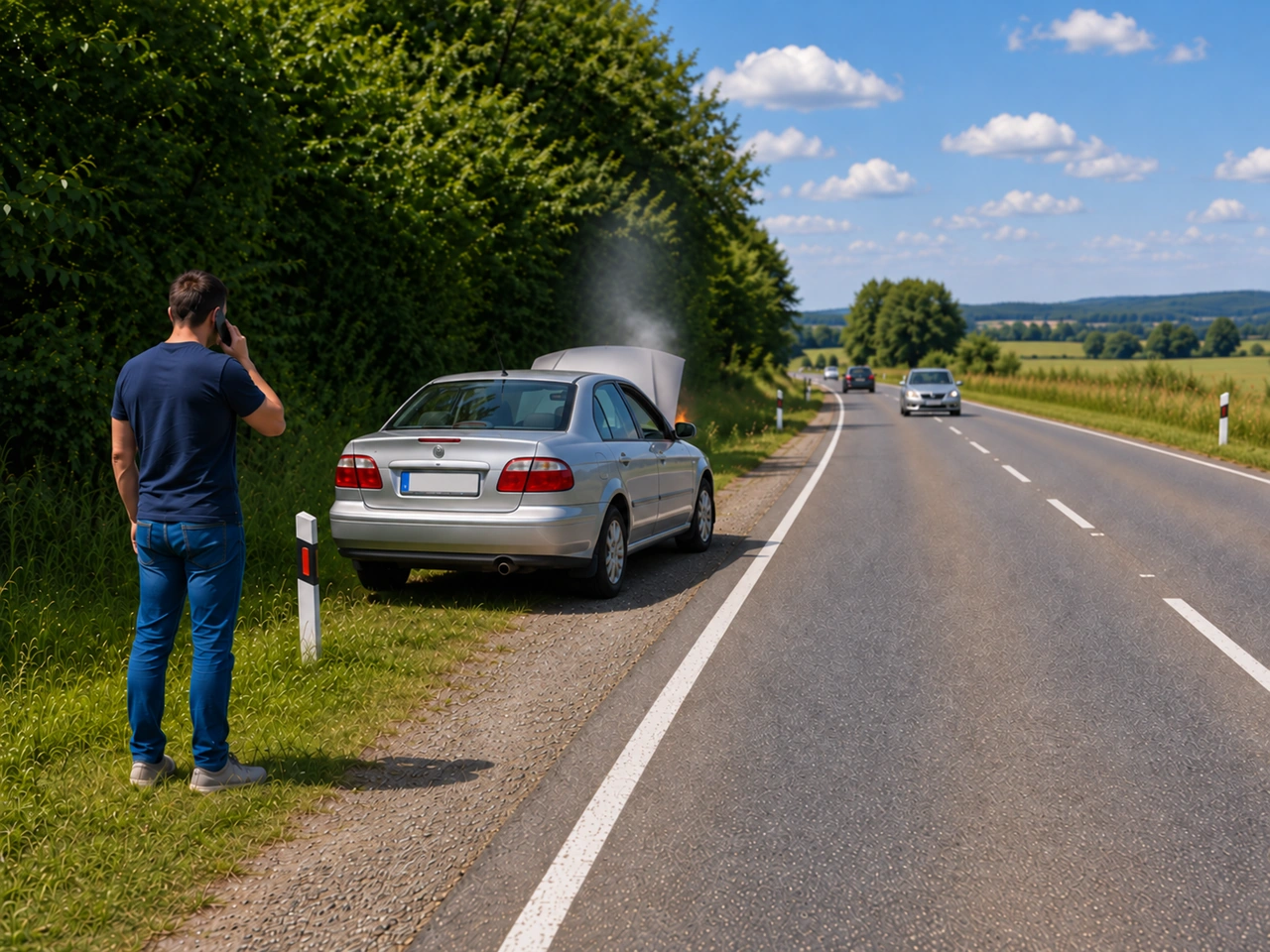
10. What should you do if your vehicle catches fire?
Move everyone well away from the vehicle and call emergency services. If the fire is small and it is safe to do so, use a suitable fire extinguisher. Opening the bonnet fully can supply additional oxygen and cause the fire to intensify.
AI-generated by Rijbewijs-online.be • WCIT • CC BY-SA
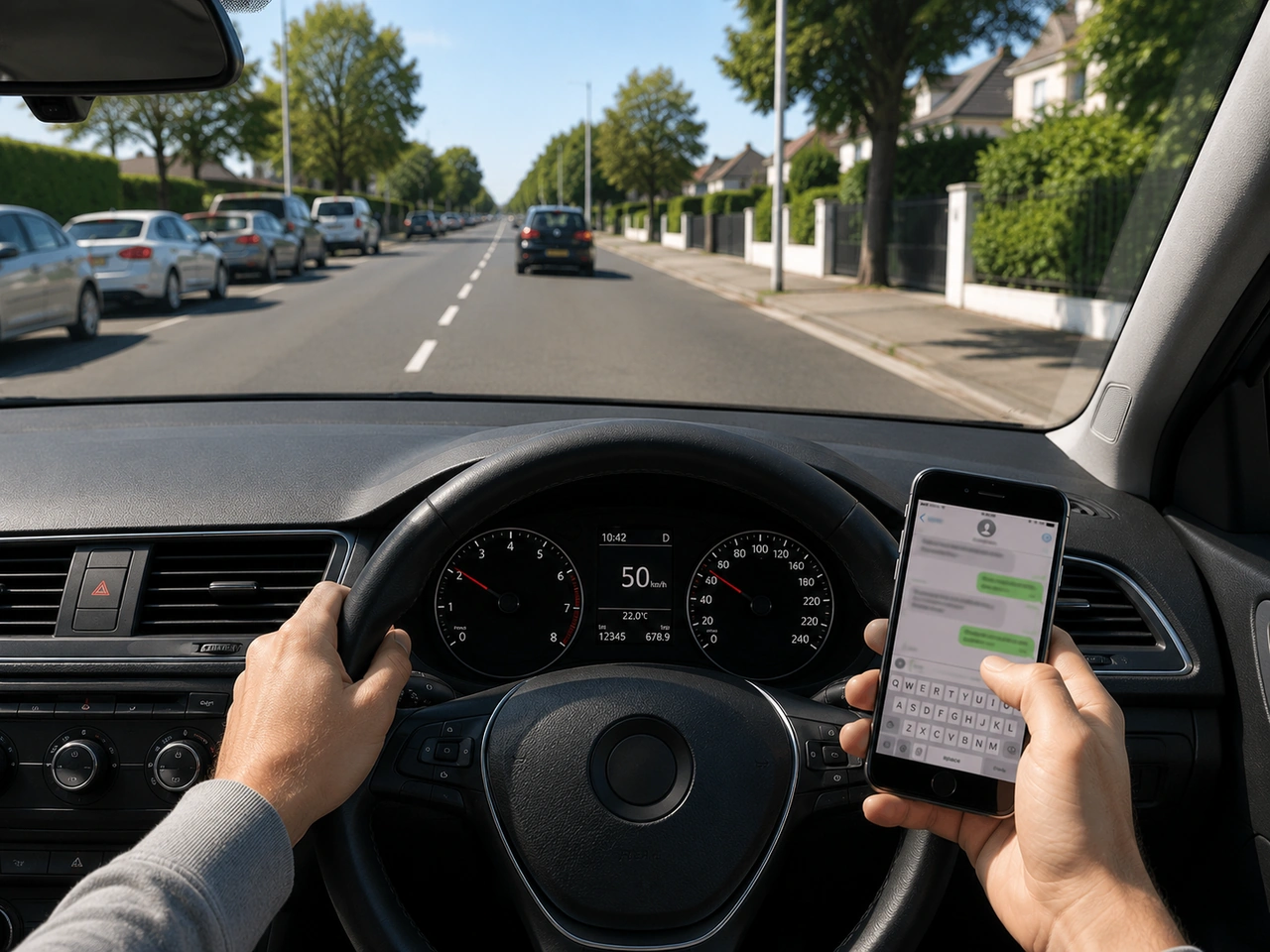
11. It is safe to look at your phone briefly while driving.
Using your phone while driving is distracting and dangerous, even for a very short moment.
AI-generated by Rijbewijs-online.be • WCIT • CC BY-SA
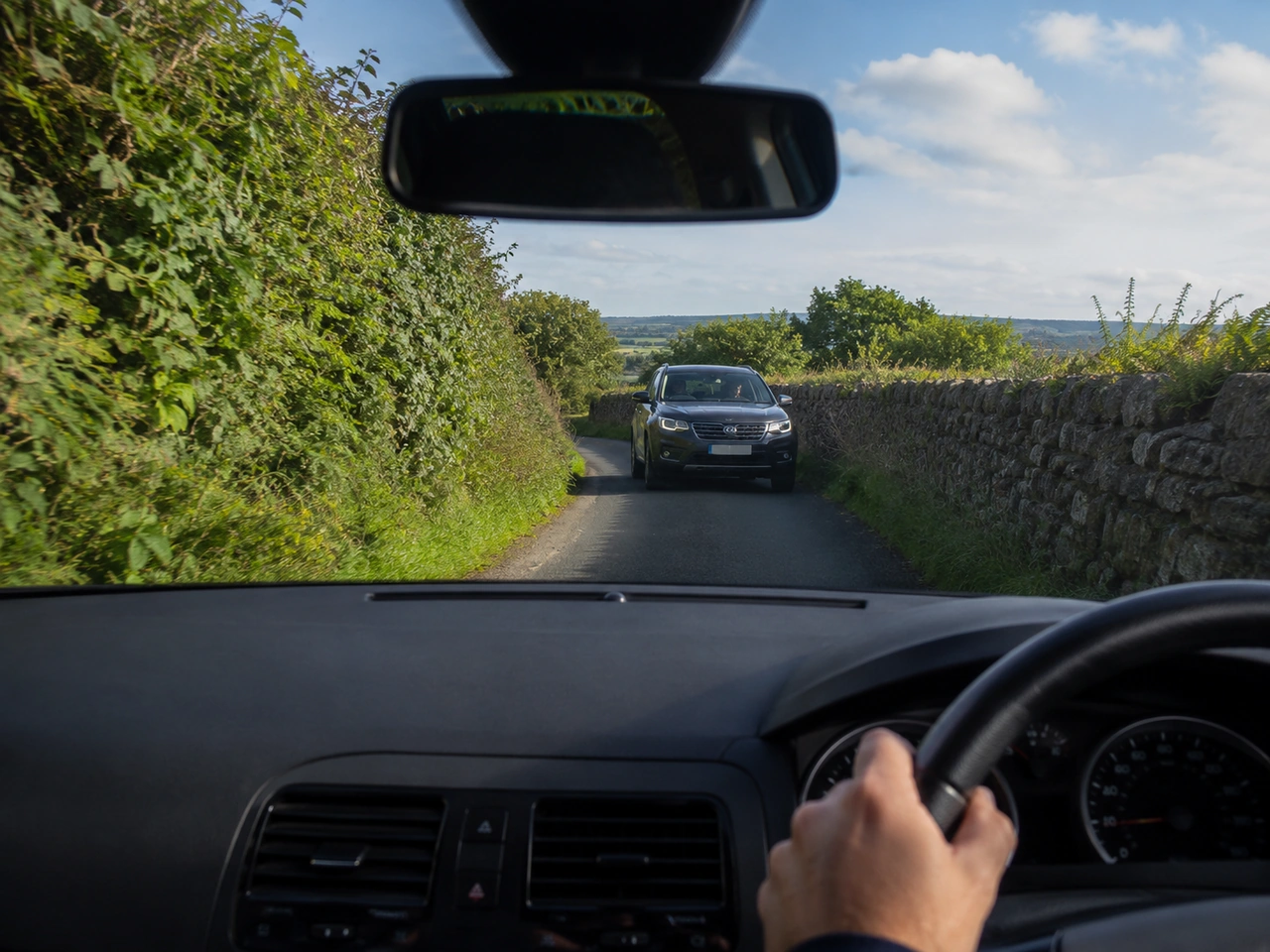
12. What should you do when approaching a narrow road with oncoming traffic?
On narrow roads, reduce speed and be prepared to stop or use a suitable passing place. Leave enough space for the oncoming vehicle and avoid forcing either vehicle into an unsafe position.
AI-generated by Rijbewijs-online.be • WCIT • CC BY-SA
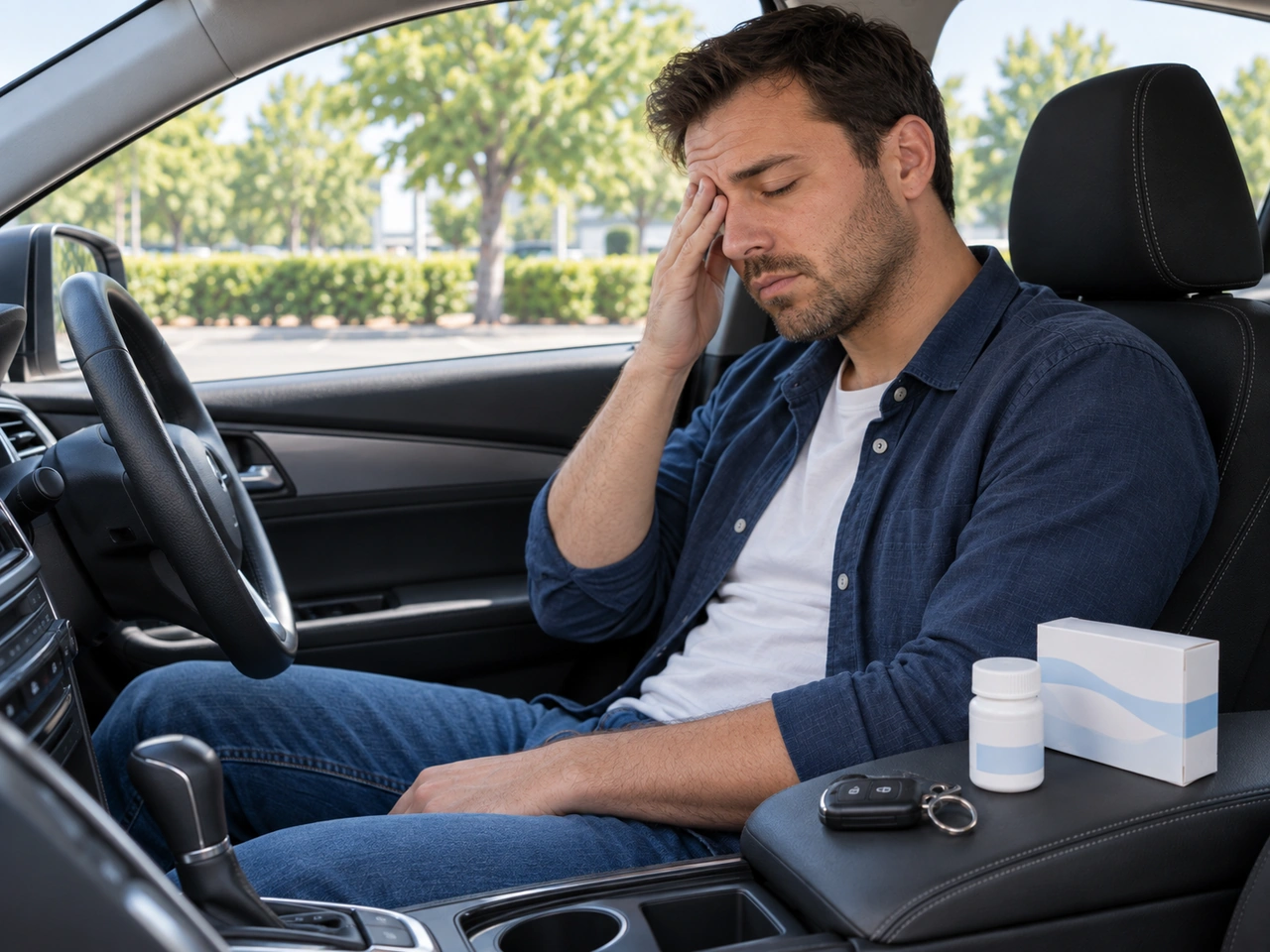
13. What should you do if medicine makes you feel drowsy?
If a medicine causes drowsiness, your concentration, judgement, and reaction time may be reduced. Do not drive until you are fit to do so and the effect has passed.
AI-generated by Rijbewijs-online.be • WCIT • CC BY-SA
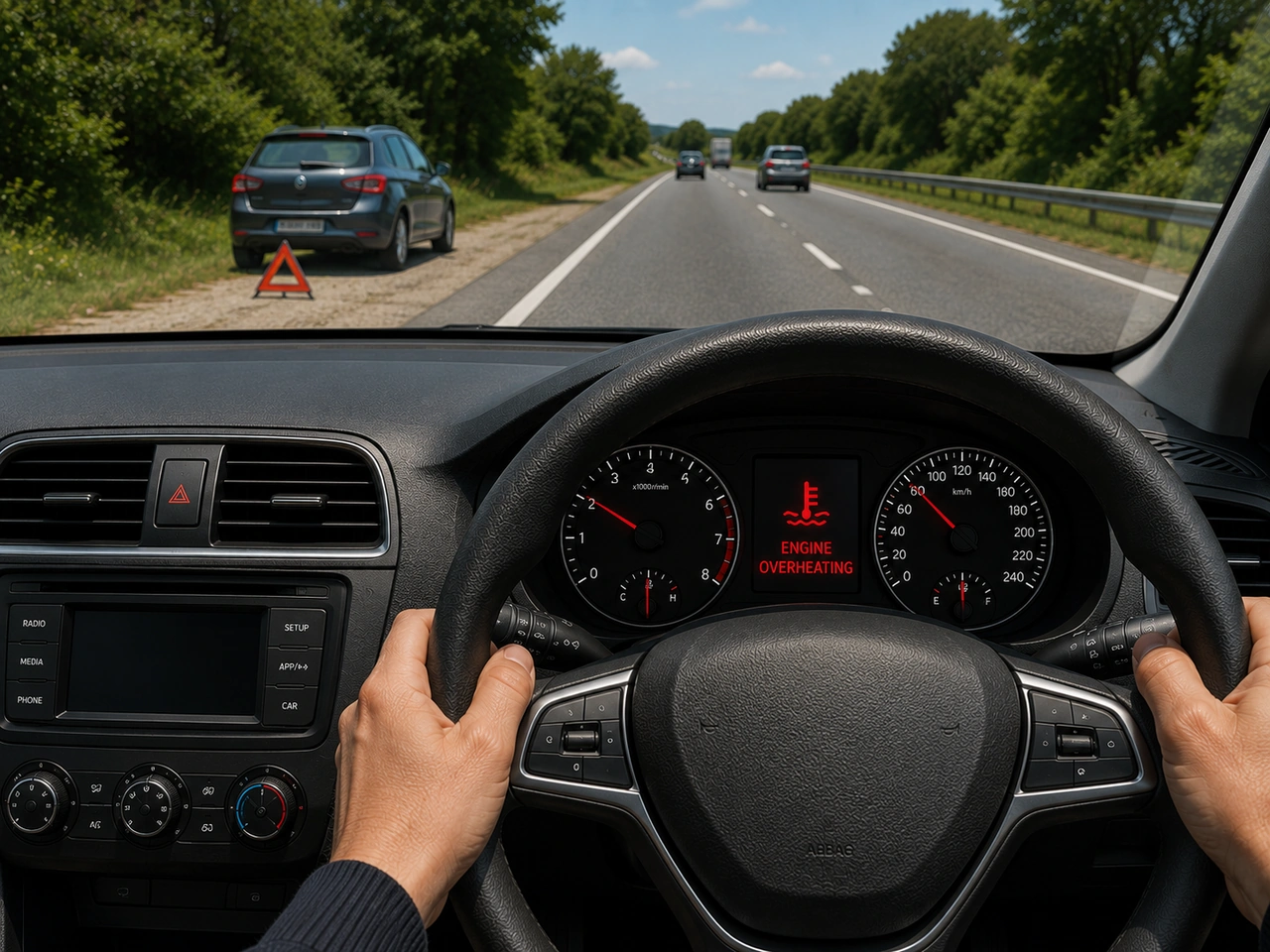
14. What should you do if the engine-temperature warning shows overheating?
Continuing to drive an overheating vehicle can cause severe damage. Allow the engine to cool and follow the manufacturer's instructions.
AI-generated by Rijbewijs-online.be • WCIT • CC BY-SA
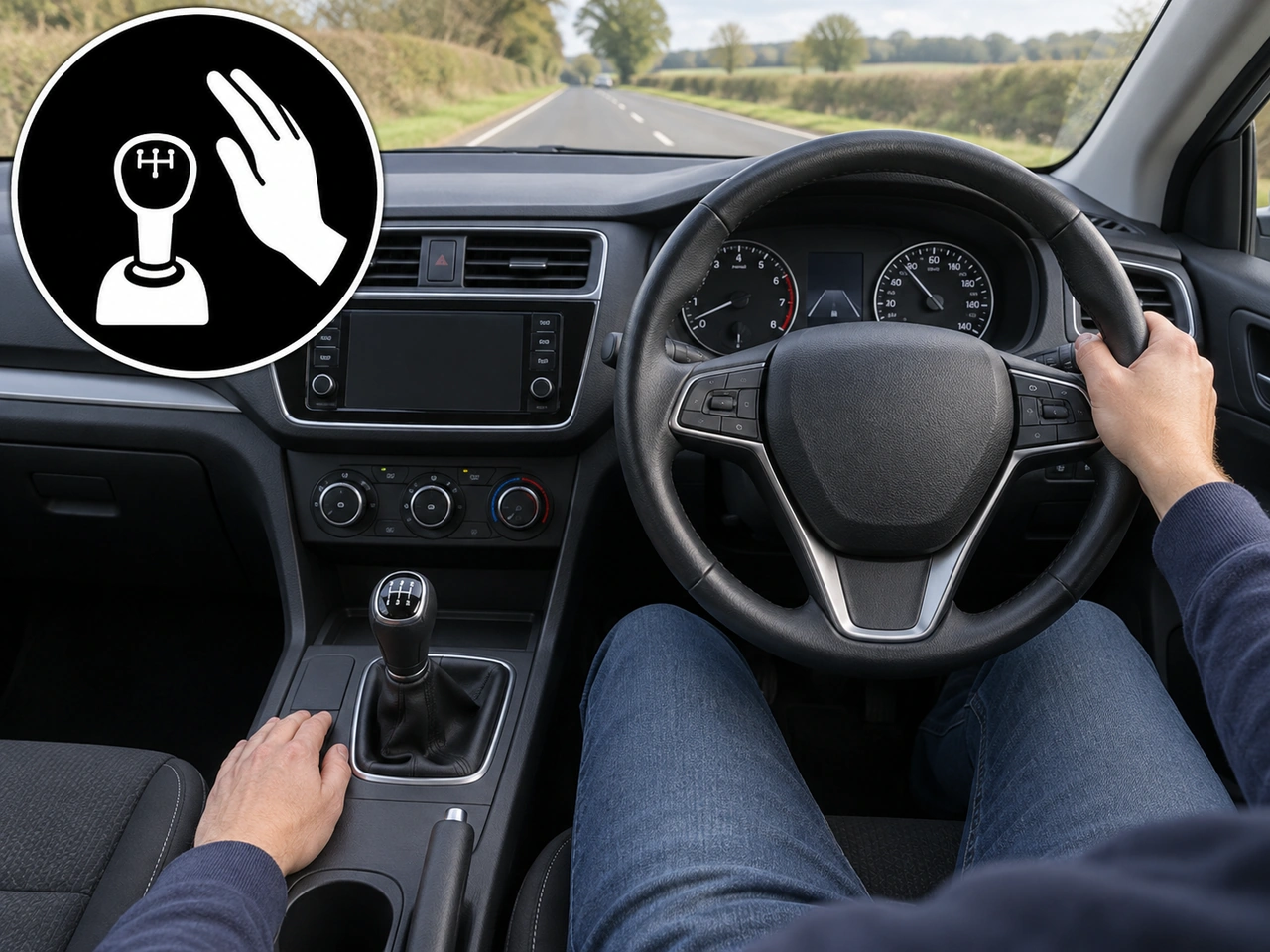
15. Why should you avoid resting your hand on the gear lever while driving?
Resting your hand on the gear lever can place unnecessary pressure on parts of the gear-selection mechanism and contribute to wear. Keep both hands on the steering wheel when you are not changing gear.
AI-generated by Rijbewijs-online.be • WCIT • CC BY-SA
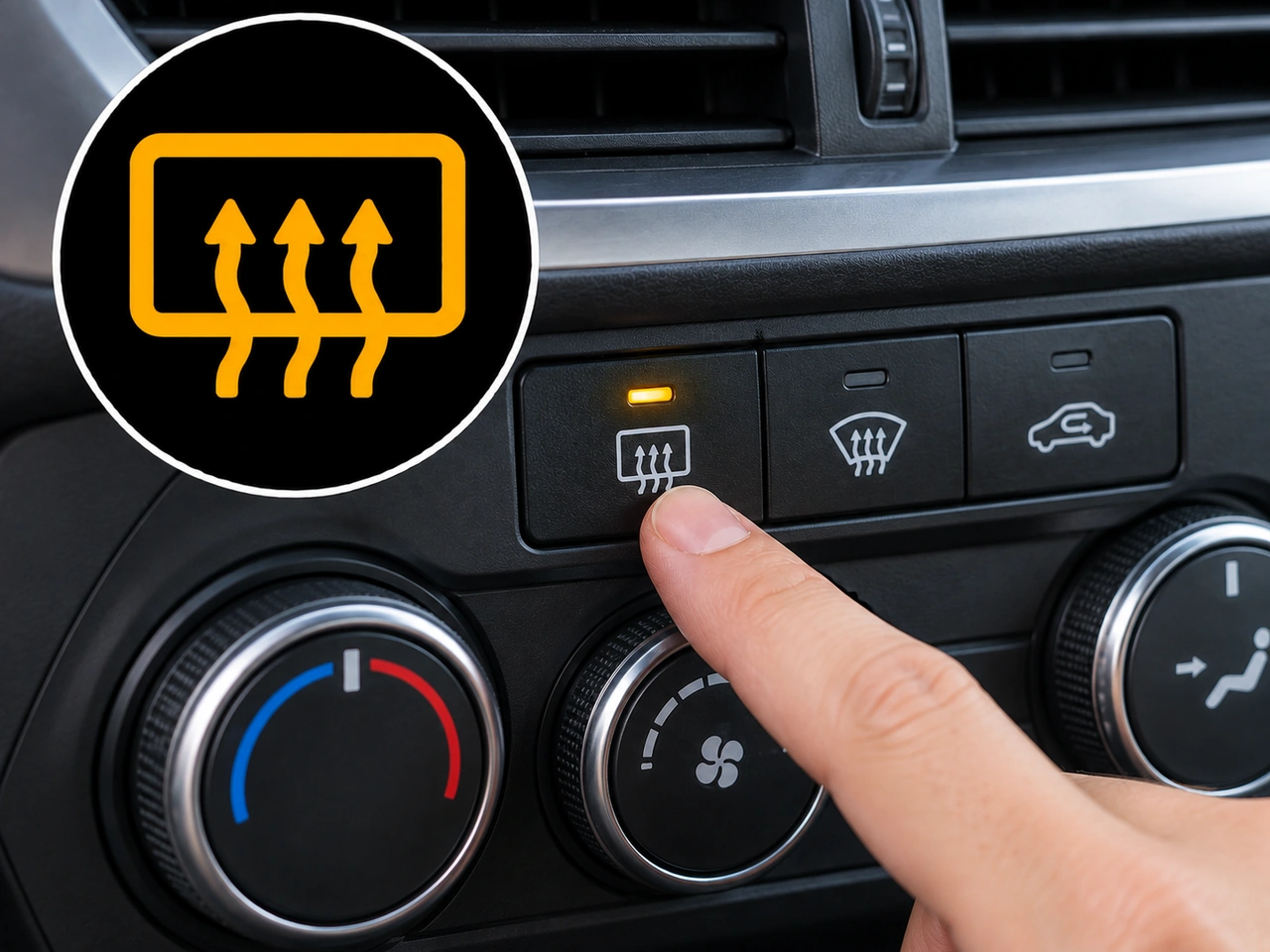
16. What does this dashboard symbol indicate?
This symbol indicates the rear window demister. It heats the rear window to help clear condensation, mist or frost and improve visibility.
AI-generated by Rijbewijs-online.be • WCIT • CC BY-SA
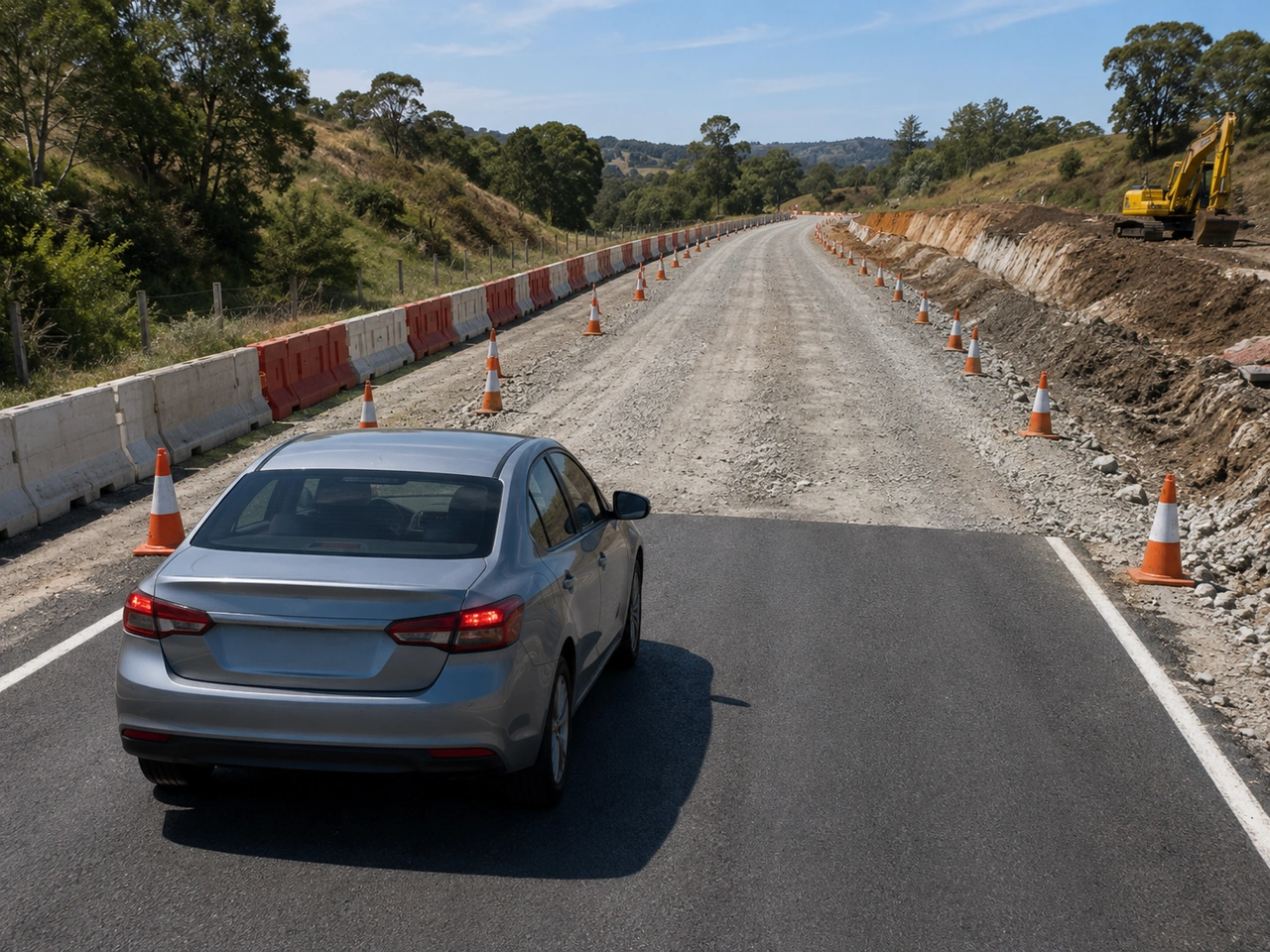
17. Why can temporary road surfaces increase stopping distance?
Temporary surfaces may provide less grip than normal asphalt. Reduce speed and allow more distance for braking.
AI-generated by Rijbewijs-online.be • WCIT • CC BY-SA
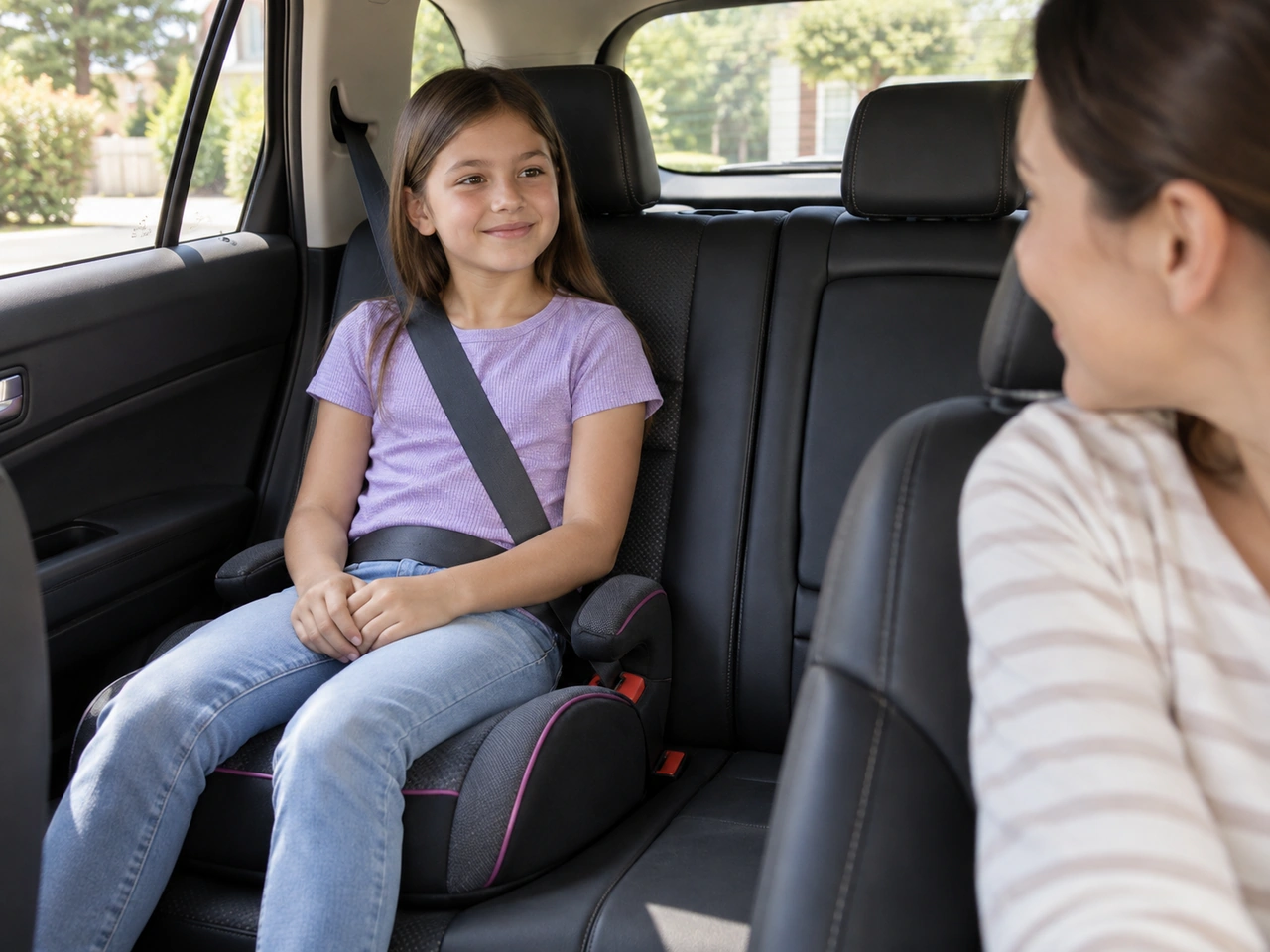
18. What is the main purpose of a booster seat?
A booster seat raises and positions a child so the vehicle seat belt fits correctly. The lap belt should sit low across the hips and the shoulder belt should pass across the chest and shoulder, rather than the neck or abdomen.
AI-generated by Rijbewijs-online.be • WCIT • CC BY-SA
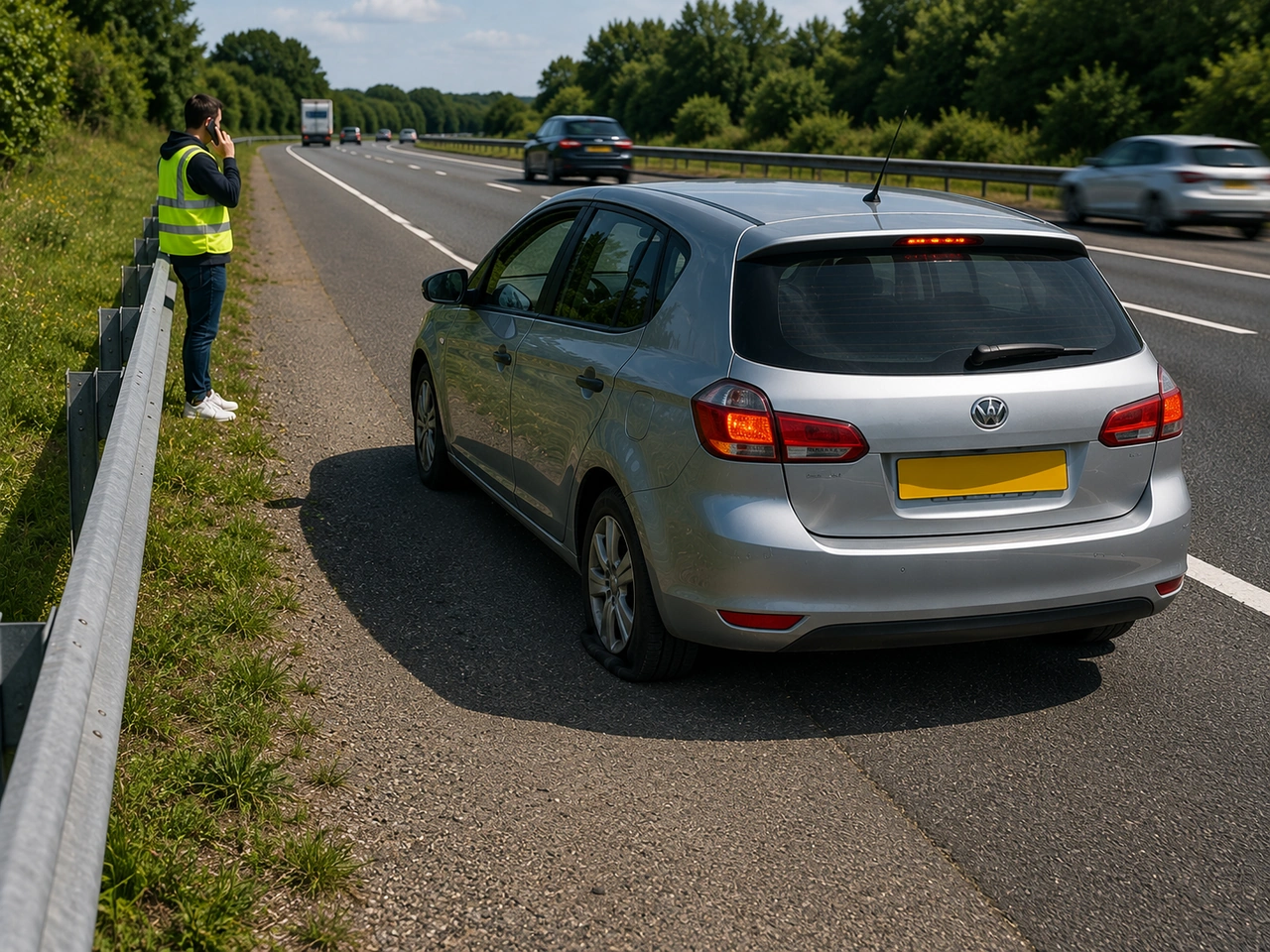
19. What should you do about a flat tyre on a high-speed road?
Changing a wheel close to high-speed traffic is extremely dangerous. Move away from traffic and use professional assistance.
AI-generated by Rijbewijs-online.be • WCIT • CC BY-SA
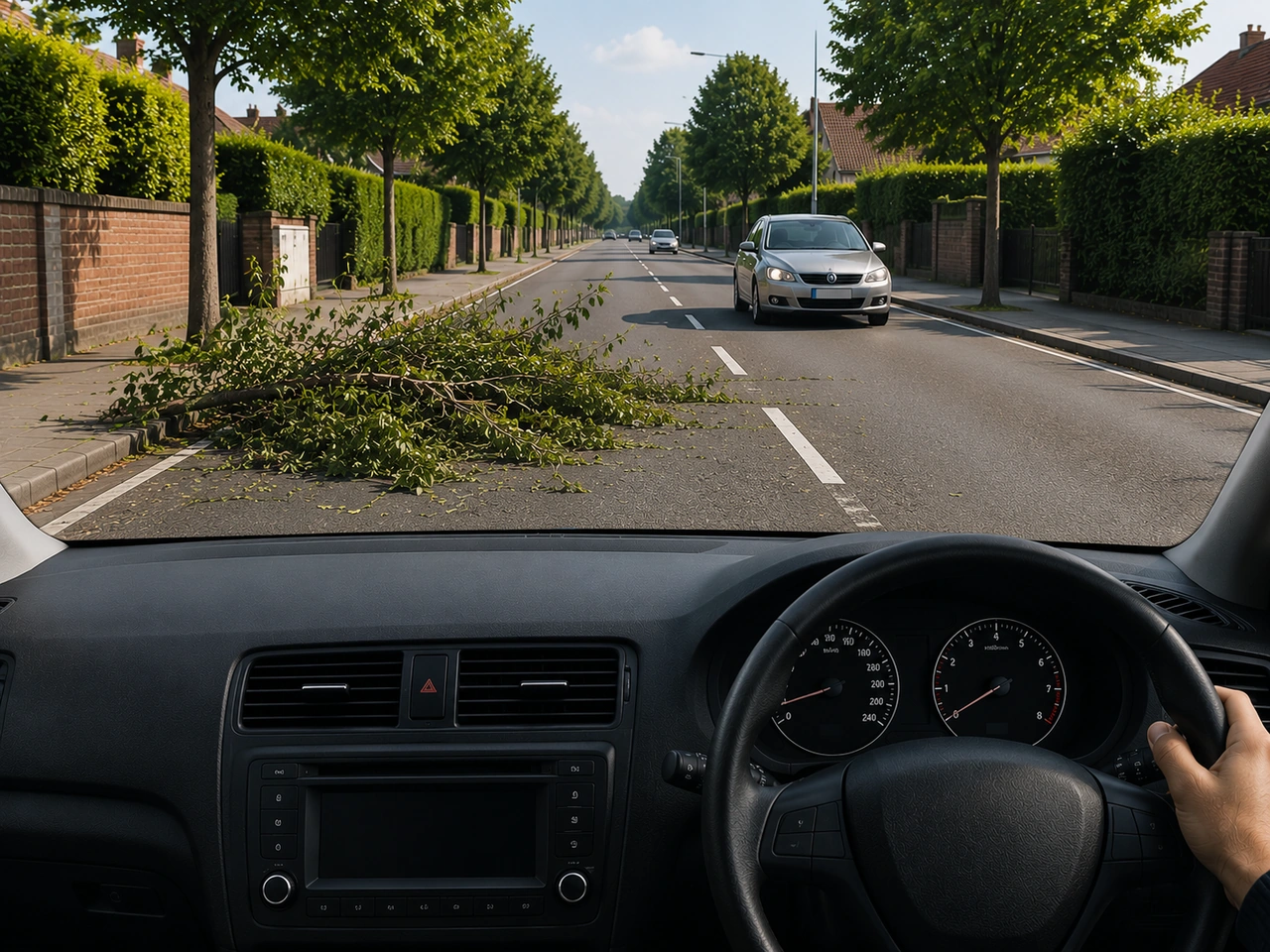
20. What should you do if your lane is blocked by an obstacle?
If your lane is blocked, reduce speed, check mirrors and oncoming traffic, and only move around the obstacle when it is safe.
AI-generated by Rijbewijs-online.be • WCIT • CC BY-SA
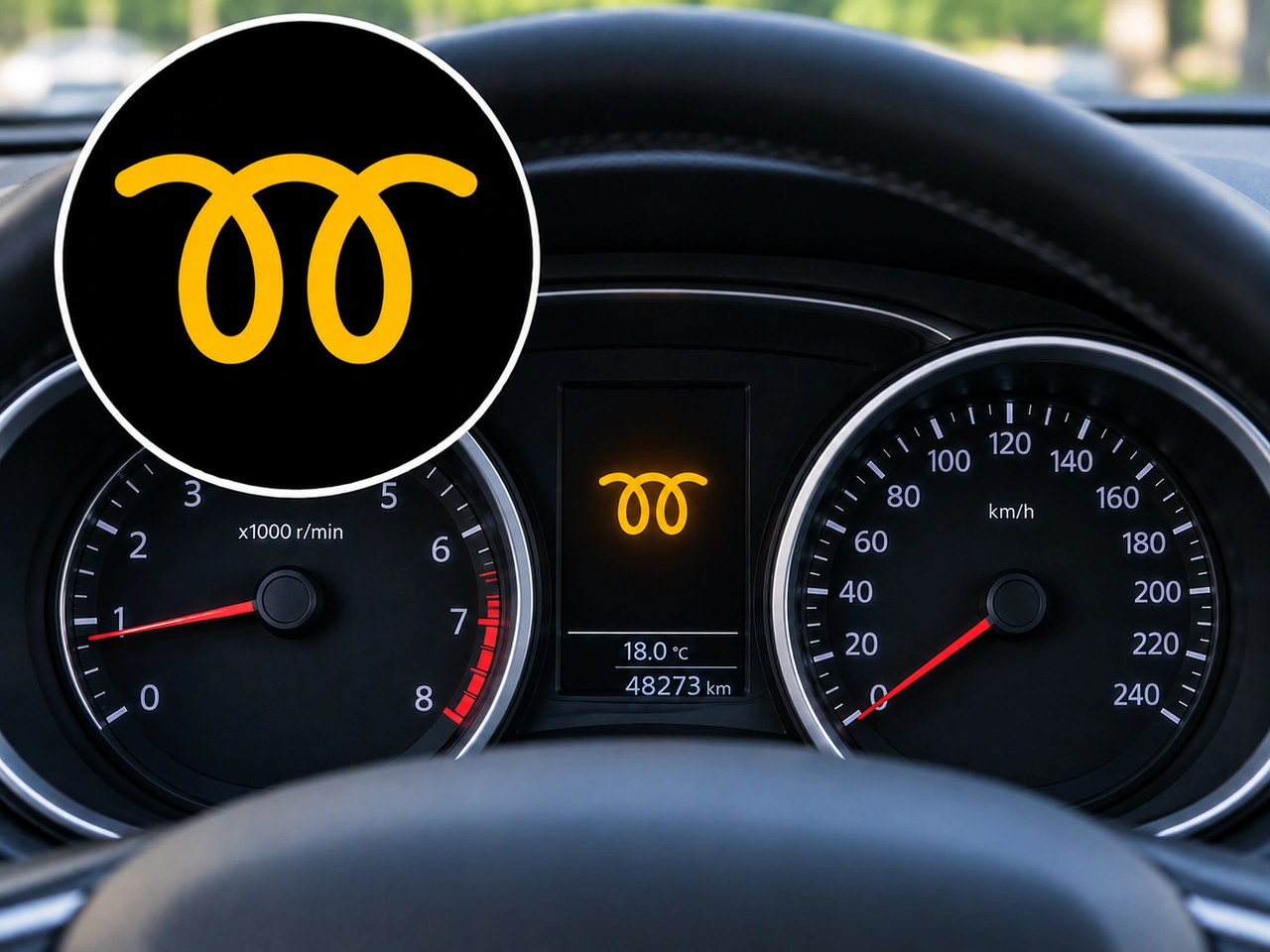
21. What does this dashboard symbol indicate?
This symbol indicates the diesel glow-plug preheating system. In a diesel vehicle, wait for the light to go out before starting the engine when required. If it remains illuminated or flashes while driving, it may indicate a fault.
AI-generated by Rijbewijs-online.be • WCIT • CC BY-SA
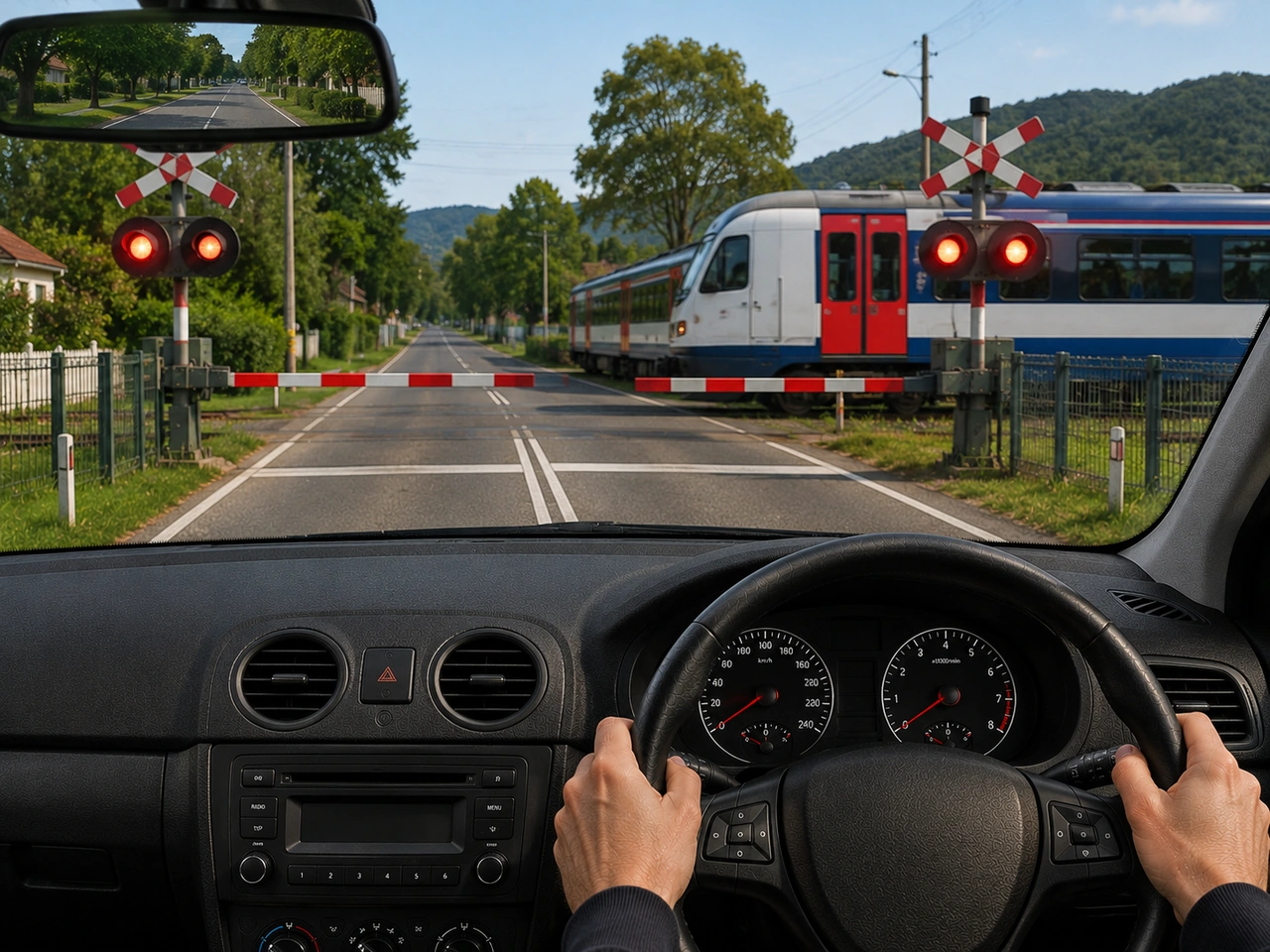
22. What should you do at a railway crossing with warning lights flashing?
Flashing warning lights mean a train may be approaching. Stop before the crossing and wait until the warning has ended and the crossing is clear.
AI-generated by Rijbewijs-online.be • WCIT • CC BY-SA
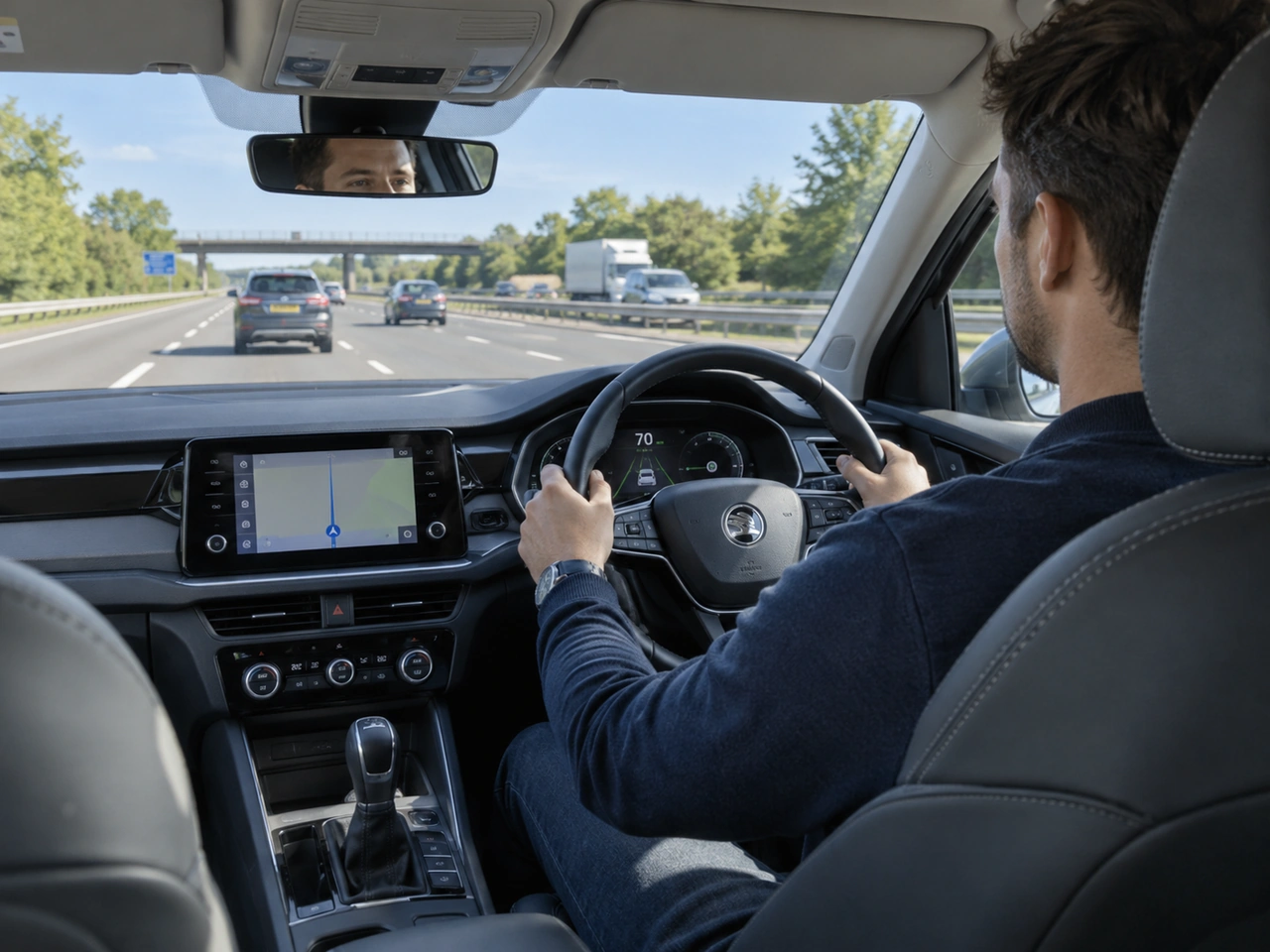
23. What should you remember when using driver-assistance systems?
Driver-assistance systems can help with tasks such as maintaining speed, monitoring lanes, or warning about hazards, but they do not replace the driver. Stay attentive, monitor the road and traffic, and be ready to take control whenever necessary.
AI-generated by Rijbewijs-online.be • WCIT • CC BY-SA
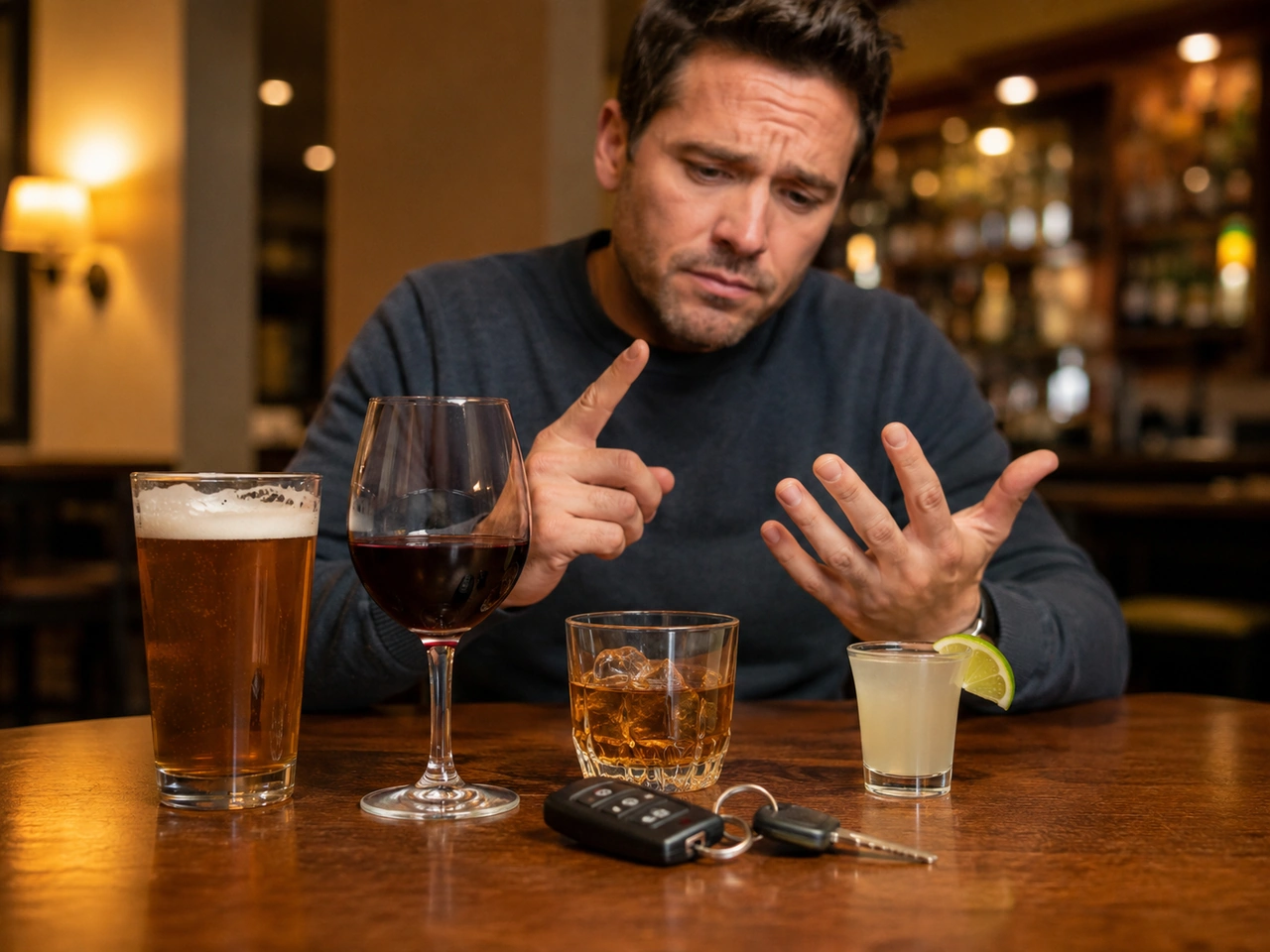
24. Why is counting drinks an unreliable way to decide whether you can drive?
Alcohol concentration and serving sizes vary, and factors such as body size, food, medication, and time can affect impairment.
AI-generated by Rijbewijs-online.be • WCIT • CC BY-SA
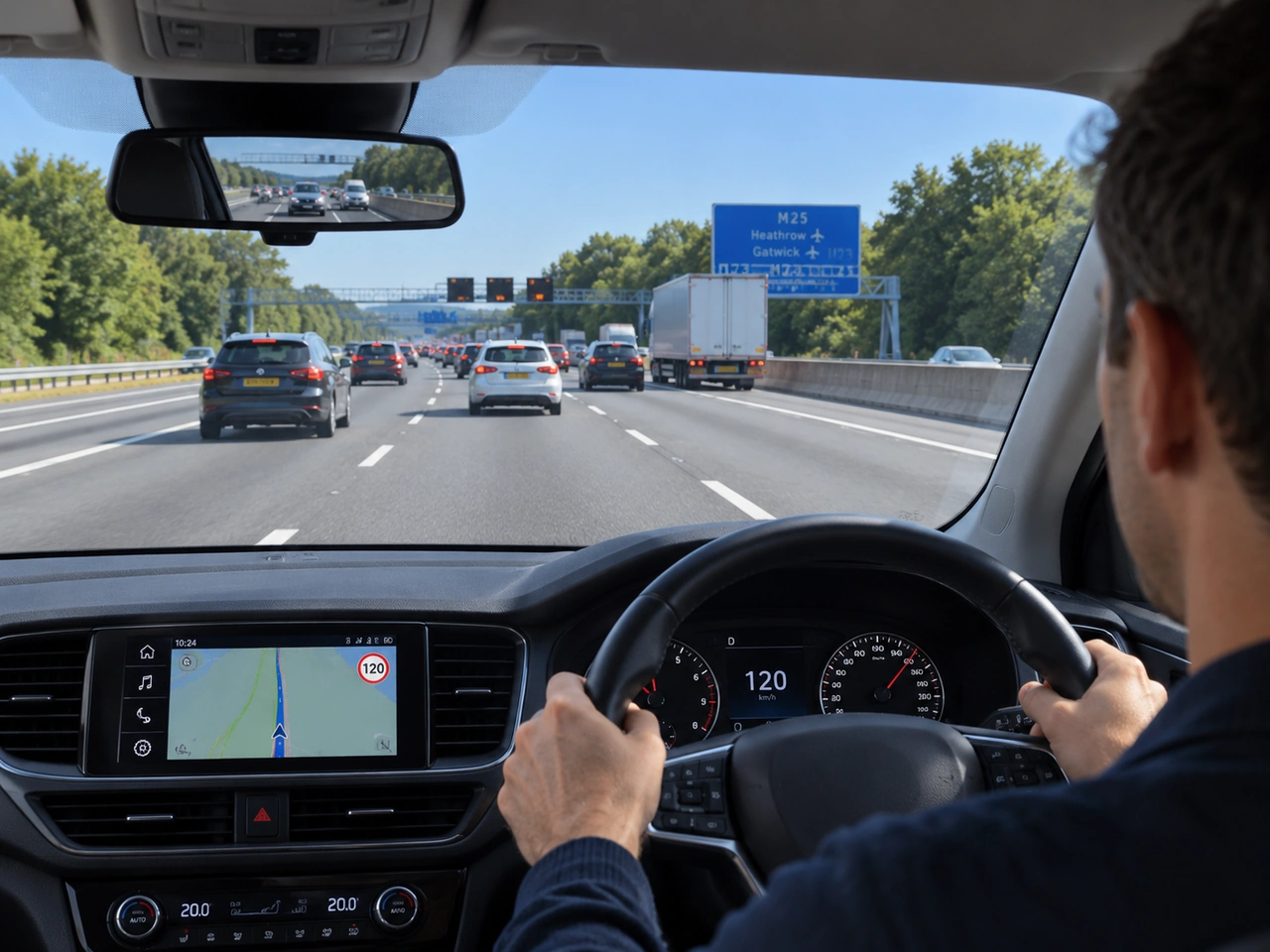
25. How does higher speed affect a vehicle's stopping distance?
As speed increases, the vehicle travels farther while the driver reacts and requires more distance to brake. This means the total stopping distance increases significantly as speed rises.
AI-generated by Rijbewijs-online.be • WCIT • CC BY-SA
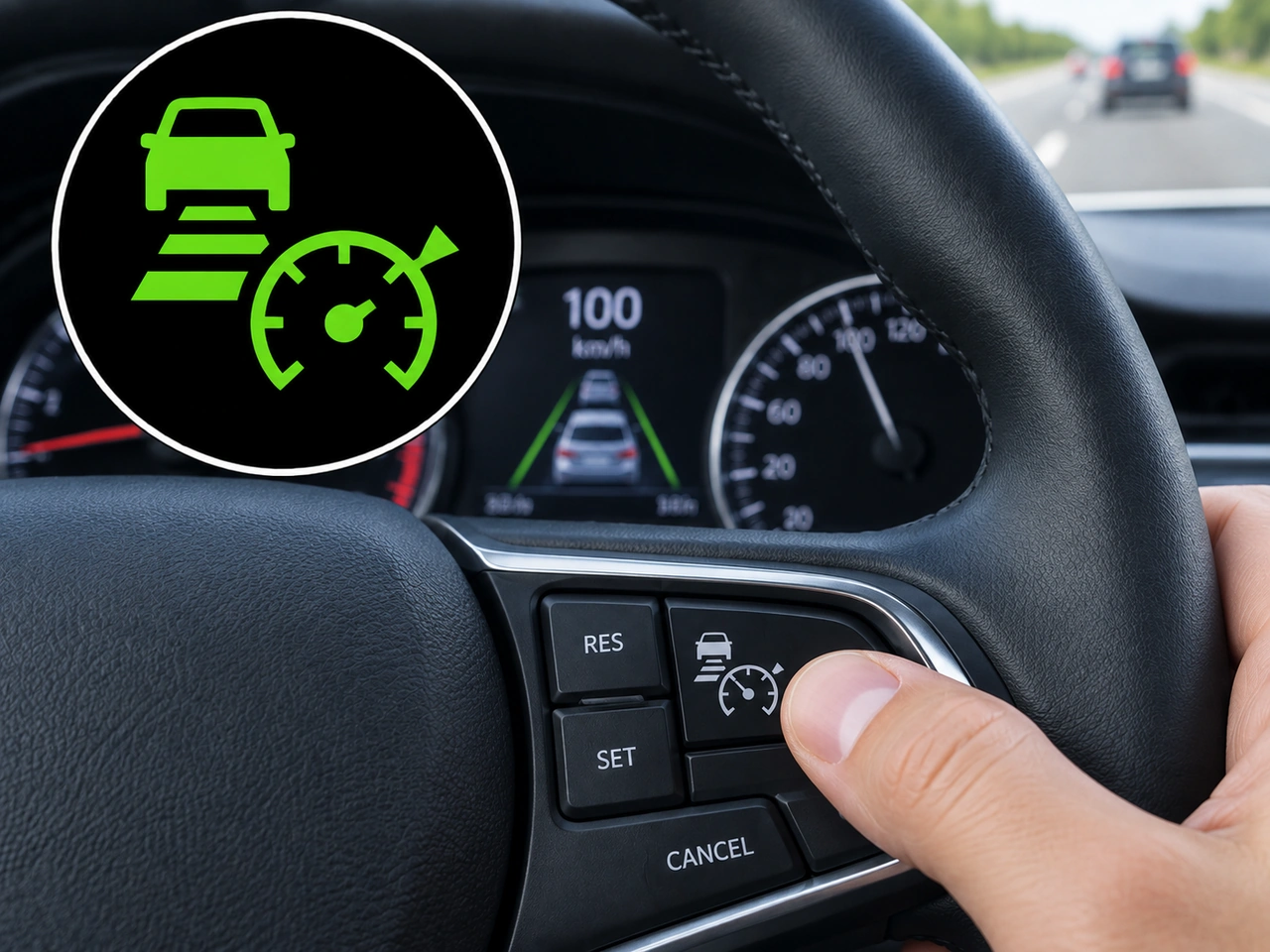
26. What does this dashboard symbol indicate?
This symbol relates to adaptive cruise control (ACC). The system can maintain a selected speed and automatically adjust the vehicle's speed to help maintain a set distance from traffic ahead.
AI-generated by Rijbewijs-online.be • WCIT • CC BY-SA
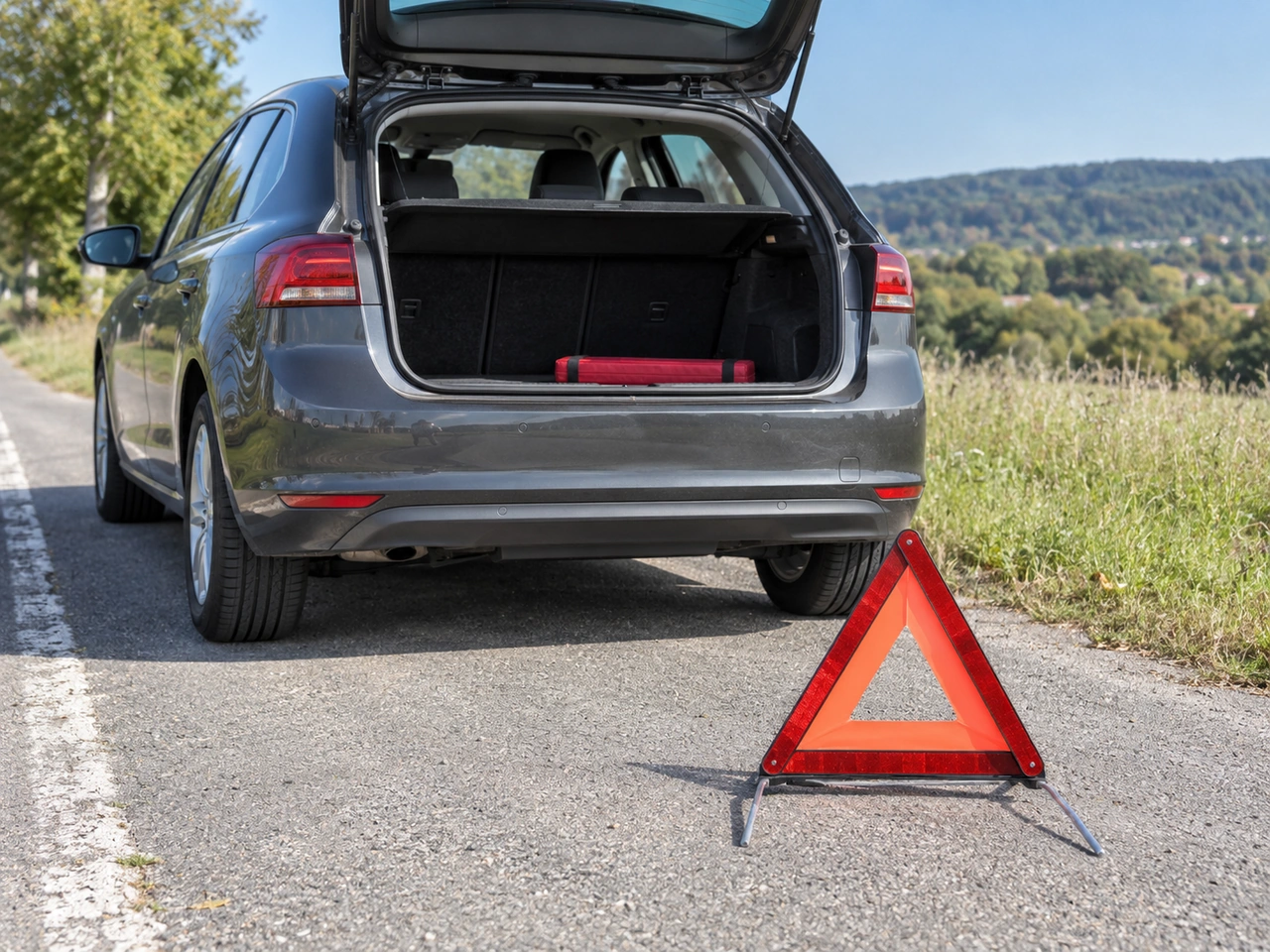
27. Is a warning triangle required in cars in New Zealand?
Cars in New Zealand are not generally required to carry a warning triangle.
AI-generated by Rijbewijs-online.be • WCIT • CC BY-SA
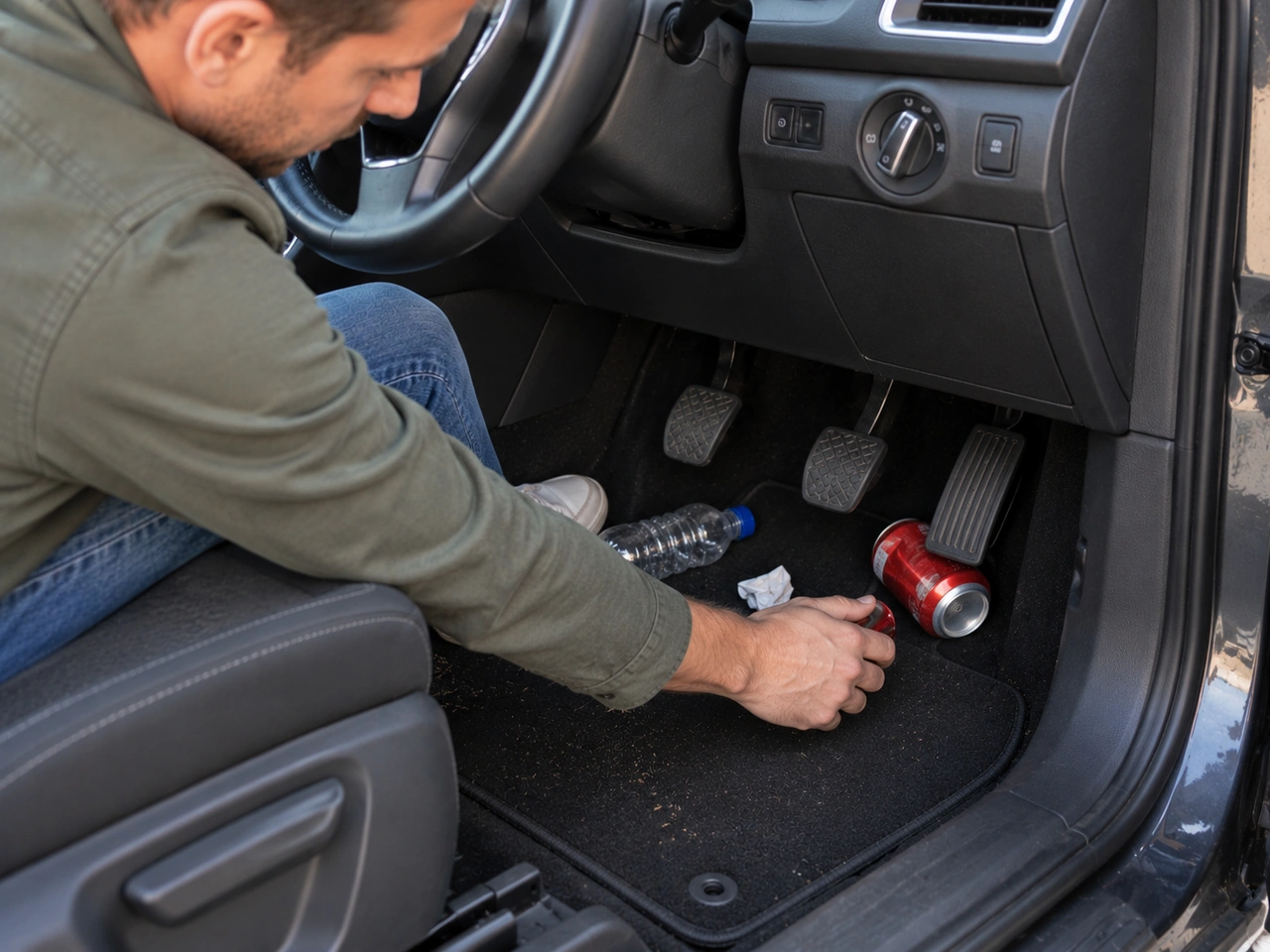
28. Why should you keep the driver's footwell free of loose objects?
Loose objects in the driver's footwell, such as bottles, cans, or rubbish, can roll into the pedal area and interfere with the accelerator, brake, or clutch. Keep the footwell clear so you can operate the pedals safely and without obstruction.
AI-generated by Rijbewijs-online.be • WCIT • CC BY-SA
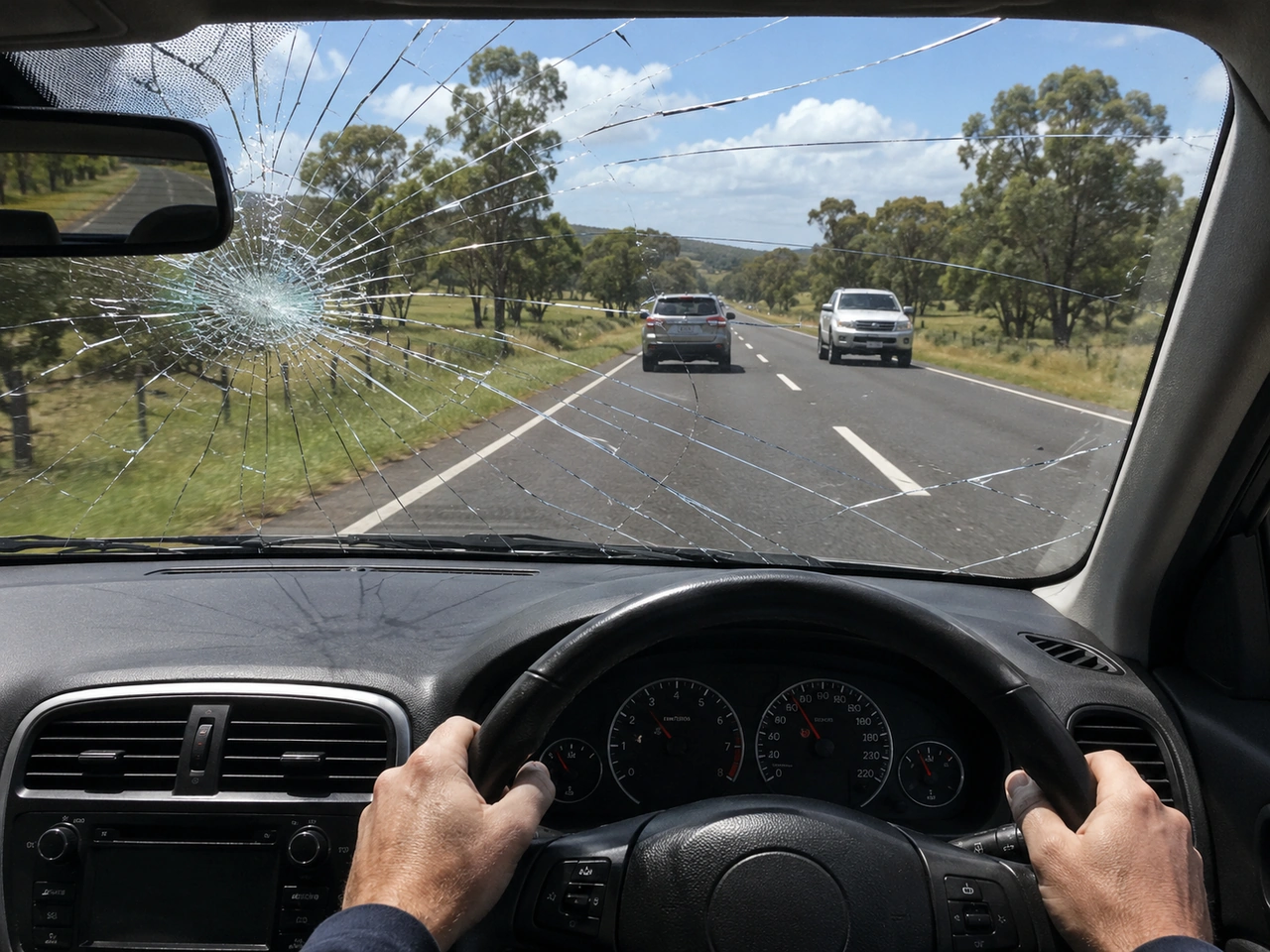
29. What should you do if the windscreen becomes damaged while driving?
Severe damage can obstruct your view and weaken the glass. Do not continue if you cannot see the road clearly.
AI-generated by Rijbewijs-online.be • WCIT • CC BY-SA
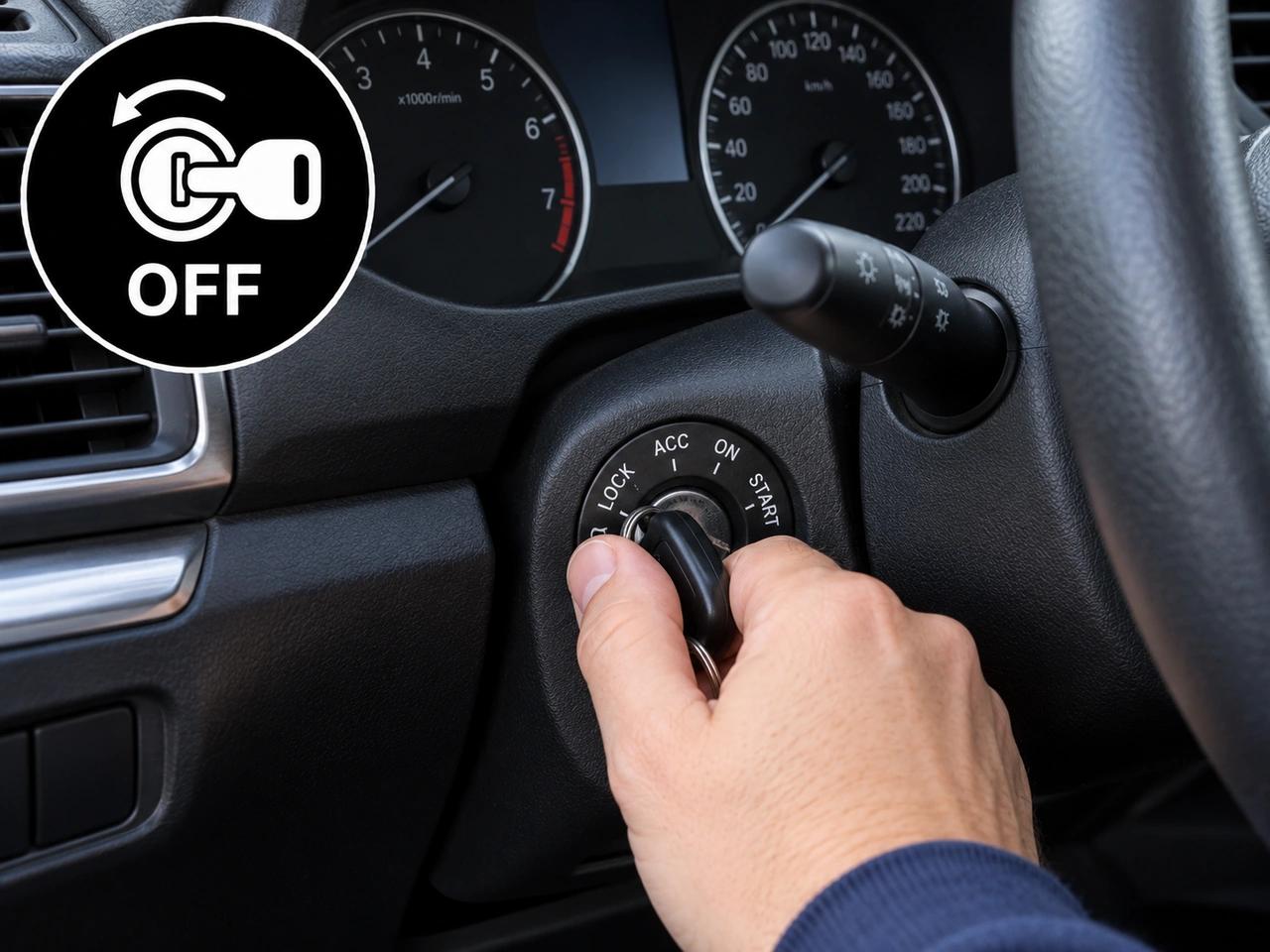
30. What does turning a traditional ignition switch to OFF normally do?
Turning a traditional ignition switch to OFF switches off the engine and ignition systems. The key can then normally be moved to the LOCK position and removed.
AI-generated by Rijbewijs-online.be • WCIT • CC BY-SA
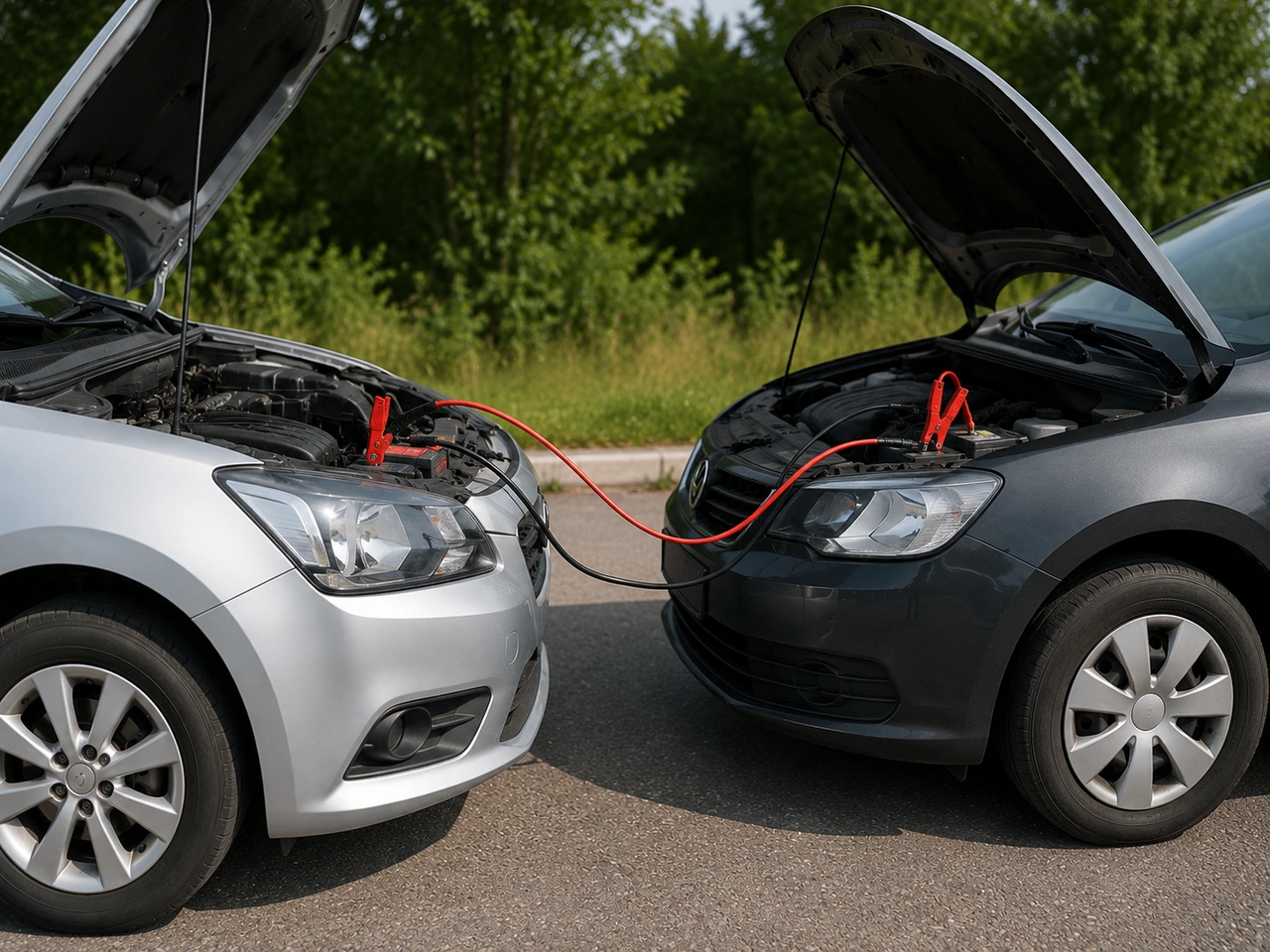
31. What should you do before attempting to jump-start a vehicle?
Incorrect jump-starting can damage electrical systems, cause sparks, or make a battery explode. Connect the leads in the correct order before starting the vehicles, and follow the manufacturer's procedure exactly.
AI-generated by Rijbewijs-online.be • WCIT • CC BY-SA
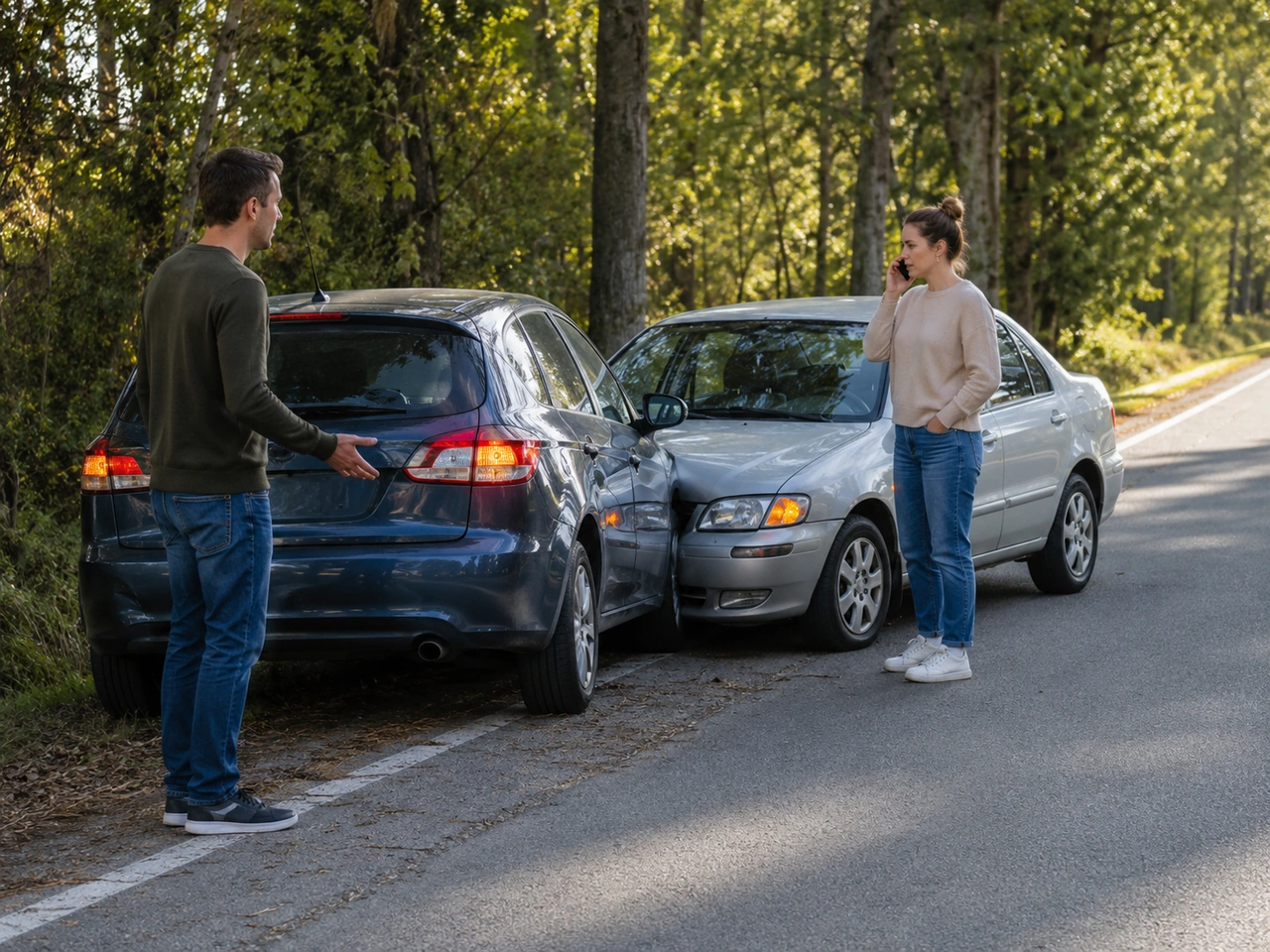
32. What should you do first after a collision?
Stop the vehicle, warn other traffic where appropriate, assess immediate danger and injuries, and contact the emergency services when needed. Exchange any details required by local law.
AI-generated by Rijbewijs-online.be • WCIT • CC BY-SA
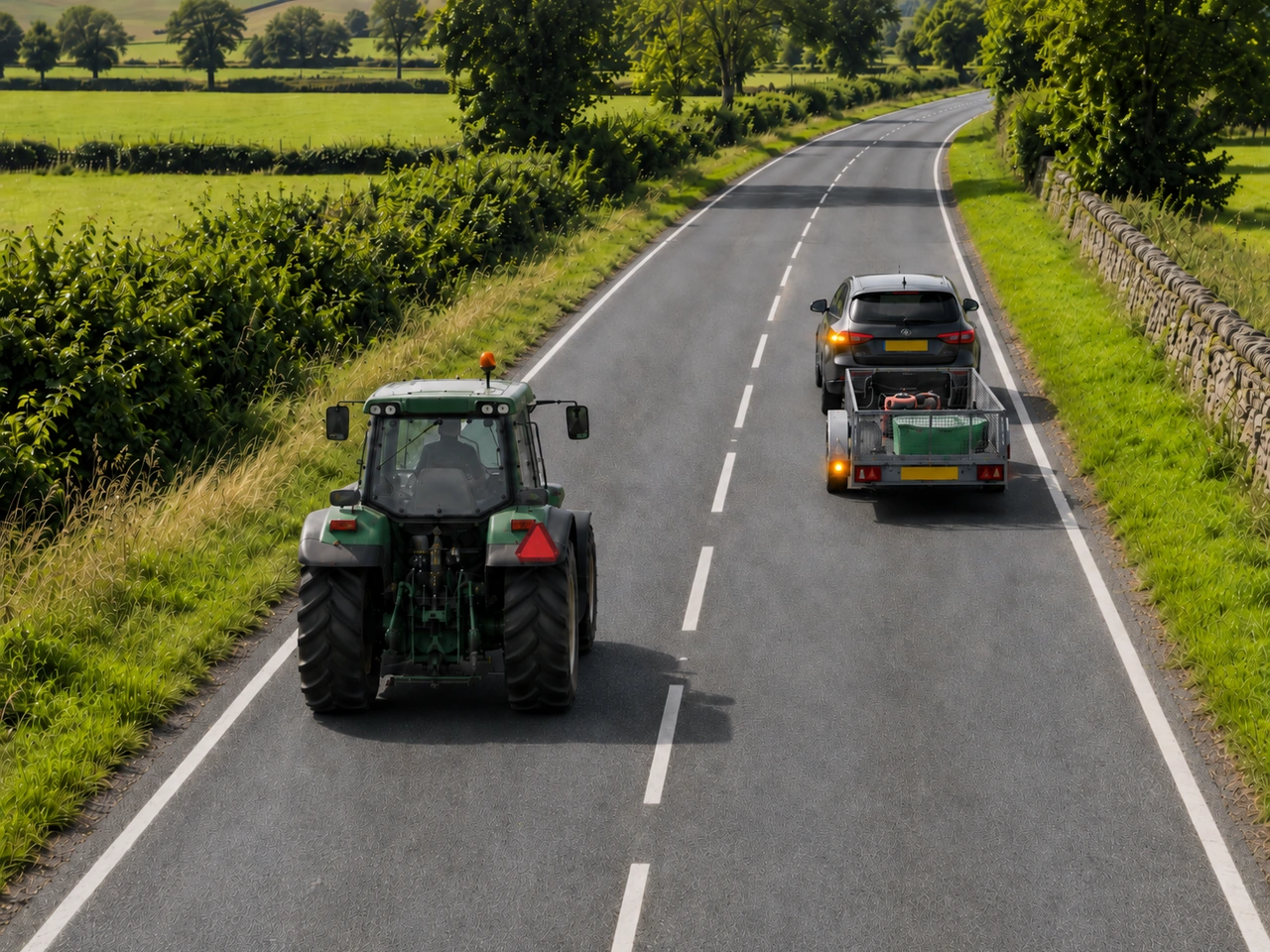
33. What should you do before overtaking while towing a trailer?
A towing vehicle accelerates more slowly, and the trailer makes the whole vehicle combination longer. Remember to allow a much larger safe gap before overtaking and enough space to return safely to your lane.
AI-generated by Rijbewijs-online.be • WCIT • CC BY-SA
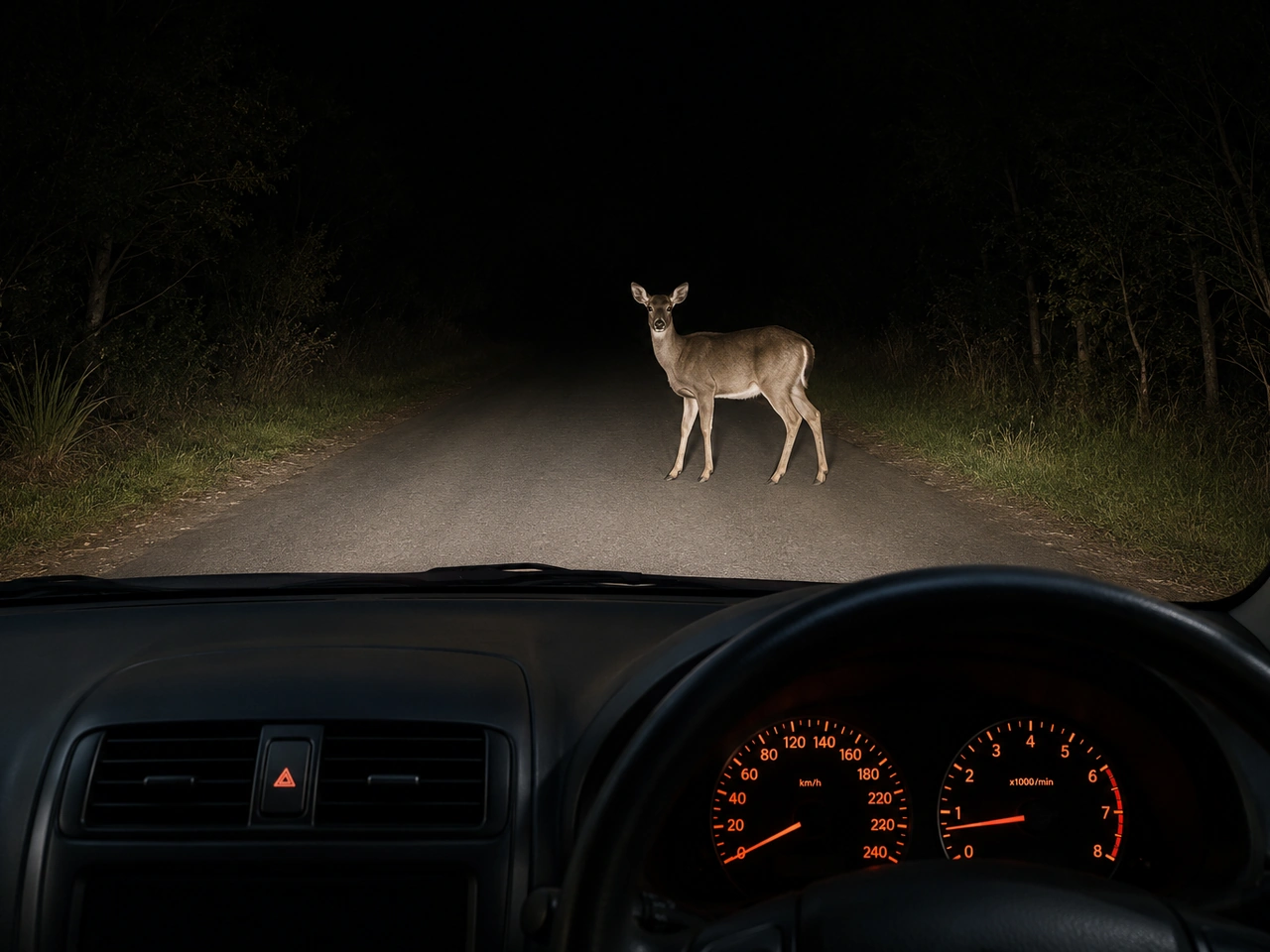
34. What should you do if an animal is standing on the road at night?
Animals may freeze, turn back, or move unpredictably when caught in vehicle headlights.
AI-generated by Rijbewijs-online.be • WCIT • CC BY-SA
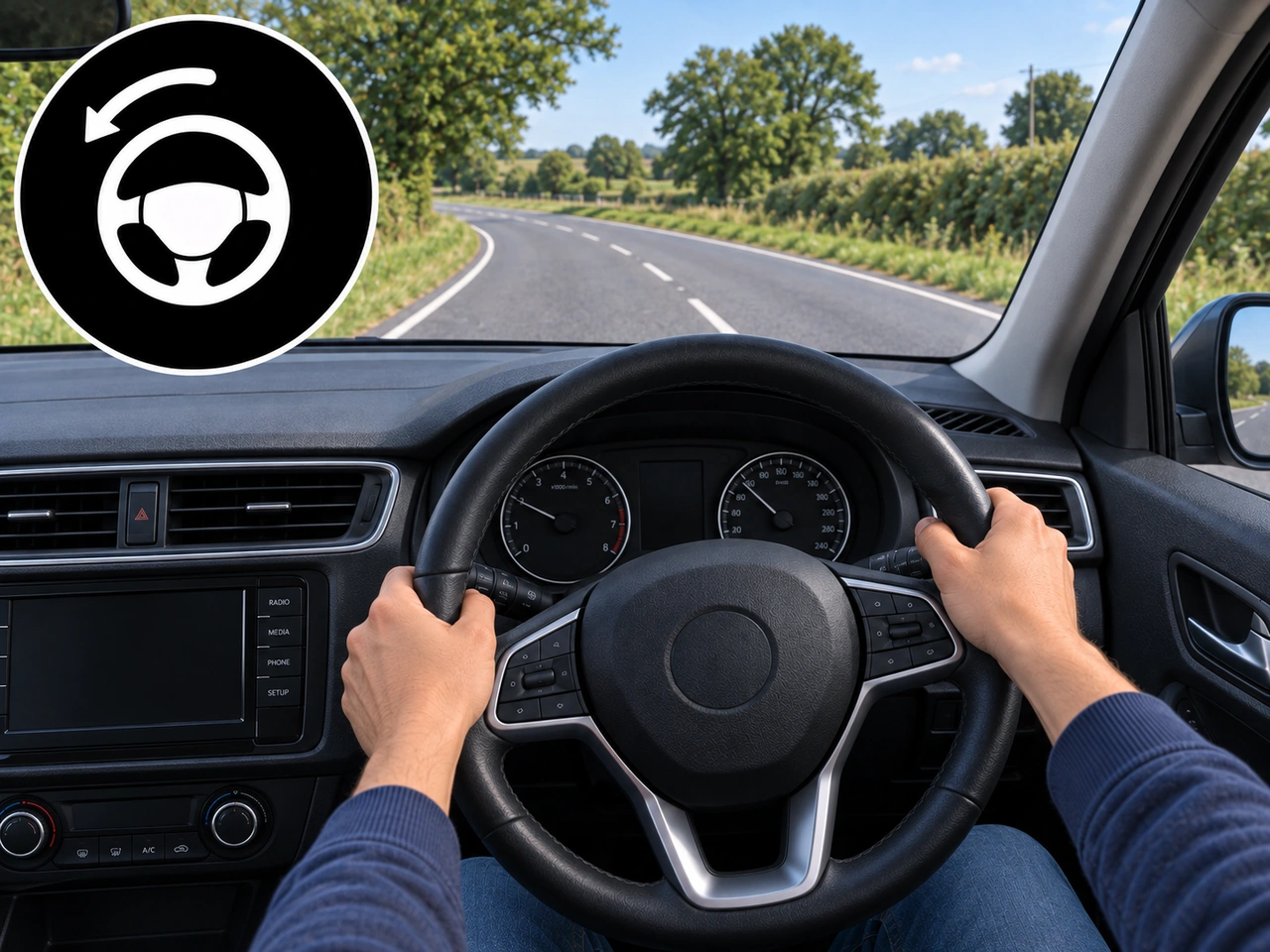
35. What should you do with the steering wheel after completing a turn?
After completing a turn, guide the steering wheel smoothly back towards the straight-ahead position while maintaining control. Do not allow the wheel to spin freely through your hands.
AI-generated by Rijbewijs-online.be • WCIT • CC BY-SA
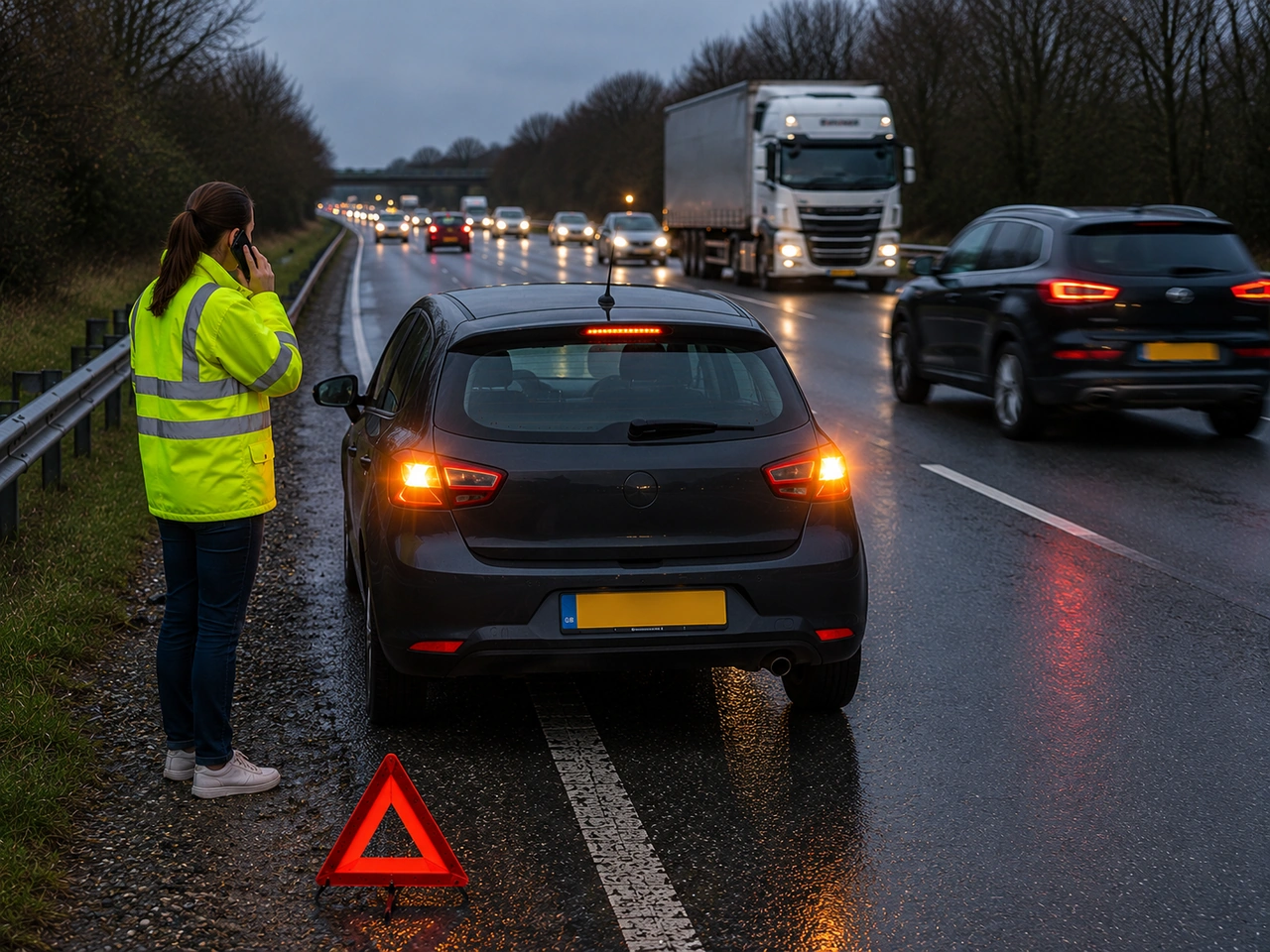
36. What information is needed when requesting emergency assistance?
Road numbers, junctions, location markers, direction of travel, and a clear description of the incident help assistance reach you quickly.
AI-generated by Rijbewijs-online.be • WCIT • CC BY-SA
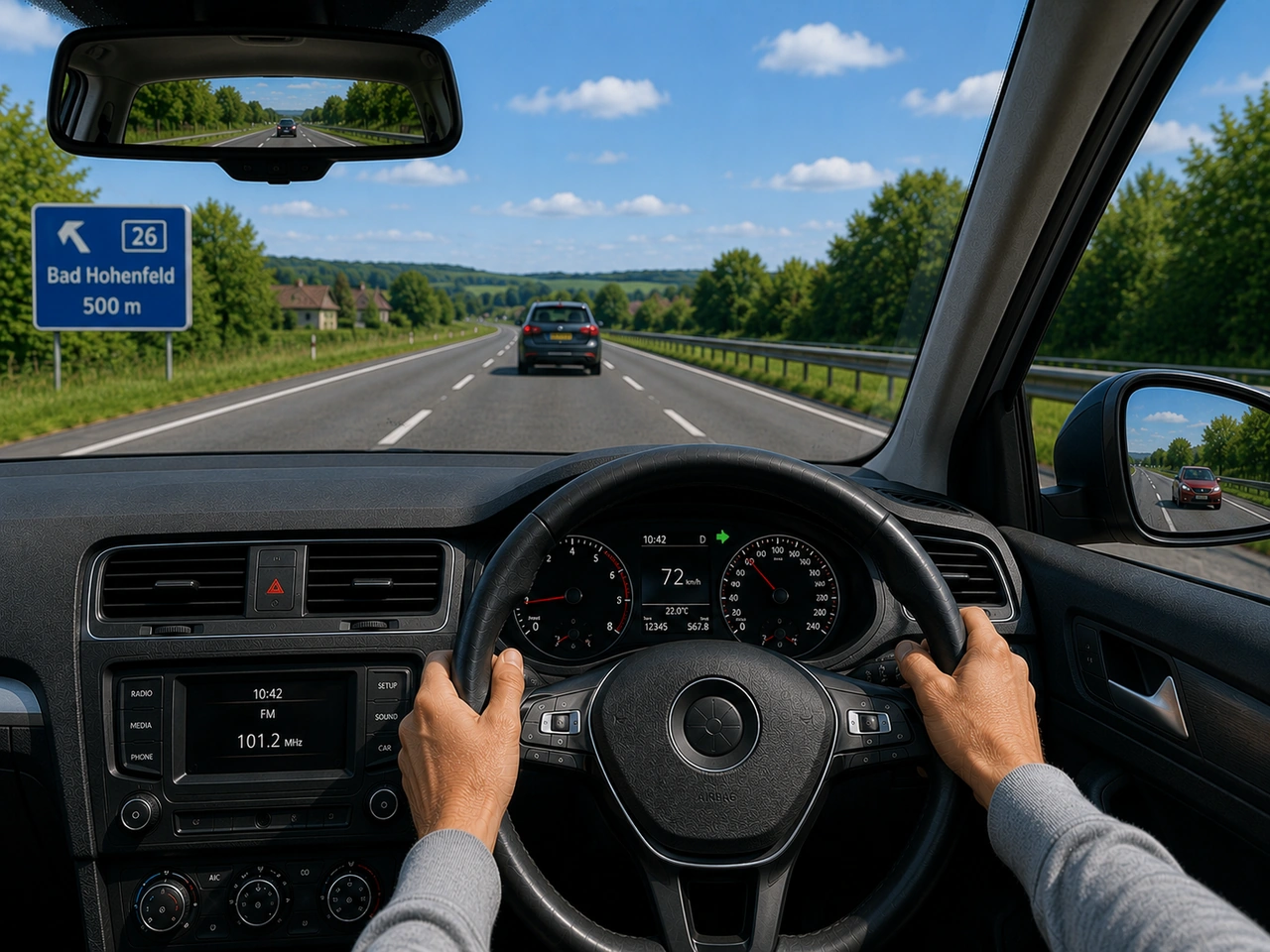
37. Using indicators helps other road users understand your intentions.
Indicators help communicate your intended direction and improve safety for everyone on the road.
AI-generated by Rijbewijs-online.be • WCIT • CC BY-SA
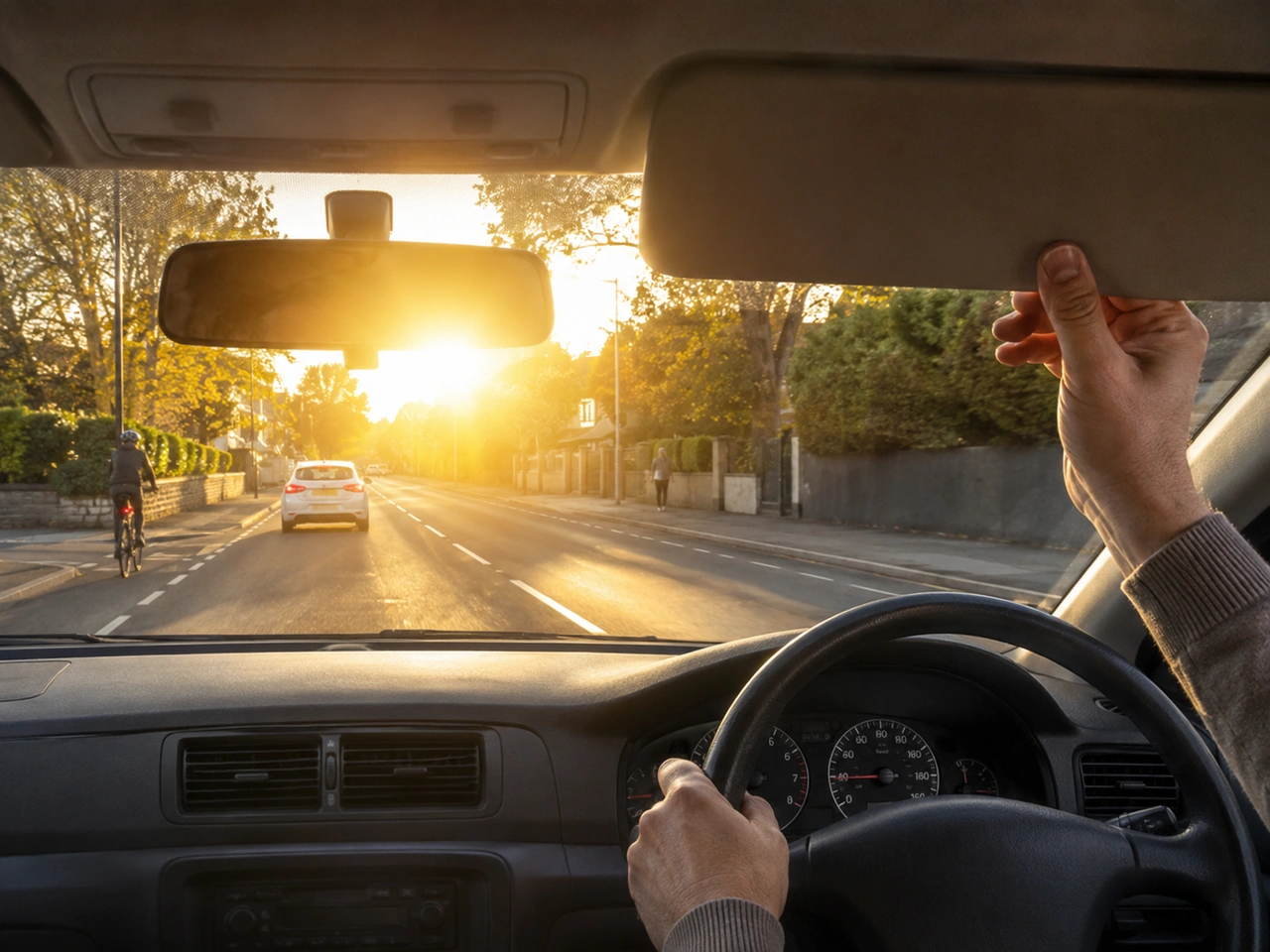
38. What should you do if you are dazzled by low sun?
Low sun can greatly reduce visibility. Slow down, increase your safety margin, and use the sun visor or sunglasses if needed.
AI-generated by Rijbewijs-online.be • WCIT • CC BY-SA
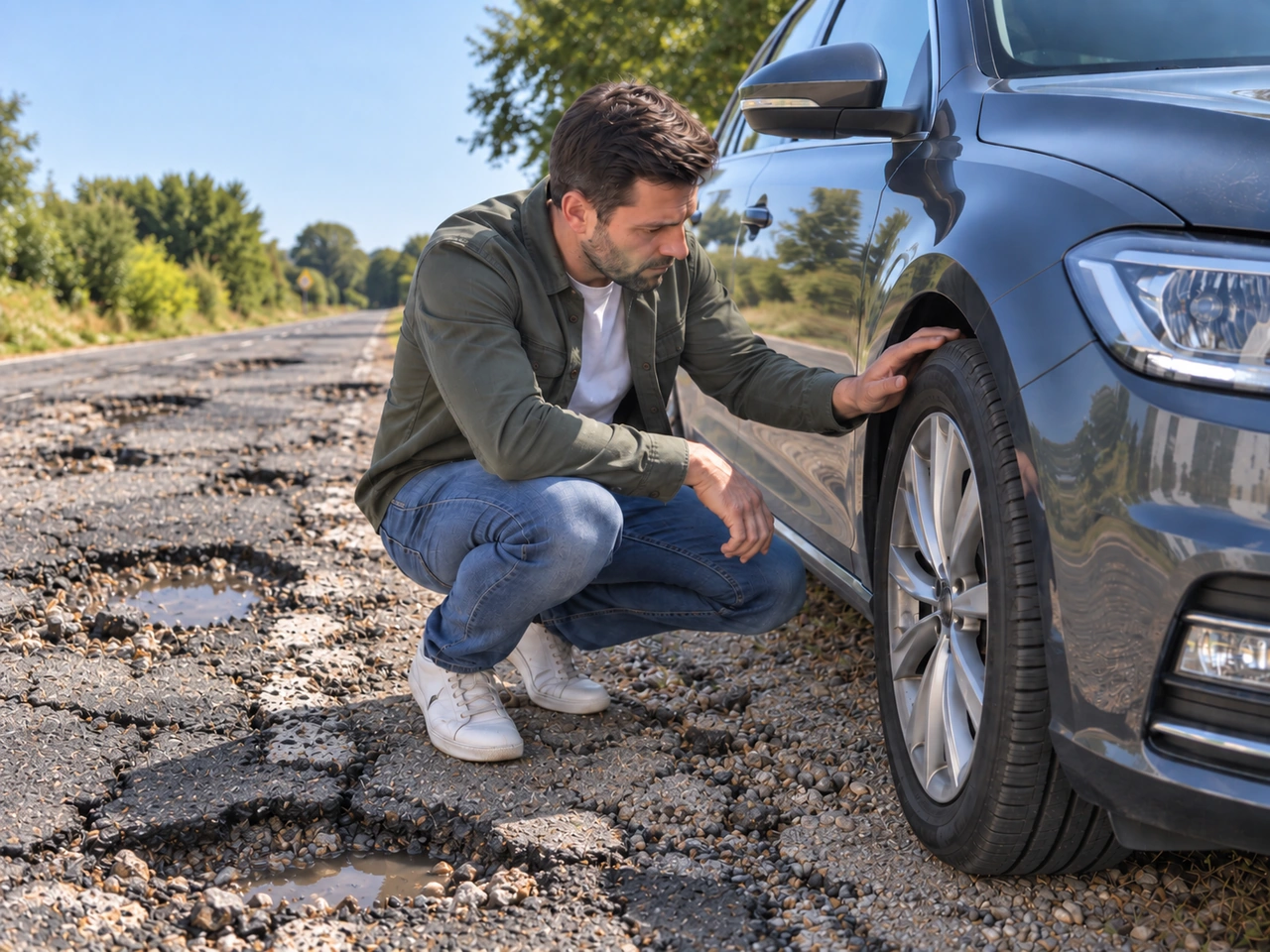
39. What should you do after hitting a deep pothole hard?
A hard impact with a pothole can damage tyres, wheel rims, steering, suspension, or wheel alignment. When it is safe to stop, inspect the tyres and wheels and pay attention to unusual vibration, pulling, or steering changes. Have the vehicle checked if you suspect damage.
AI-generated by Rijbewijs-online.be • WCIT • CC BY-SA
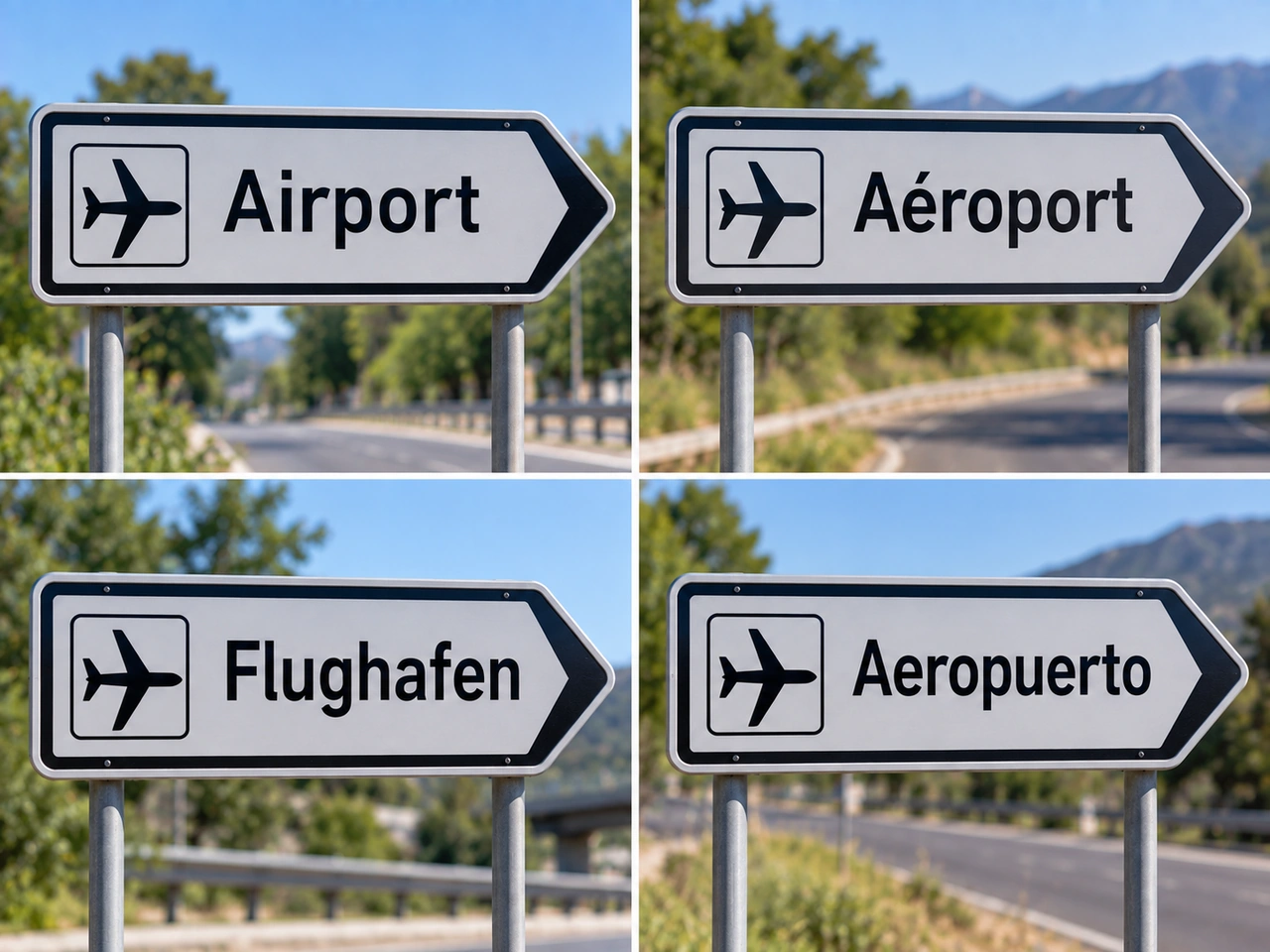
40. Which language is commonly used on text-based road signs in New Zealand?
Text-based road signs in New Zealand commonly use English.
AI-generated by Rijbewijs-online.be • WCIT • CC BY-SA
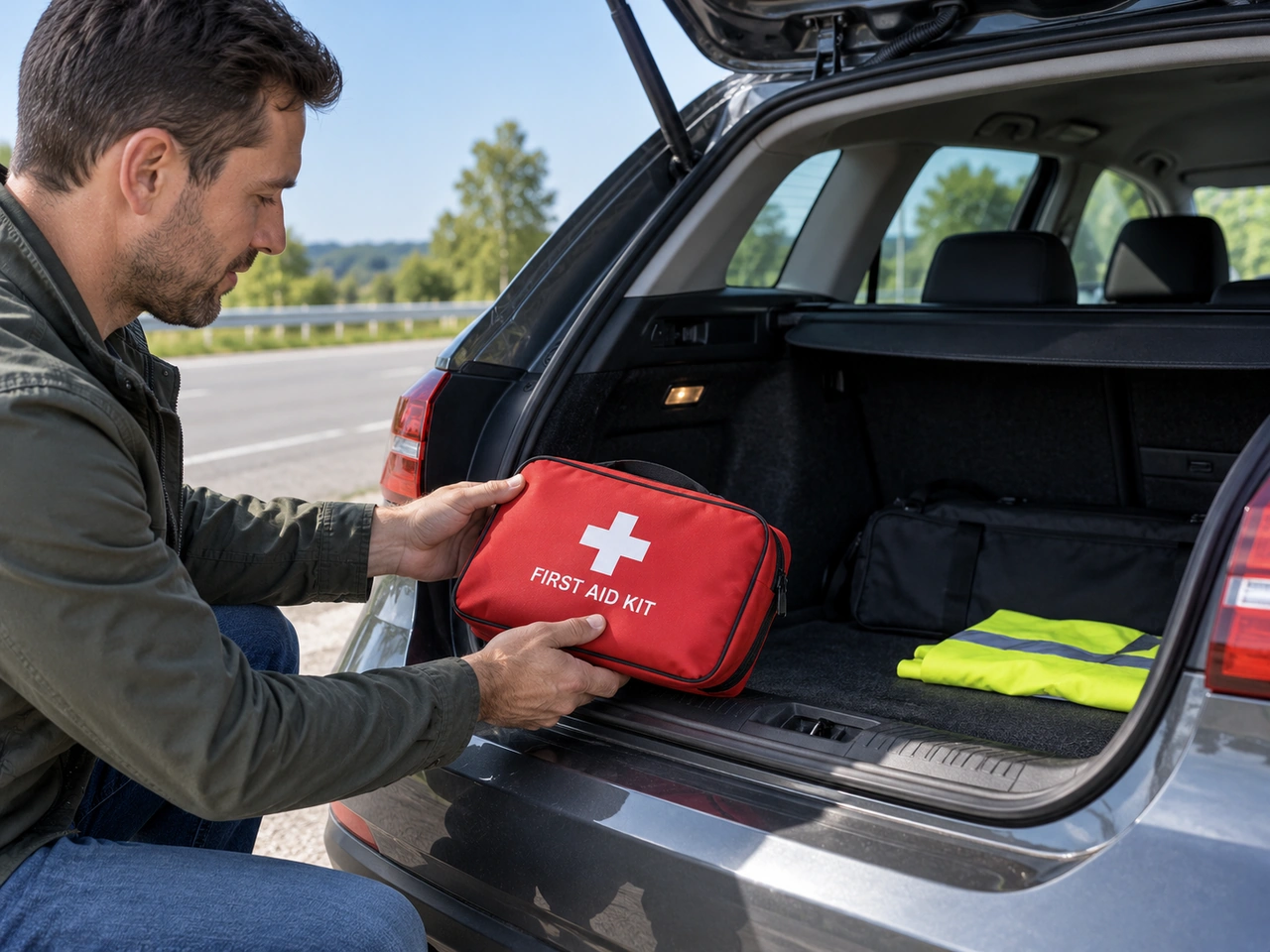
41. Is a first-aid kit required in cars in New Zealand?
Cars in New Zealand are not generally required to carry a first-aid kit.
AI-generated by Rijbewijs-online.be • WCIT • CC BY-SA
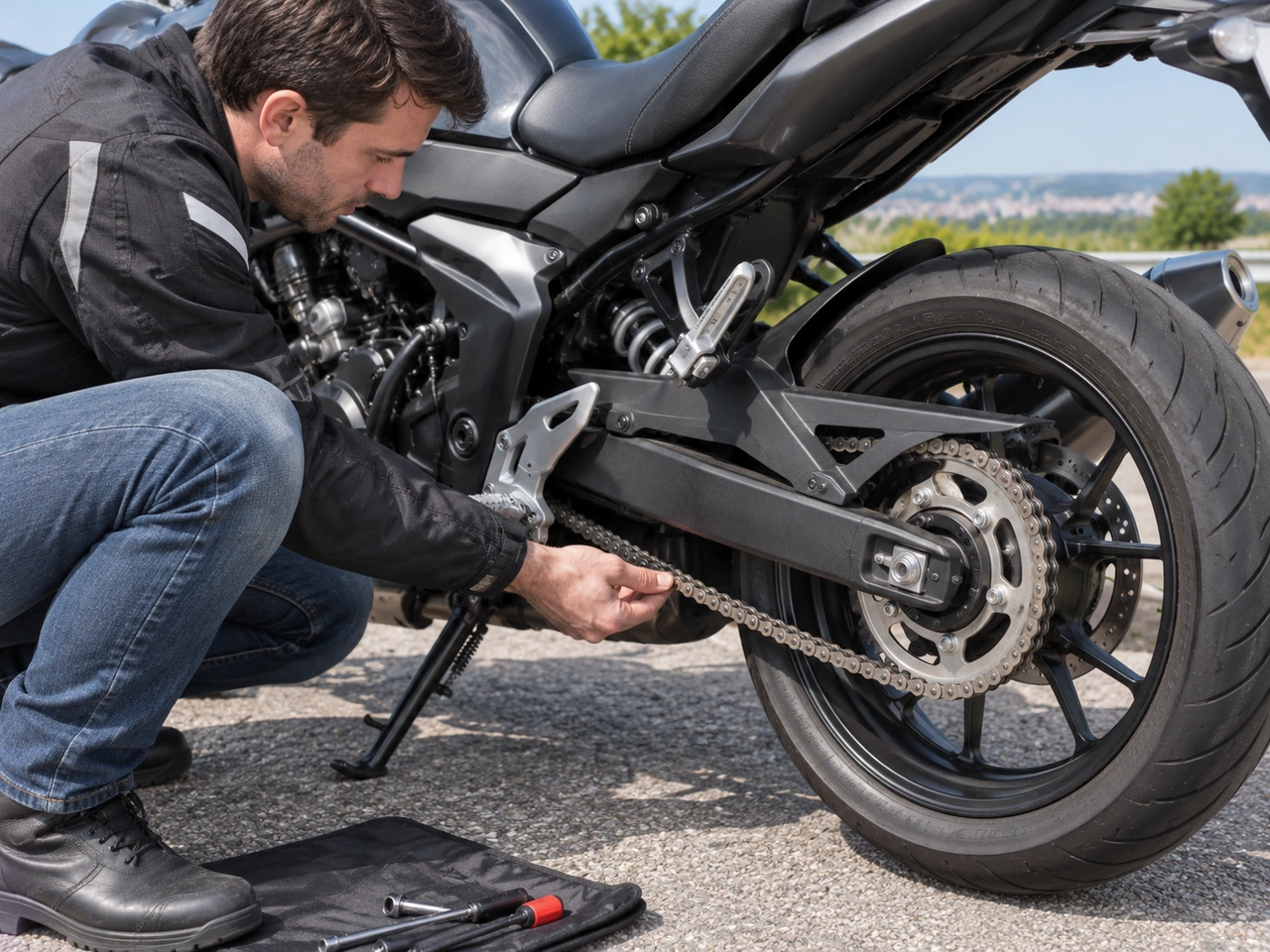
42. What should you do if a motorcycle's drive chain is too loose?
A loose drive chain can affect power transmission, damage components, or come off the sprockets. The chain should have the correct tension and lubrication specified by the motorcycle manufacturer. A chain that is too tight can also cause damage.
AI-generated by Rijbewijs-online.be • WCIT • CC BY-SA
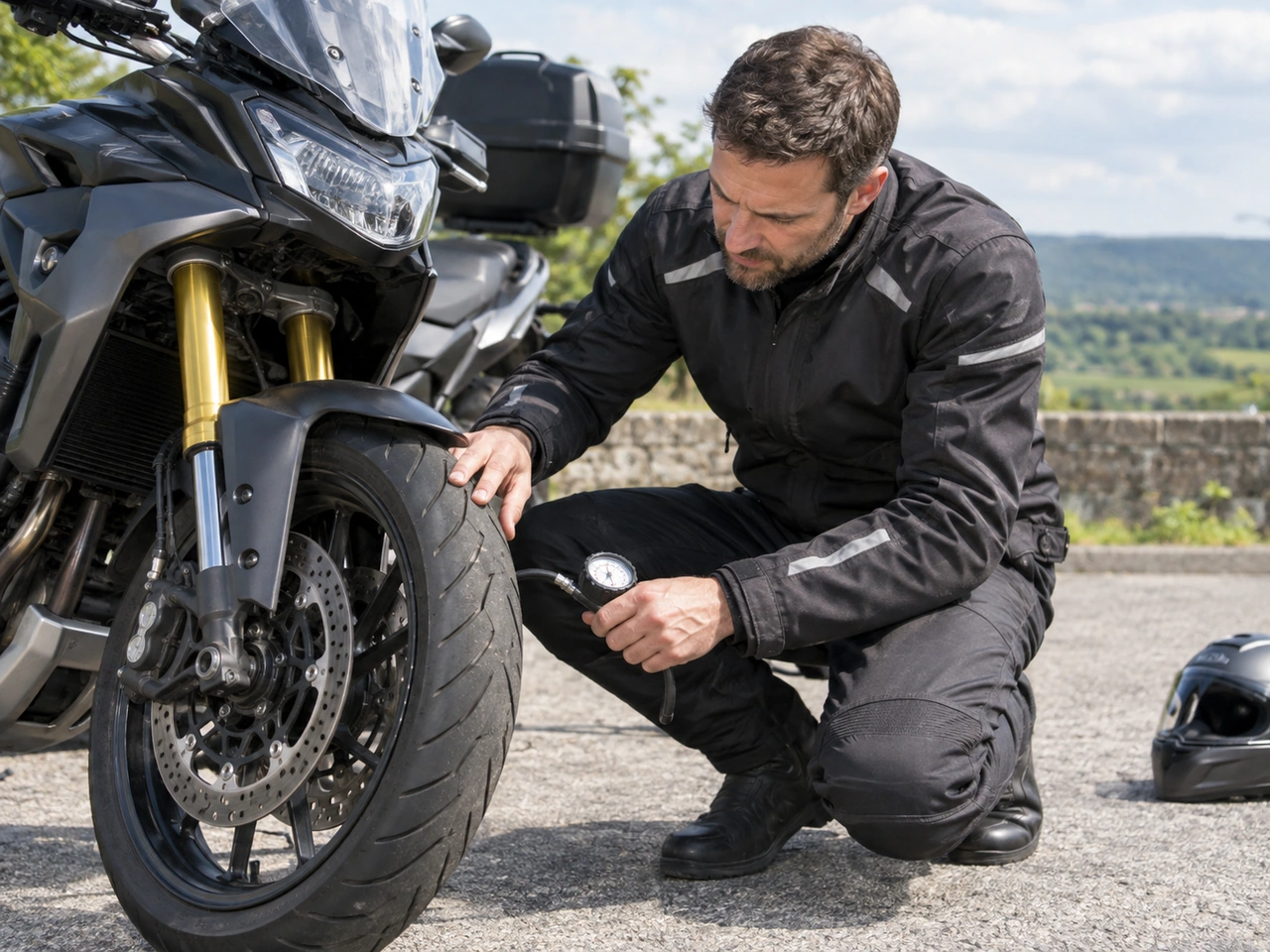
43. Why are tyre condition and pressure especially important on a motorcycle?
A motorcycle relies on a relatively small area of tyre contact with the road. Correct tyre pressure, tread and condition are important for grip, steering, stability and braking. Check the tyres regularly and follow the manufacturer's recommended pressures.
AI-generated by Rijbewijs-online.be • WCIT • CC BY-SA
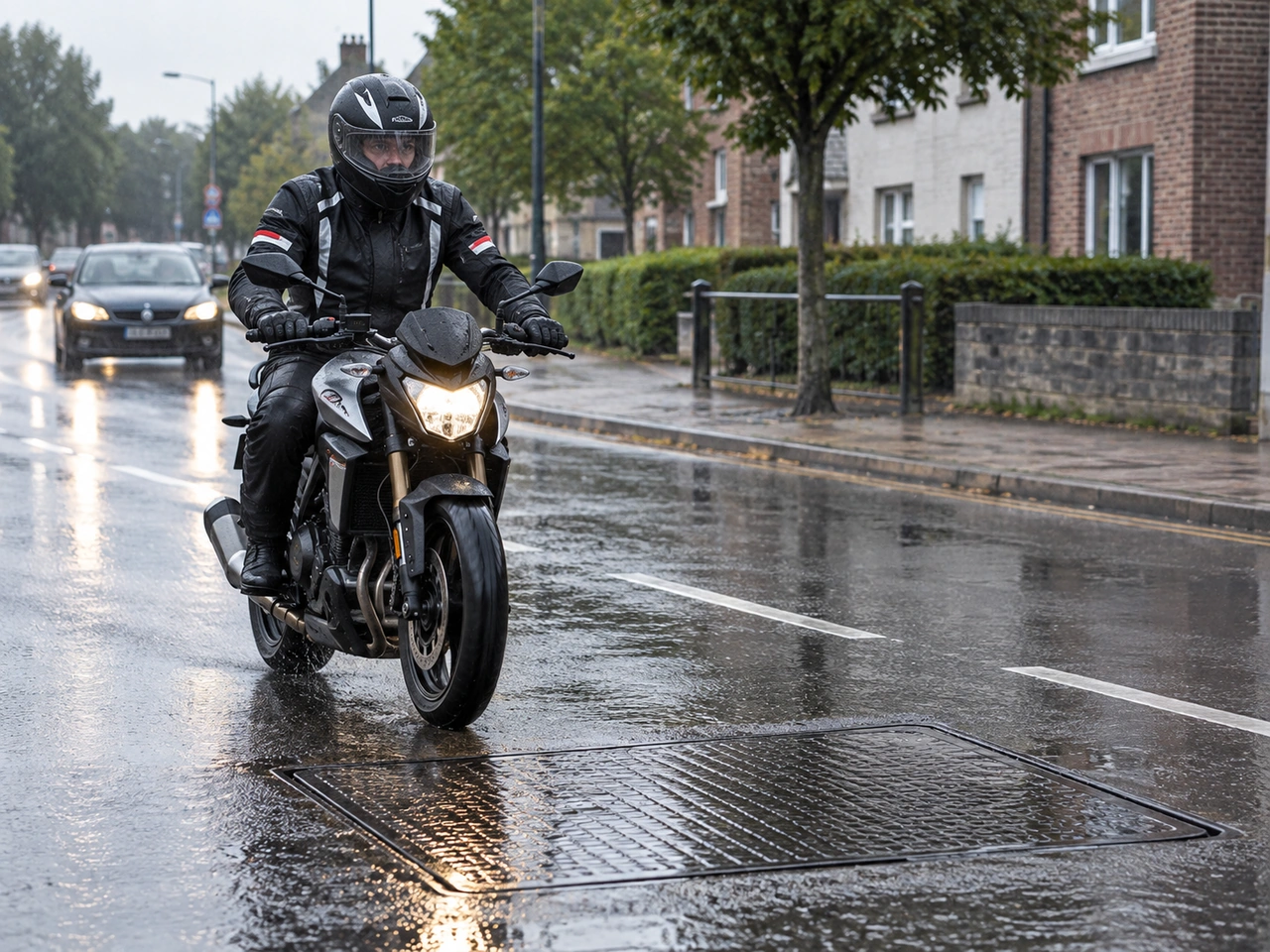
44. Why should motorcyclists take extra care on wet metal covers?
Wet metal surfaces, such as drain or inspection covers, can provide much less grip than the surrounding road. Cross them smoothly, keep the motorcycle as upright as practical and avoid sudden braking, acceleration or steering.
AI-generated by Rijbewijs-online.be • WCIT • CC BY-SA
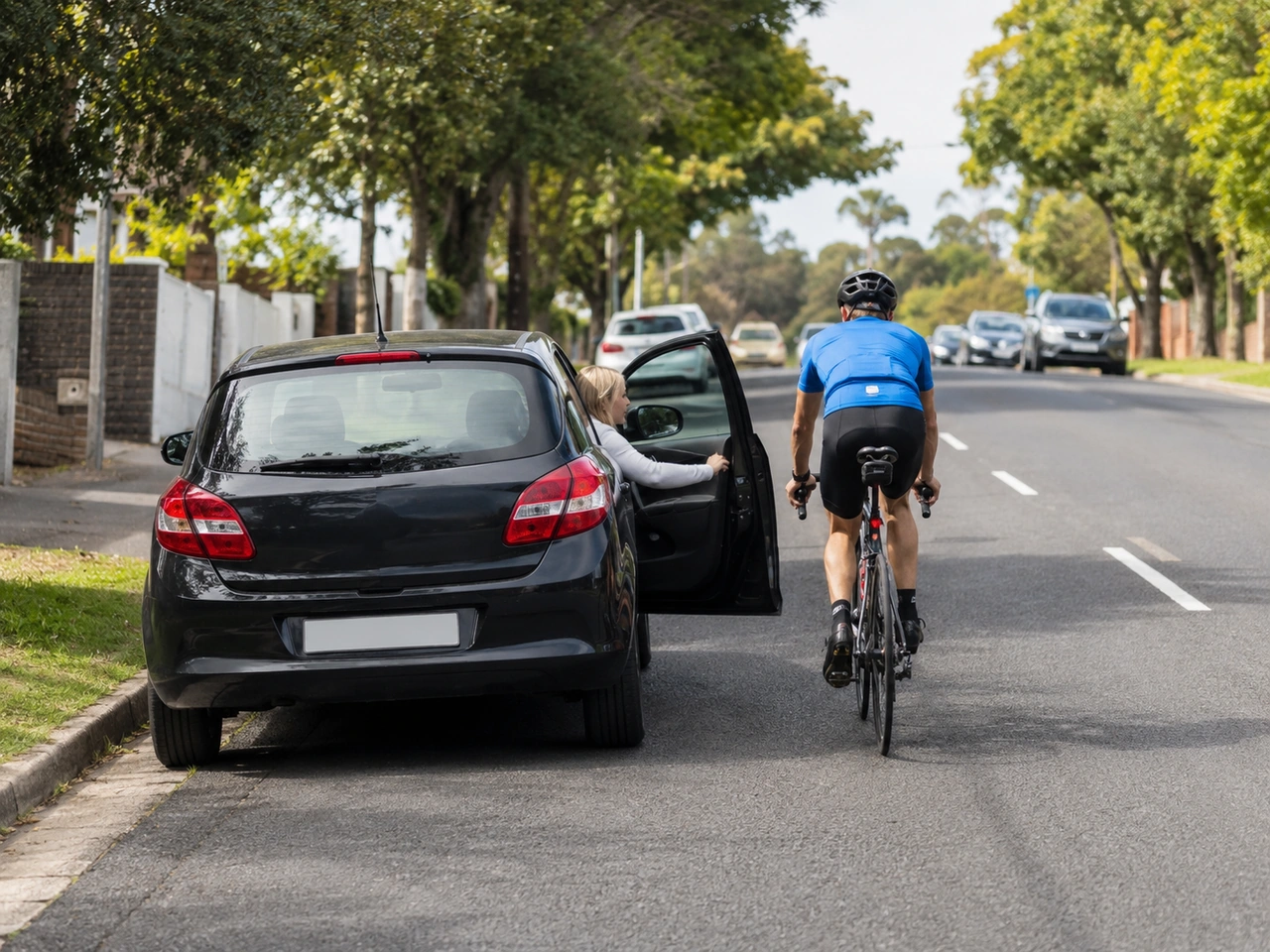
45. You do not need to look for cyclists when opening your car door.
You should always check for cyclists, motorcyclists, and other road users before opening a door.
AI-generated by Rijbewijs-online.be • WCIT • CC BY-SA
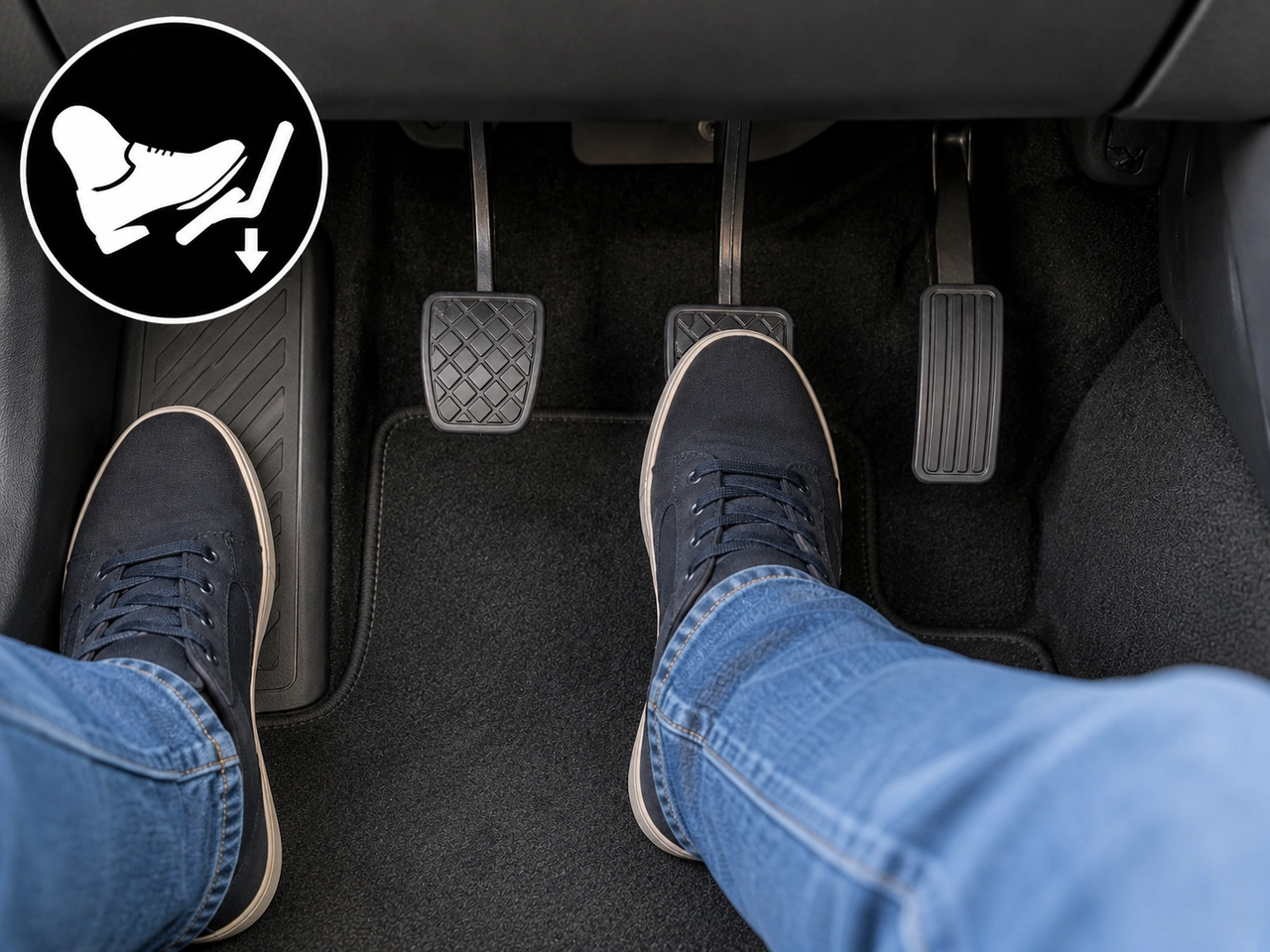
46. How should you normally apply the brake pedal for a smooth stop?
For normal braking, apply the brake pedal progressively and smoothly. As the vehicle comes to a stop, easing the pressure slightly can help avoid a sudden jerk.
AI-generated by Rijbewijs-online.be • WCIT • CC BY-SA
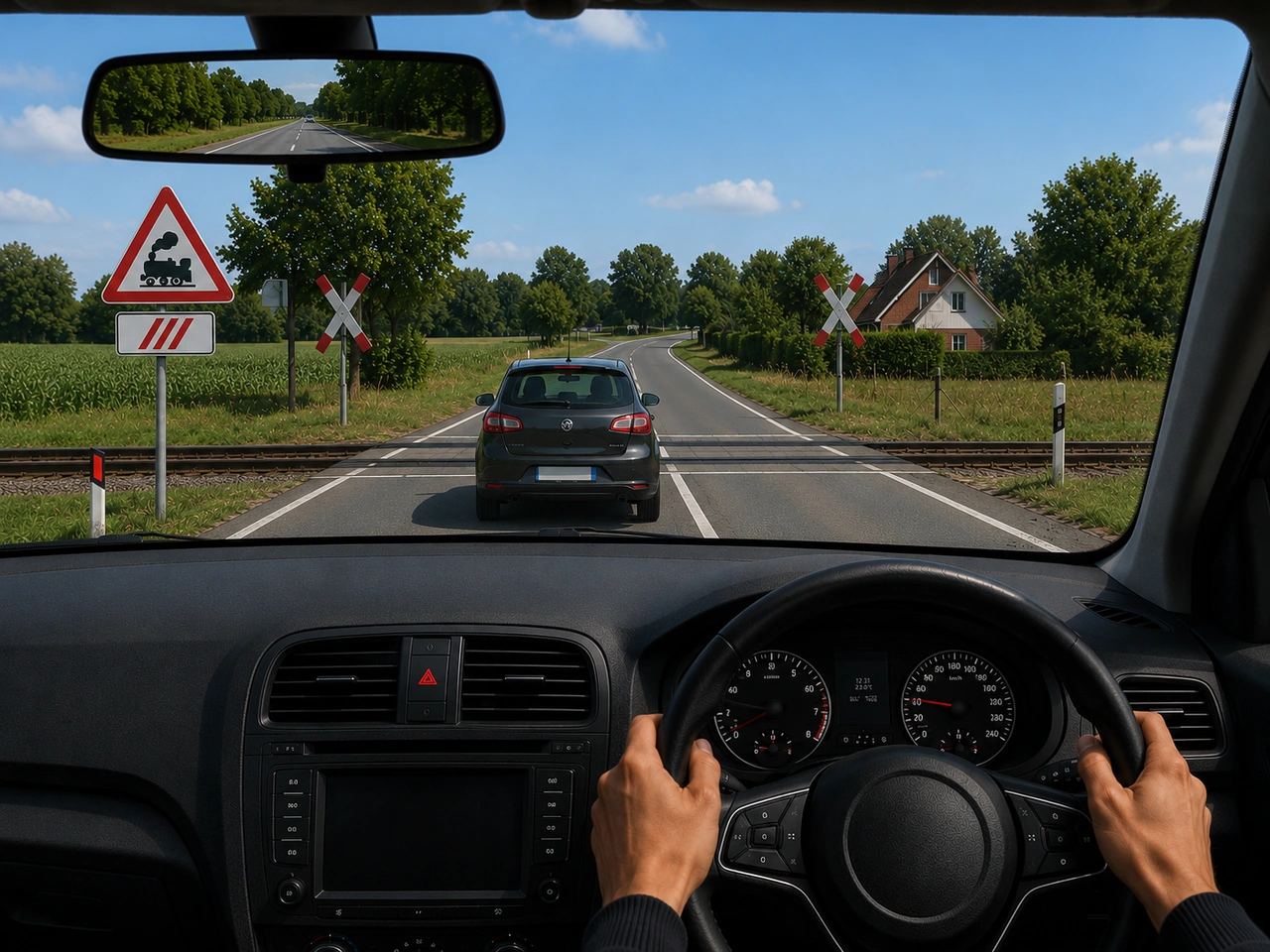
47. What should you do at a railway crossing without barriers?
Approach railway crossings carefully, obey any requirement to stop and any warning signals or barriers, and cross only when it is safe.
AI-generated by Rijbewijs-online.be • WCIT • CC BY-SA
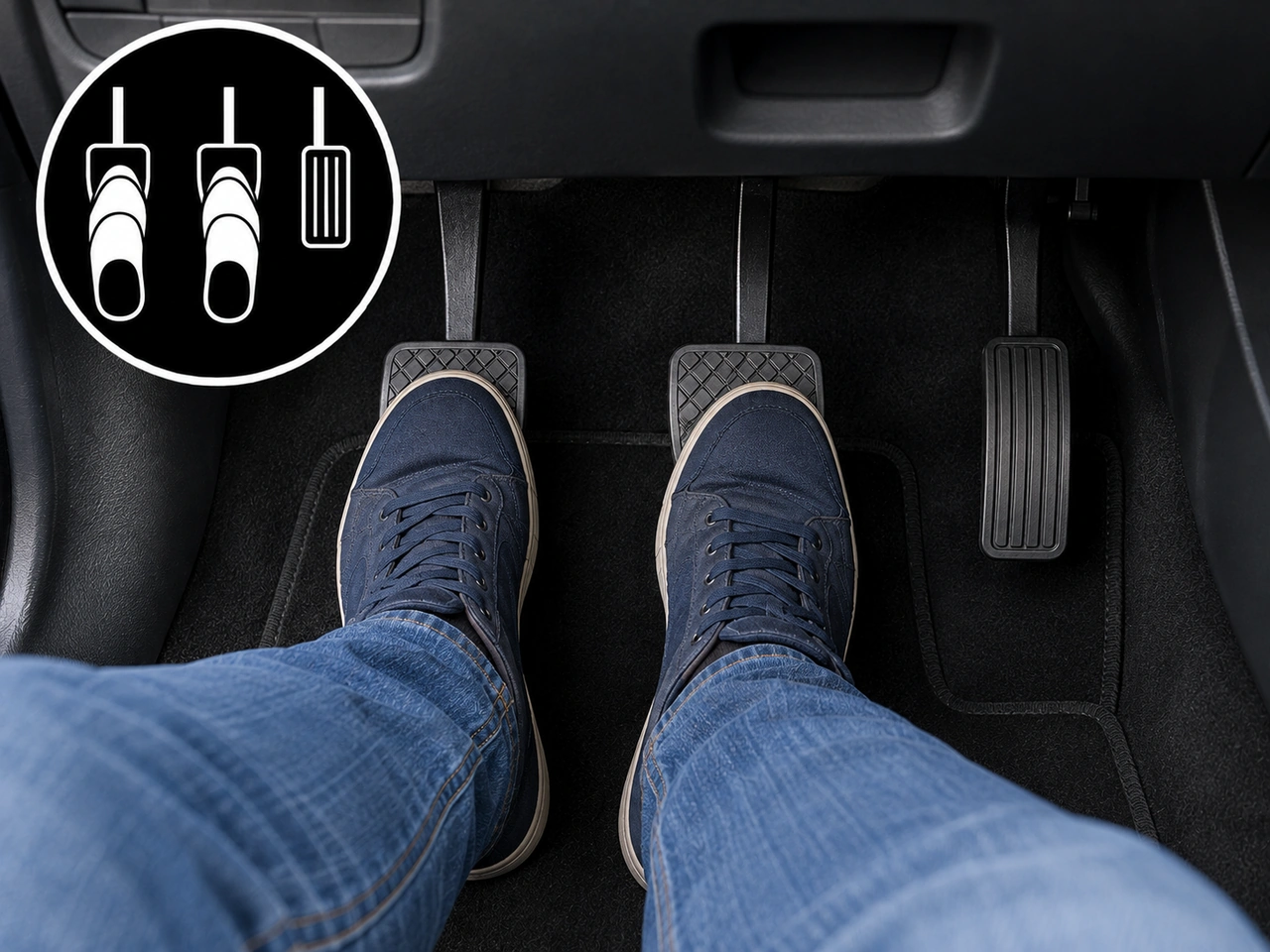
48. What should you do with the clutch during emergency braking in a manual vehicle?
During emergency braking in a manual vehicle, maintain firm pressure on the brake and press the clutch pedal fully so the engine does not stall as the vehicle slows. Do not reduce braking pressure while operating the clutch.
AI-generated by Rijbewijs-online.be • WCIT • CC BY-SA
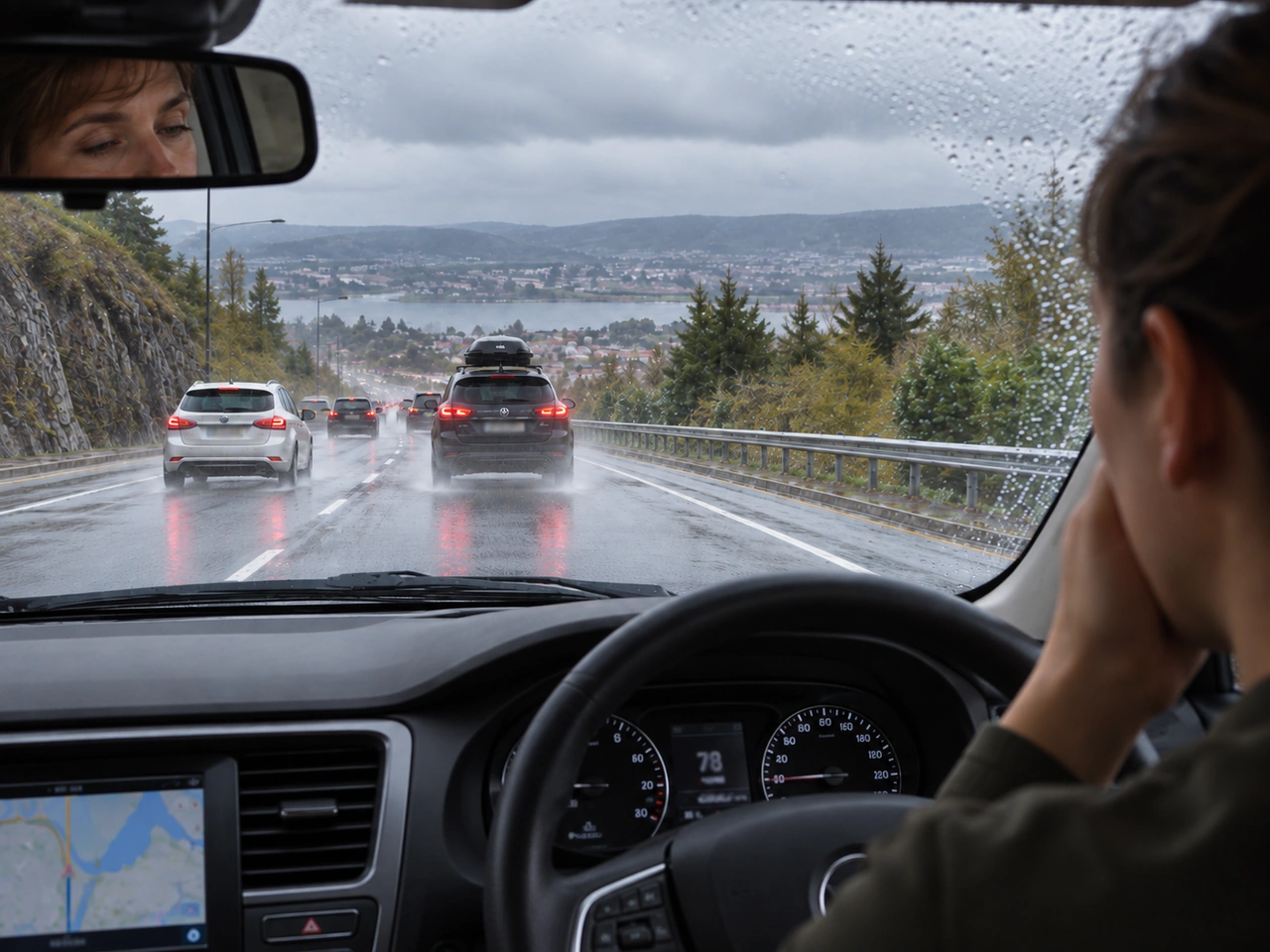
49. Which factors can increase a vehicle's stopping distance?
Stopping distance can increase because of higher speed, slower driver reactions, reduced tyre grip, poor weather or road conditions, worn tyres, weak brakes, or a heavier vehicle. Both the driver's reaction distance and the vehicle's braking distance can be affected.
AI-generated by Rijbewijs-online.be • WCIT • CC BY-SA
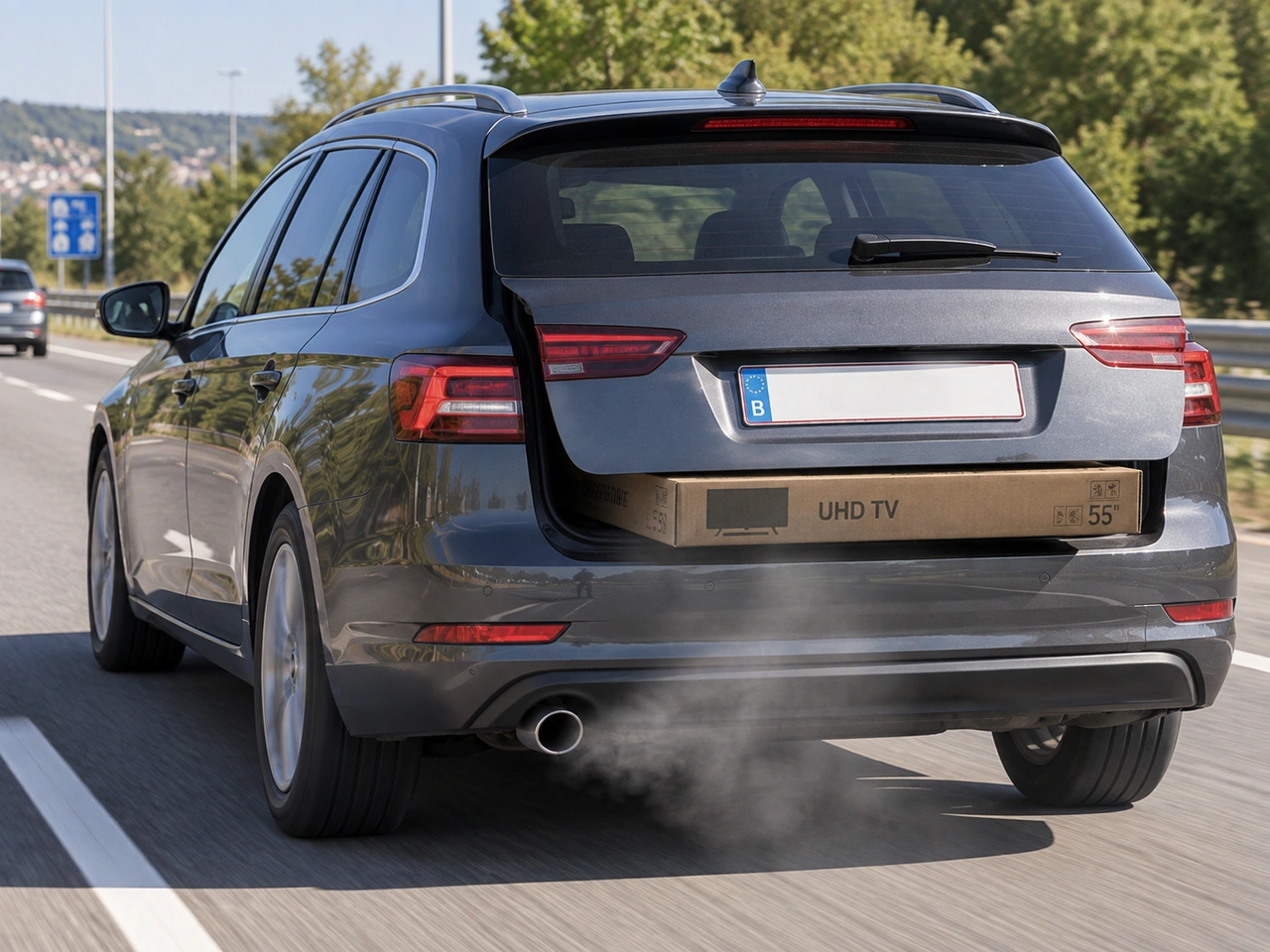
50. What is a danger of driving a petrol or diesel vehicle with the boot or tailgate open?
Driving with the boot or tailgate open can allow exhaust gases to be drawn into the vehicle. Exhaust fumes may contain carbon monoxide, which is poisonous and may be difficult to detect. Keep the luggage compartment properly closed while driving whenever possible.
AI-generated by Rijbewijs-online.be • WCIT • CC BY-SA