


CurveWallonia
 Traffic rules
 Wallonia
32. Curve
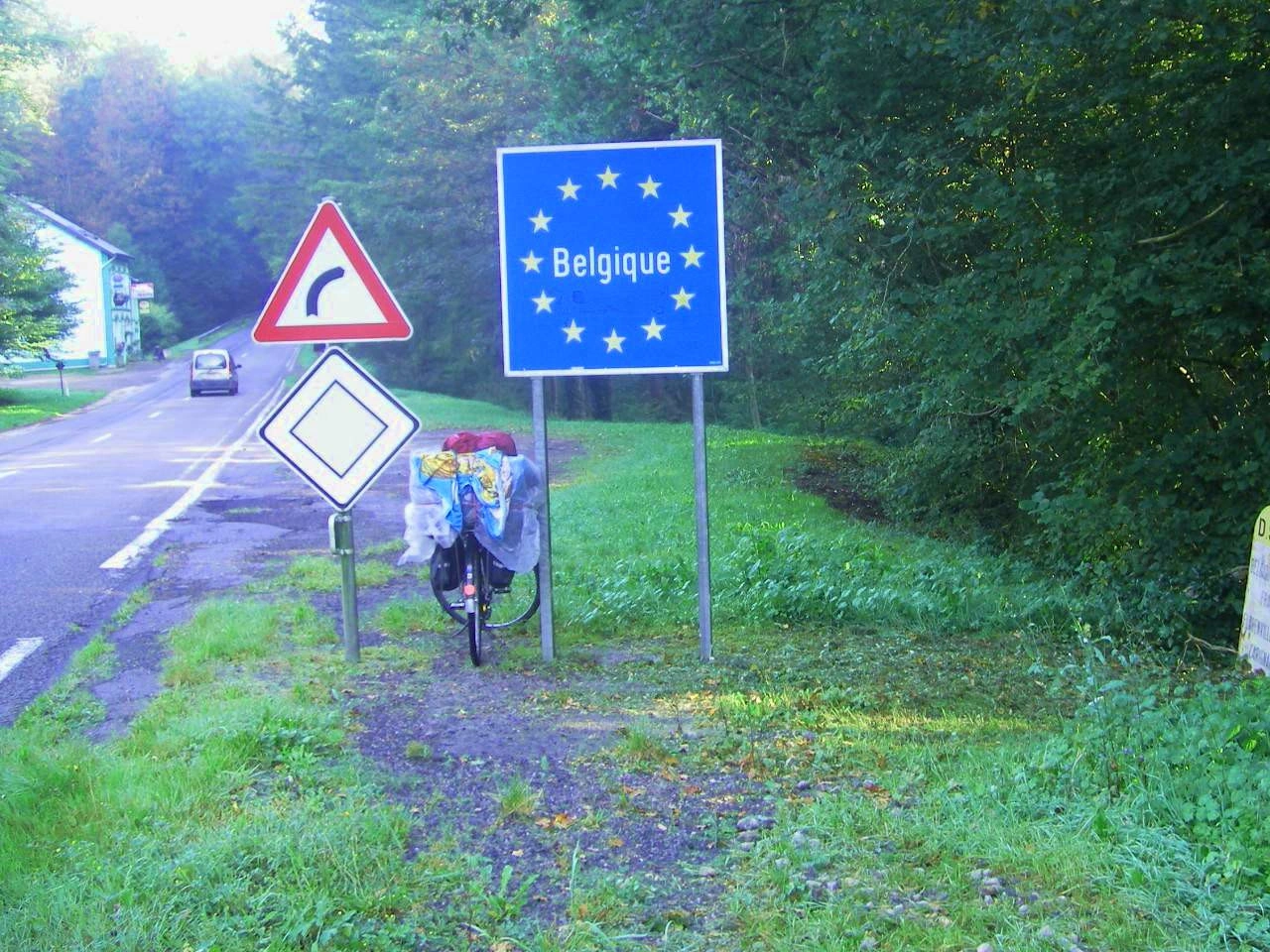
A curve is a section of road that changes direction to the left or right. A sharp, unexpected or poorly visible curve can reduce a driver’s view of approaching traffic, stopped vehicles, pedestrians and other hazards.
Drivers should reduce speed before entering the curve, remain within their lane and use smooth steering, braking and acceleration. Warning signs may indicate the direction of the first curve or a series of successive curves.
Wikimedia.org • Szeder László • CC BY-SA
Which Belgian signs warn of dangerous curves?
Belgian traffic signs A1a, A1b, A1c and A1d warn of dangerous curves.
🔗 codex.vlaanderen.be • Belgian Road Code — articles 8.3, 10.1, 17.1–17.2, 24(6), 66.1 and 66.4 (A1)
Can a panel indicate the distance to the curve?
Yes. A supplementary distance panel may indicate approximately how far ahead the dangerous curve begins.
🔗 codex.vlaanderen.be • Belgian Road Code — articles 8.3, 10.1, 17.1–17.2, 24(6), 66.1 and 66.4 (A1)
Does a Belgian dangerous-curve warning sign impose a speed limit?
No. The applicable regional, zonal, posted and vehicle-specific speed limits remain in force.
🔗 codex.vlaanderen.be • Belgian Road Code — articles 8.3, 10.1, 17.1–17.2, 24(6), 66.1 and 66.4 (A1)
Must you sometimes drive below the speed limit?
Yes. Belgian drivers must adapt their speed to the road layout, visibility, weather, traffic and vehicle condition and remain able to stop before a foreseeable obstruction.
🔗 codex.vlaanderen.be • Belgian Road Code — articles 8.3, 10.1, 17.1–17.2, 24(6), 66.1 and 66.4 (A1)
May you stop or park in a Belgian curve?
Stopping and parking on the carriageway are prohibited in a curve when visibility is insufficient.
🔗 codex.vlaanderen.be • Belgian Road Code — articles 8.3, 10.1, 17.1–17.2, 24(6), 66.1 and 66.4 (A1)


