Cédez le passageIrlande

Apprenez les règles de circulation avec des explications claires et des exemples visuels dans notre livre illustré, simple et agréable à étudier.


15. Cédez le passage

Un panneau Cédez le passage oblige les conducteurs à laisser passer les usagers prioritaires avant de s’engager sur une route, de la traverser ou de la rejoindre. Les conducteurs doivent réduire leur vitesse, observer le trafic approchant et s’arrêter si nécessaire.

Contrairement à un panneau Stop, un Cédez le passage n’impose pas toujours un arrêt complet. Le conducteur peut continuer sans s’arrêter uniquement si le passage est clairement libre et qu’aucun usager prioritaire n’est obligé de modifier sa vitesse ou sa trajectoire.
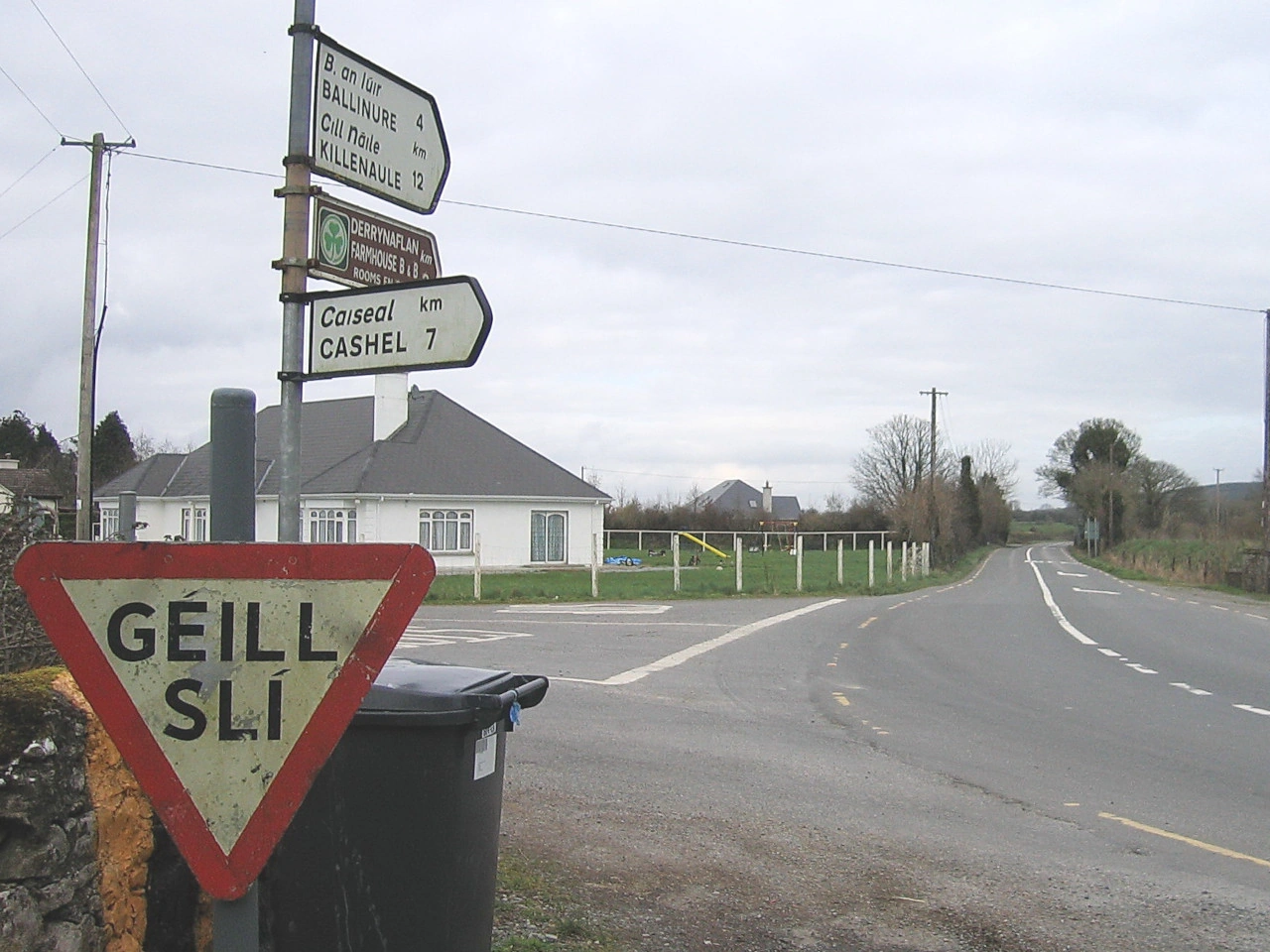
Cédez le passage
What does a give-way sign mean?

A give-way sign requires drivers to allow traffic with priority to proceed first. The driver must slow down and stop when necessary.

How can you recognise a give-way sign?

It is commonly an inverted triangular sign with a red border and a light-coloured centre. In some countries, it is called a yield sign.

Must you always stop at a give-way sign?

No. You must stop only when necessary to give way or obtain a sufficiently clear view. You may continue slowly when the road is clearly free.

What does giving way mean?

Giving way means allowing another road user to continue without being forced to brake, accelerate, stop or change direction because of your movement.

Where should you stop when necessary?

Stop before the give-way line where one is provided. Without a line, stop before entering the intersection or priority road at a position where you can observe traffic safely.

May you cross the give-way line before stopping?

You may move beyond the line only when this does not interfere with traffic that has priority. Where visibility is limited, first slow or stop at the line and then move forward cautiously.

What is the difference between give way and stop?

A stop sign always requires a complete stop. A give-way sign permits the driver to continue without stopping when the road is clearly free and it is safe to proceed.

Does slowing down satisfy the give-way requirement?

Only when slowing down is sufficient to let all priority traffic proceed safely. If another road user would be hindered, the driver must slow further or stop.

Who must you give way to?

Give way to traffic travelling on the road being entered or crossed and to any pedestrians, cyclists or other road users who have priority under the applicable rules.

Does giving way apply only to vehicles approaching from one direction?

No. Check every direction from which lawful traffic may approach, including cycle paths, one-way roads with authorised contraflow traffic and separate carriageways.

Does a give-way sign give the other road permanent priority?

The sign determines priority at the particular location. The priority arrangement at later intersections may be different unless the road is separately identified as a priority road.

Does giving way give you priority afterwards?

No. You may proceed only when it is safe. Another driver’s hesitation or courtesy does not remove your responsibility to avoid danger.

Must every vehicle in a queue give way separately?

Yes. Each driver must observe the road and make an individual decision. You may not follow another vehicle through without checking that the way remains clear.

Does a give-way sign apply to cyclists?

Normally, yes. Cyclists are generally treated as drivers and must obey the sign unless a supplementary sign or local rule provides otherwise.

Can a give-way sign apply only to cyclists?

Yes. Some countries use supplementary signs or path-specific signs to require cyclists to give way while other traffic follows a different priority arrangement.

Does a give-way sign change the speed limit?

No. It regulates priority rather than speed. Drivers must still approach slowly enough to observe traffic and stop when necessary.

Does a give-way sign change turning rules?

No. Drivers must still obey traffic lights, lane arrows, mandatory-direction signs and turning prohibitions.

How does give way work at a roundabout?

Many roundabout entrances have give-way signs requiring entering traffic to yield to vehicles already circulating. Drivers must follow the actual signs because roundabout priority rules differ between countries.

Do traffic lights override a give-way sign?

Functioning traffic lights commonly take precedence over priority signs controlling the same movement. The give-way sign may apply again when the lights are switched off or flashing, depending on local law.

Do police instructions override a give-way sign?

Yes. Instructions from an authorised traffic officer normally take precedence over traffic signs and ordinary priority rules.

What should you do when visibility is limited?

Reduce speed substantially and stop when necessary. Move forward cautiously only after giving way and checking that the road can be entered without danger.

1 Irlande 2 Autoroute 3 Zone résidentielle 4 Zone 5 Limitation de vitesse 6 Piste cyclable 7 Avertissement piétons 8 Pont 9 Ralentisseur 10 Route à péage 11 Quai 12 Pente 13 Voie de bus 14 Panneau Stop 15 Cédez le passage 16 Rond-point 17 Rétrécissement de chaussée 18 Passage pour piétons 19 Passage à niveau 20 Interdiction de tourner 21 Zone scolaire 22 Traversée d’animaux 23 Chaussée glissante 24 Virage 25 Chevron 26 Circulation à contresens 27 Limitation de hauteur 28 Limitation de poids 29 Panneau de contrôle radar 30 Priorité au prochain carrefour 31 Avertissement de feux de circulation 32 Feux pour piétons 33 Circulation à gauche 34 Permis de conduire 35 Fin de restriction 36 Stationnement 37 Stationnement interdit 38 Marche arrière 39 Demi-tour 40 Auberge de jeunesse 41 Attraction touristique 42 Plaque d’immatriculation 43 Dangers 44 Cycliste 45 Autobus 46 Police 47 Ambulance 48 Taxi 49 Norme européenne d’émissions 50 Nid-de-poule 51 Chemin 52 Particules 53 Pollution de l’air 54 Heure de pointe 55 Code de la route 56 Route 2+2 57 Caniveau 58 Vélo cargo 59 Véhicule forestier 60 Véhicule de chantier 61 Ensemble semi-remorque 62 Trolleybus 63 Speed pedelec 64 Véhicule de livraison 65 Moteur au ralenti 66 Dépanneuse 67 Quatre roues motrices 68 Vélo 69 Équipement de moto 70 Tram 71 Voie ferrée 72 Caravane 73 Remorque 74 Attelage 75 Camion de pompiers 76 Sirène 77 Convoi 78 Feux des véhicules d’urgence 79 Machines agricoles 80 Vélo électrique 81 Véhicule électrique 82 Pedelec 83 Quadricycle 84 Voiturette 85 Véhicule tout-terrain 86 Fourgonnette 87 Véhicule de loisirs 88 Scooter 89 Trikke 90 Engin de déplacement personnel 91 Skateboard 92 Segway 93 Trottinette 94 Patins à roulettes 95 Facteur 96 Auto-stoppeur 97 Jeune enfant 98 Enfant 99 Handicap 100 Train-auto ...