SchulbereichBrasilien

Lerne Verkehrsregeln mit klaren Erklärungen und visuellen Beispielen in unserem illustrierten Buch – einfach, verständlich und anschaulich.


10. Schulbereich

Ein Schulbereich ist eine Straße oder Gruppe von Straßen in der Nähe einer Schule, wo viele Kinder zu Fuß gehen, Rad fahren, die Fahrbahn überqueren oder in Fahrzeuge ein- und aussteigen können. Er kann durch Warn- oder Zonenzeichen, Fahrbahnmarkierungen, Verkehrsberuhigungsmaßnahmen oder Blinklichter gekennzeichnet sein.

Besondere Geschwindigkeitsbegrenzungen, Parkverbote oder Zufahrtsregeln können dauerhaft oder nur zu den Bring- und Abholzeiten gelten. Fahrer sollten die Geschwindigkeit verringern, besonders auf Kinder achten und bremsbereit sein.
Schulbereich
What is a school area?

A school area is a road or group of roads near a school where drivers should expect large numbers of children, pedestrians, cyclists and stopping vehicles.

How can you recognise a school area?

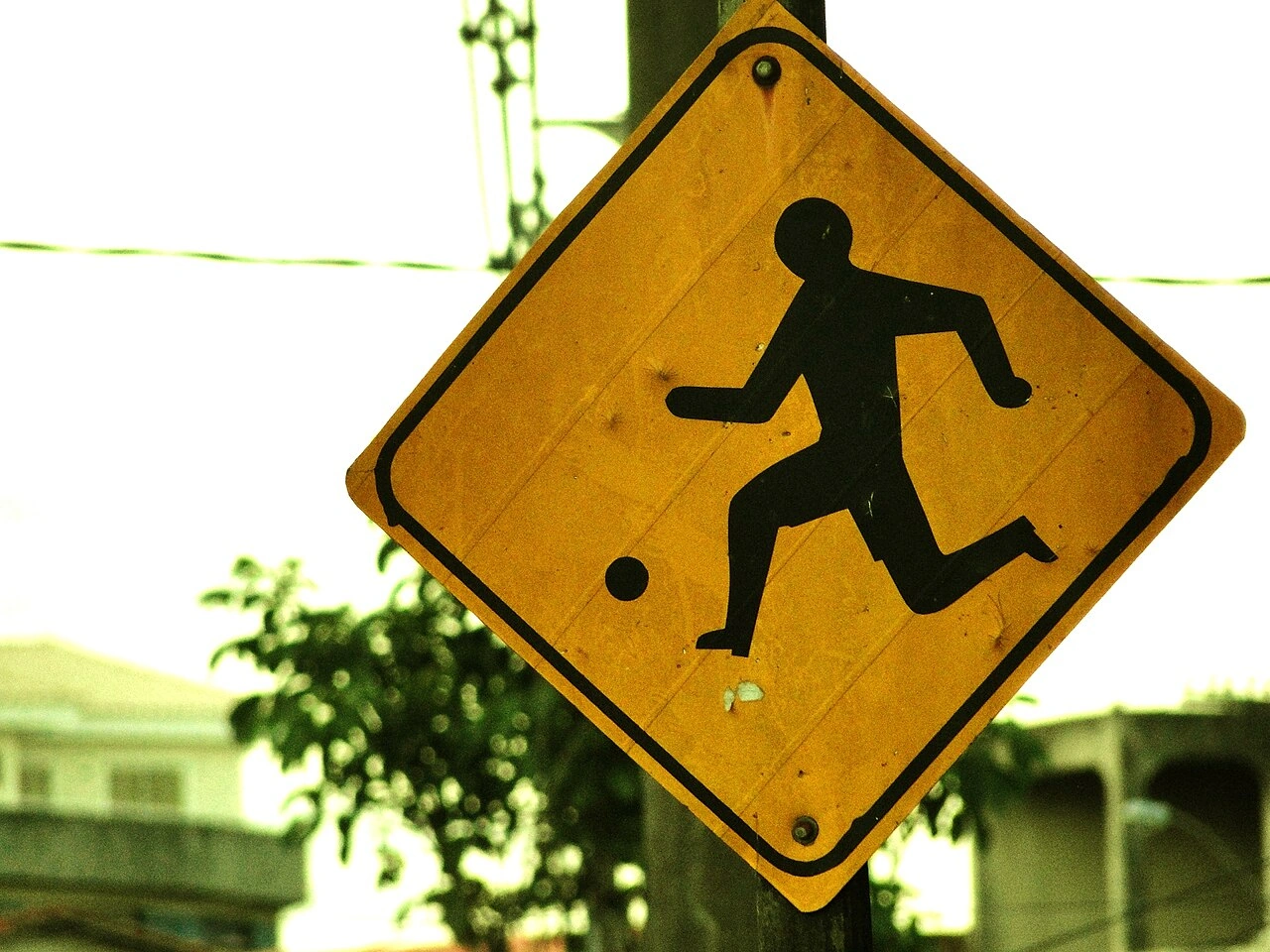
It may be identified by school warning signs, speed-zone signs, flashing lights, road markings, coloured surfacing or traffic-calming measures. The signs differ between countries.

Does every road beside a school have special legal rules?

No. Special school-area rules normally apply only where signs, signals or local legislation establish them.

What is the speed limit in a school area?

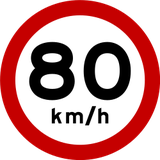
There is no universal school-area speed limit. The applicable limit depends on the country, region, signs and whether a variable restriction is active.

Is the school-area speed limit always active?

Some limits apply permanently, while others apply only during displayed times or when flashing or variable signs are active. Drivers must observe the actual sign arrangement.

Must you drive below the displayed limit?

Yes, when necessary. The displayed speed is a maximum. Children, congestion, poor visibility or vehicles stopping near the school may require a much lower speed.

Why are children especially vulnerable in traffic?

Children may have difficulty judging speed and distance, may be hidden by parked vehicles and may enter the road unexpectedly.

How should you approach a school area?

Reduce speed early, increase your observation and be prepared for children crossing, cyclists changing direction, vehicle doors opening and cars stopping suddenly.

Do children automatically have priority everywhere?

No. Priority depends on crossings, traffic lights, authorised crossing supervisors and local rules. Drivers must nevertheless take exceptional care to avoid endangering children.

Must you obey a school crossing supervisor?

Yes. Drivers and other road users must follow lawful instructions given by an authorised person controlling traffic for children.

May children cross away from a pedestrian crossing?

This depends on local pedestrian rules. Drivers should remain prepared for children to cross unexpectedly, even where they are required to use a nearby crossing.

Does a school sign create pedestrian priority?

Not by itself. A school warning sign alerts drivers to children but does not normally create the legal effect of a pedestrian crossing.

Does a school area change intersection priority?

No. Traffic lights, priority signs and the ordinary intersection rules remain applicable unless another traffic arrangement provides otherwise.

May you overtake in a school area?

Overtaking may be restricted by signs or local law. Even where it is permitted, drivers should not overtake when children, crossings, limited visibility or stopped vehicles make the manoeuvre unsafe.

May you stop to drop off a child?

Only where stopping is permitted and can be completed safely. Do not stop on a crossing, pavement, bike path, bus stop or another prohibited or dangerous location.

May you park near a school entrance?

Follow the parking signs and markings. Do not block entrances, pavements, bike paths, crossings, visibility or access for buses and emergency vehicles.

Why is double parking dangerous near a school?

It blocks traffic and visibility and may force children to walk between moving vehicles or enter the road from behind an obstruction.

What should you watch for near school buses?

Expect children to enter or leave the vehicle and possibly cross the road. Reduce speed and follow any special warning lights, signs or local school-bus rules.

May cyclists ride through a school area?

Normally, yes. They must follow the applicable road, bike-path, speed and priority rules. Drivers should expect inexperienced young cyclists.

Is a school area the same as a school street?

No. A school area normally remains open to traffic under special caution or speed rules. A school street temporarily restricts or excludes motor traffic during specified periods.

Is a school area the same as a Zone 30?

Not universally. A school area may form part of a Zone 30, use another speed limit or have a variable restriction that applies only at particular times.

When do the school-area rules end?

They normally end at an end sign, at the end of the stated time period or when the variable signal is no longer active. The surrounding road rules then apply.

1 Brasilien 2 Geschwindigkeitsbegrenzung 3 Bremsschwelle 4 Steigung oder Gefälle 5 Stoppschild 6 Kreisverkehr 7 Fußgängerüberweg 8 Bahnübergang 9 Abbiegeverbot 10 Schulbereich 11 Ampeln 12 Warnung vor Ampeln 13 Fußgängerampeln 14 Führerschein 15 Kilometrierungsmarkierung 16 Halteverbot 17 Behindertenparkplatz 18 Rückwärtsfahren 19 Überbreite oder übergroße Ladung 20 Sehenswürdigkeit 21 Hupe 22 Ladestation 23 Radfahrer 24 Bus 25 Polizei 26 Krankenwagen 27 Schlagloch 28 Weg 29 Feinstaub 30 Luftverschmutzung 31 Hauptverkehrszeit 32 Straßenverkehrsordnung 33 Gegenverkehr 34 Straßenrinne 35 Lastenfahrrad 36 Forstfahrzeug 37 Baufahrzeug 38 Sattelzug 39 Oberleitungsbus 40 Speed-Pedelec 41 Lieferfahrzeug 42 Leerlauf 43 Abschleppwagen 44 Allradantrieb 45 Fahrrad 46 Motorradausrüstung 47 Straßenbahn 48 Gleis 49 Wohnwagen 50 Anhänger 51 Anhängerkupplung 52 Feuerwehrfahrzeug 53 Sirene 54 Konvoi 55 Warnbeleuchtung von Einsatzfahrzeugen 56 Landwirtschaftliche Maschinen 57 Elektrofahrrad 58 Elektrofahrzeug 59 Pedelec 60 Leichtkraftfahrzeug 61 Microcar 62 Geländefahrzeug 63 Lieferwagen 64 Freizeitfahrzeug 65 Motorroller 66 Trikke 67 Persönliches Mobilitätsgerät 68 Skateboard 69 Segway 70 Tretroller 71 Rollschuhe 72 Postzusteller 73 Anhalter 74 Kleinkind 75 Kind 76 Behinderung 77 Autoreisezug 78 km/h 79 mph 80 Tachometer 81 Bodenfreiheit 82 Erdstraße 83 Fahren 84 Start-Stopp-System 85 Schaltgetriebe 86 Automatikgetriebe 87 Gassteuerung 88 Drehzahlmesser 89 Lenkrad 90 Servolenkung 91 Verkehrsbeobachtung 92 Spiegel 93 Kraftstoff 94 Tankanzeige 95 Benzin 96 Diesel 97 Diesel-Abgasflüssigkeit 98 Kfz-Versicherung 99 Erste-Hilfe-Kasten 100 Feuerlöscher ...