StoppschildBrasilien

Lerne Verkehrsregeln mit klaren Erklärungen und visuellen Beispielen in unserem illustrierten Buch – einfach, verständlich und anschaulich.


5. Stoppschild

Ein Stoppschild verpflichtet Fahrer, vollständig anzuhalten und Vorfahrt zu gewähren, bevor sie in die vorausliegende Straße einfahren oder sie überqueren. Angehalten werden muss an der Haltlinie oder an einer anderen gesetzlich vorgeschriebenen Stelle.

Nach dem Anhalten darf der Fahrer erst weiterfahren, wenn dies sicher und ohne Behinderung bevorrechtigten Verkehrs möglich ist. Das Stoppschild verschafft dem Fahrer durch das Anhalten selbst keine Vorfahrt.
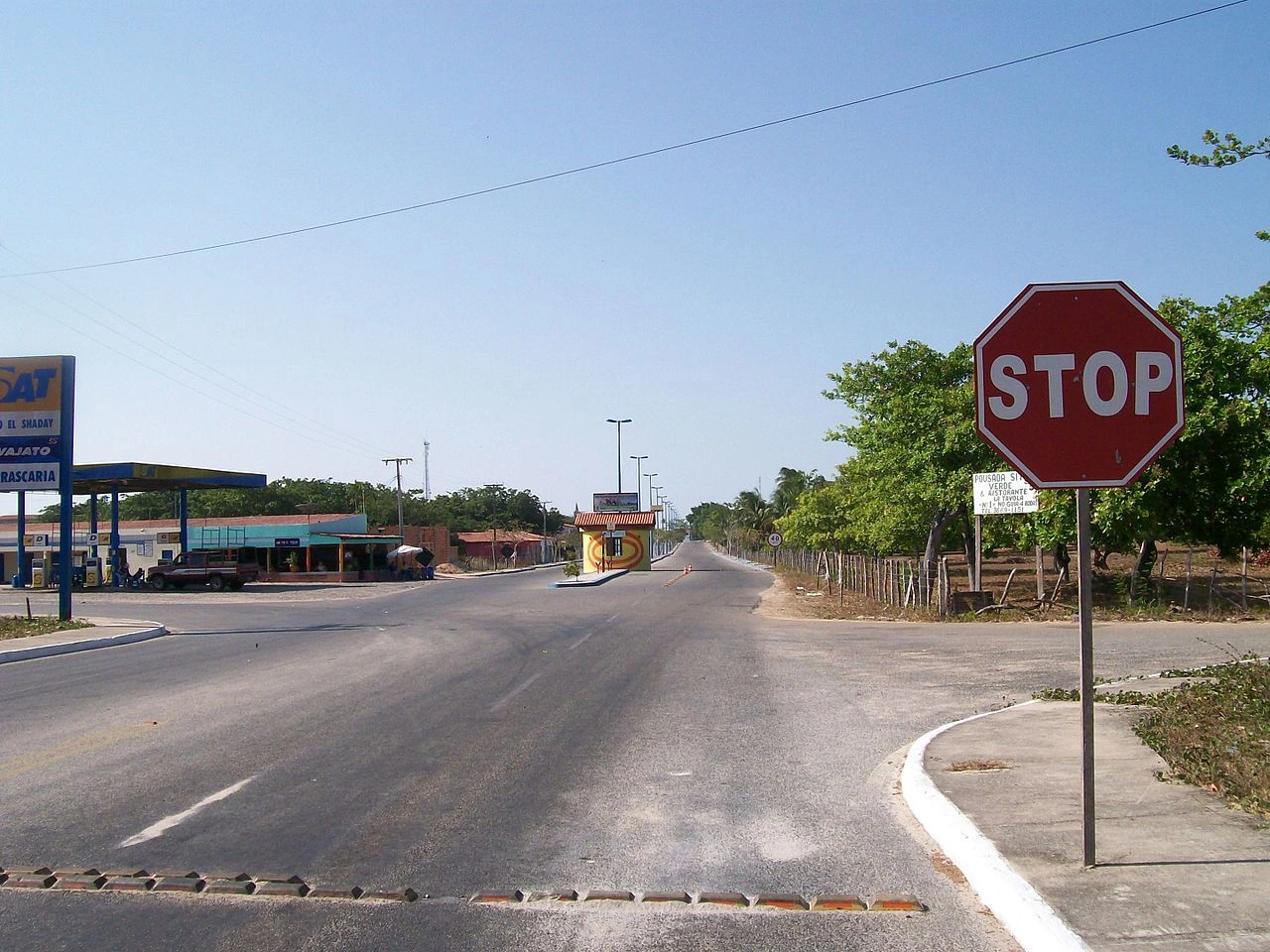
Stoppschild
What does a stop sign mean?

A stop sign requires a driver to come to a complete stop and give way before proceeding.

How can you recognise a stop sign?

A stop sign is commonly a red octagonal sign displaying the word STOP. Some countries use another legally recognised design, so drivers must learn the signs used locally.

Must you stop when no other traffic is visible?

Yes. The obligation to stop applies even when the road appears completely clear.

What is a complete stop?

A complete stop means that the vehicle has ceased moving entirely. Merely slowing down or allowing the vehicle to continue rolling does not satisfy the requirement.

Where should you stop?

Stop before the stop line where one is provided. Without a line, stop at the legally prescribed position before entering the intersection, crossing or priority road.

May you stop beyond the stop line?

No. The required first stop must be made before the line. If visibility is limited, move forward cautiously after stopping and stop again where necessary before proceeding.

Must every vehicle in a queue stop separately?

Yes. Each driver must make an individual complete stop. Following another vehicle through without stopping is not permitted.

Does stopping give you priority?

No. After stopping, you must continue to give way to all road users who have priority.

Who must you give way to?

Give way to traffic on the road being entered or crossed and to pedestrians, cyclists or other road users who have priority under the applicable rules.

What is the difference between a stop sign and a give-way sign?

A stop sign always requires a complete stop. A give-way sign requires the driver to yield but normally allows continued movement when the road is clearly free.

May you turn after stopping?

Yes. After stopping and giving way, you may turn in any direction permitted by signs, signals, lane arrows and road markings.

May you turn right at a red traffic light after stopping?

This depends entirely on local law and traffic signs. A stop sign does not by itself permit a turn against a red light.

Does a stop sign impose a speed limit?

No. It imposes a stopping and yielding obligation. The normal posted or general speed limit remains applicable before and after the intersection.

Does a stop sign apply to cyclists?

In many countries, cyclists are drivers and must stop unless a specific sign or local rule provides an exception.

What happens at an all-way stop?

The order in which drivers may proceed depends on local rules, commonly involving arrival order, vehicle position and turning direction. Drivers should communicate cautiously and never assume another driver will yield.

What if two vehicles stop at the same time?

Apply the local priority rule and proceed only when the intentions of the other driver are clear. Avoid forcing the other vehicle to brake or change direction.

Do traffic lights override a stop sign?

Where functioning traffic lights control the same movement, they commonly take precedence over the stop sign. Local rules determine what applies when the lights are switched off or flashing.

Do instructions from a police officer override a stop sign?

Yes. Instructions from an authorised traffic officer normally take precedence over traffic signs and ordinary priority rules.

Can a temporary stop sign be legally binding?

Yes. A correctly placed temporary stop sign at roadworks, an event or another temporary traffic arrangement must be obeyed.

What should you do when the stop sign is partly hidden?

If you recognise that a stop sign applies, reduce speed and obey it. Report damaged, obscured or missing signs to the responsible road authority where appropriate.

1 Brasilien 2 Geschwindigkeitsbegrenzung 3 Bremsschwelle 4 Steigung oder Gefälle 5 Stoppschild 6 Kreisverkehr 7 Fußgängerüberweg 8 Bahnübergang 9 Abbiegeverbot 10 Schulbereich 11 Ampeln 12 Warnung vor Ampeln 13 Fußgängerampeln 14 Führerschein 15 Kilometrierungsmarkierung 16 Halteverbot 17 Behindertenparkplatz 18 Rückwärtsfahren 19 Überbreite oder übergroße Ladung 20 Sehenswürdigkeit 21 Hupe 22 Ladestation 23 Radfahrer 24 Bus 25 Polizei 26 Krankenwagen 27 Schlagloch 28 Weg 29 Feinstaub 30 Luftverschmutzung 31 Hauptverkehrszeit 32 Straßenverkehrsordnung 33 Gegenverkehr 34 Straßenrinne 35 Lastenfahrrad 36 Forstfahrzeug 37 Baufahrzeug 38 Sattelzug 39 Oberleitungsbus 40 Speed-Pedelec 41 Lieferfahrzeug 42 Leerlauf 43 Abschleppwagen 44 Allradantrieb 45 Fahrrad 46 Motorradausrüstung 47 Straßenbahn 48 Gleis 49 Wohnwagen 50 Anhänger 51 Anhängerkupplung 52 Feuerwehrfahrzeug 53 Sirene 54 Konvoi 55 Warnbeleuchtung von Einsatzfahrzeugen 56 Landwirtschaftliche Maschinen 57 Elektrofahrrad 58 Elektrofahrzeug 59 Pedelec 60 Leichtkraftfahrzeug 61 Microcar 62 Geländefahrzeug 63 Lieferwagen 64 Freizeitfahrzeug 65 Motorroller 66 Trikke 67 Persönliches Mobilitätsgerät 68 Skateboard 69 Segway 70 Tretroller 71 Rollschuhe 72 Postzusteller 73 Anhalter 74 Kleinkind 75 Kind 76 Behinderung 77 Autoreisezug 78 km/h 79 mph 80 Tachometer 81 Bodenfreiheit 82 Erdstraße 83 Fahren 84 Start-Stopp-System 85 Schaltgetriebe 86 Automatikgetriebe 87 Gassteuerung 88 Drehzahlmesser 89 Lenkrad 90 Servolenkung 91 Verkehrsbeobachtung 92 Spiegel 93 Kraftstoff 94 Tankanzeige 95 Benzin 96 Diesel 97 Diesel-Abgasflüssigkeit 98 Kfz-Versicherung 99 Erste-Hilfe-Kasten 100 Feuerlöscher ...