


Warning signsIndia
 Traffic rules
 India
 Priority signs
 Warning signs
 Prohibitory signs
 Mandatory signs
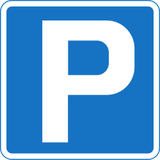 Information signs
Warning signs
A warning sign is a traffic sign that alerts drivers to a potential danger or change in road conditions ahead, giving them enough time to slow down and react safely. These signs warn about hazards such as sharp bends, pedestrian crossings, slippery surfaces, merging traffic, animals on the road, or upcoming intersections. Their purpose is not to forbid or command anything, but simply to prepare drivers for situations that require extra attention.

How should I recognise hazard warnings in India?
Cautionary signs identify hazards ahead. Learn the symbol so you can prepare for the particular danger.
🔗 morth.gov.in • MoRTH — GSR 38(E), 15 January 2024, clause 12: indirect-vision devices
🔗 pib.gov.in • PIB/MoRTH — official confirmation of the 2020 driving-regulation amendment
🔗 transport.jharkhand.gov.in • Jharkhand Transport — cautionary signs, actual hazard guidance
🔗 transport.jharkhand.gov.in • Jharkhand Transport — direction and facility information
How should I react to a pedestrian warning in India?
Reduce speed, look along both sides of the road and be ready to stop. The warning identifies a pedestrian hazard ahead; children, people with limited mobility or others may enter the road unexpectedly.
🔗 morth.gov.in • MoRTH — GSR 38(E), 15 January 2024, clause 12: indirect-vision devices
🔗 pib.gov.in • PIB/MoRTH — official confirmation of the 2020 driving-regulation amendment
🔗 transport.jharkhand.gov.in • Jharkhand Transport — cautionary signs, actual hazard guidance
🔗 transport.jharkhand.gov.in • Jharkhand Transport — direction and facility information
Does a traffic-lights-ahead warning require an immediate stop in India?
No. A warning sign is not an automatic STOP instruction and does not create a new numerical speed limit. Reduce speed when necessary, look for a queue or a concealed signal, and obey the traffic lights and any separate speed or stop signs.
🔗 morth.gov.in • MoRTH — GSR 38(E), 15 January 2024, clause 12: indirect-vision devices
🔗 pib.gov.in • PIB/MoRTH — official confirmation of the 2020 driving-regulation amendment
🔗 transport.jharkhand.gov.in • Jharkhand Transport — cautionary signs, actual hazard guidance
🔗 transport.jharkhand.gov.in • Jharkhand Transport — direction and facility information

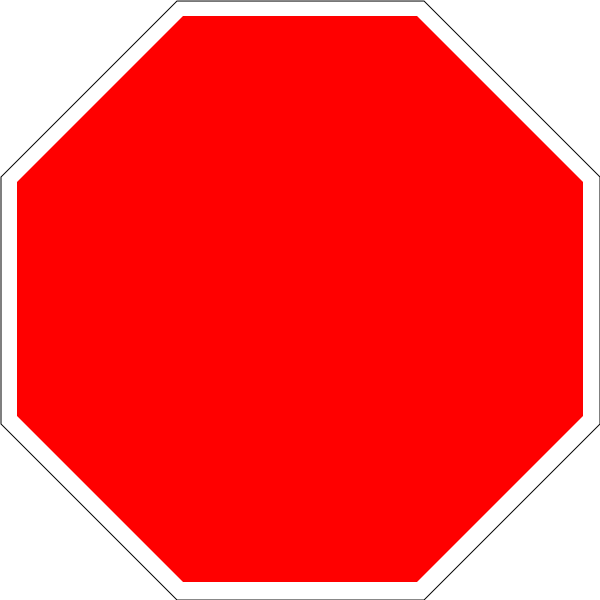
1. Stop and give way
This traffic sign means stop and give way. You must come to a complete stop before entering the intersection and give way to traffic that has priority. Proceed only when it is safe.
English • IRC:67-2022 • Fig. 14.01 • Stop. Stop before proceeding, and give way to traffic with priority. This illustration lacks the STOP lettering required by the prescribed design. Meaning identified at sign-family or illustration level; this complete drawing is not confirmed as an exact current standard design.
Sources
🔗 Commons.wikimedia.org
🔗 My.folderit.com • IRC:67-2022 • primary-text mirror • PDF page88
Image via Commons.wikimedia.org
ESanchez013 • Public domain • Source revision 2024-07-13. Wikimedia original unmodified.
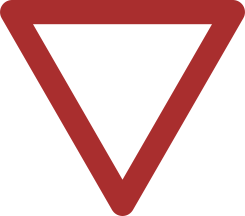
2. Give way
This traffic sign means give way. Slow down and give way to traffic that has priority. Stop if necessary and proceed only when it is safe.
English • IRC:67-2022 • Fig. 14.02 • Give way. Let traffic with priority pass; slow down and stop if necessary. The illustration omits the GIVE WAY lettering shown in the standard plate. Meaning identified at sign-family or illustration level; this complete drawing is not confirmed as an exact current standard design.
Sources
🔗 Commons.wikimedia.org
🔗 My.folderit.com • IRC:67-2022 • primary-text mirror • PDF page88
Image via Commons.wikimedia.org
Design: India Road Congresses Vectorization: Big guy 637 • Public domain • Source revision 2026-01-17. Wikimedia original unmodified.
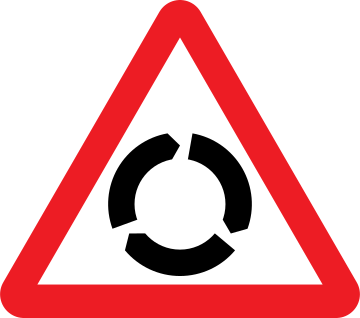
3. Warning for a roundabout
This traffic sign indicates a warning for a roundabout. A roundabout lies ahead. Reduce speed and follow the applicable priority signs, traffic signals and local roundabout rules when approaching and entering it.
English • IRC:67-2022 • Fig. 15.15 • Roundabout ahead. A roundabout is ahead.
Sources
🔗 Commons.wikimedia.org
🔗 My.folderit.com • IRC:67-2022 • primary-text mirror • PDF page103
SVG source: Indian Roads Congress • Public domain • Original revision 2023-07-03. Wikimedia original unmodified.
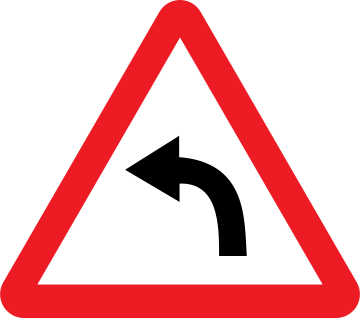
4. Warning for a curve to the left
This traffic sign indicates a warning for a curve to the left. A left-hand bend lies ahead. Reduce speed before entering the curve, maintain your lane position and use smooth steering.
English • IRC:67-2022 • Fig. 15.01 • Left-hand curve. The road bends to the left ahead.
Sources
🔗 Commons.wikimedia.org
🔗 My.folderit.com • IRC:67-2022 • primary-text mirror • PDF page100
SVG source: Alokprasad84 • Public domain • Original revision 2023-07-03. Wikimedia original unmodified.
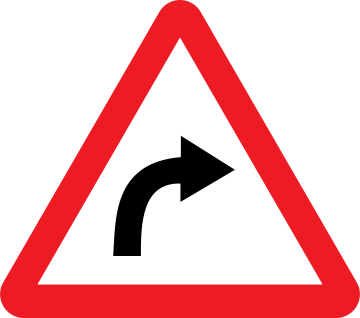
5. Warning for a curve to the right
This traffic sign indicates a warning for a curve to the right. A right-hand bend lies ahead. Reduce speed before entering the curve, maintain your lane position and use smooth steering.
English • IRC:67-2022 • Fig. 15.02 • Right-hand curve. The road bends to the right ahead.
Sources
🔗 Commons.wikimedia.org
🔗 My.folderit.com • IRC:67-2022 • primary-text mirror • PDF page100
SVG source: Alokprasad84 • Public domain • Original revision 2023-07-03. Wikimedia original unmodified.
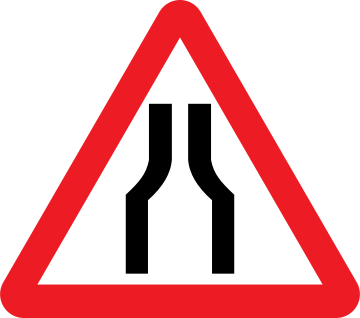
6. Warning for a road narrowing
This traffic sign indicates a warning for a road narrowing. The available width of the road or carriageway decreases ahead. Reduce speed, maintain sufficient lateral clearance and watch carefully for approaching or adjacent traffic.
English • IRC:67-2022 • Fig. 15.23 • Narrow road ahead. The road narrows ahead on both sides.
Sources
🔗 Commons.wikimedia.org
🔗 My.folderit.com • IRC:67-2022 • primary-text mirror • PDF page105
SVG source: Commons.wikimedia.org
Sn1per • Public domain. Original SVG unmodified.
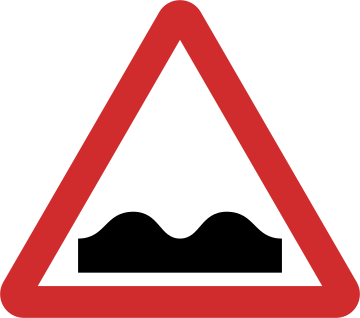
7. Warning for a bad road surface
This traffic sign indicates a warning for a bad or uneven road surface. Potholes, bumps, depressions or other surface irregularities may affect vehicle stability and braking. Reduce speed and avoid sudden manoeuvres.
English • IRC:67-2022 • Fig. 15.51 • Rough road. The road surface ahead is uneven; reduce speed.
Sources
🔗 Commons.wikimedia.org
🔗 My.folderit.com • IRC:67-2022 • primary-text mirror • PDF page109
SVG source: Nepali Department of Roads • Public domain • Original revision 2014-08-14. Wikimedia original unmodified.
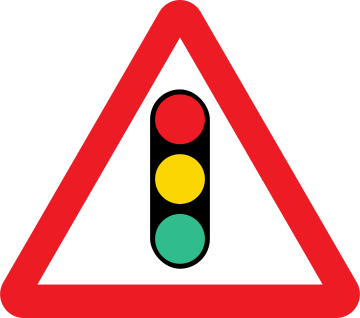
8. Warning for traffic lights ahead
This traffic sign indicates a warning for traffic lights ahead. Traffic signals are located ahead and may not be visible early enough without advance warning. Reduce speed and be prepared to stop if the signal requires it.
English • IRC:67-2022 • Fig. 15.16 • Traffic signals ahead. Traffic lights control the road ahead.
Sources
🔗 Commons.wikimedia.org
🔗 My.folderit.com • IRC:67-2022 • primary-text mirror • PDF page103
SVG source: Indian Roads Congress • Public domain • Original revision 2023-07-03. Wikimedia original unmodified.
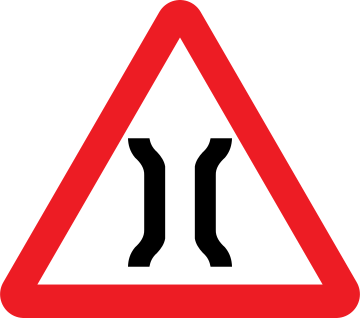
9. Warning for a narrowing
This traffic sign indicates a warning for a narrowing ahead. The available road width decreases ahead. Reduce speed when necessary and be prepared for less lateral space between vehicles, obstacles or the road edge.
English • IRC:67-2022 • Fig. 15.25 • Narrow bridge ahead. A bridge narrower than the approaching road is ahead.
Sources
🔗 Commons.wikimedia.org
🔗 My.folderit.com • IRC:67-2022 • primary-text mirror • PDF page105
SVG source: Sn1per • Public domain • Original revision 2023-07-03. Wikimedia original unmodified.
Artwork verified against My.folderit.com • official published diagram 15.25.
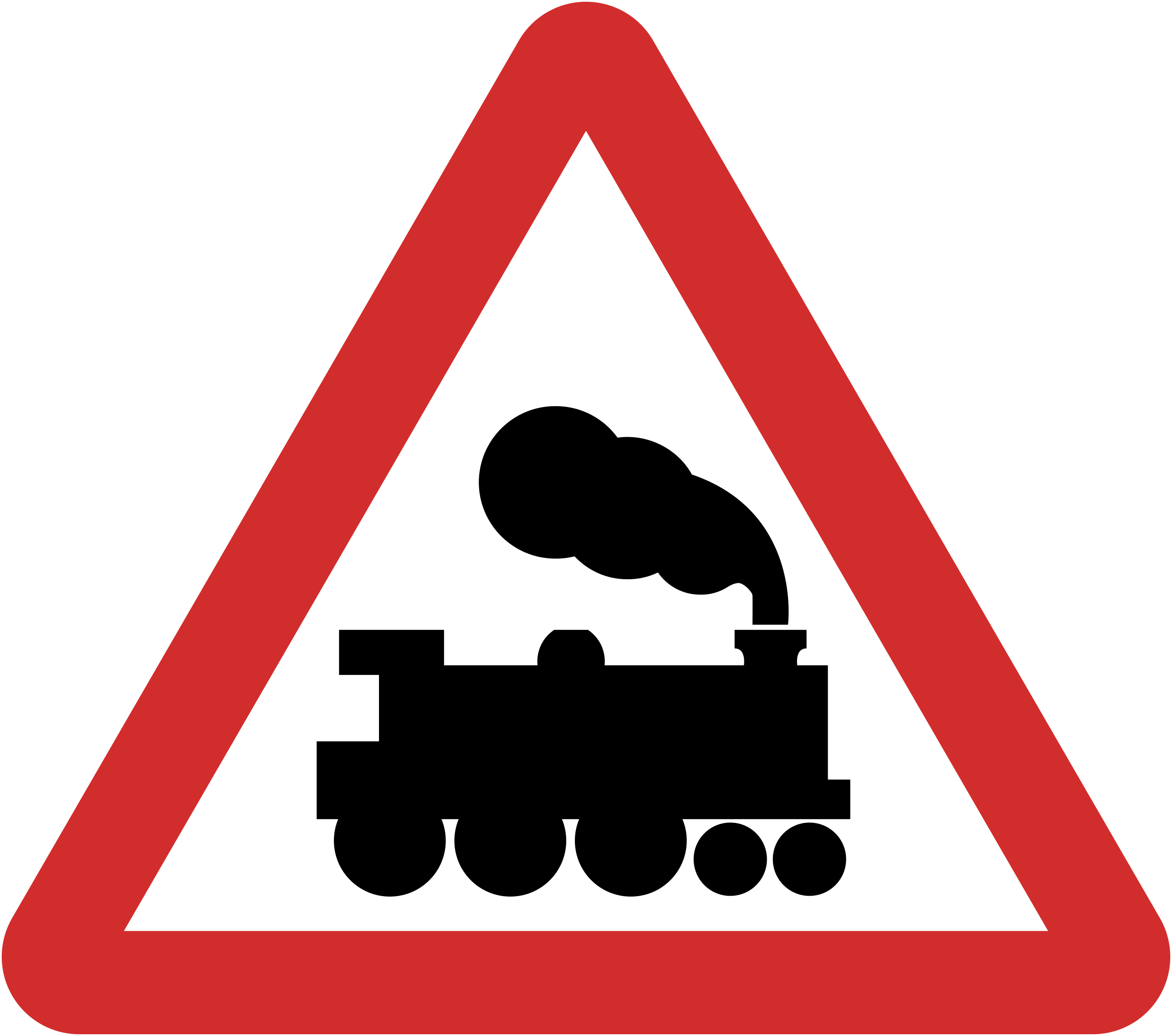
10. Warning for a railway crossing without barriers
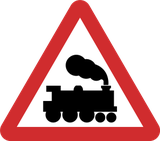
This traffic sign indicates a warning for a railway crossing without barriers. It alerts drivers to an upcoming level crossing where railway tracks cross the road and no barriers or gates are present to stop traffic. Drivers should slow down and look both ways for trains.
English • IRC:67-2022 • Fig. 15.70 — family • Unguarded railway crossing. A railway level crossing without gates is ahead. This older steam-engine illustration differs from the current train drawing and omits the current advance-distance panel. Meaning identified at sign-family or illustration level; this complete drawing is not confirmed as an exact current standard design.
Sources
🔗 Commons.wikimedia.org
🔗 My.folderit.com • IRC:67-2022 • primary-text mirror • PDF page113
Image via Commons.wikimedia.org
Nepali Department of Roads • Public domain • Source revision 2020-03-09. Wikimedia original unmodified.
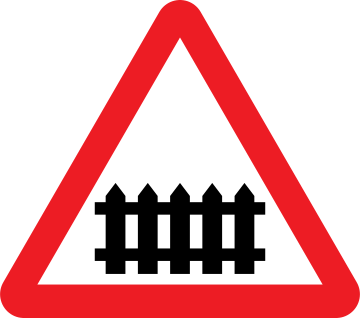
11. Warning for a railway crossing with barriers
This traffic sign indicates a warning for a railway crossing with barriers. It alerts drivers to an upcoming level crossing with gates or barriers that close when a train approaches. Drivers should be ready to stop when the barriers are down or flashing lights activate. Never attempt to cross when gates are closing or closed.
English • IRC:67-2022 • Fig. 15.71 — family • Guarded railway crossing. A railway level crossing with gates is ahead. The website drawing omits the advance-distance panel shown with the current sign. Meaning identified at sign-family or illustration level; this complete drawing is not confirmed as an exact current standard design.
Sources
🔗 Commons.wikimedia.org
🔗 My.folderit.com • IRC:67-2022 • primary-text mirror • PDF page113
SVG source: Indian Roads Congress • Public domain • Original revision 2023-07-05. Wikimedia original unmodified.
12. Warning for a railway crossing with one track
This traffic sign indicates a warning for a railway crossing with one track. It alerts drivers to a level crossing where a single railway track crosses the road. Drivers should approach with caution and be prepared to stop, even if no barriers or warning lights are active.
13. Warning for a railway crossing with two or more tracks
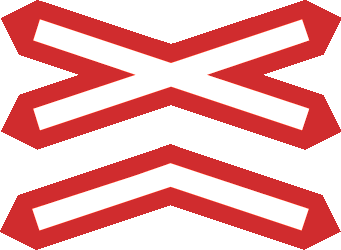
This traffic sign indicates a warning for a railway crossing with two or more tracks. It alerts drivers to a level crossing where more than one railway track crosses the road. More than one train may pass in succession or from different directions, so drivers should check carefully before crossing and never proceed until all tracks are clear.
