


インターチェンジアメリカ合衆国
 交通ルール
交通ルール
 アメリカ合衆国
93. インターチェンジ
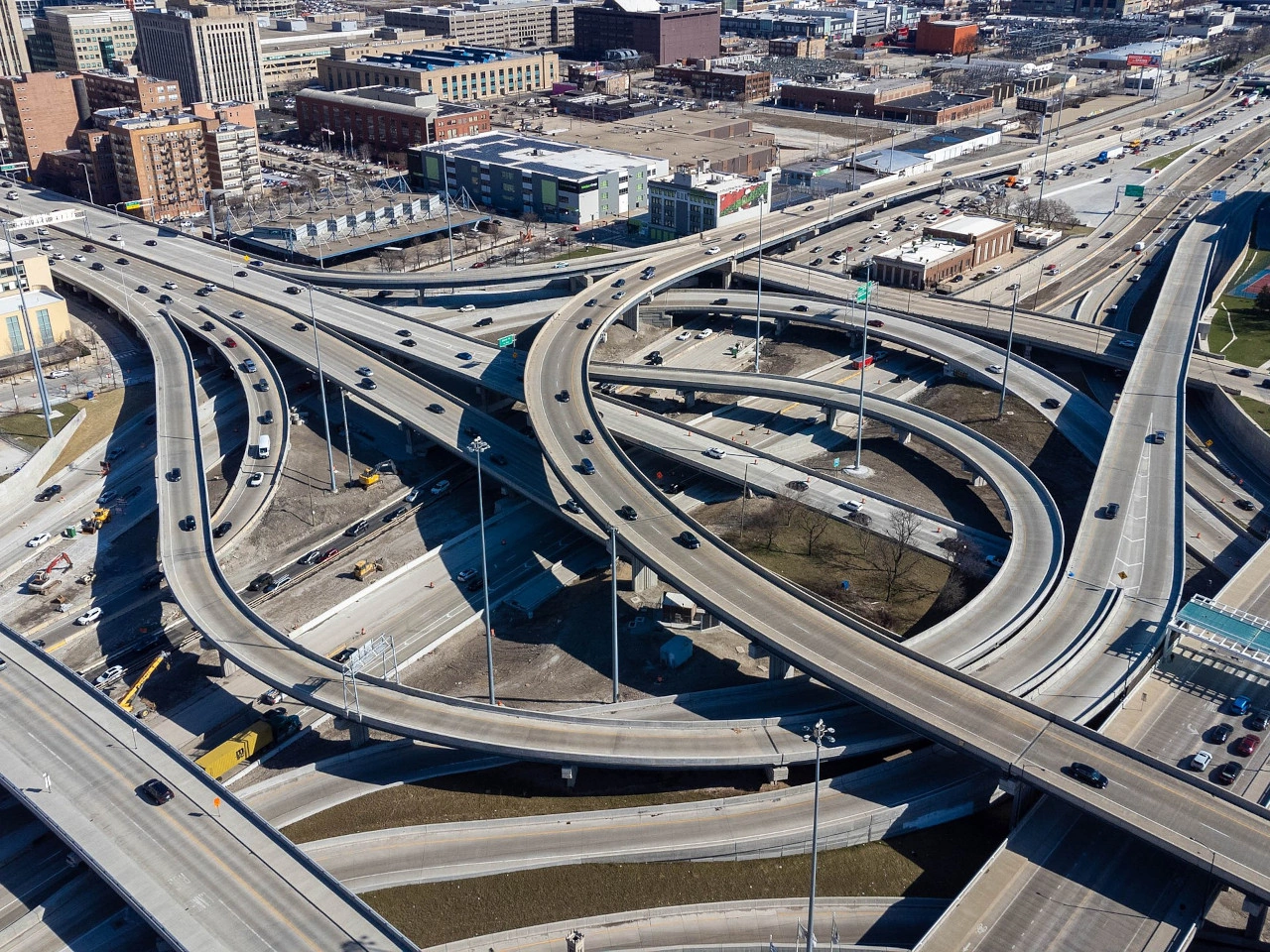
インターチェンジは、2本以上の主要道路間で交通が移動できるよう設計された道路接続部で、通常はランプ、橋、トンネルを使い、交差する交通流が同一平面で交差しないようにします。高速道路、自動車専用道路、その他の大容量道路で一般的です。
運転者は早めに方面案内標識、車線矢印、道路番号を確認し、目的の出口や接続ランプへ入る前に正しい車線を選びます。速度制限、合流規則、車線配置は国やインターチェンジごとに異なります。
What is an interchange?
An interchange is a junction that allows traffic to transfer between major roads, commonly using ramps and grade-separated bridges or tunnels.
What is the difference between an interchange and an ordinary intersection?
At an ordinary intersection, traffic streams normally meet or cross at the same level. An interchange usually separates major traffic movements vertically and connects them using ramps.
Where are interchanges commonly found?
They are most common on motorways, expressways, ring roads and other high-capacity roads where stopping at ordinary intersections would disrupt traffic flow.
What is an interchange ramp?
A ramp is a connecting road that allows vehicles to enter, leave or transfer between the roads forming the interchange.
How should you approach an interchange?
Read the advance-direction signs early, identify your route or destination and move into the appropriate lane in sufficient time.
Should you make sudden lane changes at an interchange?
No. Interchanges can contain several exits and merging traffic streams. Signal in good time and change lane only when there is sufficient space to do so safely.
Who has priority when entering another road at an interchange?
This depends on the local signs, markings and merging rules. Drivers joining a motorway commonly have to give way to traffic already travelling on it, but local regulations must always be followed.
Can speed limits change on interchange ramps?
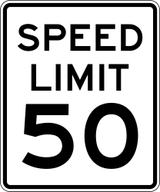
Yes. Ramps may have lower speed limits or require a lower safe speed because of bends, merging traffic or limited visibility.
What should you do if you miss your exit at an interchange?
Continue to the next suitable exit or interchange. Never reverse, stop unexpectedly or cross prohibited areas to return to a missed exit.
Are all interchanges designed the same way?
No. Common layouts include cloverleaf, diamond, trumpet and directional interchanges. Their design depends on traffic volumes, available space and the roads being connected.


