

ラッシュアワーアメリカ合衆国
 交通ルール
交通ルール
 アメリカ合衆国
94. ラッシュアワー
ラッシュアワーは、多くの人が通勤、通学、その他の定期的な移動を行うため、道路や公共交通網の需要が特に高くなる時間帯です。通常、平日の朝と夕方から夜にかけて発生します。
ラッシュ時には渋滞、低速走行、移動時間の増加、頻繁な停止が生じます。運転者は安全な車間距離を保ち、焦らず、交通状況の変化を予測し、臨時または動的な交通管理措置に従います。

What is rush hour?
Rush hour is a period when unusually large numbers of people travel at the same time, resulting in increased traffic and often congestion.
When does rush hour occur?
Rush hour commonly occurs during the morning and late afternoon or evening on working days, but the exact times vary according to the city, road and local travel patterns.
Does rush hour always last one hour?
No. The term does not mean that congestion lasts exactly one hour. In busy urban areas, peak traffic conditions may continue for several hours.
Why does traffic become congested during rush hour?
Congestion develops when traffic demand approaches or exceeds the available road capacity. Intersections, merging traffic, collisions, roadworks and weather can make the congestion worse.
Should you increase your following distance in rush-hour traffic?
Yes. Leave sufficient distance to react to sudden braking and frequent changes in traffic speed. Avoid following another vehicle too closely even when traffic is moving slowly.
Should you frequently change lanes during congestion?
Unnecessary lane changes can create additional conflicts and may not significantly reduce journey time. Choose an appropriate lane, observe surrounding traffic and change lane only when it can be done safely.
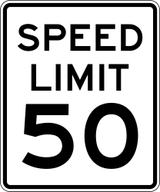
Can speed limits change during rush hour?
Yes. Roads equipped with variable traffic management may display lower speed limits during congestion. Drivers must follow the speed limit currently indicated.
What is a rush-hour lane?
A rush-hour lane is an additional traffic lane that can be opened during busy periods to increase road capacity. It may use a lane or shoulder that is closed to normal traffic at other times.
Can you use a rush-hour lane whenever traffic is congested?
No. Such a lane may only be used when traffic signals or signs indicate that it is open. Never assume that congestion alone permits its use.
How can you prepare for a journey during rush hour?
Check current traffic conditions and expected journey times, allow additional travel time and consider an alternative route, departure time or mode of transport where appropriate.


