


Information signsNorway
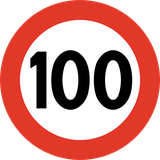 Traffic rules
 Norway
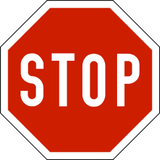 Priority signs
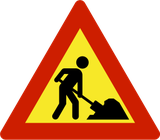 Warning signs
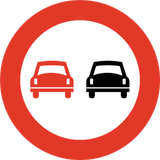 Prohibitory signs
 Mandatory signs
 Information signs
 Additional signs
Information signs
An information sign is a traffic sign that provides useful guidance or clarification to road users without imposing rules or warnings. These signs inform drivers about things like parking zones, directions, facilities, road layouts, or the start and end of built-up areas. Their purpose is to help drivers navigate confidently by giving clear, practical information that improves orientation, comfort, and overall traffic flow.
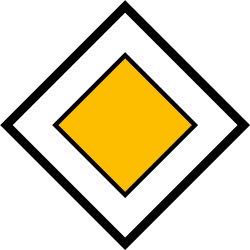

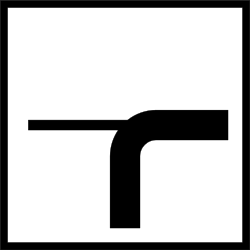
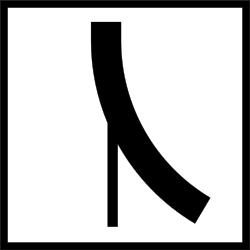

1. Start of a priority road
This traffic sign indicates the start of a priority road. Drivers on the priority road normally have priority over traffic entering from side roads until the priority road ends, unless traffic lights, other signs or applicable traffic rules indicate otherwise.
2. End of the priority road
This traffic sign indicates the end of the priority road. The road no longer has continuing priority at subsequent intersections. Follow the applicable traffic lights, priority signs and default priority rules.
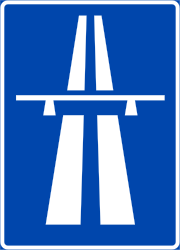
3. Start of a motorway
This traffic sign indicates the start of a motorway. From this point, special motorway rules apply, including restrictions on which road users may enter and on stopping, reversing and other manoeuvres. Follow the applicable speed limits, lane rules and local motorway regulations.
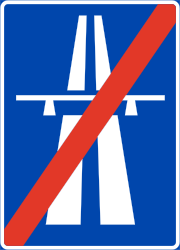
4. End of the motorway
This traffic sign indicates the end of the motorway. The special motorway rules end at this point. Follow the speed limits, access rules and other traffic signs that apply to the road ahead.
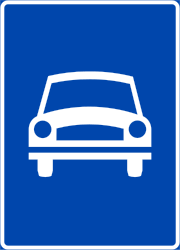
5. Start of an expressway
This traffic sign indicates the start of an expressway. From this point, the traffic rules and access conditions that apply to expressways take effect according to the applicable local regulations.
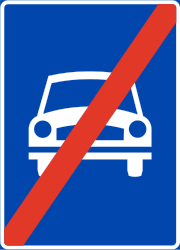
6. End of the expressway
This traffic sign indicates the end of the expressway. The special traffic rules associated with the expressway end at this point. Follow the rules and traffic signs that apply to the road ahead.
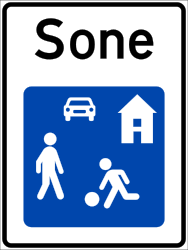
7. Start of a residential area
This traffic sign indicates the start of a residential area. Special traffic rules apply within the area according to the applicable signs and local regulations. These rules may affect speed, parking and how different road users use the road.
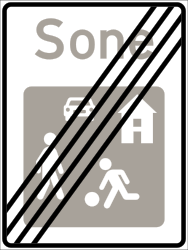
8. End of the residential area
This traffic sign indicates the end of the residential area. The special traffic rules associated with the residential area end at this point. Follow the traffic signs and rules that apply beyond the area.
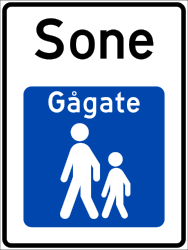
9. Start of a zone for pedestrians
This traffic sign indicates the start of a pedestrian zone. Pedestrians are the principal road users within the zone, while access by vehicles and other road users is subject to the applicable traffic signs and local rules.
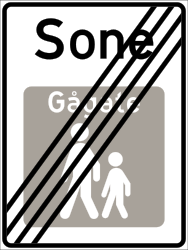
10. End of the zone for pedestrians
This traffic sign indicates the end of the pedestrian zone. The special traffic rules associated with the pedestrian zone end at this point. Follow the traffic signs and rules that apply beyond the zone.
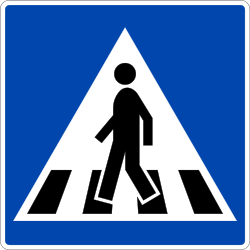
11. Crossing for pedestrians
This traffic sign indicates a crossing for pedestrians. It marks a designated place where pedestrians cross the road. Priority and crossing rules depend on the applicable traffic signs, signals and local regulations.
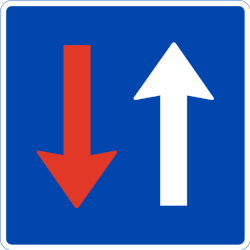
12. Road narrowing, oncoming drivers have to give way
This traffic sign indicates a road narrowing where oncoming drivers have to give way.
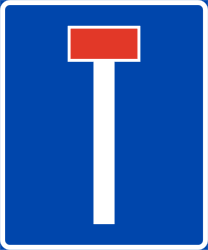
13. Dead end street
This traffic sign indicates a dead end street. The road has no through route for vehicles, although access to properties or other destinations along the road may still be possible.
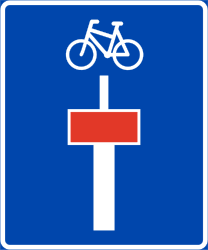
14. Dead end street with a passage for cyclists
This traffic sign indicates a dead end street with a passage for cyclists. The road has no through route for motor vehicles, but cyclists can continue beyond the dead end.
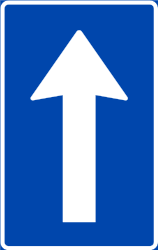
15. Road with one-way traffic
This traffic sign indicates a road with one-way traffic. Vehicular traffic may travel only in the permitted direction, subject to any exceptions indicated by traffic signs or local rules.
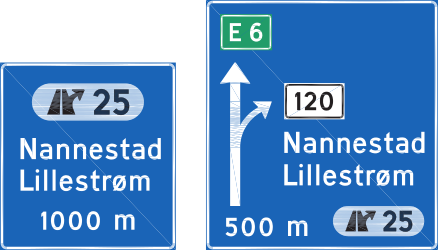
16. Information about the next exit
This traffic sign gives information about the next exit. It may show the exit number, destination, direction or distance to the exit.
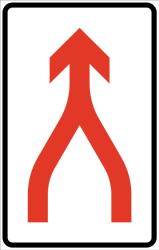
17. Two lanes are going to merge
This traffic sign indicates that two traffic lanes merge into one. Drivers should follow the lane markings and applicable merging rules as the lanes combine.
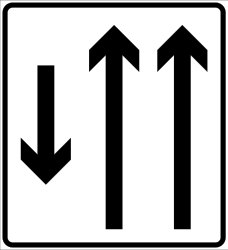
18. Overview of the lanes and their direction
This traffic sign gives an overview of the lanes and their direction. The diagram shows how the traffic lanes are arranged and how they continue, divide or merge.
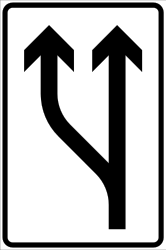
19. Start of a new lane
This traffic sign indicates the start of a new traffic lane. The displayed road layout shows where the additional lane begins and how the traffic lanes continue.
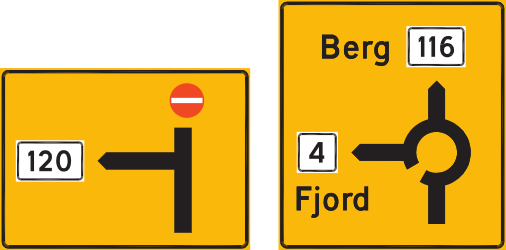
20. Information about the directions of the roundabout
This traffic sign gives information about directions at a roundabout. The diagram shows the available exits and the destinations reached from them.
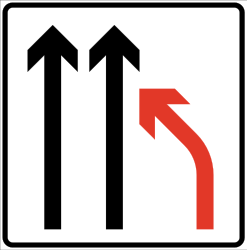
21. End of a lane
This traffic sign indicates the end of a lane. The displayed lane arrangement shows which lane ends and how the remaining traffic lanes continue.
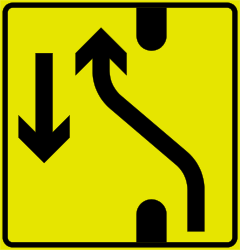
22. Temporary median strip diversion
This traffic sign indicates that traffic is temporarily directed through an opening in the central reservation. Follow the displayed direction and temporary lane markings through the diversion.
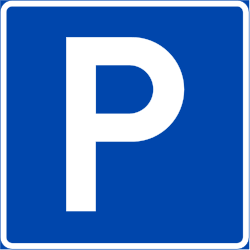
23. Parking allowed
This traffic sign indicates that parking is allowed. Vehicles may be parked in the area covered by the sign subject to any indicated conditions, restrictions or local parking rules.
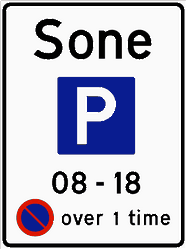
24. Start of a parking zone
This traffic sign indicates the start of a parking zone. The parking rules indicated for the zone apply throughout it according to the applicable signs and local regulations.
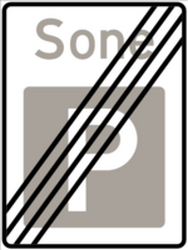
25. End of the parking zone
This traffic sign indicates the end of the parking zone. The parking rules associated with that zone end at this point. Other parking restrictions or conditions may still apply.
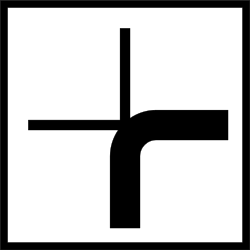
26. Crossroad shape
This traffic sign shows the shape or layout of an upcoming junction. The diagram indicates how the approaching road and connecting roads are arranged.
27. Crossroad shape
This traffic sign shows the shape or layout of an upcoming junction. The diagram indicates how the approaching road and connecting roads are arranged.
28. Crossroad shape
This traffic sign shows the shape or layout of an upcoming junction. The diagram indicates how the approaching road and connecting roads are arranged.
