

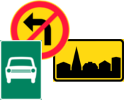
Pedestrian zoneFinland
 Traffic rules
 Finland
9. Pedestrian zone
A pedestrian zone is an area consisting of one or more streets that are reserved primarily for pedestrians. Motor-vehicle access is normally prohibited or restricted to authorised users, particular purposes or specified times.
Pedestrians may usually use the full width of the available road space. Rules concerning cyclists, deliveries, public transport, vehicle speed, stopping and parking depend on local traffic signs and regulations.
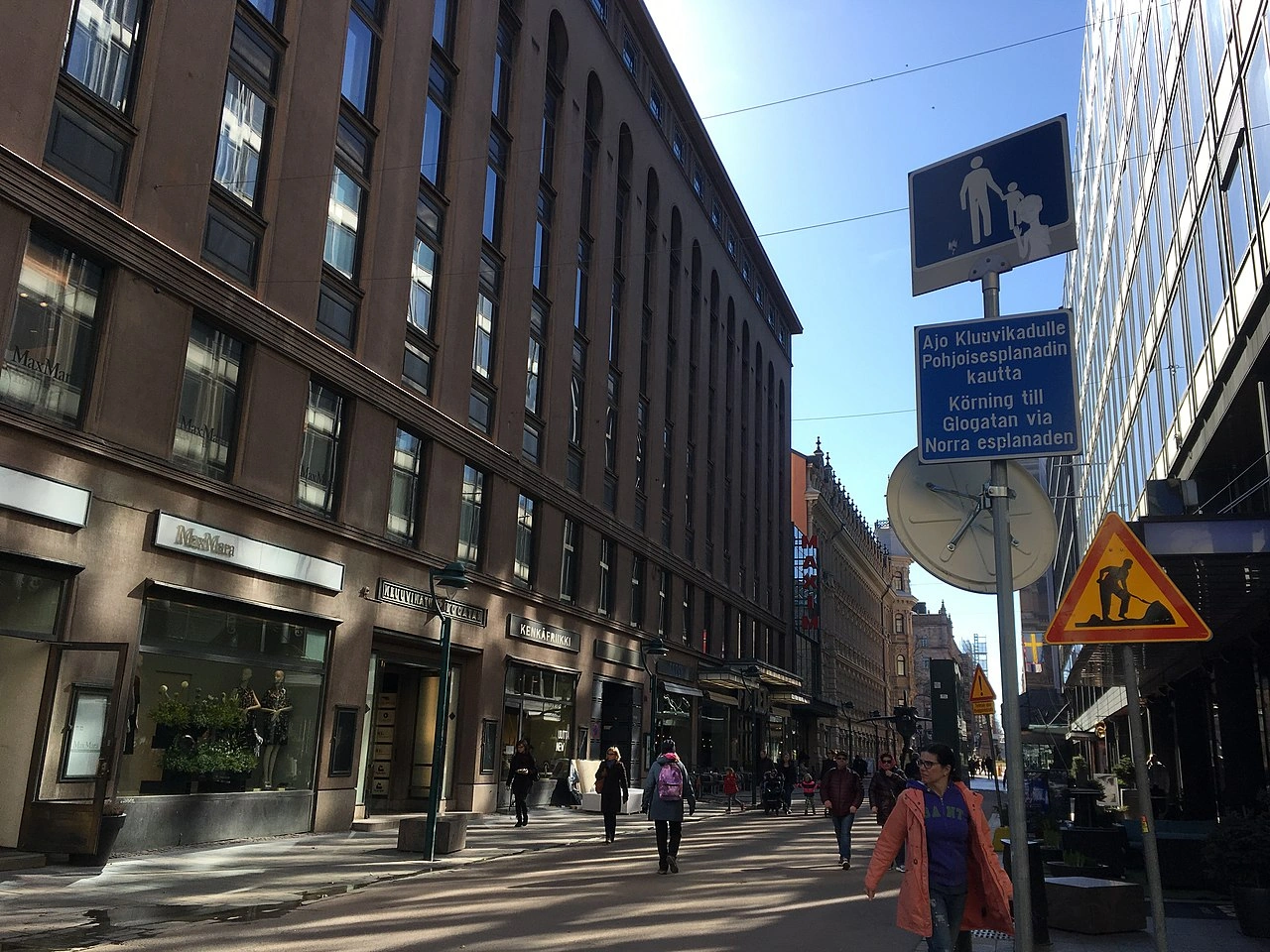
Wikimedia.org • Eric Fischer • CC BY
How should I recognise pedestrian-only access in Finland?
The official term is kävelykatu. Pedestrians may use all parts of the street. Motor access is limited to specified circumstances, such as otherwise inaccessible properties or signed service traffic.
🔗 finlex.fi • Finlex, Finnish Road Traffic Act 729/2018 — 14, 24, 44; Annex 3 E26–E27
🔗 finlex.fi • Finlex — corresponding current Finnish statutory text
May cyclists ride in pedestrian areas in Finland?
Cycling is possible under the street rules, but pedestrians must have unobstructed passage. Speed must be adapted to walking and must not exceed 20 km/h; 20 km/h is a ceiling, not a target in a crowd.
🔗 finlex.fi • Finlex, Finnish Road Traffic Act 729/2018 — 14, 24, 44; Annex 3 E26–E27
🔗 finlex.fi • Finlex — corresponding current Finnish statutory text
Which rules apply to vehicles admitted to pedestrian areas in Finland?
Motor vehicles may cross the street, and specified property or signed service access is allowed. Ordinary motor-vehicle stopping and parking are prohibited, with the Act’s traffic, emergency and permitted-service exceptions.
🔗 finlex.fi • Finlex, Finnish Road Traffic Act 729/2018 — 14, 24, 44; Annex 3 E26–E27
🔗 finlex.fi • Finlex — corresponding current Finnish statutory text


