


Mandatory directionHungary
An introduction to the traffic rules and road signs of Hungary. Learn about driving, road safety and much more in our illustrated book, with answers to frequently asked questions.
For informational purposes only. Always follow official regulations. Some content and images were created with AI assistance.
 Traffic rules
 Hungary
20. Mandatory direction
A mandatory-direction sign requires drivers to travel only in the direction or one of the directions indicated by its arrow or arrows. It may require traffic to continue straight ahead, turn, or pass an obstacle on a specified side.
The sign does not itself determine priority or speed. Drivers must still use the appropriate lane, signal when required and give way according to local traffic signs and regulations.
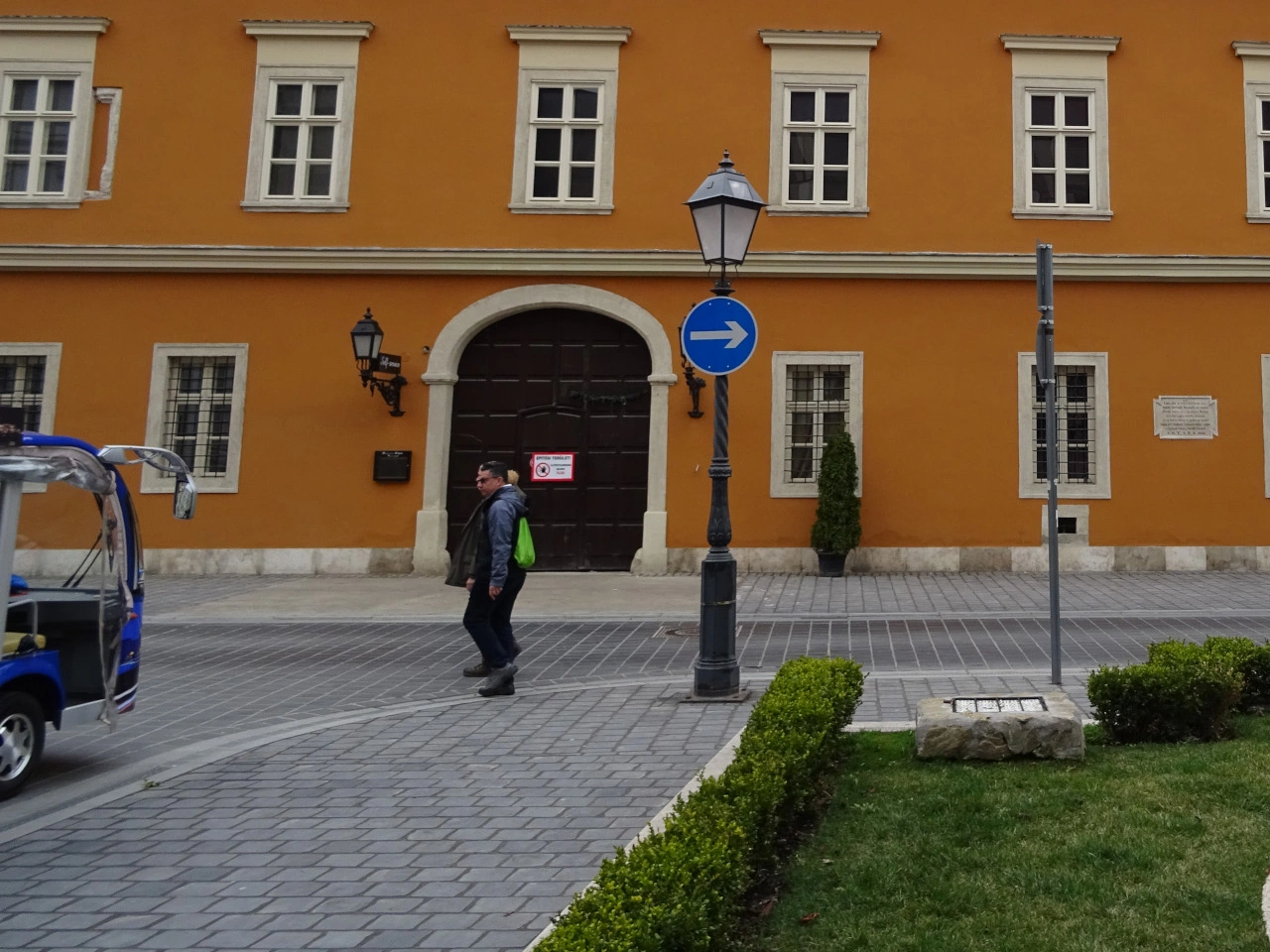
Wikimedia.org • Spudgun67 • CC BY-SA
What does a mandatory-direction sign require in Hungary?
At the controlled junction, follow one of the directions shown by the compulsory-direction arrows. A supplementary bus or bicycle panel may permit a different indicated direction for those users. A compulsory direction does not give priority over other road users.
Can I choose another turn if the mandatory-direction arrow is inconvenient in Hungary?
No, unless another applicable sign, lane instruction or authorised traffic direction lawfully permits it. Plan a permitted alternative route; do not make an abrupt or prohibited turn to reach your destination.
Does a mandatory-direction sign give me priority over pedestrians in Hungary?
No. The sign controls direction, not priority. In particular, a turning driver must give way to pedestrians crossing the carriageway of the road being entered, as well as cyclists and other road users where the applicable turning rules require.


