


Driving licenceAustralia
 Traffic rules
 Australia
35. Driving licence
A driving licence is an official document authorising a person to drive one or more specified categories of motor vehicle. It may contain conditions, restrictions, category codes and expiry dates that determine which vehicles the holder may drive.
Drivers must hold a licence that is valid for the vehicle category and jurisdiction concerned. A licence may be provisional, full, restricted, suspended or withdrawn, and additional qualifications may be required for professional driving.
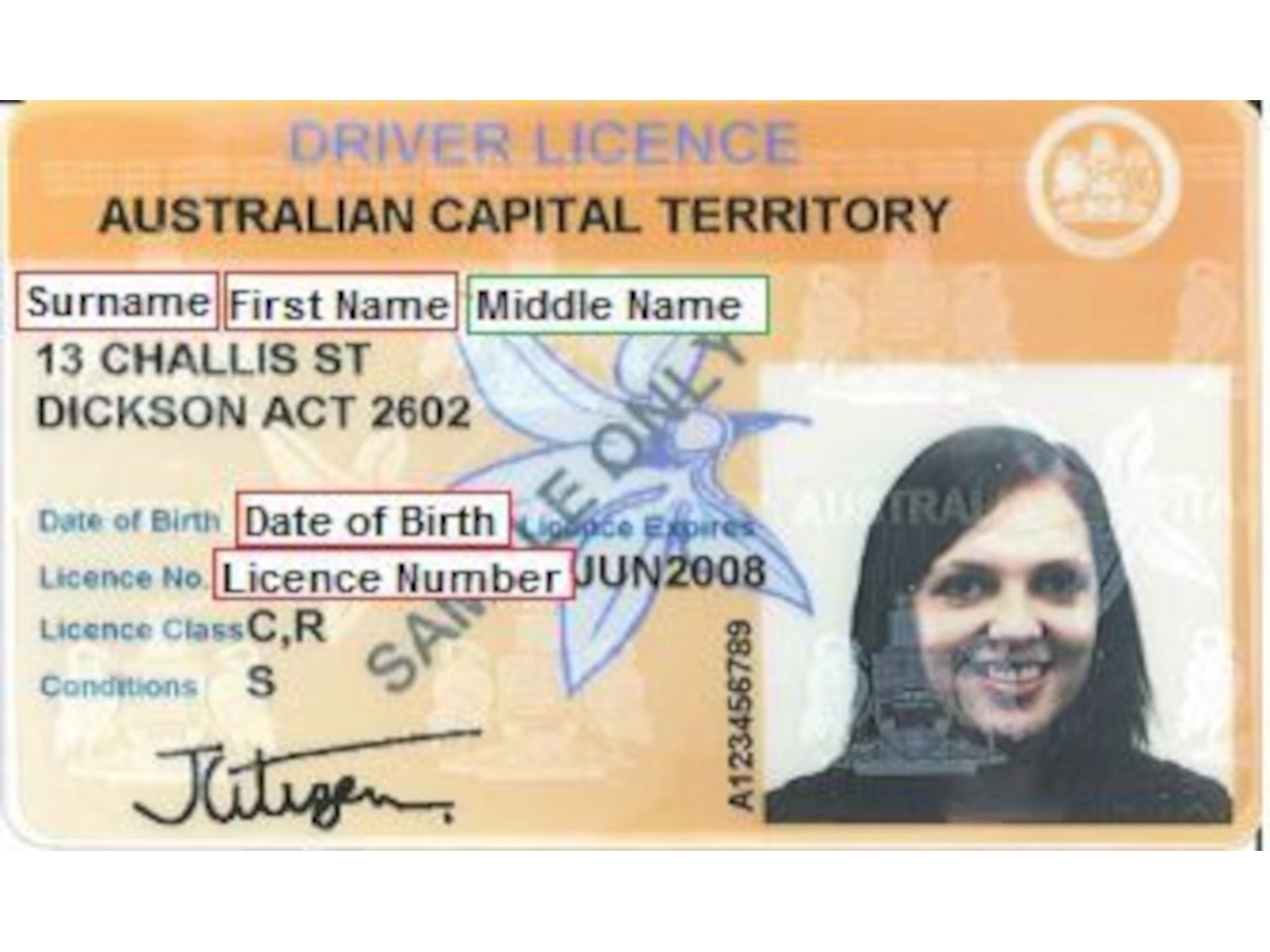
Wikimedia.org • Commonwealth of Australia • CC0
Which driving-licence entitlement is needed for an ordinary car in Australia?
In Australia, a normal passenger car generally requires a Class C car licence, subject to state or territory conditions. A different entitlement may be needed for motorcycles, heavy vehicles, trailers or passenger transport.
🔗 nsw.gov.au • NSW Government — licence classes, Class C for cars; state conditions apply
Can a visitor drive in Australia using a driving licence issued abroad?
The rules depend on the state or territory. For example, eligible temporary visitors to New South Wales can drive on a current overseas licence for up to six months, with a translation or IDP when it is not in English. Other states have their own limits.
Does an International Driving Permit replace the original licence in Australia?
No. An International Driving Permit (IDP) is not a standalone driving licence. Where it is recognised or required, carry the underlying valid licence as well and check the accepted convention or translation requirements. An IDP cannot override a suspension, unsuitable vehicle category or local minimum age.


