

Additional signsUnited Kingdom
 Traffic rules
 United Kingdom
 Priority signs
 Warning signs
 Prohibitory signs
 Mandatory signs
 Information signs
 Additional signs
Additional signs
An additional sign is a traffic sign placed directly below another sign to provide extra information or clarify how the main sign should be understood. It can specify conditions such as distance, time periods, road users affected, directions, or special circumstances. Additional signs do not create new rules by themselves but modify, limit, or explain the meaning of the sign above them so drivers can apply the rule correctly in that specific situation.
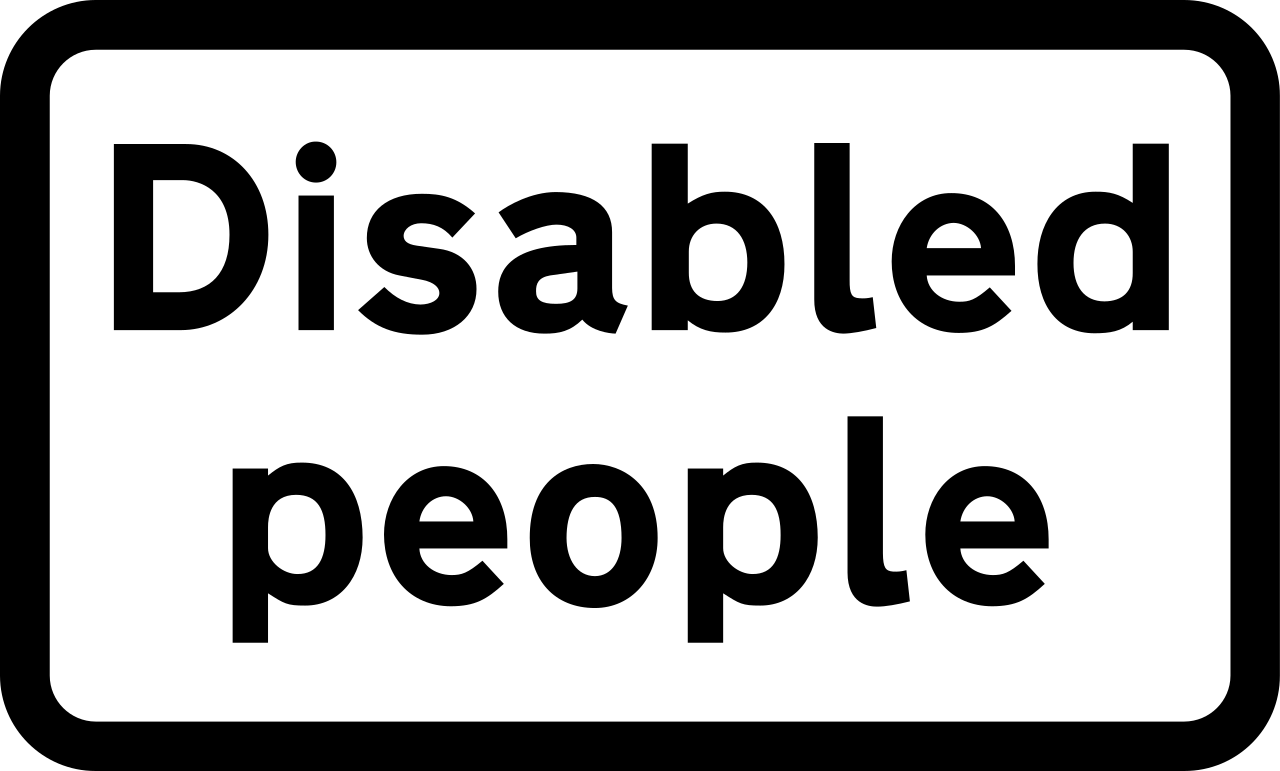
















1. For people with disabilities
This supplementary sign indicates that the main traffic sign applies specifically to people with disabilities. Any permit or eligibility requirements depend on the applicable sign and local rules.
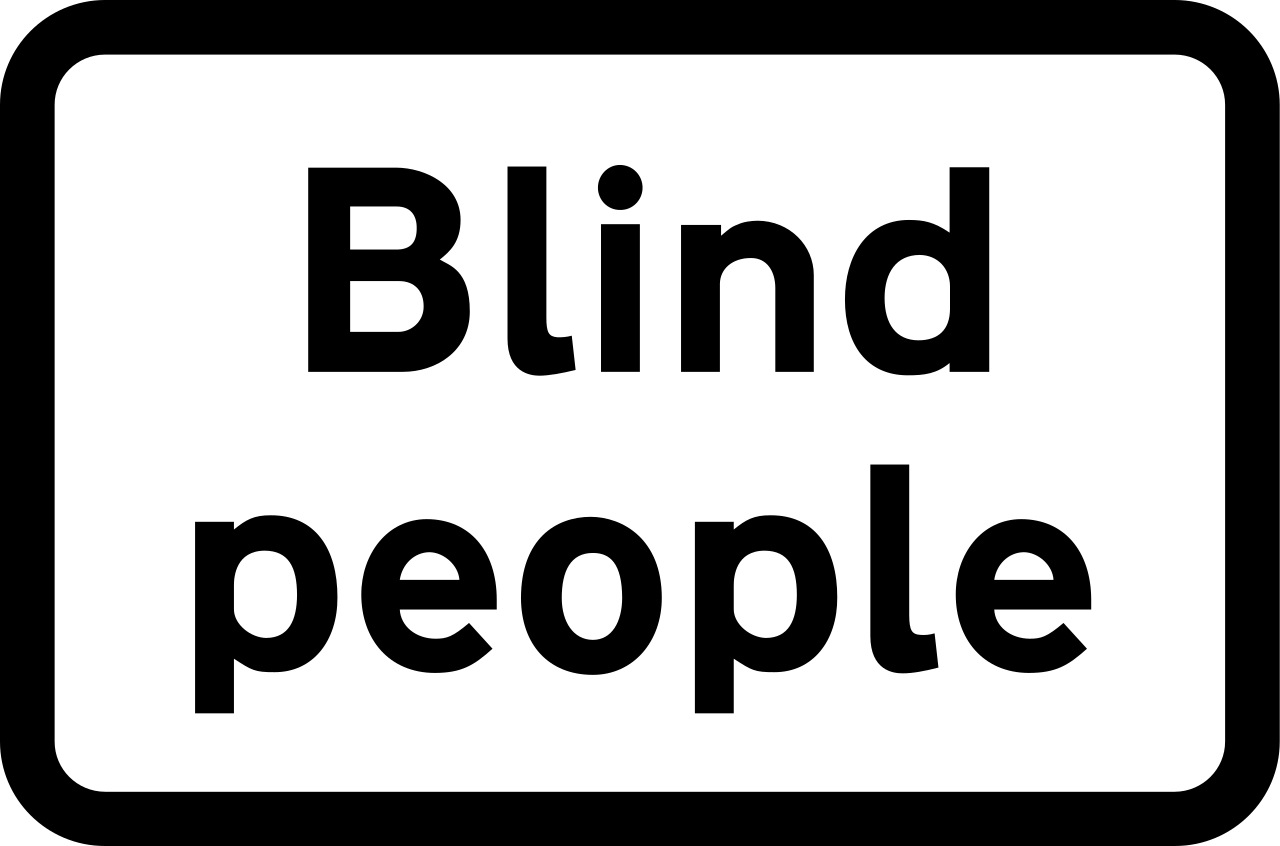
2. For blind people
This supplementary sign indicates that the main traffic sign specifically concerns blind or visually impaired people.
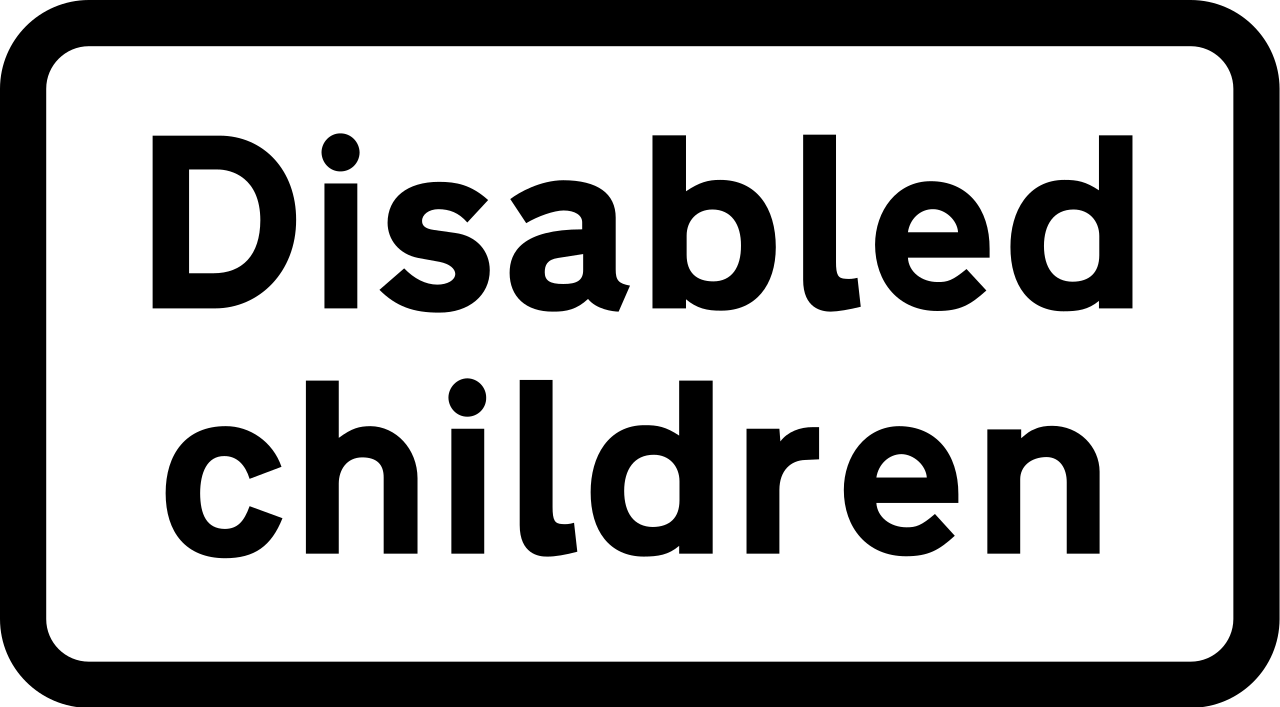
3. For children with disabilities
This supplementary sign indicates that the main traffic sign specifically concerns children with disabilities.
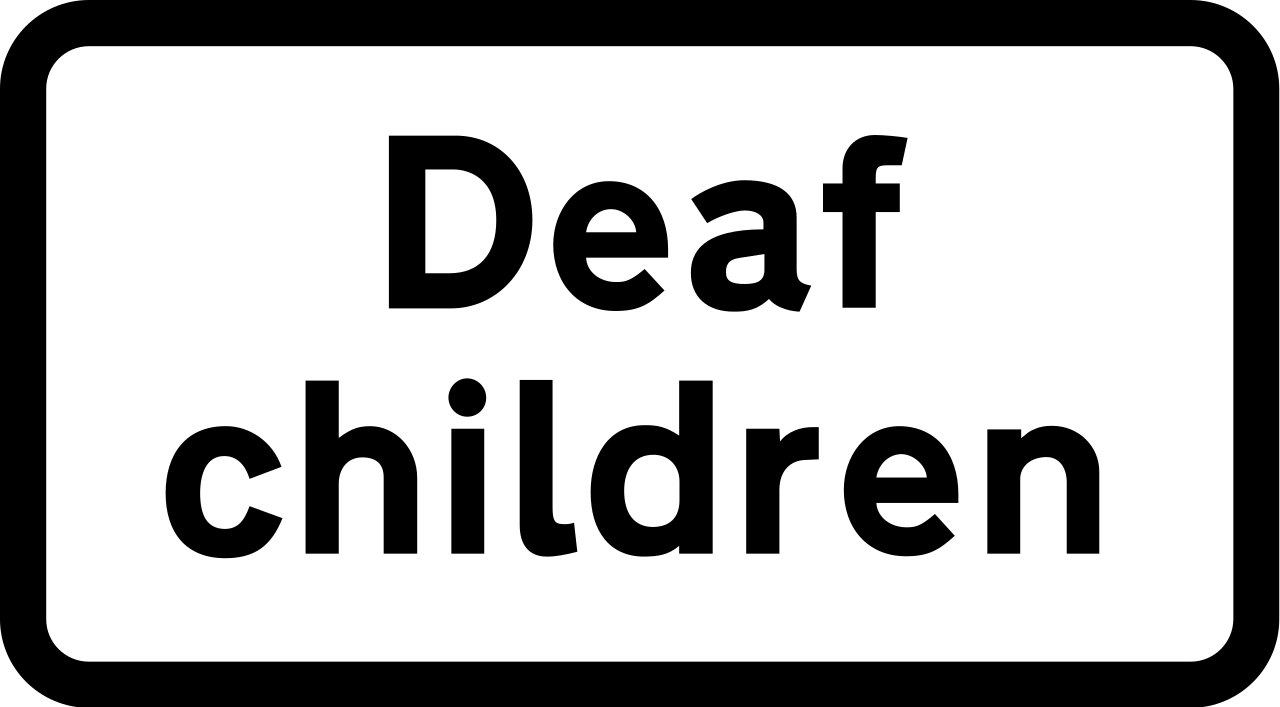
4. For deaf people
This supplementary sign indicates that the main traffic sign specifically concerns deaf or hearing-impaired people.
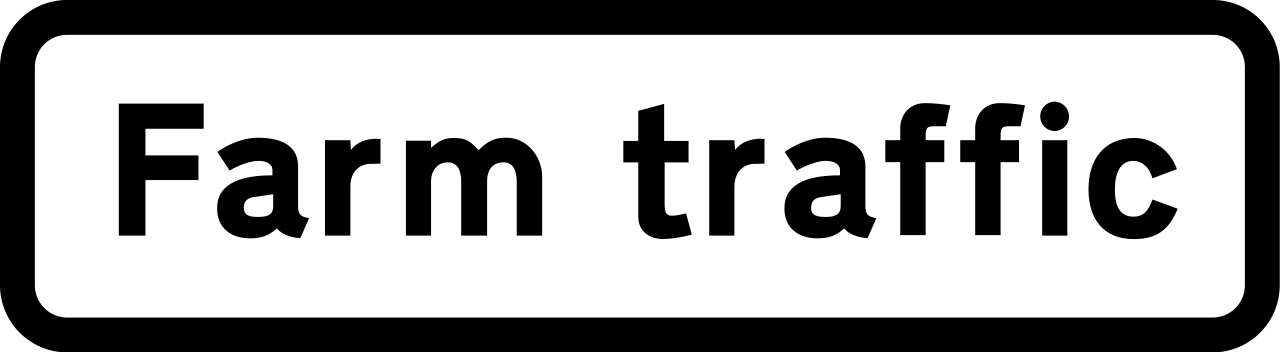
5. For tractors
This supplementary sign indicates that the main traffic sign applies specifically to tractors.
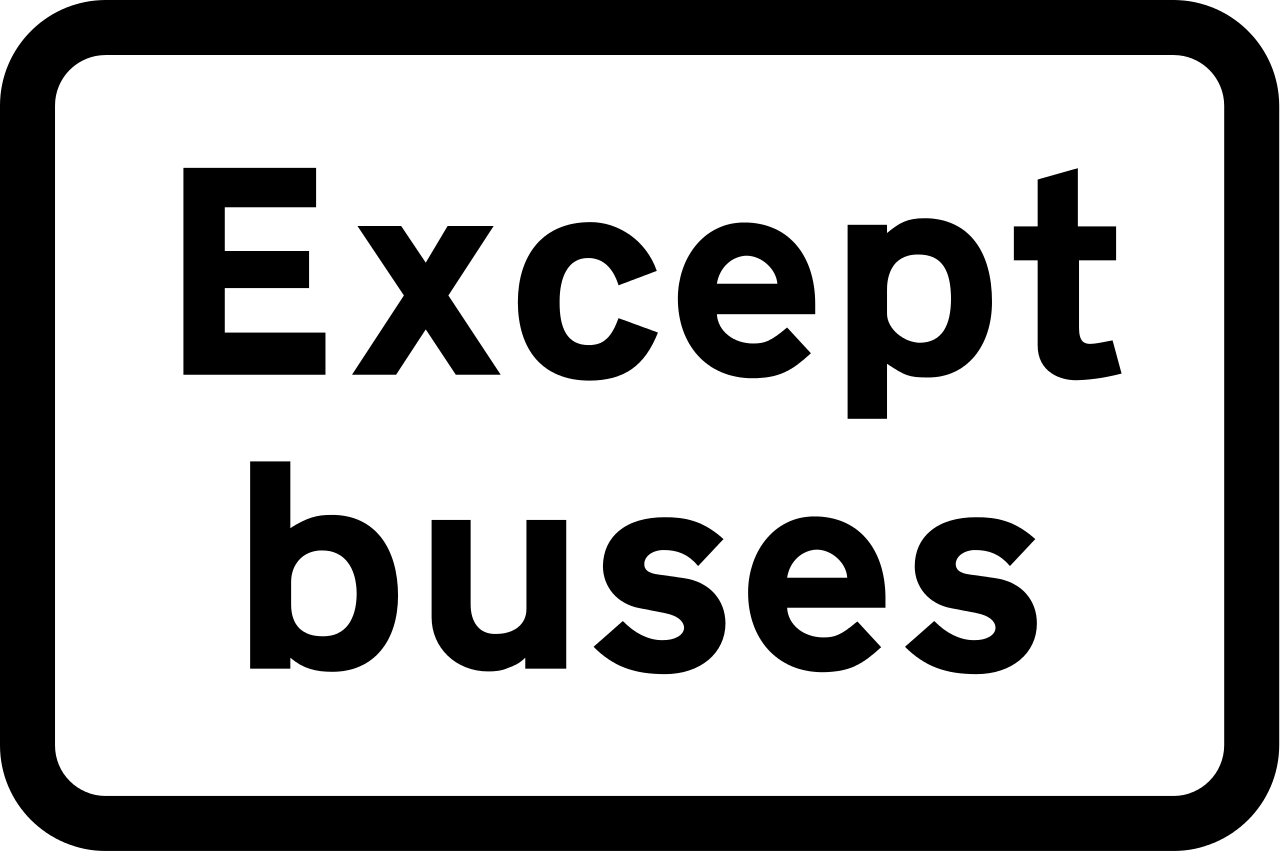
6. Buses allowed
This supplementary sign indicates that buses are allowed where the main traffic sign would otherwise restrict their access or use. The bus categories covered depend on the applicable local definitions.
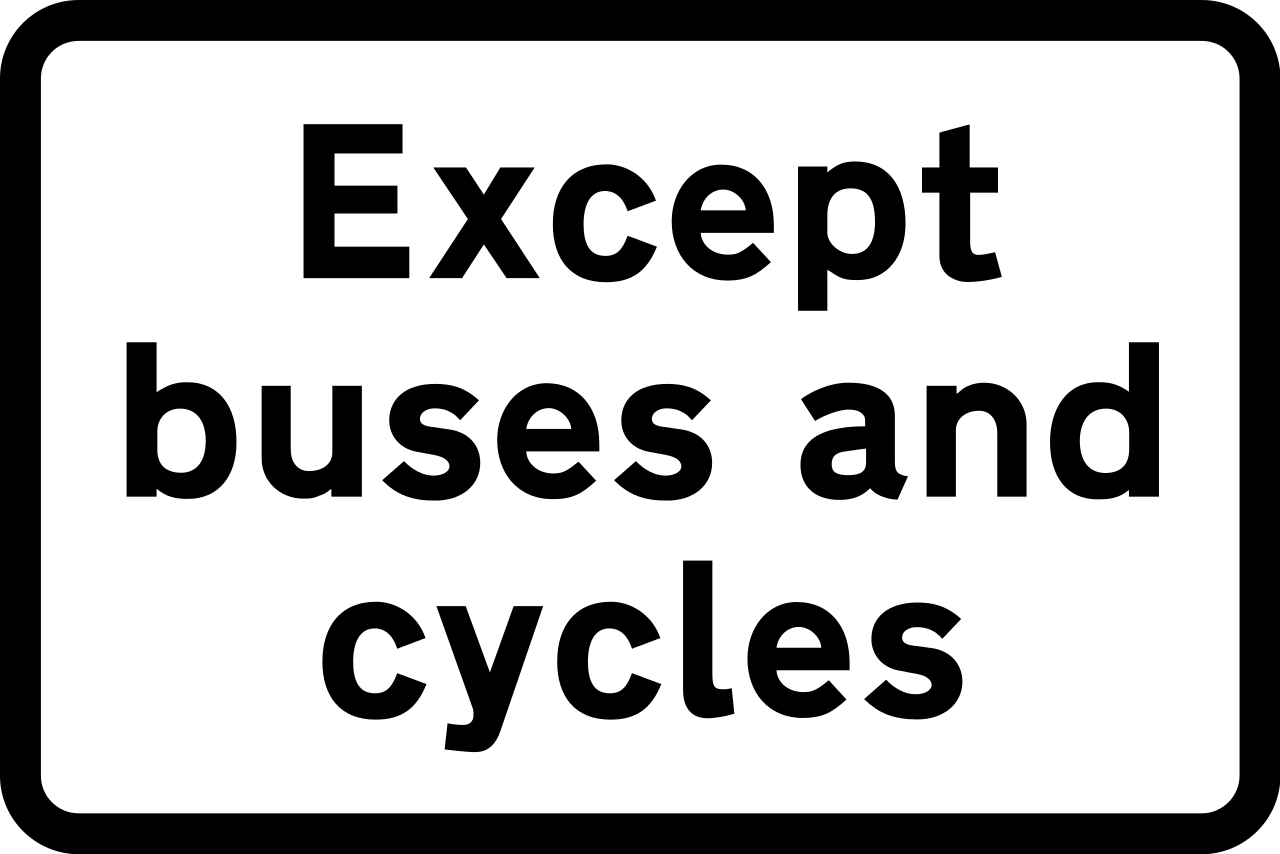
7. Buses and cyclists allowed
This supplementary sign indicates that buses and cyclists are allowed where the main traffic sign would otherwise restrict their access or use.
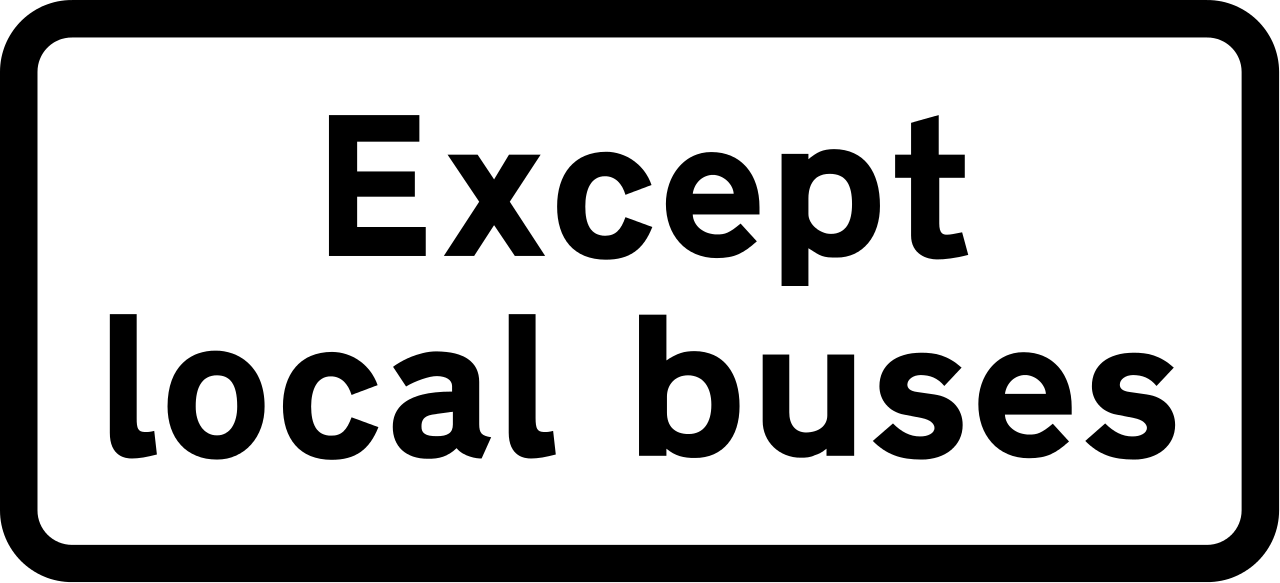
8. Local buses allowed
This supplementary sign indicates that local buses are allowed where the main traffic sign would otherwise restrict their access or use. The buses qualifying as local services depend on the applicable local rules.
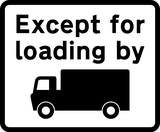
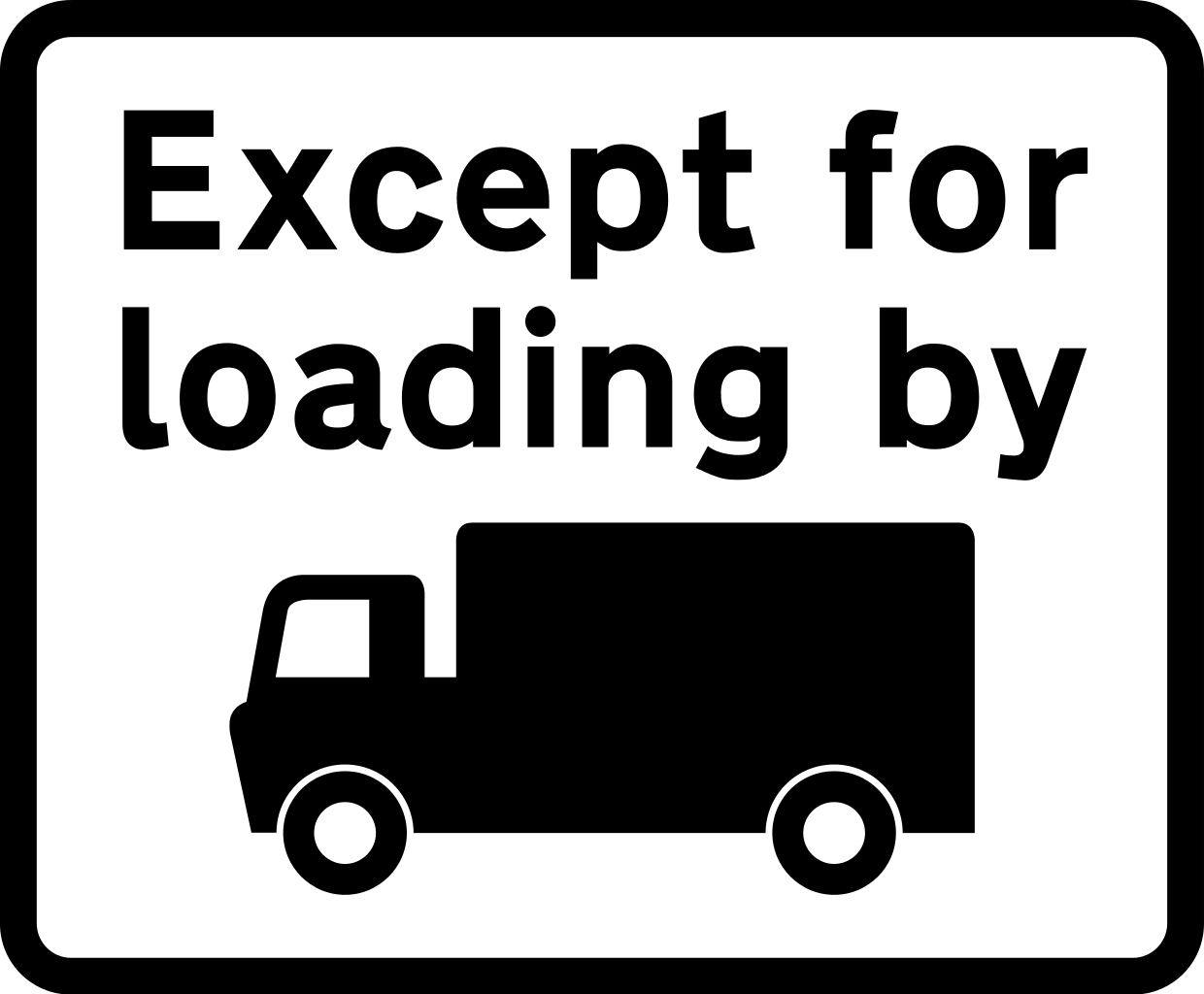
9. Delivery vehicles allowed
This supplementary sign indicates that delivery vehicles are allowed where the main traffic sign would otherwise restrict their access, use or parking. The vehicles and activities covered depend on the applicable local rules.
10. Local traffic allowed
This supplementary sign indicates that local traffic is allowed where the main traffic sign would otherwise restrict access. Which journeys or road users qualify as local traffic depends on the applicable local rules.
11. Motor vehicles prohibited
This supplementary sign indicates that the prohibition shown by the main traffic sign applies to motor vehicles. The vehicle categories covered depend on the applicable local definitions.
12. Explosive materials prohibited
This supplementary sign indicates that vehicles carrying explosive materials are prohibited where the main traffic sign applies.
13. Flammable or explosive goods prohibited
This supplementary sign indicates that vehicles carrying flammable or explosive goods are prohibited where the main traffic sign applies.
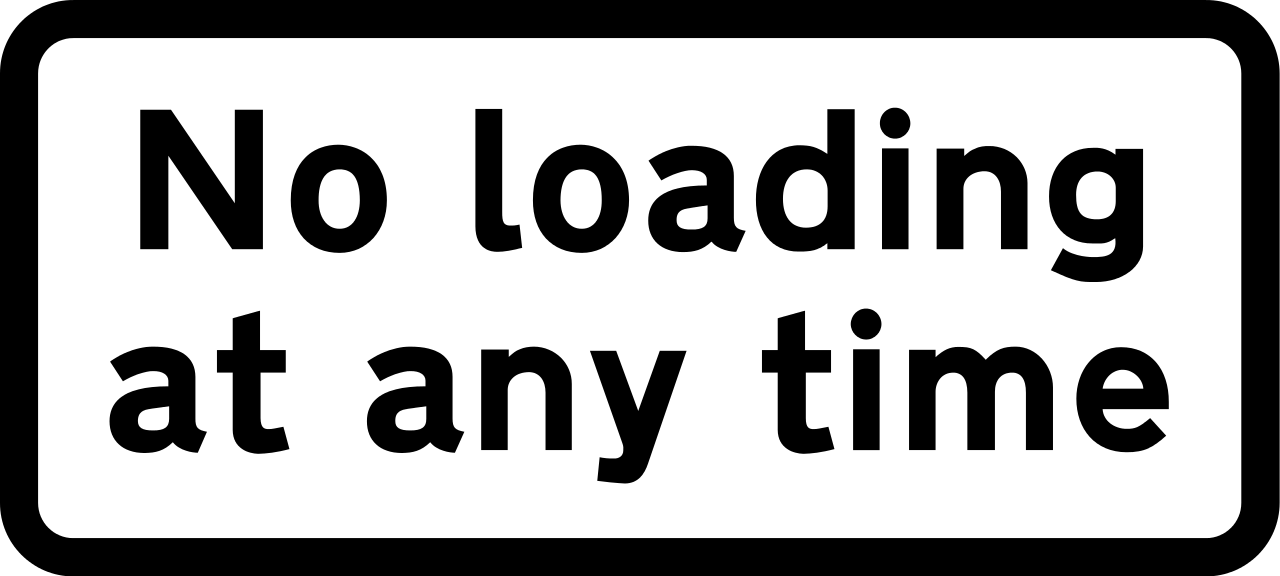
14. No loading
This supplementary sign indicates that loading or unloading goods is prohibited where the main traffic sign applies.
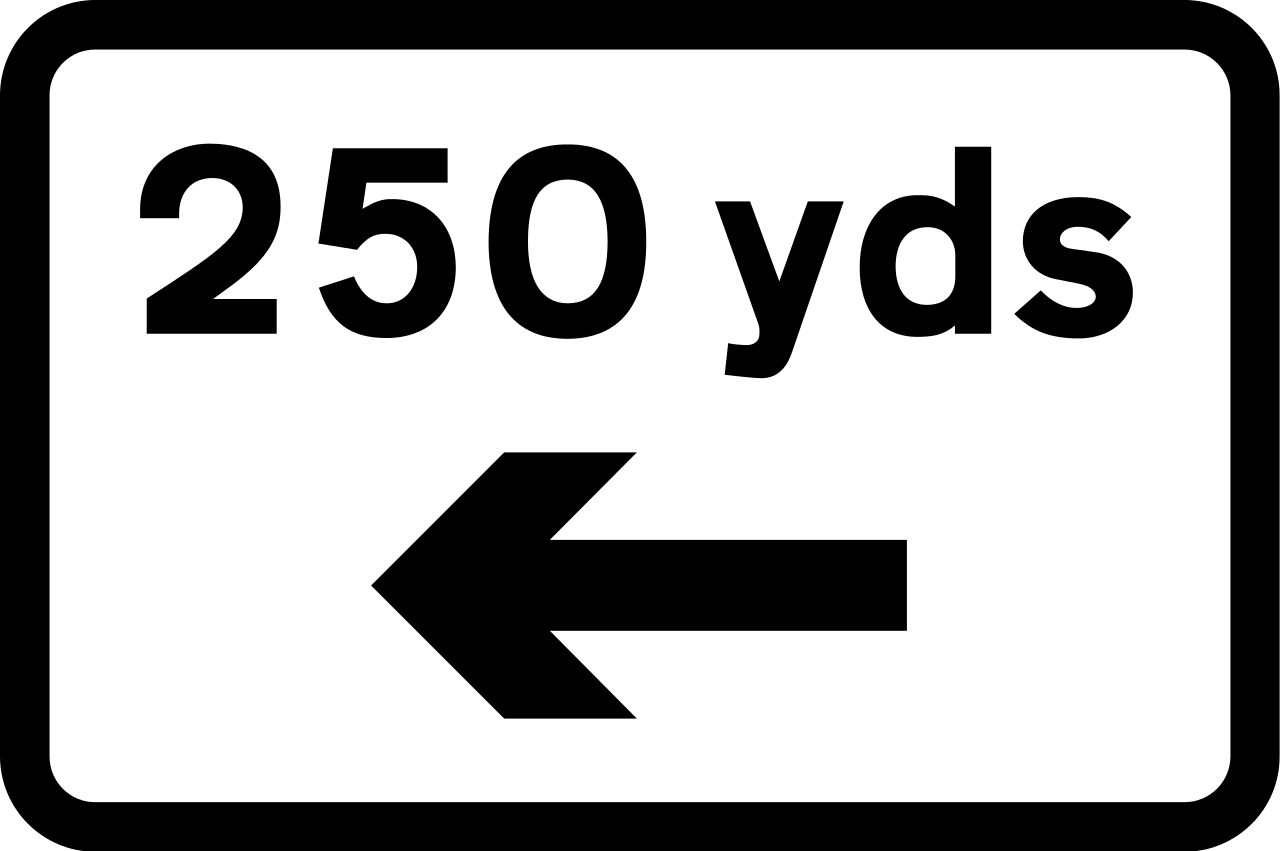
15. yards to the left
This supplementary sign indicates that the main traffic sign refers to a location the indicated distance in yards to the left.
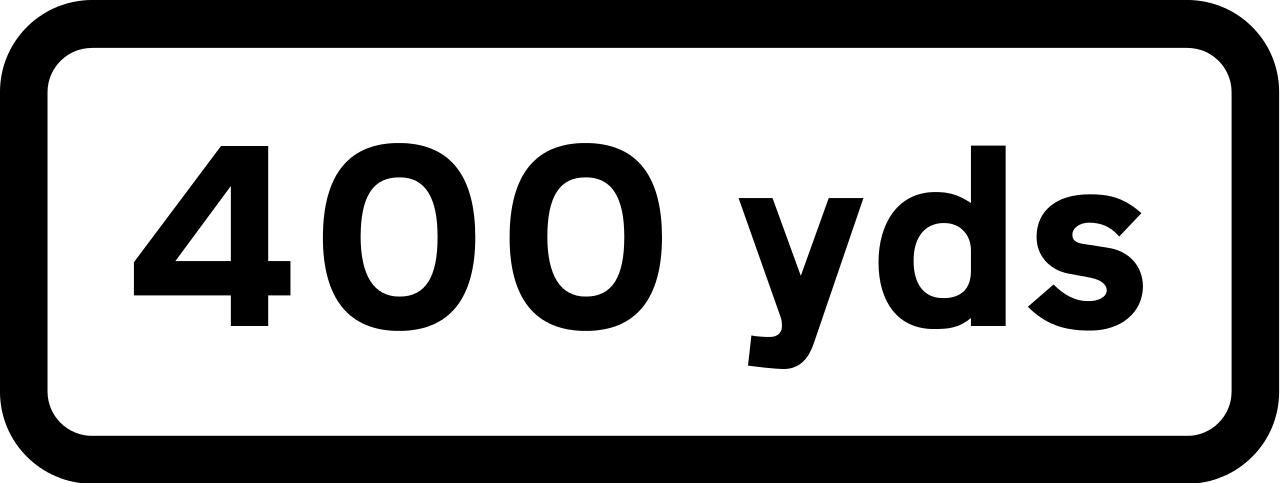
16. yards ahead
This supplementary sign indicates the distance from the main traffic sign to the point where the indicated danger, regulation or information begins. The distance is shown in yards.
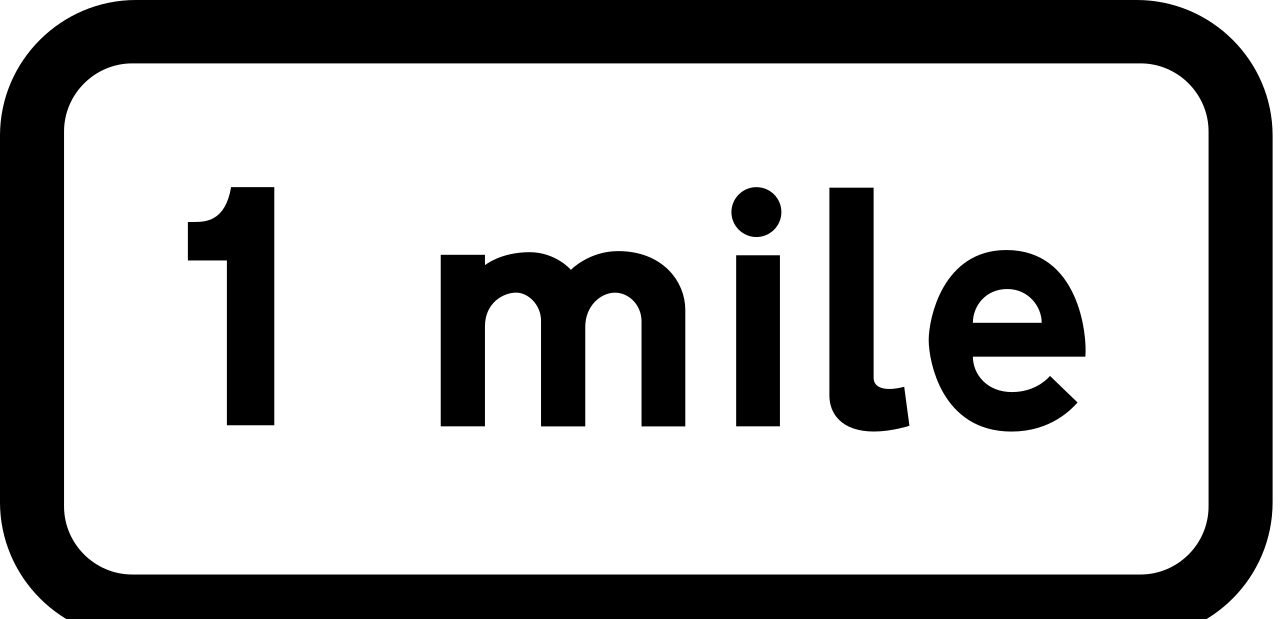
17. miles ahead
This supplementary sign indicates the distance from the main traffic sign to the point where the indicated danger, regulation or information begins. The distance is shown in miles.
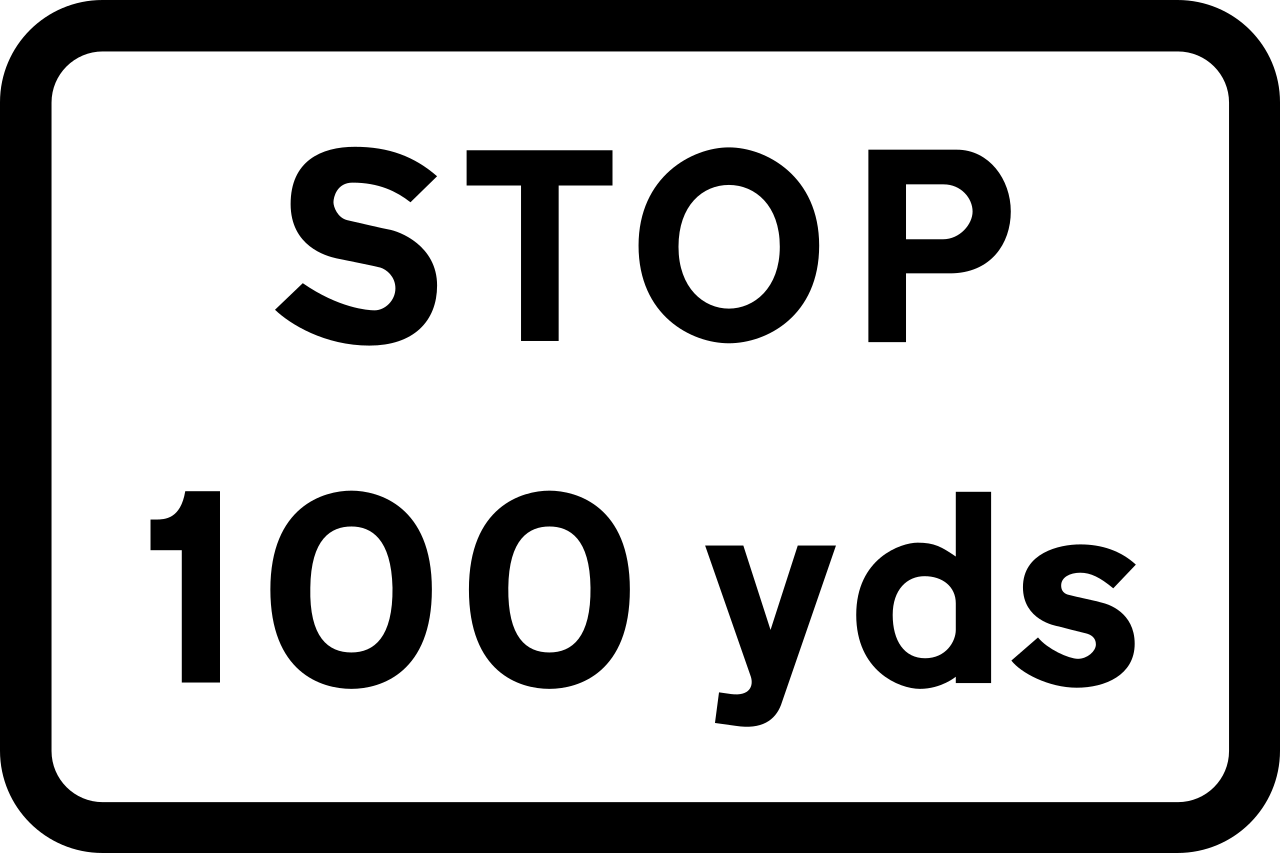
18. Stop yards ahead
This supplementary sign announces a STOP sign at the indicated distance ahead. The displayed value shows the distance in yards to the upcoming STOP sign.
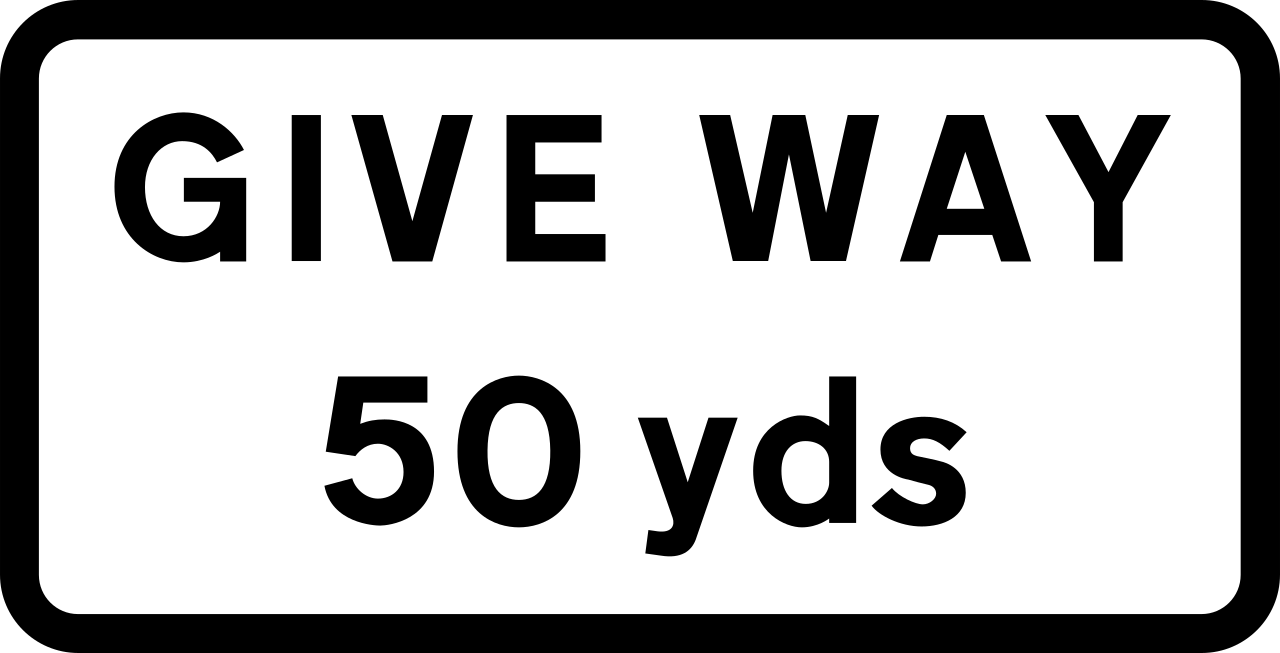
19. Give way ahead
This supplementary sign announces a Give Way sign ahead. Where a distance is shown, it indicates the distance to the upcoming Give Way sign.
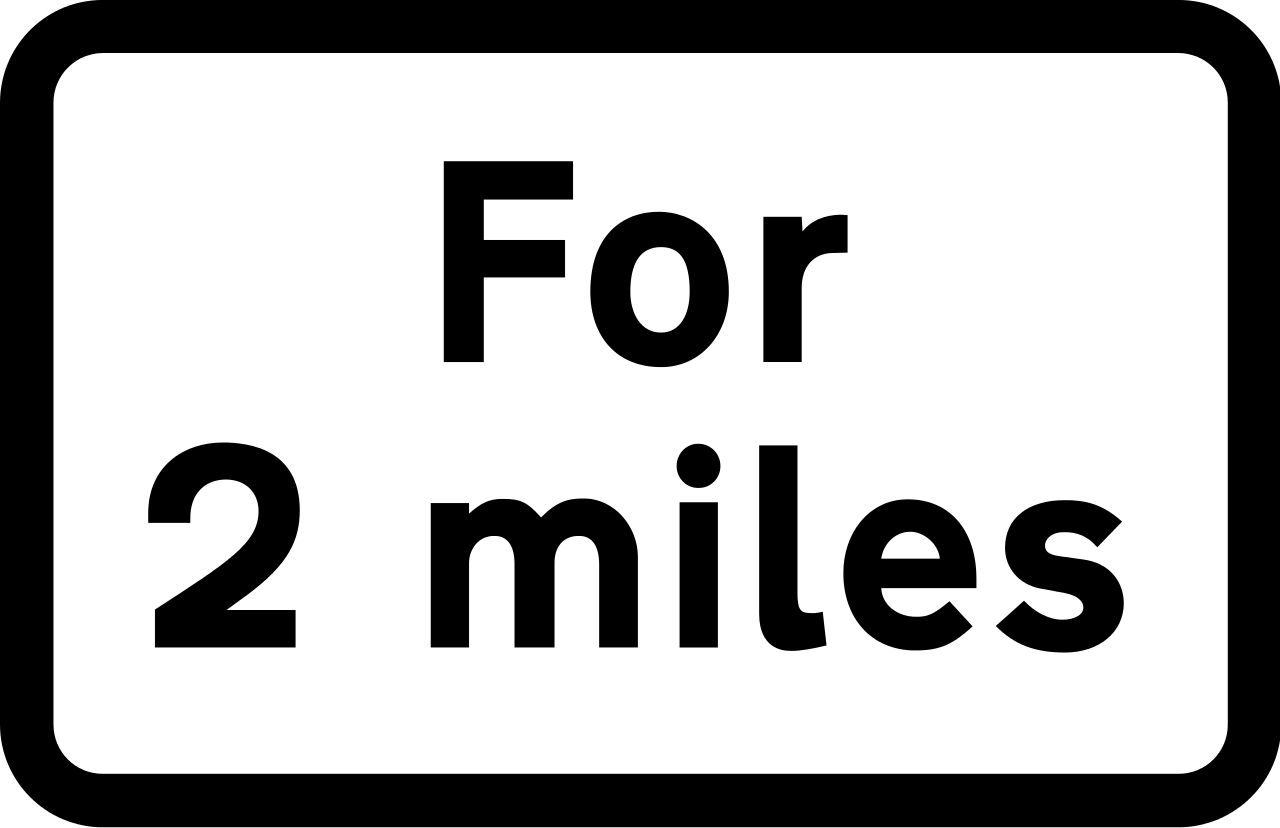
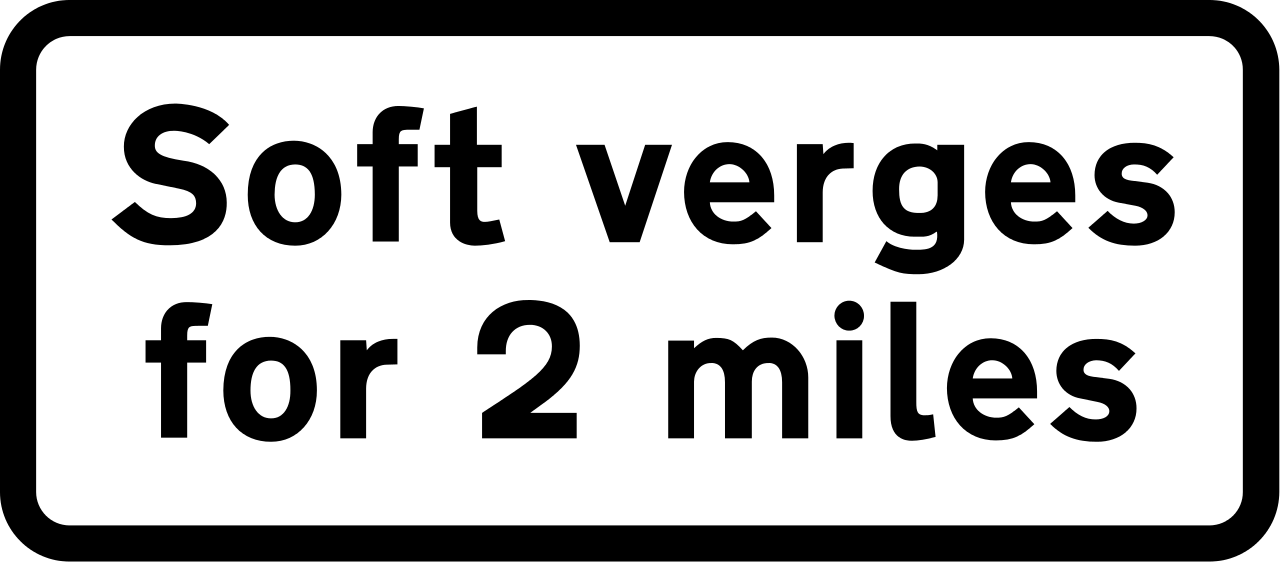
20. For miles
This supplementary sign indicates the length of the section to which the main traffic sign applies. The length is shown in miles.
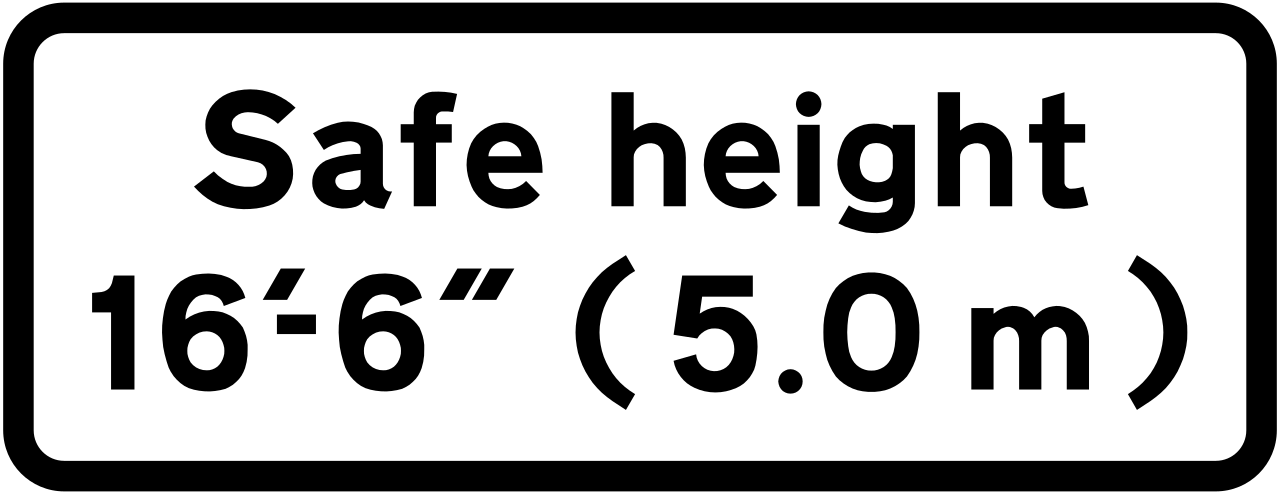
21. Indicated height
This supplementary sign shows an indicated vehicle height. Read it together with the main traffic sign to determine how the height value affects the applicable rule or restriction.
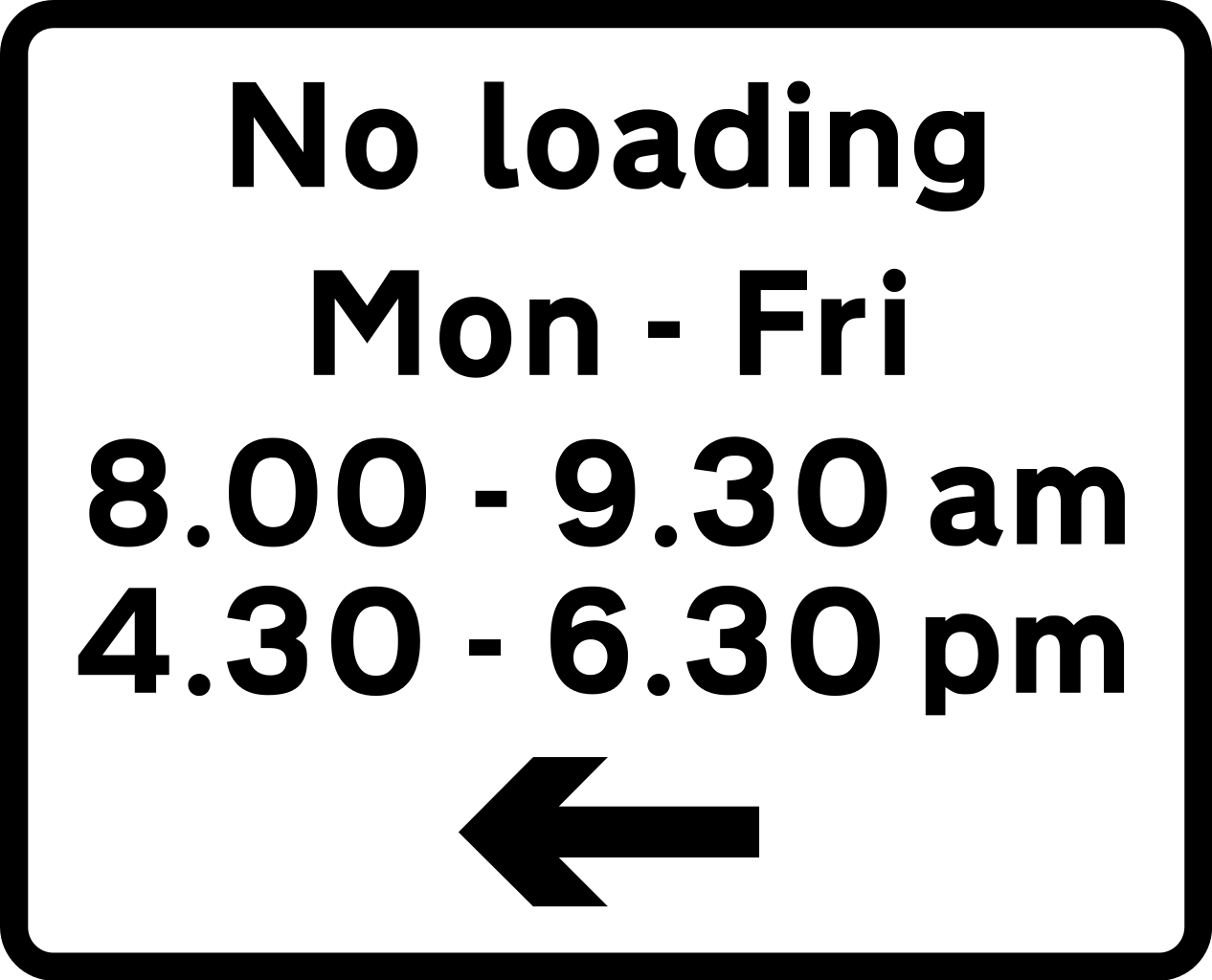
22. No loading during the days and times shown
This supplementary sign indicates that loading and unloading are prohibited during the days and times shown.
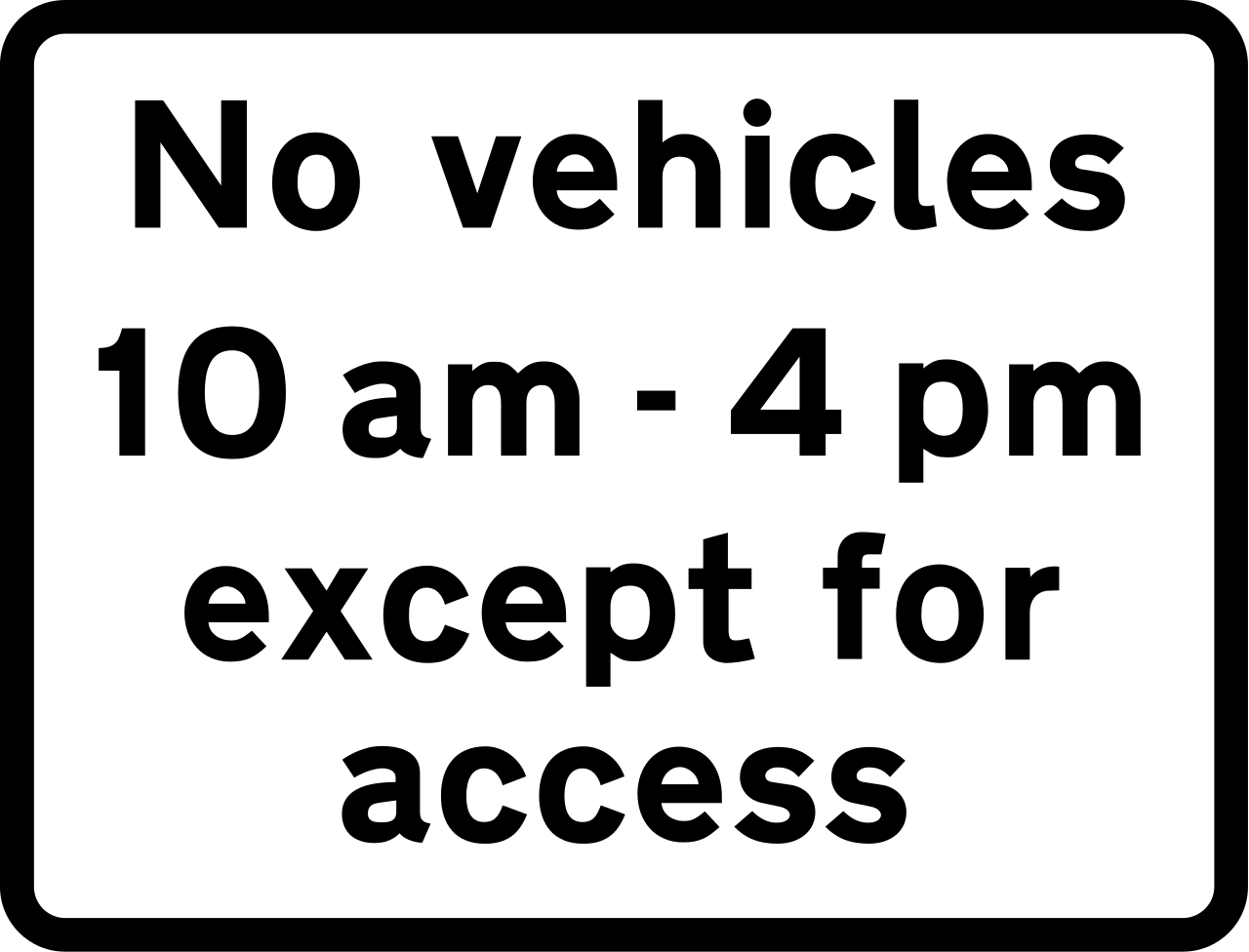
23. Vehicle access prohibited during the time shown
This supplementary sign indicates that vehicle access is prohibited during the time shown.
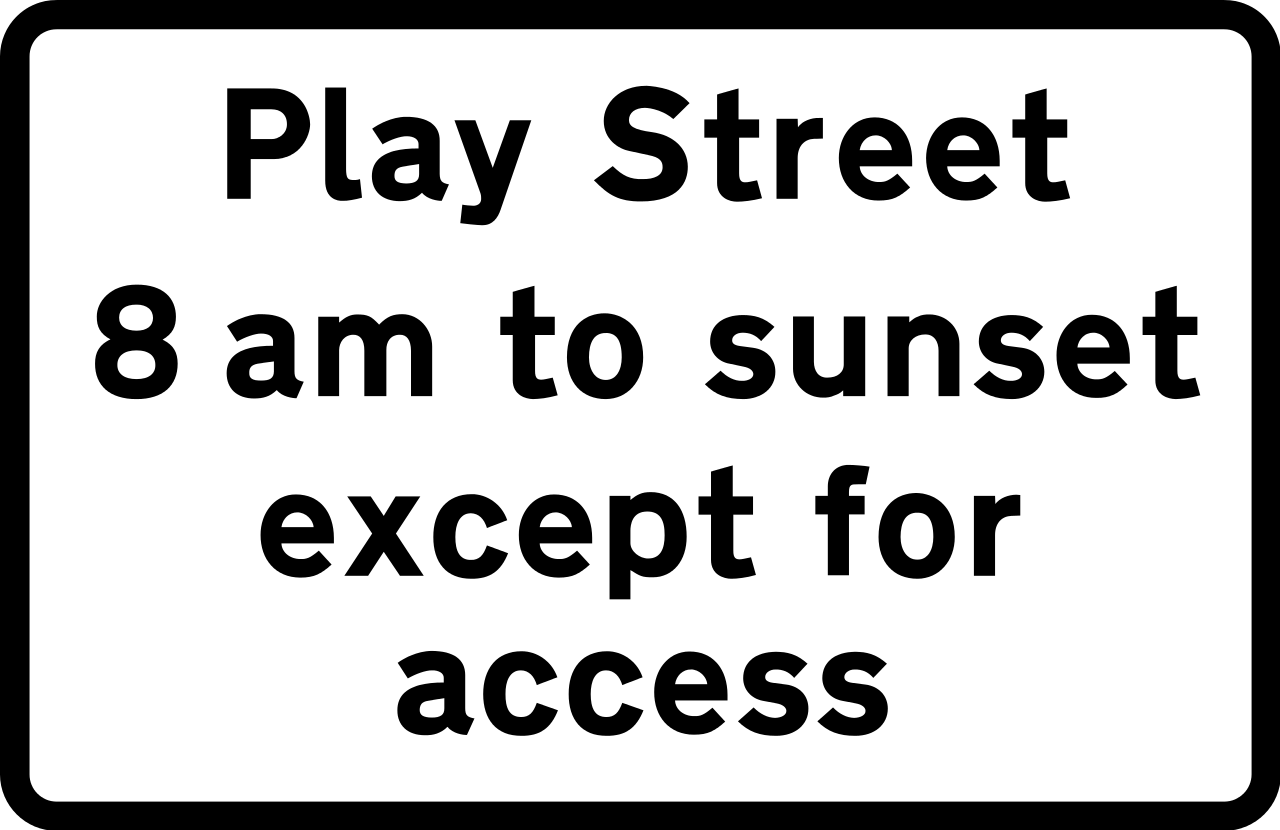
24. Play street during time shown
This supplementary sign indicates that the play-street designation applies during the times shown.
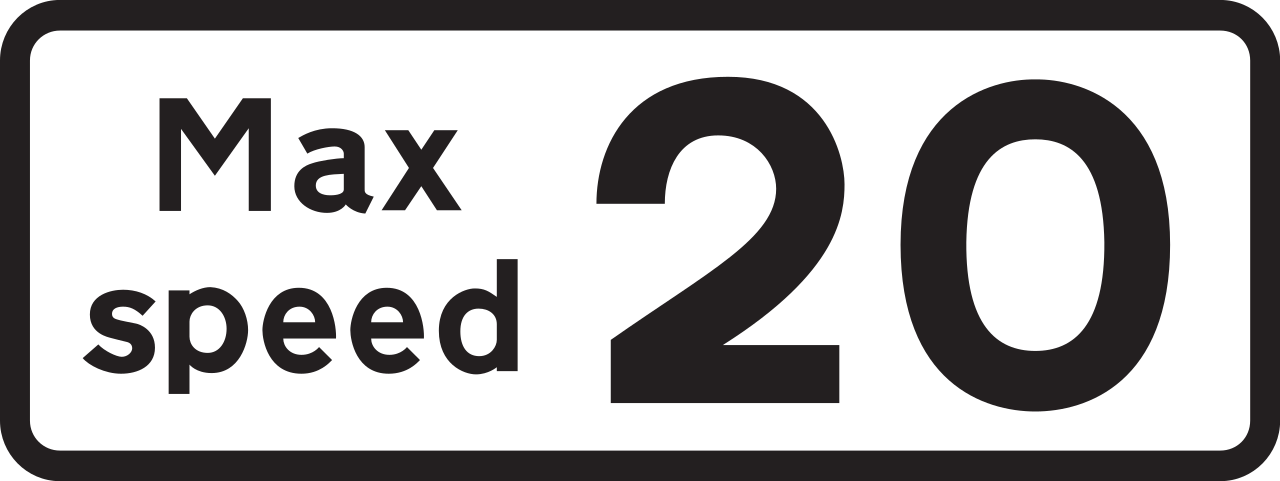
25. Speed limit
This supplementary sign indicates that the displayed speed is a maximum speed limit.
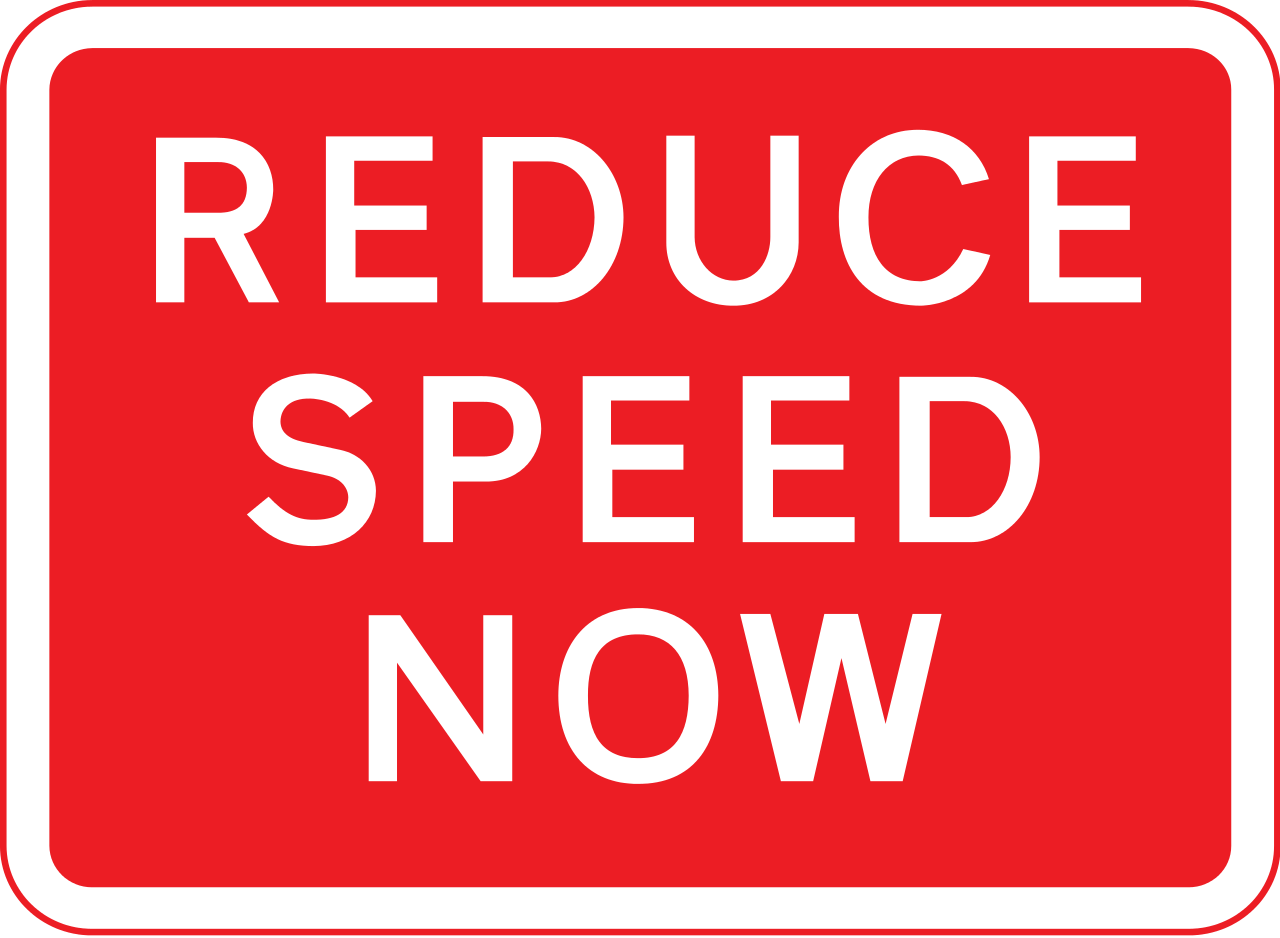
26. Reduce speed now
This supplementary sign instructs or advises drivers to reduce speed immediately in connection with the situation indicated by the main traffic sign.
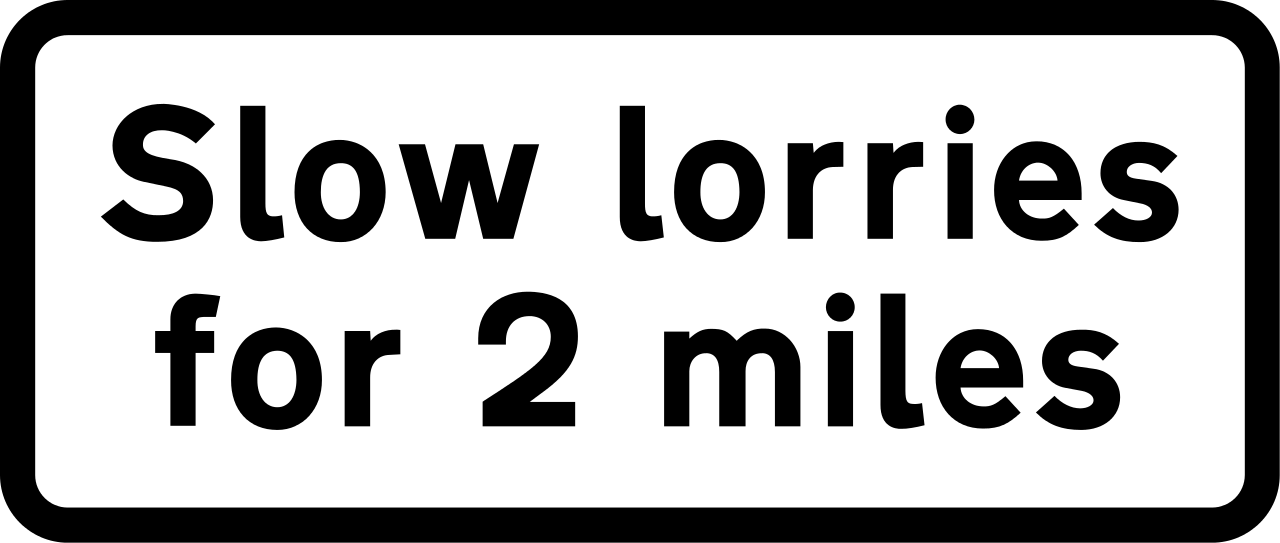
27. Slow trucks for miles
This supplementary sign warns that slow-moving trucks may be encountered over the indicated distance. The distance is shown in miles.
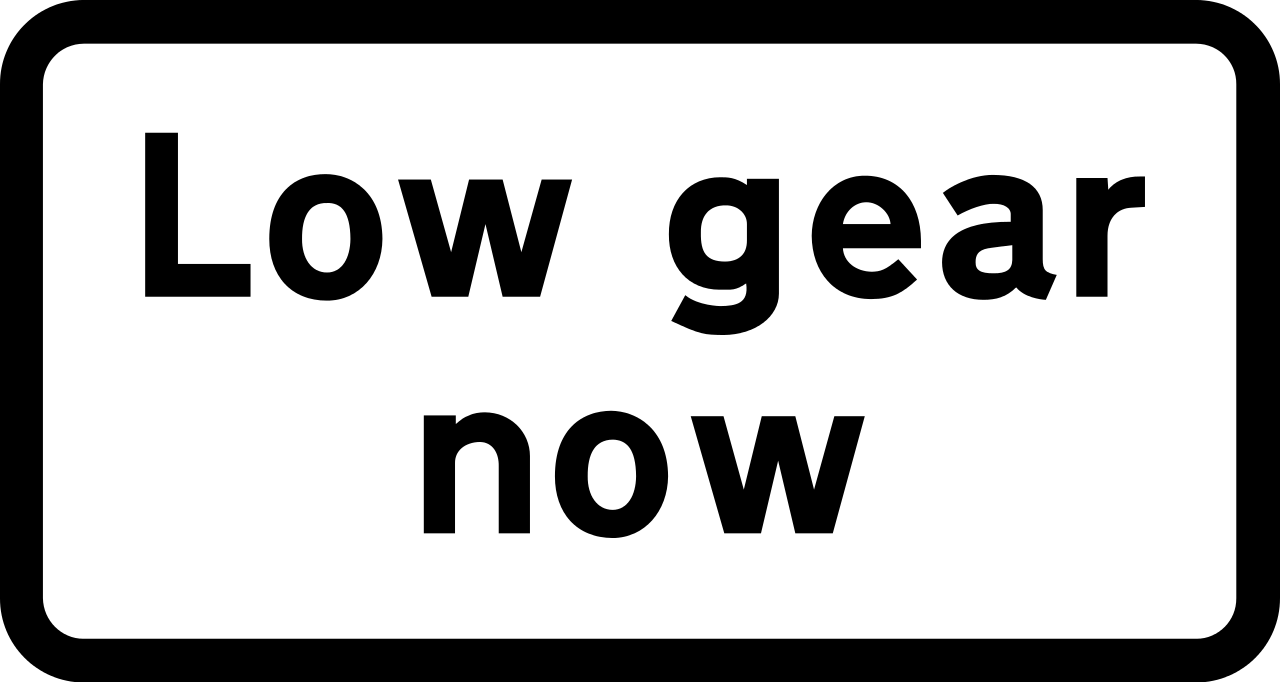
28. Low gear now
This supplementary sign instructs drivers to select a low gear from this point.
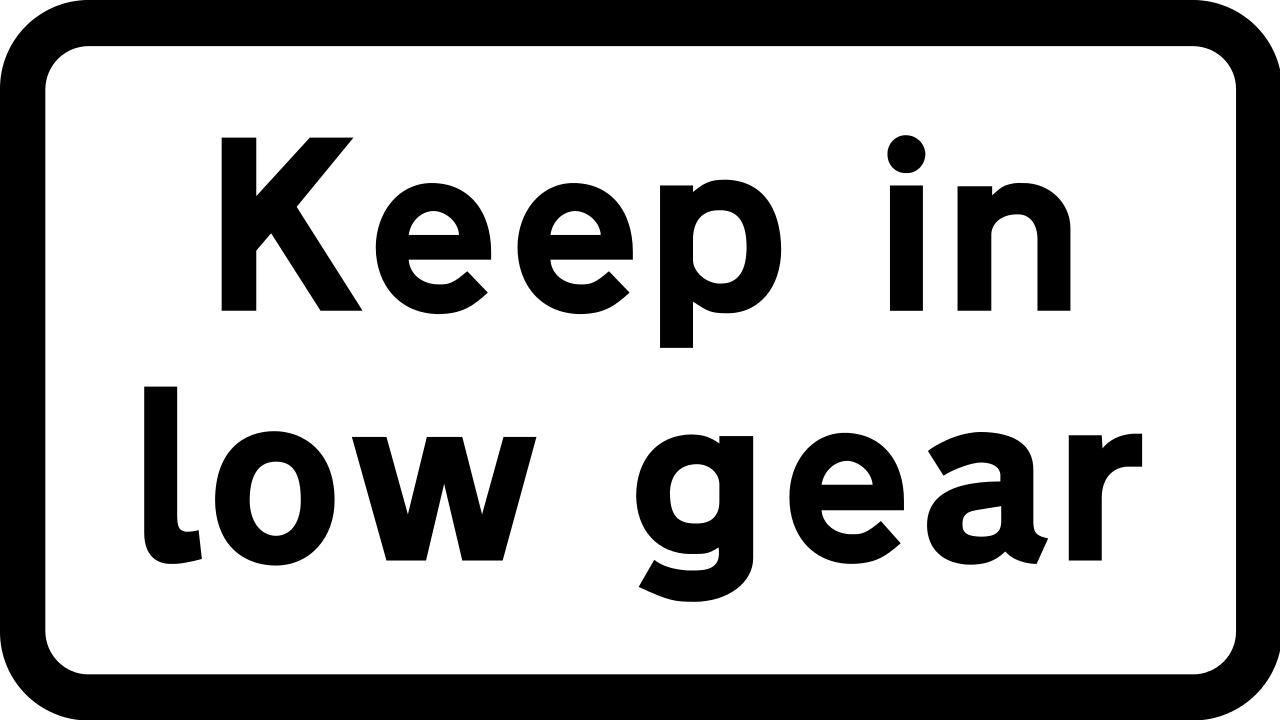
29. Keep in low gear
This supplementary sign instructs drivers to remain in a low gear over the section concerned.
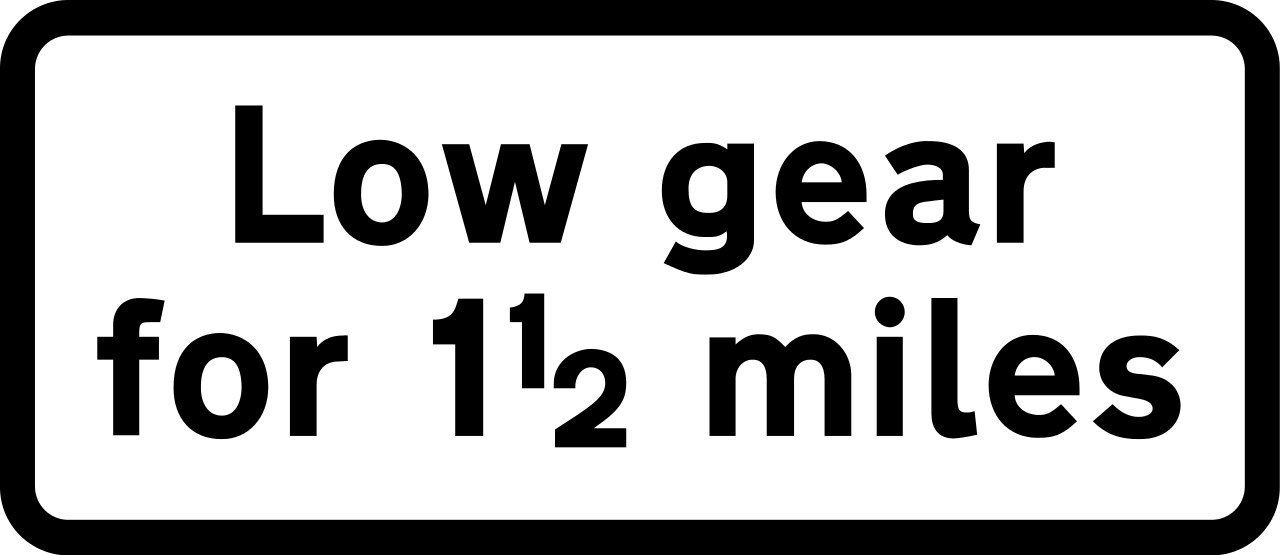
30. Low gear for miles
This supplementary sign instructs drivers to remain in a low gear for the indicated distance. The distance is shown in miles.
31. Hidden dip
This supplementary sign warns of a dip in the road that may not be visible in advance.
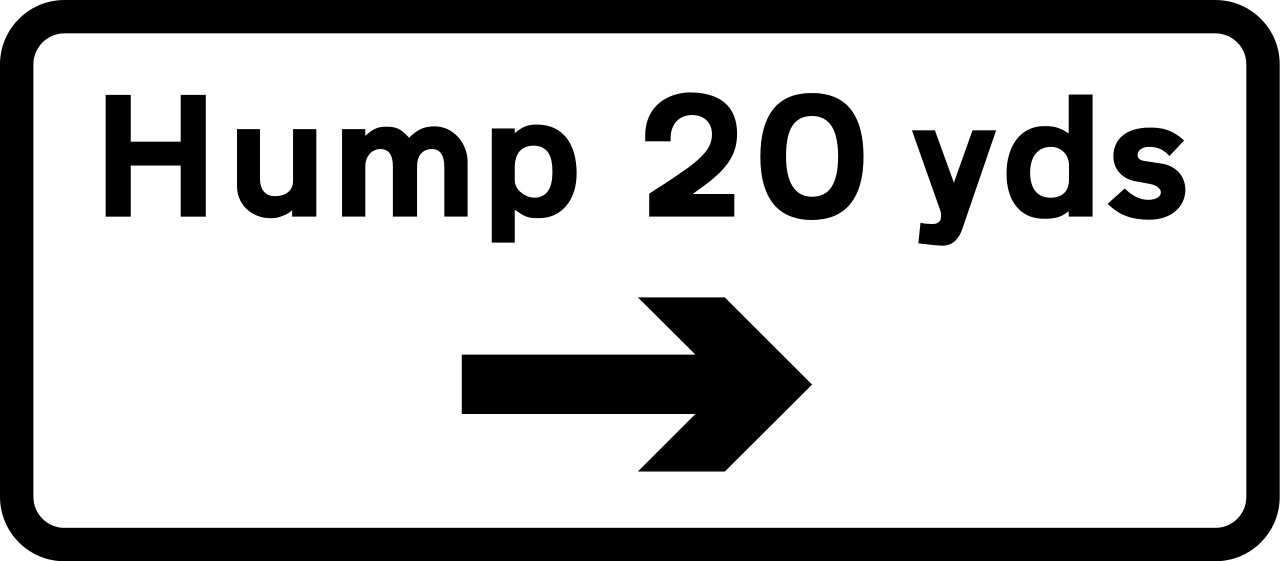
32. Hump in yards
This supplementary sign indicates the distance to a speed hump ahead. The distance is shown in yards.
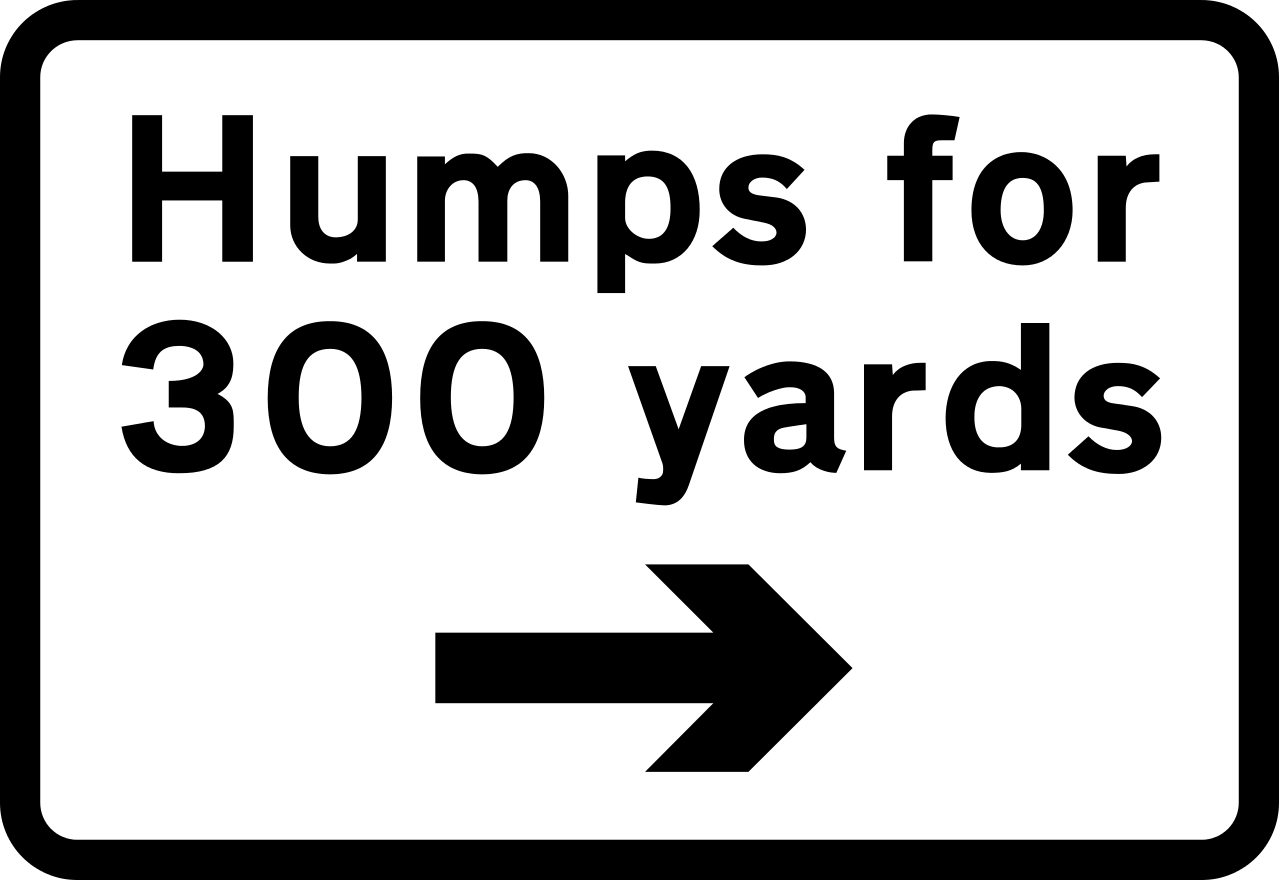
33. Humps for yards
This supplementary sign indicates that a series of speed humps extends over the distance shown. The distance is shown in yards.
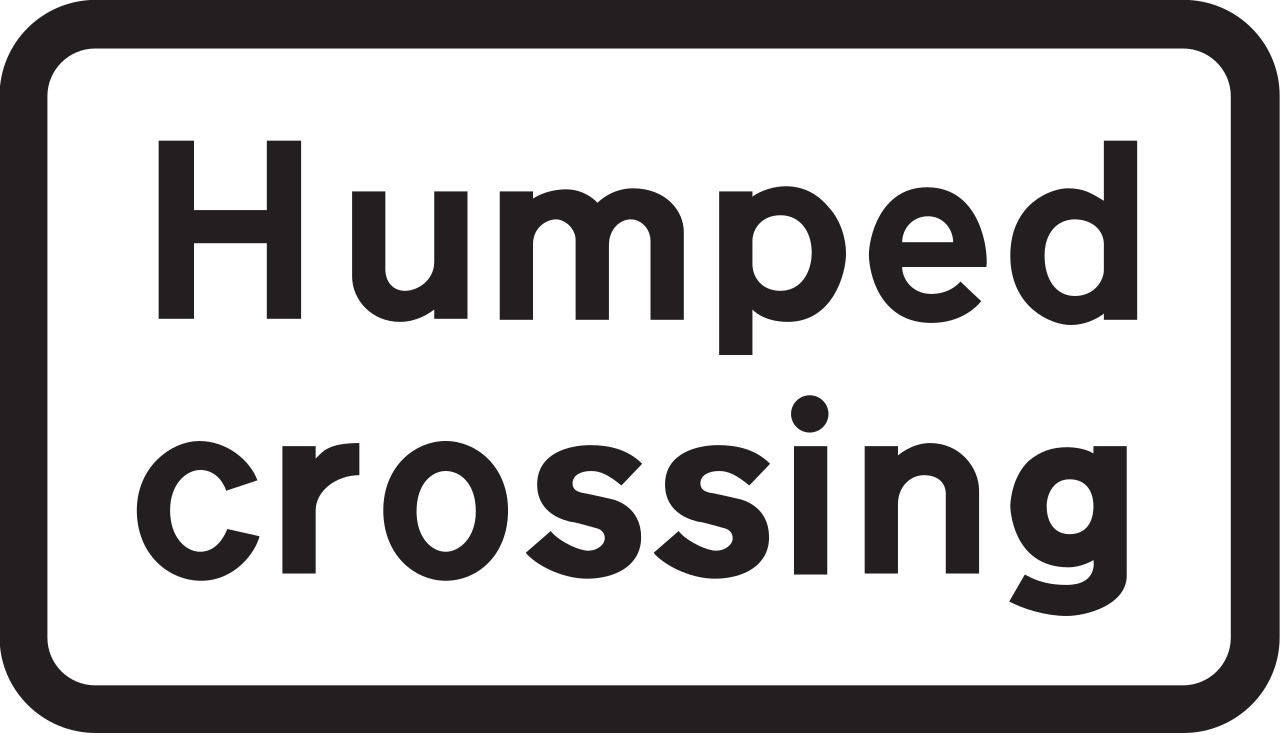
34. Humped crossing
This supplementary sign indicates that the pedestrian crossing shown by the main traffic sign is raised.
35. Children crossing
This supplementary sign warns that children may cross the road.
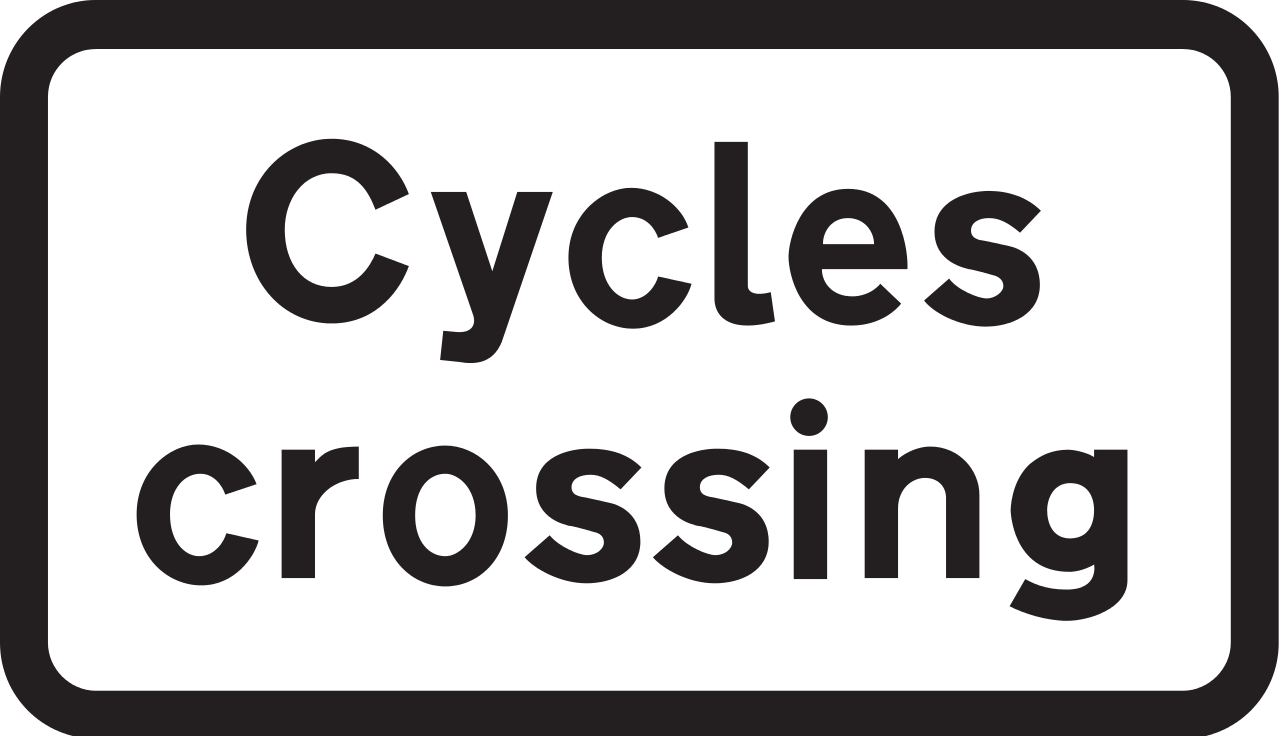
36. Cyclists crossing
This supplementary sign warns that cyclists may cross the road.
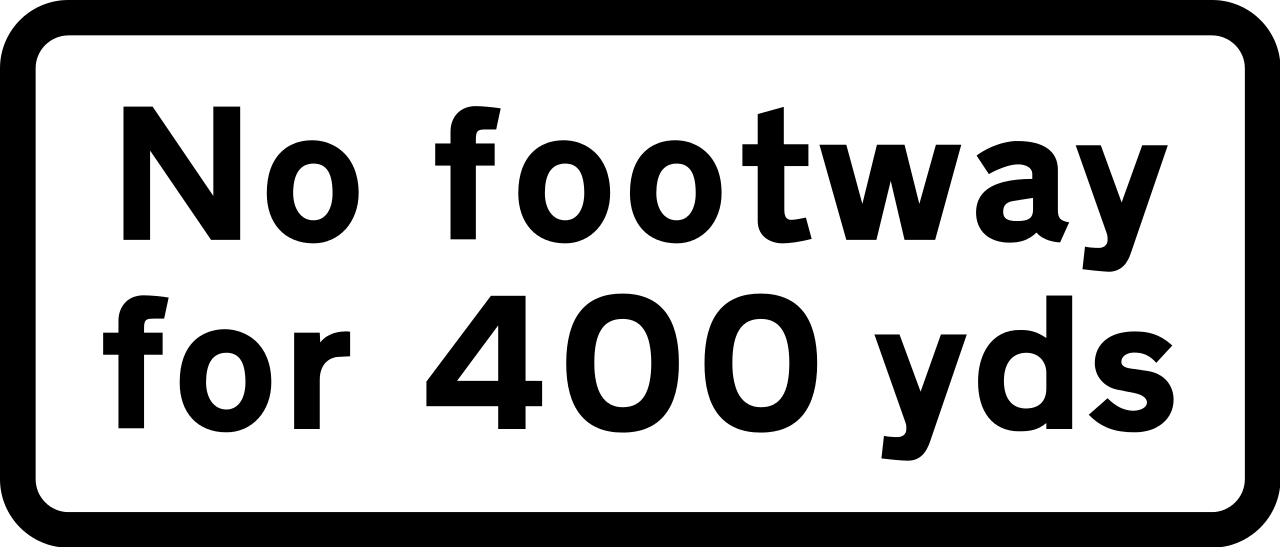
37. No footway for yards
This supplementary sign warns that no footway is available over the indicated distance. The distance is shown in yards.
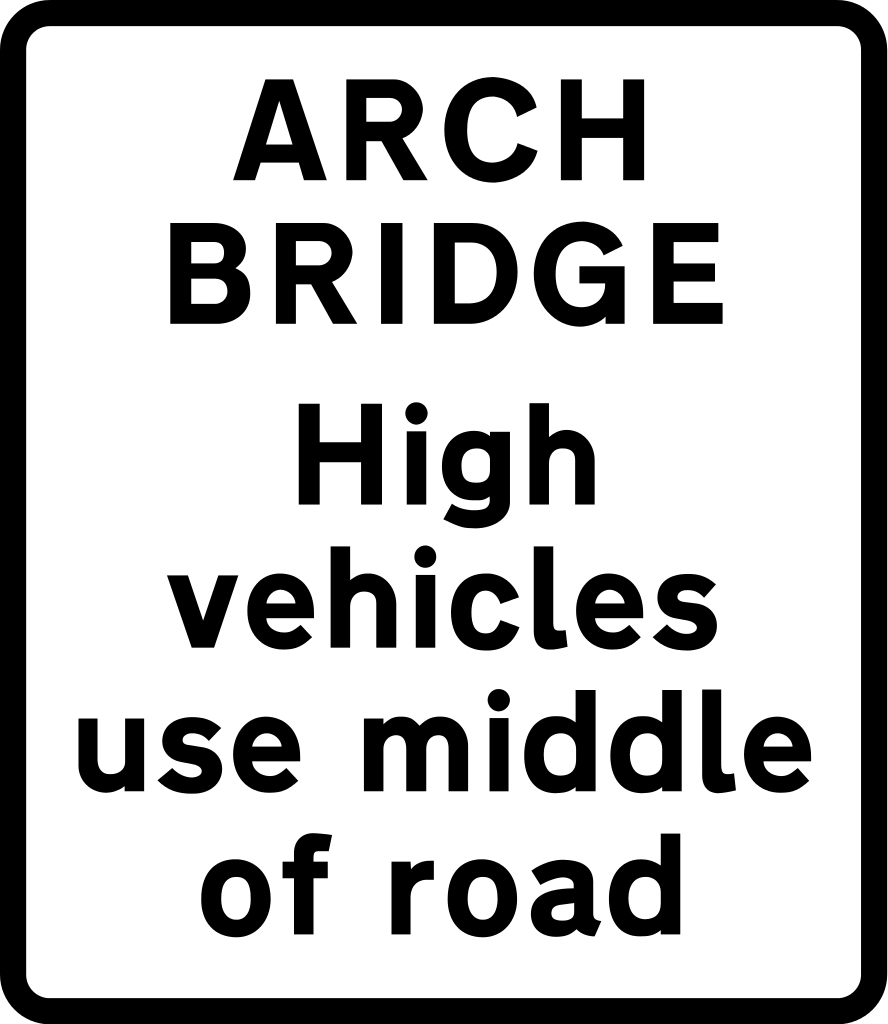
38. High vehicles use the middle of an arch bridge
This supplementary sign warns that an arch bridge has reduced clearance near its sides. High vehicles must use the middle of the road.
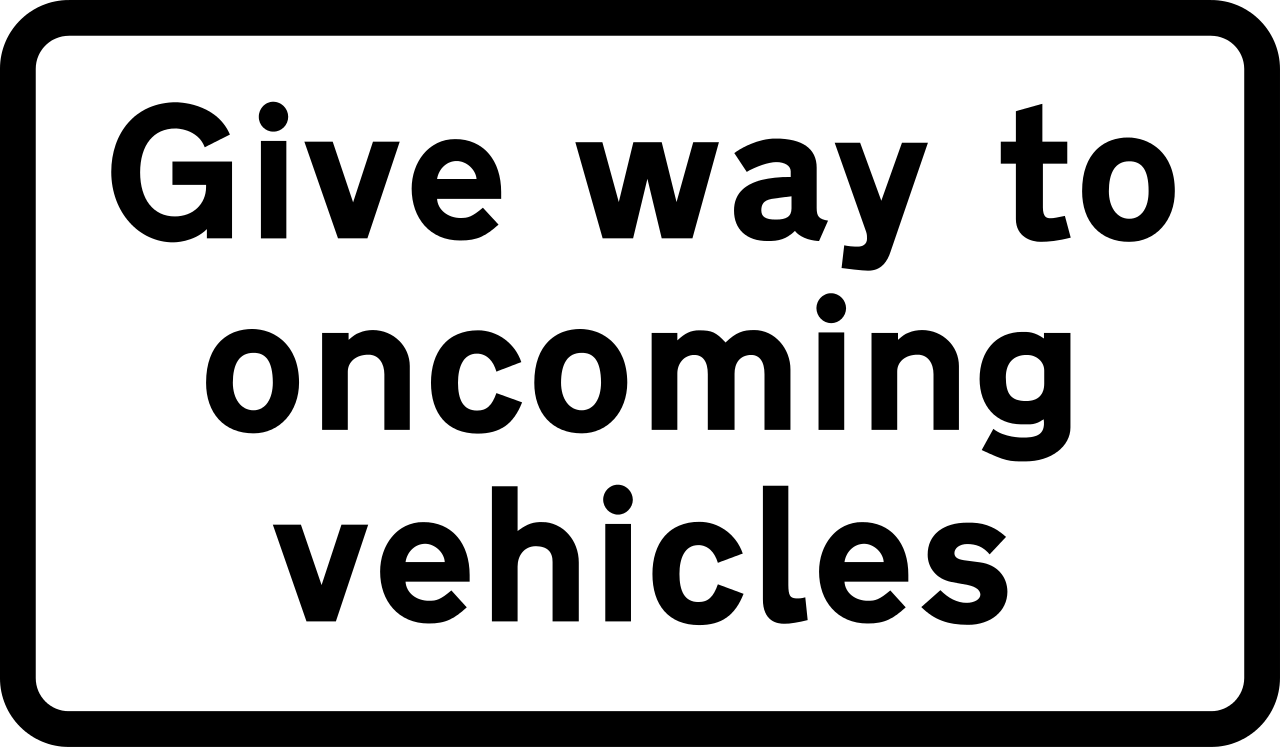
39. Give way to oncoming vehicles
This supplementary sign indicates that drivers must give way to oncoming traffic where the main traffic sign applies.
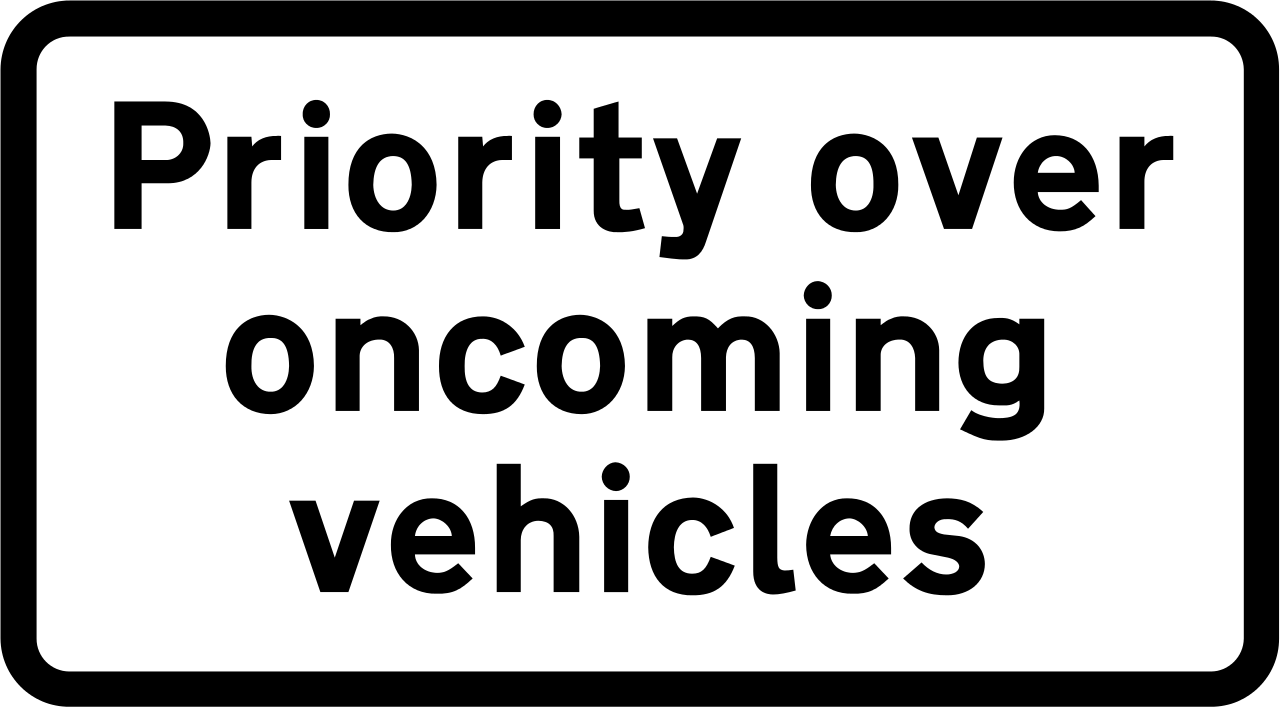
40. Priority over oncoming vehicles
This supplementary sign indicates that drivers have priority over oncoming traffic where the main traffic sign applies.
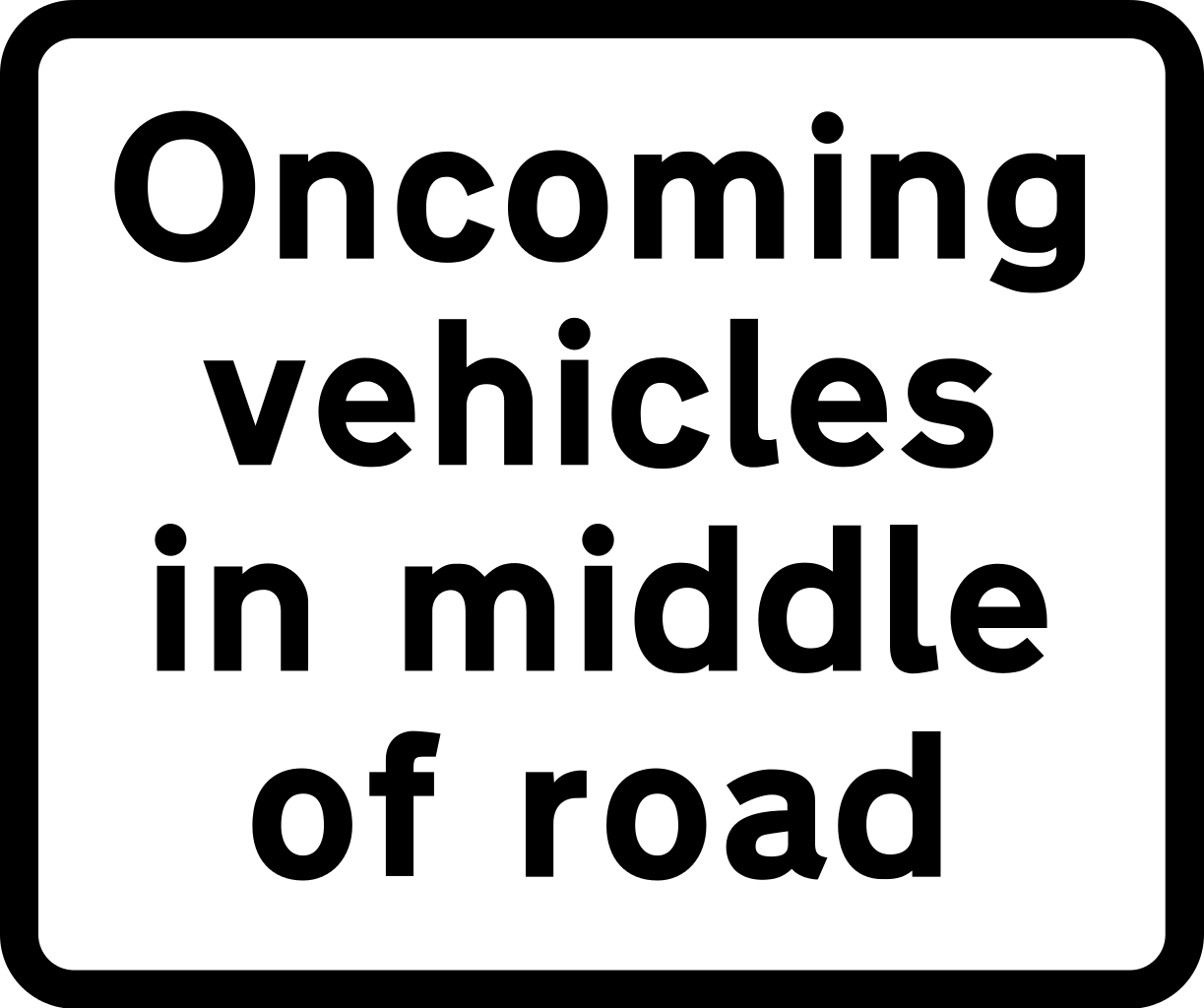
41. Oncoming vehicles in the middle of the road
This supplementary sign warns that oncoming vehicles may use the middle of the road.
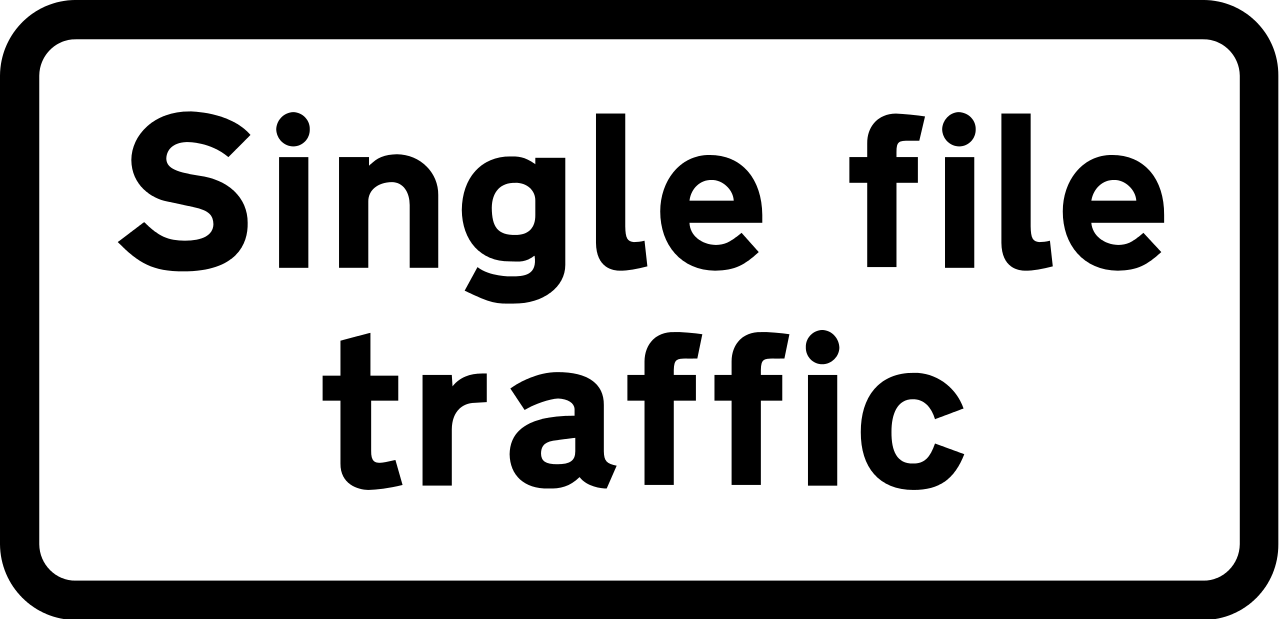
42. Single-file traffic
This supplementary sign indicates that vehicles must proceed in a single line.
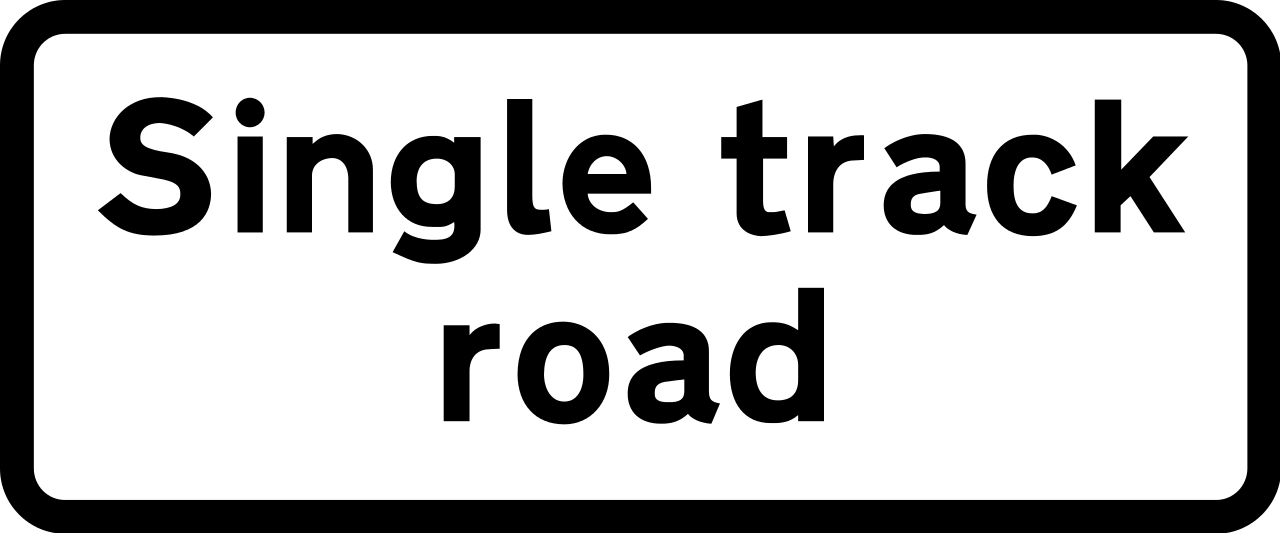
43. Single-track road
This supplementary sign warns that the road ahead is a single-track road shared by traffic in both directions.
44. One-way traffic
This supplementary sign indicates that the road concerned carries traffic in one direction only.
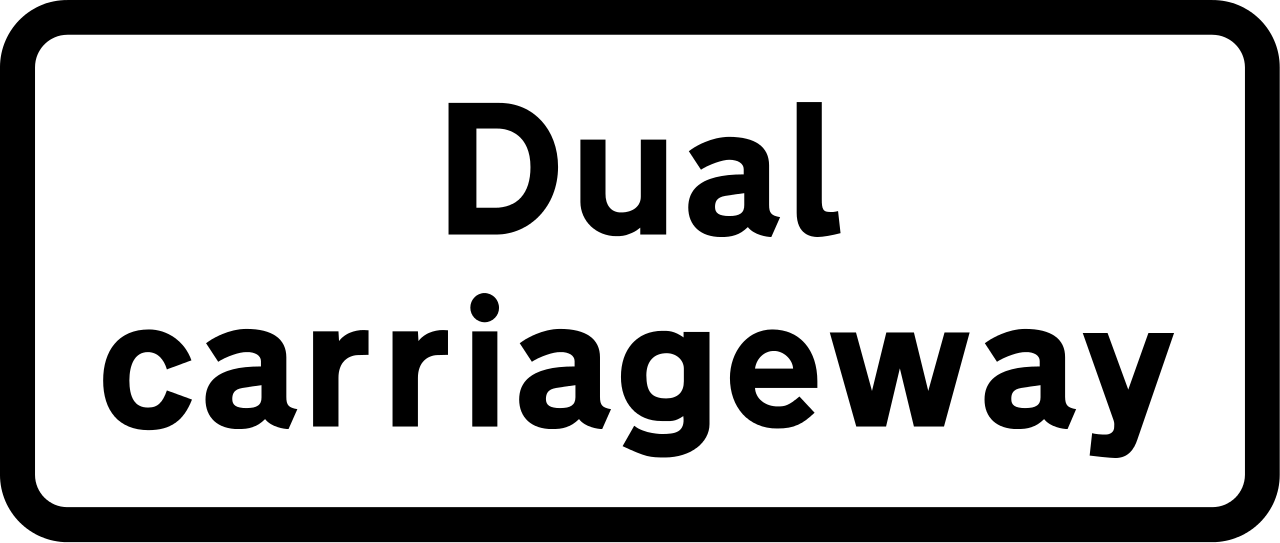
45. Dual carriageway
This supplementary sign indicates a road with separate carriageways for opposing directions of traffic, divided by a central reservation or other separation.
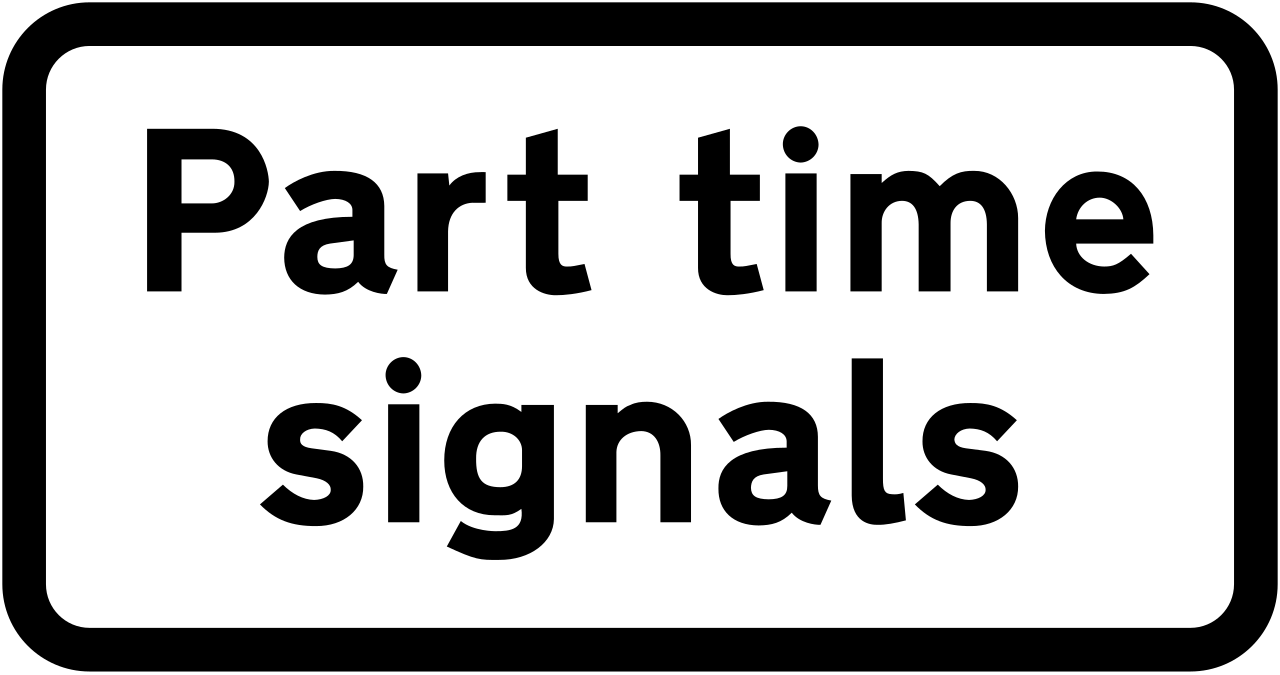
46. Part-time signals
This supplementary sign indicates that the traffic signals operate only at certain times.
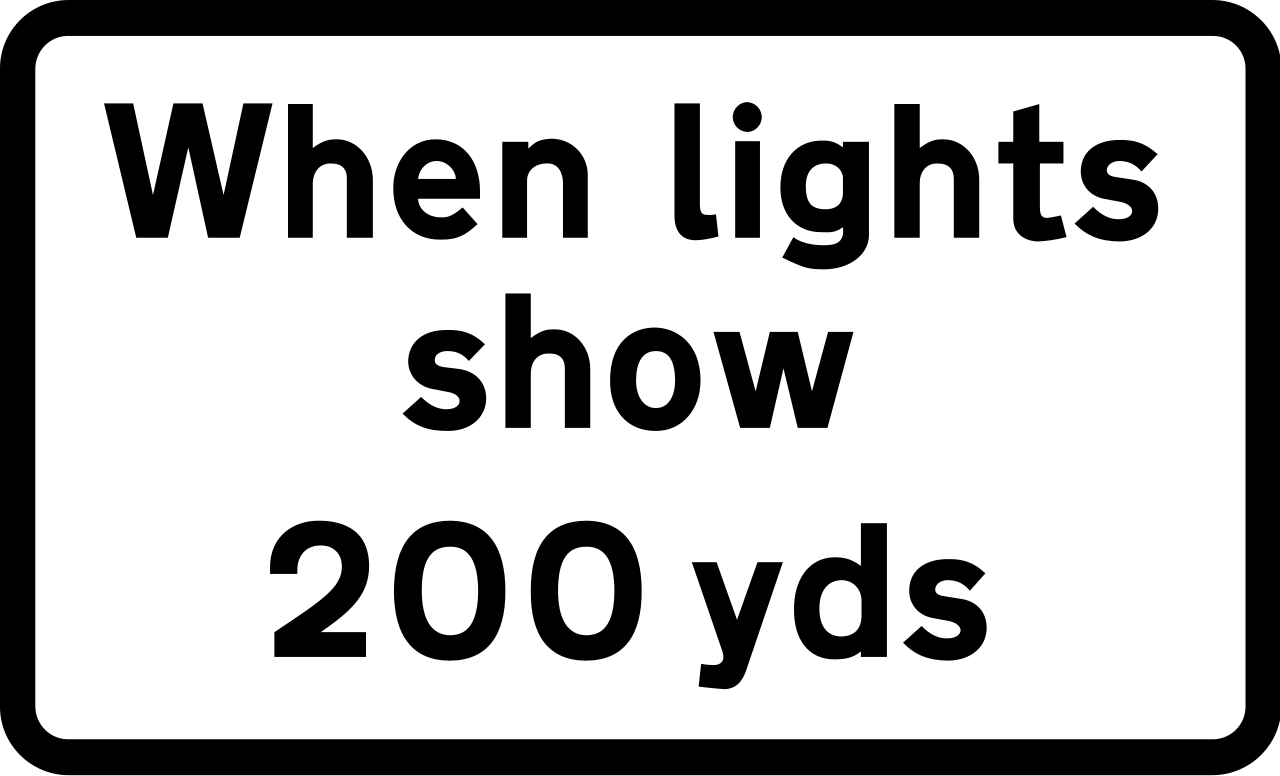
47. When lights show ahead
This supplementary sign indicates that the main traffic sign ahead applies only when the lights are illuminated.
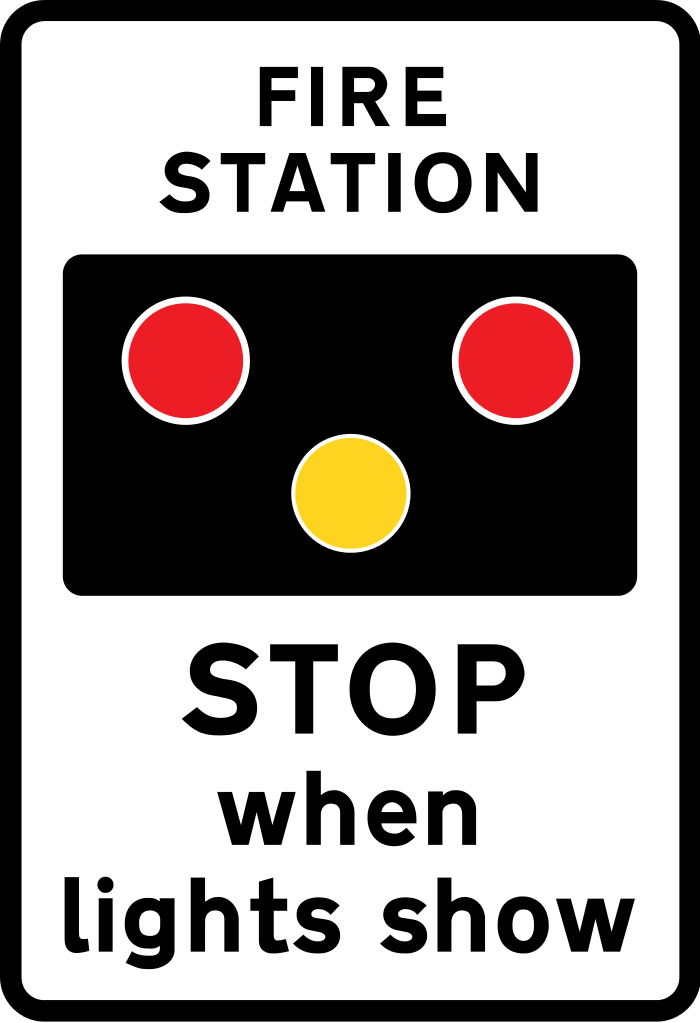
48. When lights show
This supplementary sign indicates that the main traffic sign applies only when the lights are illuminated.
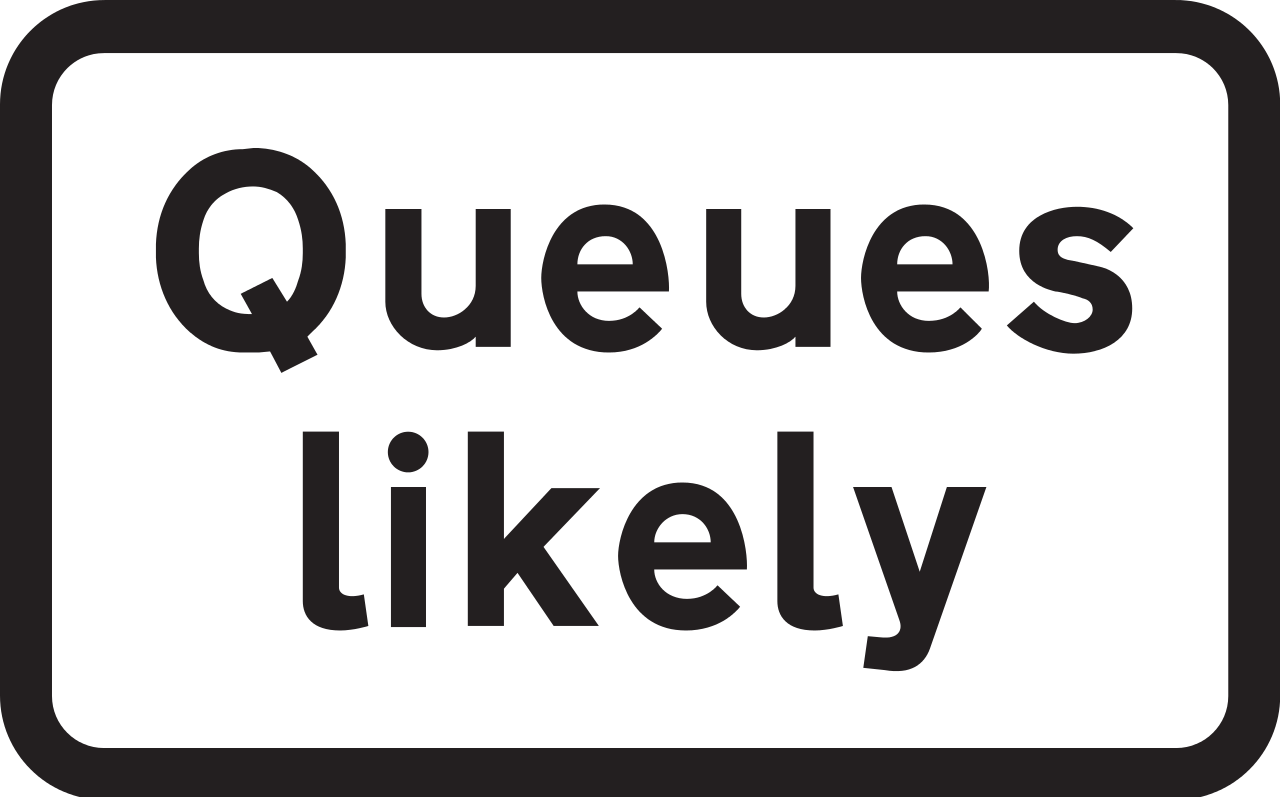
49. Queues
This supplementary sign warns that queues or slow-moving traffic may be encountered ahead.
50. Accident
This supplementary sign warns of an accident or accident scene ahead.