

Public transportUnited Kingdom
 Traffic rules
 United Kingdom
97. Public transport
Public transport is a system of shared passenger transport available for use by the general public. It commonly includes buses, trams, trains, metros and other scheduled passenger services operating along established routes or within a transport network.
Public transport vehicles may use dedicated lanes, tracks, stops, stations or special traffic signals and may receive particular priority under local traffic rules. Other road users must respect public-transport infrastructure, stops and any special traffic signs or signals that regulate interaction with these services.
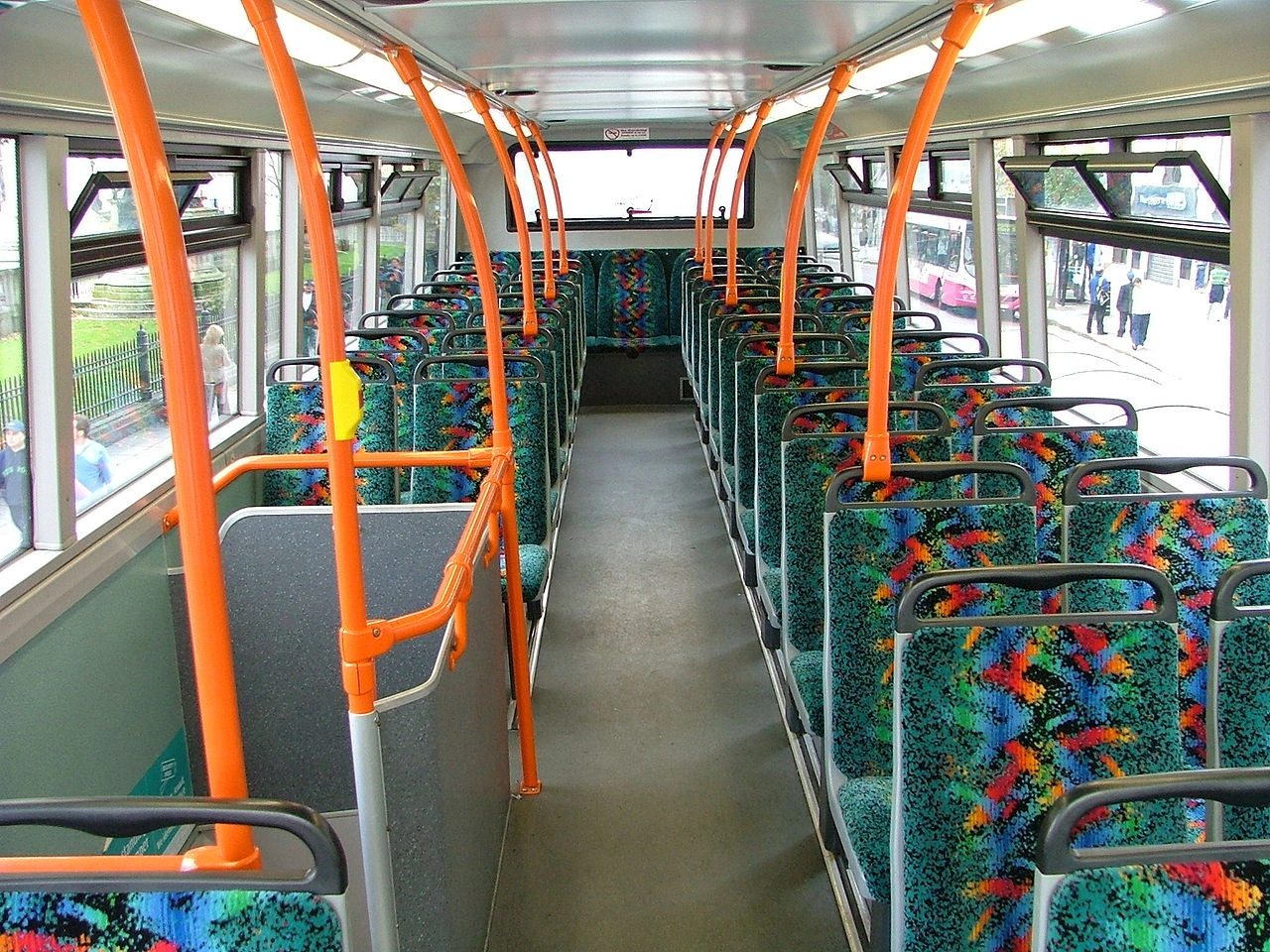
Wikimedia.org • Dom0803 • CC BY-SA
What is public transport?
Public transport is shared passenger transport available to the public, commonly including buses, trams, trains and metro systems.
What types of vehicles are used for public transport?
Public transport can include buses, trams, trains, metros, trolleybuses, ferries and other passenger services. The available modes depend on the country and transport network.
Can public transport have dedicated lanes?
Yes. Buses and other public-transport vehicles may use lanes or sections of road reserved for them. Other vehicles may use such lanes only where local traffic rules or signs permit it.
Can public transport have special traffic lights?
Yes. Trams, buses and other public-transport vehicles may be controlled by special signals that operate separately from the ordinary traffic lights for other road users.
Do public-transport vehicles always have priority?
No. Priority depends on the type of vehicle and local traffic rules. Trams may have special priority rules, and buses may receive priority when leaving stops in some countries.
Should you slow down near a stopped bus or tram?
Yes. Passengers may be boarding, leaving or crossing near the vehicle. Drivers should reduce speed where necessary and watch carefully for pedestrians.
Can you park at a public-transport stop?
Parking at or near a bus or tram stop is commonly prohibited or restricted so that public-transport vehicles can reach the stop safely. The required clearance distance varies between countries.
Can passengers cross the road to board public transport?
Yes. Where passengers must cross part of the road to reach a bus or tram, drivers should follow the local rules and allow passengers to board or leave safely where required.
Can cyclists use public-transport lanes?
This depends on the local traffic signs and regulations. Some bus lanes are also open to cyclists, while others are reserved exclusively for public-transport vehicles.
What should you do near tram tracks?
Remain alert for approaching trams, avoid unnecessarily obstructing the tracks and follow the applicable priority rules, traffic lights and road markings.


