

Charging stationFlanders
 Traffic rules
 Flanders
61. Charging station
A charging station is a location equipped with one or more charging points where the battery of an electric or plug-in hybrid vehicle can be connected to an electricity supply and recharged. Charging stations may be located along public roads, in car parks, at service areas or on private property.
Charging spaces may be reserved for vehicles that are charging and can be subject to parking restrictions, time limits, payment requirements or other conditions. Drivers must follow the traffic signs, parking regulations and charging instructions applying at the location.
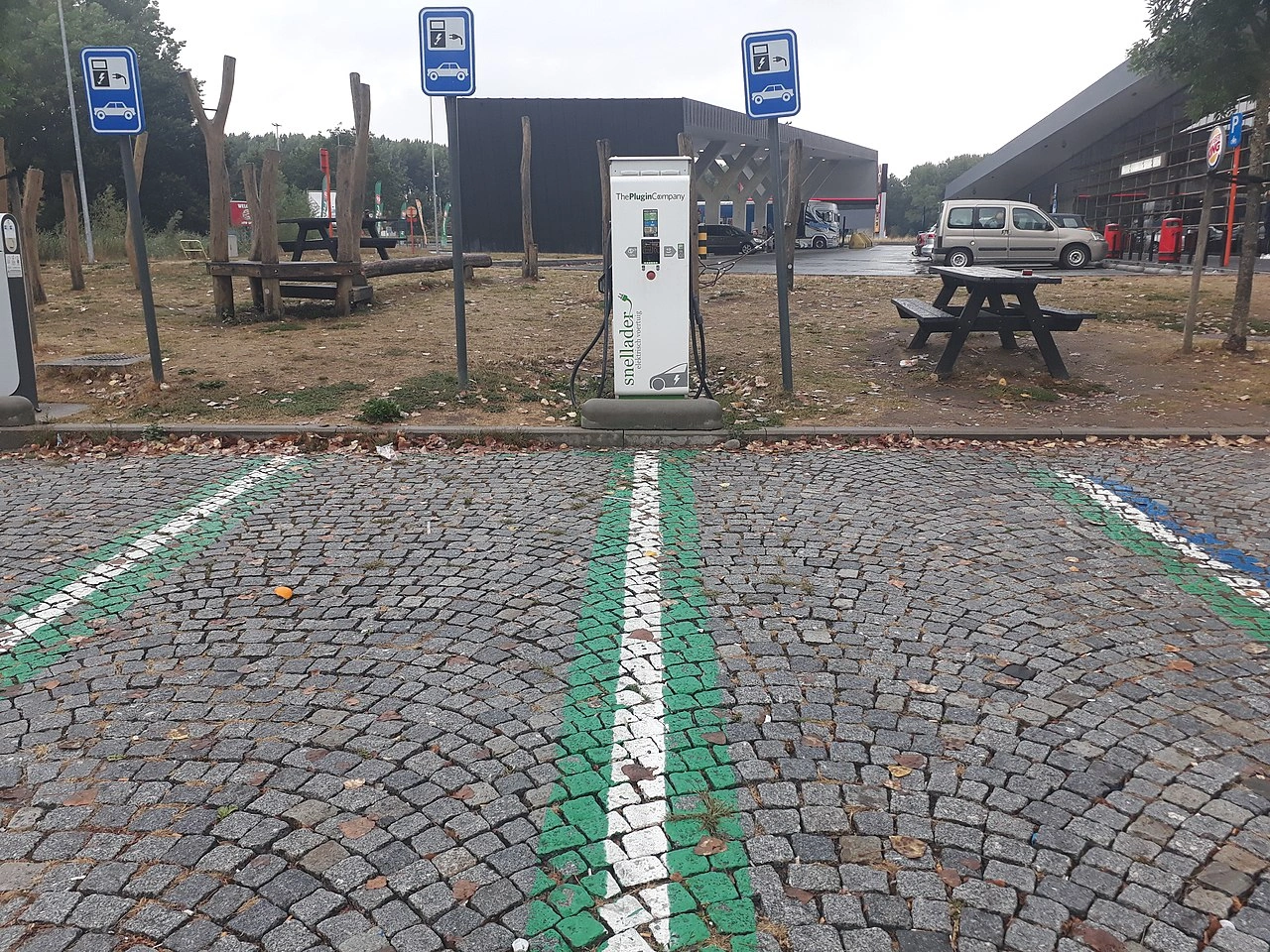
Wikimedia.org • Aschroet • CC0
How is an electric-vehicle charging space indicated in Belgium?
A Belgian parking space may be indicated by an E9 parking sign combined with the electric-vehicle symbol. This reserves the parking for electric or hybrid-electric vehicles.
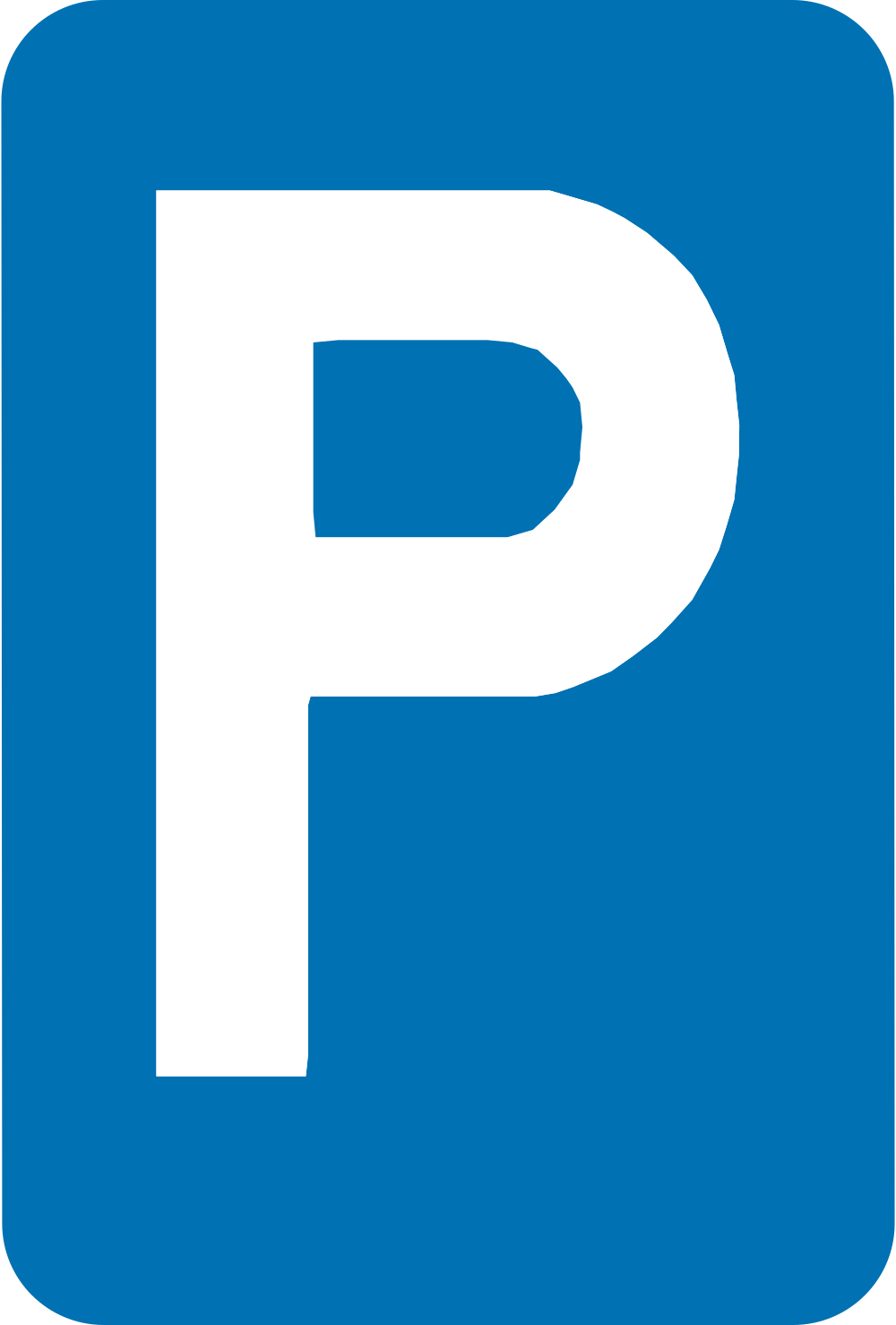 Parking allowed.
Signal routier E9a • Stationnement autorisé.
Verkeersbord E9a • Parkeren toegelaten.
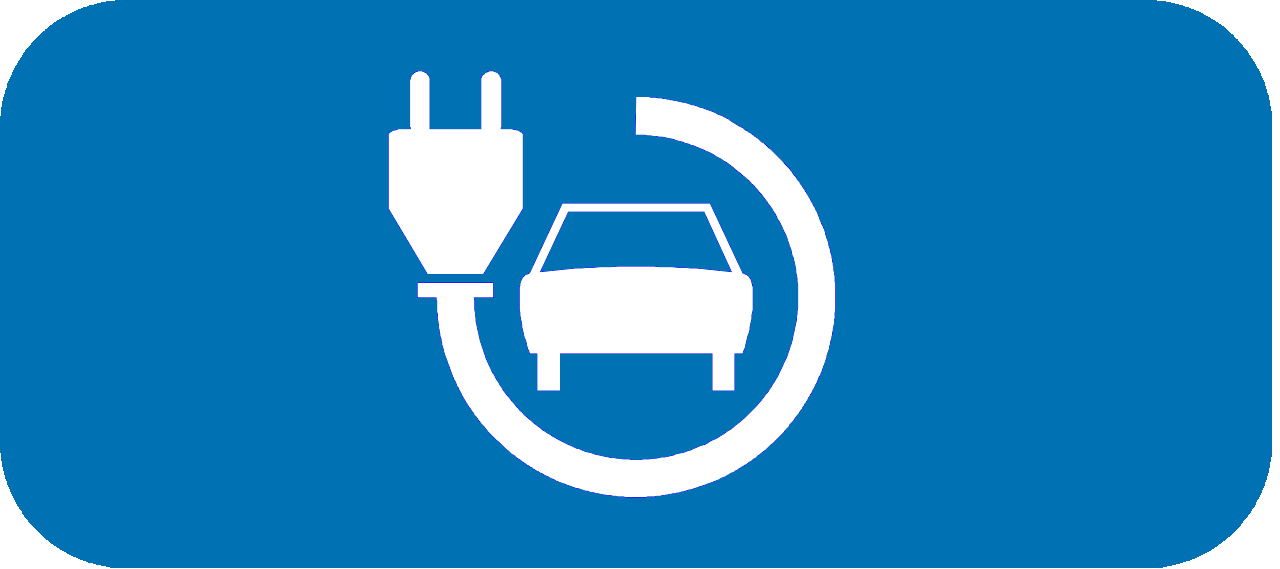 For electric vehicles.
Panonceau utilisé avec les signaux de la série E9 pour indiquer que l'emplacement de stationnement est réservé aux véhicules électriques.
Onderbord gebruikt samen met de E9-reeks dat aanduidt dat de parkeerplaats voorbehouden is voor elektrische voertuigen.
Which vehicles may use a Belgian parking space reserved for electric vehicles?
The reservation applies to electric and hybrid-electric vehicles. The sign may also indicate one or more specific vehicle categories to which the reservation applies.
Must an electric vehicle be connected to the charger in Belgium?
Yes. When a reserved parking place is equipped with public charging infrastructure, an electric or hybrid-electric vehicle parked there must be connected to that charging infrastructure.
Can an electric vehicle simply park beside a Belgian public charger without plugging in?
No when the space is reserved for electric or hybrid-electric vehicles and provided with public charging infrastructure. The vehicle must be connected to the charger while parked there.
Can a plug-in hybrid use a Belgian charging space?
Yes. Belgian parking rules specifically include hybrid-electric vehicles in the category that may use parking spaces reserved with the electric-vehicle symbol.
Can a petrol or diesel vehicle park in a Belgian space reserved for electric vehicles?
No. Where the parking space is officially reserved for electric or hybrid-electric vehicles, vehicles that do not belong to that category may not park there.
Does charging an electric vehicle count as parking in Belgium?
Yes. Belgian law expressly states that charging the battery of an electric or hybrid-electric vehicle is considered parking.
Can you charge a vehicle where parking is prohibited?
No. Because charging is legally considered parking, connecting a vehicle to a charger does not override a parking prohibition or another restriction applying at that location.
Does connecting to a Belgian public charger mean charging must actually be in progress?
The Belgian Road Code specifically requires the vehicle to be connected to the public charging infrastructure. Additional conditions concerning an active charging session may be imposed by local parking rules or by the charging operator.
Can a Belgian charging space also be subject to paid parking?
Yes. Reservation for electric vehicles does not automatically make parking free. Drivers must also comply with any paid-parking conditions indicated for the location.
Can a Belgian charging space have a maximum parking duration?
Yes. Parking signs and supplementary information may impose a maximum parking duration or other restrictions. Being connected to the charger does not exempt the driver from those conditions.
Must you move your vehicle when charging is complete in Belgium?
Follow the parking signs, time limits and charging conditions at the location. The Road Code requires connection to public charging infrastructure where the charging-space rule applies, while additional rules may limit how long the vehicle may remain there.


