AmbulanciaBruselas

Aprende normas de tráfico con explicaciones claras y ejemplos visuales en nuestro libro ilustrado, diseñado para que estudiar sea sencillo y ameno.


72. Ambulancia

Una ambulancia es un vehículo equipado y utilizado para prestar asistencia médica de emergencia o transportar pacientes hasta o entre centros sanitarios. Puede llevar material médico y personal formado capaz de proporcionar tratamiento durante el transporte.

Durante una respuesta de emergencia, puede utilizar luces de emergencia y sirena y recibir prioridad especial o exenciones de determinadas normas. Los demás usuarios deben seguir las reglas locales para vehículos de emergencia, dejar espacio suficiente y evitar obstaculizar su paso.
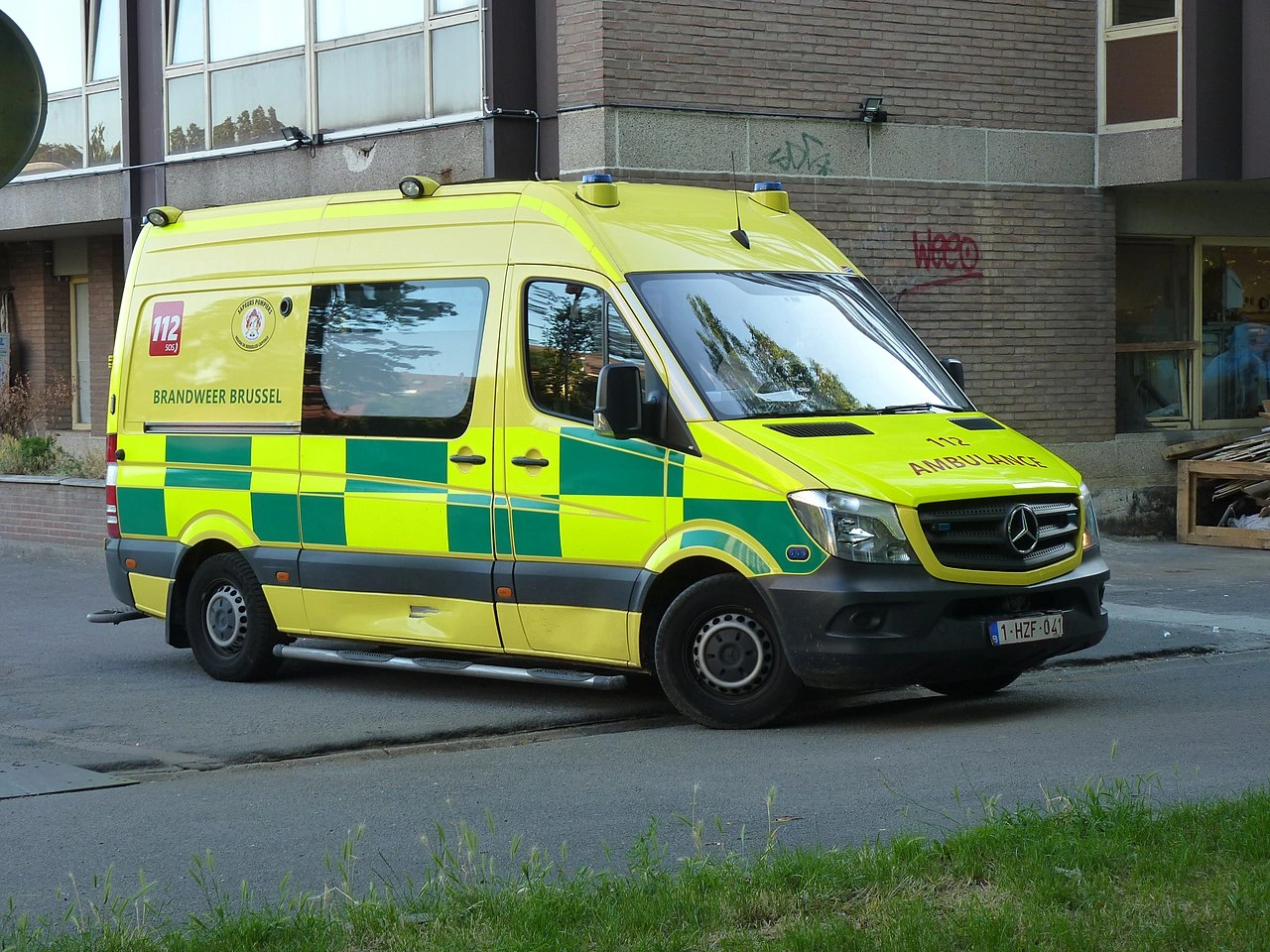
Ambulancia
Is an ambulance a priority vehicle in Belgium?

An ambulance or other vehicle used for urgent medical assistance can operate as a priority vehicle when it satisfies the applicable requirements for priority vehicles, including the prescribed blue warning lights and special audible warning device.

What should you do when a Belgian ambulance approaches with its siren?

You must immediately clear the way and give priority. You must stop if necessary so that the ambulance can pass safely.

Must an ambulance use its blue flashing lights during an urgent mission?

Yes. Belgian priority vehicles must use their blue flashing lights when carrying out an urgent mission.

Must a Belgian ambulance use its siren throughout an urgent mission?

No. The special audible warning device may only be used during an urgent mission, but Belgian law does not require it to sound continuously throughout every urgent journey.

What if an ambulance is using blue lights but no siren?

The specific Belgian obligation requiring every road user to immediately clear the way and give priority is triggered when the special audible warning announces the approach of the priority vehicle. Drivers should nevertheless remain alert and avoid obstructing an ambulance displaying blue warning lights.

Can a Belgian ambulance pass a red traffic light?

Yes, under specific conditions. A priority vehicle using its special audible warning may pass a red traffic light at moderate speed, provided doing so does not create danger for other road users.

Can a Belgian ambulance depart from normal traffic rules during an emergency?

Yes. The driver of a vehicle used for urgent medical assistance may depart from many ordinary Road Code provisions while carrying out an urgent mission. Certain rules specifically listed in the Road Code continue to apply.

Can a Belgian ambulance exceed the normal speed limit?

During an urgent mission, the driver of an emergency medical vehicle can benefit from exemptions from many normal traffic rules, including ordinary speed provisions. The driver must nevertheless operate the vehicle in a manner compatible with the applicable safety obligations.

Should you enter an intersection to make room for an ambulance?

Do not make a manoeuvre that creates a new danger. You must clear the way as quickly and safely as possible, stopping where necessary and following any directions from police or other authorised persons.

What should you do in congestion when an ambulance approaches?

Create as much safe space as possible and keep the required emergency corridor clear. Do not use the corridor yourself or move into a position that prevents the ambulance from passing.

Does an ambulance have special traffic exemptions when it is not on an urgent mission?

Not simply because it is an ambulance. The broad Belgian exemptions for emergency medical vehicles apply when the priority vehicle is carrying out an urgent mission. Outside such circumstances, the normal traffic rules apply except where another specific provision provides otherwise.

What should you do when passing a stationary ambulance at an incident?

Reduce speed, leave sufficient space and remain especially alert for medical personnel, patients and other emergency workers. Follow any temporary traffic control or instructions given by police or authorised persons.

1 Bruselas 2 Autopista 3 Vía rápida 4 Zona residencial 5 Zona urbana 6 Zona 7 Límite de velocidad 8 Carril bici 9 Calle ciclista 10 Zona peatonal 11 Resalto 12 Aduana 13 Sentido único 14 Muelle 15 Pendiente 16 Carril bus 17 Calle sin salida 18 Señal de STOP 19 Ceda el paso 20 Glorieta 21 Vía con prioridad 22 Estrechamiento de calzada 23 Prioridad sobre el tráfico en sentido contrario 24 Ceda el paso al tráfico en sentido contrario 25 Paso de peatones 26 Paso a nivel 27 Dirección obligatoria 28 Prohibición de giro 29 Zona escolar 30 Cruce de animales 31 Desprendimiento de rocas 32 Curva 33 Panel direccional 34 Circulación en sentido contrario 35 Obras 36 Límite de altura 37 Límite de anchura 38 Límite de peso 39 Señal de control de velocidad 40 Barreras selectivas 41 Señal de dirección en intersección 42 Prioridad en la próxima intersección 43 Semáforos 44 Semáforos peatonales 45 Permiso de conducir 46 Marcador de ubicación 47 Espejo de tráfico 48 Frontera internacional 49 Ruta ciclista 50 Estacionamiento 51 Prohibido estacionar 52 Kiss and Ride 53 Parquímetro 54 Gestión del tráfico 55 Marcha atrás 56 Intersección sin regulación 57 Estado de la calzada 58 Circunvalación 59 Autopista ciclista 60 Matrícula 61 Estación de carga 62 Peligros 63 Giro con semáforo rojo 64 Documento de identidad 65 Riesgo de incendio 66 Peatón 67 Ciclomotor 68 Turismo 69 Camión 70 Autobús 71 Policía 72 Ambulancia 73 Semáforos para tranvías 74 Norma europea de emisiones 75 Bache 76 Plaza 77 Camino 78 Partículas 79 Contaminación del aire 80 Hora punta 81 Código de circulación 82 Canaleta de la calle 83 Bicicleta de carga 84 Vehículo forestal 85 Vehículo de construcción 86 Camión articulado 87 Trolebús 88 Speed pedelec 89 Vehículo de reparto 90 Motor al ralentí 91 Grúa 92 Tracción a las cuatro ruedas 93 Prohibido el paso de vehículos 94 Bicicleta 95 Equipamiento de motocicleta 96 Automotor ferroviario 97 Vía férrea 98 Transporte público 99 Caravana 100 Remolque ...