


Low-emission zoneFrance
Learn traffic rules with clear explanations and visual examples in our illustrated book, designed to make studying simple and engaging.
 Traffic rules
 France
53. Low-emission zone
A low-emission zone, or LEZ, is a defined area where access by more polluting vehicles is restricted in order to reduce traffic-related air pollution. Vehicles that do not satisfy the required emission criteria may be prohibited from entering or may require a temporary permit, exemption or day pass.
Access rules commonly depend on factors such as the vehicle category, fuel type and Euro emission standard. Low-emission-zone requirements vary between countries and cities, so drivers should check the applicable rules before entering the zone.
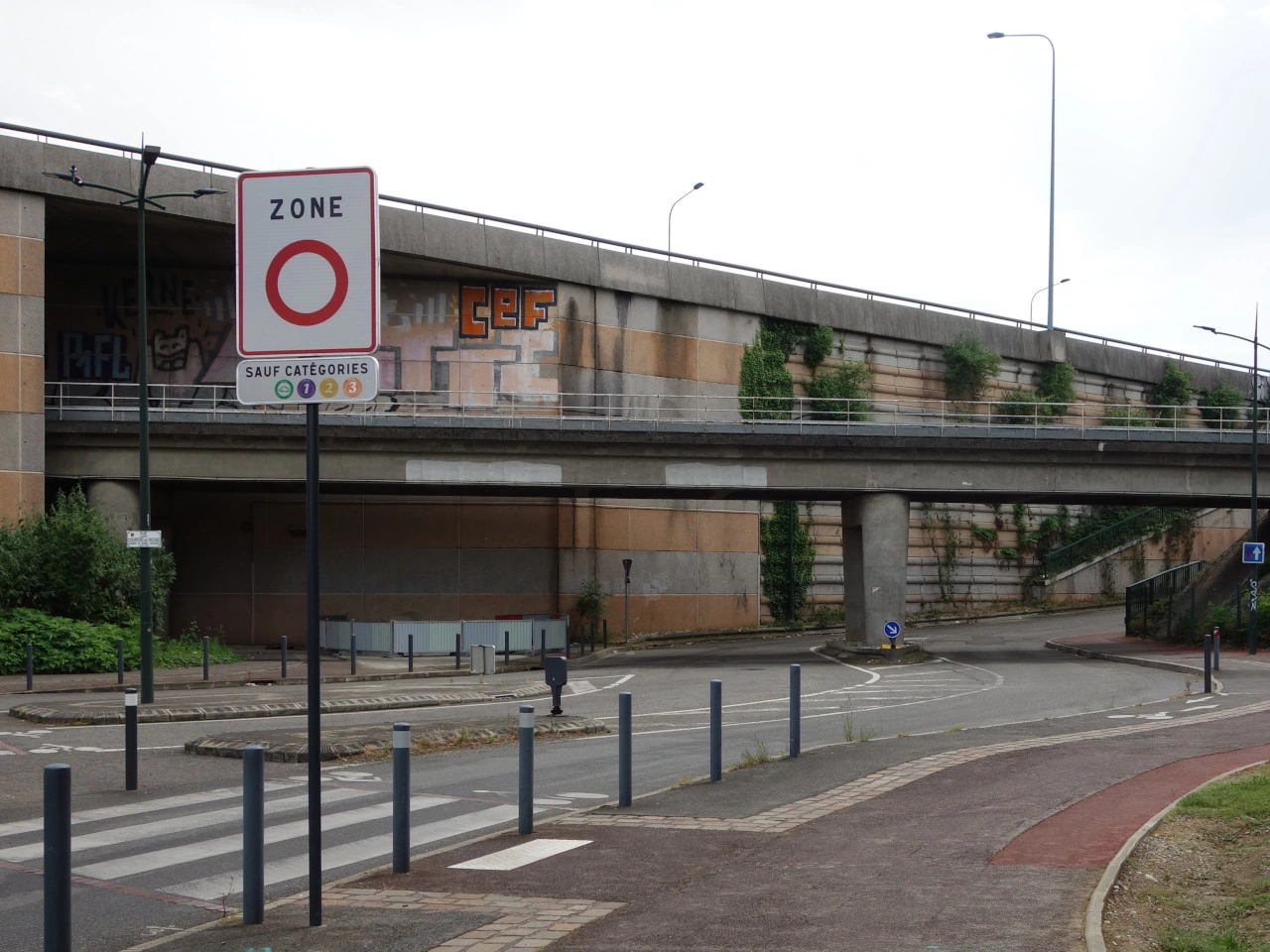
Wikimedia.org • Abdoucondorcet • CC BY-SA
What is a low-emission zone?
A low-emission zone is an area where access by more polluting vehicles is restricted in order to improve air quality.
Why are low-emission zones introduced?
They are intended to reduce traffic-related air pollution, particularly pollutants produced by older or higher-emitting vehicles.
Which vehicles can be restricted in a low-emission zone?
Restrictions may apply to cars, vans, trucks, buses, motorcycles or other motor vehicles, depending on the local regulations.
How is access to a low-emission zone determined?
Access commonly depends on the vehicle's fuel type, Euro emission standard, vehicle category and sometimes other technical characteristics.
What is a Euro emission standard?
A Euro emission standard indicates which European pollutant-emission requirements a vehicle satisfies. Higher Euro numbers generally represent newer and stricter emissions requirements.
Are diesel and petrol vehicles treated the same?
Not necessarily. Low-emission zones often apply different access criteria to diesel and petrol vehicles because their pollutant-emission characteristics differ.
Can electric vehicles enter a low-emission zone?
Fully electric vehicles are generally permitted because they produce no combustion-engine exhaust emissions while driving, although local registration or administrative requirements may still apply.
Can a vehicle that does not meet the normal criteria still enter?
Some low-emission zones provide exemptions, temporary permits or day passes for certain vehicles or circumstances.
How can you recognise a low-emission zone?
Traffic signs normally indicate the entrance and exit of the zone. Drivers should check the applicable restrictions before passing the entry sign.
How are low-emission zones enforced?
Enforcement may use automatic licence-plate cameras, roadside controls or registration databases. The exact system varies between cities and countries.
Do foreign vehicles have to follow low-emission-zone rules?
Yes. Foreign vehicles must comply with the applicable access criteria and may also have to complete an online registration before entering.
Are low-emission-zone rules the same everywhere?
No. Each country, region or city can establish different boundaries, emission requirements, exemptions and enforcement procedures.


