


Ring roadFrance
Learn traffic rules with clear explanations and visual examples in our illustrated book, designed to make studying simple and engaging.
 Traffic rules
 France
89. Ring road
A ring road is a road or connected system of roads that runs around or partly around a city, town or urban area. It is designed to distribute traffic between different parts of the area and to allow through traffic to bypass congested central streets.
A ring road is not necessarily a motorway or expressway. It may consist of motorways, divided highways, ordinary roads or a combination of different road types. The applicable speed limits, access restrictions, priority rules and lane rules therefore depend on the individual section and the local traffic signs and regulations.
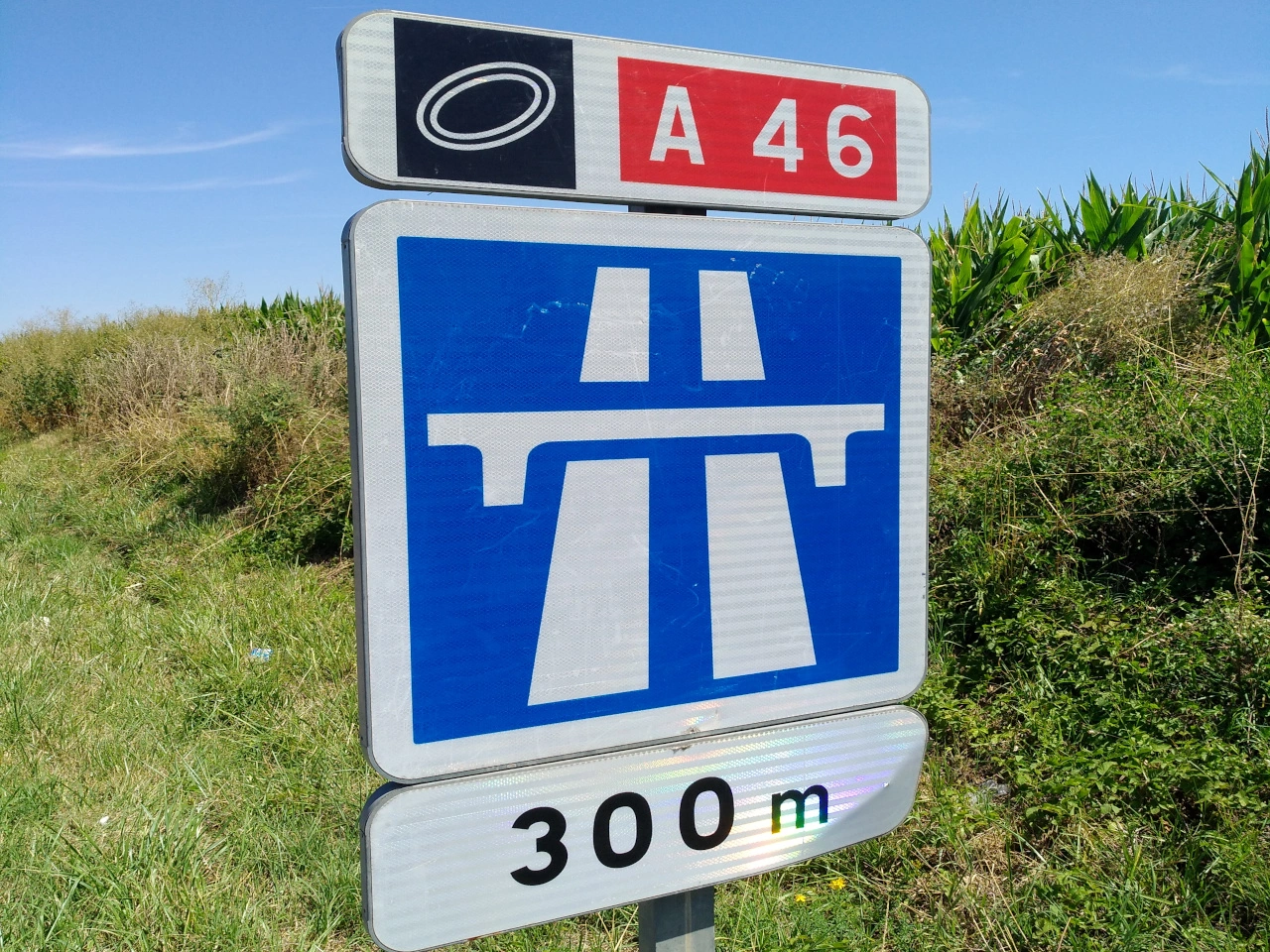
Wikimedia.org • Sebleouf • CC BY-SA
What is a ring road?
A ring road is a road or connected route that runs around or partly around an urban area and helps distribute traffic between different destinations without requiring all traffic to pass through the centre.
Why are ring roads built?
Ring roads are commonly used to divert through traffic, connect major roads and provide access to different parts of a city. They can reduce the amount of traffic travelling through central streets.
Is a ring road always a complete circle?
No. A ring road may completely surround a city, form only part of a loop or consist of several connected roads that together perform a ring-road function.
Is a ring road the same as a motorway?
No. Some ring roads are motorways, while others consist of expressways, ordinary roads or a mixture of road types. Motorway rules apply only where the road is legally designated as a motorway.
What is the speed limit on a ring road?
There is no universal ring-road speed limit. The applicable speed depends on the country, road classification, location and posted traffic signs.
How can you recognise a ring road?
Ring roads are usually indicated by route numbers, directional signs or the name of the ring. The signs may also show destinations that can be reached by travelling clockwise or anticlockwise around the urban area.
Can a ring road have intersections and traffic lights?
Yes. Ordinary ring roads may contain intersections, roundabouts and traffic lights. Fully controlled-access ring roads or motorway sections generally use grade-separated junctions instead.
Can pedestrians and cyclists use a ring road?
This depends on the road type and local access rules. They may use some ordinary-road sections but are normally prohibited from motorway sections and other roads where signs restrict access.
Which lane should you use on a ring road?
Follow the country's normal lane-use rules and any lane-direction signs. On multi-lane sections, choose the appropriate lane in good time when approaching an interchange or exit.
What should you do if you miss an exit on a ring road?
Continue safely to the next suitable junction or exit. Never reverse, make an unsafe U-turn or cross restricted areas in an attempt to return to a missed exit.


