

BreakdownUnited States
 Traffic rules
 United States
295. Breakdown
A breakdown occurs when a vehicle can no longer continue safely because of a mechanical, electrical or other technical problem. If possible, move the vehicle away from moving traffic, switch on the hazard warning lights and warn other road users. On high-speed roads, leave the vehicle only when it is safe to do so and wait in a protected place away from traffic. Contact roadside assistance or emergency services when necessary, and do not attempt repairs that put you or others in danger.
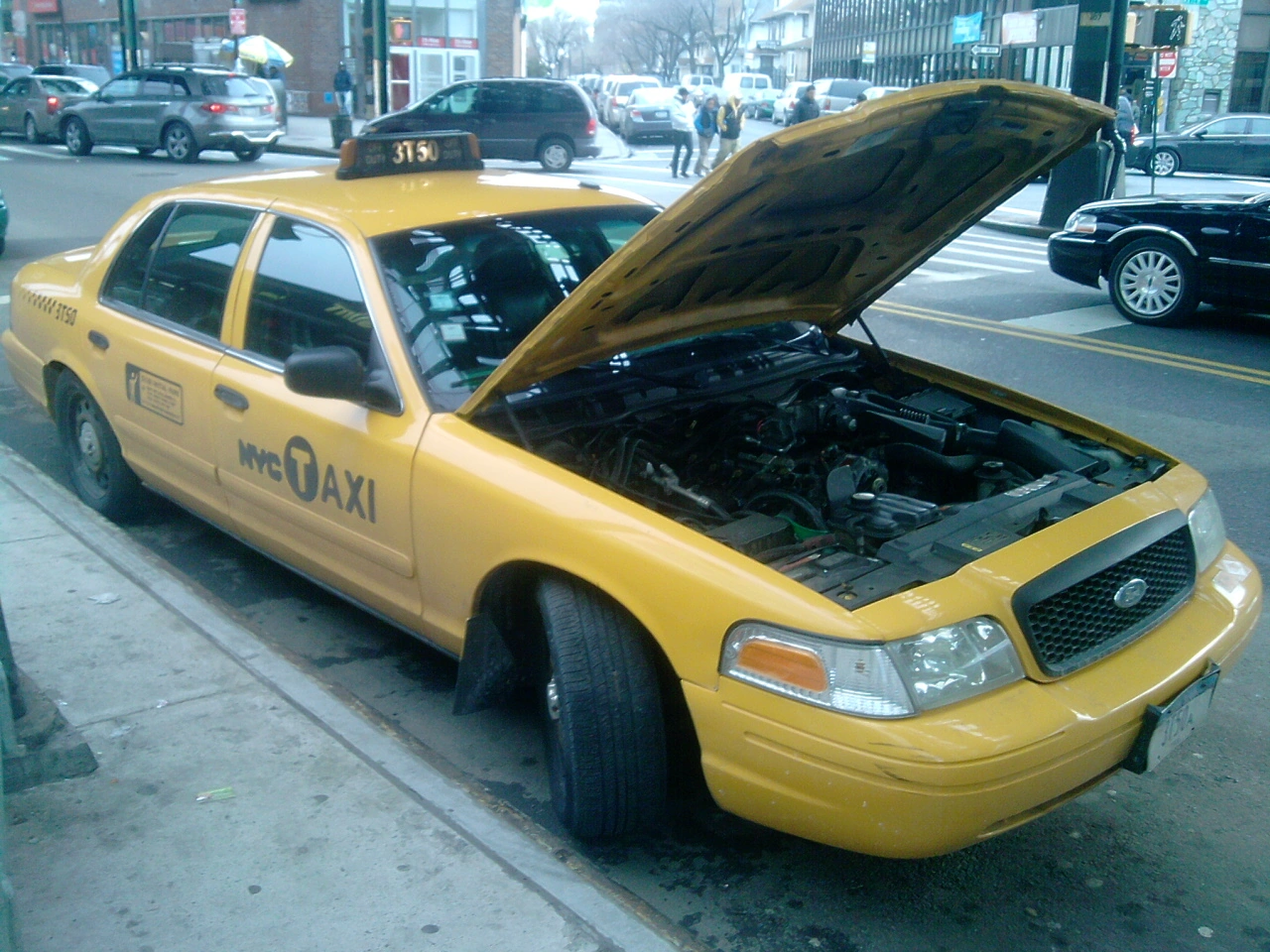
Wikimedia.org • Cookie Nguyen • CC BY-SA
What should you do first if your vehicle breaks down?
If possible, move the vehicle to a safe place away from moving traffic, switch on the hazard warning lights and warn approaching road users.
🔗 wikifin.be • Belgian FSMA Wikifin, what to do after a collision
🔗 nhtsa.gov • US NHTSA, CAFE technical support document (2021), multi-vehicle crash usage
Should you stay inside a broken-down vehicle?
The safest action depends on the location. Leave only if you can reach a safer place away from traffic, such as behind a suitable barrier. If you cannot get out safely, remain belted and call emergency help, following local procedures.
🔗 wikifin.be • Belgian FSMA Wikifin, what to do after a collision
🔗 nhtsa.gov • US NHTSA, CAFE technical support document (2021), multi-vehicle crash usage
Should you use a warning triangle after a breakdown?
Check the country and road-type rules before using a triangle, and never endanger yourself to place it. Some roads prohibit its use: Great Britain’s Highway Code advises against placing a warning triangle on a motorway. A triangle requirement elsewhere does not override that restriction.
🔗 wikifin.be • Belgian FSMA Wikifin, what to do after a collision
🔗 nhtsa.gov • US NHTSA, CAFE technical support document (2021), multi-vehicle crash usage


