

ExpresswayUnited States
 Traffic rules
 United States
3. Expressway
An expressway is a road intended to carry through traffic efficiently, usually at higher speeds than ordinary roads. Expressways often have limited access, multiple lanes, separated carriageways or grade-separated junctions, but their design and legal status vary between countries.
An expressway is not always a motorway. It may have intersections, traffic lights or direct access, and the permitted road users, speed limits and special rules depend on local signs and regulations.
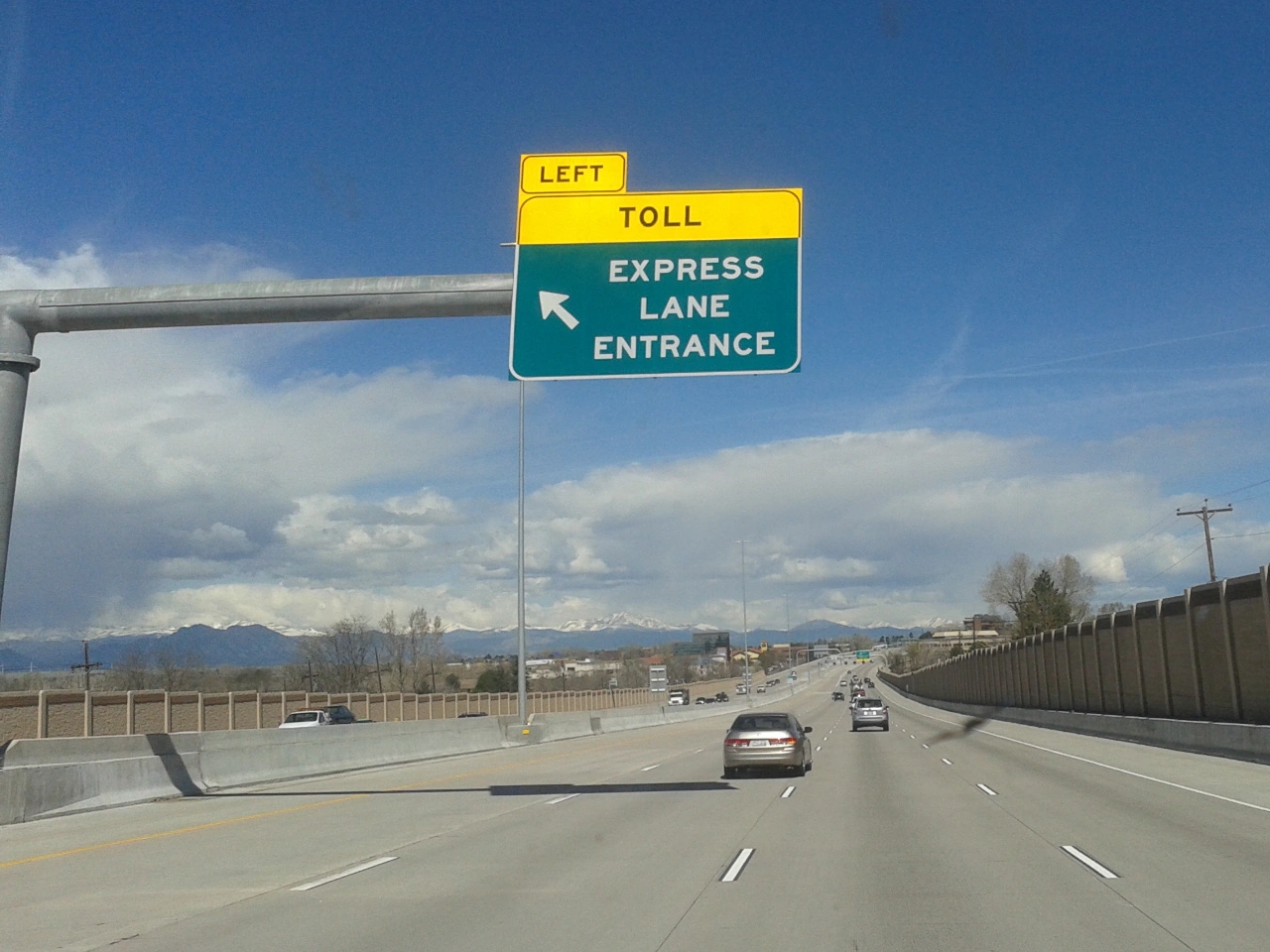
Wikimedia.org • Xnatedawgx • CC BY-SA
How is an expressway different from a freeway in the United States?
The Federal Highway Administration defines an expressway as a divided highway with partial access control, and a freeway as one with full access control. Check the actual road and state rules; everyday names can vary.
🔗 dmv.ca.gov • California DMV — freeway merging and exits; state example
Can a US expressway have intersections at road level?
Yes. Partial access control does not guarantee that every junction is an interchange. Watch for traffic signals, crossing traffic and turning vehicles, and follow the controls at each intersection.
🔗 dmv.ca.gov • California DMV — freeway merging and exits; state example
What speed limit applies to cars on an expressway in the United States?
There is no nationwide expressway maximum. Follow the posted limit and the state rules for your vehicle. Traffic, weather and visibility can require a slower speed than the sign permits.
🔗 dmv.ca.gov • California DMV — freeway merging and exits; state example
Does the word expressway automatically ban pedestrians and bicycles everywhere in the United States?
Do not assume a nationwide ban from the road name. Access restrictions are established for the particular road under state and local rules. Obey signs and check the relevant jurisdiction before entering.
🔗 dmv.ca.gov • California DMV — freeway merging and exits; state example


