

SpeedingUnited States
 Traffic rules
 United States
287. Speeding
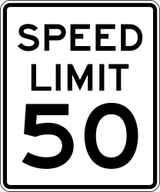
Speeding means driving faster than the maximum speed allowed by traffic law or a posted speed-limit sign. Higher speeds reduce the time available to react, increase stopping distance and make collisions more severe. Drivers must also adapt their speed to traffic, visibility, weather and road conditions, so even driving at the legal speed limit can sometimes be too fast for the situation. Speeding penalties vary between countries and may depend on how far the limit was exceeded and where the offence occurred.

Wikimedia.org • Damany Coleman • CC0
What is speeding?
Speeding means driving faster than the applicable maximum speed limit.
🔗 gov.uk • Great Britain Highway Code, Rules 226–237, grip/visibility; national guidance example
Why is speeding dangerous?
Higher speed leaves less time available to respond to a hazard, increases the distance needed to stop and can increase collision severity. It does not make a driver’s physiological reaction time shorter; impairment or distraction can make reactions slower.
🔗 gov.uk • Great Britain Highway Code, Rules 226–237, grip/visibility; national guidance example
Can you drive too fast without exceeding the speed limit?
Yes. A speed limit is normally a maximum. Drivers may need to drive more slowly because of traffic, weather, visibility or road conditions.
🔗 gov.uk • Great Britain Highway Code, Rules 226–237, grip/visibility; national guidance example


