

Speed bumpUnited States
An introduction to the traffic rules and road signs of United States. Learn about driving, road safety and much more in our illustrated book, with answers to frequently asked questions.
For informational purposes only. Always follow official regulations. Some content and images were created with AI assistance.
 Traffic rules
 United States
11. Speed bump
A speed bump is a raised traffic-calming device placed across all or part of a road to make drivers reduce their speed. It is commonly used near homes, schools, crossings, parking areas and other places where low vehicle speeds are important.
Speed bumps vary in shape, height and legal status. Drivers should approach them at a low, controlled speed and follow any warning signs or speed limits that apply.
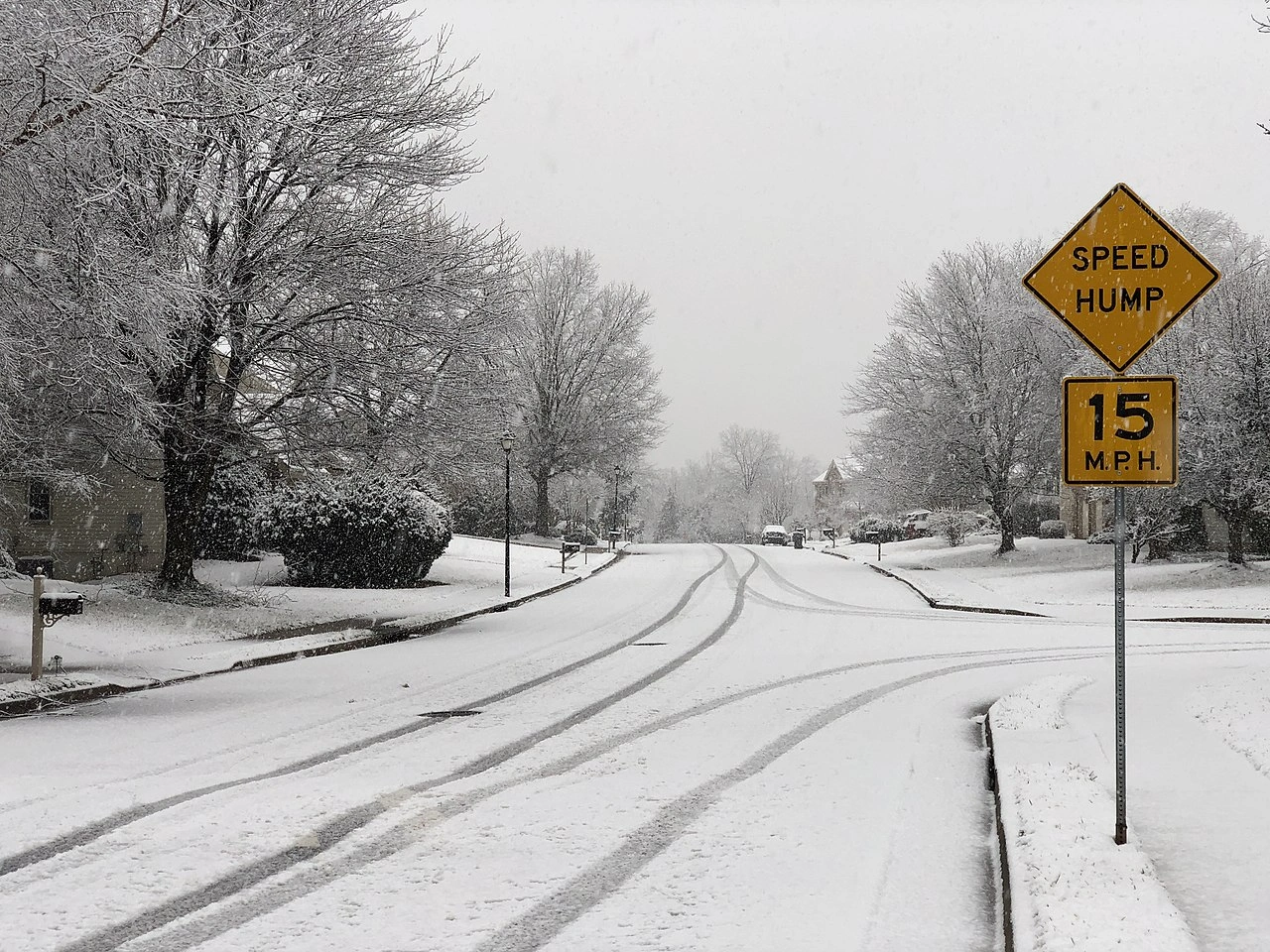
Wikimedia.org • Famartin • CC BY-SA
How should I recognise and approach a speed bump in the United States?
US agencies distinguish physical traffic-calming measures from traffic-control signs and crossing markings. The California handbook requires speed suitable for the conditions; local hump, cushion and raised-crossing designs can differ.
🔗 dmv.ca.gov • California DMV — basic speed law and local speed conditions
Which speed should I use at a raised device in the United States?
In California, the basic speed law requires a speed safe for the current conditions, even below the posted maximum. There is no reason to assume that every hump elsewhere in the United States has the same advisory or legal speed.
🔗 dmv.ca.gov • California DMV — basic speed law and local speed conditions
Does a raised road surface give pedestrians priority in the United States?
A raised surface alone does not establish pedestrian priority in the United States. Identify whether it incorporates a crosswalk and apply the relevant state’s rules and actual controls. In California, the Driver Handbook explains that pedestrians have right of way in marked and unmarked crosswalks. Slow or stop as needed for safe crossing; check other states separately.


