


SuspensionBelgium
An introduction to the traffic rules and road signs of Belgium. Learn about driving, road safety and much more in our illustrated book, with answers to frequently asked questions.
For informational purposes only. Always follow official regulations. Some content and images were created with AI assistance.
 Traffic rules
 Belgium
202. Suspension
Suspension is the system that connects a vehicle's wheels and axles to its body or chassis. It includes components such as springs, shock absorbers, control arms, joints and links that allow the wheels to move while helping keep the vehicle stable and comfortable.
The suspension helps maintain tyre contact with the road, absorbs bumps and contributes to steering, braking and vehicle stability. Worn or damaged suspension components can reduce handling and increase uneven tyre wear.
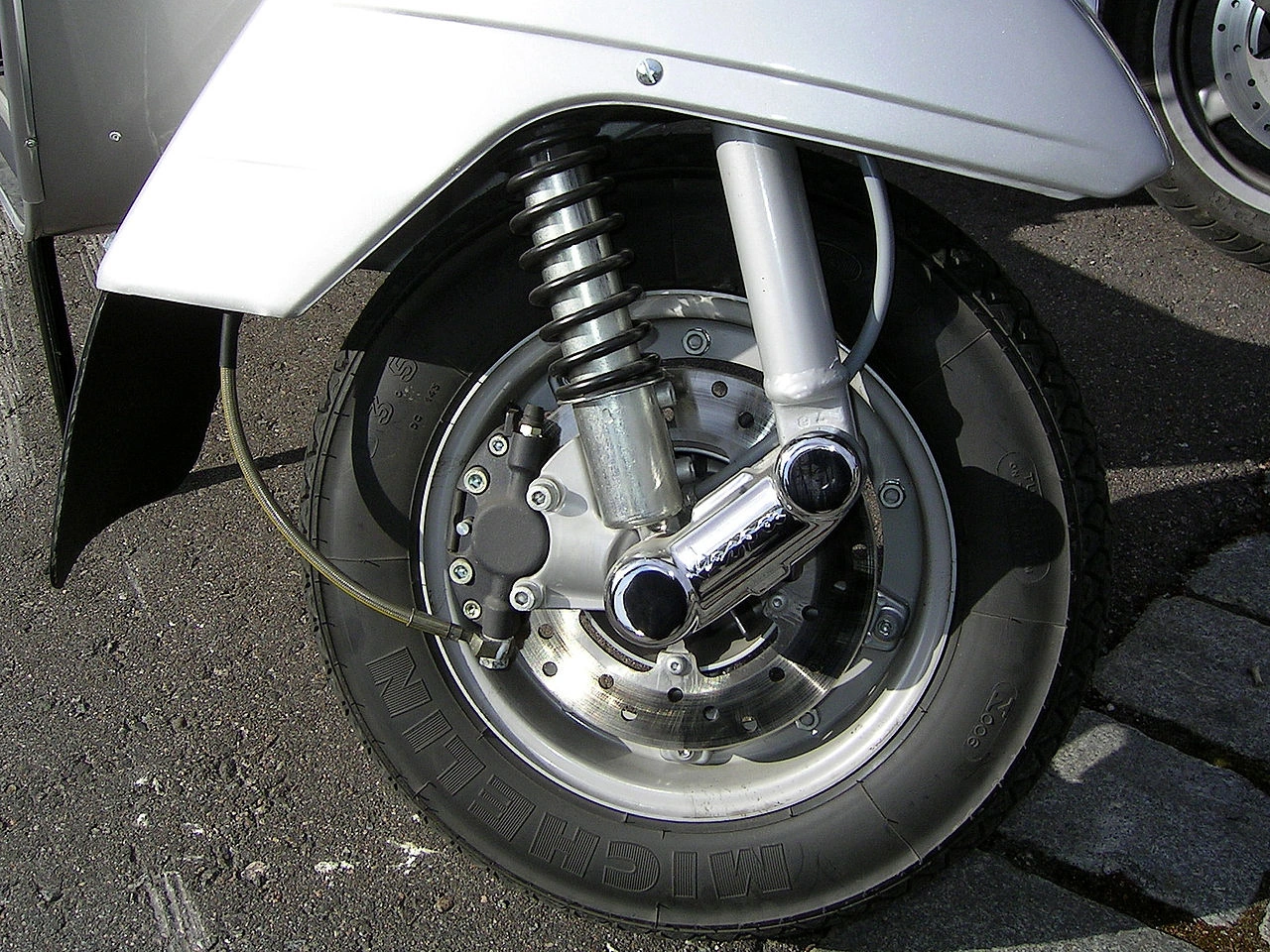
Wikimedia.org • Khaosaming • CC BY-SA
Is the suspension checked during technical inspection in Belgium?
Yes. Suspension components form part of the technical roadworthiness inspection. Defects affecting the safe operation or attachment of suspension components can result in a defect being recorded.
Can you modify a vehicle's suspension in Belgium?
Some suspension modifications are permitted only when they comply with the applicable approval and technical requirements. For example, lowering a vehicle by changing its spring or damper system is subject to specific conditions.
Why is suspension condition important for road safety?
A correctly functioning suspension helps keep the tyres in contact with the road and contributes to predictable steering, braking and stability. Worn or damaged suspension parts can therefore reduce vehicle control.


