

Minimum speedWorldwide
An introduction to the traffic rules and road signs of Worldwide. Learn about driving, road safety and much more in our illustrated book, with answers to frequently asked questions.
For informational purposes only. Always follow official regulations. Some content and images were created with AI assistance.
 Traffic rules
 Worldwide
8. Minimum speed
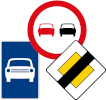
A minimum speed is the lowest speed that vehicles are required to maintain on a particular road or under specified conditions. Minimum-speed rules are intended to prevent vehicles travelling unnecessarily slowly from disrupting traffic or creating large speed differences between road users.
A minimum speed does not require drivers to maintain that speed when traffic, weather, visibility, road conditions or safety require them to slow down. The way minimum speeds are indicated and enforced varies between countries.
🔗 Sources
Image credit: Wikimedia.org • Marc Mongenet • CC BY-SA
Why are minimum speeds used?
Minimum-speed controls can prevent unnecessarily slow traffic from obstructing normal traffic flow. For example, Virginia permits signed minimum limits following a traffic investigation, while retaining exceptions when slower travel is necessary for safety or compliance with law.


