

Public propertyWorldwide
An introduction to the traffic rules and road signs of Worldwide. Learn about driving, road safety and much more in our illustrated book, with answers to frequently asked questions.
For informational purposes only. Always follow official regulations. Some content and images were created with AI assistance.
 Traffic rules
 Worldwide
198. Public property
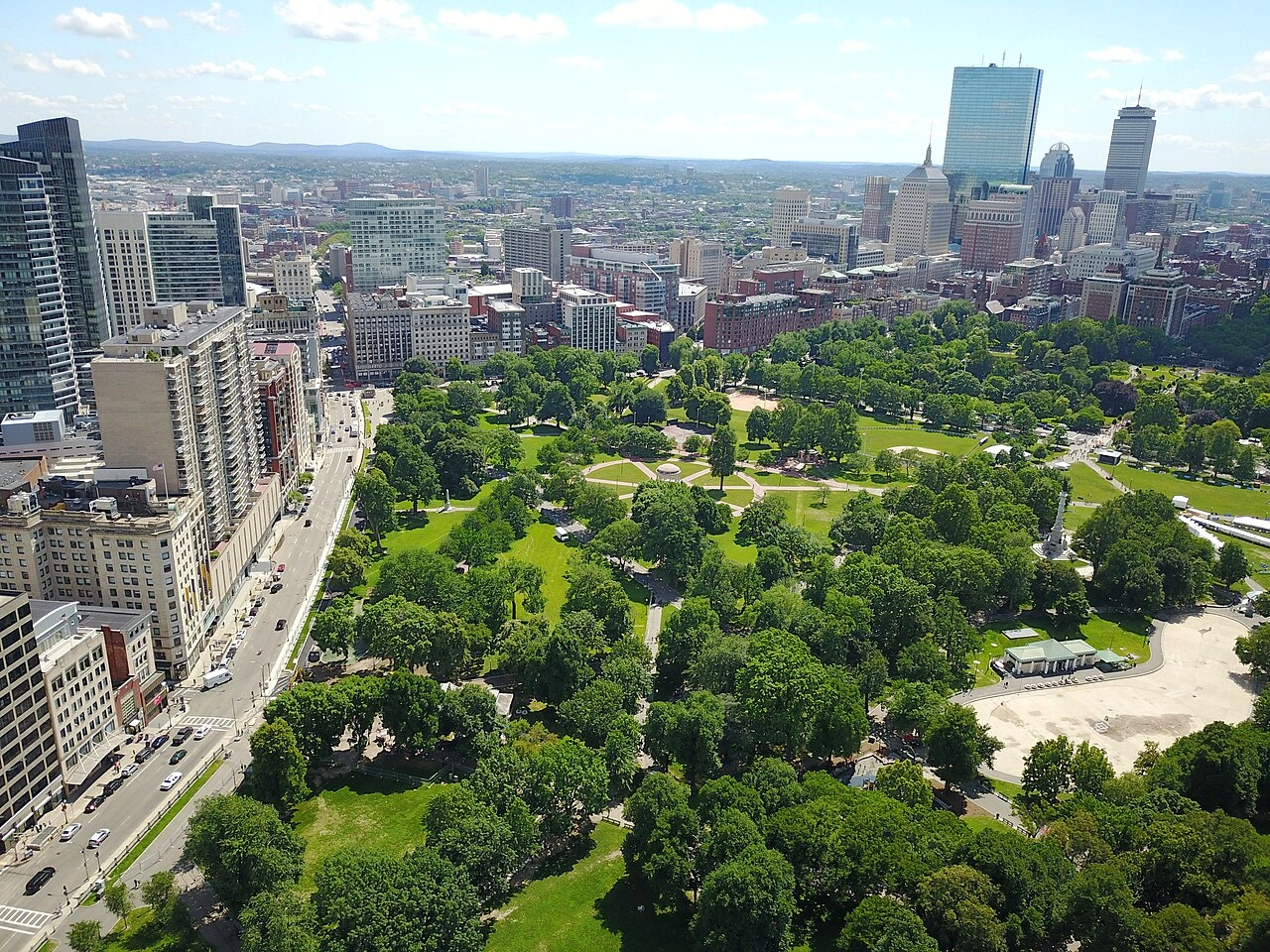
Public property is land, buildings, infrastructure or other property owned or controlled by a government or other public authority. Examples can include roads, parks, public squares, government buildings, railway infrastructure and other facilities used for public services.
Public property is not necessarily freely accessible to everyone. Some public property is open to general public use, while other areas may have restricted access or be reserved for particular services. Traffic rules depend on whether the area forms part of a public road or another place to which the relevant traffic laws apply.
Wikimedia.org • AbhiSuryawanshi • CC BY-SA
What is public property?
Public property is property owned or controlled by a government, municipality or another public authority.
What are examples of public property?
Examples can include roads, parks, public squares, government buildings, transport infrastructure and other public facilities.
Is all public property open to everyone?
No. Some public property is freely accessible, while access to government offices, maintenance facilities, railway infrastructure or other areas may be limited or prohibited.
Is public property the same as a public road?
No. Public property concerns ownership or control, while a public road concerns an area that is legally or actually open to public traffic. A public road can therefore be only one type of public property.
Can privately owned land be open to the public?
Yes. A privately owned car park, road or other area may be accessible to the public even though the government does not own it.
Can publicly owned land be closed to the public?
Yes. Public authorities can own areas that are restricted to authorised personnel, maintenance services or other specified users.
Do traffic rules automatically apply to all public property?
No. Whether ordinary road-traffic rules apply depends on the legal status and use of the area rather than simply on who owns it.
Can public property contain roads and parking areas?
Yes. Public property can include streets, car parks, access roads and other traffic areas, each of which may have its own traffic and access rules.
Can access to public property be restricted by signs?
Yes. Signs, barriers, opening hours, permits or other regulations may restrict access to particular public areas.
Can vehicles be prohibited from public property?
Yes. A publicly accessible park, square or pedestrian area may prohibit motor vehicles or permit only specific categories such as emergency, maintenance or delivery vehicles.
Is public property the same as public space?
Not necessarily. Public space generally describes an area available for public use, while public property primarily describes ownership or control. A publicly used space can sometimes be privately owned.
Why is the distinction important for traffic rules?
Traffic regulations frequently depend on whether an area is a public road, publicly accessible place or restricted private area, rather than solely on ownership.


