

VehicleWorldwide
An introduction to the traffic rules and road signs of Worldwide. Learn about driving, road safety and much more in our illustrated book, with answers to frequently asked questions.
For informational purposes only. Always follow official regulations. Some content and images were created with AI assistance.
 Traffic rules
 Worldwide
359. Vehicle
A vehicle is a means of transport used to move people, goods or equipment over land. Vehicles can be powered by an engine or motor, by human effort or by another vehicle and can include cars, trucks, buses, motorcycles, bicycles and trailers.
Different types of vehicles are subject to different rules concerning driving licences, registration, insurance, equipment, speed limits and road access. The legal classification of a vehicle therefore determines many of the traffic rules that apply to its driver or user.
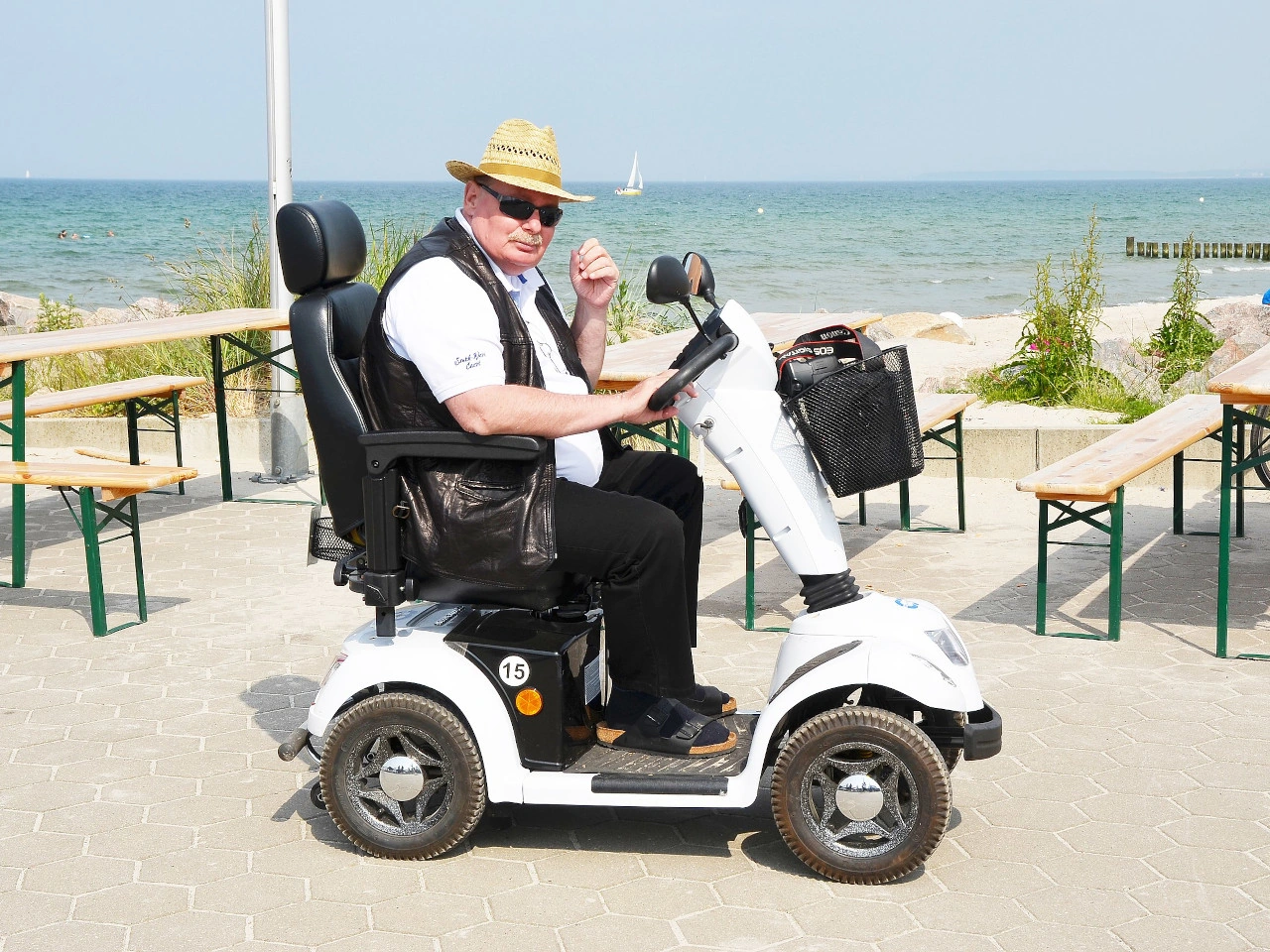
Wikimedia.org • Malchen53 • CC BY-SA
What is a vehicle?
A vehicle is a means of transport used to move people, goods or equipment over land.
Does a vehicle have to have an engine?
No. Vehicles can be motorised or non-motorised. Cars and motorcycles are motor vehicles, while bicycles and trailers are examples of vehicles that do not necessarily have their own motor.
What is a motor vehicle?
A motor vehicle is a vehicle equipped with an engine or motor and designed to move under its own power.
Is a bicycle a vehicle?
Yes, generally. A bicycle is a human-powered vehicle and is normally subject to specific traffic rules for cyclists.
Is a trailer a vehicle?
Yes. A trailer is a vehicle designed to be towed by another vehicle rather than move under its own power.
Are agricultural machines vehicles?
Many agricultural machines are legally considered vehicles or mobile machinery. Their exact classification depends on their construction and local legislation.
Does every vehicle need a driving licence?
No. Driving-licence requirements depend on the vehicle category. Cars, motorcycles and heavy vehicles normally require the appropriate licence, while ordinary bicycles do not.
Does every vehicle need registration?
No. Registration requirements depend on the type of vehicle. Motor vehicles commonly require registration, while bicycles and certain other vehicles may be exempt.
Can every vehicle use every road?
No. Road access can be restricted according to vehicle category. Motorways, cycle paths, pedestrian areas and other roads may permit only specified types of vehicles.
Do the same speed limits apply to every vehicle?
No. Different maximum speeds may apply according to the vehicle category, mass, construction and road type. Traffic signs may impose additional restrictions.
Can traffic signs apply only to certain vehicles?
Yes. Traffic signs and supplementary panels can prohibit, require or permit access for particular vehicle categories.
Why is the legal classification of a vehicle important?
The classification determines rules concerning licensing, registration, insurance, speed, equipment, road position and access. Two vehicles that look similar can therefore be subject to different traffic rules.


