

PassengerUnited Kingdom
 Traffic rules
 United Kingdom
92. Passenger
A passenger is a person travelling in or on a vehicle without being responsible for driving or controlling it. Passengers may travel in cars, buses, motorcycles, trains and other forms of transport, provided the vehicle is designed and permitted to carry them.
Passengers must use the seats, seat belts, child-restraint systems, helmets or other safety equipment required for the vehicle and by local law. A vehicle must not carry more passengers than its approved seating or passenger capacity allows.
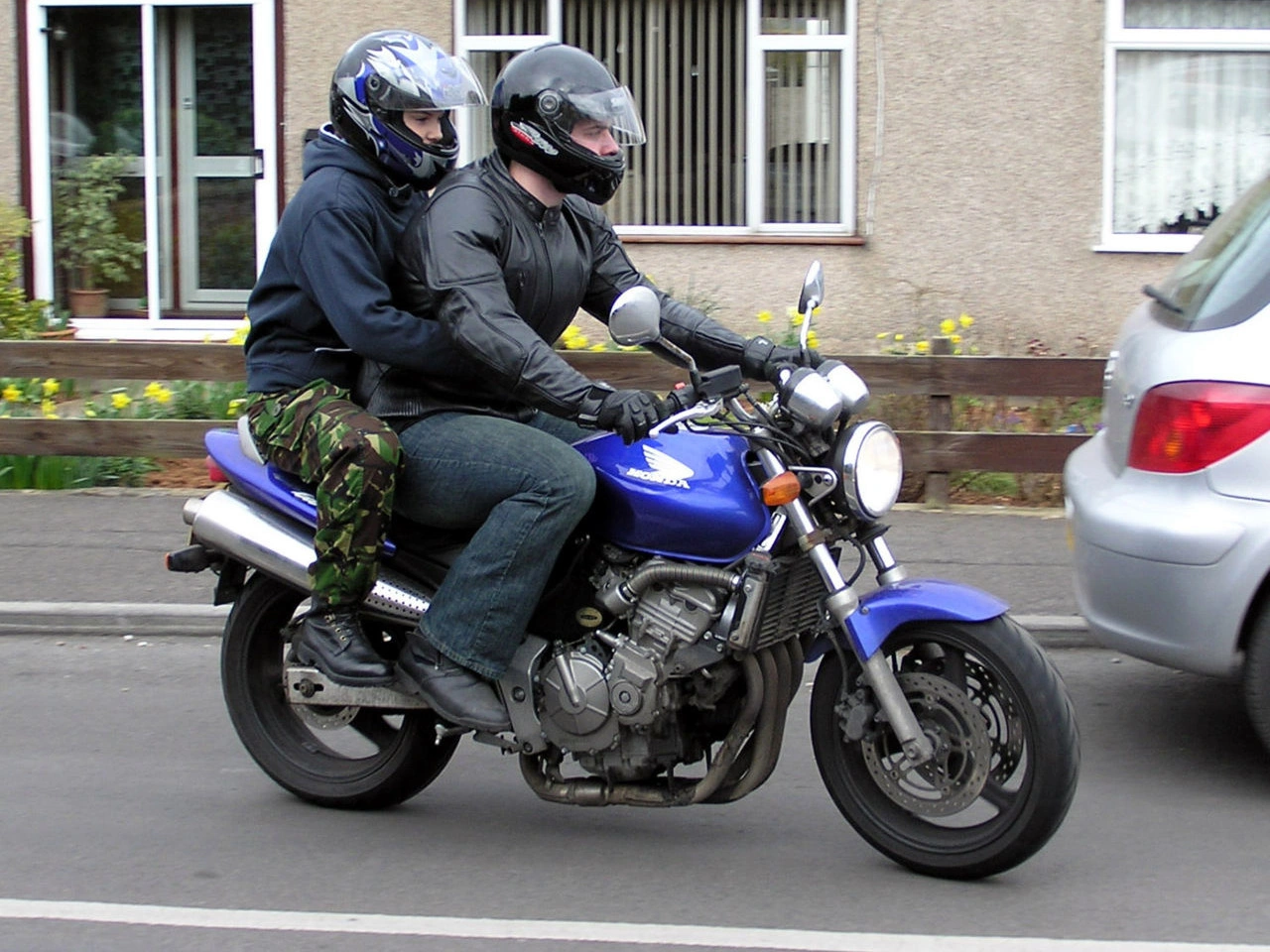
Wikimedia.org • Arpingstone • CC0
What is a passenger?
A passenger is a person travelling in or on a vehicle without being the person responsible for driving or controlling it.
🔗 gov.uk • Great Britain Highway Code, Rules 99–102, seat belts; national guidance example
Is a passenger the same as an occupant?
Not exactly. An occupant can include both the driver and passengers, while a passenger normally means an occupant who is not driving the vehicle.
🔗 gov.uk • Great Britain Highway Code, Rules 99–102, seat belts; national guidance example
Must passengers wear seat belts?
Where seat belts are provided and their use is required, passengers must wear them correctly. Exact requirements and exemptions vary between countries.
🔗 gov.uk • Great Britain Highway Code, Rules 99–102, seat belts; national guidance example


