

Wrong-way drivingUnited Kingdom
 Traffic rules
 United Kingdom
32. Wrong-way driving
Wrong-way driving occurs when a driver travels against the legally permitted direction of traffic. It may happen on a one-way road, divided road, motorway entrance or exit, or another road section reserved for traffic travelling in one direction.
Wrong-way driving creates an extreme risk of a head-on collision. Drivers must follow direction signs, no-entry signs, lane arrows and road markings. Anyone who accidentally enters a road in the wrong direction should slow down, warn other traffic, stop in the safest available place and contact the emergency services.
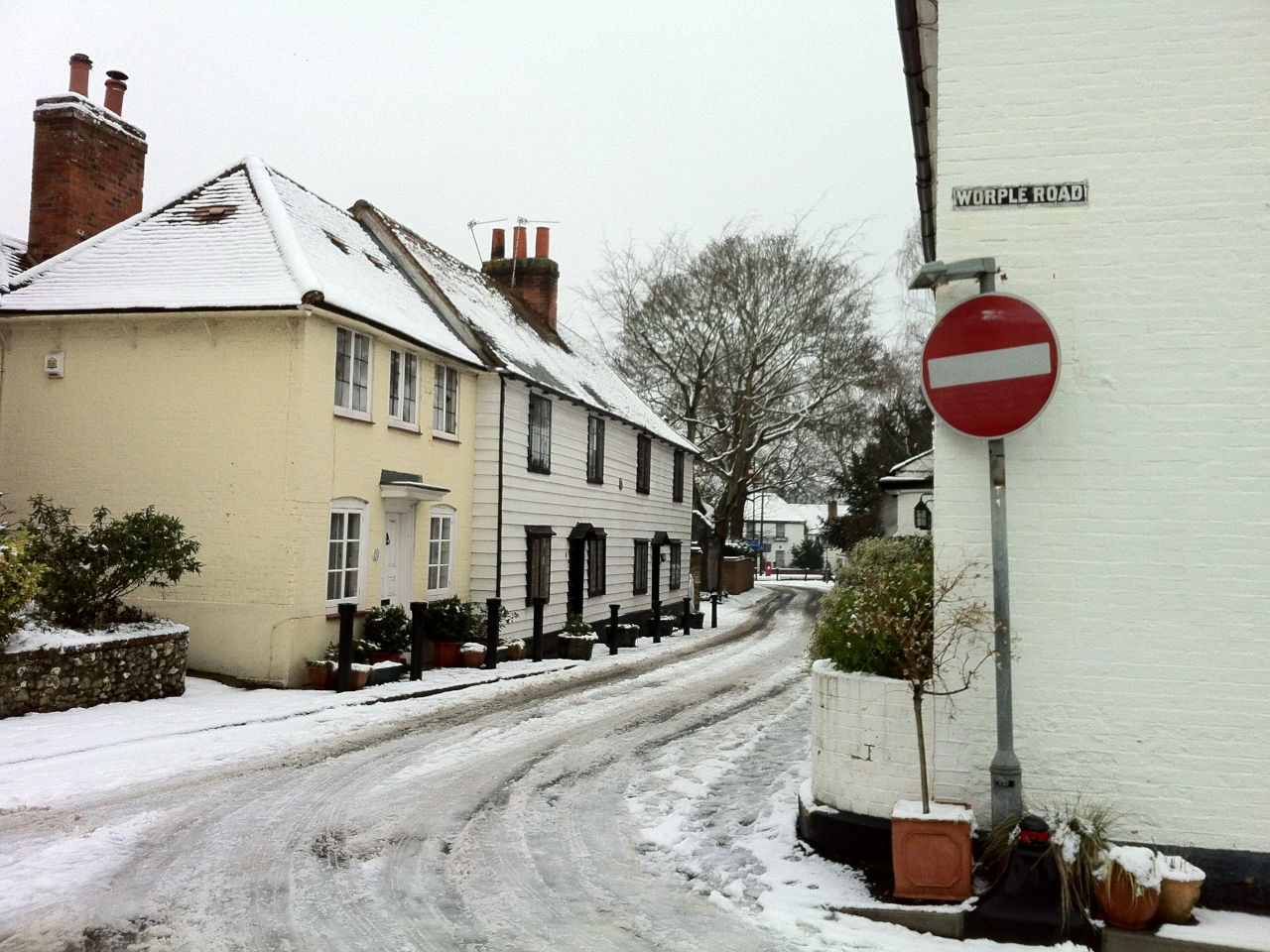
Wikimedia.org • Hugh Craddock • CC BY-SA
How can you avoid driving the wrong way in the United Kingdom?
Traffic normally keeps left here. Keep to the correct side of the road and use no-entry and one-way signs to identify prohibited approaches; do not enter an exit ramp against its permitted direction.
🔗 gov.uk • Great Britain Highway Code: Rule 263; Rules 160,143 and no-entry signs
🔗 gov.uk • DfT Know Your Traffic Signs: regulatory signs (Great Britain)
What signs can prevent wrong-way driving in the United Kingdom?
The no-entry sign is a red disc with a horizontal white bar; check one-way indicators as well. Before entering a motorway, expressway, one-way street or slip road, check the permitted direction rather than relying only on a navigation app.
🔗 gov.uk • Great Britain Highway Code: Rule 263; Rules 160,143 and no-entry signs
🔗 gov.uk • DfT Know Your Traffic Signs: regulatory signs (Great Britain)
What should you do if you enter a road against traffic in the United Kingdom?
Do not continue along the wrong-way lane or try to reverse or make a U-turn across a high-speed road. Reduce speed, warn other traffic if safe, get to a protected stopping place away from moving traffic when possible and contact the police or road operator for assistance.
🔗 gov.uk • Great Britain Highway Code: Rule 263; Rules 160,143 and no-entry signs
🔗 gov.uk • DfT Know Your Traffic Signs: regulatory signs (Great Britain)


