

StreetUnited Kingdom
 Traffic rules
 United Kingdom
71. Street
A street is a road in a built-up or developed area that provides access to homes, businesses, schools, shops and other properties or activities. Streets are commonly shared by several types of road users, including motorists, cyclists and pedestrians.
A street may contain a roadway, pavements, cycle facilities, parking spaces, public-transport stops and other infrastructure. Speed limits, priority rules, parking restrictions and permitted road users depend on the local traffic signs, road design and regulations.
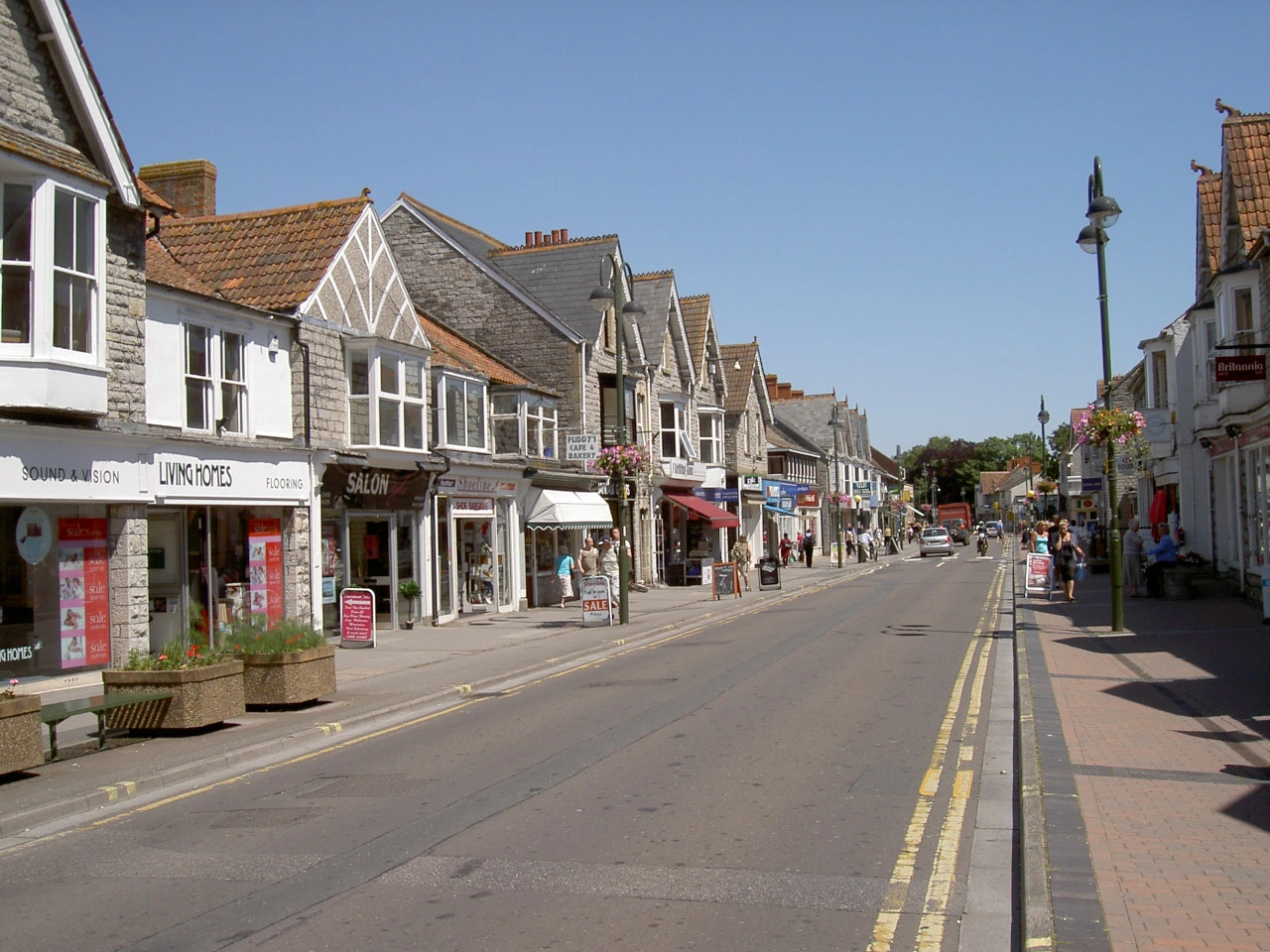
Wikimedia.org • Neil Owen • CC BY-SA
What is a street?
A street is a road in a built-up or developed area that commonly provides access to buildings, properties and activities along it.
Is a street the same as a road?
Not exactly. Road is a broader term that can include motorways, rural roads and other routes. A street is normally associated with a built-up area and access to properties or activities.
Is a street the same as the roadway?
No. The roadway or carriageway is the part primarily intended for vehicle traffic. A street can also contain pavements, cycle facilities, parking areas and other infrastructure.
Can pedestrians use a street?
Yes. Pedestrians normally use the pavement, sidewalk or other pedestrian facilities provided along the street and cross the roadway according to the applicable crossing rules.
Can cyclists use a street?
Yes. Cyclists may use cycle paths, cycle lanes or the roadway according to the local traffic rules and infrastructure.
Can a street have one-way traffic?
Yes. A street may be restricted to vehicles travelling in one direction, while signs may sometimes allow particular road users such as cyclists to travel in both directions.
Can a street be closed to motor vehicles?
Yes. Streets may form pedestrian zones, school streets, play streets or other restricted areas where motor-vehicle access is prohibited or limited.
Is there one speed limit for all streets?
No. The applicable speed depends on the country, location, type of street and traffic signs. Special lower limits commonly apply in residential, school or pedestrian-oriented areas.
Can cars park on a street?
Yes, where parking is permitted. Drivers must respect parking signs, road markings and general restrictions concerning crossings, intersections, driveways and other protected locations.
Can public transport use a street?
Yes. Streets may carry buses, trams or other public transport and can include dedicated lanes, tracks and passenger stops.
Can a street include a cycle path?
Yes. A cycle path may run along a street while remaining a separate part of the road from the ordinary roadway.
What should drivers expect on a street?
Drivers should expect frequent interaction with pedestrians, cyclists, parked vehicles, intersections, driveways and public transport and should adapt their speed and observation accordingly.


